




Festivals in Japan, known as "matsuri," take place throughout the year and offer a close look at local traditions, seasonal customs, and community life. From cherry blossom celebrations in spring to spectacular summer fireworks and lively regional parades, this month-by-month guide helps you discover what’s happening during your trip.
(Top Photo: Aomori Tourism and Convention Association)
January
Hatsumode (Nationwide)
・When: New Year's Eve through the first few days of January
・Where (in Tokyo): Major sites like Sensoji Temple and Meiji Shrine (Meiji Jingu), plus nearly every local neighborhood shrine.
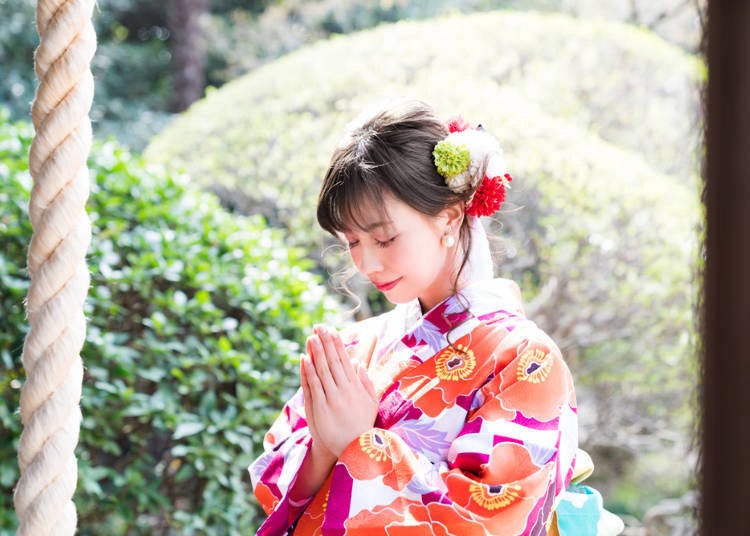
Hatsumode is the traditional first shrine or temple visit of the year, making it Japan's most significant New Year's event. Millions of locals gather at sacred sites across the country to pray for good fortune, health, and peace in the months ahead.
Why you should go: For first-time visitors, hatsumode is the ultimate way to experience Japan's most important holiday like a local. While the major shrines will be very crowded, the festive, communal energy is unforgettable. It’s a perfect chance to participate in a beautiful cultural ritual—like making a wish and drawing an omikuji (fortune slip)—while warming up with piping hot street food from the lively yatai (festival stalls) that line the shrine paths.
Wakakusa Yamayaki (Nara Prefecture)
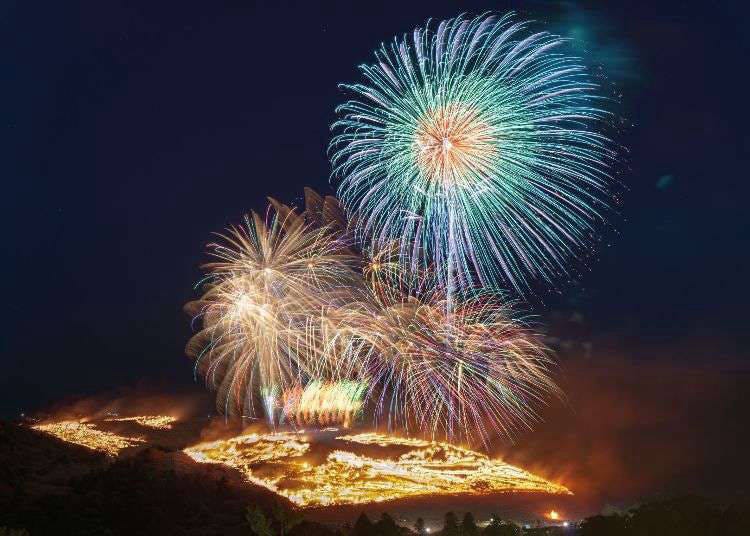
・When: 4th Saturday of January
・Where: Mount Wakakusa (Nara)
Wakakusa Yamayaki is a dramatic winter festival where the dead grass on Nara's Mount Wakakusa is intentionally set ablaze. Rooted in traditions that honor ancestors and promote fire safety, this fiery spectacle illuminates the night sky.
Why you should go: For first-time visitors making the trip to Nara, this is a truly unique event. You will witness an entire mountainside glowing bright orange alongside a spectacular fireworks display, creating a breathtaking and highly photogenic winter scene.
Mt. Miune Rime Ice Festival (Nara Prefecture)
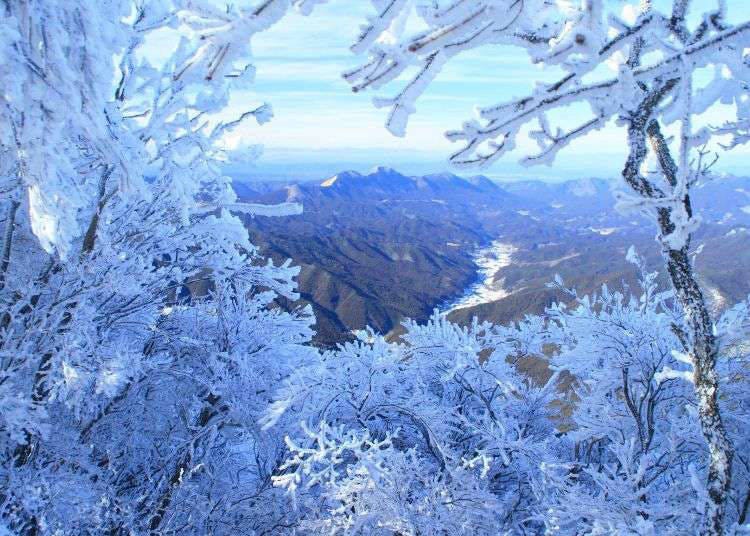
・When: Weekends and holidays from January 17 to February 15, 2026
・Where: Mitsue Youth Travel Village (Nara)
The Mt. Miune Rime Ice Festival highlights a stunning natural phenomenon where freezing fog transforms the mountain's trees into sparkling ice sculptures.
Why you should go: For outdoor enthusiasts visiting Japan in winter, this offers a beautiful introduction to the country's snowy hiking culture. Beyond the spectacular frosty landscapes, the experience is complete with traditional Japanese winter comforts. You can warm up with hot mochi and sweet amazake at the trailhead, then finish your day by soaking in a local natural hot spring.
February
Setsubun (Tokyo)
・When: One day before the first day of spring (around February 4)
・Where (in Tokyo): Sensoji Temple and other temples
Setsubun marks the traditional end of winter. The festival is famous for mamemaki, an ancient bean-throwing ritual meant to chase away evil spirits and welcome good fortune for the year ahead.
Why you should go: It is a lively, interactive slice of Japanese folklore that is incredibly fun for first-time visitors. At major sites like Sensoji Temple, you can watch sumo wrestlers and local celebrities tossing beans into the energetic crowd, often accompanied by traditional dances and festive parades.
Sapporo Snow Festival (Hokkaido)
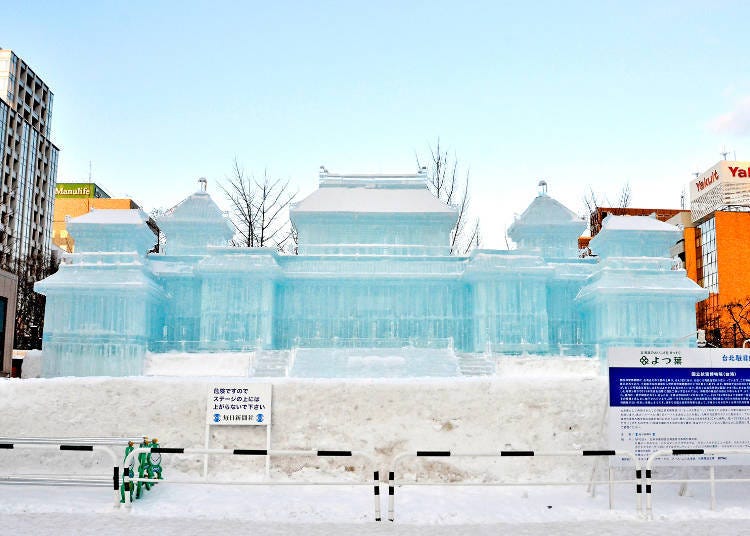
・When: February 4-11, 2026
・Where: Sapporo City (Odori, Susukino, Tsudome, and others)
Hokkaido's signature Sapporo Snow Festival transforms 30,000 tons of snow and ice into hundreds of massive, intricate sculptures. The displays range from towering replicas of historic Japanese castles to popular anime and video game characters.
Why you should go: As one of Japan's most famous winter events, it is an absolute bucket-list experience. The sheer scale and detail of the frozen artwork are mind-boggling for first-time visitors. Walking through the illuminated city venues at night also provides the perfect excuse to warm up with Sapporo's legendary comfort foods like miso ramen and soup curry.
Yokote Yuki Matsuri (Kamakura) (Akita Prefecture)
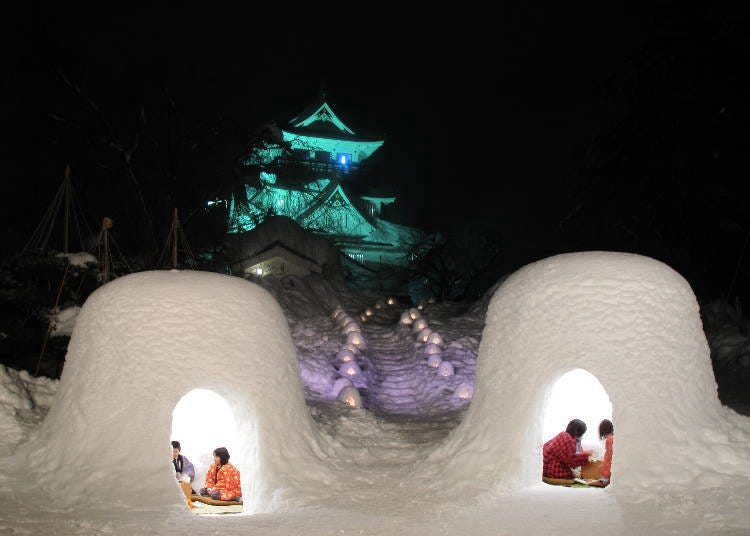
・When: February 13-14, 2026
・Where: Various locations in Yokote City (Akita)
The Yokote Snow Festival is a 450-year-old tradition famous for its kamakura, which are traditional igloo-like snow huts. Inside these illuminated snow domes, locals create small altars to pray for their families' safety.
Why you should go: It provides an incredibly cozy and authentic way for first-time visitors to experience rural Japanese hospitality. Local children invite guests inside the huts to share warm amazake (sweet rice drink) and toasted mochi, allowing you to connect directly with the community and hear the regional Akita dialect firsthand.

March
Mount Takao Fire Walking Festival (Tokyo)
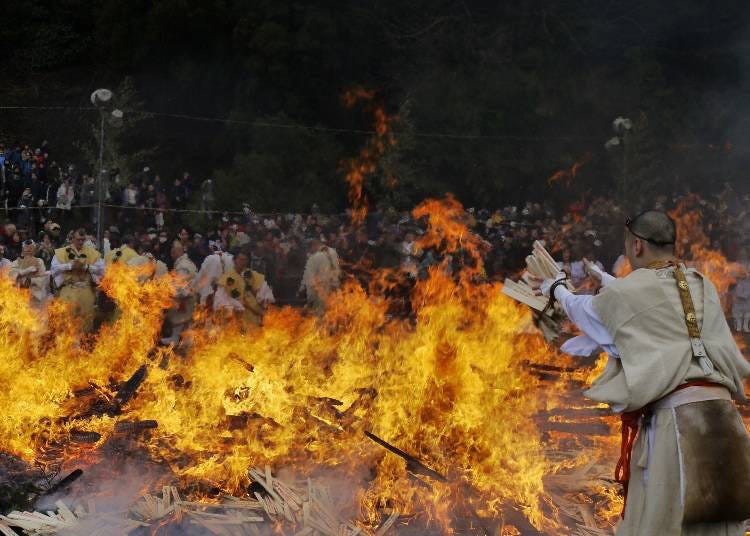
・When: Second Sunday in March
・Where (in Tokyo): Mt. Takao Yakuo-in (base of the mountain)
The Fire Walking Festival (Hiwatari Matsuri) is a spectacular ritual held at Mount Takao, a sacred mountain easily accessible from central Tokyo. The dramatic highlight is watching yamabushi (ascetic monks) walk barefoot across a large bed of smoldering embers to pray for peace and safety.
Why you should go: For first-time visitors, this event provides a thrilling, up-close look at Japan's ancient mountain worship traditions. After the monks complete their ritual and the fire burns down, the public is actually invited to walk barefoot across the warm ashes themselves, making it a highly interactive and unforgettable cultural experience.
Ueno Cherry Blossom Festival (Tokyo)
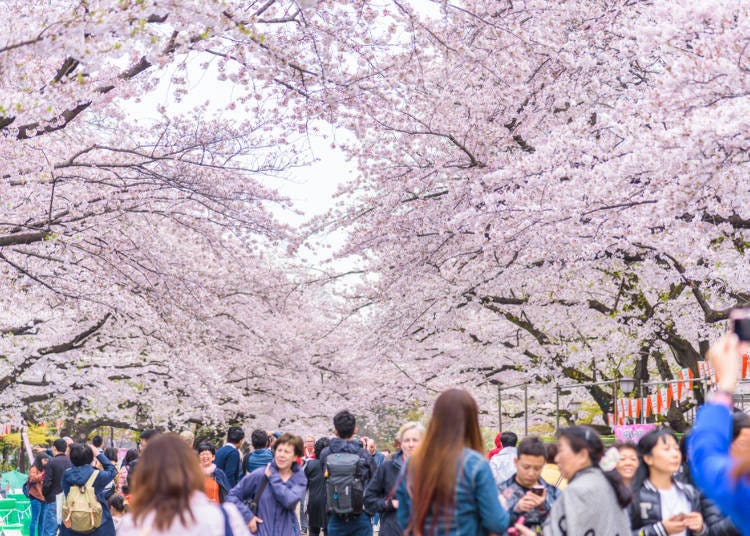
・When: Late March to early April
・Where (in Tokyo): Ueno Park
Ueno Park has been one of Tokyo's most famous cherry blossom viewing spots for nearly 400 years. During the Sakura Matsuri (Cherry Blossom Festival), the sprawling park comes alive with thousands of blooming trees, traditional lion dance performances, and bustling antique markets.
Why you should go: For first-time visitors, this is the quintessential place to experience hanami (cherry blossom viewing) party culture. The energetic atmosphere is unmatched, with crowds of locals gathering under the pink canopy to eat, drink, and celebrate spring. Between the stunning floral displays and the endless rows of festival food stalls, it offers a perfect snapshot of Japan's favorite seasonal pastime.

Nishinomaru Garden Cherry Blossom Nighttime Illumination (Osaka Prefecture)
・When: Late March to mid-April
・Where: Osaka Castle Park
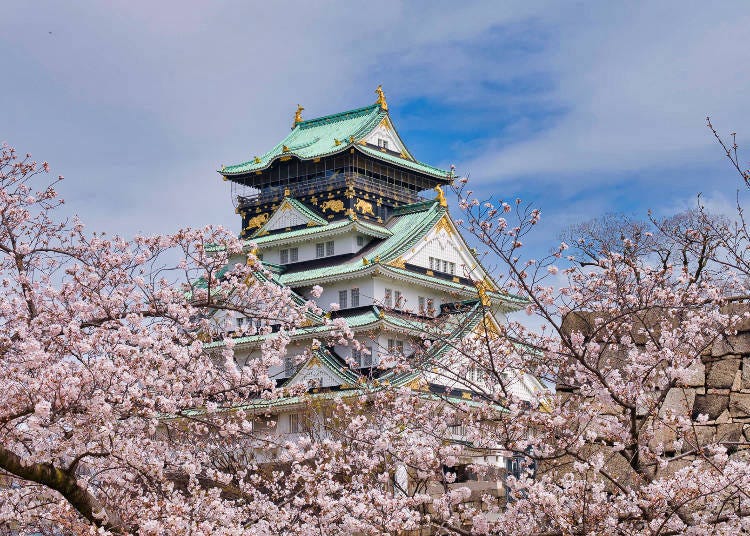
Osaka Castle Park features nearly 3,000 cherry trees that transform the sprawling grounds into a vibrant sea of pink. A major highlight is the special nighttime viewing at Nishinomaru Garden, where the blossoms are beautifully illuminated after sunset.
Why you should go: For first-time visitors to Osaka, this provides a breathtaking introduction to yozakura (nighttime cherry blossom viewing). Seeing the brightly lit flowers contrasting with the majestic architecture of the illuminated Osaka Castle in the background creates an iconic photo opportunity and an unforgettable spring evening.
April
Chichibu Shibazakura Matsuri (Saitama Prefecture)
・When: Mid-April to early May
・Where: Shibazakura no Oka (Hitsujiyama Park, Chichibu)
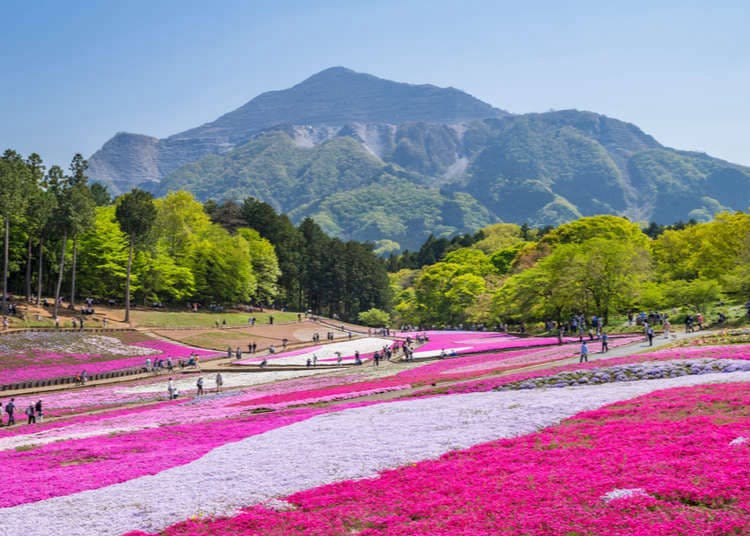
Located just 90 minutes from central Tokyo, the Shibazakura Matsuri (Moss Phlox Festival) transforms Hitsujiyama Park into a sprawling, vibrant carpet of bright pink, purple, and white ground-covering blooms.
Why you should go: For first-time visitors, this festival provides a striking alternative to traditional cherry blossoms and a perfect excuse for a scenic day trip. The colorful flower fields stretch out with the majestic Chichibu mountains in the background, creating incredible photo opportunities. The lively festival atmosphere is rounded out by local food stalls, making it a highly rewarding and picturesque escape from the urban hustle.
Tateyama Kurobe Snow Corridor (Toyama Prefecture/Nagano Prefecture)
・When: Mid-April to mid-June
・Where: Tateyama Kurobe Alpine Route (Toyama and Nagano)
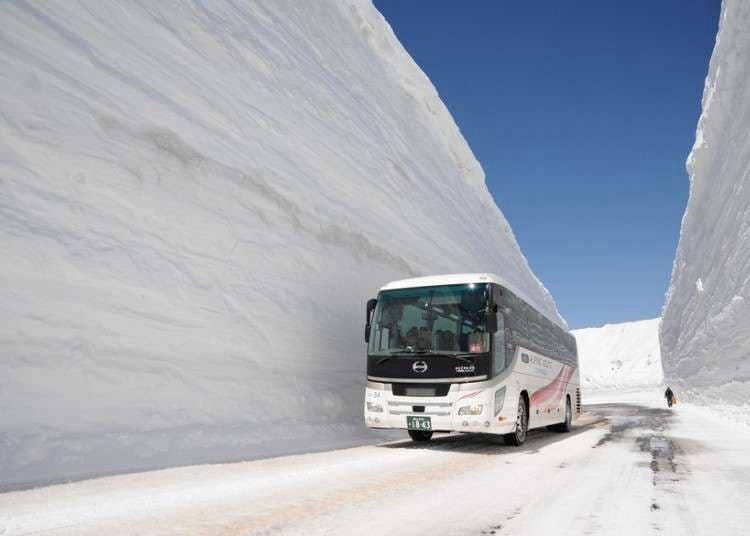
The Yuki no Otani (Snow Wall) Festival takes place along the scenic Tateyama Kurobe Alpine Route. As plows clear the mountain roads in early spring, they carve out a 500-meter-long pedestrian corridor flanked by massive walls of snow that can reach up to 20 meters high.
Why you should go: For first-time visitors wanting to venture beyond the major cities, this is a spectacular and highly unique excursion. The dedicated Snow Wall Walk allows you to stroll on foot directly between these towering white cliffs, offering a dramatic, surreal photo opportunity set against the stunning 3,000-meter peaks of the Northern Japan Alps.
Goryokaku Park Cherry Blossom Night Illumination (Hokkaido)
・When: Late April to early May
・Where: Goryokaku Park (Hakodate)
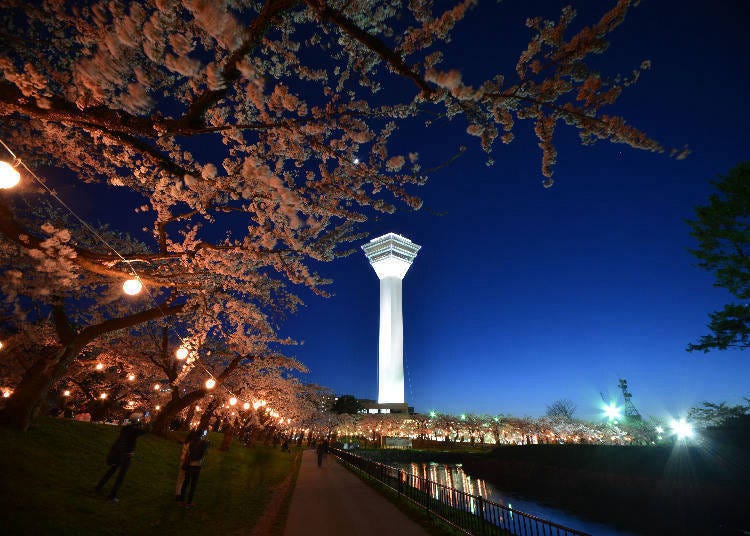
Goryokaku Park is a massive, star-shaped fortress built in the late Edo Period that bursts into color with nearly 1,600 blooming cherry trees. During the sakura season, the historic grounds are beautifully illuminated from 7 PM to 9 PM every evening.
Why you should go: For first-time visitors traveling to Hokkaido, this is one of Japan's most visually striking cherry blossom spots. Looking down at the illuminated, star-shaped pink fortress from the adjacent Goryokaku Tower observation deck provides a breathtaking, bird's-eye perspective of the blooming flowers that you simply cannot get anywhere else.
Hirosaki Cherry Blossom Festival (Aomori Prefecture)
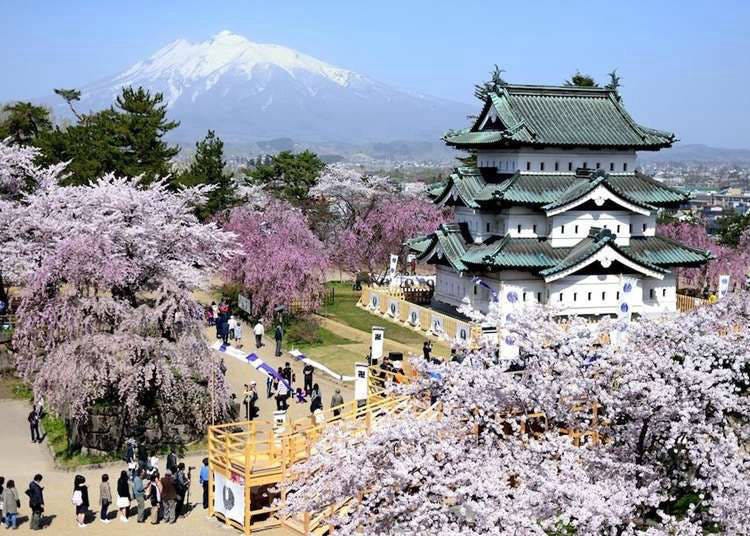
・When: Late April to early May
・Where: Hirosaki Park (Aomori)
The Hirosaki Cherry Blossom Festival attracts over two million visitors to the grounds of historic Hirosaki Castle. The expansive park features roughly 2,600 cherry trees spanning over 50 varieties, offering beautiful blossom tunnels and stunning nighttime illuminations.
Why you should go: Widely considered one of Japan's top cherry blossom viewing spots, it offers first-time visitors a picture-perfect springtime experience in the northern Tohoku region. The absolute highlight is witnessing the famous hanaikada (flower rafts), where thousands of fallen pink petals completely cover the castle's outer moat to create a breathtaking and highly photogenic floral waterway.
May
Higashimokoto Shibazakura Festival (Ozora-cho, Abashiri-gun)
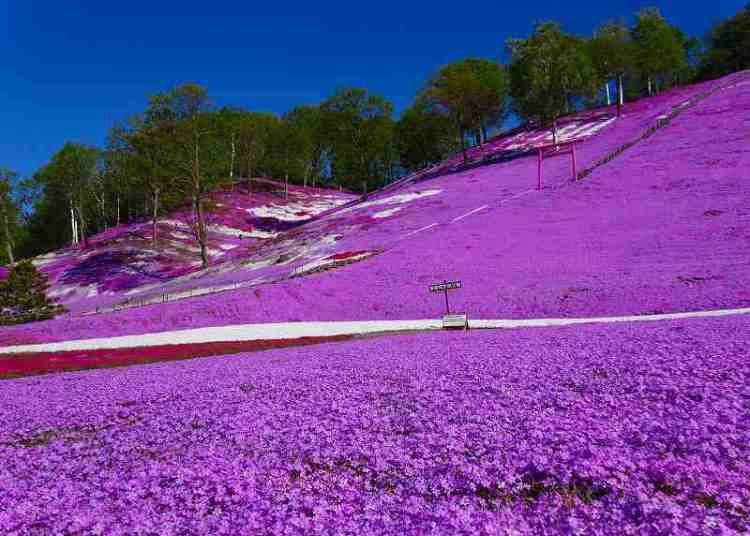
・When: May 3 to June 5
・Where: Higashimokoto Shibazakura Park (Hokkaido)
The Higashimokoto Shibazakura Festival transforms a massive 10-hectare park into a vibrant, rolling carpet of pink, white, and purple moss phlox. The celebration features stage performances, scenic guided tours across the grounds, beautiful nighttime illuminations, and a spectacular fireworks display.
Why you should go: For first-time visitors exploring Hokkaido in late spring, this provides a phenomenal introduction to Japan's famous large-scale flower parks. The sheer scale of the brightly colored hillsides creates a surreal landscape that is perfect for photography, while the lively local food stalls and evening events make it a highly entertaining day trip.
Aoi Matsuri (Kyoto Prefecture)
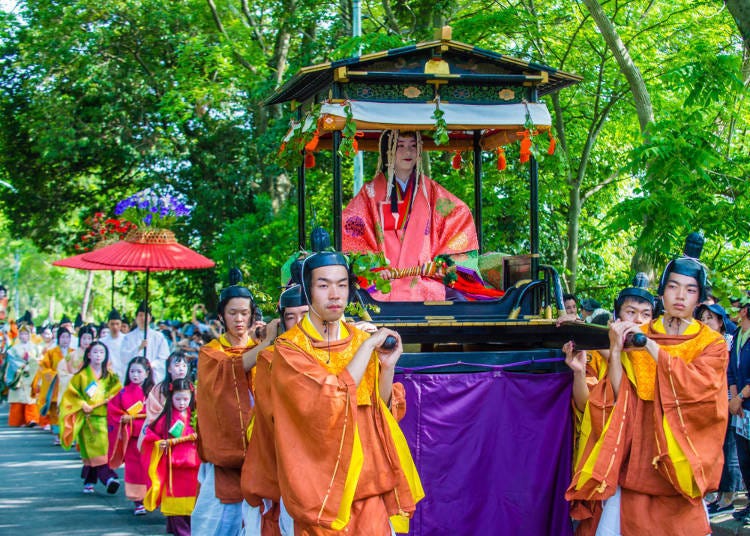
・When: May 15
・Where: Shimogamo Shrine and Kamigamo Shrine (Kyoto)
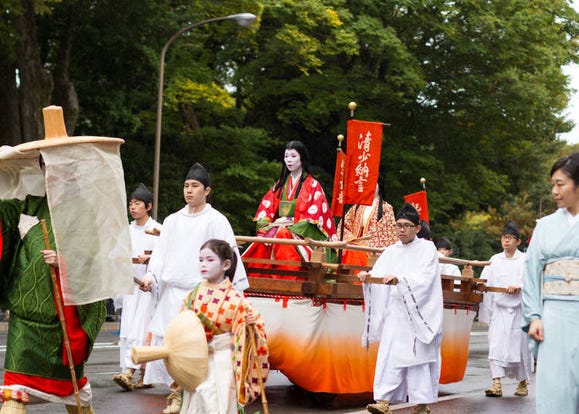
The Aoi Matsuri is one of Kyoto's three major festivals, famous for its grand procession of over 500 people dressed in authentic, vibrant Heian-period aristocratic clothing. The elegant parade makes its way from the Kyoto Imperial Palace to the historic Shimogamo and Kamigamo Shrines.
Why you should go: For first-time visitors to Kyoto, this event is like watching a centuries-old history scroll come to life. The elaborate costumes, traditional oxcarts, and decorated horses offer a rare, vivid glimpse into Japan's ancient royal court, providing an incredibly memorable cultural experience and stunning photo opportunities.
Kanda Matsuri (Tokyo)
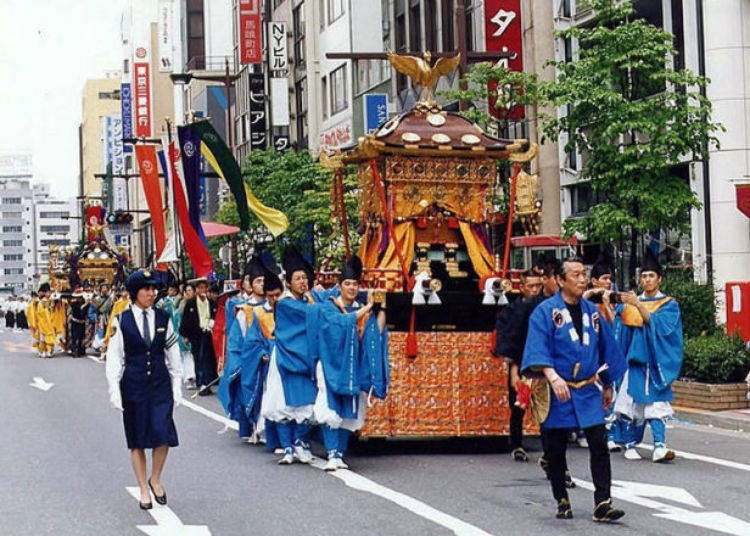
・When: Weekend before May 15 every other year (next event scheduled for 2027)
・Where (in Tokyo): Chuo-dori, Chiyoda-ku (Akihabara and surrounding areas)
The Kanda Matsuri is one of Japan's three major festivals, held in central Tokyo during odd-numbered years. The main event features a massive, energetic procession where thousands of locals carry beautifully decorated mikoshi (portable shrines) through the city streets.
Why you should go: For first-time visitors, the visual contrast of this festival is spectacular. You will see hundreds of people in traditional festival garb chanting and carrying golden shrines right through the neon-lit, anime-centric streets of Akihabara. It is a loud, vibrant, and unforgettable clash of ancient tradition and modern Japanese pop culture.
-

-
Address
Chuo-dori (Akihabara) and others in Chiyoda-ku, Tokyo, 101-0021
View Map -
Nearest Station
Ochanomizu Station (JR Chuo Main Line / Tokyo Metro Marunouchi Line / JR Sobu Line)
5 minutes on foot
- Phone Number 03-3254-0753
-
Address
Chuo-dori (Akihabara) and others in Chiyoda-ku, Tokyo, 101-0021
Sanja Matsuri (Tokyo)
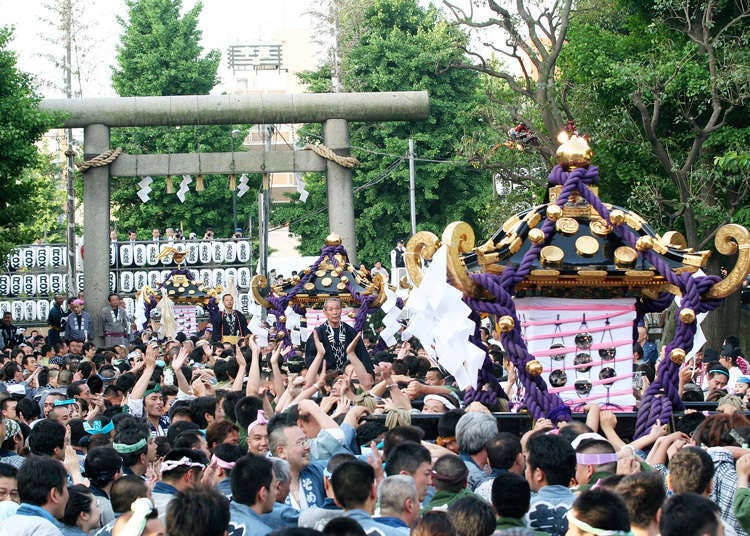
・When: Friday, Saturday, and Sunday of the third week in May
・Where (in Tokyo): Asakusa Shrine and Sensoji Temple
Sanja Matsuri is a massive three-day festival centered around Tokyo's historic Asakusa district. The main event features a chaotic and thrilling procession where local neighborhoods carry nearly 100 mikoshi (portable shrines) through the streets, energetically bouncing them in a ritual designed to awaken the enshrined deities.
Why you should go: Widely considered Tokyo's wildest festival, this is an absolute must-see for first-time visitors wanting to experience authentic local energy. You get to watch the usually tourist-heavy streets of Asakusa transform into a loud, packed neighborhood block party filled with passionate chanting, traditional music, and endless festival food stalls.
- What to Do in Tokyo in May: Roundup of Tokyo Area Events and Festivals
- 5 Fun Tours & Activities for Golden Week Near Tokyo: Get Reservations Before Crowds Arrive!
- Enjoy Osaka and Kyoto in May - Guide to Festivals and Things to Do
- 5 Fun Tours & Activities for Golden Week in Osaka & Kyoto - Book in Advance for Convenience!
June
Sanno Matsuri (Tokyo)
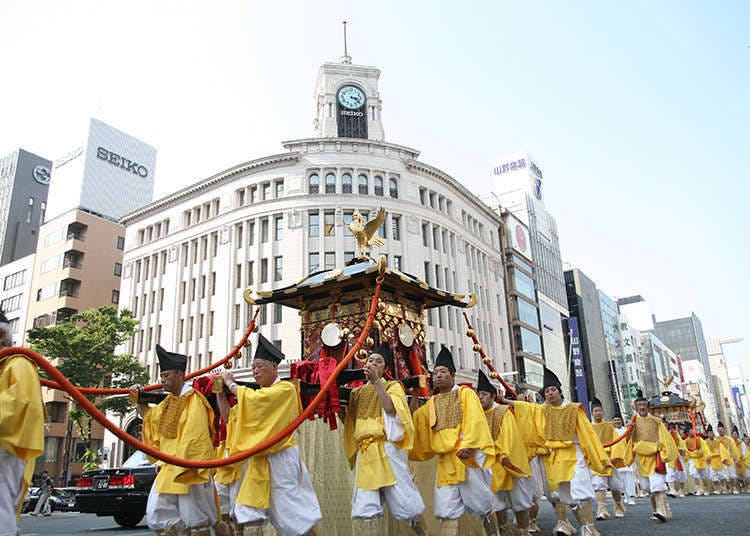
・When: Early to mid-June
・Where (in Tokyo): Hie Shrine (Akasaka)
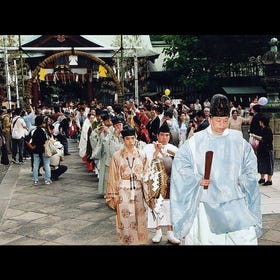
The Sanno Matsuri at Hie Shrine is one of Tokyo's three major festivals. The main highlight is a massive, elegant parade of mikoshi (portable shrines) and ornate floats that winds its way through the city's most modern business and shopping districts, including Ginza and Marunouchi.
Why you should go: For first-time visitors, this event offers a fascinating visual contrast between old and new Japan. Seeing a centuries-old Shinto procession marching right past Tokyo's towering glass skyscrapers provides a surreal and highly photogenic experience. You can also head back to the main shrine to enjoy traditional kagura (ritual music and dance) and soak in the festive, welcoming atmosphere.
-

-
Address
Hie Shrine, 2-10-5 Nagatacho, Chiyoda-ku, Tokyo, 100-0014
View Map -
Nearest Station
Tameike-Sanno Station (Tokyo Metro Ginza Line / Tokyo Metro Namboku Line)
5 minutes on foot
- Phone Number 03-3581-2471
-
Address
Hie Shrine, 2-10-5 Nagatacho, Chiyoda-ku, Tokyo, 100-0014
YOSAKOI Soran Matsuri (Hokkaido)
・When: June 10-14, 2026
・Where: Odori Park and various locations in Sapporo City
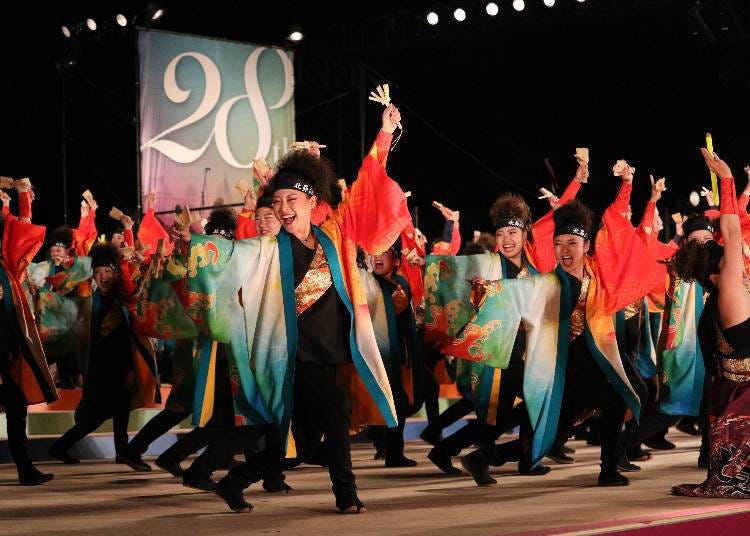
The YOSAKOI Soran Matsuri is a high-energy dance festival that combines traditional Japanese folk music with modern, rhythmic choreography. Nearly 280 teams from around the world compete in the streets, using wooden hand clappers called naruko to create a powerful, synchronized sound.
Why you should go: For first-time visitors to Hokkaido, this festival is a spectacular display of modern Japanese creativity and passion. The infectious energy of the dancers, their elaborate costumes, and the massive outdoor food market at Odori Park make for a thrilling summer atmosphere that is far more dynamic than a typical traditional festival.
Rice Paddy Art in Inakadate Village (Aomori Prefecture)
・When: Mid-June to early October
・Where: Inakadate Village (Aomori)
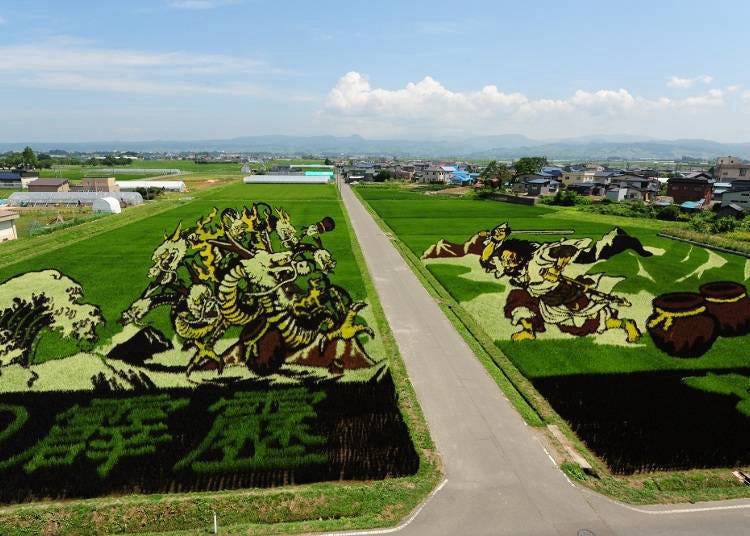
Inakadate Village is the pioneer of Tambo Art, where local farmers transform rice paddies into massive, detailed masterpieces. By carefully planting 13 different varieties of rice in seven natural colors, they create intricate portraits and landscapes that change as the crops grow.
Why you should go: For first-time visitors to northern Japan, this is a mind-blowing example of agricultural artistry. You can view these giant living canvases from two elevated observation decks, connected by a convenient free shuttle. Seeing iconic historical figures or pop-culture characters rendered entirely out of rice plants is a unique, highly photogenic experience you won't find anywhere else in the world.

July
Gion Matsuri (Kyoto Prefecture)
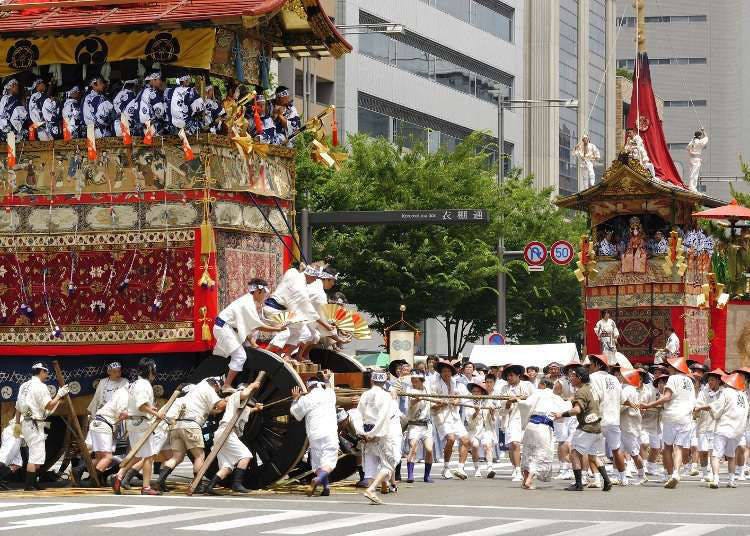
・When: July 1–31
・Where: Yasaka Shrine (Kyoto)
The Gion Matsuri is Kyoto's most famous event and a UNESCO Intangible Cultural Heritage. The highlight is the procession of Yamaboko floats, which are massive, hand-crafted wooden structures adorned with exquisite textiles and traditional carvings.
Why you should go: For first-time visitors, this is the ultimate Kyoto summer experience. During the evenings leading up to the main parades on July 17 and July 24, the city center transforms into a massive pedestrian festival filled with food stalls and open-air displays of these "moving museums." It is a rare chance to see ancient history celebrated with modern energy in the heart of Japan's cultural capital.
Note: Be sure to book transportation and accommodation 3-4 months in advance, as this is a particularly popular event.
Tenjin Festival (Tenjin Matsuri) (Osaka Prefecture)
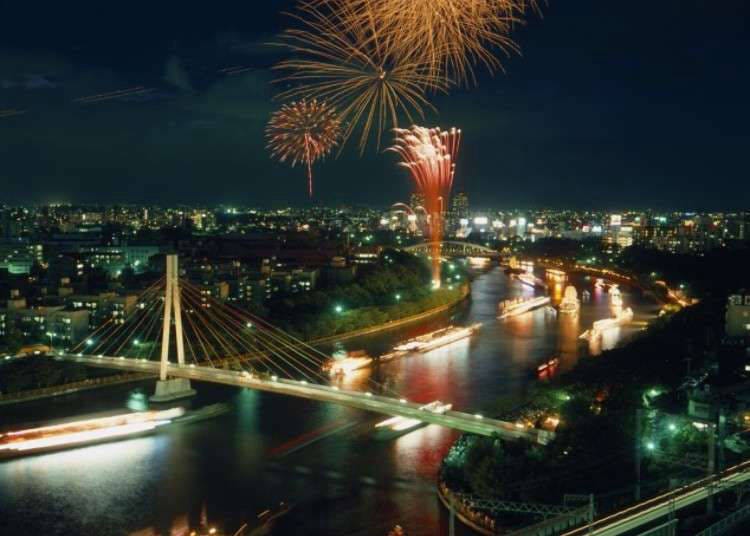
・When: Late June to July 25 (Main events: July 24–25)
・Where: Osaka Tenmangu Shrine and Okawa River
The Tenjin Matsuri is a massive 1,000-year-old celebration known as the "Festival of Fire and Water." The grand finale features a spectacular land procession followed by a river parade of 100 boats, all illuminated by a massive display of over 3,000 fireworks.
Why you should go: For first-time visitors, this is the definitive Osaka summer experience. You get to see the city's famous high-energy spirit on full display as traditional boats and thousands of people in festival attire take over the waterways. The reflection of the fireworks and torches on the river creates a stunning visual that perfectly captures the heat and excitement of a Japanese summer.
Ise Shrine National Dedication Fireworks Festival (Mie Prefecture)
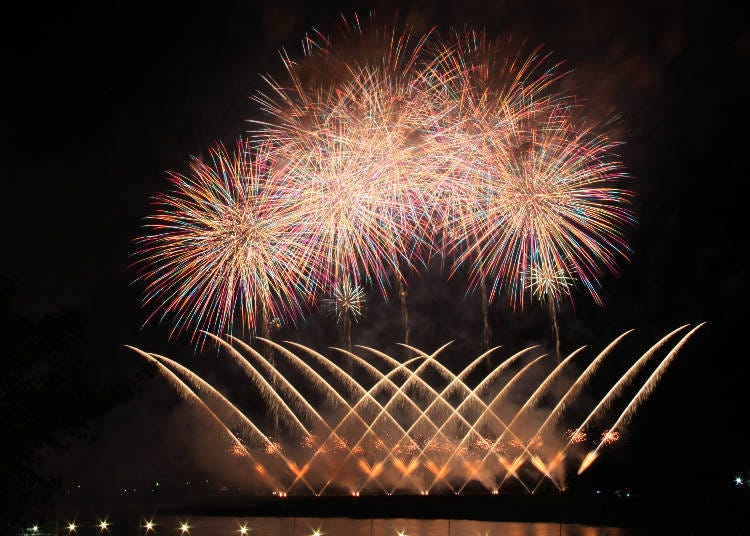
・When: Mid-July
・Where: Miyagawa Riverside (Ise City, Mie)
The Ise Jingu Fireworks Competition is one of Japan's three major competitive fireworks festivals. Top pyrotechnicians from across the country gather here to present their most creative work as a sacred offering to Ise Jingu, Japan's most important Shinto shrine.
Why you should go: For first-time visitors, this is a chance to see fireworks as an art form rather than just a show. Because it is a competition, the quality and variety of the displays are far beyond a standard festival. Watching these massive, high-tech shells explode over the scenic Miyagawa Riverside provides a powerful and sophisticated introduction to a classic Japanese summer night.
Nakafurano Lavender Festival (Hokkaido)
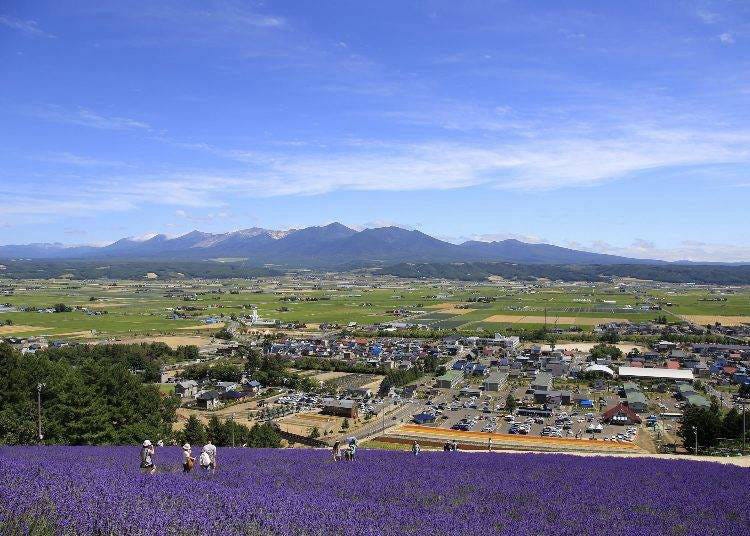
・When: Saturdays in mid-July
・Where: Hokuseiyama Lavender Garden and Nakafurano Flower Park (Hokkaido)
The Nakafurano Lavender Festival celebrates the peak blooming season of Furano’s world-famous purple landscapes. Visitors can take a scenic five-minute lift ride to the hilltop for panoramic views of the lavender fields stretching across the Furano Basin.
Why you should go: For first-time visitors to Hokkaido, this is the ultimate summer photo spot. The sight of rolling purple hills against a clear blue sky is iconic, and the festival adds an extra layer of magic with lavender-themed fireworks that light up the fields at night. It is a perfect way to enjoy the refreshing summer air while experiencing one of Japan's most beautiful natural spectacles.
Sumidagawa Fireworks Festival (Tokyo)
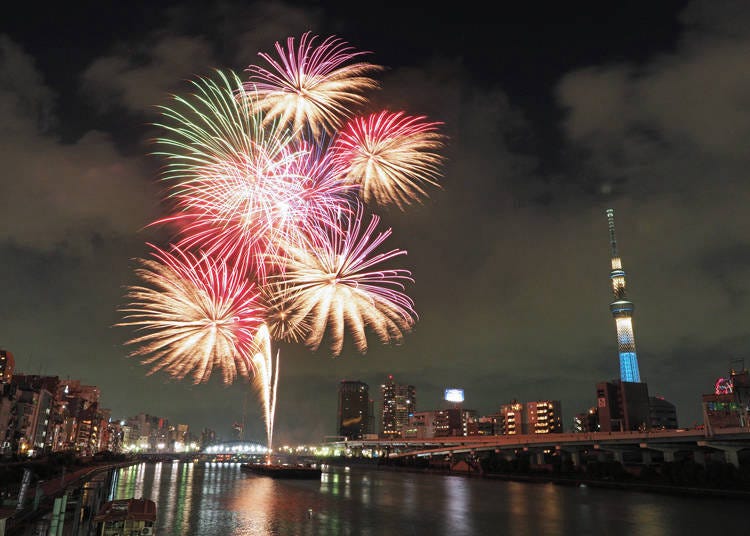
・When: Last Saturday in July
・Where (in Tokyo): Sumida River (Asakusa and Ryogoku areas)
The Sumida River Fireworks Festival is a historic event dating back to 1733 and stands as one of Tokyo's most famous fireworks displays. Nearly 20,000 shells are launched in a massive competition between top pyrotechnicians, lighting up the sky near the iconic Tokyo Skytree.
Why you should go: For first-time visitors, this is the definitive Japanese summer experience. It is one of the largest and oldest displays in the country, attracting nearly one million people in a vibrant celebration. Seeing the sky explode in color over the traditional Shitamachi district while surrounded by locals in yukata (summer kimonos) offers an electric atmosphere that perfectly captures the spirit of Tokyo. Be sure to rent your own kimono in Tokyo and join the fun!
Fuji Rock Festival (Niigata Prefecture)
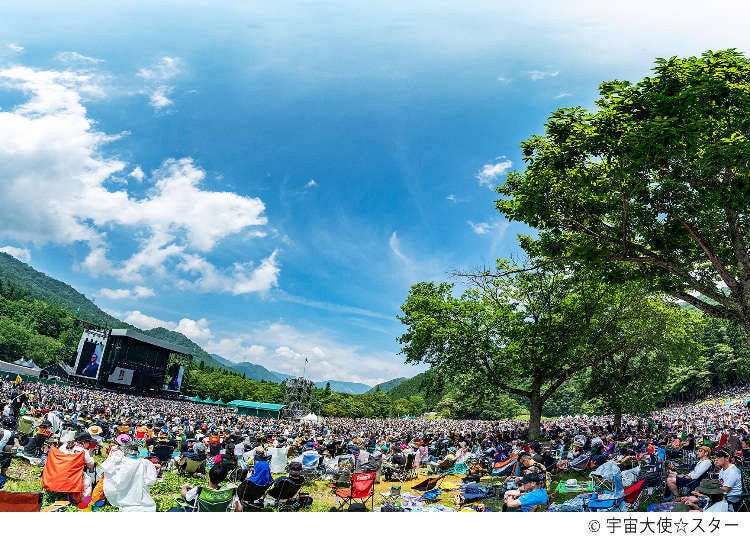
・When: Three days in late July or early August
・Where: Naeba Ski Resort (Niigata)
Fuji Rock Festival is Japan's premier outdoor music event, hosting over 200 international and domestic acts. Set in the lush mountains of Niigata, this massive three-day celebration draws over 100,000 fans for a unique blend of world-class music and nature.
Why you should go: For music lovers visiting Japan, this is far more than a standard concert. It is a legendary mountain retreat famous for its clean air, crystal-clear streams, and incredible "festival food" from local vendors. The atmosphere is famously friendly and laid-back, offering a refreshing way to experience Japan's modern culture while surrounded by breathtaking forest scenery.
August
Morioka Sansa Odori (Iwate Prefecture)
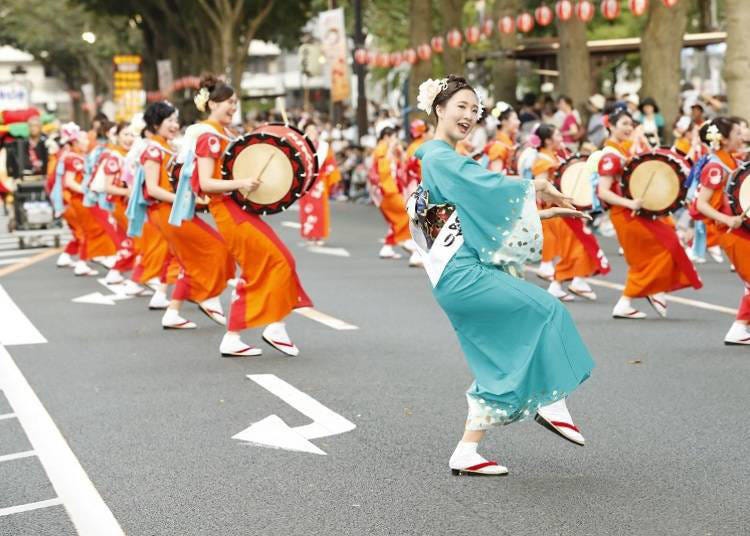
・When: August 1–4
・Where: Various locations in Morioka City (Iwate)
The Morioka Sansa Odori is a Guinness World Record-holding festival featuring the world’s largest simultaneous drum performance. Over 30,000 dancers and taiko drummers march through the streets in a rhythmic, high-energy parade that originated as a celebration of driving away a local demon.
Why you should go: For first-time visitors, this is one of the most interactive festivals in Japan. After watching the "Miss Sansa Odori" dancers in their elegant kimonos, you don’t have to stay on the sidelines—the event ends with "Wa Odori" (circle dances) where tourists are warmly invited to jump in and dance with the locals. It’s a powerful, heart-pounding way to feel the true spirit of Tohoku’s summer.

Nagaoka Festival Fireworks Display (Niigata Prefecture)
・When: August 2–3
・Where: Shinano-gawa Riverbed (Nagaoka City, Niigata)
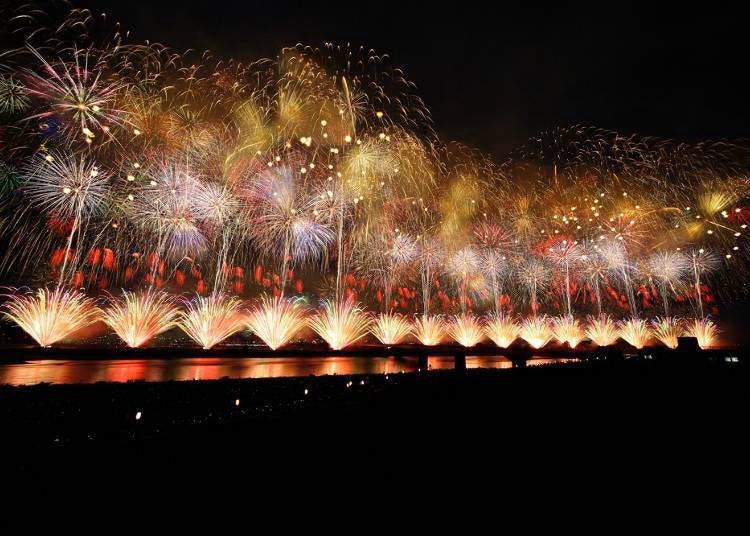
The Nagaoka Matsuri Fireworks Display is one of Japan's three major fireworks festivals, originally started as a memorial for those lost during WWII. The scale is monumental, featuring massive 10-series launches of size-10 shells and the world-famous "Phoenix" shell, which symbolizes recovery.
Why you should go: For first-time visitors, this is widely considered the gold standard of Japanese fireworks. The show is famous for its "Shosan Shakudama" shells, which explode into a massive 650-meter-wide floral pattern that fills your entire field of vision. Watching these giant blossoms light up the night sky over the wide Shinano-gawa River is a deeply emotional and awe-inspiring experience that defines the Japanese summer.
-

-
Address
Around Sakonmachi, Nagaoka-shi, Niigata Chosei Bridge downstream Shinano River riverbed, 940-1161
View Map -
Nearest Station
Nagaoka Station (Shin-etsu Line / Joetsu Shinkansen)
30 minutes on foot
- Phone Number 0258-39-0823
-
Address
Around Sakonmachi, Nagaoka-shi, Niigata Chosei Bridge downstream Shinano River riverbed, 940-1161
Aomori Nebuta Festival (Aomori Prefecture)
・When: August 2–7
・Where: Central Aomori City (Aomori)
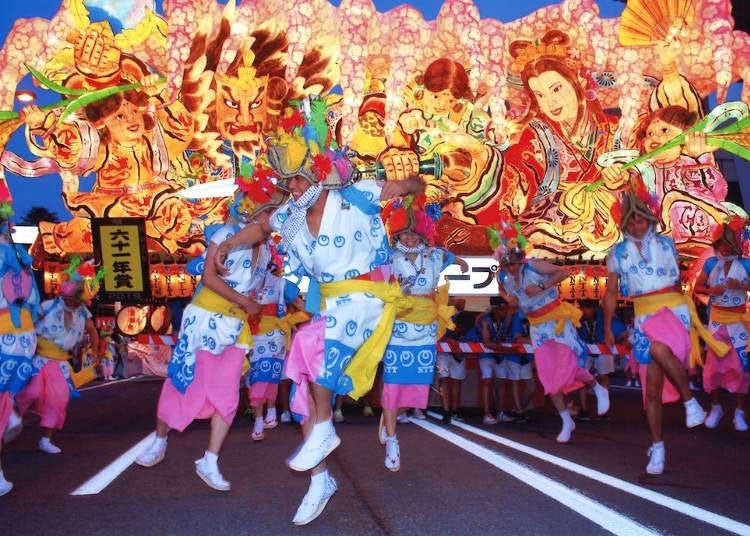
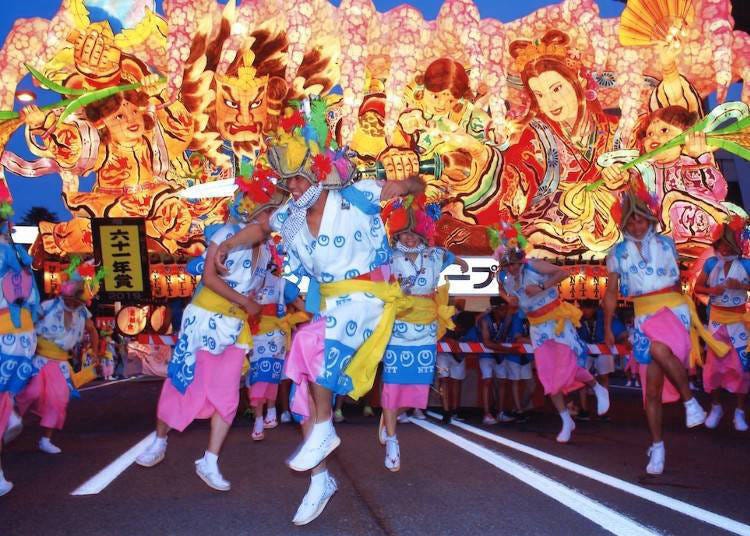
The Aomori Nebuta Festival is one of Japan’s most famous and visually stunning summer events. It features a grand parade of colossal, hand-painted lantern floats—some reaching 9 meters wide and 5 meters high—depicting legendary warriors and mythical creatures, accompanied by a sea of energetic "Haneto" dancers.
Why you should go: For first-time visitors, this festival offers a level of energy and scale that is hard to find elsewhere. Unlike many festivals where you just watch, anyone can join the parade as a Haneto dancer as long as they wear the traditional costume (which can be easily rented locally). Between the glowing giant lanterns and the rhythmic "Rassera!" chants, it is a high-octane, immersive dive into the heart of Japanese summer culture.
Note: Be sure to book transportation and accommodation 3-4 months in advance, as this is a particularly popular event.

Sendai Tanabata Festival (Miyagi Prefecture)
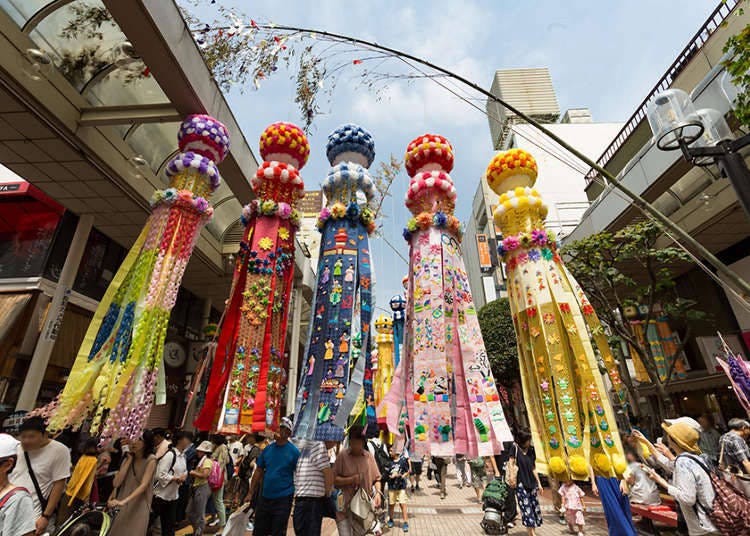
・When: August 6–8
・Where: Sendai City center and local shopping arcades (Miyagi)
The Sendai Tanabata Matsuri is Japan’s most famous Star Festival, celebrated for its massive, hand-crafted Fukinagashi (streamers). These five-meter-long decorations, made from vibrant washi paper by local artisans, hang from bamboo poles to create colorful tunnels throughout the city's shopping streets.
Why you should go: For first-time visitors, this is the most visually spectacular Tanabata celebration in the country. Walking through the rustling, ceiling-high paper streamers is a surreal and beautiful experience. You can participate in the tradition by writing your own wishes on colorful paper strips to hang on the bamboo, explore local food stalls, and enjoy the lively Bon Odori dances that fill the summer evenings.
Kyoto Gozan Okuribi (Daimonji Festival) (Kyoto Prefecture)
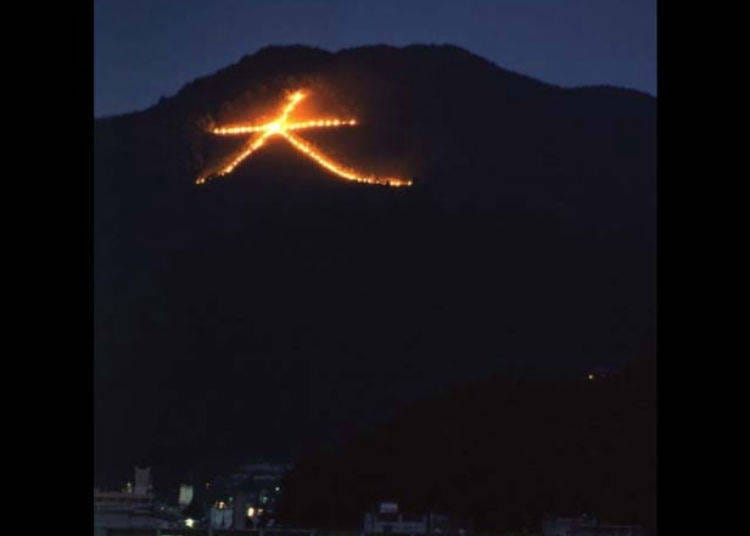
・When: August 16
・Where: Five mountains surrounding Kyoto City
The Gozan no Okuribi (Daimonji Festival) is the solemn finale of the Obon season in Kyoto. At 8 PM, five massive bonfires are lit one by one on the mountainsides, forming giant kanji characters and shapes—most notably the character for "large" or "great" (大). These fires serve as spiritual beacons to guide ancestral spirits back to the afterworld.
Why you should go: For first-time visitors, this event offers a profound and quiet beauty that contrasts with the loud, high-energy festivals of summer. Joining the crowds on the banks of the Kamo River to watch the mountains glow in the dark is a deeply moving experience. It provides a rare, atmospheric glimpse into the spiritual heart of Kyoto and the Japanese tradition of honoring one's heritage.
-
-
Address
5 locations in Sakyo Ward, Kyoto City, Kyoto Prefecture, 606-0000
View Map -
Nearest Station
Kitaoji Station (Karasuma Line)
- Phone Number 075-343-0548
-
Address
5 locations in Sakyo Ward, Kyoto City, Kyoto Prefecture, 606-0000
Noboribetsu Jigoku Matsuri (Hokkaido)
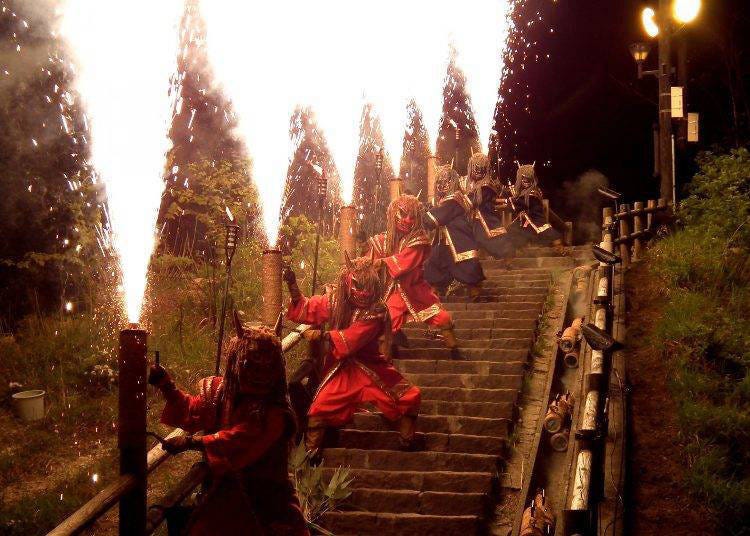
・When: Last Saturday and Sunday of August
・Where: Noboribetsu Onsen Town (Hokkaido)
The Noboribetsu Jigokudani Matsuri, or "Hell Festival," is a unique celebration held in one of Japan's most famous hot spring resorts. According to local legend, the gates of "Hell Valley" (Jigokudani) open once a year, allowing Enma, the King of Hell, to emerge with his red and blue oni (demons) to parade through the streets.
Why you should go: For first-time visitors, this is one of Japan's most theatrical and visually distinct festivals. You’ll see a massive, moving statue of King Enma and energetic demon dances performed to the powerful beat of taiko drums. The grand finale features fireworks launched from the volcanic valley itself, creating a dramatic, fiery spectacle that makes you feel like you've stepped directly into a Japanese folk tale—all while being in a town perfect for a relaxing hot spring soak.
National Fireworks Competition Omagari Fireworks (Akita Prefecture)
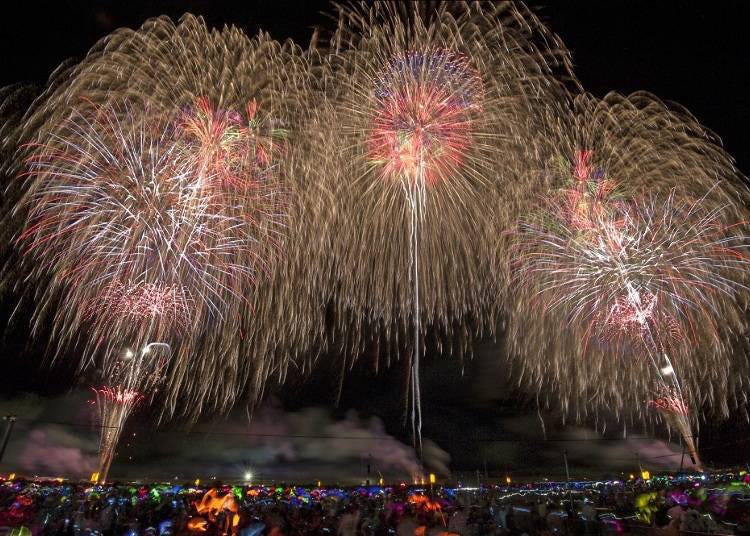
・When: April 25, August 29, and October 3, 2026
・Where: Omagari Fireworks Park (Daisen City, Akita)
The Omagari Fireworks Competition is widely considered the most prestigious pyrotechnic event in Japan. It is a true "all-Japan" championship where the nation’s top fireworks masters compete for the Prime Minister's Award by launching innovative shells and massive "Wide Star Mines" synchronized to high-energy music.
Why you should go: For first-time visitors, this is the absolute pinnacle of Japanese fireworks artistry. While most festivals are for celebration, this is a high-stakes competition, meaning you will see cutting-edge designs and color-changing effects that don't exist anywhere else. The Summer Competition is the most famous, featuring a rare "Daytime Fireworks" segment and an overwhelming grand finale that stretches across the entire riverside, creating a wall of light and sound that is truly life-changing.
Note: Be sure to book transportation and accommodation 3-4 months in advance, as this is a particularly popular event.
Asakusa Samba Carnival (Tokyo)
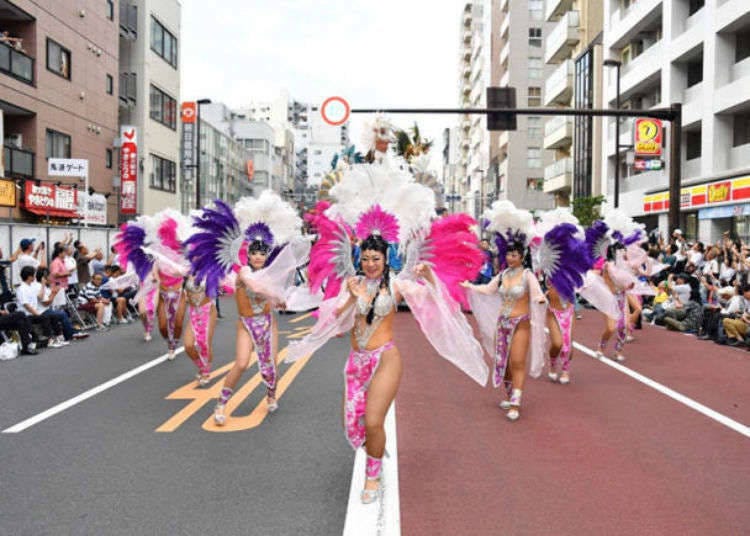
・When: August 29, 2026
・Where (in Tokyo): Asakusa (Umamichi-dori to Kaminarimon-dori)
The Asakusa Samba Carnival is one of Tokyo’s most vibrant and unexpected summer events. Inspired by the Rio Carnival, this massive contest-style parade features nearly 20 samba teams in elaborate, feathered costumes performing high-energy dances to infectious Brazilian rhythms, all set against the backdrop of the historic Asakusa district.
Why you should go: For first-time visitors, this event offers a fascinating look at Tokyo’s international and high-energy side. Seeing a massive samba parade winding past the ancient Kaminarimon Gate of Sensoji Temple is a surreal cultural fusion. The atmosphere is electric, filled with drumming and cheering crowds, providing a colorful and rhythmic alternative to more somber traditional festivals.
September
Sapporo Autumn Fest (Hokkaido)
・When: September 11 – October 3, 2026
・Where: Sapporo Odori Park (Hokkaido)
The Sapporo Autumn Fest is a massive food festival that transforms the heart of the city into a culinary paradise. Spanning several blocks of Odori Park, the event showcases the best of "Hokkaido’s Kitchen," featuring everything from fresh seafood and farm-to-table produce to world-class local ramen, wine, and craft beer.
Why you should go: For first-time visitors, this is the ultimate way to taste the entire island of Hokkaido in one place without traveling for days. Each section of the park has a different theme—some areas focus on regional specialties from rural towns, while others feature top-tier Sapporo chefs. It’s a laid-back, delicious, and social atmosphere that perfectly captures the "foodie" spirit of northern Japan during the harvest season.
Kishiwada Danjiri Festival (Osaka Prefecture)
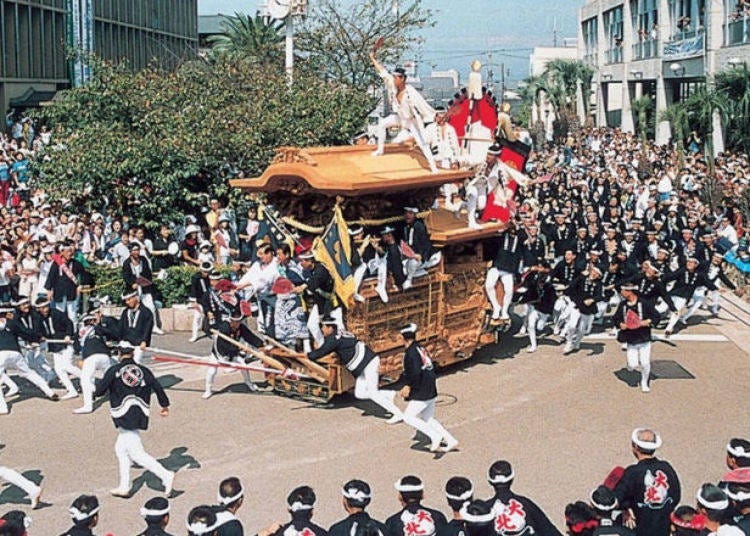
・When: September 19–20 and October 10–11, 2026
・Where (in Osaka): Kishiwada City (near Kishiwada and Haruki Stations)
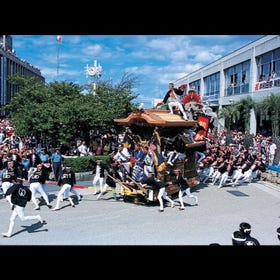
The Kishiwada Danjiri Matsuri is Japan’s most adrenaline-fueled festival. Local teams pull massive, 4-ton wooden floats through narrow city streets at breakneck speeds. The highlight is the yarimawashi—high-speed 90-degree turns—while "carpenter" dancers (daikugata) perform acrobatic leaps atop the swaying roofs.
Why you should go: For first-time visitors, this is the ultimate contrast to Japan’s more "polite" cultural image. It is a raw, heart-pounding display of community strength and bravery. Seeing these massive hand-carved shrines drift around corners just inches from spectators and buildings is a visceral experience you won't find anywhere else. If you want to see the "wild" side of Osaka’s local pride, this is the event to pick.
-
-
Address
Various places in Kishiwada City, Osaka Prefecture, 596-0000
View Map -
Nearest Station
Kishiwada Station (Nankai Airport Line / Nankai Line)
- Phone Number 072-423-9486
-
Address
Various places in Kishiwada City, Osaka Prefecture, 596-0000
October
Marimo Matsuri (Hokkaido)
・When: October 8–10 (fixed dates annually)
・Where (in Hokkaido): Lake Akan Onsen (Kushiro City)
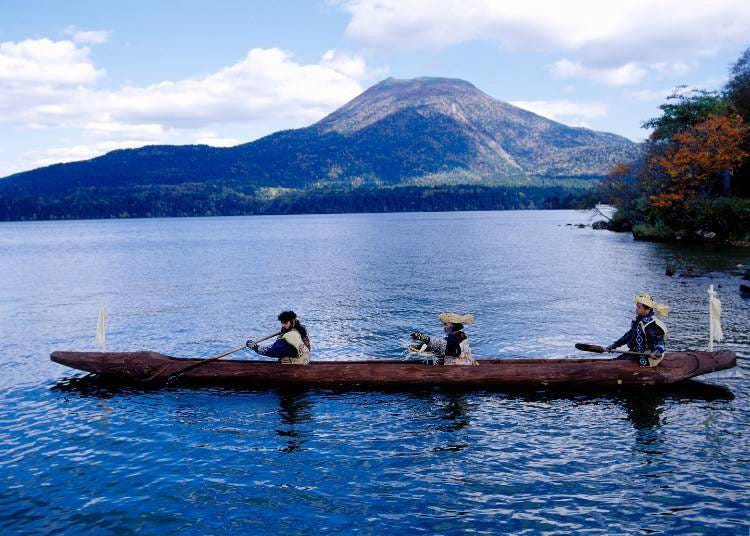
The Marimo Matsuri is a deeply spiritual festival dedicated to the conservation of Marimo—rare, velvety green algae balls found in Lake Akan. Hosted by the indigenous Ainu people, the event features traditional rituals, including a mesmerizing torchlight procession and sacred folk dances at the Ainu Kotan (village).
Why you should go: For first-time visitors, this is one of the best opportunities to experience authentic Ainu culture in its natural heartland. The highlight is the "Marimo Sending Ceremony," where elders row dugout canoes into the morning mist to return the Marimo to the lake. It is a quiet, beautiful, and profoundly moving event that offers a rare window into the indigenous traditions and environmental gratitude of northern Japan.

Jidai Matsuri (Kyoto Prefecture)
・When: October 22
・Where: Kyoto Imperial Palace to Heian Shrine
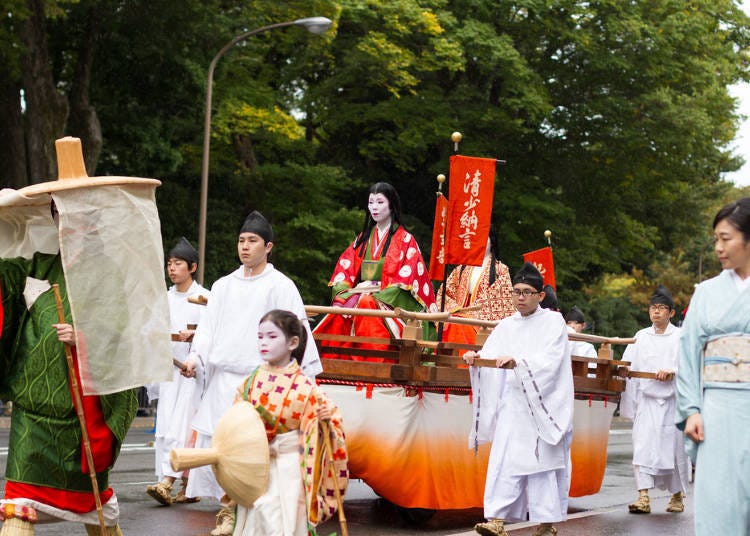
The Jidai Matsuri, or "Festival of the Ages," is a massive historical parade that brings 1,100 years of Kyoto’s heritage to life. Over 2,000 participants—dressed in museum-quality costumes—march in reverse chronological order, representing eras from the Meiji Restoration back to the 8th-century Heian period.
Why you should go: For first-time visitors, this is like watching a live-action history book unfold on the streets of Kyoto. It is a rare chance to see authentic traditional attire, including legendary samurai warriors and elegant geisha, all meticulously crafted using ancient techniques. The 4.5km route through the city provides plenty of viewing spots, making it an easy and visually stunning way to experience the "soul" of old Japan in a single afternoon.
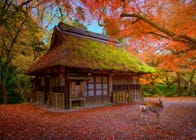
Hase-dera Momiji Matsuri (Special Autumn Viewing) (Nara Prefecture)

・When: Mid-October to early December (Peak foliage: Late November)
・Where (in Nara): Hasedera Temple (Sakurai City)
Known as the "Temple of Flowers," Hasedera offers a stunning autumn landscape where its iconic five-storied pagoda is framed by vibrant red and orange maples. The festival features a rare "special viewing" of the temple's 10-meter-tall Eleven-faced Kannon statue—the largest wooden Buddha in Japan.
Why you should go: For first-time visitors, this is a chance to experience a "hidden gem" outside of the crowded Kyoto circuit. The highlight is being allowed into the National Treasure Main Hall to actually touch the feet of the giant Kannon statue, a sacred ritual believed to grant your wishes. Walking up the 399 stone steps of the noborirou (covered corridor) provides some of the most serene and photogenic autumn views in the entire Kansai region.
November
Jingu Gaien Ginkgo Festival (Tokyo)
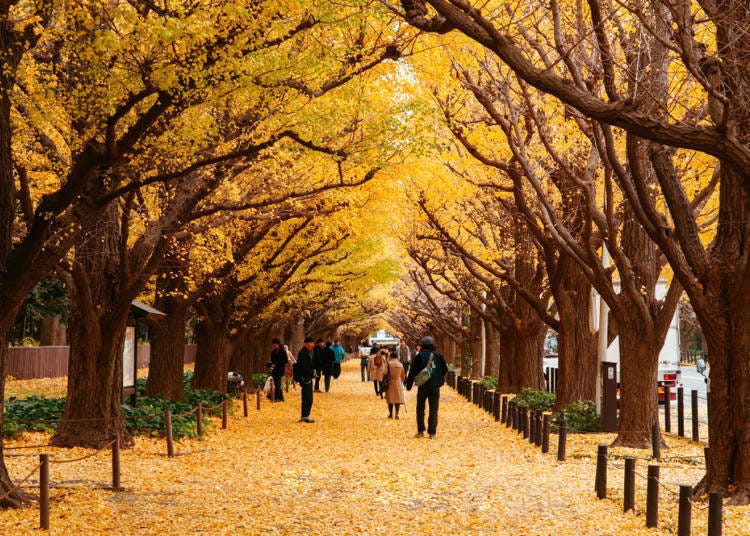
・When: Mid-November to early December
・Where (in Tokyo): Meiji Jingu Gaien (Aoyama district)
The Jingu Gaien Ginkgo Festival celebrates Tokyo’s most iconic autumn landscape. For roughly two weeks, the 300-meter avenue leading to the Meiji Memorial Picture Gallery turns into a "golden tunnel" as 146 ginkgo trees change color. The festival area features over 30 food stalls serving regional specialties and craft markets.
Why you should go: For first-time visitors, this is the ultimate "Instagrammable" autumn spot in Tokyo. Walking through the falling yellow leaves feels like stepping into a movie scene, which is why it's a famous filming location for Japanese dramas. Beyond the photos, the festival atmosphere is fantastic; you can grab local street food and browse handmade Japanese crafts while enjoying the crisp fall air in the heart of the city.
Osaka Festival of Lights (Osaka Prefecture)
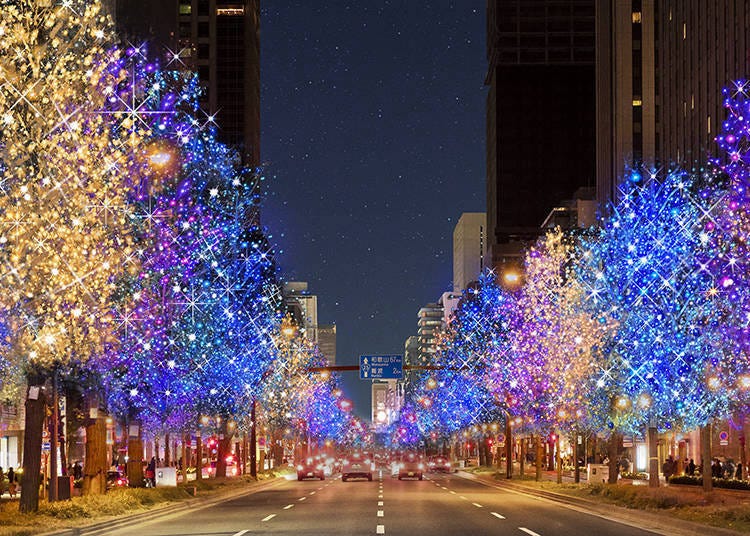
・When: Early November to late January (Main events: Mid-December)
・Where (in Osaka): Midosuji Boulevard and Nakanoshima area
Osaka Hikari no Kyoen (Festival of Lights) is a city-wide winter celebration. The centerpiece is the Midosuji Illumination, which holds a world record for lighting up a 4km stretch of trees from Umeda to Namba. In Nakanoshima, the "Hikari-Renaissance" features dramatic projection mapping on historic buildings and glowing waterfront art.
Why you should go: For first-time visitors, this is the best way to see Osaka’s vibrant "Aqua Metropolis" spirit in the winter. Walking the 4km golden corridor of Midosuji is a classic romantic experience, while the Nakanoshima area offers high-tech light shows that turn century-old architecture into a digital canvas. It’s a perfect, free evening activity that lets you explore the city's heart while it's at its most magical.
Marunouchi Illumination (Tokyo)
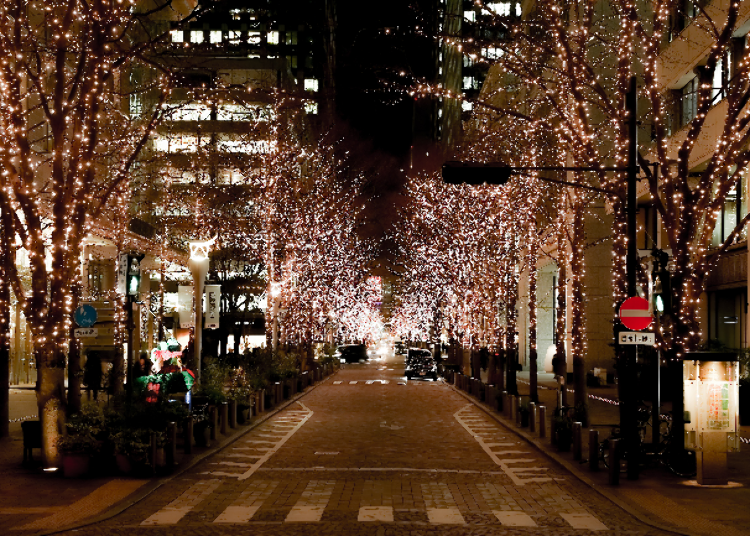
・When: Mid-November to mid-February
・Where (in Tokyo): Marunouchi Naka-dori and around Tokyo Station
Marunouchi Illumination is one of Tokyo's most sophisticated winter displays. This 1.2km avenue is lined with over 360 trees glowing with roughly 1.2 million eco-friendly LEDs in "champagne gold," creating a warm, upscale atmosphere against the backdrop of luxury boutiques and historic architecture.
Why you should go: For first-time visitors, this is the perfect evening walk after arriving at Tokyo Station. Unlike the loud or neon-heavy lights in other parts of the city, Marunouchi offers a refined, romantic aesthetic that feels like a European winter promenade. During December, you’ll also find festive food trucks and art installations, making it an ideal spot to experience Tokyo's elegant take on the holiday season.

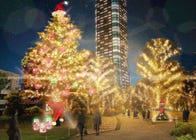
MIDTOWN WINTER LIGHTS (Tokyo)
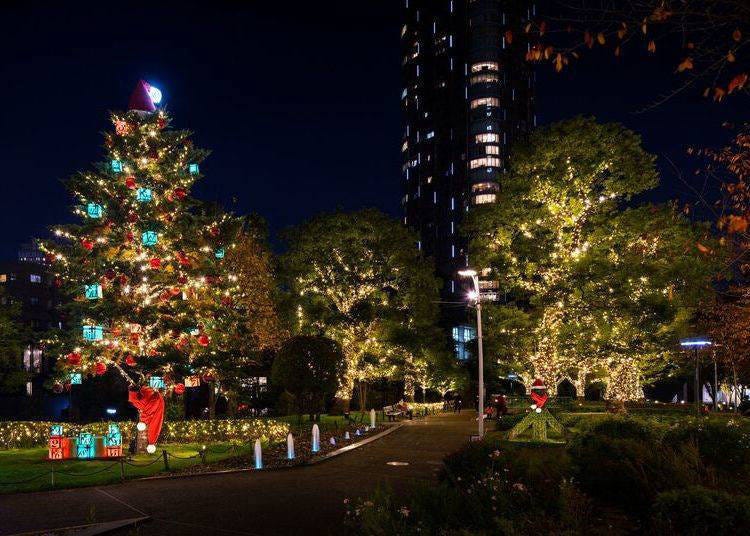
・When: Mid-November to December 25
・Where (in Tokyo): Tokyo Midtown (Roppongi)
Midtown Christmas is a sophisticated winter event that transforms the Roppongi landmark into a glittering wonderland. The "Promenade of Lights" features trees draped in elegant gold, while the "Snow Light Globe"—a massive, three-meter-tall dome—uses projection mapping and light effects to create a magical, snowy scene inside.
Why you should go: For first-time visitors, this is Roppongi’s most refined holiday spot. Unlike the bustling crowds of nearby Shinjuku, Tokyo Midtown offers a serene, high-end atmosphere perfect for a winter walk.
Sapporo White Illumination (Hokkaido)
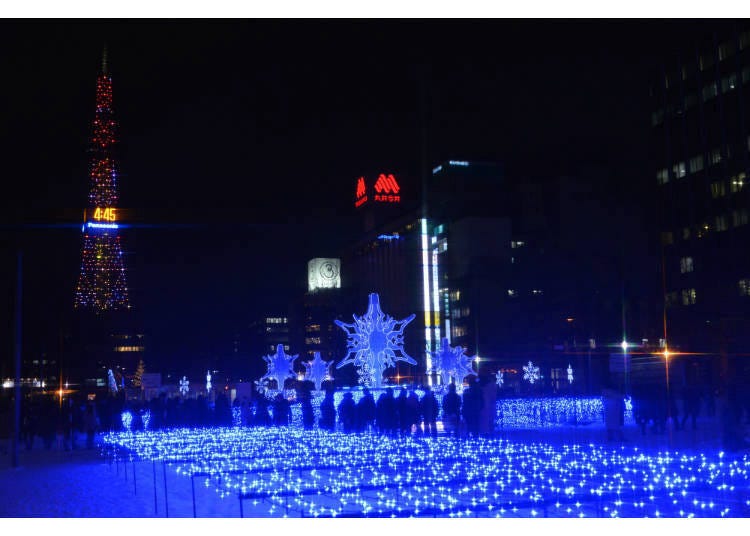
・When: Late November to mid-March (Odori Park venue ends in late December)
・Where (in Hokkaido): Sapporo Odori Park, Ekimae-dori, and Minami 1-jo dori
The Sapporo White Illumination is a historic event that pioneered winter light displays in Japan. The heart of the city, Odori Park, is transformed into a sparkling wonderland with 780,000 LEDs. Alongside the lights, the Munich Christmas Market brings a cozy European vibe to Hokkaido, offering ornaments, hot mulled wine, and authentic German snacks.
Why you should go: For first-time visitors, this is the ultimate "Winter in Japan" scene. The contrast of the brilliant white snow and the glowing light installations creates a magical atmosphere that you can only experience in a northern climate.
December
Chichibu Night Festival (Saitama Prefecture)
・When: December 2–3
・Where (in Saitama): Chichibu Shrine (Chichibu City)
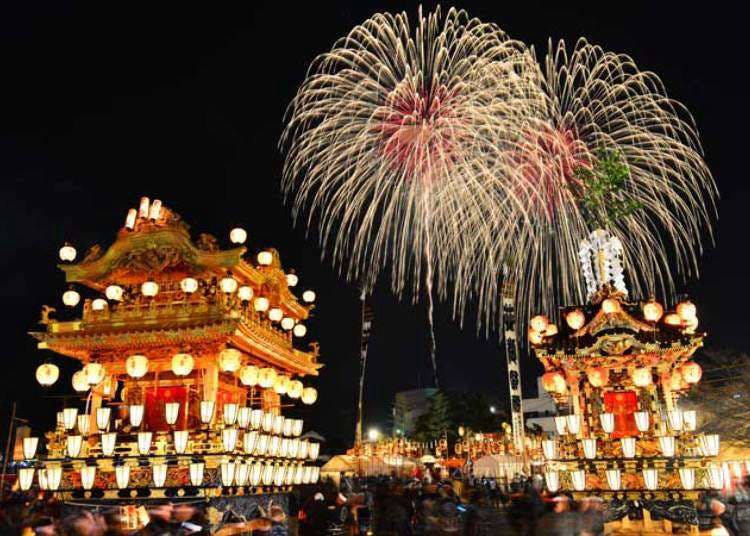
The Chichibu Yomatsuri (Night Festival) is a UNESCO Intangible Cultural Heritage and ranked as one of Japan’s top three float festivals. The highlight occurs on the night of December 3, when six massive, ornate floats—weighing up to 20 tons—are pulled up a steep slope to the city hall, accompanied by the thunderous rhythm of Chichibu taiko drums.
Why you should go: For first-time visitors, this is a rare chance to see a world-class fireworks display in the middle of winter. The sight of giant, lantern-lit floats silhouetted against a crisp, clear December sky filled with colorful explosions is absolutely breathtaking. Located just 90 minutes from Tokyo, it’s a perfect day trip to experience a festival that feels both ancient and incredibly high-energy, complete with local matsuri food and traditional Kabuki performances.
Hoshino Resorts Tomamu Ice Village (Hokkaido)
・When: December 10, 2025 – March 14, 2026 (Planned)
・Where (in Hokkaido): Hoshino Resorts Tomamu (Shimukappu Village)
The Ice Village is a breathtaking sub-zero theme park that appears only during the coldest months at Hokkaido's premier mountain resort. This magical "frozen town" features 11 different ice domes, including a functioning ice bar, an ice restaurant serving frozen ramen, an ice grocery store, and even an ice hotel where guests can stay overnight.
Why you should go: For first-time visitors, this is the ultimate winter wonderland experience that feels like a scene from a fantasy movie. You can sip cocktails from glasses carved from ice, slide down an ice slide, or witness a wedding in the ethereal Ice Chapel.

Sendai Pageant of Starlight (Miyagi Prefecture)
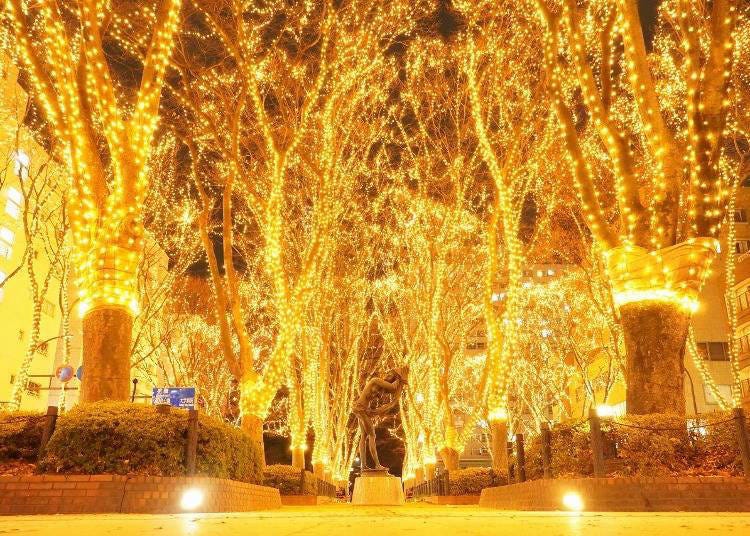
・When: Early to late December
・Where (in Sendai): Jozenji-dori Avenue (Miyagi)
The Sendai Pageant of Starlight is one of Japan's most spectacular winter illuminations. Over 600,000 golden LED bulbs wrap around the towering zelkova trees of Jozenji-dori, creating a massive, glowing "tunnel of light" that stretches through the heart of the city. The event often features an outdoor ice rink and festive street performances.
Why you should go: For first-time visitors, this is the definitive winter experience in northern Japan. The symmetry of the trees creates a breathtaking perspective that is perfect for photography, especially if you’re lucky enough to catch a light dusting of snow. It’s also incredibly accessible—just a short walk from the subway—making it easy to grab a hot drink, stroll under the warm golden canopy, and then tuck into a local restaurant for Sendai’s famous grilled beef tongue (gyutan).
Juhyo Light-up (Yamagata Prefecture)
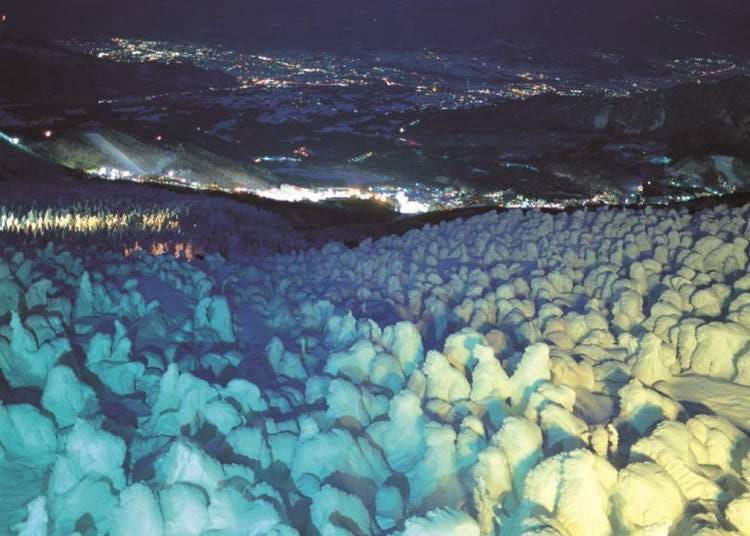
・When: Selected days in late December to late February
・Where (in Yamagata): Zao Onsen Ski Resort (Zao Ropeway)
On the peaks of Mt. Zao, a rare natural phenomenon creates juhyo—massive, frost-covered trees known as "Snow Monsters." During the festival, these towering, ghostly figures are illuminated with colorful lights, turning the mountain into a surreal, otherworldly landscape that you can view from the comfort of a heated ropeway car.
Why you should go: For first-time visitors, this is one of Japan's most unique winter sights. While you can see the "monsters" during the day, the nighttime illumination makes them look like a silent army of mythical creatures glowing against the dark sky. To make it even more memorable, you can ride the "Night Cruiser" (a massive, heated snowmobile) to get up close to the formations, then head back down to the village to warm up in Zao’s famous acidic hot springs.
No matter when you visit, there's always something fun to do in Japan! There are all kinds of traditional events and festivals, from New Year's shrine visits to parades of gorgeous floats, as well as seasonal events featuring flowers and castle scenery.
Many of these Japanese festivals also offer valuable opportunities to interact with the locals. Regardless of which festival you attend or in which season you visit, one thing is guaranteed: each event is a new chance to create unforgettable new memories, and enjoy the experience of a lifetime!
(*Event schedules and contents subject to change/cancellation. Please check the official website of each event before going out.)

*Prices and options mentioned are subject to change.
*Unless stated otherwise, all prices include tax.

Popular Tours & Activities
Recommended places for you
-
ISHIDAYA Hanare
Yakiniku
Kobe, Sannomiya, Kitano
-

Jukuseiniku-to Namamottsuarera Nikubaru Italian Nikutaria Sannomiya
Izakaya
Kobe, Sannomiya, Kitano
-
Osaka Aquarium KAIYUKAN
Zoos, Aquariums & Botanical Gardens
USJ, Nanko Port
-
Goods
Yoshida Gennojo-Roho Kyoto Buddhist Altars
Gift Shops
Nijo Castle, Kyoto Imperial Palace
-
To-ji Temple
Temples
Kyoto Station, To-ji Temple
-
Kasuga-taisha Shrine
Shrines
Nara, Ikoma, Tenri
-
A Happier Trip to Osaka & Kobe: Sesame Street Takes Over Hanshin Railway
by: Guest Contributor
-

5 Glamping Spots Near Osaka: Enjoy Ocean Views, BBQ & Hot Springs - Just 1 Hour from the City! (Perfect for Couples & Families)
by: Guest Contributor
-
2026 Wakayama Summer Must-Visit! Adventure World's Limited-Time Penguin Snow Castle & Night Safari
by: Wemmy Chau
-
May Events in Kansai: Fun Festivals, Food, and Things to Do in Kyoto & Osaka
-
June Events in Kansai: Fun Festivals, Food, and Things to Do in Kyoto & Osaka
-

Osaka After Dark: The Ultimate Rooftop & Riverside Beer Garden Guide
by: Guest Contributor
Inspiration for Accommodations
-
(Video) Walking Tour along Narita Omotesando - Quaint Historical Village near Narita Airport!
by: Victor Gonzalez
-
5 Amazing Kyoto Festivals You'll Want to Experience During Your Next Trip
by: Guest Contributor
-
Michelin Star Restaurants & More: 3 Best Okonomiyaki Shops in Dotonbori Osaka
-
2026 Kansai Bon Odori & Summer Festival Guide: Join the Dance in Kyoto, Osaka, and Other Areas
by: Guest Contributor
-
10 Best Hotels Near Kyoto Station: Budget-friendly, Perfect for Kyoto Sightseeing
-

A first-time visit to Kyoto’s Gion Festival becomes a night to remember
- #best gourmet Osaka
- #things to do Osaka
- #what to do in kyoto
- #what to bring to japan
- #best gourmet Kyoto
- #new years in Osaka
- #what to buy in nanba
- #Visiting Osaka
- #onsen tattoo friendly arima
- #daiso
- #Visiting Kyoto
- #best japanese soft drinks
- #japanese fashion culture
- #japanese convenience store snacks
- #japanese nail trends