



Visiting Japan in November: The Best Things to Do and Reasons to Visit
- Written by: James Davies
If you’re trying to decide whether to visit Japan in November, then you really should go ahead and book that trip. November is one of the very best times of the year to visit Japan, thanks in no small part to the gorgeous autumn colors.
Why November is a good time to visit Japan
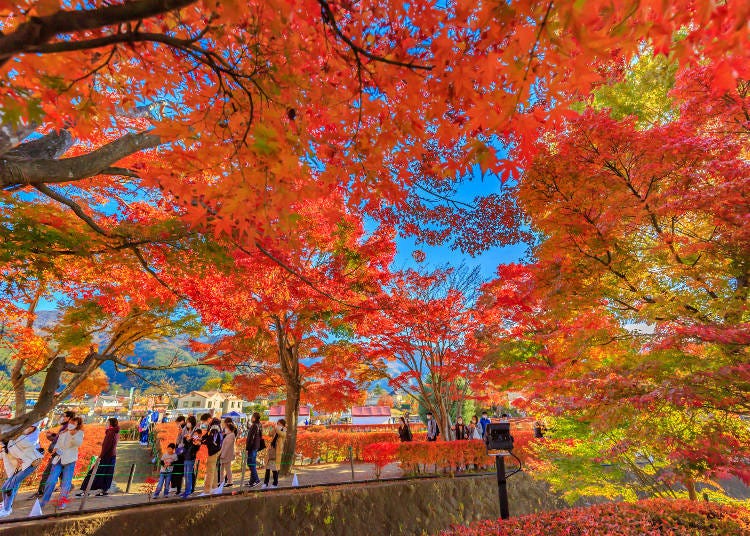
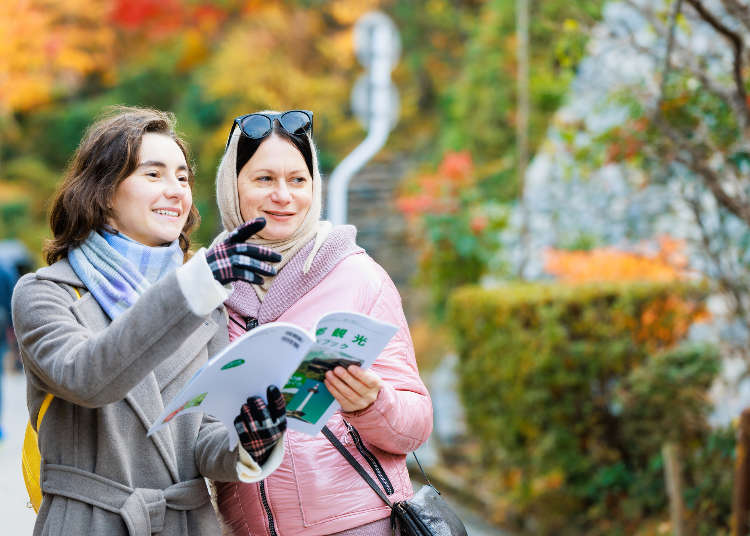
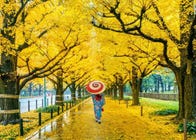
November is a fabulous time to visit Japan. In November, autumn is in full swing throughout Japan, and you can enjoy glorious fall colors in yellows, oranges, and reds across the country. November temperatures in Japan are much cooler than in the previous months, especially at night. However, you can expect plenty of sunshine and clear blue skies, making it a great time to get out and explore the great outdoors.
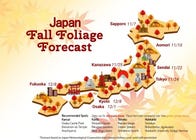
Weather in Japan during November
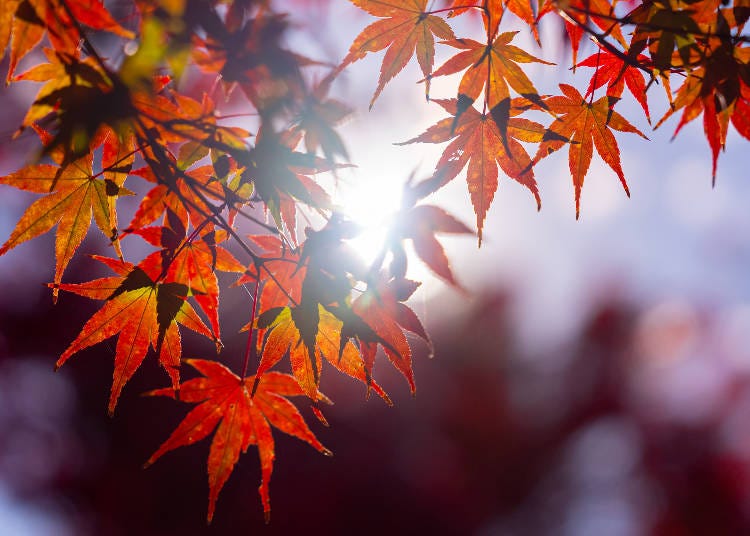
November weather in Japan is mostly dry, though temperatures vary widely from north to south. The warmest areas in Japan in November are in the south, especially on Okinawa, where the average monthly temperature is around 21°C/70°F. It’s a little cooler in Fukuoka in neighboring Kyushu, where the average November temperature is around 15°C/59°F.
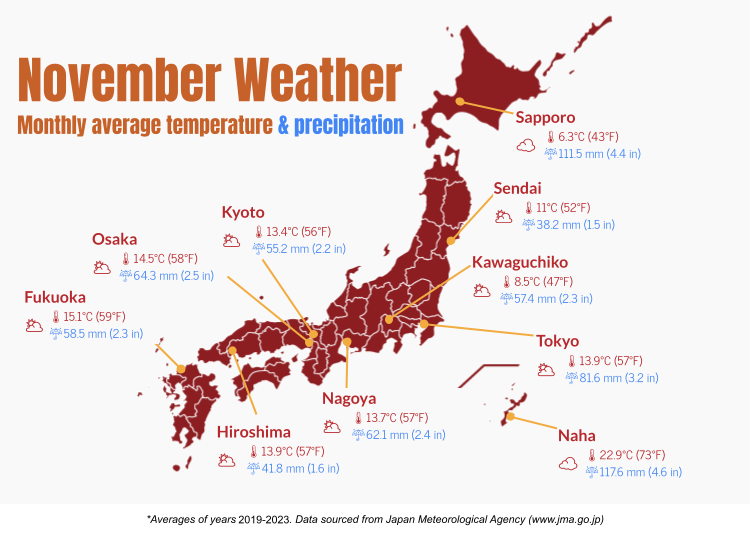
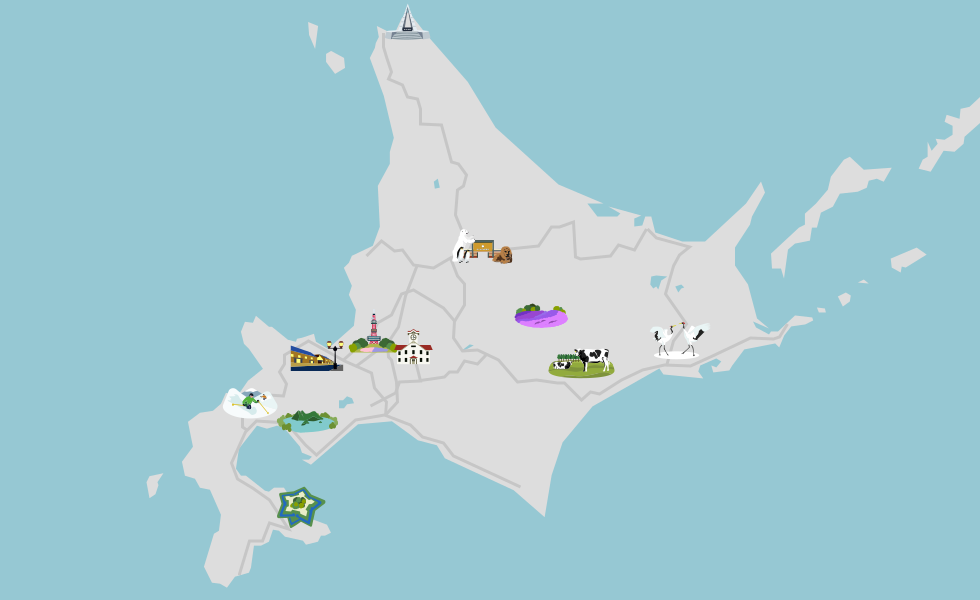
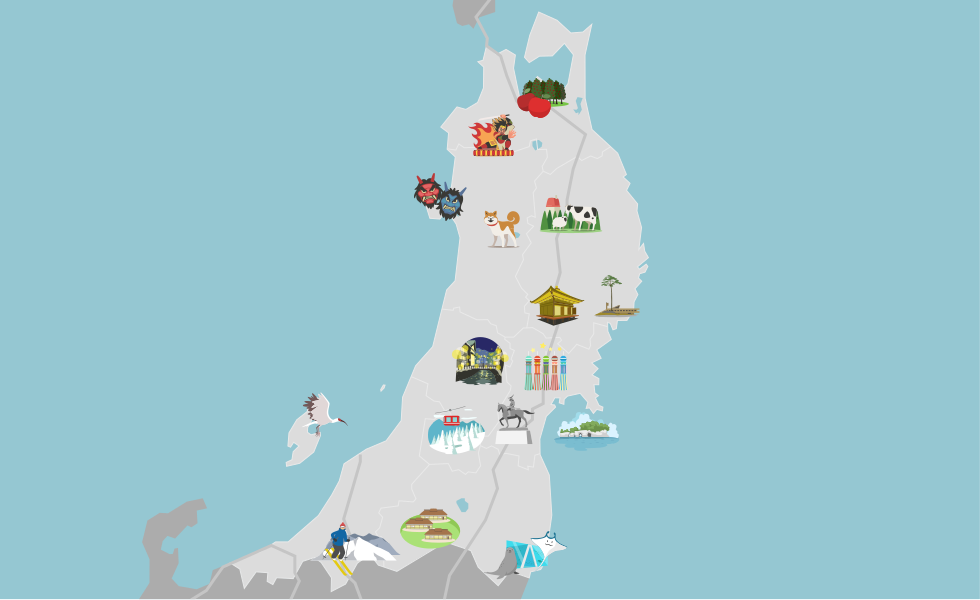
In Japan’s main cities, Tokyo, Kyoto, Osaka, and Hiroshima, the average November temperature is around 13°C/55°F. However, if you plan to visit northern Japan, expect much cooler temperatures. In Sendai, the capital of Miyagi Prefecture, the typical monthly average temperature is around 11°C/51°F, whereas further north in Morioka, Iwate Prefecture, it is usually closer to 7°C/44°F. Hokkaido is a little colder, with an average temperature of 6°C/42°F at this time of year.
The typhoon season that lasts throughout the summer and into early autumn is typically over by November. The majority of Japan sees little in the way of rain in November, though you should always be prepared for the chance of showers or a little light rain from time to time.
- Visiting Hokkaido in Autumn: Travel & Weather Guide for September-November
- Visiting Sendai in Autumn: Travel & Weather Guide for September-November
- Visiting Osaka in Autumn: What to Wear & Must-Visit Attractions in September, October, and November
- Autumn Travel Guide to Kyoto: Tips on Weather and Sightseeing from September to November
What to pack for a trip in November
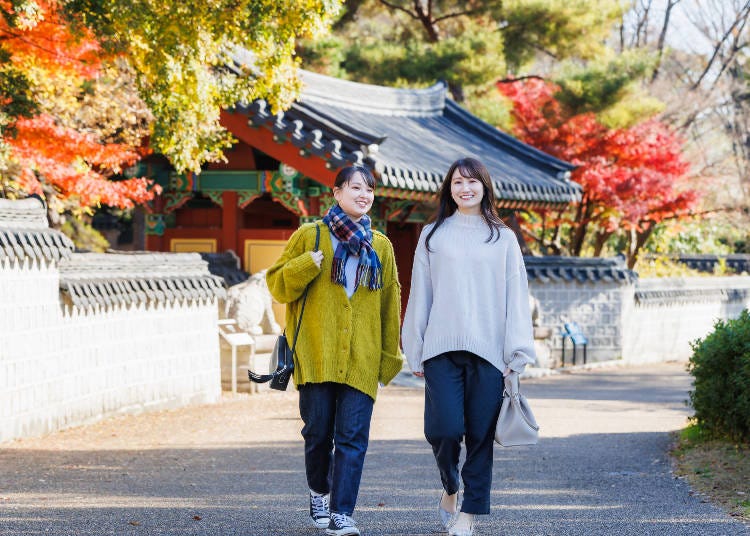
If you’re visiting Japan in November, you’ll definitely need to pack a few warmer clothes for the colder days. Packing a light jacket, long-sleeved tops, and warmer base layers is a good idea, since temperatures can drop later in the day. You might also want to pack sunglasses and sunscreen, as November brings plenty of sunshine, especially if you plan to spend a lot of time outdoors. Finally, the occasional bit of rain is not uncommon in November, so it’s worth packing a waterproof jacket, too.

Where to Go in Japan in November
Best place for great weather: Kyushu
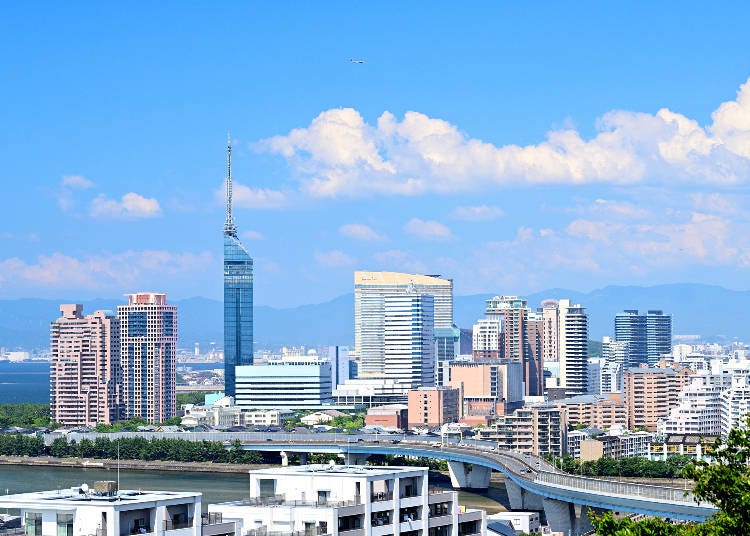
Located at the far south of the country, Kyushu is the third largest of Japan’s main islands. Famous for its hot springs, volcanic mountains, and gorgeous coastline, Kyushu comprises seven prefectures and includes the major cities of Fukuoka, Nagasaki, Kitakyushu, and Kumamoto. Kyushu has some of the best weather in Japan, and in November you can still expect warm temperatures along with early signs of autumn colors.
Kyushu has a huge variety of excellent destinations to visit. Fukuoka is the largest city in Kyushu, famous for its open-air yatai food stands, the beautiful Ohori Park, and the regional take on tonkotsu ramen called Hakata ramen. The hillsides around Nanzoin Temple, famous for its 41-meter-long reclining Buddha statue, are also a beautiful place to hike in November.
Kyushu also includes the port city of Nagasaki. The moving Nagasaki Peace Park and the Nagasaki Atomic Bomb Museum both commemorate the bombing of the city in the Second World War. Just off Nagasaki is Hashima, also known as Gunkanjima, or Battleship Island. The now-abandoned island was once the entrance to a coal mine and, for a while, became the most densely populated place on earth.
Nagasaki was one of the few cities in Japan open to foreign trade during the Edo Period, giving the city a multicultural feel. The city’s small artificial island, Dejima, was created in the 17th century to house Portuguese and Dutch traders. Portuguese missionaries also introduced Christianity to the region, and two of Nagasaki’s most famous landmarks are Urakami Cathedral and Oura Church. The city also boasts a vibrant Chinatown district.
There are plenty of other major attractions to be found in Kyushu. Kumamoto Castle is considered to be one of the best in Japan, while Beppu is famous for its fabulous hot spring waters. In Kagoshima Prefecture, you can visit Sakurajima, the most active volcano in Japan, while in Nagasaki Prefecture, you can visit Huis Ten Bosch, a giant theme park modeled on a city in the Netherlands, complete with canals and windmills.
Best place for families with children: Nikko
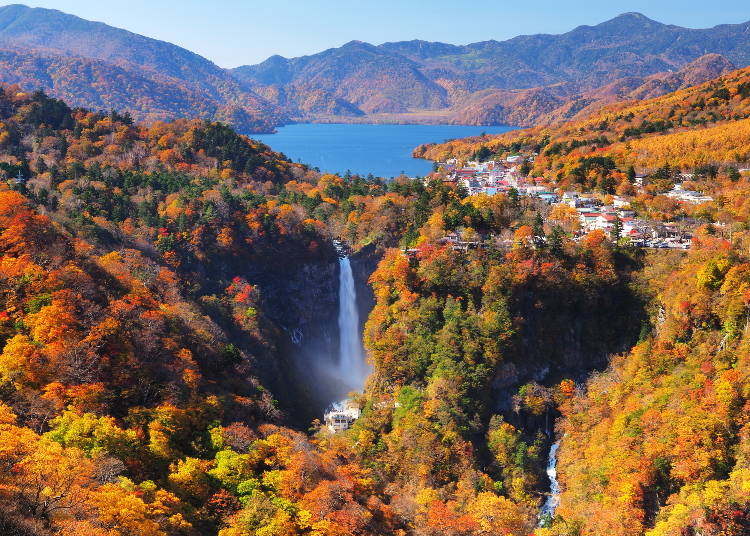
Nikko in November is a stunning sight, with magical autumn colors filling the forests surrounding the city. During the fall, Nikko becomes one of the most popular destinations in Japan thanks to the city’s stunning, colorful foliage. Nikko is also a great place for families to visit, as they can combine the dazzling fall colors with nearby attractions perfect for young children.
Just outside Nikko is Edo Wonderland Nikko Edomura, a theme park inspired by Japan’s Edo Period. Designed as a traditional Edo-era Japanese town, Edo Wonderland Nikko Edomura lets visitors step back in time and experience life in Japan during the samurai era. Children and adults can dress up in a range of traditional clothes to become ninjas, courtesans, or feudal lords. You can even learn a number of the techniques used by ninjas, including swordsmanship, traditional archery, and how to throw a shuriken ninja star. You can also take part in traditional Edo-period culture and crafts, such as learning to play the shamisen and indigo dyeing, plus there are several live performances a day, including battle reenactments and martial arts.
Also nearby is Tobu World Square, another outdoor theme park that is home to a huge collection of 1:25 scale models of many of the world’s most famous landmarks. The theme park is divided into regions such as Asia, Europe, and America and displays over 100 replicas of famous landmarks, including the Eiffel Tower, the Great Wall of China, the Pyramids of Giza, and Tokyo Skytree. The models are incredibly detailed and offer a fun and fascinating miniature journey around the world.

Best place for great scenery: Obara, Aichi Prefecture
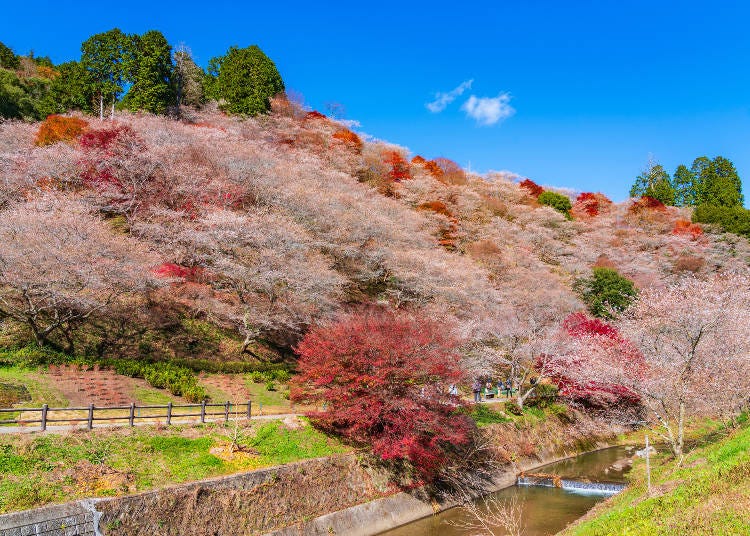
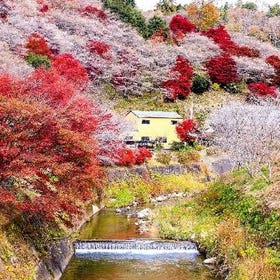
On the northern outskirts of Toyota City is Obara, a beautiful rural area that comes alive with a unique blend of colors each autumn. The region is famous for shikizakura, a rare type of cherry tree that blooms twice a year, once in spring and again in autumn. Obara has over 10,000 shikizakura trees that bloom a second time from October to December, peaking around mid-November. The cherry blossom trees blend beautifully with the autumn colors that also flourish in Obara at the same time of year.
The best place to admire the mix of cherry blossom trees and autumn colors is at Senmi Shikizakura no Sato, a beautiful sloping hillside with walking paths that weave through the colorful trees. You can also enjoy the beautiful blooms and fall foliage at other spots nearby, such as Shikizakura Park, Obara Fureai Park, and the grounds of the Obara Paper Art Museum.
Best place to avoid the crowds: Akita
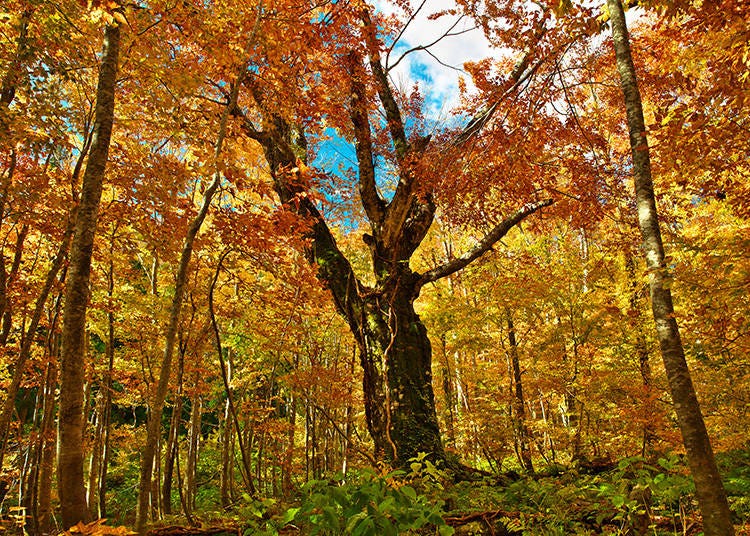
Part of northern Tohoku, Akita Prefecture is one of Japan's least-visited destinations for foreign tourists this season. Yet Akita offers a wealth of culture and history, along with stunning natural scenery, especially in November. Akita’s location in the north of Japan means that there are plenty of places to enjoy autumn colors across the prefecture by November, most notably in the forests of Shirakami Sanchi. Several hiking trails run through Shirakami Sanchi, an area famous for its sprawling beech forest and designated a UNESCO World Heritage site in 1993.
The picturesque former samurai town of Kakunodate is another excellent place to enjoy autumn colors in November. Kakunodate’s quaint and atmospheric streets are lined with grand historic homes once occupied by many of the region’s high-ranking samurai. In November, the town’s charm is bolstered by the added beauty of the captivating colors of fall foliage.
Another great spot to explore in Akita is Lake Tazawa, Japan's deepest lake. It is famous for the golden statue of Tatsuko, which is located on its southwestern shoreline. According to legend, the young Tatsuko turned into a dragon after throwing herself into Lake Tazawa in the hope that she would hold on to her beauty forever.
Meanwhile, to the northeast of Lake Tazawa are the seven hot springs at Nyuto Onsenkyo. Nyuto Onsenkyo is a small onsen town where you can relax in the region’s calming hot spring waters amongst the spectacular mountain scenery of the Towada-Hachimantai National Park.
Best places to enjoy early snow: Niseko/Sapporo/Nagano
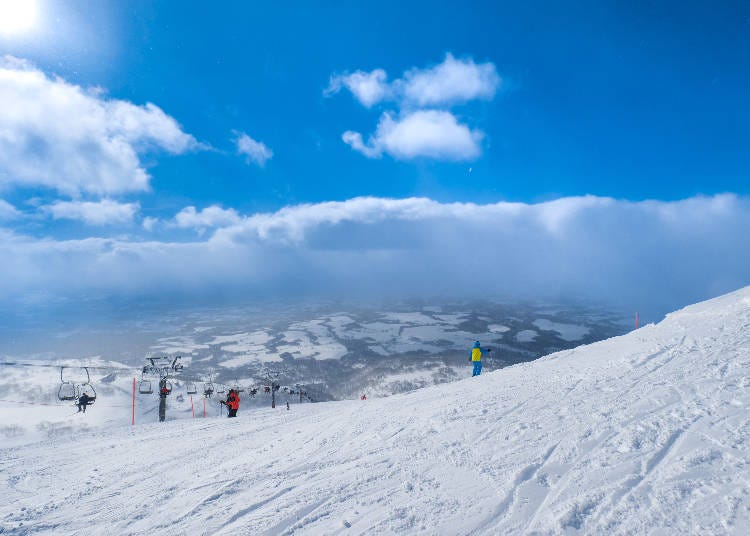
Niseko, Hokkaido - Hokkaido is world-famous for its phenomenal powder-soft snow in the winter months. Niseko is one of Japan's most famous resort towns, attracting snowsports fans from around the world every year. While the peak snow season runs from December until late April, you can expect to see heavy snow in Niseko by late November. By this time, many of the slopes in Niseko’s resorts will be covered in snow and good for skiing, especially Annupuri and Hirafu.
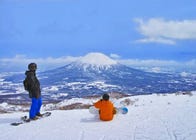
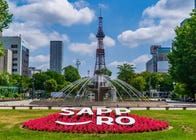
Sapporo, Hokkaido - Sapporo, the capital of Hokkaido Prefecture, begins to see snowfall in November, which becomes much heavier from December onward. Alongside snow, dazzling winter illuminations light up much of the city center from late November. The annual month-long German Christmas Market also begins in late November, usually starting in the last week of the month. Held in Odori Park beneath the Sapporo Tower, the market features stalls selling traditional Christmas gifts and decorations, along with German winter snacks such as bratwurst and mulled wine. First held in 2002, the market nods to Sapporo’s twin city, Munich.
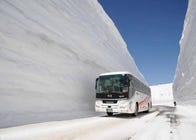
Murodo, Toyama - Murodo is the highest point of the Tateyama Kurobe Alpine Route in Japan’s Northern Alps and offers some of the very best views of the Tateyama Mountain Range. The hiking trails around Murodo are popular in autumn for their vibrant fall colors, but snow begins to fall by November. The area also sees some of Japan’s earliest snowfall and some of its heaviest during the winter months. For much of the winter, Murodo is inaccessible because conditions are impassable, but November is a great time to visit and enjoy the early snow season. In November, you can still reach Mikurigaike Pond, a crater lake formed by a volcanic eruption around 10,000 years ago. Nearby is Mikurigaike Onsen, where you can bathe in the soothing spring waters of the highest natural onsen in Japan. The Tateyama Kurobe Alpine Route is open until November 3, 2026.
What to do in Japan in November
Recommended Day Trips from Tokyo in November
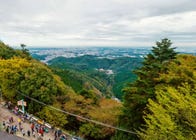
Mount Takao, Tokyo - Though named after the mountain, Mount Takao more commonly refers to a beautiful region of natural scenery located in the far west of Tokyo. Easily reached from central Tokyo, Mount Takao is a popular destination for outdoor lovers. It also features hot springs, a monkey park, and Yakuoin, a beautiful temple near the summit.
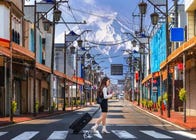
Several hiking trails cut through the mountain’s forests, which are incredibly popular during November thanks to their spectacular autumn colors. You can also take a cable car or a chair lift to help you climb some of the route to the top of the mountain. From the peak of Mount Takao, there are fabulous views of Mount Fuji, which is usually capped with snow by November.
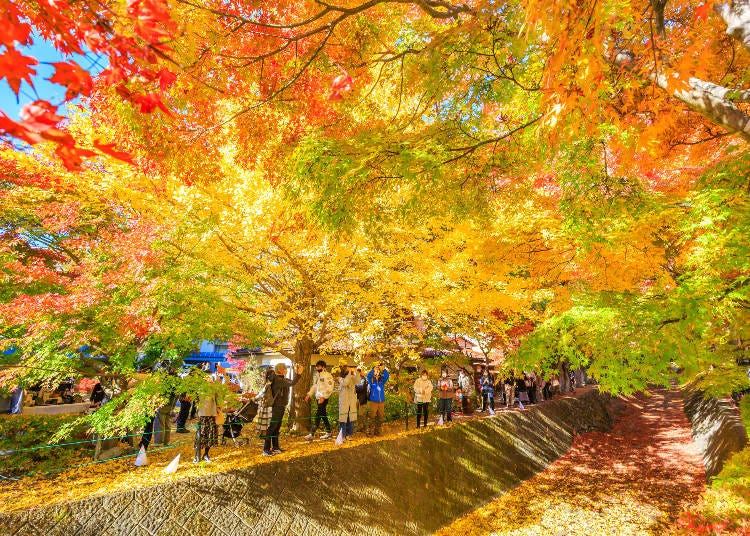
Kawaguchiko, Yamanashi - Kawaguchiko is a popular day trip from Tokyo, especially in November, thanks to the combination of stunning autumn colors and mesmerizing views of Mount Fuji. Come November, the foliage on the trees on the banks of Lake Kawaguchiko turns a beautiful shade of red, and they are celebrated during the Fujikawaguchiko Autumn Leaves Festival from late October to late November.
The most famous spot for spectacular autumn colors in Kawaguchiko is the Momiji Corridor and the nearby paths along the lake’s northern shore, looking toward Mount Fuji. Fall colors at Kawaguchiko peak around mid-November and are even lit up after dark for an extra-spectacular nighttime view. Oishi Park is another popular spot for fabulous scenery in November. With superb views of Mount Fuji, Oishi Park also features a wide range of colorful flowers that bloom throughout the year, including a field of kochia that turns a vibrant red by November.
Another reason to take a trip to Kawaguchiko in November is to visit Oshino Hakkai, a small village centered around eight crystal-clear ponds which are fed by melted snow from Mount Fuji. Around the largest pond, several traditional thatched-roof cottages sit before even more fabulous views of Mount Fuji, part of the Hannoki Bayashi Shiryokan open-air museum. Several excellent restaurants also serve traditional Japanese dishes such as soba and tempura.
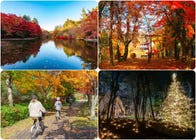
Karuizawa, Nagano - Karuizawa is a tranquil mountain town that can be reached in just over an hour from Tokyo via the Hokuriku Shinkansen. A popular destination all year round, many people visit Karuizawa in November to see the beautiful autumn foliage that fills the forests that surround the town. There are many hiking trails in and around Karuizawa from where you can enjoy the seasonal colors, including the Shinanoji Nature Trail, an 11-kilometer trail that connects two of the area's most famous and beautiful waterfalls, Ryugaeshi Falls with Shiraito Falls.
Onioshidashi Park in neighboring Gunma Prefecture is an easy and very popular side trip from Karuizawa. The park consists of a surreal landscape created by the lava that flowed through the region following a major volcanic eruption of Mount Asama in 1783. Onioshidashi Park is a part of Joshinetsu Highlands National Park, a huge national park that crosses into parts of Nagano, Gunma, and Niigata prefectures.
Recommended Day Trips from Kyoto in November
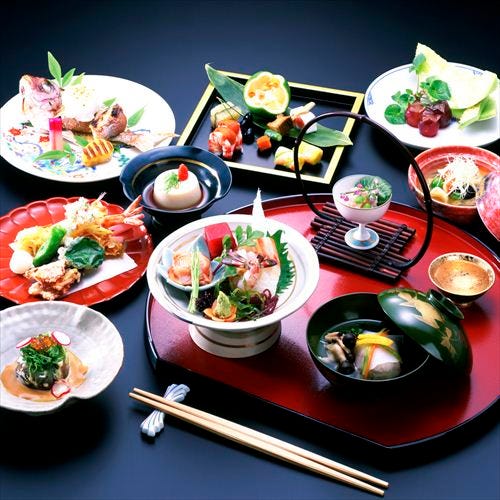
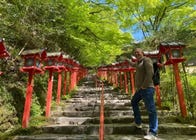
Kifune, Kyoto - Kifune is a small mountain town just north of the city of Kyoto, centered around the historic Kifune Shrine. Kifune Shrine was founded over 1,300 years ago and is dedicated to the god of water, which explains its location next to the Kibune River. A popular destination to beat the heat in the summer, in November, Kifune’s mountain forests will be filled with breathtaking autumn colors. The small town is home to several traditional ryokan and restaurants serving excellent Japanese specialties, including exquisite multi-course kaiseki meals. A beautiful hiking trail also connects Kifune with the equally historic town of Kurama and its magnificent temple, Kurama-dera.
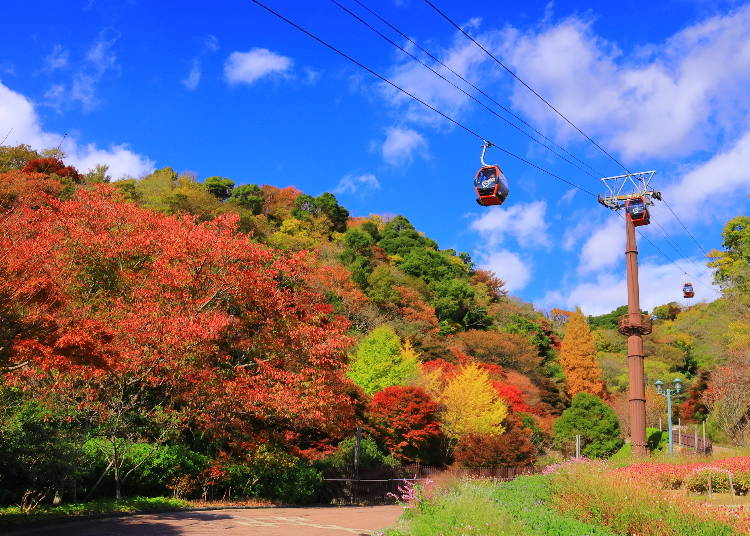
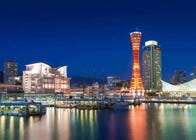
Kobe Nunobiki Herb Gardens & Ropeway, Hyogo - The Kobe Nunobiki Herb Garden is a delightful botanical garden located at the foot of Mount Rokko with mesmerizing views over the city of Kobe. One of Japan’s largest herb gardens, it is home to over 75,000 types of herbs and flowers spread across 14 areas. In November, the garden’s beauty is accentuated by the autumnal colors of the surrounding Rokko mountain ranges. The easiest way to reach Kobe Nunobiki Herb Gardens is via the ropeway, the lower station of which is located near Shin-Kobe Station. Alternatively, you can reach the garden via a hiking trail that passes Nunobiki Falls, a collection of four waterfalls.
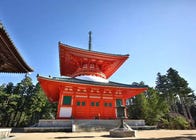
Koyasan, Wakayama - Koyasan is an atmospheric mountain town famous for its many temples and the enchanting Okunoin Cemetery. Koyasan is where the monk Kobo Daishi established Shingon Buddhism in Japan in the 9th century. Kobo Daishi, one of the most revered and famous religious figures in Japanese history, is buried in the mausoleum at the heart of Koyasan’s Okunoin Cemetery. At the town’s entrance stands the giant vermillion Daimon Gate, and throughout the town stand dozens of historic temples, many of which offer visitors the chance to stay overnight in temple lodgings. Temple stays let you experience the lifestyle of Buddhist monks, including simple yet comfortable lodgings, meditation or Buddhist ceremonies, and traditional Buddhist cuisine called shojin ryori.
Recommended Festivals in November
Saga International Balloon Fiesta (Saga Prefecture; October 30 – November 3, 2026): The largest sky sport event in Asia, the Saga Balloon Fiesta sees over 100 hot air balloons and pilots from all over the world take part in several competitions along an 8-kilometer stretch of the Kase River in Saga. The annual event has been held in Saga since 1980, and pilots from around the world compete in a series of tasks and challenges. Beyond competitive ballooning, the festival also features many unique, novelty hot air balloons shaped like colorful animals and cartoon characters. On the final two days, dozens of hot air balloons are lit by their burners at night while moored to the ground.
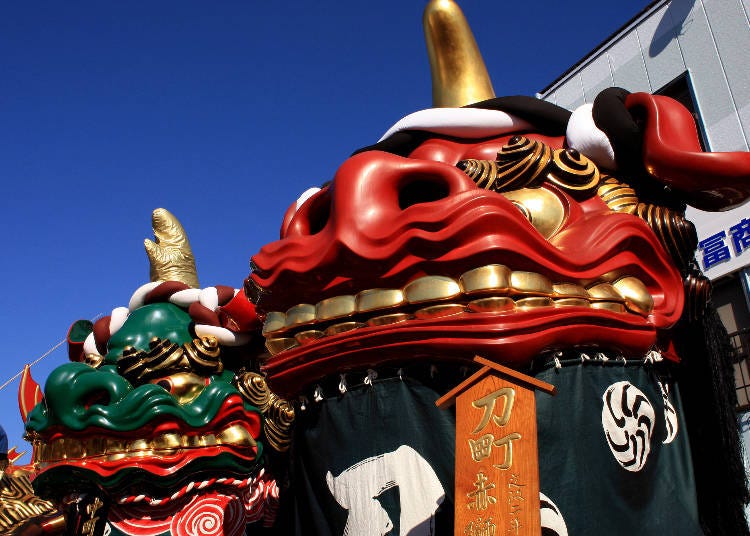
Tochigi Autumn Festival (Tochigi Prefecture; November 14–15, 2026) - The three-day Tochigi Autumn Festival is held in early November every two years and features spectacular floats with elaborately decorated figures paraded through the city’s main streets. The highly decorative floats, known as dashi, are three stories tall. Giant models of important historical and religious figures sit atop each float, including Amaterasu, the Shinto goddess of the sun, and Emperor Jimmu, the first emperor of Japan. The floats feature many fine details, including gold leaf, hand-carved decorations, and colorful fabrics. After nightfall, the floats are beautifully illuminated with paper lanterns.
Karatsu Kunchi Festival (Saga Prefecture; Nov 2-4) - The Karatsu Kunchi Festival is a three-day festival that has been celebrated for centuries and which today draws hundreds of thousands of people to the coastal city of Karatsu. The festival sees 14 giant floats called hikiyama paraded through the city’s streets. Each hikiyama is about six meters tall and shaped like a variety of animals, mythical beasts, and other objects, including colorful lions, samurai helmets, a dragon, and a bright red sea bream. On the first day of the festival, people carry the illuminated floats to Karatsu Shrine at night. On the second day, the hikiyama are paraded across Karatsu’s Nishinohama beach. On the final day, the floats are carried on a major procession through the city.
Kagoshima Ohara Festival (Kagoshima Prefecture; Nov 2-3) - Held over two days in early November, Kagoshima’s Ohara Festival draws around 20,000 visitors each year. The festival is the largest in southern Kyushu and features a parade of locals dancing to traditional music and taiko drum performances through the center of Kagoshima, dressed in highly decorative yakata. The festival is relatively young by Japanese standards, first taking place in 1949. Audience participation is encouraged, and spectators can join in and dance alongside the performers.
Yatsushiro Myoken Festival (Kumamoto Prefecture; Nov 22-23) - The Yatsushiro Myoken is a historic festival that has been celebrated in the city of Yatsushiro for nearly 400 years. During the festival, many ancient rites are performed, including a procession of colorful portable shrines, parade floats, and sacred decorative horses called kazariuma from Yatsushiro Shrine through the city center. The main celebrations take place on the second day of the festival, featuring lion dances and a parade of a mythical animal called a kida, a cross between a snake and a turtle.
Recommended Events in November
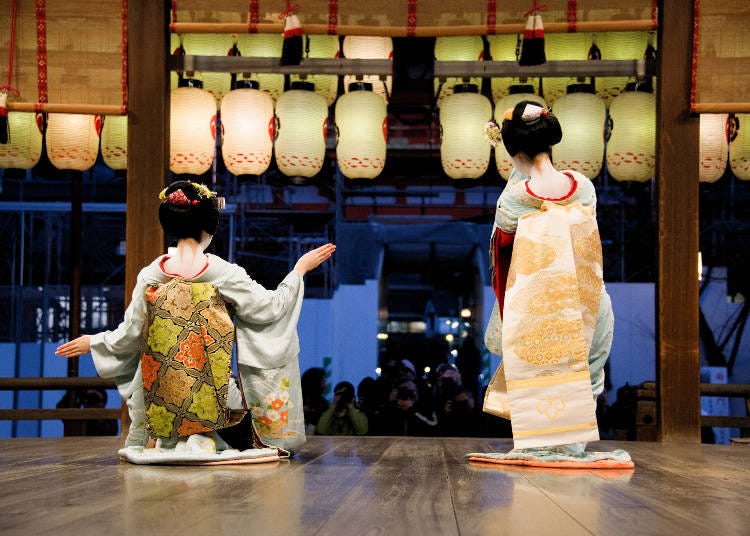
Gion Odori (Kyoto; Nov 1-10) - The Gion Odori is held over ten days in November and is a chance to see musical performances by geisha and maiko from Kyoto’s Gion Higashi district. The event is held at the Gion Kaikan Hall, and it is the only public geisha performance to take place in the city in autumn. During the Gion Odori, the geisha and maiko perform twice a day, at 1:30 PM and again at 4 PM.
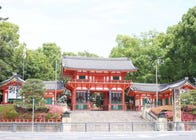
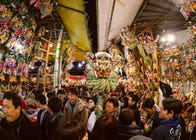
Tori no Ichi (Tokyo; November 7 & 19) - Literally meaning “the rooster’s market,” the origins of Tori no Ichi are uncertain, but the festival is held over three specific days in November. It has been held in Japan’s Kanto region ever since the Edo period. The festival wishes for prosperity and fortune in the new year. The festival is held at certain shrines where dozens of stalls sell decorative rakes, called kumade, made of bamboo and adorned with colorful charms. The charms include various figures of deities and auspicious symbols and are said to bring good fortune in the year ahead. In Tokyo, the two main shrines to visit for Tori no Ichi are Hanazono Shrine in Shinjuku and Otori Shrine in Asakusa.
Huis Ten Bosch Kyushu Ichi Fireworks Festival (Nagasaki; November 14, 2026) - The Huis Ten Bosch Kyushu Ichi Fireworks Festival is one of the biggest fireworks displays held in Japan. Running over two hours, the event is a gargantuan display featuring some of Japan's biggest and brightest fireworks, with over 22,000 set to light up the night sky over the Dutch-inspired Huis Ten Bosch theme park.

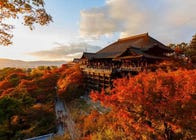
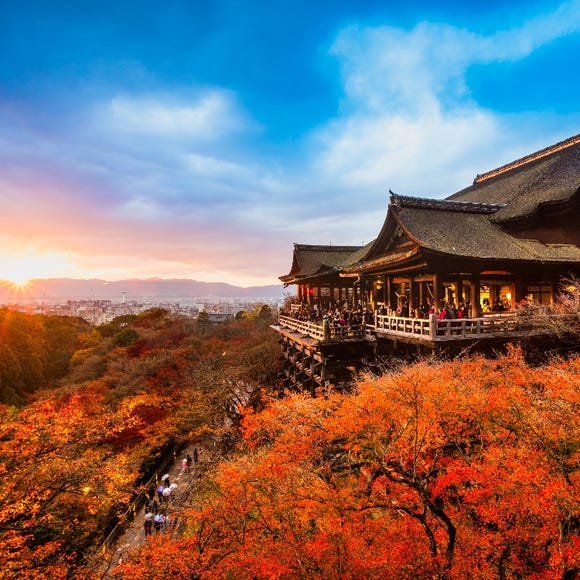
Kiyomizu-dera Autumn Illuminations (Kyoto; November 21–30, 2026) - Already one of Kyoto’s most spectacular temples, the grounds of Kiyomizu-dera Temple are beautifully lit up at night three times a year. For two weeks in November, the temple’s main buildings, including the Niomon Gate, the Three-Story Pagoda, and the main hall, are all elegantly illuminated after dark. A blue beam of light is also projected from the temple across the night sky.
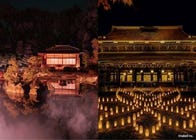
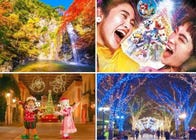
Winter illuminations (nationwide) - Winter illuminations have become a major attraction across towns and cities in Japan, usually beginning in early November and often running right through into January and beyond. A uniquely Japanese take on Christmas decorations, winter illuminations light up many city centers, major department stores, theme parks, gardens, and plenty of other locations.
Two of Tokyo’s most famous winter illuminations are held in the Marunouchi district near Tokyo Station and in the Tokyo Midtown complex in Roppongi. Osaka’s Festival of Lights includes the Midosuji Illumination, a four-kilometer stretch of the city officially recognized as having the most illuminated trees on a single street. Many of Japan’s theme parks also go all out on winter illuminations, such as Nabana no Sato in Mie Prefecture, whose Kawazu Sakura light tunnel is lit up by 700,000 lights.
Recommended Activities in November
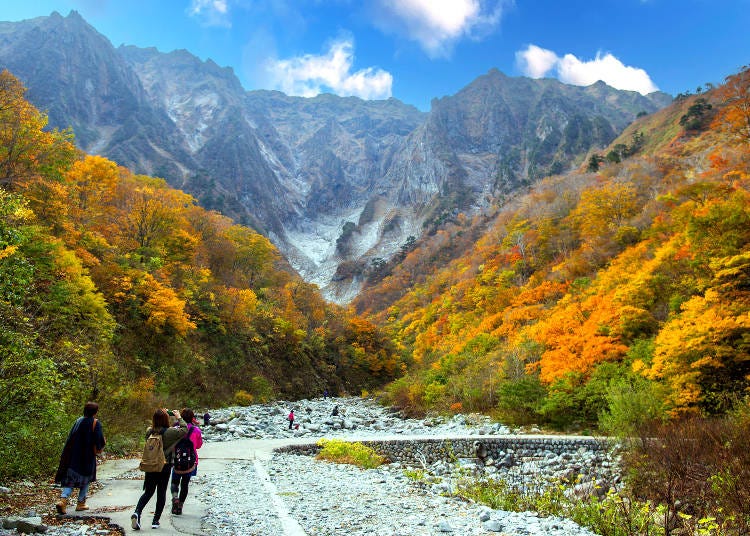
Hiking: With so much of the country blessed with fabulous autumn colors at this time of year, November is a great time for hiking. There is no shortage of excellent places to hike in Japan, too, ranging from the ancient pilgrimage routes along the Kumano Kodo in the Kii Peninsula, the volcanic landscapes of Kyushu’s Aso Region, or the spectacular Okutama area on the western edge of Tokyo.
Skiing/snowsports: November can be a good time to ski or snowboard some of the early snow that reaches Japan at this time of year. Your best bet for snowsports in Japan in November will be in Hokkaido. By late November, many resort slopes at destinations such as Niseko are typically covered in snow and ready for snowsports. For guaranteed snow, head to the Karuizawa Prince Snow Resort. The resort uses machines to create artificial snow on its slopes, which open in early November.
Recommended Sports in November

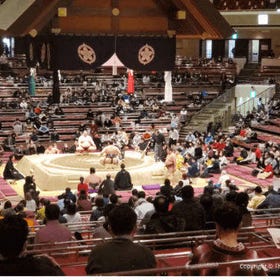
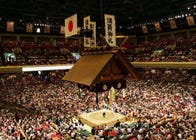
Sumo Grand Tournament in Fukuoka (November 8-22, 2026): There are six major sumo tournaments held in Japan each year. The final tournament of the year takes place at the Fukuoka Kokusai Center and is held over two weeks in November, when the top-ranked rikishi battle it out for the chance to lift the Emperor's Cup.

Japan Series Baseball (Dates and locations vary): Baseball is easily the most popular sport in Japan. Japan's professional baseball season ends in early November, with the Central League and Pacific League winners facing off in a best-of-seven series for the title of national champion. Many of the series games are usually held in early November.

What to eat in Japan in November
Sweet potatoes - Sweet potatoes come into season in Japan in the autumn, typically from September to November, and are a hugely popular comfort food thanks to their delicious sweet flavor and warmth in the season’s colder temperatures. Roasted sweet potatoes, called yakiimo, are traditionally sold throughout Japan by street vendors or small trucks in autumn.
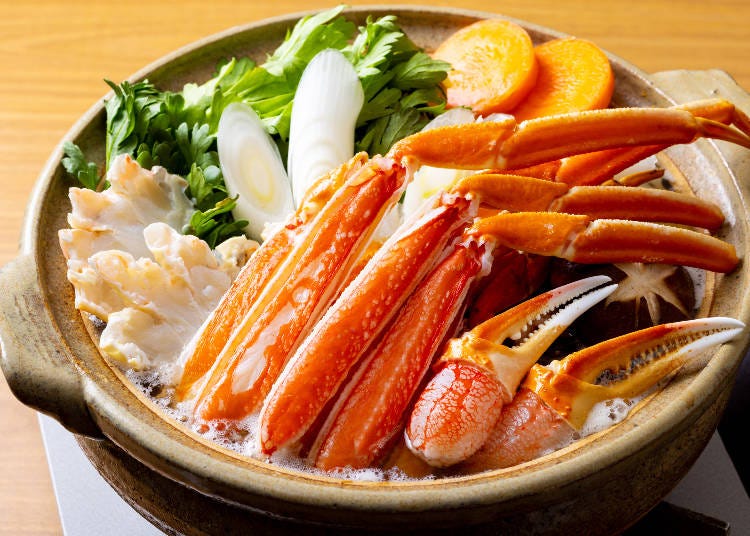
Crab - Late autumn and through the winter are a great time for seafood in Japan, especially crab. Snow crab and king crab are two of the most popular types of crab thanks to their soft, succulent, and flavorful meat. King crab is particularly popular in Hokkaido, with snow crab easy to find in restaurants along the coast of the Sea of Japan, such as Ishikawa and Tottori prefectures.
Oysters - The arrival of winter in Japan marks the beginning of the oyster season, particularly Pacific oysters, which are a specialty of the prefectures of Hiroshima, Miyagi, Iwate, and Hokkaido. Harvested throughout the winter, oysters can be served in many ways in Japanese cuisine, including raw, steamed, deep-fried, and as ingredients in hotpots and even okonomiyaki.
Persimmons - Persimmons are another staple of the Japanese diet during winter, which usually come into season from November. A great source of fiber, vitamin A, and Vitamin C, persimmons grow all over the country, but especially in Wakayama Prefecture, Japan’s largest producer. Persimmons come in two types, astringent and sweet, and are often dried for snacking or used in sweet desserts.
Apples - Apples are another sign of the coming of winter in Japan, and are typically harvested between October and January. Japan’s main apple-producing areas are in Tohoku in the north of the country, particularly Aomori. Popular apple varieties in Japan include Fuji, known for its large size and mild flavor, and Tsugaru, which has a crisp, sweet taste.
Lotus root - Lotus root, known as renkon in Japan, comes from the root of the lotus plant and is loved for its crisp texture and mild, slightly sweet flavor. It is widely used in Japanese cuisine, often sliced and enjoyed raw in salads. You can also pickle, stir-fry, simmer in soups, or even fry lotus root in tempura.
Tips for visiting Japan in November
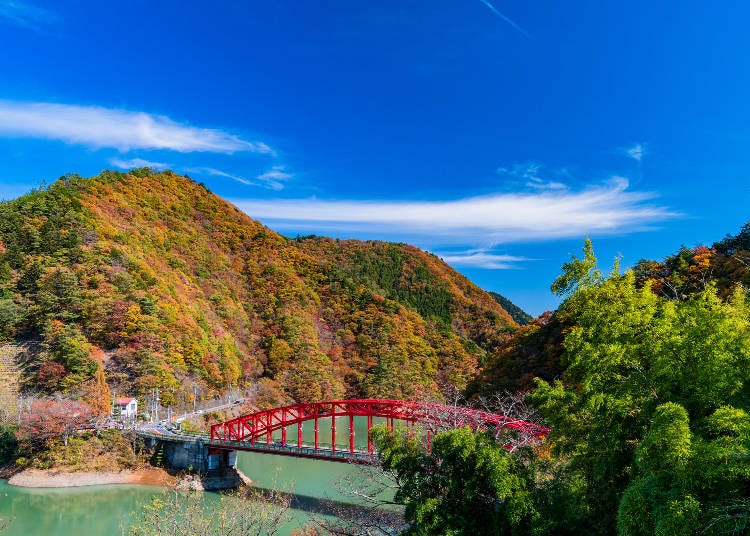
November is a great time to visit Japan, thanks to its beautiful autumn colors, cooler temperatures, and sunny weather. However, some of Japan’s most famous fall-color spots draw large crowds and can get very busy, especially on weekends. This is particularly true of places that are popular with tourists, such as Lake Kawaguchi’s Maple Corridor and around the Toshogu Shrine in Nikko.
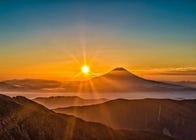

Originally from Cardiff in the UK, James has been working as a freelance writer since moving to Japan in 2020. Having first visited Japan in 2013, James has been to each of the country’s 47 prefectures. A lover of sushi, sumo and sake, when not writing, he is either exploring Tokyo or planning a trip to a new corner of Japan.
*Prices and options mentioned are subject to change.
*Unless stated otherwise, all prices include tax.
Popular Tours & Activities
Recommended places for you
-
Jukuseiniku-to Namamottsuarera Nikubaru Italian Nikutaria Sannomiya
Izakaya
Kobe, Sannomiya, Kitano
-
Kappabashi Street
Old Towns (Shitamachi)
Asakusa
-
ISHIDAYA Hanare
Yakiniku
Kobe, Sannomiya, Kitano
-
Kiyomizu-dera Temple
Temples
Gion, Kawaramachi, Kiyomizu-dera Temple
-
Appealing
Rukku and Uohei
Izakaya
Sapporo / Chitose
-
Goods
Yoshida Gennojo-Roho Kyoto Buddhist Altars
Gift Shops
Nijo Castle, Kyoto Imperial Palace
-

Seibu Group Launches New Chichibu Adventure Tourism Experience for International Travelers in 2026
by: Guest Contributor
-
Ad

Pocket WiFi Rental in Japan 2026: Complete Price Comparison & Where to Get the Best Deal
-

Best Sumo Shows & Experiences in Tokyo (2026): Prices Compared
-
Autumn in Japan 2026: Fall Foliage Forecast & Where to Enjoy the Colorful Leaves (+Tour Info)(Updated Oct 1)
-

Haneda Airport Duty-Free Shopping Guide: What to Buy, How to Save & Where to Eat Before Your Flight
by: Guest Contributor
-
Ad
Do’s and Don’ts: The Complete Guide to Sento Baths! Getting the Full Experience In Ueno’s Famous Kotobuki-yu
-

10 Best Places for Autumn Colors in Nara & When to Enjoy in 2026
by: WESTPLAN
-
Japan's Bath Culture: Tips You Should Know!
-

What to Pack for Japan in 2026: 15 Essentials for a Stress-Free Trip
-

Kyoto in Autumn: Weather & Clothing Tips for September, October, and November
by: WESTPLAN
-
Aomori Autumn Travel Guide: Weather, What to Wear & Where to Go in September–November
by: Nemi Lin
-
Tokyo Roppongi: 5 Most Amazing Spots at Roppongi Hills and How to Make the Best of Them!
- #best sushi japan
- #what to do in odaiba
- #what to bring to japan
- #new years in tokyo
- #best ramen japan
- #what to buy in ameyoko
- #japanese nail trends
- #things to do japan
- #onsen tattoo friendly tokyo
- #daiso
- #best coffee japan
- #best japanese soft drinks
- #best yakiniku japan
- #japanese fashion culture
- #japanese convenience store snacks