





Discover 30 of Japan’s best fall foliage spots, with typical peak viewing periods, access tips, crowd advice, and regional itineraries for autumn 2026.
(Main image credit: PIXTA)
(This article may contain affiliate links; all featured products are selected based on our editorial standards)
- Table of Contents
-
- Japan’s autumn leaves at a glance
- Compare Japan’s 30 best fall foliage spots
- Best fall foliage in Tohoku
- Best fall foliage around Tokyo, Hakone, Nikko, and Kanto
- Best fall foliage in central Japan
- Best fall foliage in Kyoto, Osaka, and Shiga
- Best fall foliage in Shikoku
- Japan autumn foliage itineraries
- How to plan a fall foliage trip in Japan
Japan’s autumn colors begin in the mountains and cooler northern regions before gradually spreading south toward Tokyo, Kyoto, Osaka, and western Japan. From fiery maple-covered temples to golden ginkgo avenues and dramatic mountain gorges, the scenery changes considerably depending on where and when you travel.
This guide compares 30 standout places to see fall foliage in Japan, including their typical peak periods, highlights, access information, and practical planning advice. Use the quick comparison table and regional sections to find destinations that match your travel dates and itinerary.
For the latest nationwide timing estimates, see our Japan autumn foliage forecast and regional viewing guide. Travelers still deciding when to visit can also start with our broader guide to autumn in Japan, which covers seasonal weather, events, food, and trip-planning advice.
Japan’s autumn leaves at a glance
Japan’s fall foliage season usually stretches from September through early December, although the timing varies significantly by region and elevation.
- Early October to mid-November: Colors begin at high elevations in Hokkaido, Tohoku, and mountain areas of central Japan.
- Late October to early December: Tohoku, Nikko, the Japanese Alps, and other mountain destinations begin reaching their peak.
- Late November to mid-December: Colors spread to Hakone, Nagatoro, lower mountain areas, and parts of the Kanto and Kansai regions.
- Late November to mid-December: Central Tokyo, Kyoto, Osaka, Shiga, and much of western Japan generally offer their best displays.
Maples and ginkgo trees do not always change color at the same time. Golden ginkgo leaves often appear before the deepest red maple colors, even within the same city.

What are koyo and momijigari?
Koyo refers broadly to leaves changing color in autumn. Momiji commonly refers to Japanese maple leaves, while momijigari literally means “hunting for red leaves.”
Despite the name, momijigari does not involve collecting anything. It simply means heading outdoors to admire the seasonal colors, much like cherry blossom viewing in spring.
For more seasonal context, including autumn traditions and festivals, see our guide to autumn events and cultural highlights in Japan.
Compare Japan’s 30 best fall foliage spots

Japan is beautiful in every season, but autumn has a special charm. Beneath crisp, clear skies, vivid foliage transforms mountains and cityscapes, creating peaceful scenery that feels both refreshing and restorative.
The spots below are not ranked. They are arranged roughly by region and typical foliage timing.
| No. | Destination | Prefecture | Typical Peak | Best For |
|---|---|---|---|---|
| 1 | Tsubakuro Valley | Fukushima | Late September to late October | Early mountain colors and scenic drives |
| 2 | Oirase Mountain Stream | Aomori | Mid-October to early November | Streamside walking and waterfalls |
| 3 | Naruko Gorge | Miyagi | Mid-October to early November | Dramatic gorge views |
| 4 | Entsuin Temple | Miyagi | Late October to late November | Temple gardens and illuminations |
| 5 | Ichinokurasawa, Mount Tanigawa | Gunma | Mid-to-late October | Mountain cliffs and hiking scenery |
| 6 | Irohazaka | Tochigi | Mid-October to early November | Scenic drives around Nikko |
| 7 | Hitachi Seaside Park | Ibaraki | Mid-October | Red kochia-covered hills |
| 8 | Okada Museum of Art | Kanagawa | Early-to-late November | Art, gardens, and a footbath |
| 9 | Nagatoro | Saitama | Early-to-late November | River cruises and easy day trips |
| 10 | Hananuki Gorge | Ibaraki | Mid-to-late November | Suspension bridge views |
| 11 | Mount Takao | Tokyo | Mid-November to early December | Hiking near central Tokyo |
| 12 | Showa Kinen Park | Tokyo | Late October to late November | Ginkgo avenues and spacious grounds |
| 13 | Meiji Jingu Gaien | Tokyo | Mid-November to early December | Tokyo’s iconic ginkgo avenue |
| 14 | Rikugien Garden | Tokyo | Late November to early December | Traditional landscape gardens |
| 15 | Shinjuku Gyoen National Garden | Tokyo | Early November to early December | Convenient city viewing |
| 16 | Yoro Falls | Gifu | Mid-November to early December | Waterfalls and forest walks |
| 17 | Eikando Temple | Kyoto | Mid-to-late November | Dense maple displays |
| 18 | Tofukuji Temple | Kyoto | Mid-November to early December | Maple-filled valley views |
| 19 | Giouji Temple | Kyoto | Mid-November to early December | Moss, bamboo, and maples |
| 20 | Tenryuji Temple | Kyoto | Mid-November to early December | Historic pond gardens |
| 21 | Toji Temple | Kyoto | Late November to early December | Pagoda and night scenery |
| 22 | Miidera Temple | Shiga | Mid-November to early December | A quieter alternative to Kyoto |
| 23 | Kinkakuji Temple | Kyoto | Mid-November to early December | The Golden Pavilion |
| 24 | Ginkakuji Temple | Kyoto | Mid-to-late November | Refined gardens and hillside views |
| 25 | Minoh Falls | Osaka | Mid-November to early December | An easy nature escape from Osaka |
| 26 | Genkoan Temple | Kyoto | Mid-to-late November | Famous round and square windows |
| 27 | Sanzenin Temple | Kyoto | Mid-to-late November | Moss gardens and stone statues |
| 28 | Jojakkoji Temple | Kyoto | Mid-to-late November | Hillside maple scenery |
| 29 | Makino Metasequoia Avenue | Shiga | Late November to early December | Road trips and tree-lined scenery |
| 30 | Ritsurin Garden | Kagawa | Late November to early December | Pond reflections and boat rides |
Best fall foliage in Tohoku
Tohoku’s mountain valleys and forests generally change color earlier than Tokyo and Kyoto. It is a particularly good choice for travelers visiting Japan in October.
Public transportation is available to several major destinations, but services can be limited outside the cities. Check seasonal bus schedules carefully, especially when visiting mountain areas.
Travelers planning a longer northern Japan trip can find additional ideas in our guides to the best autumn foliage spots in Aomori and the best autumn foliage spots in Miyagi.
1. Tsubakuro Valley (Fukushima)

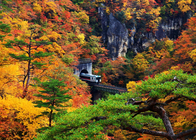
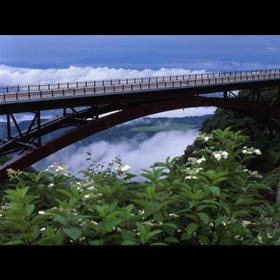
Tsubakuro Valley is one of the earliest destinations on this list to welcome autumn colors. It lies along the Bandai-Azuma Skyline, a mountain sightseeing road that climbs through the volcanic scenery west of Fukushima City.
The main viewpoint is Fudosawa Bridge, which stretches across a deep valley surrounded by maple, mountain ash, and birch trees. On clear days, the views extend toward Fukushima City in the distance.
Because the valley sits at a high elevation, colors can begin appearing while lower areas are still green. Weather can also change quickly, and road access may be affected by fog, strong winds, or early snow.
- Typical peak: Early October to mid-November
- Best for: Early foliage, scenic drives, and mountain photography
- Planning tip: Check road and weather conditions before setting out
- Official Website
-

-
Address
Tsuchiyuonsenmachi, Fukushima-shi, Fukushima, 960-2157
View Map -
Nearest Station
Niwasaka Station (Ou Line / Yamagata Line)
- Phone Number 024-531-6428
-
Address
Tsuchiyuonsenmachi, Fukushima-shi, Fukushima, 960-2157
2. Oirase Keiryu Mountain Stream (Aomori)

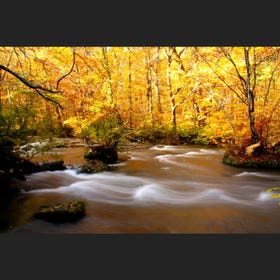
Oirase Mountain Stream flows for approximately 14 kilometers between Nenokuchi near Lake Towada and Yakeyama. The walking route follows clear water through forests filled with moss, ferns, waterfalls, and colorful deciduous trees.
Choshi Otaki, Kumoi no Taki, and Ashura no Nagare are among the route’s most popular landmarks. Travelers can walk the entire course or choose a shorter section and use local buses to connect different points.
The narrow road becomes extremely busy during peak foliage weekends. Walking or using public transportation is generally more relaxing than attempting to drive and stop repeatedly along the stream.
See our complete Oirase Gorge hiking guide for recommended trail sections, access information, walking times, and advice for visiting the stream.
- Typical peak: Mid-October to early November
- Best for: Long walks, waterfalls, and immersive forest scenery
- Access: Seasonal buses operate from Aomori, Hachinohe, and Lake Towada
- Planning tip: Allow around four hours for the full walking route, or choose a shorter section
- Official Website
-

-
Address
Oirase Keiryu building, Towada-shi, Aomori larger section of a village Okuse character Tochikubo 183, 034-0301
View Map -
Nearest Station
Shichinohe-towada Station (Tohoku Shinkansen / Hokkaido Shinkansen)
- Phone Number 0176-74-1233
-
Address
Oirase Keiryu building, Towada-shi, Aomori larger section of a village Okuse character Tochikubo 183, 034-0301
3. Naruko Gorge (Miyagi)

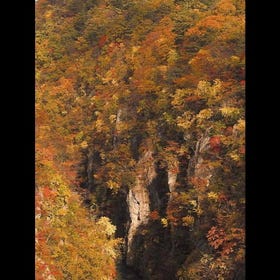
Naruko Gorge is a steep, forested ravine approximately 100 meters deep. During autumn, the rocky cliffs are covered in brilliant shades of red, orange, and yellow.
The classic view looks across the gorge toward Ofukasawa Bridge. It can be enjoyed from the observation area near Naruko Gorge Rest House, making this a good choice for travelers who want impressive scenery without completing a long hike.
Walking paths provide additional views of the gorge, but access can change because of maintenance, weather, or damage to trail sections. Check the current trail information before visiting.
Naruko Gorge is also included in our guide to Miyagi’s top autumn foliage destinations, alongside waterfalls, temples, and mountain scenery around the prefecture.
- Typical peak: Late October to late November
- Best for: Dramatic landscapes and easily reached viewpoints
- Access: Bus, taxi, or seasonal transport from Naruko-Onsen Station
- Planning tip: Arrive early during peak weekends, when roads and observation areas become crowded
- Official Website
-
-
Address
Narukoonsen, Osaki-shi, Miyagi, 989-6100
View Map -
Nearest Station
Naruko-goten-yu Station (Rikuuto Line)
5 minutes by car
- Phone Number 0229-83-3441
-
Address
Narukoonsen, Osaki-shi, Miyagi, 989-6100
4. Entsuin Temple (Miyagi)

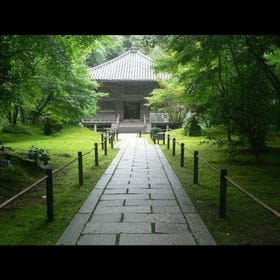
Entsuin Temple stands near Zuiganji Temple in Matsushima, Miyagi Prefecture, one of Japan’s Three Scenic Views. Its beautifully designed grounds include a moss garden, rose garden, and traditional landscape garden surrounding the mausoleum of Date Mitsumune, with cherry blossoms, hydrangeas, and other seasonal scenery throughout the year.
The temple is especially enchanting in late autumn, when maple trees turn deep shades of red and orange. An evening illumination is usually held from late October to mid-November, lighting up the pathways, ponds, and colorful foliage after sunset. It is a magical sight and well worth experiencing.
A special night admission ticket may be required, and the area around the main gate can become crowded. Buying your ticket in advance from the temple or participating nearby shops and restaurants can make entry much smoother. Dates, ticketing arrangements, and admission procedures vary each year, so check the latest official information before planning an evening visit.
- Typical peak: Late October to late November
- Best for: Temple gardens, evening illuminations, and a Matsushima day trip
- Planning tip: Combine the temple with Zuiganji Temple and the Matsushima waterfront
- Official Website
-
-
Address
67 in Matsushimacho, Matsushima-machi, Miyagi-gun, Miyagi, 981-0213
View Map -
Nearest Station
Matsushimakaigan Station (Senseki Line)
5 minutes on foot
- Phone Number 022-354-3206
-
Address
67 in Matsushimacho, Matsushima-machi, Miyagi-gun, Miyagi, 981-0213
Best fall foliage around Tokyo, Hakone, Nikko, and Kanto
The wider Kanto region offers everything from city gardens to mountain roads and river valleys. Many locations work well as day trips from Tokyo, although Nikko, Hakone, and northern Gunma are more comfortable with an overnight stay.
For more options outside the city center, see our guide to seven autumn foliage day trips from Tokyo.
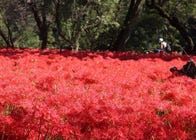
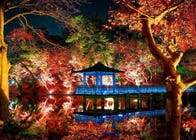
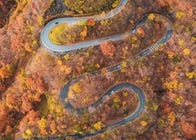
5. Ichinokurazawa, Mount Tanigawa (Gunma)

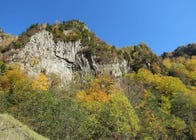
Located in Minakami, Gunma Prefecture, Ichinokurasawa lies beneath the immense rock face of Mount Tanigawa, one of Japan’s three great rock walls. In autumn, the rugged gray cliffs rise above forests layered in green, yellow, orange, and red, creating a dramatic contrast between the mountain’s raw power and the delicate beauty of the changing leaves.
The colors begin along the higher ridges in early October before gradually descending toward the valley, usually reaching Ichinokurasawa around late October to early December. Visitors arriving near the season’s first snowfall may even witness the rare “three-tier foliage,” when snow-covered cliffs, vivid autumn leaves, and lingering green beech and rowan trees appear together. It is an unforgettable sight and well worth timing your visit for.
Private vehicles are restricted during certain periods, so visitors may need to use designated buses, electric vehicles, or walking routes. Check the latest access information before setting out, especially during the busy autumn foliage season.
- Typical peak: Late October to early December
- Best for: Mountain scenery, photography, and active travelers
- Access: Seasonal transport from the Mount Tanigawa area
- Planning tip: Wear suitable footwear and confirm current vehicle restrictions
- Official Website
-
Ichinokurasawa一ノ倉沢
-
Address
Yubiso, Minakami, Tone District, Gunma 379-1728
View Map
-
Address
Yubiso, Minakami, Tone District, Gunma 379-1728
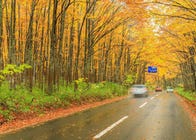
6. Irohazaka (Tochigi)

For travelers who enjoy scenic drives, Irohazaka is one of Nikko’s most memorable places to experience the autumn foliage. Its two winding mountain roads connect central Nikko with Lake Chuzenji and Oku-Nikko, climbing rapidly in elevation and revealing different stages of autumn color along the way.
The route is surrounded by forests that turn vivid shades of yellow, orange, and red. Viewpoints such as Akechidaira offer sweeping views across the mountains, Lake Chuzenji, and Kegon Falls, making them ideal places to pause, enjoy the fresh air, and take photos.
Traffic can be extremely heavy during peak foliage season, particularly on weekends. A drive that normally takes less than an hour may take several hours, so start early and allow plenty of extra time.
Our complete guide to Nikko covers transport, major attractions, accommodation, and seasonal planning. You can also browse 14 things to do in Nikko during autumn.
- Typical peak: Late October to early December
- Best for: Scenic drives and classic Nikko landscapes
- Access: Bus or car from Nikko Station toward Lake Chuzenji
- Planning tip: Visit on a weekday and depart early in the morning
- Official Website
-

-
Address
Chuguushi, Nikko-shi, Tochigi, 321-1661
View Map -
Nearest Station
Nikko Station (JR Nikko Line)
40 minutes by bus
-
Address
Chuguushi, Nikko-shi, Tochigi, 321-1661

7. Hitachi Seaside Park (Ibaraki)

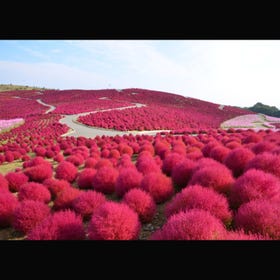
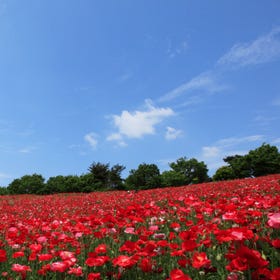
Looking for a different kind of autumn color? Head to Hitachi Seaside Park, around two hours from Tokyo. Instead of maple leaves, Miharashi Hill is covered with thousands of round kochia plants, creating a wonderfully unusual seasonal landscape.
The kochia gradually change from green to pink, then vivid red, bronze, and gold. Their deepest red color usually lasts for only 7–10 days, but the softer shades before and after the peak are just as beautiful, so the park is still well worth visiting even if your timing is not perfect.
Because the scenery can change noticeably within just a few days, check the park’s latest kochia updates before setting out.
- Typical peak: Mid-October
- Best for: Unusual autumn scenery, families, and wide-open landscapes
- Access: Bus from Katsuta Station
- Planning tip: Do not rely only on a fixed date, as kochia timing is particularly brief; confirm current scenery on the park's website
- Official Website
-
-
Address
605-4, Onuma, Mawatari, Hitachinaka-shi, Ibaraki, 312-0012
View Map -
Nearest Station
Katsuta Station (JR Joban Line / Hitachinaka Seaside Railway Minato Line)
-
Address
605-4, Onuma, Mawatari, Hitachinaka-shi, Ibaraki, 312-0012
8. Okada Museum of Art (Hakone)

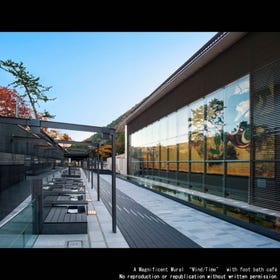
The Okada Museum of Art combines an extensive collection of Japanese and East Asian art with the natural beauty of Hakone. Outside the museum, a garden built around natural spring water and surrounding forest offers a peaceful place to enjoy the changing seasons, with the trees generally taking on rich autumn colors during November.
Visitors can also stop for a meal or refreshments at Kaikatei, a renovated early Showa-era Japanese building overlooking the garden, or relax at the museum’s footbath café. Together, the art, traditional architecture, and seasonal scenery make this an appealing place to slow down during an autumn trip to Hakone.
Parts of the garden route may occasionally close due to maintenance or trail conditions, so check the latest facility information when visiting primarily for the foliage. See the Okada Museum of Art facility page for current hours, access, and admission details. Our guide to Hakone’s seasonal weather and what to wear is also helpful when packing for a mountain day trip.
- Typical peak: Late October to early December
- Best for: Art, garden scenery, rainy-day flexibility, and relaxing breaks
- Access: Bus to Kowakien from Hakone-Yumoto or other Hakone transport hubs
- Planning tip: Combine it with nearby hot springs or the Hakone Open-Air Museum
- Official Website
-
-
Address
493-1, Kowakudani, Hakone-machi, Ashigarashimo-gun, Kanagawa, 250-0406
View Map -
Nearest Station
Kowakidani Station (Hakone Tozan Railway)
- Phone Number 0460-87-3931
-
Address
493-1, Kowakudani, Hakone-machi, Ashigarashimo-gun, Kanagawa, 250-0406
9. Nagatoro (Saitama)

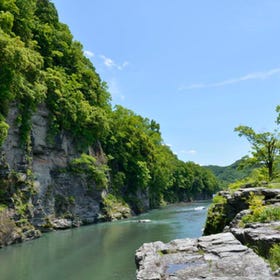
The laid-back town of Nagatoro is known for the unusual rock formations of Iwadatami and its traditional boat trips down the Arakawa River, known as Nagatoro Line Kudari. In autumn, the forested riverbanks turn vivid shades of red and yellow, creating especially beautiful scenes when the colors are reflected on the water.
The boat ride is one of the most memorable ways to experience the scenery, but it is not the only option. Visitors can also take the Hodosan Ropeway, explore the area around Hodosan Shrine, or enjoy the autumn landscape from the Chichibu Railway. Seasonal illuminations are sometimes held at nearby foliage spots as well.
Boat services may be suspended when river or weather conditions are unsuitable, so check the latest operating information before heading out. Nagatoro is also featured in our autumn day trips from Tokyo guide, alongside Hakone, Nikko, and Mount Takao.
- Typical peak: Late November to mid-December
- Best for: River cruises, families, and a relaxed Tokyo day trip
- Access: Around a 5-minute walk from Nagatoro Station
- Planning tip: Reserve enough time for both the river area and Mount Hodo
- Official Website
-
-
Address
Nagatoro, Nagatoro-machi, Chichibu-gun, Saitama, 369-1305
View Map -
Nearest Station
Nagatoro Station (Chichibu Railway)
5 minutes on foot
- Phone Number 0494-66-0307
-
Address
Nagatoro, Nagatoro-machi, Chichibu-gun, Saitama, 369-1305
10. Hananuki Valley (Ibaraki)

Located in Takahagi, Ibaraki Prefecture, Hananuki Gorge is a popular autumn foliage spot where clear streams, waterfalls, and colorful maple trees come together. During the peak season, the forest turns vivid shades of red and yellow, creating a striking contrast with the flowing waters of the Hananuki River.
The highlight is the Shiomi Falls Suspension Bridge, where maple branches surround the walkway like a tunnel of autumn color above the stream. It is one of the area’s most photogenic views and draws many visitors each year. Short, well-maintained walking paths also lead through the forest to waterfalls and riverside viewpoints, making the compact gorge easy to explore during a half-day visit.
The Hananuki Gorge Autumn Foliage Festival is usually held during the season, with local specialty products and other activities available. Public transportation can be less convenient than at urban foliage spots, while traffic controls and temporary parking areas may be introduced during the busiest periods, so check the latest access information before visiting.
- Typical peak: Late November to mid-December
- Best for: Suspension bridge photography and short forest walks
- Access: Most convenient by car or seasonal local transport
- Planning tip: Visit early to photograph the bridge before it becomes crowded
- Official Website
-
Hananuki Gorge花貫渓谷
-
Address
Nakadogawa, Takahagi, Ibaraki 318-0104
View Map
-
Address
Nakadogawa, Takahagi, Ibaraki 318-0104
11. Mount Takao (Tokyo)

When you think of Tokyo, the neon streets of Shibuya and Shinjuku may come to mind first. Yet the city is also home to Mount Takao, one of its easiest and most popular mountain escapes, located just a short trip from central Tokyo.
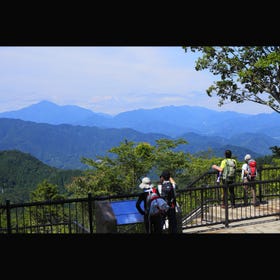
In autumn, maple trees turn the routes toward Yakuoin Temple and the summit vivid shades of red and yellow. Visitors can choose from several hiking trails depending on their fitness and confidence, or use the cable car or chairlift to reduce the climb. On clear days, viewpoints near the top may also offer distant views of Mount Fuji.
Mount Takao becomes especially crowded in late November and early December, particularly around the cable car and on the main Trail 1. Quieter routes are available, but they require more suitable footwear and clothing. Our Mount Takao day-trip guide covers the mountain’s major sights, food, transport, and seasonal highlights. For a broader overview, see our year-round guide to Mount Takao.
- Typical peak: Late October to early December
- Best for: Hiking, temple scenery, and an easy Tokyo day trip
- Access: Around a 5-minute walk from Takaosanguchi Station
- Planning tip: Start early or choose a weekday to avoid cable car queues
- Official Website
-
-
Address
Takaomachi, Hachioji-shi, Tokyo, 193-0844
View Map -
Nearest Station
Takaosanguchi Station (Keio Takao Line)
5 minutes on foot
- Phone Number 042-661-4151
-
Address
Takaomachi, Hachioji-shi, Tokyo, 193-0844
12. Showa Kinen Park (Tokyo)

Looking for autumn foliage after dark? Tokyo has that too.
One of the city’s largest parks, Showa Kinen Park, is known for its golden ginkgo avenues and the fiery maple trees of its Japanese garden. Because the different varieties change color at slightly different times, visitors can often enjoy beautiful autumn scenery across a relatively long period.
The park holds its Autumn Leaves Festival from mid-November to early December, with seasonal evening illuminations known as the Autumn Night Walk. Rows of ginkgo trees and the Japanese garden are lit after sunset, creating a completely different atmosphere from a daytime visit.
As the park is enormous, renting a bicycle can make it easier to travel between the gardens, ponds, lawns, and other attractions. Evening events may require separate admission or advance booking, so check the latest details before visiting. See our complete guide to Showa Kinen Park for more information about its entrances, facilities, and seasonal highlights.
- Typical peak: Mid-November to early December
- Best for: Families, cycling, picnics, and spacious scenery
- Access: Direct access from Nishi-Tachikawa Station
- Planning tip: Check which entrance is closest to the area you plan to visit; consider using a Suica or Pasmo card for quicker entry
- Official Website
-
-
Address
3173 Midoricho, Tachikawa City, Tokyo, 190-0014
View Map -
Nearest Station
Nishi-Tachikawa Station (JR Ome Line)
2 minutes on foot
- Phone Number 042-528-1751
-
Address
3173 Midoricho, Tachikawa City, Tokyo, 190-0014
13. Meiji Jingu Gaien (Tokyo)

For another classic autumn scene in Tokyo, head to Meiji Jingu Gaien. Its famous ginkgo avenue, often featured in Japanese films and TV programs, is lined with two rows of tall trees leading toward the Meiji Memorial Picture Gallery.
In late autumn, the leaves turn brilliant yellow and gradually carpet the pavement, creating a golden corridor that can make you forget you are in the middle of the city. The ginkgo trees may reach their best color at a different time from Tokyo’s red maples, so check current foliage reports before visiting.
The avenue can become extremely crowded during peak season, and traffic continues along the central road. Stay within designated pedestrian areas and visit early in the day for a more relaxed walk.
- Typical peak: Mid-November to early December
- Best for: Golden ginkgo trees and central Tokyo access
- Access: Walk from Aoyama-itchome, Gaienmae, or Shinanomachi Station
- Planning tip: Visit early on a weekday for more comfortable photography
- Official Website
-
-
Address
1-1, Kasumigaokamachi, Shinjuku-ku, Tokyo, 160-0013
View Map -
Nearest Station
Shinanomachi Station (JR Chuo Main Line)
5 minutes on foot
- Phone Number 03-3401-0312
-
Address
1-1, Kasumigaokamachi, Shinjuku-ku, Tokyo, 160-0013
14. Rikugien Garden (Tokyo)

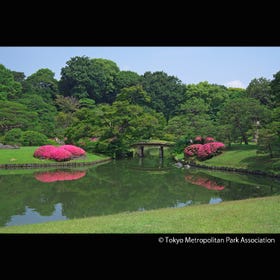
Construction of Rikugien began in 1695 and took seven years to complete. The traditional strolling garden was designed by Yoshiyasu Yanagisawa, a high-ranking official of the Edo shogunate, as part of his suburban residence. Its paths circle a central pond and wind through wooded areas, small hills, bridges, and carefully framed viewpoints.
Yanagisawa’s deep knowledge of Japanese literature also shaped the garden. The name Rikugien, meaning “Garden of the Six Principles of Poetry,” refers to the six traditional categories of waka poetry described by the ninth-century poet Ki no Tsurayuki.
In late autumn, Japanese maples bring deep shades of red and orange to the garden. Seasonal evening openings are often held, allowing visitors to enjoy the illuminated foliage after sunset.
Rikugien can become particularly crowded in the evening and around its most popular viewpoints, so visiting earlier or on a weekday may offer a more relaxed experience. Dates, ticketing, and admission procedures vary each year, so check the latest information before visiting. Rikugien is also featured in our guide to Tokyo’s best nighttime autumn foliage spots.
- Typical peak: Late November to mid-December
- Best for: Traditional gardens, maple trees, and evening scenery
- Access: Around a 7-minute walk from Komagome Station
- Planning tip: Visit during the day for easier photography and return after dark only when an illumination is confirmed
- Official Website
-
-
Address
6, Honkomagome, Bunkyo-ku, Tokyo, 113-0021
View Map -
Nearest Station
Komagome Station (JR Yamanote Line / Tokyo Metro Namboku Line)
7 minutes on foot
- Phone Number 03-3941-2222
-
Address
6, Honkomagome, Bunkyo-ku, Tokyo, 113-0021
15. Shinjuku Gyoen National Garden (Tokyo)

Did you know there is a massive Japanese garden in the middle of Tokyo? Located close to one of the city’s busiest transport hubs, Shinjuku Gyoen offers a calm, spacious escape from the surrounding concrete and crowds.
The grounds were once used as an imperial garden before opening to the public after World War II. Today, they combine Japanese, English landscape, and formal French garden styles, with broad lawns, ponds, and peaceful tree-lined paths.
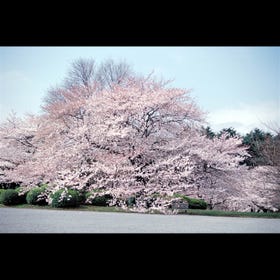
The garden contains many varieties of deciduous trees, so its autumn colors often develop gradually over several weeks. The Japanese garden and maple-covered paths are particularly beautiful, with leaves turning shades of red, yellow, and amber.
Advance reservations may be required during busy seasonal periods, while rules regarding food, alcohol, and photography equipment can change. Check the latest visitor guidelines before your trip. Shinjuku Gyoen, Rikugien, Meiji Jingu Gaien, Showa Kinen Park, and Mount Takao are all featured in our guide to the best autumn foliage spots in Tokyo.
- Typical peak: Late November to mid-December
- Best for: Convenient city viewing, picnics, and a longer foliage window
- Access: About a 5-minute walk from Shinjuku-Gyoemmae Station
- Planning tip: Allow at least two hours, as the grounds are much larger than they first appear; consider using a Suica or Pasmo card for quicker entry
- Official Website
-
-
Address
11 Naito-cho, Shinjuku-ku, Tokyo, 160-0014
View Map -
Nearest Station
Shinjuku-Gyoemmae Station (Tokyo Metro Marunouchi Line)
5 minutes on foot
- Phone Number 03-3350-0151
-
Address
11 Naito-cho, Shinjuku-ku, Tokyo, 160-0014
Best fall foliage in central Japan
Central Japan’s mountains, waterfalls, and historic towns often reach their best color before major cities in western Japan. Travelers based in Nagoya can reach several destinations on day trips.
16. Yoro Falls (Gifu)

Located in Yoro, Gifu Prefecture, Yoro Falls is one of the area’s best-known autumn foliage spots. The approximately 30-meter waterfall cascades through a forested valley in Yoro Park, framed by vivid red maples and golden ginkgo trees.
A paved, well-maintained path leads gradually uphill from the station area to the waterfall, passing streams, small temples, and shops along the way. The route offers plenty of opportunities to enjoy the deepening autumn colors, while the surrounding park is also beautiful during the season.
The area is associated with the famous Legend of Filial Piety, adding a touch of local history and folklore to the natural scenery. Although the path is manageable for many visitors, the steady incline can be tiring, so comfortable walking shoes are recommended.
- Typical peak: Late November to mid-December
- Best for: Waterfalls, local folklore, and relaxed walking
- Access: Walk through Yoro Park from Yoro Station
- Planning tip: Allow extra time for the uphill walk rather than treating the waterfall as a quick stop
- Official Website
-
Yoro Falls養老の滝
-
Address
1298-2 Takabayashi, Yoro, Yoro District, Gifu 503-1267
View Map
-
Address
1298-2 Takabayashi, Yoro, Yoro District, Gifu 503-1267
Best fall foliage in Kyoto, Osaka, and Shiga
Kyoto is one of Japan’s most popular autumn destinations. Its temples are undeniably beautiful, but the busiest sites can become extremely congested.
Create an itinerary by area rather than crossing the city repeatedly. Eastern Kyoto, Arashiyama, northern Kyoto, and southern Kyoto each deserve at least half a day.
Start with our guide to Kyoto’s 10 best autumn foliage spots and our practical guide to planning an autumn trip to Kyoto. Our Kyoto autumn weather and clothing guide can help you decide what to pack.
17. Eikando Temple/Zenrinji Temple (Kyoto)

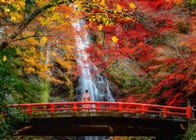
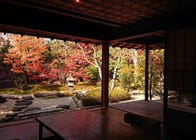
Eikando, formally known as Zenrinji Temple, has been celebrated for its autumn scenery for centuries. The temple even appears in the Kokin Wakashu, an imperial collection of waka poetry compiled in 905, and today it is often called the “Eikando of Maples.”
Around 3,000 maple trees cover the gardens and slopes behind the temple buildings, turning vivid shades of red and orange from late November to mid-December. Paths lead through the temple halls and gardens to elevated areas near Tahoto Pagoda, offering beautiful views across overlapping layers of foliage.
Seasonal evening illuminations are often held, transforming the temple grounds after dark. Daytime and nighttime admission may be handled as separate sessions, so check the latest schedule and ticketing details before visiting. Eikando is also featured in our Kyoto autumn foliage guide, alongside Tofukuji, Arashiyama, Kiyomizudera, and several quieter alternatives.
- Typical peak: Late November to mid-December
- Best for: Dense maple scenery and night illuminations
- Access: Around a 15-minute walk from Keage Station
- Planning tip: Pair it with Nanzenji Temple and the Philosopher’s Path
- Official Website
-

-
Address
48, Eikandocho, Sakyo-ku, Kyoto-shi, Kyoto, 606-8445
View Map -
Nearest Station
Keage Station (Tozai Line)
15 minutes on foot
- Phone Number 075-761-0007
-
Address
48, Eikandocho, Sakyo-ku, Kyoto-shi, Kyoto, 606-8445
18. Tofukuji Temple (Kyoto)

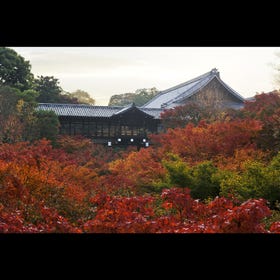
Tofukuji is one of Kyoto’s most spectacular autumn foliage spots, known for both its vivid maple trees and the refreshing sound of the stream running through the temple grounds. Around 2,000 maples fill Sengyokukan Valley, creating a dramatic sea of red, orange, and yellow below the temple’s Tsutenkyo Bridge.
The view from the bridge is the highlight, offering a sweeping look across the colorful valley and flowing water beneath. However, the bridge and surrounding paths become extremely crowded during peak season. Visitors may be asked to keep moving, and photography can be restricted in congested areas for safety.
Tofukuji is relatively close to Kyoto Station and Fushimi Inari Taisha, but trying to visit all three during the busiest hours can make the day feel rushed. Visit early and allow extra time if autumn foliage is your main priority.
- Typical peak: Late November to mid-December
- Best for: Sweeping maple views and classic Kyoto photography
- Access: Around a 10-minute walk from Tofukuji Station
- Planning tip: Arrive close to opening time and follow all bridge photography instructions
- Official Website
-
-
Address
15-778, Honmachi, Higashiyama-ku, Kyoto-shi, Kyoto, 605-0981
View Map -
Nearest Station
Tofukuji Station (JR Nara Line)
10 minutes on foot
- Phone Number 075-561-0087
-
Address
15-778, Honmachi, Higashiyama-ku, Kyoto-shi, Kyoto, 605-0981
19. Giouji Temple (Kyoto)

Giouji is a convent (temple) that showed up in a renowned historic Japanese prose narrative, "Heike Monogatari." It is surrounded by bamboo groves and Japanese maple trees. This contrast between the vivid greens of bamboo and moss and the reds of maple leaves makes this place especially stunning in autumn!
- Typical peak: Late November to mid-December
- Best for: Moss gardens, bamboo, and quieter scenery
- Access: Around a 20-minute walk from the central Arashiyama area
- Planning tip: Combine it with Jojakkoji, Nisonin, or Adashino Nenbutsuji
- Official Website
-

-
Address
32, Sagatoriimotokozakacho, Ukyo-ku, Kyoto-shi, Kyoto, 616-8435
View Map -
Nearest Station
Torokko Arashiyama Station (Sagano Scenic Railway)
16 minutes on foot
- Phone Number 075-861-3574
-
Address
32, Sagatoriimotokozakacho, Ukyo-ku, Kyoto-shi, Kyoto, 616-8435
20. Tenryuji Temple (Kyoto)

One of Kyoto’s most famous temples, Tenryuji was built in 1339 to pray for the soul of Emperor Go-Daigo. Today, this major Zen temple and UNESCO World Heritage Site is one of Arashiyama’s most rewarding places to enjoy the autumn foliage.
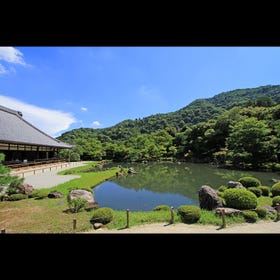
The highlight is Sogenchi Garden, a pond garden that has retained much of its original design for nearly 700 years. It incorporates the surrounding mountains into the scenery, while the pond reflects the vivid red, orange, and yellow leaves in autumn.
The temple sits beside Arashiyama’s bamboo grove, making it easy to include on a first visit to the area. However, its convenient location means it becomes crowded quickly, so arriving early offers the best chance to enjoy the garden before the main tour groups arrive.
- Typical peak: Late November to mid-December
- Best for: Historic gardens and first-time Arashiyama visits
- Access: Close to Randen Arashiyama Station
- Planning tip: Visit Tenryuji first, then continue through the bamboo grove toward northern Arashiyama
- Official Website
-
-
Address
68, Sagatenryujisusukinobabacho, Ukyo-ku, Kyoto-shi, Kyoto, 616-8385
View Map -
Nearest Station
Arashiyama Station (Keifuku Dentetsu-arashiyama Line)
- Phone Number 075-881-1235
-
Address
68, Sagatenryujisusukinobabacho, Ukyo-ku, Kyoto-shi, Kyoto, 616-8385
21. Toji Temple (Kyoto)

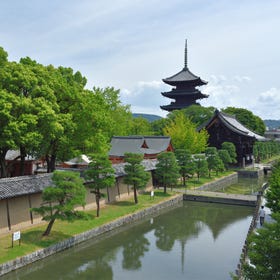
Toji is a World Heritage Site located just south of Kyoto Station, making it one of the city’s easiest major temples to reach. Its five-story pagoda is one of Kyoto’s most recognizable landmarks and looks especially striking in autumn, when the surrounding maples frame the structure and reflect in the nearby pond.
Seasonal evening illuminations are often held from late October to early December, allowing visitors to enjoy the pagoda, Kondo Hall, and Kodo Hall after normal closing hours. The illuminated foliage and temple buildings create some of Kyoto’s most postcard-worthy autumn views.
Special exhibitions or openings, including access to areas normally closed to the public, may also be held during the season. Dates and admission details vary each year, so check the latest information before planning an evening visit.
- Typical peak: Late November to mid-December
- Best for: Pagoda photography and evening scenery
- Access: Around a 10-minute walk from Toji Station
- Planning tip: Confirm whether daytime and evening admission require separate tickets
- Official Website
-
-
Address
1, Kujocho, Minami-ku, Kyoto-shi, Kyoto, 601-8473
View Map -
Nearest Station
Toji Station (Kintetsu-kyoto Line)
10 minutes on foot
- Phone Number 075-691-3325
-
Address
1, Kujocho, Minami-ku, Kyoto-shi, Kyoto, 601-8473
22. Miidera Temple/Onjoji Temple (Shiga)

Miidera, formally known as Onjoji, is celebrated for its cherry blossoms in spring and colorful maple scenery in autumn. Overlooking Lake Biwa from the hills of Otsu, its spacious grounds include historic halls, gates, viewpoints, and peaceful wooded paths.
While Kyoto’s best-known temples can become extremely crowded during the foliage season, Miidera generally receives fewer international visitors. This makes it a rewarding alternative for travelers who want to enjoy historic architecture and autumn colors with a little more breathing room.
Otsu is only a short train ride from Kyoto, so Miidera is easy to visit on a half-day excursion. Travelers with more time can follow our two-day Shiga and Kyoto autumn road-trip itinerary to explore more of the Lake Biwa area.
- Typical peak: Late November to mid-December
- Best for: Historic temples and a less congested Kyoto-area trip
- Access: Around a 7-minute walk from Miidera Station
- Planning tip: Combine it with Lake Biwa, Ishiyamadera, or central Otsu
- Official Website
-

-
Address
246, Onjojicho, Otsu-shi, Shiga, 520-0036
View Map -
Nearest Station
Otsushiyakushomae Station (Keihan-ishiyamasakamoto Line)
7 minutes on foot
- Phone Number 077-522-2238
-
Address
246, Onjojicho, Otsu-shi, Shiga, 520-0036
23. Kinkaku-ji Temple (The Golden Pavilion) (Kyoto)

Kinkakuji, or the Golden Pavilion, is said to evoke Gokuraku Jodo, the Buddhist Pure Land, here in the living world. In autumn, the gold-covered pavilion looks especially striking against the surrounding red and yellow foliage.
On clear, calm days, the pavilion, blue sky, and colorful trees are reflected in Kyokochi Pond, creating one of Kyoto’s most poetic and photogenic scenes. Take your time at the main viewpoint, as the walking route through the grounds is one-way and relatively compact, with limited opportunities to return once you have moved ahead.
Kinkakuji attracts large crowds throughout the year, even outside peak foliage season. Arriving early can make it easier to enjoy the view and capture photos before the grounds become busiest.
- Typical peak: Late November to mid-December
- Best for: Iconic Kyoto scenery and first-time visits
- Access: Bus from central Kyoto or a walk from Kitanohakubaicho Station
- Planning tip: Visit shortly after opening and continue to nearby Ryoanji or Genkoan
- Official Website
-

-
Address
1, Kinkakujicho, Kita-ku, Kyoto-shi, Kyoto, 603-8361
View Map -
Nearest Station
Kitanohakubaicho Station (Keifuku Dentetsu-kitano Line)
20 minutes on foot
- Phone Number 075-461-0013
-
Address
1, Kinkakujicho, Kita-ku, Kyoto-shi, Kyoto, 603-8361
24. Ginkaku-ji (Temple of the Silver Pavilion) (Kyoto)

Ginkakuji is often described as Kinkakuji’s counterpart, but the two temples offer very different experiences. Also known as Jishoji, Ginkakuji reflects the refined aesthetic of Ashikaga Yoshimasa, the eighth shogun of the Muromachi period, with an emphasis on simplicity, restraint, and quiet beauty.
Its gardens combine sculpted sand, moss, ponds, and wooded hillside paths. In autumn, colorful maple leaves complement rather than overwhelm the carefully balanced scenery, creating a wonderful place to appreciate the Japanese aesthetic of wabi-sabi, which finds beauty in imperfection and transience.
The higher section of the walking route offers views across the temple grounds and eastern Kyoto. Ginkakuji also sits at the northern end of the Philosopher’s Path, making it easy to combine with Honenin, Nanzenji, and Eikando.
- Typical peak: Late November to mid-December
- Best for: Garden design, hillside views, and walking itineraries
- Access: Bus from central Kyoto, followed by a short walk
- Planning tip: Walk south along the Philosopher’s Path rather than immediately returning by bus
- Official Website
-

-
Address
2, Ginkakujicho, Sakyo-ku, Kyoto-shi, Kyoto, 606-8402
View Map -
Nearest Station
Mototanaka Station (Eizan Dentetsu Eizan Line)
28 minutes on foot
- Phone Number 075-771-5725
-
Address
2, Ginkakujicho, Sakyo-ku, Kyoto-shi, Kyoto, 606-8402
25. Minoh Falls (Osaka)

Minoh Falls in Osaka can’t be missed if you love nature. This accessible escape from central Osaka is reached via a peaceful 2.7-kilometer riverside path from Minoh Station, winding through forest scenery alongside the gently flowing river.
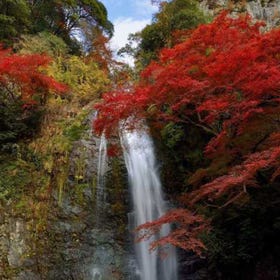
Along the way, visitors pass small shops, temples, and streams while enjoying the colorful leaves, crisp air, and soothing sound of the water. At the end of the route, the 33-meter waterfall appears beneath slopes covered in autumn maples.
Be sure to try momiji tempura, a local specialty made by preserving maple leaves in salt before frying them in a lightly sweet batter. For an easier walk, take a taxi toward the falls first and follow the mostly downhill trail back to the station.
Our complete guide to Minoh Park includes a suggested day-trip route, access details, local food, and nearby hot springs. You can also compare it with other destinations in our guide to Osaka’s 10 best fall foliage spots.
- Typical peak: Late November to mid-December
- Best for: Walking, waterfalls, and a half-day Osaka excursion
- Access: Around a 40-minute walk from Minoh Station
- Planning tip: Wear comfortable shoes and avoid rushing the riverside route; afterward, consider a stop by the famous Minoh Brewery
- Official Website
-
-
Address
Minookouen, Minoo-shi, Osaka, 562-0002
View Map -
Nearest Station
Minoh Station (Hankyu-mino Line)
40 minutes on foot
- Phone Number 072-723-1885
-
Address
Minookouen, Minoo-shi, Osaka, 562-0002
26. Genko-an Temple (Kyoto)

With a history spanning around 670 years, Genkoan is best known for two windows overlooking its garden. The circular Satori no Mado, or Window of Enlightenment, represents the Zen mind and a sense of completeness, while the square Mayoi no Mado, or Window of Confusion, symbolizes the uncertainty and difficulties of human life.
In autumn, vivid maple leaves fill both frames, creating one of Kyoto’s most recognizable and contemplative seasonal views. The contrast between the simple window shapes and the richly colored garden is especially striking.
As the temple is relatively small, crowds can have a noticeable impact on the atmosphere. Photography rules may also change during the foliage season, so check the latest guidance and follow all instructions inside the temple.
- Typical peak: Late November to mid-December
- Best for: Architecture, framed garden views, and Zen symbolism
- Access: Bus from Kitaoji Station or central Kyoto
- Planning tip: Pair it with Koetsuji or Kinkakuji rather than crossing the city afterward
- Official Website
-

-
Address
47, Takagaminekitatakagaminecho, Kita-ku, Kyoto-shi, Kyoto, 603-8468
View Map -
Nearest Station
Kitaoji Station (Karasuma Line)
15 minutes by bus
- Phone Number 075-492-1858
-
Address
47, Takagaminekitatakagaminecho, Kita-ku, Kyoto-shi, Kyoto, 603-8468
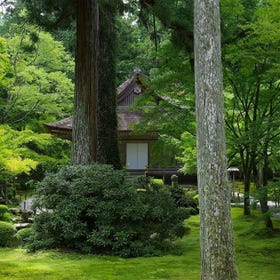
27. Sanzen-in Temple (Kyoto)

With a history stretching back around 1,200 years, Sanzenin sits in Ohara, a peaceful mountain community north of central Kyoto. Its moss gardens, towering cedar trees, and quiet temple grounds create a serene atmosphere throughout the year.
One of its most charming features is the collection of small Warabe Jizo, or Child Jizo, statues scattered around the moss and pond. These playful stone figures appear in a variety of poses, from sitting quietly to reclining among the greenery. In autumn, fallen maple leaves gather around them, making the scenery feel even more mysterious and enchanting.
Because Ohara is cooler than central Kyoto, its foliage may change color at a slightly different time. The area requires a longer bus journey, but the surrounding village also has several temples, cafés, and walking routes, making it well worth allowing extra time to explore.
- Typical peak: Early November to early December
- Best for: Moss gardens, rural scenery, and a slower day trip
- Access: Bus from central Kyoto or Kokusaikaikan Station to Ohara
- Planning tip: Allow most of a day rather than visiting only Sanzenin
- Official Website
-
-
Address
540, Ohararaikouincho, Sakyo-ku, Kyoto-shi, Kyoto, 601-1242
View Map -
Nearest Station
Kokusaikaikan Station (Karasuma Line)
22 minutes by bus
- Phone Number 075-744-2531
-
Address
540, Ohararaikouincho, Sakyo-ku, Kyoto-shi, Kyoto, 601-1242
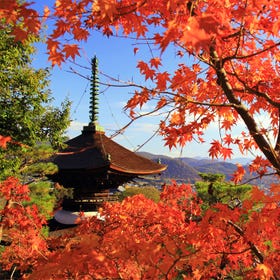
28. Jojakkoji Temple (Kyoto)

Jojakkoji Temple stands on the wooded slopes of Mount Ogura in Arashiyama, surrounded by Japanese maples and other trees that turn vivid shades of red, orange, and yellow in autumn. Stone steps wind through the colorful forest toward the temple’s pagoda and hillside viewpoints, creating beautiful layers of foliage above and below the paths.
Visitors who climb higher are rewarded with views over the temple roofs and Kyoto beyond. The quiet woodland setting and rich autumn colors make Jojakkoji a particularly memorable place to experience the season.
The temple grounds include many stairs and slopes, which may be difficult for travelers with limited mobility, especially after rain.
- Typical peak: Late November to mid-December
- Best for: Hillside temples, maples, and elevated views
- Access: Around a 15-minute walk from Saga-Arashiyama Station
- Planning tip: Visit before Giouji when walking north through Arashiyama
- Official Website
-
-
Address
3, Sagaogurayamaoguracho, Ukyo-ku, Kyoto-shi, Kyoto, 616-8397
View Map -
Nearest Station
Sagaarashiyama Station (JR Sagano Line / JR San-in Line)
15 minutes on foot
- Phone Number 075-861-0435
-
Address
3, Sagaogurayamaoguracho, Ukyo-ku, Kyoto-shi, Kyoto, 616-8397
29. Makino Metasequoia Avenue (Shiga)

Makino’s Metasequoia Avenue stretches for approximately 2.4 kilometers through northern Shiga, with hundreds of towering trees forming a remarkably symmetrical corridor. In autumn, the leaves change from green to golden brown and deep orange, creating a picture-book scene framed by the Hira Mountains in the distance.
The avenue is especially impressive on clear days, when the surrounding mountains add another layer of seasonal color. Nearby hot springs and campgrounds also make the area a great place to slow down and enjoy the natural surroundings.
However, Metasequoia Avenue is an active public road used by local vehicles, not a pedestrian-only attraction. Never stand in the road or obstruct traffic for photographs, and always use designated areas while following local guidance.
Metasequoia Avenue is one of the major stops in our two-day Lake Biwa fall foliage road trip, which also features mountain viewpoints, historic towns, and other scenic spots around Shiga and Kyoto.
- Typical peak: Mid-November to mid-December
- Best for: Road trips, tree-lined scenery, and landscape photography
- Access: Bus or car from Makino Station
- Planning tip: Respect traffic rules and avoid taking photographs from the roadway
- Official Website
-
Makino Plateau Metasequoia Avenueマキノ高原メタセコイア並木
-
Address
Makino, Makino-cho, Takashima City, Shiga Prefecture 520-1836
View Map
-
Address
Makino, Makino-cho, Takashima City, Shiga Prefecture 520-1836
Best fall foliage in Shikoku
Shikoku’s lower elevations generally reach their best color later than the mountain areas of northern Japan. Takamatsu provides a convenient base for exploring gardens, temples, and the Seto Inland Sea.
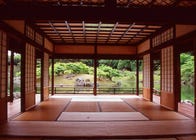
30. Ritsurin Garden (Kagawa)

Ritsurin Garden is one of Japan’s most celebrated landscape gardens and an Important Cultural Property that took more than a century to complete. Its six ponds and numerous artificial hills create a series of carefully composed views, framed by Mount Shiun in the background.
The garden is beautiful throughout the year, but autumn is especially striking. Maples around the ponds turn vivid shades of red and orange, with their colors reflected across the mirror-like water.
Visitors can enjoy the scenery while strolling along the garden paths, relaxing with matcha in a teahouse, or riding a traditional Japanese boat once used by feudal lords. Opening times change seasonally and generally follow sunrise and sunset, while special evening openings may also be held during the foliage period.
- Typical peak: Late November to mid-December
- Best for: Pond reflections, garden design, and relaxed sightseeing
- Access: Walk from Ritsurin-Koen-Kitaguchi Station or take local transport from Takamatsu
- Planning tip: Visit early in the morning, when the ponds are often calmer
- Official Website
-
Ritsurin Garden栗林公園
-
Address
1-20-18 Ritsurin-cho, Takamatsu-shi, Kagawa
View Map - Phone Number 087-833-7411
・Opening hours: Generally, from sunrise to sunset. (*Opening/Closing time varies monthly. Please check the website.)
・Admission Fee: Adults 500 yen / Elementary and middle school students 170 yen -
Address
1-20-18 Ritsurin-cho, Takamatsu-shi, Kagawa
Japan autumn foliage itineraries
Three-day Tokyo foliage plan
Before choosing your destinations, check our Tokyo autumn foliage guide for updated viewing estimates and additional parks and gardens.
Day 1: Central Tokyo gardens
Visit Shinjuku Gyoen in the morning, followed by Meiji Jingu Gaien in the afternoon. Check current conditions first, as the garden’s maples and the avenue’s ginkgo trees may peak at different times.
Day 2: Western Tokyo
Choose Mount Takao for hiking or Showa Kinen Park for easier walking, cycling, and family-friendly facilities.
Day 3: Traditional scenery
Visit Rikugien during the day. When a seasonal illumination is operating, return in the evening or combine it with another nearby garden.
Three-day Kyoto foliage plan
Our guide to Kyoto’s best autumn foliage spots provides additional options if the colors are running early or late.
Day 1: Eastern Kyoto
Begin at Ginkakuji, walk along the Philosopher’s Path, and continue toward Nanzenji and Eikando.
Day 2: Southern Kyoto
Visit Tofukuji shortly after opening. Continue to Toji later in the day, particularly when a night illumination is available.
Day 3: Arashiyama
Start at Tenryuji, then walk through the bamboo grove toward Jojakkoji and Giouji. Avoid trying to combine Arashiyama with distant eastern Kyoto temples on the same day.

Two-day Miyagi foliage plan
See our Miyagi autumn foliage guide for additional stops that can be substituted depending on timing and transportation.
Day 1: Naruko Gorge
Travel to Naruko Onsen and explore the gorge and surrounding hot spring area. Staying overnight reduces the need to rush back to Sendai.
Day 2: Matsushima and Entsuin
Explore Matsushima Bay, Zuiganji Temple, and Entsuin. Stay into the evening when a confirmed seasonal illumination is being held.
How to plan a fall foliage trip in Japan
Check the forecast more than once
Long-range dates are useful when booking flights and accommodation, but they cannot predict exact peak color months in advance. Recheck conditions approximately two weeks before your visit and again shortly before traveling.
Local official websites, tourism associations, and social media accounts often provide more useful on-the-ground updates than a nationwide forecast.
Bookmark our Japan autumn foliage forecast, which is updated with regional timing information as the season approaches.
Build flexibility into your route
Elevation can make a major difference. When a city remains green, a nearby mountain area may already be at its peak. When mountain leaves have fallen, lower parks and gardens may only be beginning to change.
Create one or two alternative destinations for each day instead of relying on a single famous site.
Visit popular places early
Kyoto temples, Mount Takao, Nikko, and major Tokyo gardens can become extremely crowded during peak foliage season. Weekday mornings generally offer the most comfortable experience.
Night illuminations can be beautiful, but they are not necessarily quieter than daytime visits.
Book accommodation and transport early
Late November is a popular travel period in Kyoto, Tokyo, Nikko, Hakone, and other foliage destinations. Hotels may become expensive or sell out well before precise peak dates are known.
Reserve accommodation early, then choose flexible or refundable plans where possible. Travelers staying in Kyoto can also browse our selection of hotels and ryokan near beautiful autumn scenery.
Dress for the destination, not just the city
Tokyo and Kyoto may feel mild during the day, while Oirase, Mount Tanigawa, Oku-Nikko, and the Bandai-Azuma area can be much colder.
Bring layers, a light waterproof outer layer, and shoes suitable for wet leaves, slopes, and uneven paths.
For city-specific advice, see our guides to Tokyo’s autumn weather and clothing, Kyoto’s autumn weather and clothing, and Osaka’s autumn weather and clothing.
Follow photography rules
Tripods, monopods, selfie sticks, and drones may be prohibited, particularly at temples, gardens, bridges, and crowded viewpoints.
Do not block paths, step into gardens, stand in active roads, or stop suddenly in busy areas. Rules may change during peak season for safety.

A Japanese writer who is from a city by the sea. Started writing from the age of ten. Since then, pen and notebook have always been the best friend. Loves travelling, tea, and books.

A web writer and photographer with a passion for traveling by car. He has driven around Japan twice and visited the main tourist spots in all 47 prefectures. With six years of experience, he creates detailed itineraries and travel guides based on his personal journeys. Since he assumes the use of a car, he also introduces hidden spots that are otherwise difficult to access. He holds a TOEIC score of 860, ensuring high-quality content for bilingual audiences.
- Category
*Prices and options mentioned are subject to change.
*Unless stated otherwise, all prices include tax.
Popular Tours & Activities
Recommended places for you
-

Jukuseiniku-to Namamottsuarera Nikubaru Italian Nikutaria Sannomiya
Izakaya
Kobe, Sannomiya, Kitano
-
Appealing

Rukku and Uohei
Izakaya
Sapporo / Chitose
-
ISHIDAYA Hanare
Yakiniku
Kobe, Sannomiya, Kitano
-
Appealing
Shirogane Blue Pond (Aoiike)
Rivers, Lakes & Canyons
Furano / Biei / Sounkyo
-
Myoshin-ji Temple
Temples
Arashiyama, Uzumasa
-
Goods
Yoshida Gennojo-Roho Kyoto Buddhist Altars
Gift Shops
Nijo Castle, Kyoto Imperial Palace
-

ANA’s Chiikawa Jet Is Taking Off—Here’s Everything You Need to Know About Exclusive Goods, In‑Flight Fun & Travel Tips
by: Guest Contributor
-

Haneda Airport Duty-Free Shopping Guide: What to Buy, How to Save & Where to Eat Before Your Flight
by: Guest Contributor
-
Ad

Pocket WiFi Rental in Japan 2026: Complete Price Comparison & Where to Get the Best Deal
-

Seibu Group Launches New Chichibu Adventure Tourism Experience for International Travelers in 2026
by: Guest Contributor
-

The Best Sumo Experiences in Tokyo: Morning Practices vs. Sumo Shows
-
Autumn in Japan 2026: Fall Foliage Forecast & Where to Enjoy the Colorful Leaves (+Tour Info)
-
Yamagata Prefecture Guide: Destinations, Activities, Travel Advice, Shopping & More
by: Steve Csorgo
-

November Events in Tokyo: Fun Festivals, Food, and Things to Do
-

Togatta Onsen Guide: Best 6 Places to Indulge Yourself in Miyagi Prefecture's Magical Hot Springs Resort Village
-
15 Best Places to See Autumn Leaves in Iwate: Gorgeous Foliage, Gorges & Mountain Drives
-

Dining in Kyoto: Best Restaurants for Kaiseki, Sushi, Cafes & More
-

10 Best Places for Autumn Colors in Nara & When to Enjoy in 2026
by: WESTPLAN
- #best sushi japan
- #what to do in odaiba
- #what to bring to japan
- #new years in tokyo
- #best ramen japan
- #what to buy in ameyoko
- #japanese nail trends
- #things to do japan
- #onsen tattoo friendly tokyo
- #daiso
- #best coffee japan
- #best japanese soft drinks
- #best yakiniku japan
- #japanese fashion culture
- #japanese convenience store snacks