





The SL Paleo Express: From Tickets to Souvenirs - All You Need To Know About Japan's Cool Steam Locomotive
- Written by: Hiroko Kuboki
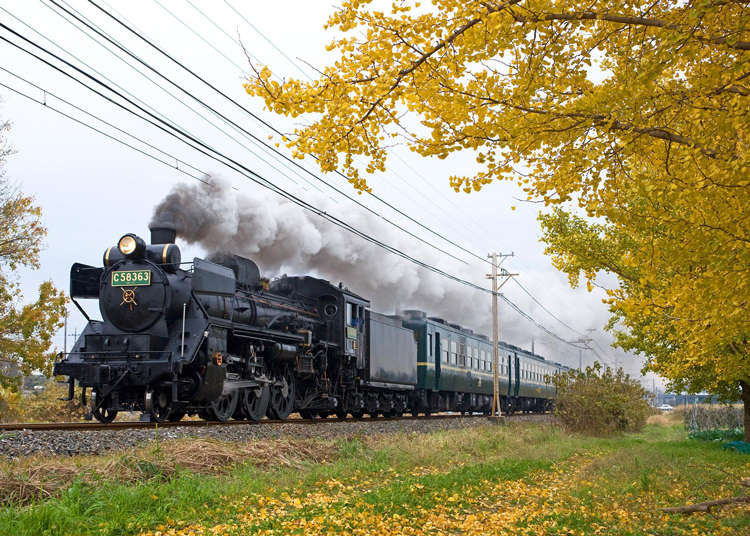
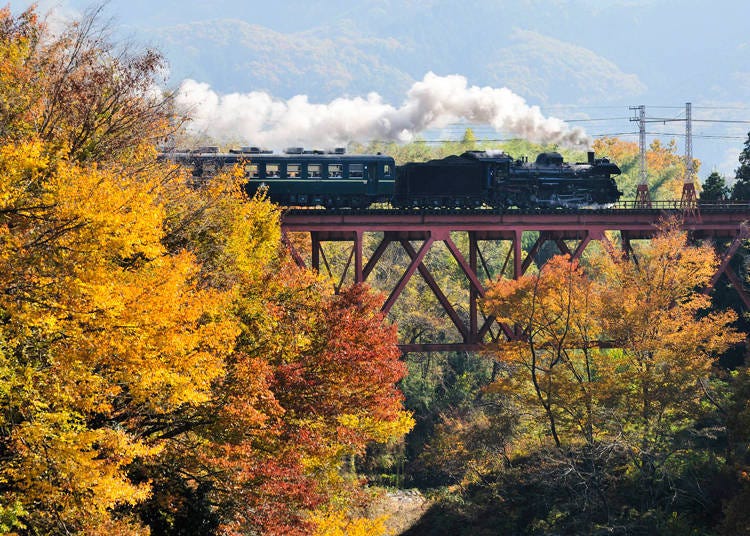
The SL Paleo Express is one of the closest operating steam locomotives to central Tokyo. The journey from Kumagaya Station to Mitsumineguchi Station on the Chichibu Railway takes approximately 2 hours and 40 minutes each way.
As autumn deepens, visitors come from across Japan to admire the colorful foliage covering the Chichibu Mountains, all from the comfort of their train seats.
The train consists of four reserved-seat cars, and advance reservations are required. This guide covers everything you need to know about riding the SL Paleo Express, from purchasing tickets to enjoying the journey itself.
What Exactly Is "Paleo?"
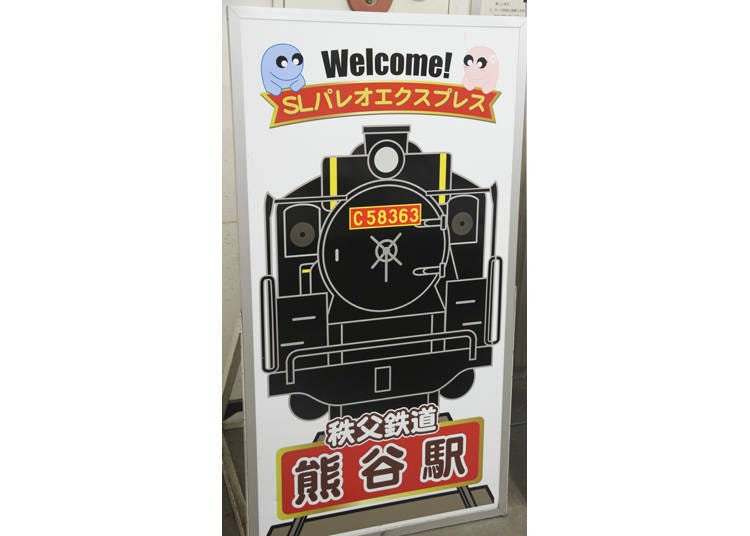
The name SL Paleo Express comes from Paleoparadoxia, a large prehistoric marine mammal that lived in the Chichibu area more than 20 million years ago. The railway even has two original mascot characters inspired by the creature, Paleo-kun and Palena-chan, who occasionally appear at stations and special events. Keep an eye out for them when riding the Chichibu Railway!
Buying Tickets for the SL Paleo Express
First, check the official website for the latest operating dates before purchasing your SL Paleo Express tickets. The train generally runs on weekends and public holidays, with limited services on selected weekdays. On operating days, the SL Paleo Express makes one round trip between Kumagaya and Mitsumineguchi stations.
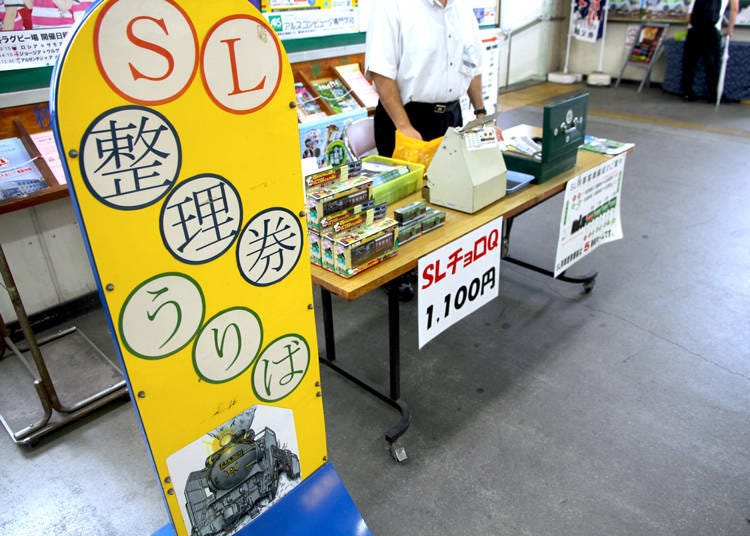
To secure a seat, reserve an SL Ticket in advance. Tickets cost 1,000 yen when purchased online or 1,100 yen at a station ticket counter. Reservations open one month before departure and can be made at designated counters, by phone, or through the official website.
Reservations are primarily handled through the online Chichibu Railway SL Reservation System, allowing you to pay by credit card and board smoothly using a digital ticket.
SL Paleo Express Timetable
Outbound: Kumagaya → Mitsumineguchi
| Station | Arrival | Departure |
|---|---|---|
| Kumagaya (熊谷) | — | 10:15 |
| Fukaya-Hanazono (ふかや花園) | 10:42 | 10:43 |
| Yorii (寄居) | 10:55 | 11:07 |
| Nagatoro (長瀞) | 11:33 | 11:42 |
| Minano (皆野) | 11:54 | 11:55 |
| Chichibu (秩父) | 12:12 | 12:20 |
| Ohanabatake (御花畑) | 12:22 | 12:24 |
| Mitsumineguchi (三峰口) | 12:54 | — |
Inbound: Mitsumineguchi → Kumagaya
| Station | Arrival | Departure |
|---|---|---|
| Mitsumineguchi (三峰口) | — | 14:05 |
| Ohanabatake (御花畑) | 14:31 | 14:33 |
| Chichibu (秩父) | 14:36 | 14:39 |
| Minano (皆野) | 14:55 | 14:57 |
| Nagatoro (長瀞) | 15:07 | 15:13 |
| Yorii (寄居) | 15:37 | 15:41 |
| Fukaya-Hanazono (ふかや花園) | 15:52 | 15:53 |
| Kumagaya (熊谷) | 16:20 | — |
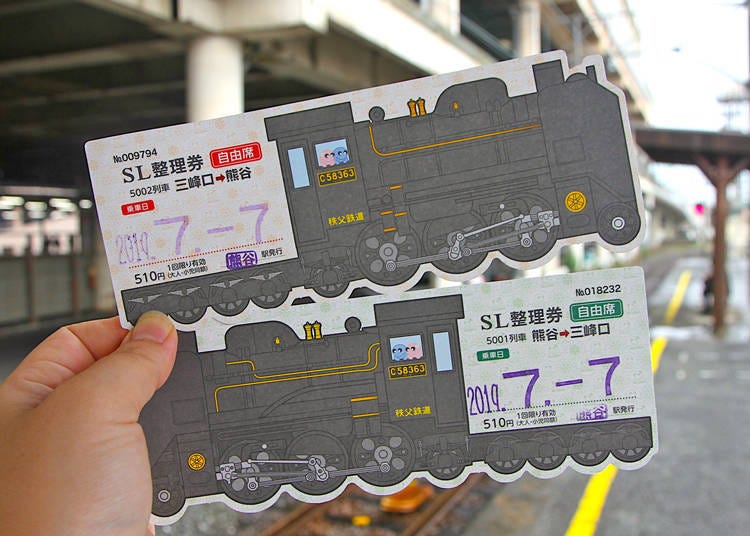
In order to ride the SL Paleo Express, you will need not only your numbered ticket but a regular boarding pass as well.

At the time, I wasn't sure which ticket I should buy, but thankfully the ticket office staff were very kind and helpful.
Now Departing Kumagaya Station!
Planning to ride the entire route and explore as much of the area as possible, we begin our journey at Kumagaya Station, one of the main transportation hubs in northern Saitama Prefecture. The Chichibu Railway ticket gate is located right beside the JR gates and immediately sets the mood for the journey ahead.
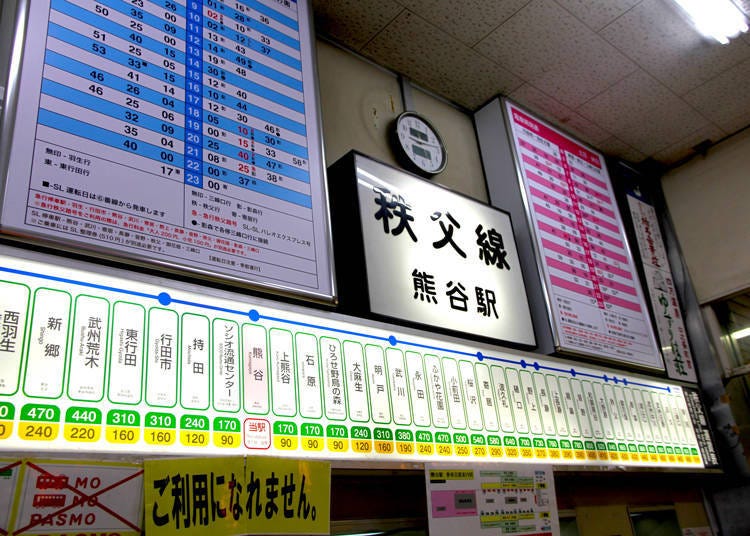
You can buy snacks and memorabilia by collecting SL Paleo Express memorabilia stamps at the stations.
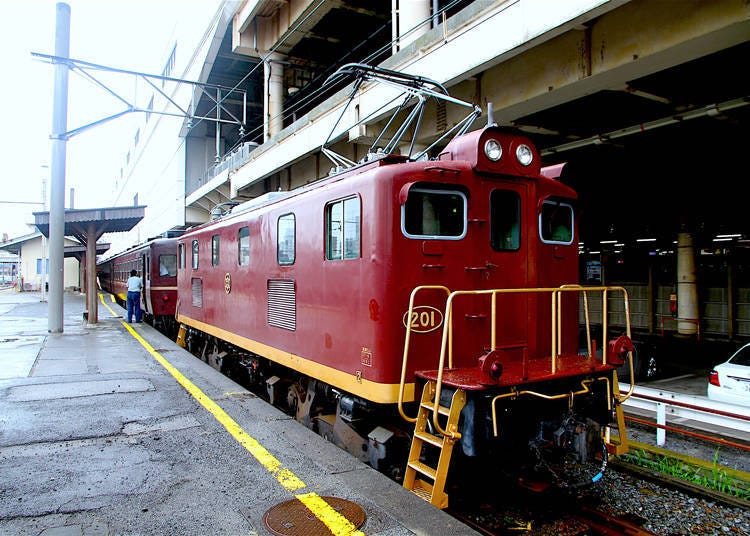
After a short wait on the platform, the SL Paleo Express pulls into the station via electric locomotive and is soon ready to board.
We also got to watch an electric locomotive being separated and making its return for the day.
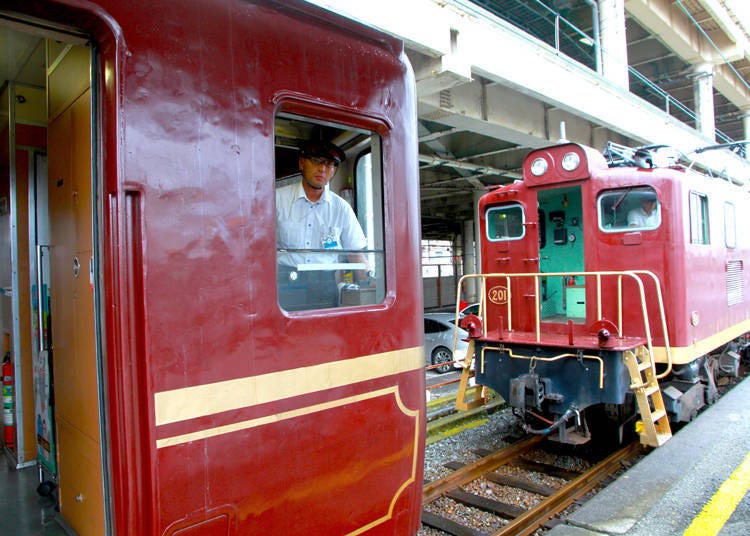
At last, we board the SL Paleo Express and are off on our way!
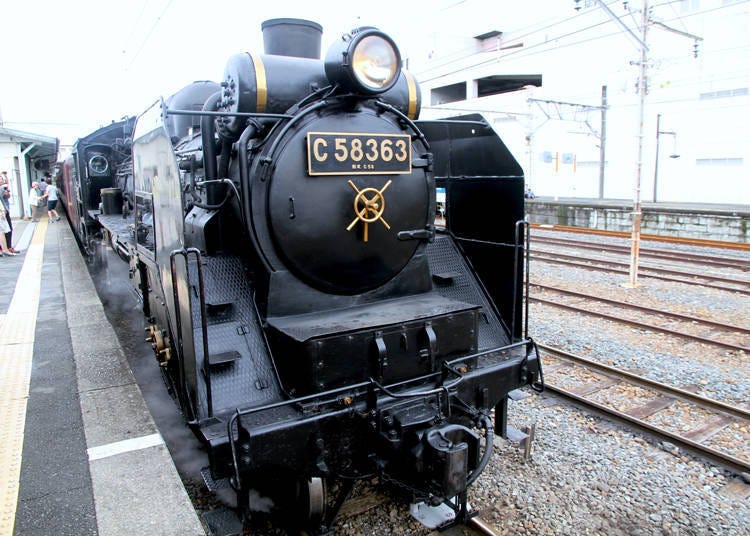
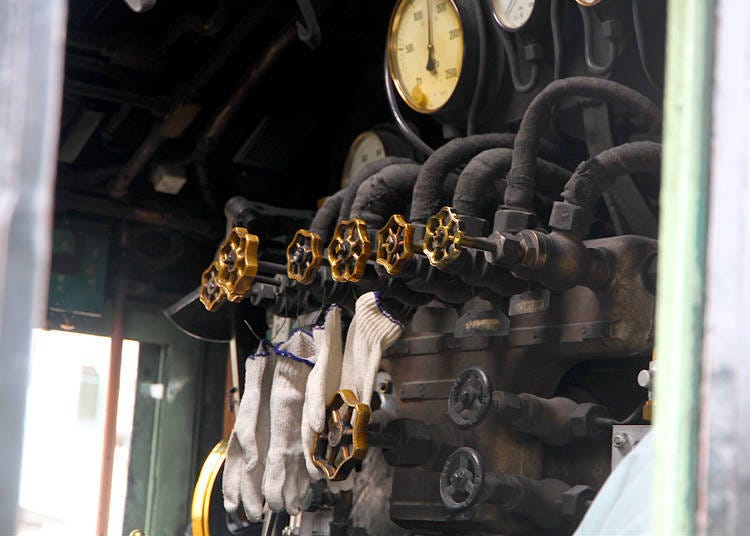
Our trip fell on a rainy weekday outside the peak season, so fortunately, we did not have to wait long. The train can become especially busy during the autumn foliage season, so it is best to arrive at the station early and allow plenty of time before departure.
I also recommend staying near Kumagaya Station the night before your trip. Kumagaya has prospered since the Edo Period as an important stop along the Nakasendo route, and the area still offers plenty of restaurants and shops to explore in the evening. Staying nearby also makes it much easier to catch the train the following morning.
What Seats Do You Recommend?
The most popular seats of the SL Paleo Express are the window seats at the rearmost area of the vehicle. From here, you can see the locomotive up ahead as it turns along the tracks.
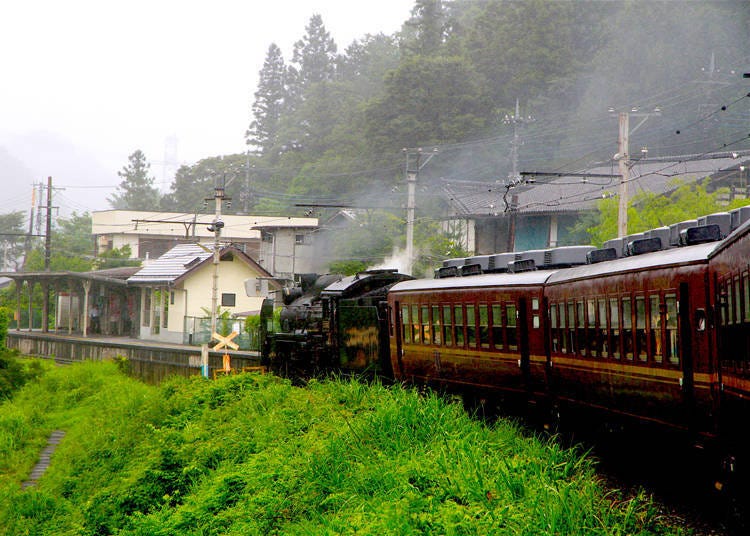
Watch the smoke spout from the locomotive as you enjoy the sights, sounds, and feelings unique to a ride on such a vehicle!
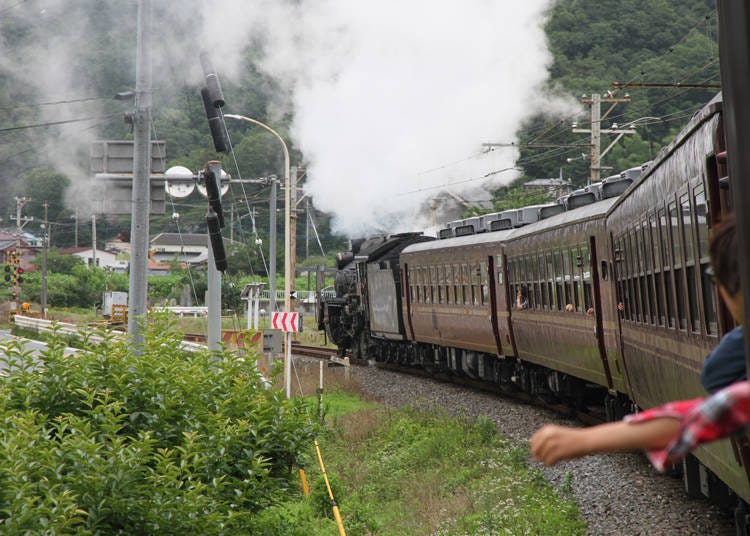
Unfortunately, you can't see the body of the train running before you from the front car the way you can in the back, however the force of the steam engine can still be felt rather powerfully.
Kumagaya~Takekawa: Enjoyment from the Comfort of your Seat
After successfully securing a seat in the last car, the SL journey begins.
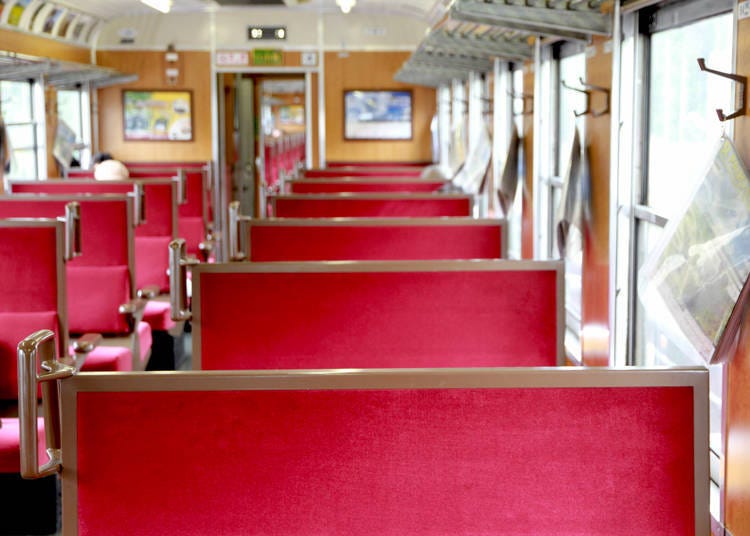
The Paleo Express passenger car is a retro Showa-style refurbishment of the JNR (Japan National Railways) Series 12 passenger car that was manufactured from 1957 to 1969. Surrounded by the glossy red box seats and wood grain furnishings, you will feel as if you are riding right in an old movie.
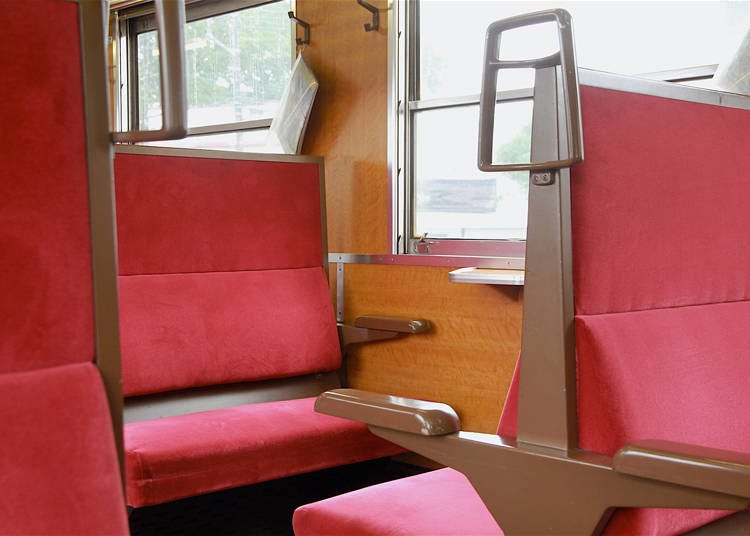
Adding to the experience are the onboard announcements narrated by Chichibu-born rakugo performer Hayashiya Taihei, who shares fun facts and information about each station in a friendly, entertaining style.
Between Kumagaya and Takekawa, be sure to look out for the Hirosegawara Depot, a highlight for train and railway enthusiasts.
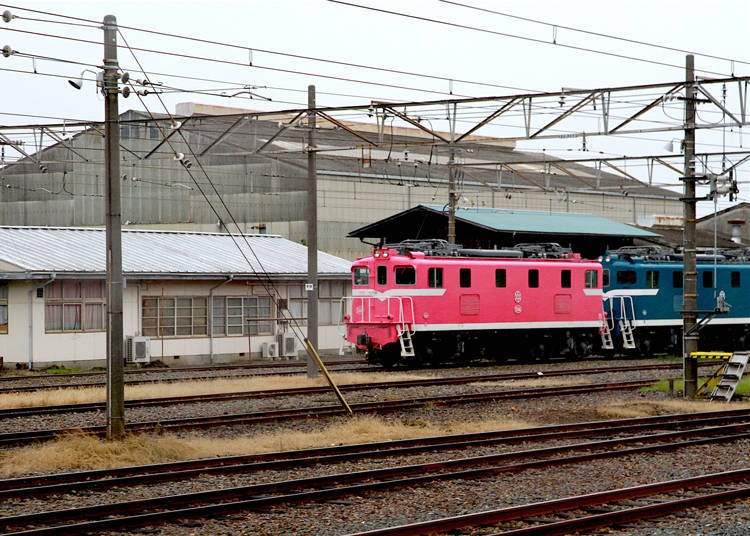
This is the base where vehicle maintenance, cleaning, and inspection is performed.
Takekawa~Yorii: Exploring the Train!
After Takekawa Station, the SL runs through the relaxing countryside and residential areas for a while.
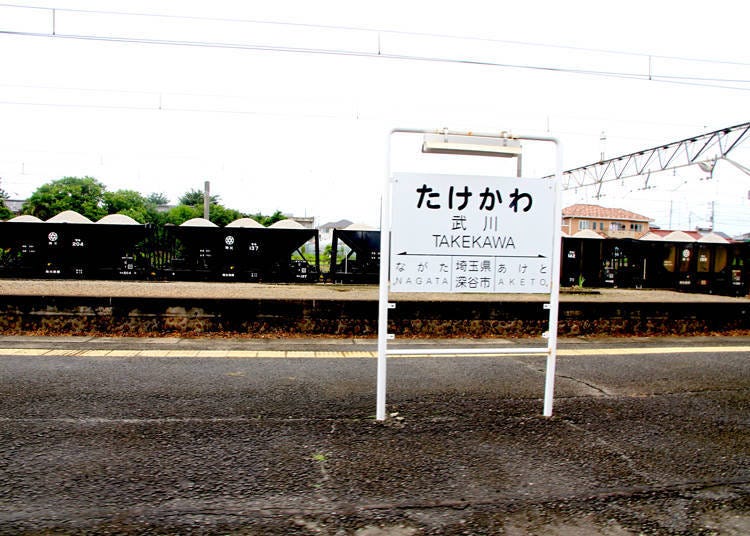
It was surprising to see so many people waving at the train from the outside while watching the cityscape pass by through the window. We waved back at many people, including kids watching the train from near the tracks, and dads walking their dogs around the town.
While we're at it, let's explore the other cars!
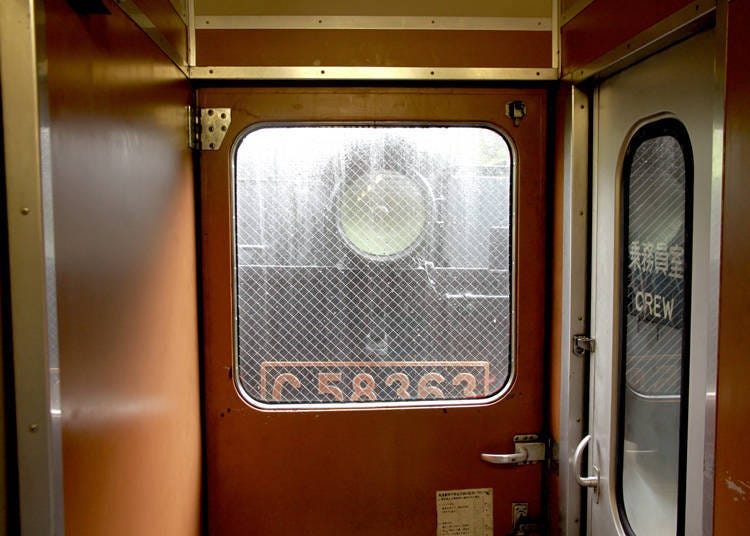
You can see the coal-car from the small window in the front of the first car.
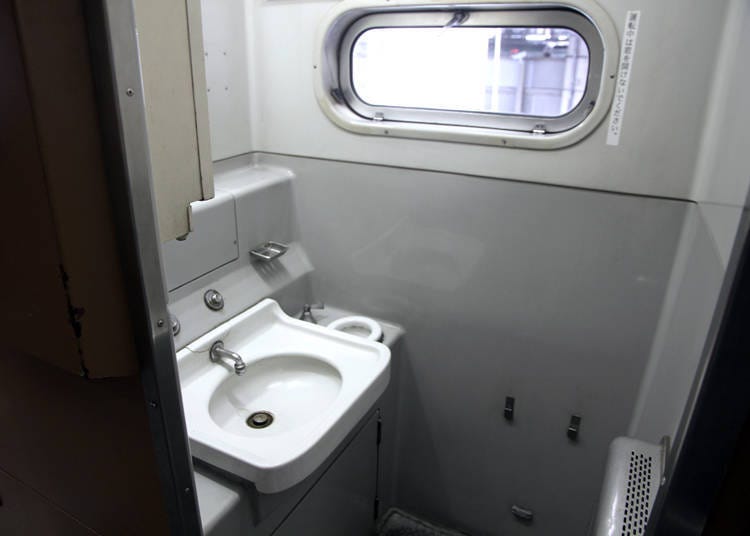
The train also has restrooms on board, so you don't have to worry when taking long trips!
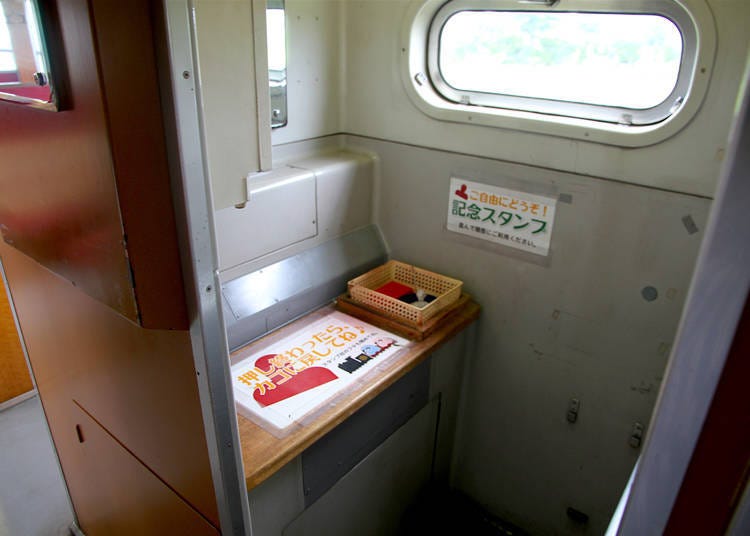
This small, retro room houses a little booth where you can find one of the ride stamps.
SL Paleo Lunch: The Best Bento Lunch Box
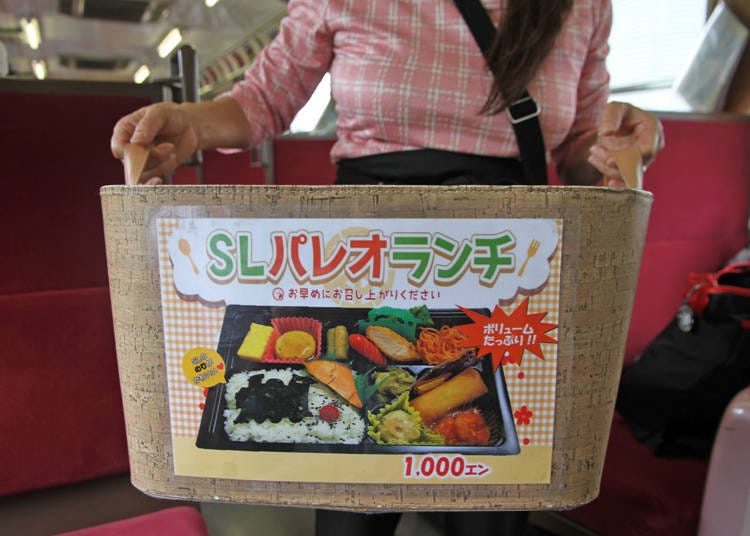
You can't just take a long train ride and not enjoy a boxed lunch! There is a special in-car menu with limited-edition lunch options.
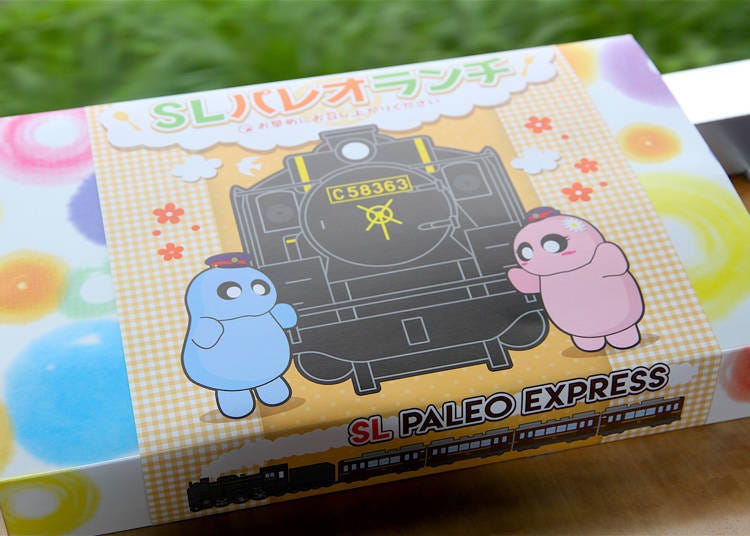
The lunch packaging features a cute design with characters Paleo-kun and Palena-chan. When you open the box, there is a sheet of seaweed cut into the shape of the train topping the rice.

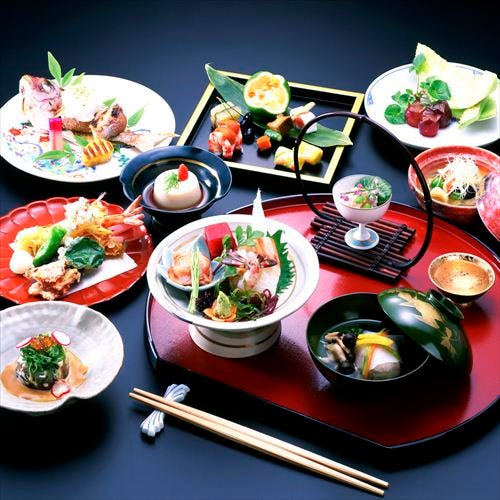
This lunch is not only beautifully presented but also genuinely delicious. It offers an impressive mix of Japanese, Chinese, and Western dishes.
The Japanese selection includes kaiseki-style sides such as fish, simmered vegetables, and egg, while the Chinese dishes feature spring rolls and chili shrimp. Fried and pickled vegetables add even more variety, and the Western items include a thick pork cutlet, sausage, and spaghetti. Altogether, it is a surprisingly high-quality and satisfying meal.
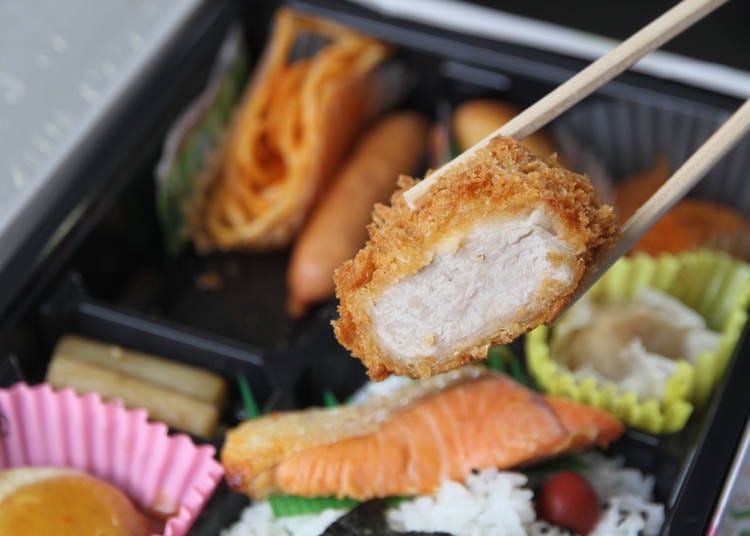
The best part was that each piece tasted as authentically delicious as it should!
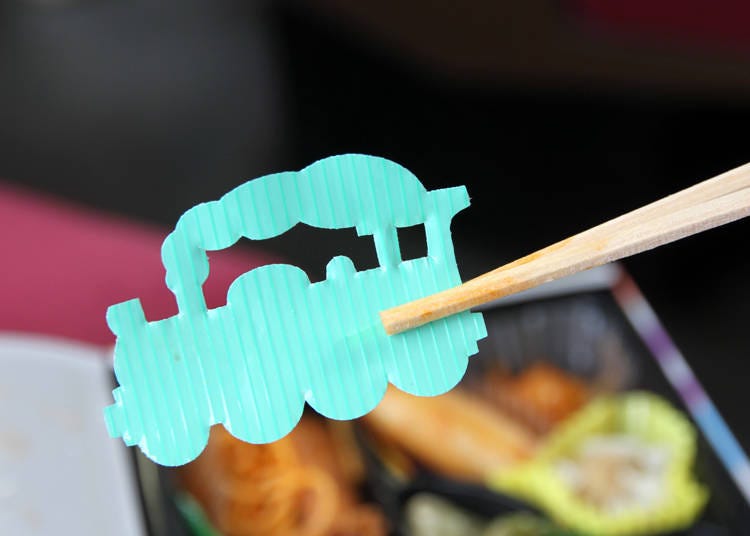
Even the plastic baran garnishing sheet is in the shape of the SL! This is a super popular lunch box, though, so be sure to grab one the moment you can!
Yorii~Nagatoro: A View of Lake Tamayodo!
Once you pass Yorii Station, the Chichibu Mountains come into view. After passing Hagure Station, you will see Lake Tamayodo, created from the waters of the Arakawa River.

Unfortunately, it was a bit cloudy when this photo was taken, however on a clear day you can see the beautiful green of the water's surface.
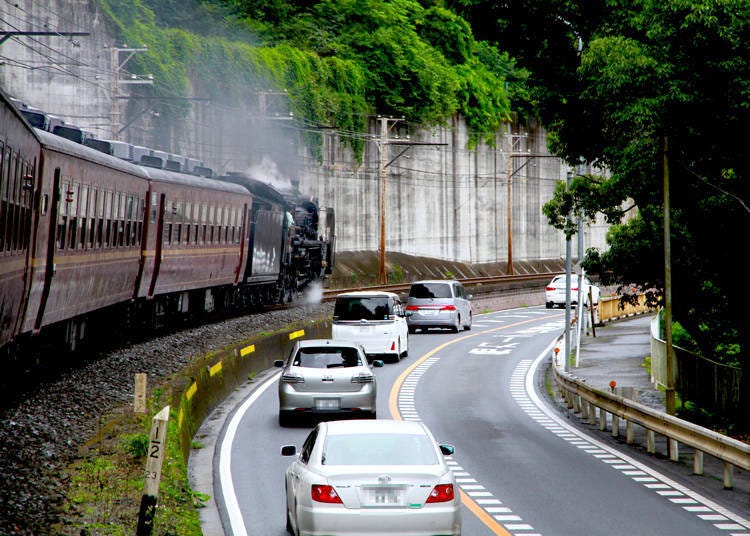
A nice scene of where the SL and the cars on the road run side-by-side.
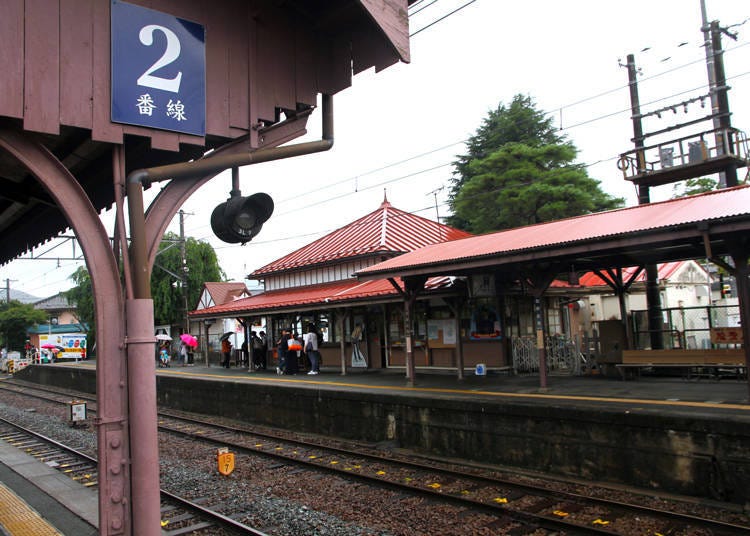
The style and atmosphere of Nagatoro Station matches the mountain scenery.
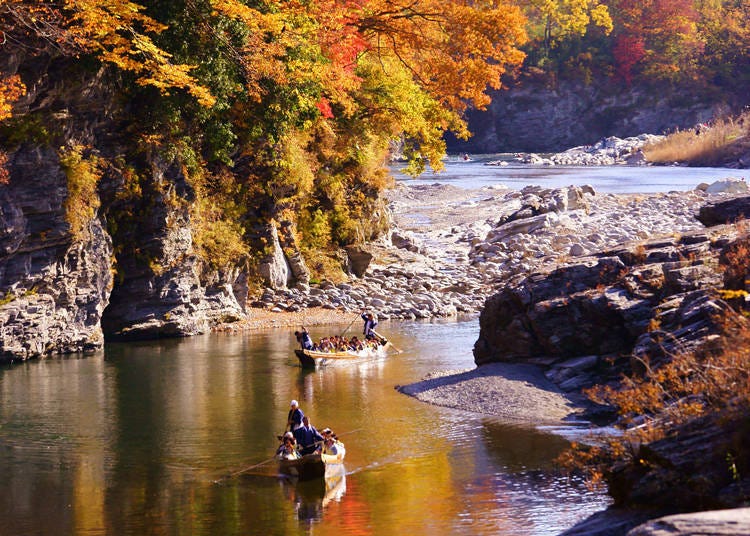
The Nagatoro Area is a popular tourist destination for its amazing views of the rock formations and Line Kudari downstream river boating. It also boasts a gorgeous autumn foliage landscape. Many people get on and off here, and it is another spot you may want to check out in the coming season.
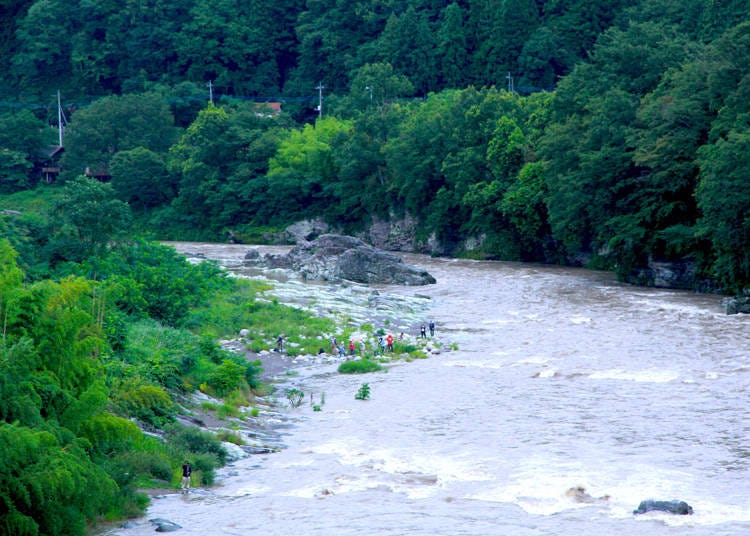
Nagatoro~Minano: A View of the Mountains and Clear Stream
Between Nagatoro and Minano we ride over the Arakawa Bridge, the longest bridge of the Chichibu Railway. With a length of 167 meters and a height of 20 meters above the water surface, you can enjoy the scenery of the Arakawa River flowing underneath from the window.
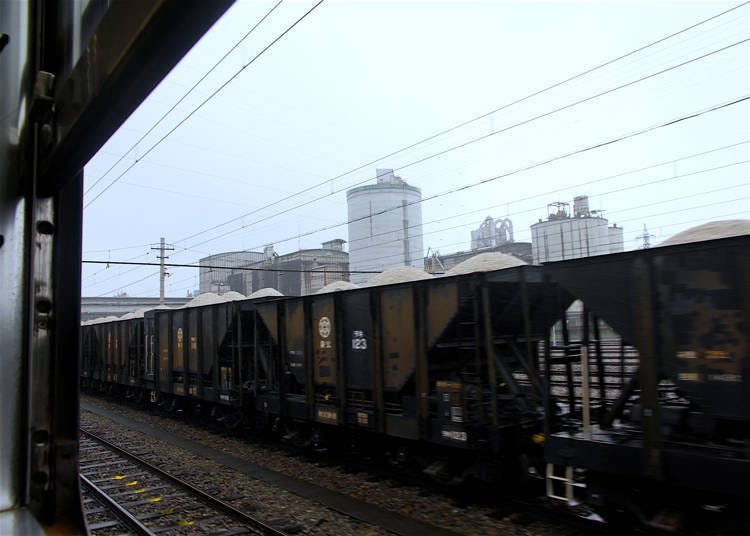
Minano~Chichibu: Cool Cargo Station and Hopper Car
On the way from Minano to Chichibu Station you will see the Bushu-Haraya Cargo Station. It is a unique spot with a cement factory located right next door.
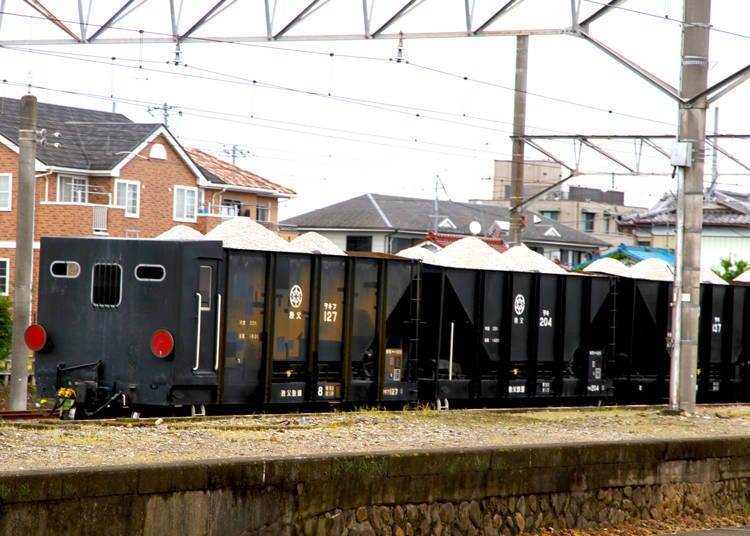
The Chichibu Railway carries limestone that is gathered from Mount Buko in Chichibu City. There's also a good chance you will encounter the ore transportation hopper freight train!
Chichibu~Ohanabatake: The Center of Chichibu Railway
The train then passes through central Chichibu. Consider getting off at Chichibu or Ohanabatake Station to visit Chichibu Shrine, famous for the Chichibu Night Festival, stroll through the area’s nostalgic streets, and sample local specialties such as soba noodles and waraji katsudon.
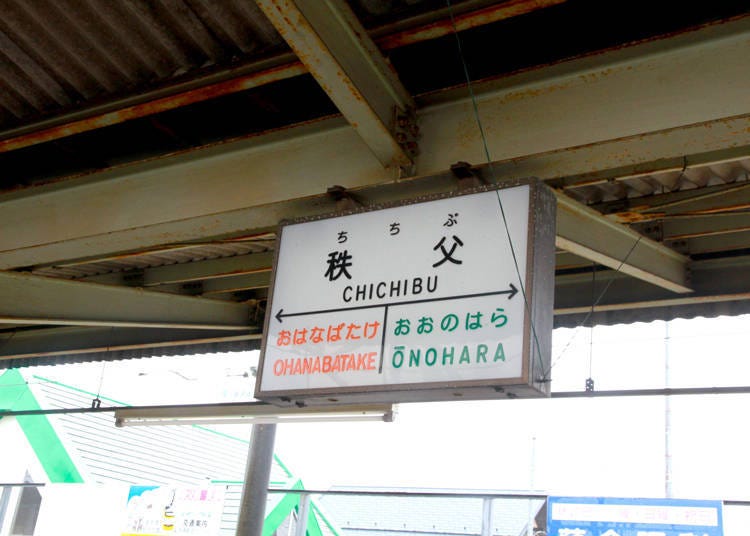
Around here is also where you can see the magnificent view of Mount Buko from the train window. (Unfortunately, I couldn't see it due to the rain and fog). During the spring time you can also see the cherry blossom trees in full bloom right in front of Ohanabatake Station, which attracts many visitors each spring.
Ohanabatake~Mitsumineguchi: Crossing a Historic Bridge
In this last stretch of the way, right before the ending point of our trip, we see the impressive natural beauty of the mountains.
The Anyagawa Bridge is the tallest railway bridge along the Chichibu Railway. Crossing this iron bridge over the deep valley is a thrilling moment of excitement. (Once again, though the image in the photo is cloudy, you can see the beautiful, clear stream on a sunny day).
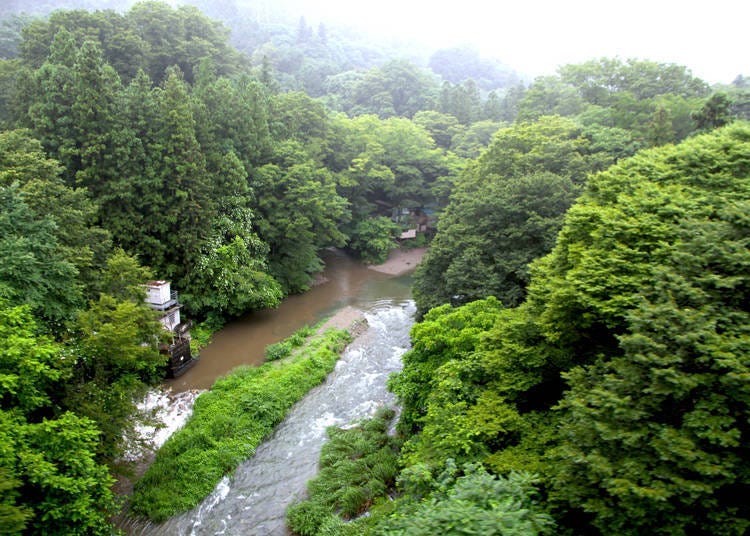
The Anyagawa Bridge is a truss bridge built with a structure called the Baltimore Truss, which was used quite frequently during the Meiji and Taisho Periods. With a long history and a beautiful image, it is nice to be able to see it from outside the train, as well. The Anya-hashi Bridge is only a 5 minute walk from the Chichibu Railway Bushu-Hino Station, and is a very popular observation spot. (Because Bushu-Hino station is a local station, the SL Paleo does not stop here).
Last Stop: So Much to do at Mitsumineguchi Station!
At last we arrive at the end of the line, Mitsumineguchi Station!
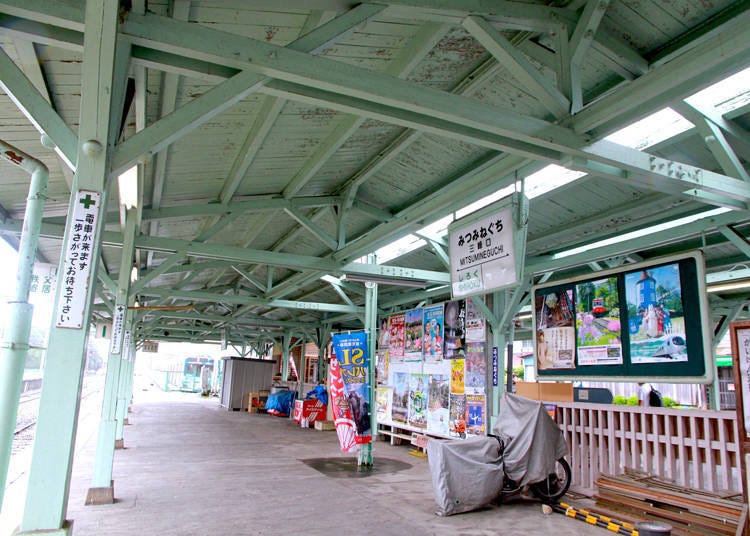
From this refreshing mint-green station, visitors can reach popular attractions such as Lake Chichibu and Mitsumine Shrine. The surrounding area is also a popular base for hiking.
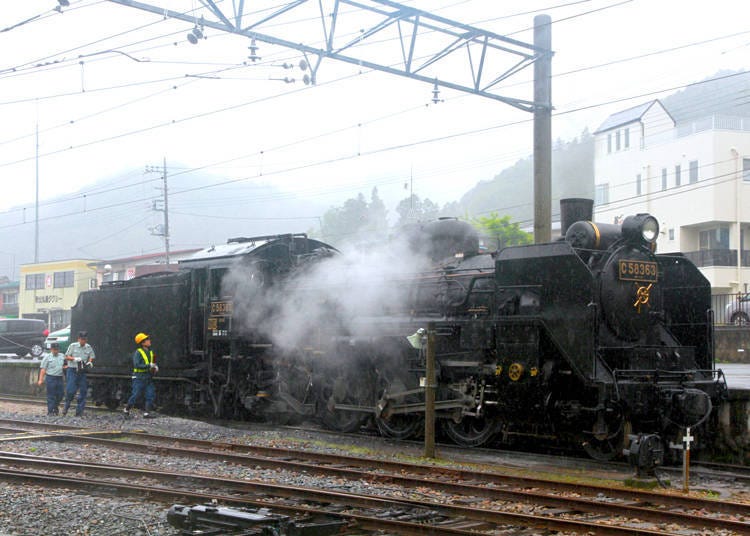
At Mitsumineguchi, passengers can watch the locomotive undergo maintenance and turn around on a railway turntable. The steam locomotive carries coal and water in its tender, using around one ton of coal and nine tons of water for each round trip between Kumagaya and Mitsumineguchi.
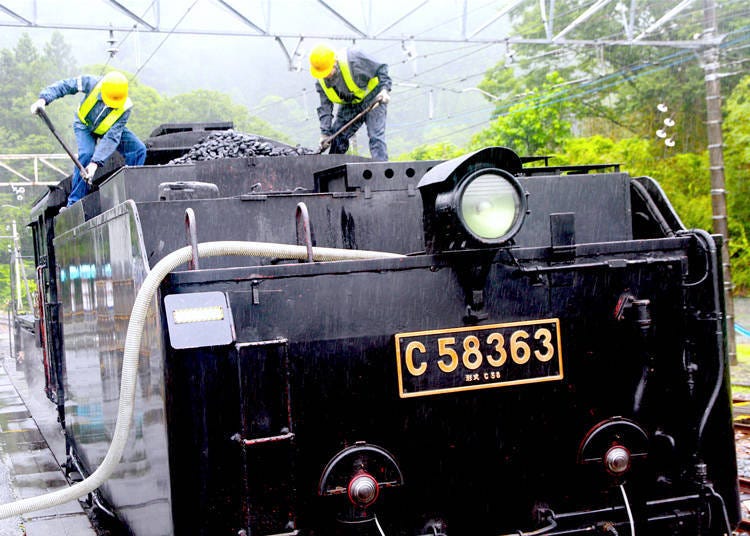
Because of this, the engineers are consistently working to maintain water supply, coal discharge, oil, and coal levels. After maintenance and replenishing, the SL heads to the turntable.
The turntable is where the steam locomotive is able to change its direction. (Unlike a regular train, the SL cannot simply run backwards in order to reverse direction; the turntable is used to help it do so).
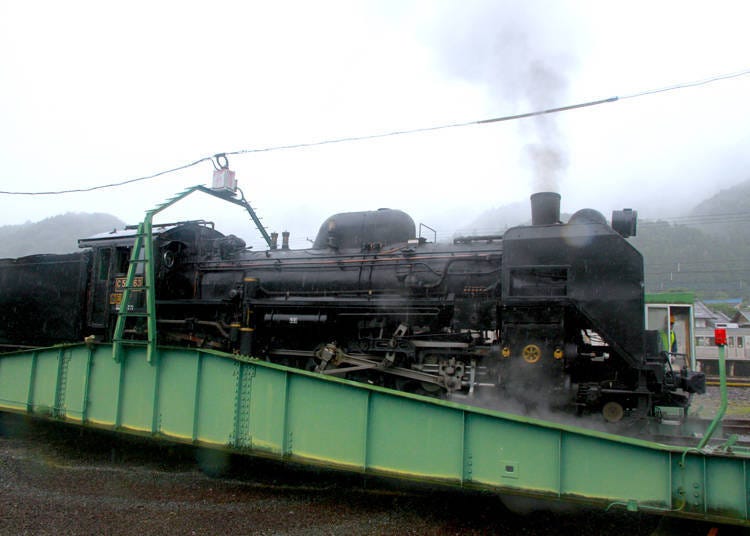
You can watch the turntable in operation right at the station in Mitsumineguchi, however, there are actually a very limited number of stations in Japan that have these turntables. Luckily it wasn't raining heavily, so there were many people nearby with their cameras also eager to catch this special moment.
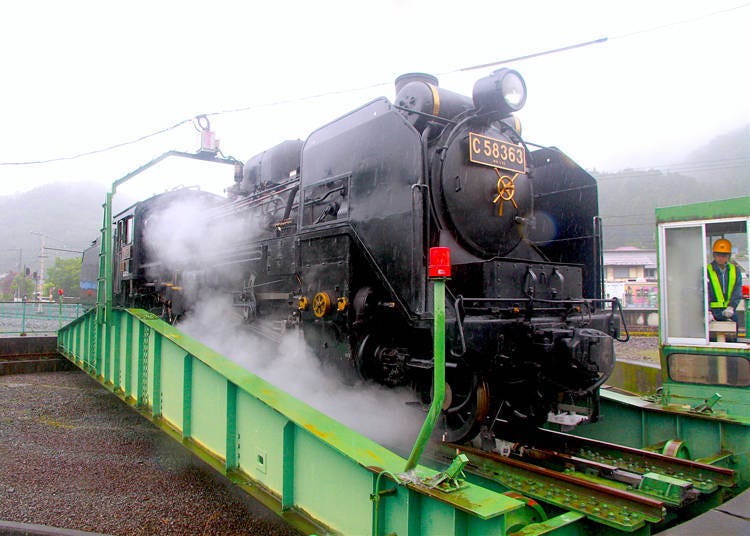
Making the Most of Your Return: A Stop in Central Chichibu
After catching a glimpse of SL maintenance and the turntables, you can also enjoy Mitsumineguchi's specialty soba noodles. If taking a round-trip ride on the SL, it's also a good idea to try to get a seat on the trip back that has a view of the opposite side of the scenery you saw during the first trip.
Alternatively, consider getting off the SL early at Ohanabatake Station on your return journey. This drops you right in the center of the Chichibu region! You can spend your late afternoon visiting the famous Chichibu Shrine or grabbing dinner before taking the quick 5-to-10-minute walk to Seibu-Chichibu Station. From there, you can catch a Seibu train straight back to Tokyo (Ikebukuro Station), making for a highly efficient and deeply satisfying day trip.

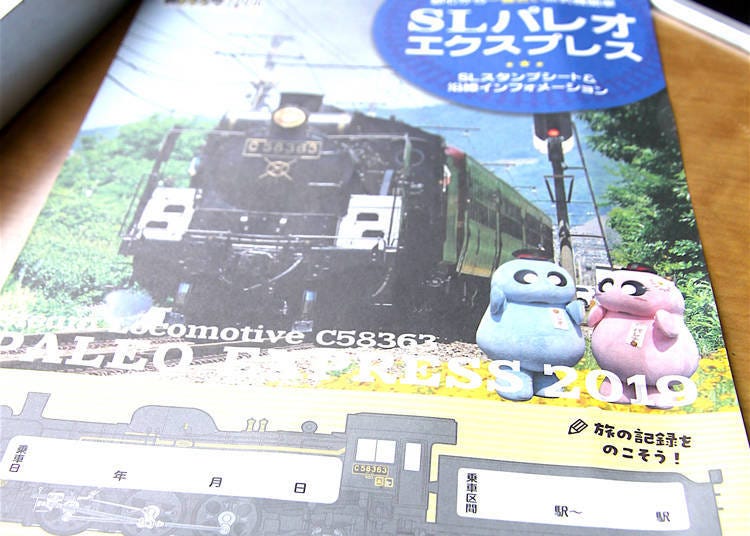
Pick up an SL Paleo Express Stamp Sheet & Route Guide at the station before boarding. It clearly shows which sights to look out for, when they appear, and which side of the train offers the best view, helping you avoid missing any of the route’s highlights.
A Refreshing Beer = A Refreshing Trip for Adults
On the way home, I couldn't help but indulge in a local beer and some snacks from the Saitama region, despite being in the middle of documenting the trip.

Recommended snack by the writer: SL Coal Arare Rice Crackers. These edible bamboo coal chunks are actually large arare crackers shaped to look just like pieces of coal!
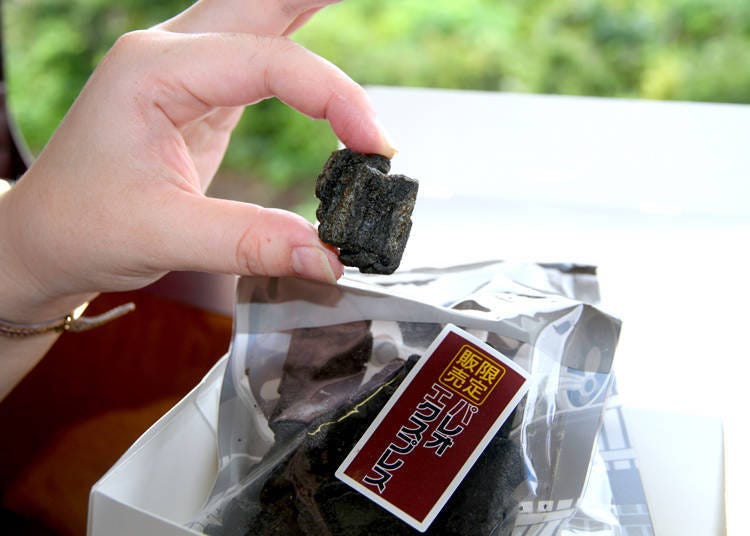
It has quite a unique appearance, but when you eat your first bite, the refined taste and scent of the rice really jumps out at you.
So Many Fun Souvenirs!
There are plenty of SL-related souvenirs available both in-car and at the SL station stops, from Paleo-ken and Palena-chan designed goods to the "C58" SL plate to various other miscellany and Chichibu specialties.
The souvenir our writer purchased: "Connect & Dash C58 GO!"
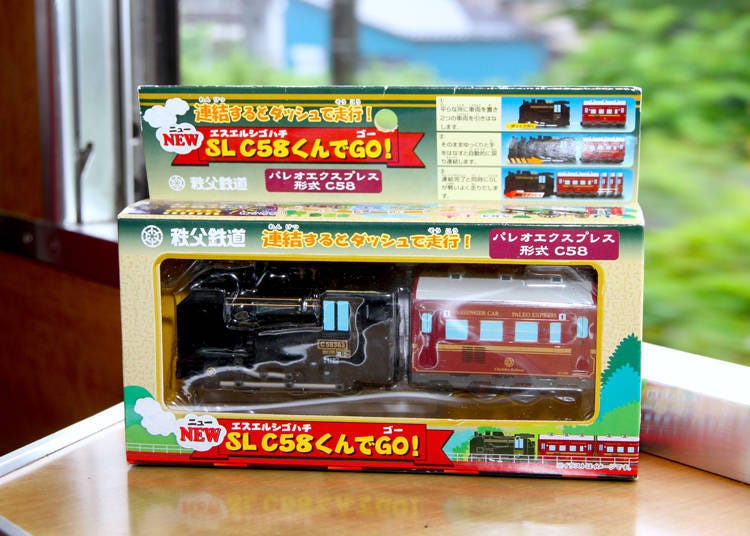
By pulling the locomotive and passenger car, which are attached by a string, left and right, you wind the main spring. When you let go, the toy automatically connects and runs.
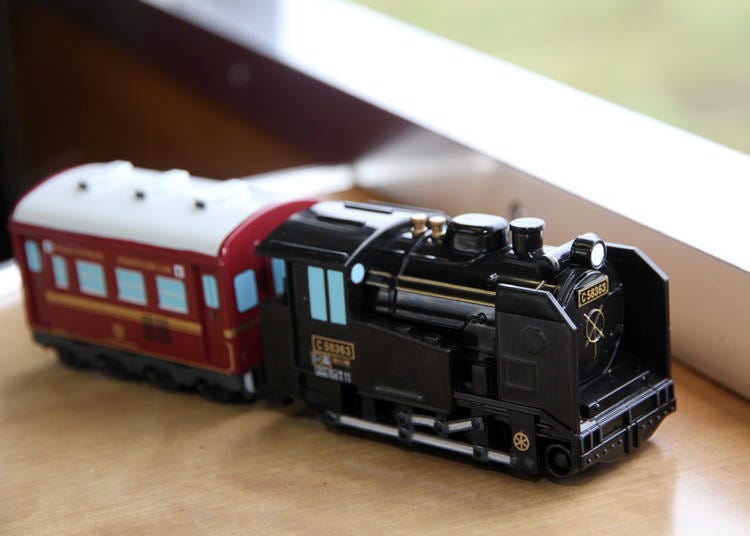
It is recommended to play with on a flat surface, as it runs at a rather high speed for its cute, small appearance.
Kumagaya Station: Goodbye C58!
After running many courses of round-trip rides, it's time to say farewell to the SL Paleo Express.
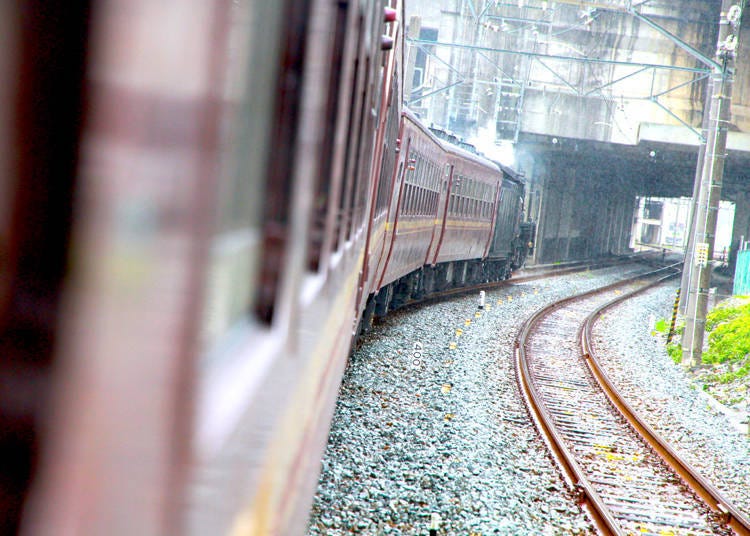
At Kumagaya Station, the last stop, everyone sees off the C58 with a farewell wave.
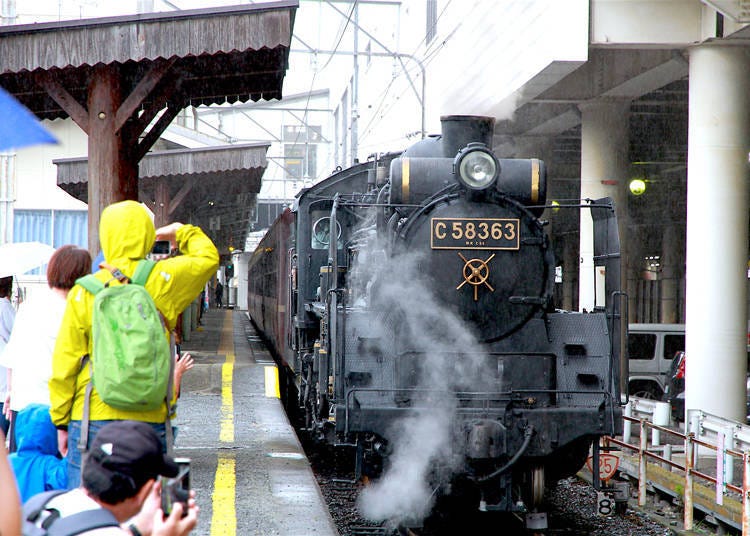
The SL Paleo Express is the closest steam locomotive from the center of the city. It is a train that has the kind, heart-warming feeling of being right at home.
A calm countryside and majestic mountain views. Cute lunch boxes and snacks and in-car explorations. Seeing the amazing station buildings and freight trains of Chichibu Railway was a wonderful experience.
(Note: This article was originally published in 2019. Pricing was updated in August 2026; however, featured items may differ from those currently available.)


A woman in her 30s from Tokyo. I'm a freelance writer. The most interesting themes for me are people's work and delicious things & alcohol. My favorite thing is sampling sushi when I travel!
- Area
*Prices and options mentioned are subject to change.
*Unless stated otherwise, all prices include tax.
Popular Tours & Activities
-
Ride the Rails, Catch Pokémon: JR East’s Huge Stamp Rally Takes Over Tokyo This Summer
by: Guest Contributor
-
Top 10 Premium Hot Spring Resorts Near Tokyo: Luxury Ryokan & Ocean-View Stays from 30,000 Yen
-
Start Your Japan Trip Luggage-Free with SAGAWA’s New Narita Airport (NRT) Service
by: Guest Contributor
-
Daikoku PA Car Meet: What Is JDM, and Why Do Enthusiasts Flock Here?
-
Fukuoka: 10 Recommended Apartment Hotels for Comfortable Stays in Hakata, Tenjin, and Beyond
by: Yotsuka Hizuki
-

Upgrade Your Japan Travel Experience: How to Master OSHIMAP
by: Guest Contributor
Inspiration for Accommodations
-
Family-Friendly Hotels with Free Shuttle to Disneyland: Convenient Access for a Magical Stay
-
Top Ranked Hakone Hotels with Mt. Fuji View: Enjoy Stunning Scenery from Your Private Space
-
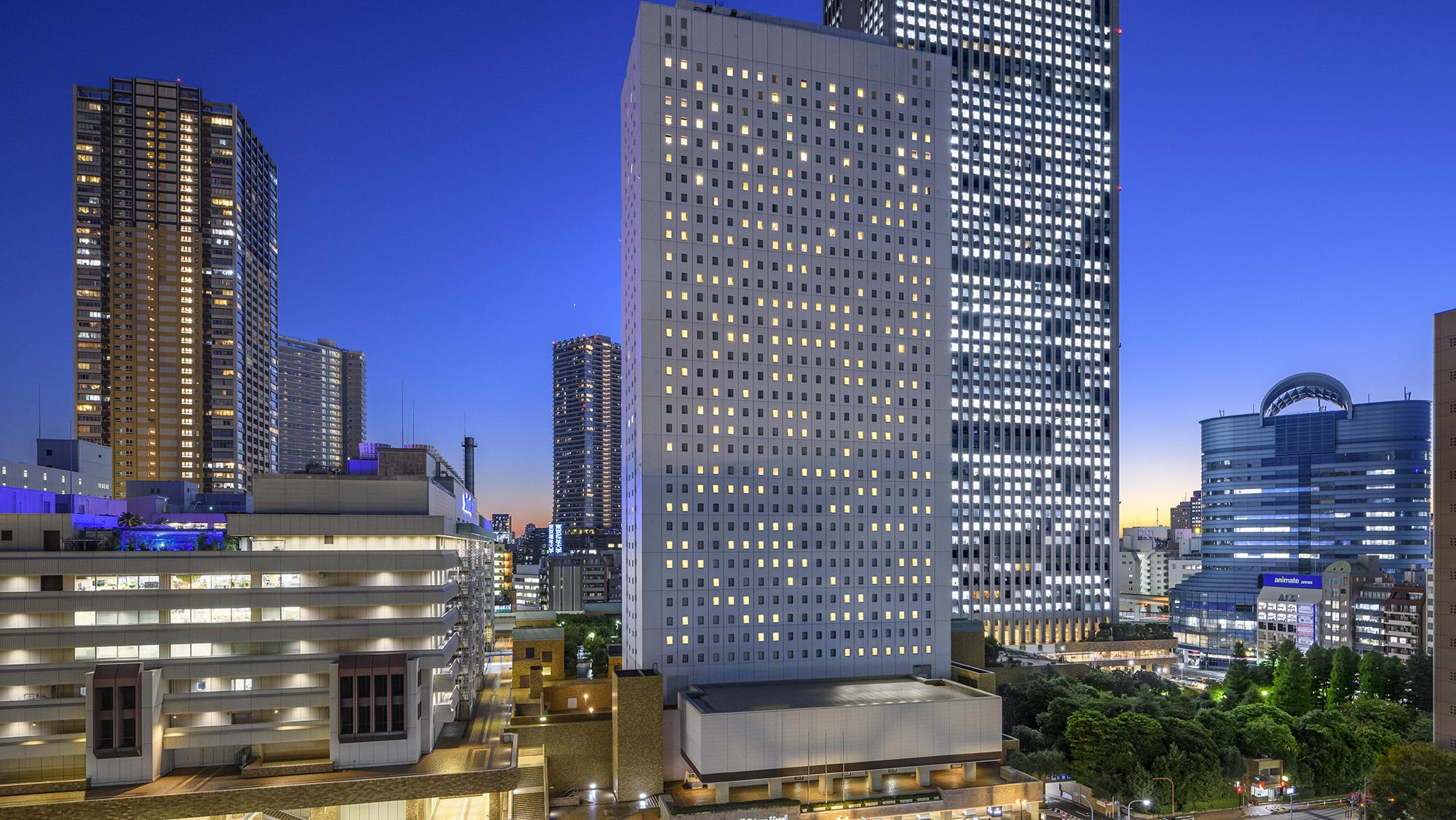
Convenient Tokyo Hotels with Airport Shuttle: Ideal for Families and Heavy Luggage
-
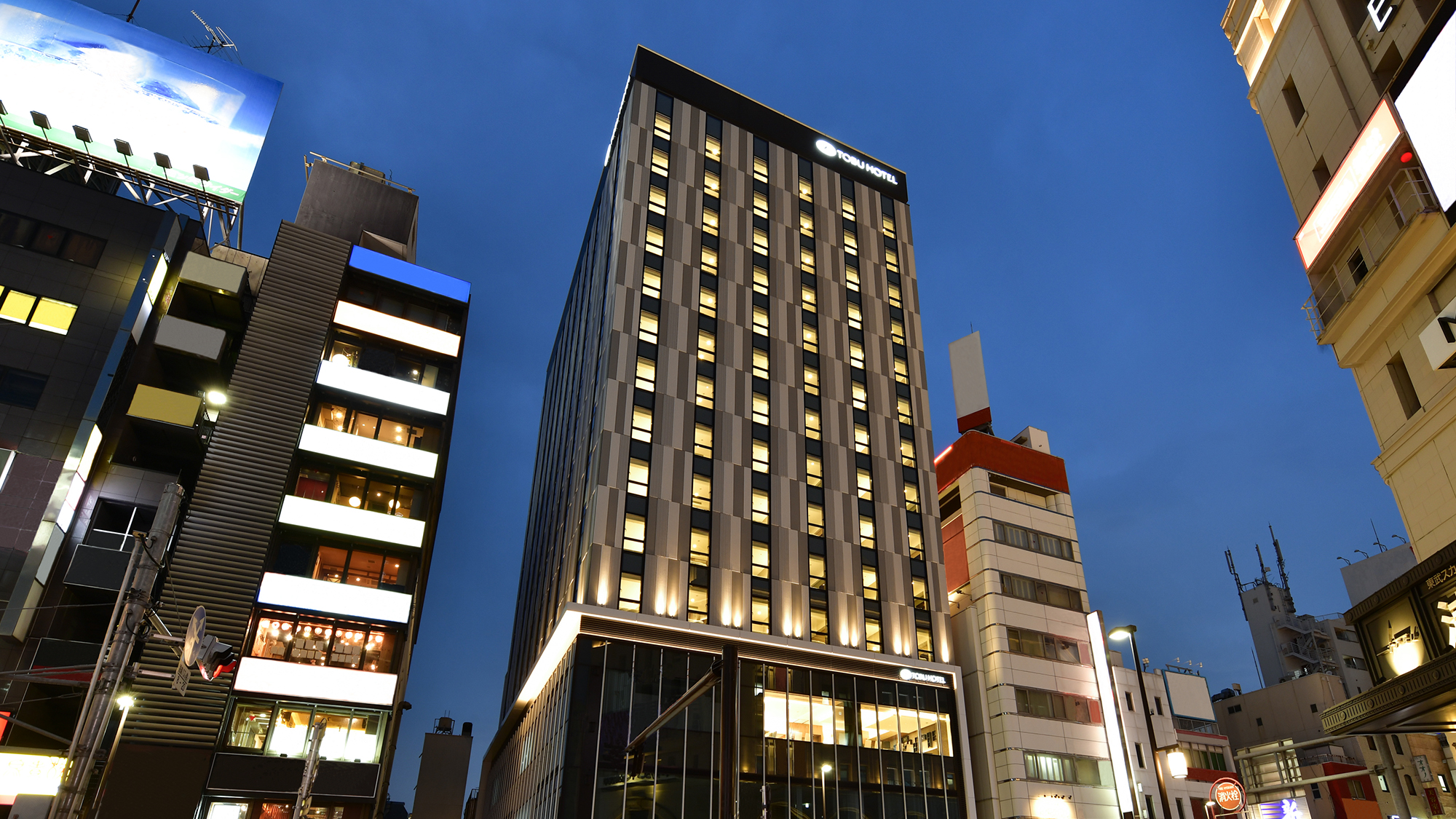
9 Family-Friendly Hotels with Comfortable Family Rooms in Asakusa
-
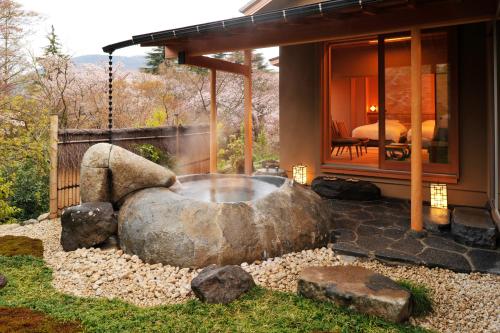
10 Open-air bath Onsen Ryokans in Hakone for Ultimate Relaxation
-
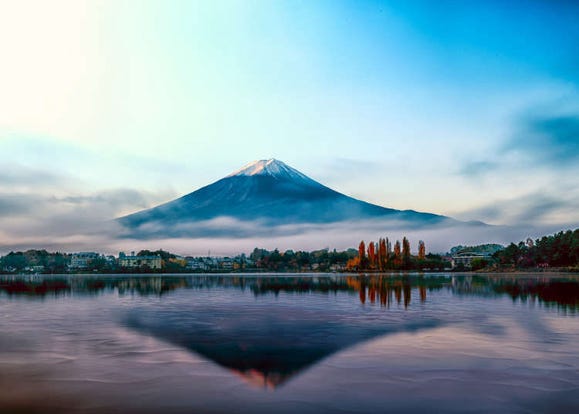
16 Secrets About Mt. Fuji, the Symbol of Japan: Even Japanese People Don’t Know That?!
by: Guest Contributor
-
Bowing in Japan Explained: When, How, and Why It Matters (With Video)
-

Secrets to Shopping in Japan: Guide to Annual Sales in Japan & Where to Shop
by: Miyu Shimada
-
Ginza Loft: Souvenir and Gift Shopping Paradise
-
Numazuko Kaisho in Ueno: Good Quality, All-You-Can-Eat Seafood for Just US$12!?
-

'Tokyo, Whoa!' Travelers Share 21 Shocking And Surprising Things About Visiting Japan
by: Lucio Maurizi
- #best ramen tokyo
- #what to buy in ameyoko
- #what to bring to japan
- #new years in tokyo
- #best izakaya shinjuku
- #things to do tokyo
- #japanese nail trends
- #what to do in odaiba
- #onsen tattoo friendly tokyo
- #daiso
- #best sushi ginza
- #japanese convenience store snacks
- #best yakiniku shibuya
- #japanese fashion culture
- #best japanese soft drinks