




Planning an Autumn Foliage Trip to Kyoto? 12 Important Things to Know Before You Go
- Written by: LIVE JAPAN Editor
Autumn is one of the most spectacular times to visit Kyoto. Temples and gardens are framed by brilliant maple leaves, the mountains surrounding the city turn red and gold, and special nighttime illuminations offer an entirely different way to experience some of Kyoto's most famous sights.
It's also one of Kyoto's busiest seasons. Popular areas can become extremely crowded, transportation takes more planning than usual, and the leaves don't reach peak color everywhere at the same time.
Rather than simply choosing a list of famous foliage spots, it pays to think about when to visit, which areas to combine, how to get around, and what seasonal experiences you want to include. Here are the key points to consider when planning an autumn trip to Kyoto.
(Top image: Visun Khankasem / Shutterstock.com)
(This article may contain affiliate links or coupons. All featured facilities, stores, and products are selected based on our editorial standards.)
1. When Is Autumn Foliage Season in Kyoto?

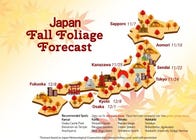
For most travelers, November is the main month for autumn leaves in Kyoto, although timing varies considerably depending on elevation, location, and the weather from year to year.
Mountainous areas generally begin changing earlier, while some locations within the city remain colorful into early December. This means there is no single weekend when every famous foliage spot in Kyoto looks its best.
If seeing the leaves is one of the main reasons for your trip, check the latest foliage conditions shortly before you travel rather than relying only on average peak dates.
2. Kyoto City or Kyoto Prefecture? Know the Difference
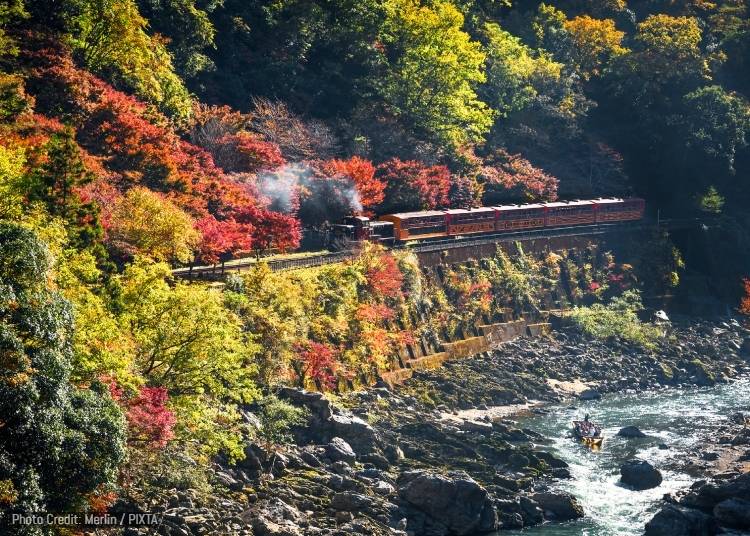
When international travelers say they are visiting “Kyoto,” they usually mean Kyoto City, home to areas such as Gion, Higashiyama, Arashiyama, Fushimi, and the Kyoto Station area.
However, Kyoto City is only part of Kyoto Prefecture, which stretches far north to the Sea of Japan. Beyond the city’s famous temple districts are mountain communities, forests, farming areas, and coastal towns that offer a very different side of Kyoto.
Most of this guide focuses on Kyoto City and its surrounding sightseeing areas. However, travelers with an extra day or two may want to explore farther afield, particularly if they are looking for a more rural autumn experience.
3. Don't Build Your Trip Around One Exact "Peak" Date

Autumn foliage forecasts are useful, but nature does not operate on a fixed schedule.
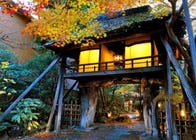
Instead of trying to predict the single “perfect” day, plan a variety of locations. Higher-elevation areas such as Kurama, Kibune, Takao, and Ohara generally develop autumn colors earlier than many central areas, while some gardens and temples can remain beautiful later in the season.
Even locations that have passed their absolute peak can be worth visiting. Fallen maple leaves covering temple paths and moss gardens create another distinctly autumnal scene.
For the latest conditions and recommended places to visit, see our dedicated Kyoto autumn foliage guides.
4. Plan Each Day Around One Area of Kyoto
One of the easiest mistakes to make is choosing several famous places simply because they look close together on a list. Kyoto is geographically spread out, and peak-season traffic and crowded buses can make crossing the city take much longer than expected.
Rather than trying to visit Arashiyama, Kiyomizu-dera, and northern Kyoto on the same day, group your sightseeing geographically.
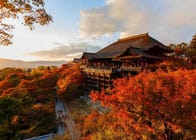
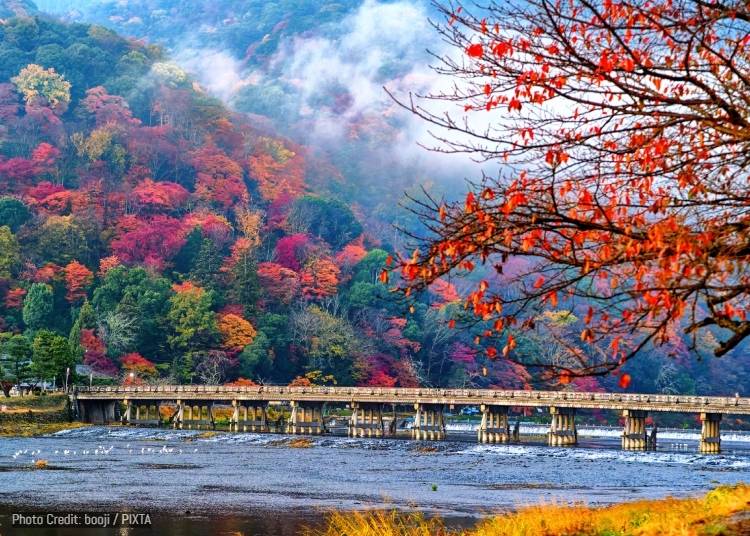
For instance, dedicate one day to the Rakutou (Eastern) area, including places like Nanzen-ji and Eikan-do, and another to the Rakusei (Western) area, such as Arashiyama’s Tenryu-ji Temple and Togetsu-kyo Bridge.
This also leaves more time for walking, eating, browsing local shops, and actually enjoying the autumn scenery rather than spending half the day in transit.
Planning tip: During busy periods, use trains and subways to cover longer distances wherever possible, then walk or use buses for the final part of your journey.
5. Add Autumn-Only Experiences Beyond Leaf Viewing

Nighttime illuminations
Many temples, shrines, and gardens have special evening hours during leaf-viewing season. Illuminated maple leaves, temple buildings, and reflections in ponds can create a completely different atmosphere from daytime sightseeing.
Take an autumn train ride
The Eizan Railway to Kurama and Kibune passes through the famous “Maple Tree Tunnel” between Ichihara and Ninose stations, where maples crowd both sides of the tracks. The journey itself can become part of the autumn experience.

Go for an autumn hike
Kyoto’s mountainous edges make it easy to combine temples with nature. One popular option is the mountain trail connecting Kurama-dera Temple with the Kibune area. Be aware that good footwear is essential, particularly if the ground is damp or covered in fallen leaves.

Look for seasonal temple openings and events
Autumn often brings special exhibitions, garden openings, nighttime viewings, and cultural events that are not available year-round. For a truly unforgettable experience, consider booking an overnight temple stay (shukubo).
Spending the night allows you to bypass the daytime crowds and often grants you a private, serene evening view of the temple’s illuminated autumn gardens after the gates close to the public. Be sure to check event schedules and book accommodations well in advance, as dates, admission requirements, and availability change annually.

Make time for seasonal food
Instead of racing directly from one temple to another, be sure to leave room for a tea break, traditional sweets, a leisurely lunch, or an autumn dinner. Some temple gardens and seasonal attractions also offer tea or sweets as part of the experience.
6. Prepare for Kyoto's Autumn Crowds

Kyoto is popular year-round, but the main autumn foliage period can be exceptionally busy, particularly around famous temples and areas such as Arashiyama and Higashiyama.
A little strategy can make a considerable difference when it comes to handling the crowds.
Start early
Visit your highest-priority attraction near opening time, then move to less time-sensitive activities later in the day.
Avoid crossing the city repeatedly
Group attractions by neighborhood and explore on foot where practical.
Use rail transportation strategically
Trains and subways are generally more predictable than relying entirely on buses during periods of heavy road traffic. Also, consider loading a digital IC card (ICOCA/Suica) on your phone. Fumbling for physical tickets in crowded autumn stations is a major time-waster.

Travel on weekdays when possible
Weekends and holidays during peak foliage season can be particularly busy.
Don’t assume “outside central Kyoto” means empty
Famous outlying destinations can attract large numbers of visitors during autumn too.
Travel light
Large suitcases make crowded trains and buses harder for everyone. Consider luggage storage or delivery if you’re sightseeing before checking into your hotel.
Check conditions on the day
Kyoto’s official tourism services provide seasonal foliage updates and, during busy periods, information intended to help visitors avoid congestion. Crowds typically ease as December approaches, making the latter part of the foliage season particularly appealing for travelers with flexible dates.
Planning Tip for Families: Prioritize Carriers Over Strollers
If you are traveling with toddlers or babies, swap bulky strollers for an ergonomic baby carrier whenever possible. Traditional Kyoto temples feature extensive gravel paths, uneven stone steps, and narrow wooden corridors where strollers are either impractical or outright prohibited. Additionally, crowded autumn buses leave little room for unfolded strollers. If you do bring a stroller, opt for a lightweight, easily foldable umbrella stroller, use train lines instead of city buses, and build breaks at open spaces like the Kyoto Imperial Palace Park or the Kamo River banks where children can run around freely between temple visits.


7. Planning a Trip to Kurama and Kibune? Start Early

Kurama and Kibune are excellent examples of why autumn sightseeing in Kyoto requires more planning than simply picking a beautiful location.
Both are in the mountains of northern Kyoto City and are reached via the Eizan Railway from Demachiyanagi. In autumn, the train journey itself is part of the attraction thanks to the maple-lined scenery and the famous Maple Tree Tunnel.
That popularity, however, does not mean Kurama and Kibune should automatically be seen as “secret” alternatives to central Kyoto.
If they are high on your list, consider heading there in the morning rather than squeezing them into the afternoon after sightseeing elsewhere. Kurama-dera Temple generally reaches its best autumn color around mid to late November, although conditions vary each year.
Active travelers can make a day of the area by visiting Kurama-dera and walking the mountain trail toward Kibune and Kifune-jinja Shrine. The route includes slopes, stairs, tree roots, and uneven terrain, so comfortable walking shoes are important.
Worth knowing: The Eizan Railway sometimes operates special autumn schedules, and popular trains can become crowded during foliage season. Check the current timetable before heading out rather than relying on the typical schedule.
For travelers who want mountain scenery without spending the whole day chasing famous foliage spots, the combination of a scenic train ride, a temple visit, hiking, and village scenery makes this one of Kyoto’s most satisfying autumn day trips.
8. Consider Evening Illuminations, but Plan Your Day Around Them

Autumn illuminations let you extend your sightseeing after sunset, and several of Kyoto’s best-known temples hold special evening openings during the foliage season.
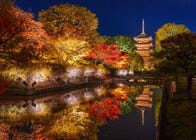
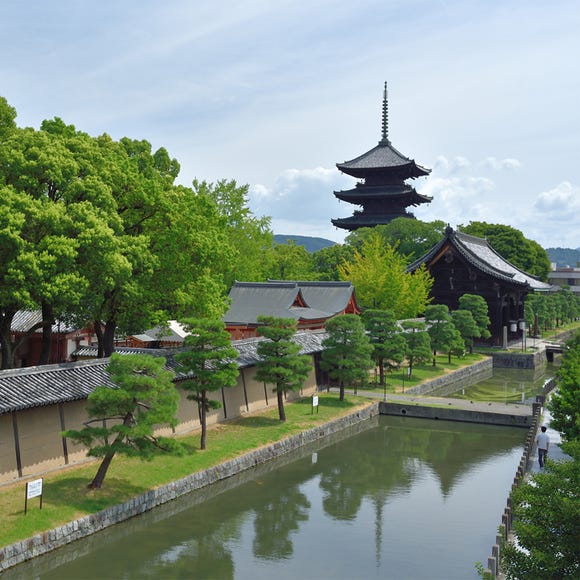
Eikan-do and Kiyomizu-dera are among the most famous, while Kodai-ji, To-ji, Shoren-in, and Chion-in are also popular choices. Each offers a different atmosphere, from illuminated maple gardens and pond reflections to dramatic views of pagodas and temple buildings after dark.
However, don’t assume nighttime automatically means fewer people. The most popular illuminations can still attract substantial crowds, particularly around peak foliage.
Instead, treat an illumination as the focal point of your evening and plan your daytime sightseeing around the same part of Kyoto. For example, Kodai-ji, Kiyomizu-dera, Shoren-in, and Chion-in can all pair naturally with a day exploring Gion and Higashiyama, while To-ji works well with sightseeing around Kyoto Station.
This approach gives you time to have dinner or take a break nearby before the illumination, rather than crossing Kyoto during the evening rush.
Schedules vary each year, so check the latest dates, opening hours, admission fees, and whether reservations are required before visiting.
9. Want a Quieter Side of Kyoto? Head to Kyoto by the Sea

There is another way to escape central Kyoto’s peak-season bustle: leave the city altogether.
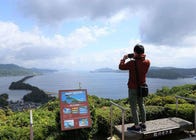
Kyoto Prefecture stretches north to the Sea of Japan, where the region known as Kyoto by the Sea includes coastal scenery, mountains, temples, fishing communities, and rural landscapes.
The famous Amanohashidate sandbar is the best-known attraction, but autumn travelers can combine it with places such as Nariai-ji Temple, located in the mountains overlooking Amanohashidate. Its temple scenery and autumn colors provide a striking contrast to the coastal landscape below.
Farther east, Kongo-in Temple in Maizuru is another attractive autumn stop, with its historic three-story pagoda surrounded by colorful trees.
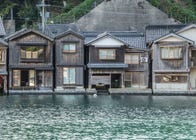
Travelers staying overnight can also continue along the coast to Ine, famous for its funaya boathouses lining the bay. Ine is not primarily a foliage destination, but that’s part of the appeal: it allows you to combine the season’s colors with a much quieter, more rural side of Kyoto.
This is better suited to travelers with at least an extra day than to those on a short first visit to Kyoto City, but it can be especially rewarding for repeat visitors looking beyond the usual temple circuit.

10. Check the Weather, but Pack Light

Kyoto’s autumn weather changes considerably between September and November, and there can also be a noticeable difference between sunny afternoons and cooler evenings.
Layers are generally more practical than carrying one very heavy item, particularly when your day involves lots of walking, train travel, and moving between indoor and outdoor attractions.
During peak leaf-viewing, a long-sleeved shirt and a thicker sweater can be ample earlier in November, while adding a jacket to your layers will serve you well from mid-month onward.
Warm pants and skirts with tights are in order, and gloves, scarves, and hats can be welcome additions, just in case.
Mountain areas such as Kurama, Kibune, and Ohara can also feel cooler than central Kyoto, while nighttime illuminations may keep you outdoors well after sunset.
Tip: Prepare for direct sunlight
Kyoto’s peak autumn season frequently brings clear, cloudless skies, meaning you will spend a lot of time in direct sunlight while viewing the foliage. Because the crisp fall air can easily mask the sun’s intensity, it is essential to pack a trusty hat, sunglasses, sunscreen, aftersun lotion, and plenty of water and snacks for your daily outdoor excursions.
11. Renting a Kimono or Yukata? Book Early to Beat the Crowds

Autumn is arguably the most popular season for visitors to dress up in traditional Japanese clothing while exploring Kyoto’s historic districts. Because of the sheer volume of tourists arriving for the foliage season, rental shops book up incredibly fast. If you wait until you arrive to find a shop, you risk long wait times, limited style selection, or being turned away entirely as a walk-in. To secure the exact outfit and time slot you want, reserve your rental weeks—if not months—in advance.
Tip: Dress for the season. Keep in mind that as the weather cools in November, shops transition from lightweight summer yukata to standard kimono featuring heavier fabrics, warm underlayers, and optional accessories such as haori (jackets) or shawls. Be sure to check your chosen rental shop’s seasonal offerings when booking so you stay comfortable in the crisp autumn air.

12. Final Tips for Planning Your Kyoto Autumn Trip
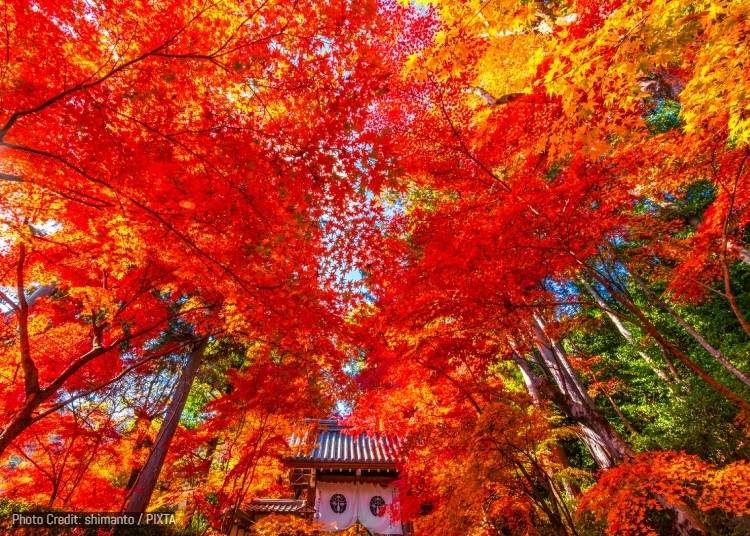
Choose a few priorities, group your sightseeing by area, travel by rail where possible, and leave room for seasonal experiences such as an evening illumination, a scenic train journey, a mountain walk, or a leisurely autumn meal.
First-time visitors will probably want to keep most of their itinerary within Kyoto City. Those with additional time can head to Kurama, Kibune, Ohara, or Takao for a more mountainous side of the city, while a trip north through Kyoto Prefecture to Kyoto by the Sea offers an even bigger change of pace.
Most importantly, stay flexible. Foliage conditions, weather, events, and crowds change throughout the season, and sometimes the best autumn experience comes from adjusting your plans rather than chasing one supposedly perfect spot.



The LIVE JAPAN editorial team is a multinational group made up of native editors who have lived in Japan for over five years and Japanese editors who love to travel. Together, we share the best of Japan, offering cultural insights, historical context, event updates, and travel-friendly deals, to support your journey every step of the way.
- Area
- Category
*Prices and options mentioned are subject to change.
*Unless stated otherwise, all prices include tax.

Popular Tours & Activities
Recommended places for you
-
To-ji Temple
Temples
Kyoto Station, To-ji Temple
-
Goods
Yoshida Gennojo-Roho Kyoto Buddhist Altars
Gift Shops
Nijo Castle, Kyoto Imperial Palace
-
Abeno Harukas
Landmarks
Shinsekai, Tennouji, Tsuruhashi
-
ISHIDAYA Hanare
Yakiniku
Kobe, Sannomiya, Kitano
-
Jukuseiniku-to Namamottsuarera Nikubaru Italian Nikutaria Sannomiya
Izakaya
Kobe, Sannomiya, Kitano
-
Yodobashi Camera Multimedia Umeda Store
Shopping Malls
Umeda, Osaka Station, Kitashinchi
-
Ad
New Destination! UNIQLO's New Global Flagship Store Comes to Kyoto in November 2026
-
5 Gorgeous Limited-Edition Goshuin Coming to Kobe’s Ikuta Shrine This September 2026
by: Wemmy Chau
-
How to Ride Trains Like a Local in Kansai: Etiquette, Railway Culture & Historic Stops
by: Guest Contributor
-
Top-Booked in Japan: Must-Try Sushi in Osaka for First-Time Visitors
by: Guest Contributor
-
Kansai Hidden Gem: Step Into a Real-Life Shangri-La at MIHO MUSEUM, I.M. Pei's Stunning Mountain Masterpiece
by: Wemmy Chau
-
Travel Hands-Free from Kansai Airport (KIX) with Yamato Transport’s New Counter
by: Guest Contributor
Inspiration for Accommodations
-
Kichijoji – Explore Tokyo’s Top-Rated Stylish Suburb in Half a Day!
-

Tennoji Zoo Guide: Exploring Osaka's 100-Year-Old Wildlife Park
by: Guest Contributor
-
5 Popular Shops and Gift Ideas Along Arashiyama Shopping Street
-
Osaka Weather & Best Time to Visit: If You Can't Come Now, When Should You?
-
Autumn From the Water: Here's Where to Enjoy Kansai's Blazing Foliage by Boat
by: Himanshi Shah
-
Visiting Kobe in Autumn: Local Shares What to Wear, Weather & Travel Advice
by: WESTPLAN
- #best gourmet Osaka
- #things to do Osaka
- #what to do in kyoto
- #what to bring to japan
- #best gourmet Kyoto
- #new years in Osaka
- #what to buy in nanba
- #Visiting Osaka
- #onsen tattoo friendly arima
- #daiso
- #Visiting Kyoto
- #best japanese soft drinks
- #japanese fashion culture
- #japanese convenience store snacks
- #japanese nail trends