



25 Best Things to Do in Hokkaido, Japan: Seasonal Experiences & Must-See Places
- Written by: Minna no Kotoba Sha
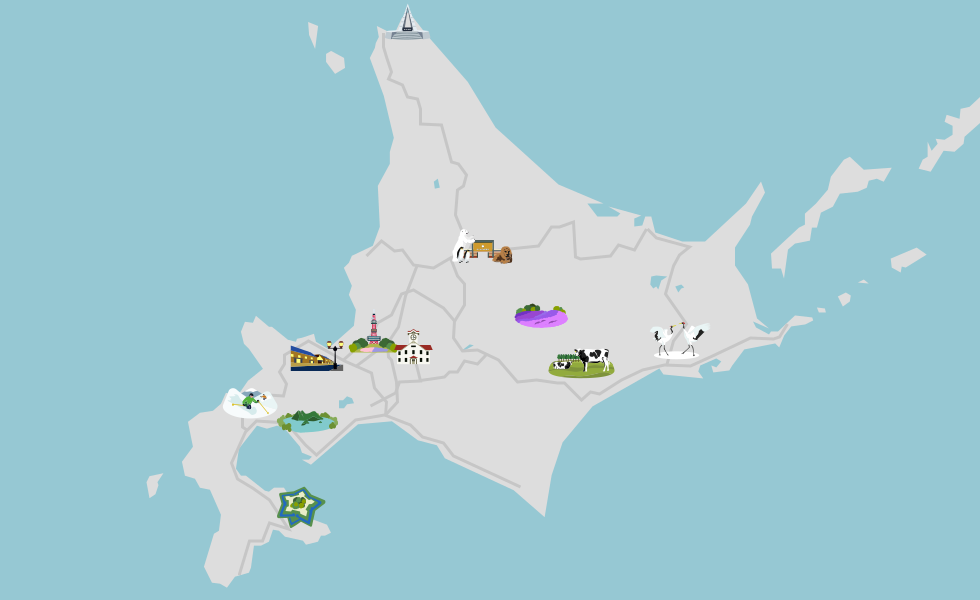
From skiing through some of Japan’s fluffiest powder snow to strolling through lavender fields and feasting on freshly caught seafood, Hokkaido is packed with experiences you won’t find anywhere else in Japan.
But Japan’s northernmost main island is enormous, and what you can see and do changes dramatically with the seasons. Winter brings snow festivals, frozen lakes, and outdoor hot springs, while spring and summer are perfect for flowers, outdoor adventures, and farm-fresh treats. Come autumn, the mountains and forests put on a spectacular show of color.
Whether you’re planning your first trip to Hokkaido or looking for something new to experience, here are 25 unforgettable things to do, along with the best times to visit, recommended destinations, and tips to help you plan your adventure.
When is the best time to visit Hokkaido?
There’s no single best season to visit Hokkaido. It depends on what you want to experience. Here’s a quick guide to help you choose.
Winter (December–March)
Powder skiing, snow festivals, drift ice, snow-viewing onsen, smelt fishing
Spring (April–May)
Cherry blossoms, moss phlox, horse farms, fresh seasonal seafood
Summer (June–August)
Lavender fields, rafting, melons, dairy treats, mountain scenery
Fall (September–November)
Autumn foliage, scenic drives, coral grass, mountain ropeways, hot springs
These are typical seasonal windows, not guaranteed opening or peak dates. Snowfall, flower blooms, and autumn colors vary by year and location.

25 unforgettable things to do in Hokkaido
1. Ski through Hokkaido’s famous powder snow in Niseko, Rusutsu, or Furano
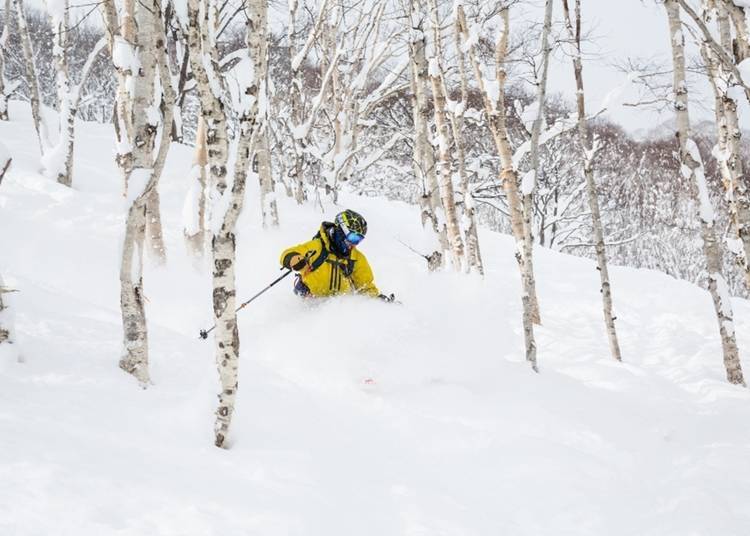
Hokkaido is one of Japan’s top skiing destinations, famous for the light, dry powder snow that draws skiers and snowboarders from around the world. If you’ve ever wanted to experience the legendary Japow, this is the place!
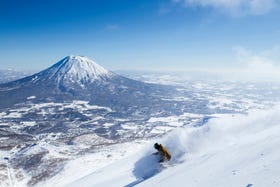
Niseko is the best-known destination, with four major ski areas, a lively international atmosphere, and plenty of accommodation and dining options. Nearby Rusutsu offers three mountains with varied terrain and beautiful forest runs, while Furano is another favorite for its mountain scenery and excellent snow.
Beginners needn’t miss out either. Many resorts offer lessons in English, rental equipment, and gentle slopes, so you don’t need to arrive with your own gear.
Best time: December–March, with January and February generally favored for powder conditions.
Travel tip: If you’re staying in Sapporo, consider a day trip to a nearby ski resort rather than traveling all the way to Niseko. For a longer skiing holiday, staying at the resort will give you more time on the slopes.
-

-
Address
Nakagoryo, Furano-shi, Hokkaido, 076-8511, 076-8511
View Map -
Nearest Station
Furano Station (Nemuro Main Line / Furano Line)
- Phone Number 0167-22-1111
-
Address
Nakagoryo, Furano-shi, Hokkaido, 076-8511, 076-8511
-
-
Address
9-1, Niseko Hirafu 1-jo 2-chome, Kutchan-cho, Abuta-gun, Hokkaido 044-0080 Japan, 044-0080
View Map -
Nearest Station
Kutchan Station (Hakodate Main Line)
- Phone Number 0136-22-0109
-
Address
9-1, Niseko Hirafu 1-jo 2-chome, Kutchan-cho, Abuta-gun, Hokkaido 044-0080 Japan, 044-0080

2. Marvel at giant snow sculptures at the Sapporo Snow Festival
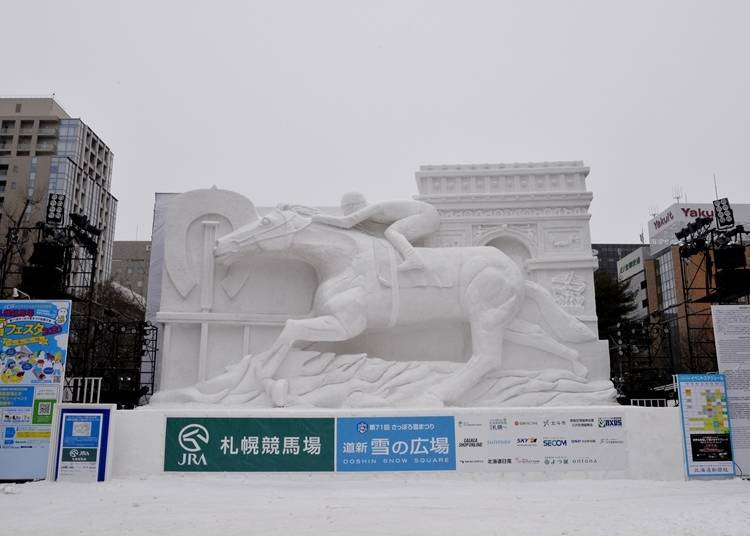
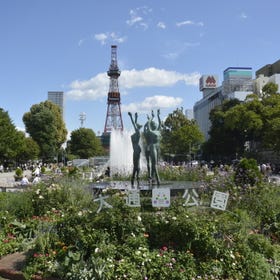
Every February, central Sapporo transforms into a winter wonderland filled with enormous snow sculptures, intricate ice carvings, and festive illuminations.
The Sapporo Snow Festival is one of Hokkaido’s biggest annual events. Its main Odori Park venue features towering sculptures, some several stories high, while the Susukino area showcases beautifully carved ice creations. The Tsudome venue typically offers family-friendly snow activities.
The sculptures are impressive during the day, but visiting after dark adds another dimension, with illuminated displays creating a completely different atmosphere.
Best time: Early February.
Travel tip: Stay near Sapporo Station, Odori, or Susukino for convenient access. Hotels can fill quickly during the festival, so book well ahead.

-
Appealing

-
Address
Odorinishi, Chuo-ku, Sapporo-shi, Hokkaido 1-12 chome, 060-0042
View Map -
Nearest Station
Nishi hatchome Station (Sapporo Streetcar Yamahana Line)
- Phone Number 011-251-0438
-
Address
Odorinishi, Chuo-ku, Sapporo-shi, Hokkaido 1-12 chome, 060-0042
3. Walk on drifting sea ice in Shiretoko
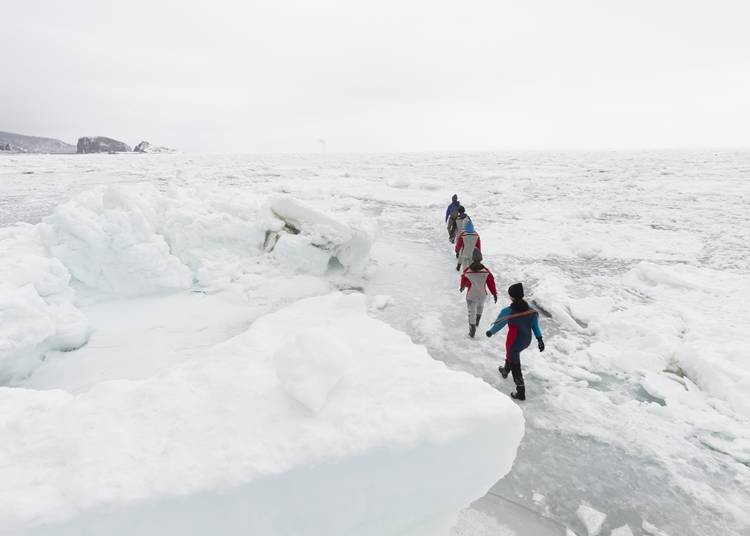
One of Hokkaido’s most extraordinary winter experiences takes place along the Sea of Okhotsk, where enormous sheets of drifting ice travel south from colder northern waters.
Around the Shiretoko Peninsula, visitors can join guided drift ice walks, wearing specialized insulated suits to explore the frozen seascape. Depending on the conditions, you might find yourself walking across the ice or floating among the ice floes!
The experience is unlike typical winter sightseeing in Japan, but it depends entirely on the weather and sea ice conditions. Tours may be canceled when conditions are unsafe or insufficient ice is present.
Best time: February–March, depending on drift ice conditions.
Travel tip: Stay in Utoro or another suitable base on the Shiretoko Peninsula. This is not a practical day trip from Sapporo, so allow at least one overnight stay and preferably more.

4. Discover Hokkaido’s magical winter phenomena
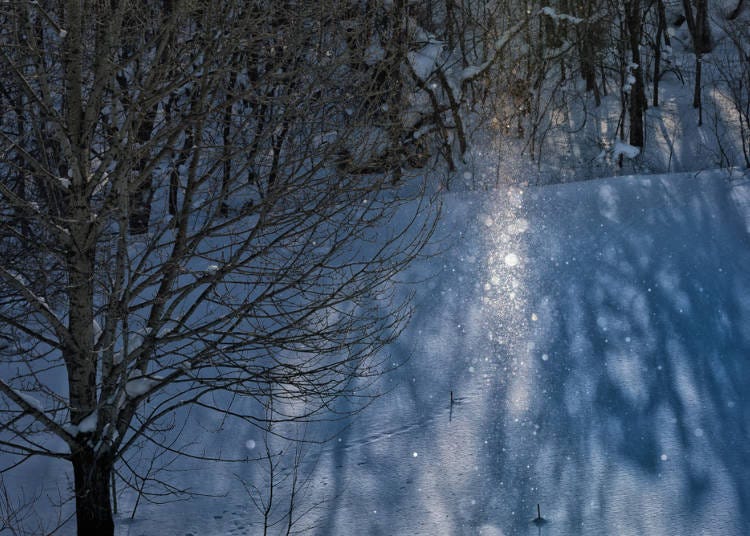
Hokkaido’s freezing winter temperatures create some remarkable natural spectacles, from glittering ice crystals floating in the air to trees coated in delicate frost.
On especially cold mornings, you might witness diamond dust, tiny ice crystals sparkling in the sunlight. Other phenomena include sun pillars, columns of light formed by reflections from ice crystals, and rime ice, which coats trees and vegetation in white.
These displays are particularly associated with cold inland areas such as Biei, Furano, and parts of eastern Hokkaido. Seeing them requires a combination of temperature, humidity, sunlight, and a little luck.
Best time: January–February, especially on very cold, clear mornings.
Travel tip: These are natural phenomena rather than scheduled attractions. Dress for extreme cold and avoid planning an entire trip around a guaranteed sighting.

5. Try ice fishing for wakasagi smelt
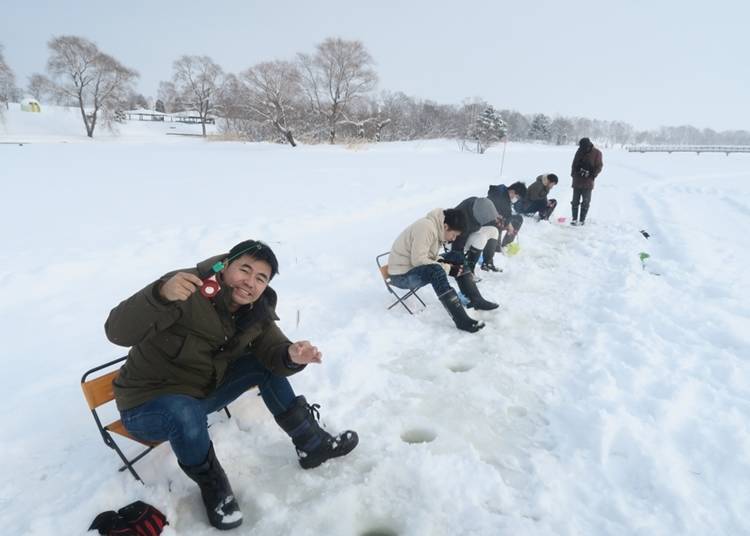
Ever wondered what it’s like to fish through a hole in a frozen lake? In Hokkaido, wakasagi (Japanese pond smelt) fishing is a popular winter pastime, and beginners can join guided experiences without bringing their own equipment.
Once the ice is thick enough, fishing areas open on suitable lakes and ponds. Participants sit in tents or sheltered spaces, drop their fishing lines into the water, and wait for the tiny fish to bite.
Some organized experiences even let you have your catch prepared as tempura afterward, turning a winter activity into a memorable meal.
Best time: January–March, depending on ice conditions.
Travel tip: Choose a professionally operated fishing venue. Not all lakes freeze sufficiently for safe access, and some fishing locations operate from boats or platforms instead of directly on the ice.
6. Soak in a snowy outdoor onsen in Noboribetsu or Jozankei
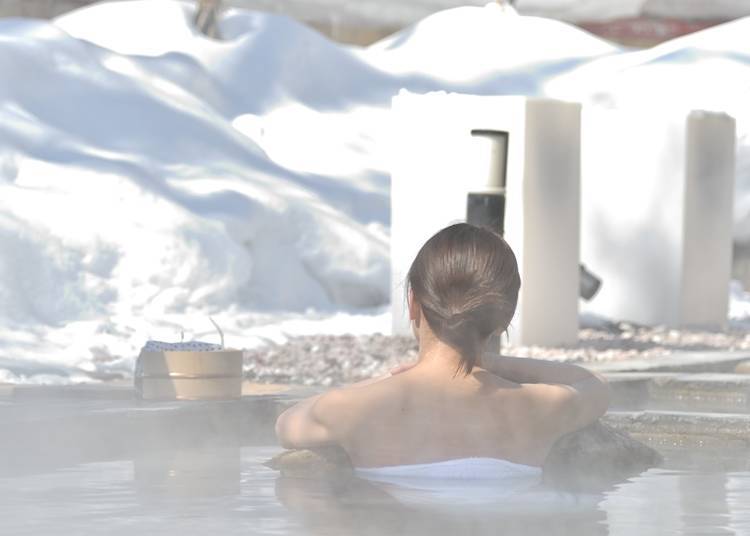
Few things feel better after a day in Hokkaido’s winter cold than slipping into a steaming outdoor hot spring bath while snow falls around you.
Hokkaido has hot spring destinations throughout the island, but two particularly convenient choices for first-time visitors are Noboribetsu Onsen and Jozankei Onsen.
Noboribetsu is famous for its mineral-rich hot springs and dramatic volcanic landscape, while Jozankei offers a relaxing mountain escape within reach of Sapporo. Both have ryokan and hotels where guests can enjoy a traditional Japanese bathing experience.
Best time: Year-round, especially December–March for snowy scenery.
Travel tip: Many hotels offer day-use bathing, but admission times and tattoo policies vary. Check before visiting, particularly if you’re not staying overnight.

Accommodations with outdoor snow-viewing rotenburo baths:
-
 Noboribetsu Onsen Dai-ichi Takimotokan登別温泉 第一滝本館
- Address 55 Noboribetsu Onsencho, Noboribetsu-shi, Hokkaido View Map
- Original source: Rakuten Travel
7. Feast on Hokkaido’s prized horsehair crab
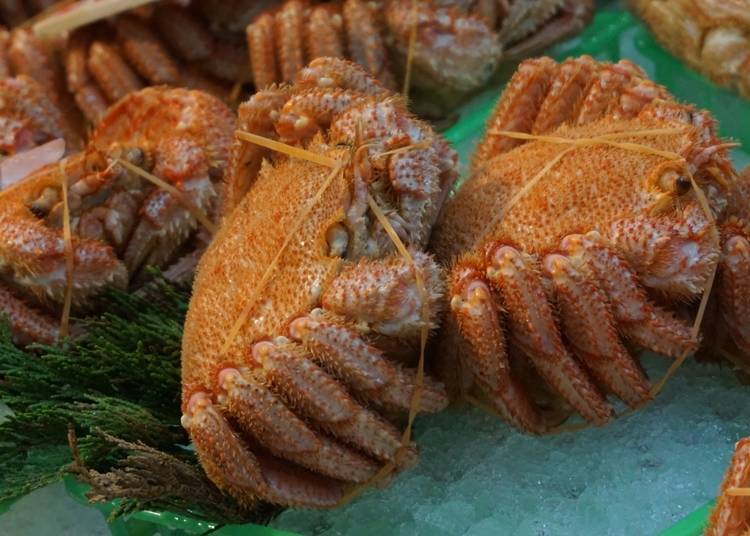
Hokkaido is famous for its seafood, and horsehair crab, known as kegani, is one delicacy worth seeking out.
Smaller than the enormous king crabs often featured in seafood displays, horsehair crabs are prized for their delicate, sweet meat and rich kani miso, the flavorful paste found inside the shell.
One especially celebrated seasonal catch is umiake kegani, landed in the Sea of Okhotsk region after the drift ice retreats in spring. The crab is delicious simply boiled, allowing its natural flavor to shine.
Best time: March–April for the seasonal Okhotsk catch, although horsehair crab from different fishing grounds is available at other times of year.
Travel tip: Try a dedicated seafood restaurant or fish market where the origin and price are clearly displayed. Prices can vary substantially depending on the catch, size, and season.
8. Meet Hokkaido’s adorable young horses in Hidaka
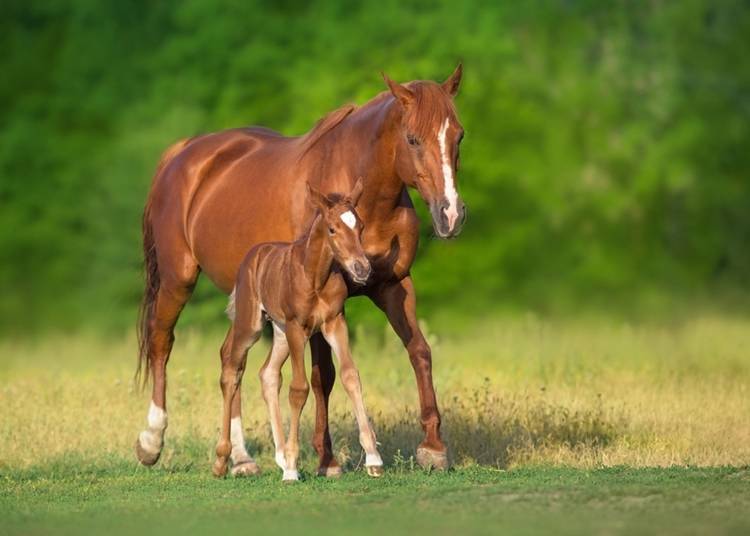
Hokkaido is home to much of Japan’s thoroughbred breeding industry, particularly around the Hidaka region on the island’s southern coast.
In spring, the area’s horse farms welcome a new generation of foals, known locally as tonekko. Seeing these young horses exploring the pastures alongside their mothers is a charming glimpse into a lesser-known side of Hokkaido.
Shizunai, Urakawa, and nearby communities are especially associated with horse breeding. However, many breeding farms are private facilities and do not permit casual sightseeing.
Best time: Spring, particularly April–May.
Travel tip: Visit an officially designated viewing facility or book an organized horse-related experience. Never enter private farmland or stop along busy roads to photograph horses.

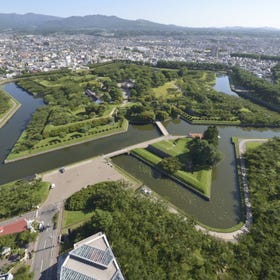
9. See cherry blossoms surrounding Hakodate’s star-shaped Goryokaku Fort
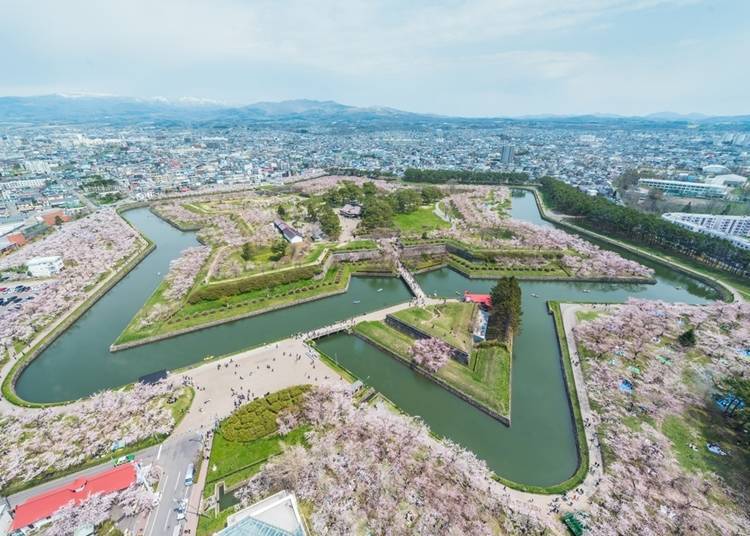
If you think cherry blossom season in Japan ends in early April, Hokkaido has a lovely surprise waiting for you!
In Hakodate, Goryokaku Park is one of the island’s most celebrated sakura spots. Thousands of cherry trees surround the historic star-shaped fortress, creating a spectacular ring of pink when viewed from above.
For the best perspective, head up Goryokaku Tower, where you can appreciate the fortress’s distinctive geometric design. The site also has historical significance, having played an important role in the final years of Japan’s samurai era.
Best time: Late April–early May, depending on the year’s bloom forecast.
Travel tip: Combine Goryokaku with Hakodate’s Morning Market and the famous night view from Mount Hakodate for a full day of sightseeing.
-
Appealing
-
Address
44, Goryokakucho, Hakodate-shi, Hokkaido, 040-0001
View Map -
Nearest Station
Goryokaku-koen-mae Station (Hakodate Tram Line 2 / Hakodate Tram Line 5 )
- Phone Number 0138-57-7210
-
Address
44, Goryokakucho, Hakodate-shi, Hokkaido, 040-0001

10. Try Hokkaido’s famous jingisukan grilled lamb
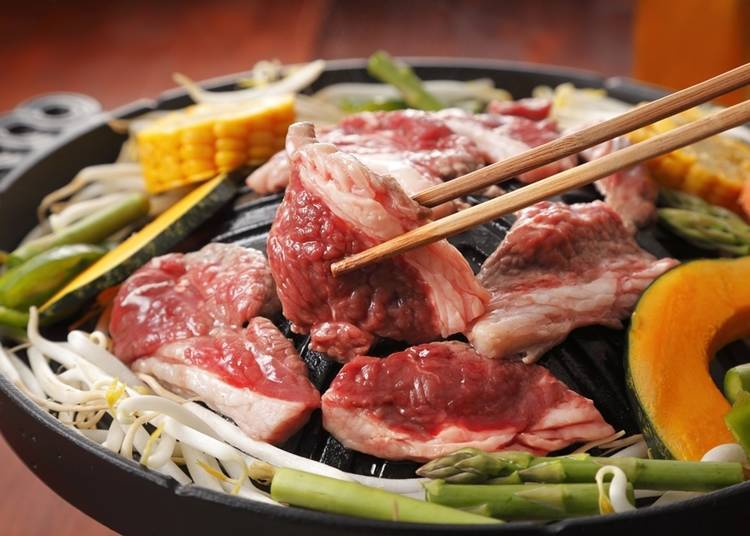
When it comes to Hokkaido comfort food, jingisukan is an experience you shouldn’t miss.
Named after Genghis Khan, this local specialty features lamb or mutton grilled with vegetables on a distinctive dome-shaped skillet. The meat is enjoyed with a flavorful sauce, and the sizzling, cook-it-yourself style makes it a fun meal to share with friends.
There are regional differences, too. In Sapporo, you’ll find restaurants serving meat with dipping sauces, while parts of Sorachi are particularly known for marinated lamb.
Best time: Year-round.
Travel tip: Sapporo is an easy place to try jingisukan, with restaurants ranging from casual local favorites to more elaborate all-you-can-eat establishments. Look for places offering individual sets if you’re dining alone.
11. Wander through brilliant pink moss phlox fields
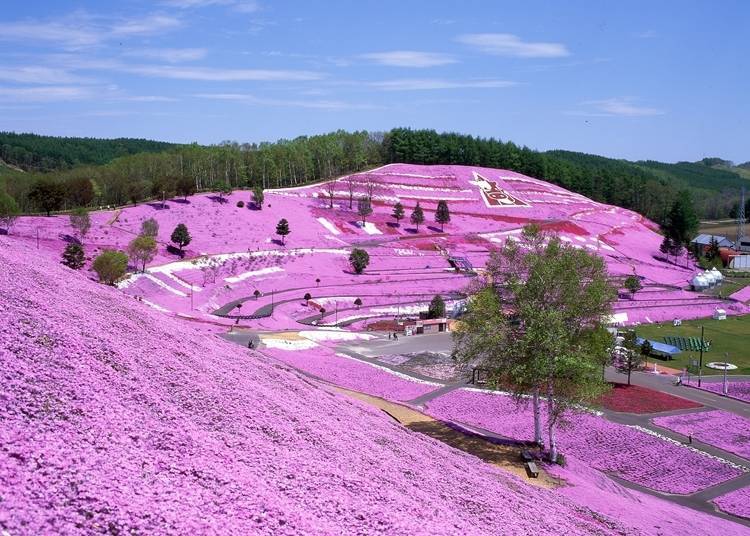
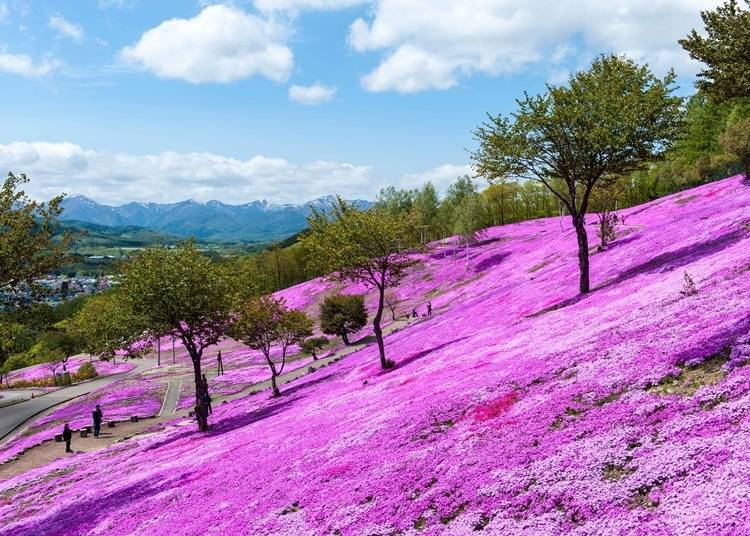
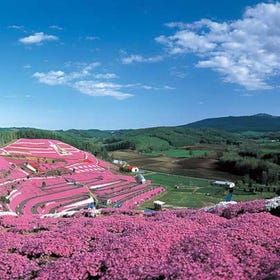
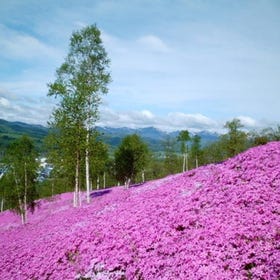
Hokkaido’s flower season doesn’t end with cherry blossoms. In May, enormous fields of shibazakura, or moss phlox, transform parts of the island into brilliant shades of pink, purple, and white.
Two of the most famous locations are Higashimokoto Shibazakura Park in Ozora and Shibazakura Takinoue Park in Takinoue. Both are known for hillsides covered in densely packed flowers, creating the appearance of a colorful carpet stretching across the landscape.
Unlike cherry trees, moss phlox grows close to the ground, making its sweeping patterns especially striking when viewed from higher paths and observation areas.
Best time: May–early June, depending on location and weather.
Travel tip: These parks are relatively remote, so a rental car or organized tour can make visiting considerably easier. Check the latest flowering reports before traveling.
-
-
Address
393, Higashimokotosuehiro, Ozora-cho, Abashiri-gun, Hokkaido, 099-3232
View Map -
Nearest Station
Bihoro Station (Sekihoku Main Line)
30 minutes by car
- Phone Number 0152-66-3111
-
Address
393, Higashimokotosuehiro, Ozora-cho, Abashiri-gun, Hokkaido, 099-3232
-
-
Address
Motomachi, Takinoue-cho, Monbetsu-gun, Hokkaido, 099-5604
View Map -
Nearest Station
Asahikawa Station (Soya Main Line / Hakodate Main Line / Furano Line)
- Phone Number 0158-29-2730
-
Address
Motomachi, Takinoue-cho, Monbetsu-gun, Hokkaido, 099-5604
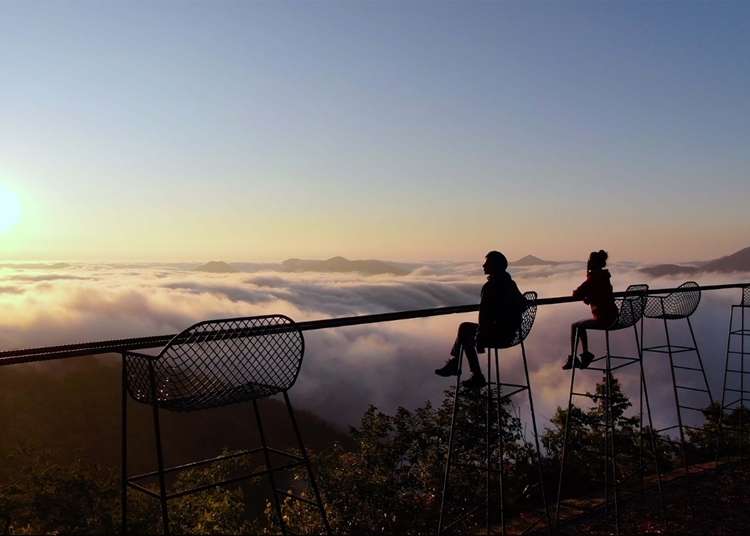
12. Watch a sea of clouds from Tomamu’s Unkai Terrace
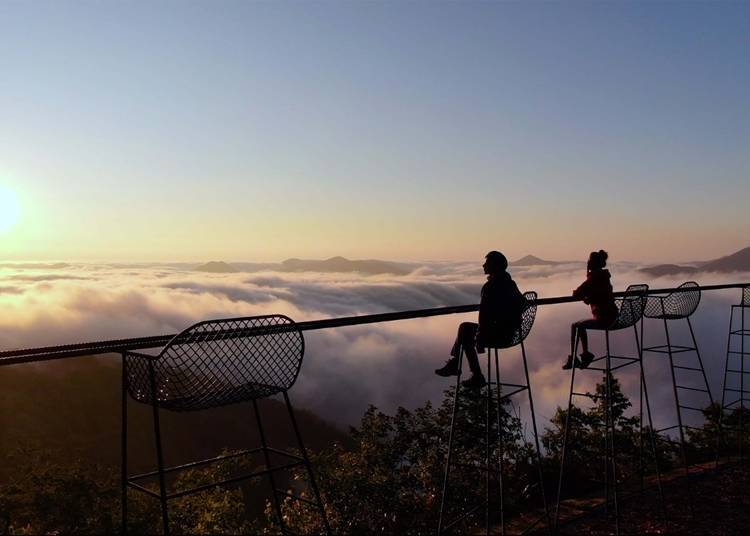
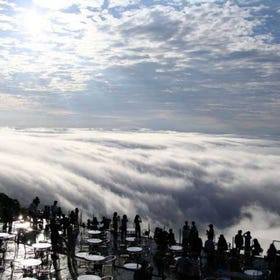
Imagine looking out over an ocean of clouds, with only the surrounding mountain peaks rising above the mist. That’s the remarkable view visitors hope to see at Tomamu’s Unkai Terrace.
Located high above the resort, the terrace is designed to showcase unkai, a natural phenomenon in which clouds or fog gather below the observer.
When conditions are right, the view is spectacular, especially in the soft light of early morning. Even without a full sea of clouds, the mountain scenery and observation facilities make the experience memorable.
Best time: Generally May–October, during the terrace’s seasonal operating period.
Travel tip: Unkai is weather-dependent, and early-morning access requires planning. Staying at Tomamu makes it much easier to reach the terrace during the best viewing hours.
-
-
Address
Nakatomamu, Shimukappu-mura, Yuufutsu-gun, Hokkaido, 079-2204
View Map -
Nearest Station
Tomamu Station (Sekisho Line)
5 minutes by bus
- Phone Number 0167-58-1111
-
Address
Nakatomamu, Shimukappu-mura, Yuufutsu-gun, Hokkaido, 079-2204
13. See Furano’s lavender fields in full bloom
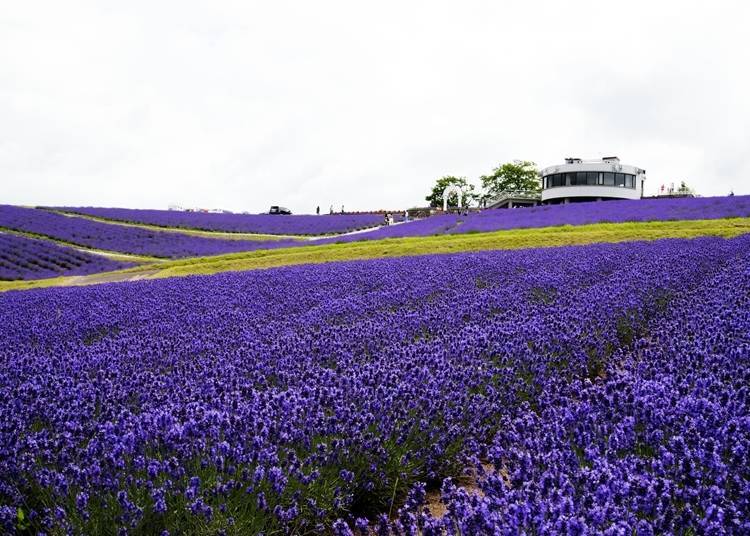
Few images capture Hokkaido’s summer quite like the purple lavender fields of Furano.
Around July, farms across the Furano area burst into color, with lavender blooming alongside rows of brightly colored seasonal flowers. One of the best-known destinations is Farm Tomita, where visitors can stroll through flower gardens, photograph the surrounding countryside, and sample lavender-flavored soft serve ice cream.
For another beautiful perspective, head to Hinode Park in Kamifurano, where the lavender fields are backed by views of the Tokachi mountain range.
Best time: July, although some varieties begin flowering in late June.
Travel tip: Lavender season is extremely popular. Visit early in the day when possible, and consider combining Furano with Biei’s rolling hills and Shirogane Blue Pond.
-
-
Address
15, Kisenkita, Nakafurano-cho, Hokkaido, 071-0704
View Map -
Nearest Station
Naka-Furano Station (Furano Line)
- Phone Number 0167-39-3939
-
Address
15, Kisenkita, Nakafurano-cho, Hokkaido, 071-0704
14. Taste sweet Yubari King melon in summer
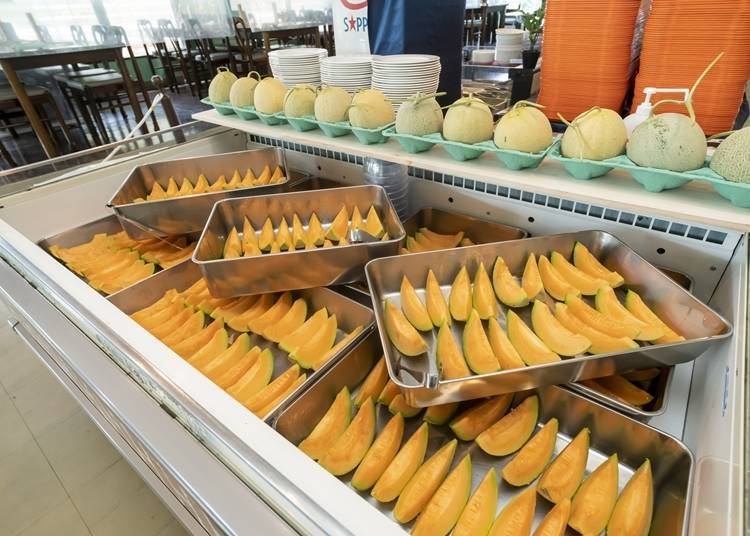
Hokkaido’s cool climate and agricultural heritage produce some exceptional fruit, but few varieties are as famous as Yubari King melon.
Grown in Yubari, these premium cantaloupes are known for their intensely sweet orange flesh, rich aroma, and juicy texture. Perfectly shaped specimens can command astonishing prices at ceremonial auctions, although ordinary retail fruit and melon desserts are far more accessible.
During summer, visitors can enjoy fresh melon slices, soft serve ice cream, and other seasonal treats. Some local facilities also offer melon-focused dining experiences, although their availability changes from year to year.
Best time: June–August.
Travel tip: You don’t necessarily need to visit Yubari to taste its famous melons. Fruit shops, department stores, and markets in Sapporo also sell them during the season.
15. Go whitewater rafting in Niseko or Furano
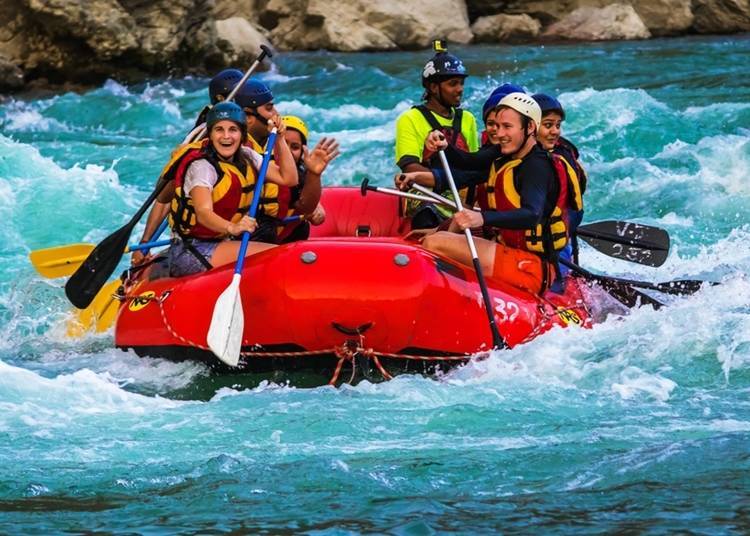
Hokkaido isn’t just about winter sports. When the snow melts, its rivers become playgrounds for whitewater rafting, kayaking, and other outdoor adventures.
The Shiribetsu River near Niseko is one of the most popular rafting destinations, with routes that vary in intensity depending on the season and water level. Spring snowmelt can bring stronger currents, while summer generally offers a more relaxed experience suitable for a wider range of participants.
Furano and the Sorachi River area are also popular choices, with beautiful scenery and organized experiences for beginners and families.
Best time: May–September, depending on the operator.
Travel tip: Book with a reputable guide and check age restrictions, swimming requirements, and the difficulty of the course. Some tours include transport from nearby accommodation or meeting points.

16. Treat yourself to Hokkaido’s famous dairy soft serve
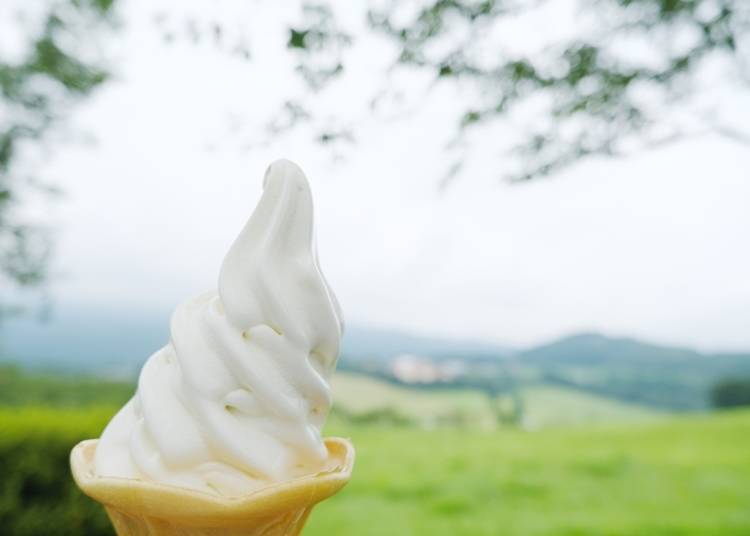
There’s something about Hokkaido’s rich, creamy milk that makes its soft serve ice cream especially hard to resist.
As one of Japan’s leading dairy-producing regions, Hokkaido has countless farms, cafés, and roadside stops serving soft serve made with local milk. Some offer classic milk flavor, while others get creative with lavender, melon, cheese, or seasonal ingredients.
Niseko, Furano, and Tokachi are particularly rewarding areas for dairy lovers, with scenic farm shops and cafés where you can enjoy your treat while admiring the countryside.
Best time: Year-round, although many farm shops operate seasonally.
Travel tip: Keep an eye out for roadside stations, known as michi-no-eki. Many sell regional dairy products and desserts, making them excellent stops during a Hokkaido road trip.
17. Meet penguins and polar bears at Asahiyama Zoo
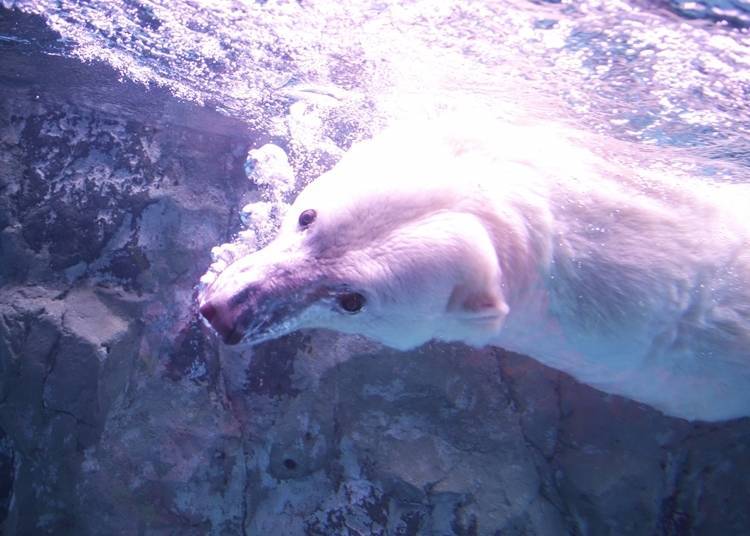
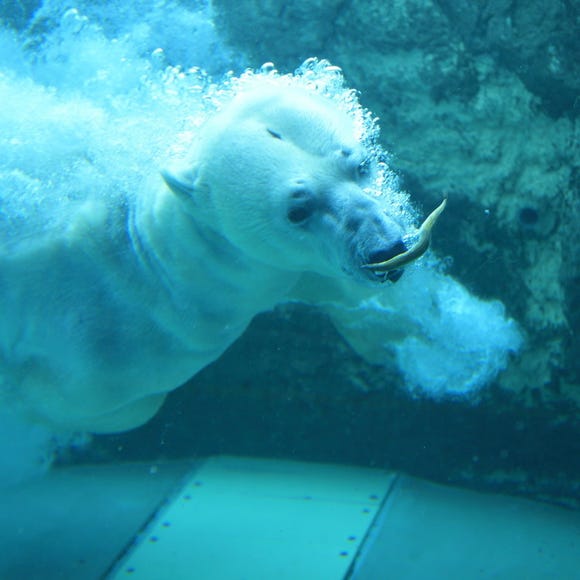
One of Hokkaido’s most popular family attractions, Asahiyama Zoo is famous for its innovative exhibits that encourage visitors to observe animals’ natural movements and behaviors.
Highlights include underwater viewing areas for seals and penguins, as well as exhibits featuring polar bears and other animals from cold climates.
Winter brings an extra-special attraction: the zoo’s famous penguin walks, held when snow and weather conditions permit. Watching the penguins waddle along a snowy path is a favorite experience for visitors of all ages.
Best time: Year-round, with winter particularly popular for the penguin walks.
Travel tip: Asahiyama Zoo is accessible by bus from Asahikawa Station. Check the seasonal opening calendar, as the zoo has temporary closures between its summer and winter operating periods.
-
Appealing
-
Address
Kuranuma, Higashiasahikawa-cho, Asahikawa-shi, Hokkaido, 078-8205
View Map -
Nearest Station
Kita-Hinode Station (Sekihoku Main Line)
- Phone Number 0166-36-1104
-
Address
Kuranuma, Higashiasahikawa-cho, Asahikawa-shi, Hokkaido, 078-8205
18. Build your own seafood bowl at a Hokkaido fish market
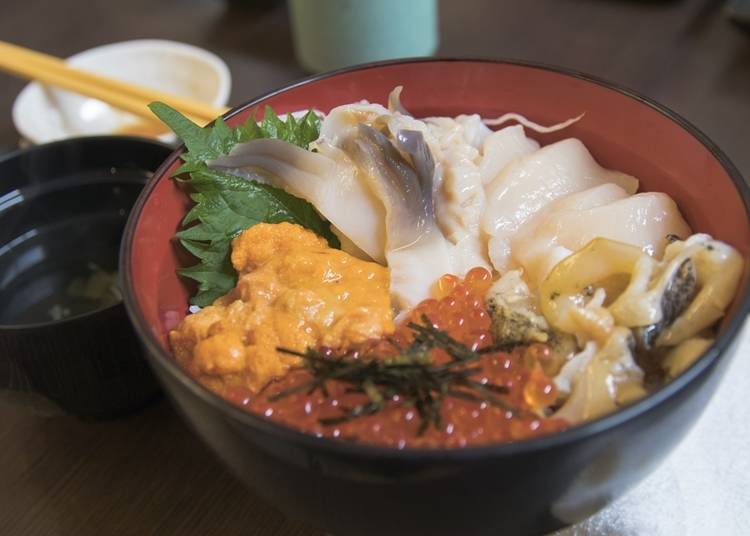
If there’s one thing Hokkaido does exceptionally well, it’s seafood. And one of the tastiest ways to experience it is with a colorful kaisendon, a rice bowl topped with fresh fish, shellfish, and other seafood.
Sapporo’s Nijo Market and Hakodate’s Morning Market are popular places to sample seafood bowls, but Kushiro’s Washo Market offers something a little different.
Here, you can try katte-don, a build-your-own seafood bowl. Start with rice, then browse the seafood stalls and select your favorite toppings, from salmon and tuna to scallops and salmon roe.
Best time: Year-round, with seafood varieties changing seasonally.
Travel tip: Market seafood bowls can be surprisingly expensive depending on the toppings you choose. Check individual prices before ordering, especially for premium ingredients such as sea urchin and crab.
19. Drive along Shiretoko’s famous Road to the Sky
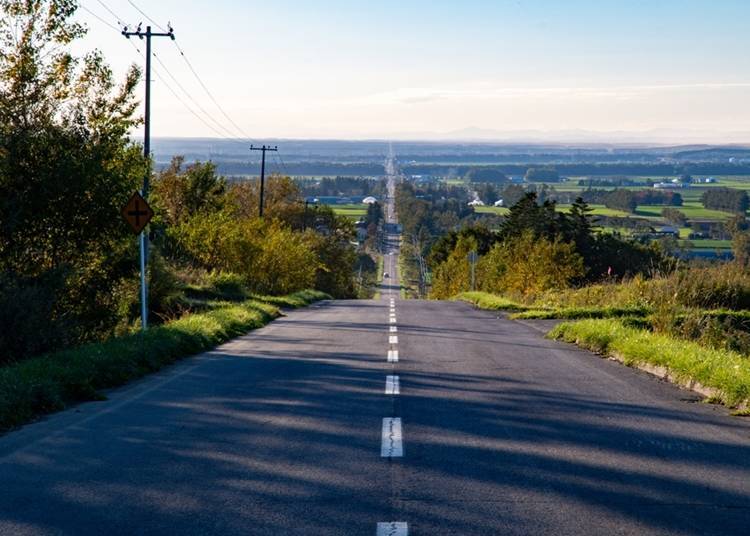
Hokkaido’s wide-open landscapes make it one of Japan’s most enjoyable destinations for a road trip, and few drives are more memorable than the aptly named Road to the Sky.
Known in Japanese as Ten ni Tsuzuku Michi, this long, straight stretch of road near Shari appears to continue endlessly toward the horizon.
The illusion is especially striking from designated viewpoints, where the road seems to rise into the sky. On clear days, the surrounding fields and distant scenery add to the experience.
Best time: Spring–fall, particularly on clear days.
Travel tip: This attraction is best visited by rental car. Use designated stopping areas for photography, and never stand in the roadway to take pictures.
20. Ride the Kurodake Ropeway above Hokkaido’s autumn colors
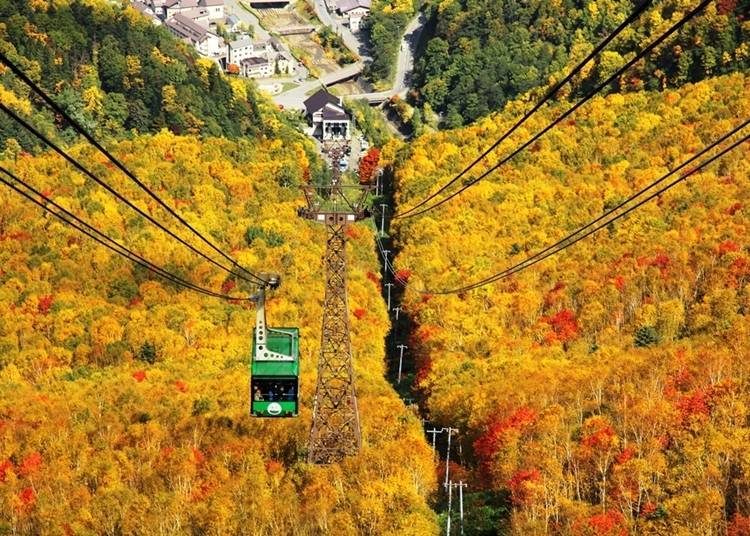
Hokkaido is one of the first places in Japan to welcome autumn colors, and the mountains of Daisetsuzan National Park often begin changing color while much of the country is still enjoying summer temperatures.
One of the best places to experience this early foliage is Mount Kurodake, near Sounkyo Onsen.
The Kurodake Ropeway carries visitors up the mountainside, offering sweeping views of forests that turn brilliant shades of red, orange, and yellow. Depending on seasonal operations, a chairlift continues farther up the mountain toward the hiking trails.
Best time: September–early October, with higher elevations changing color first.
Travel tip: Mountain weather can change quickly, and temperatures at the upper stations are much colder than in Asahikawa. Bring a warm jacket, even if it’s still relatively mild in the city.
-
-
Address
Sounkyo, Kamikawa-cho, Kamikawa-gun, Hokkaido, 078-1701
View Map -
Nearest Station
Kamikawa Station (Sekihoku Main Line)
- Phone Number 01658-5-3031
-
Address
Sounkyo, Kamikawa-cho, Kamikawa-gun, Hokkaido, 078-1701


21. See Lake Notoro’s brilliant red coral grass
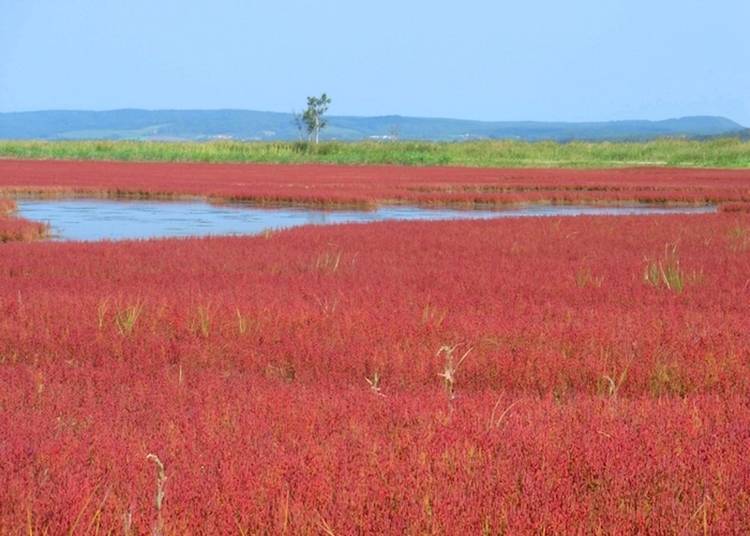
Hokkaido’s autumn colors aren’t limited to the trees. Near Abashiri, the shores of Lake Notoro transform into a striking carpet of red as sango-so, commonly called coral grass, changes color.
Despite its name, coral grass isn’t marine coral. It’s a salt-tolerant coastal plant whose fleshy stems turn vivid red toward the end of summer.
The Ubaranai area of Lake Notoro is especially well known for this unusual landscape, with designated paths and viewing areas allowing visitors to admire the plants without disturbing their fragile habitat.
Best time: September, although coloring can begin in late August.
Travel tip: The intensity and extent of the red coloring vary by year. Check local sightseeing updates before making a special trip.
22. Spot Hokkaido’s adorable Ezo red foxes
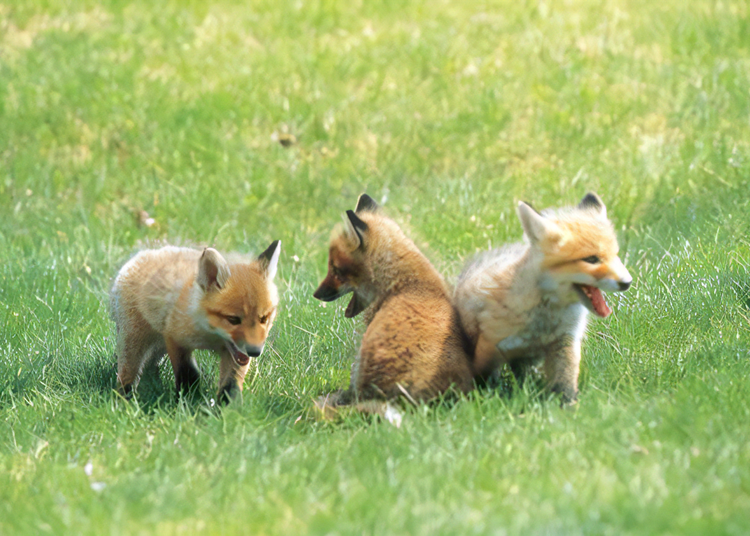
With their pointed ears, fluffy tails, and curious expressions, Hokkaido’s Ezo red foxes are among the island’s most recognizable animals.
These foxes live throughout Hokkaido and can sometimes be spotted along rural roads, in fields, or near forested areas. Their reddish coats are particularly beautiful against the snowy winter landscape.
For visitors hoping to see foxes more reliably, the Kitakitsune Fox Farm in the Kitami area is a well-known facility where foxes can be observed within a managed environment.
Best time: Year-round.
Travel tip: Never feed, touch, or approach wild foxes. In addition to risks from traffic and habituation to humans, wild foxes may carry parasites such as Echinococcus. Observe them from a safe distance.
23. Drive through spectacular autumn foliage at Mikuni Pass
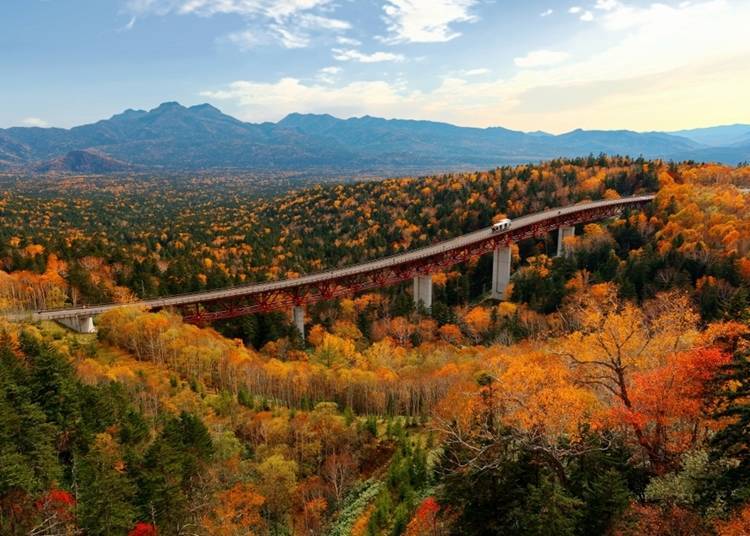
For a truly memorable autumn road trip, head into the mountains of Daisetsuzan National Park and follow the winding road toward Mikuni Pass.
At approximately 1,139 meters above sea level, Mikuni Pass is the highest national highway pass in Hokkaido. Its elevated viewpoints reveal a seemingly endless forest stretching across the mountains and valleys below.
The scenery is beautiful throughout the warmer months, but fall is particularly spectacular, when the forest turns into a patchwork of yellow, orange, and red.
One of the most recognizable sights is Matsumi Bridge, which curves gracefully through the forested valley below the viewpoint.
Best time: Late September–early October for autumn colors, depending on elevation and weather.
Travel tip: This is a destination for travelers with a rental car. Mountain roads can be affected by snow and ice outside the main sightseeing season, so check conditions before driving.
24. Explore Noboribetsu’s steaming Jigokudani Hell Valley
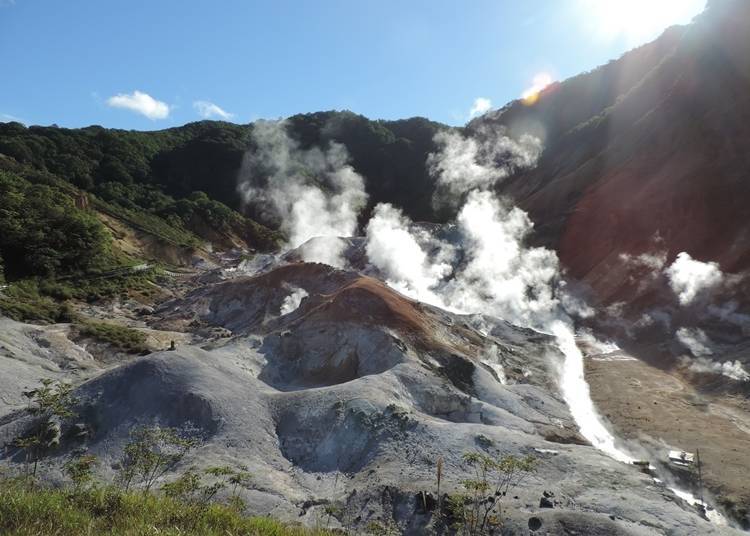
If you’re looking for a Hokkaido landscape that feels almost otherworldly, Noboribetsu’s Jigokudani, or Hell Valley, deserves a place on your itinerary.
This dramatic volcanic valley is filled with steaming vents, bubbling hot water, and mineral-stained rocks, creating an atmosphere that looks like something from another planet.
The geothermal activity supplies the hot spring waters for nearby Noboribetsu Onsen, one of Hokkaido’s best-known hot spring towns.
Visitors can follow designated walking paths and observation areas to appreciate the scenery up close. Some routes also lead toward other geothermal attractions, although access can change due to weather or volcanic conditions.
Best time: Year-round.
Travel tip: Noboribetsu makes an excellent overnight stop between Sapporo and Hakodate. Pair a walk through Hell Valley with a relaxing soak at a local onsen.
-
-
Address
Noboribetsuonsencho, Noboribetsu-shi, Hokkaido, 059-0551
View Map -
Nearest Station
Tomiura Station (Muroran Main Line)
- Phone Number 0143-84-3311
-
Address
Noboribetsuonsencho, Noboribetsu-shi, Hokkaido, 059-0551
25. Taste Hokkaido’s three famous styles of ramen
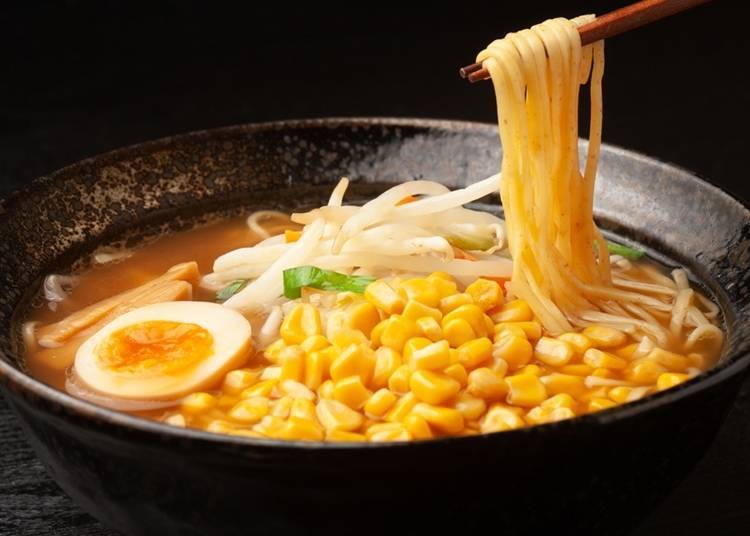
Hokkaido is one of Japan’s great ramen destinations, with regional varieties that reflect the island’s climate, ingredients, and local food culture.
Three styles are especially famous: Sapporo's miso ramen, Asahikawa shoyu soy sauce ramen, and Hakodate shio ramen.
Sapporo’s rich miso-based broth is particularly satisfying on a cold winter day, often served with stir-fried vegetables and sometimes topped with butter or corn. Asahikawa’s soy sauce ramen is known for its savory broth, frequently combining seafood and meat-based stocks, while Hakodate’s salt ramen is generally lighter, with a clear, delicate soup.
Best time: Year-round.
Travel tip: If you’re visiting all three cities, try their signature styles in their respective hometowns. It’s a delicious way to discover the regional differences that make Hokkaido’s food culture so interesting.
How to plan your Hokkaido itinerary
Hokkaido is much larger than many first-time visitors expect. Attractions that look relatively close on a map can be several hours apart, and some of the island’s most beautiful destinations have limited public transportation.
Rather than trying to see everything in one trip, it’s usually better to choose one or two regions and build your itinerary around the season.
- Sapporo
- Snow Festival, ramen, jingisukan, seafood markets, Jozankei Onsen
Suggested stay: 2–3 nights
- Niseko
- Skiing, rafting, hot springs, dairy treats
Suggested stay: 2–4 nights
- Noboribetsu
- Hell Valley, hot springs, nearby Lake Toya
Suggested stay: 1–2 nights
There’s always another reason to visit Hokkaido
From walking among drift ice in Shiretoko to tasting freshly picked melon in summer or watching the first autumn colors spread across Daisetsuzan, Hokkaido offers a completely different experience with every season.
The trick is choosing the right destinations for your travel dates and allowing enough time to enjoy them. Whether you’re planning a short Sapporo getaway or a longer adventure across the island, these 25 experiences are a great starting point for discovering what makes Hokkaido so special.


Minna no Kotoba Sha is a production company founded by an editor with extensive experience in editing local magazines in Sapporo. For over 20 years, our team has conducted research and written articles across Hokkaido, with Sapporo as our primary hub. Our diverse portfolio includes the production of various books such as travel guides, informational magazines, and collections showcasing the picturesque landscapes of Hokkaido. Comprised entirely of women, the team at Minna no Kotoba Sha boasts diverse interests, including a passion for travel, culinary delights, and alcoholic beverages. The scope of our communication efforts spans a wide range, covering everything from introducing notable restaurants to providing coverage of local events and sharing stories of leisure experiences.
- Area
- Category
*Prices and options mentioned are subject to change.
*Unless stated otherwise, all prices include tax.
Popular Tours & Activities
Recommended places for you
-
Sapporo Clock Tower
Landmarks
Sapporo / Chitose
-
Appealing
Asahiyama Zoo
Zoos, Aquariums & Botanical Gardens
Asahikawa
-
Appealing
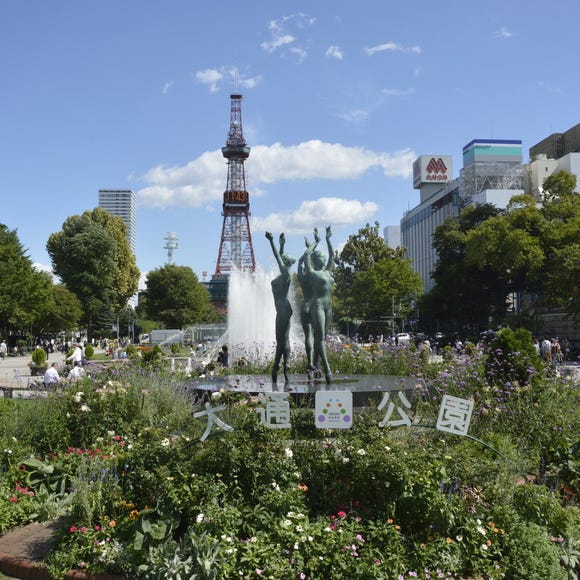
Odori Park
Parks
Sapporo / Chitose
-
Appealing
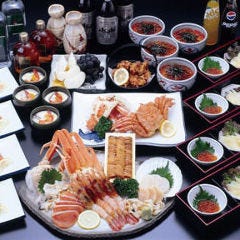
Rukku and Uohei
Izakaya
Sapporo / Chitose
-
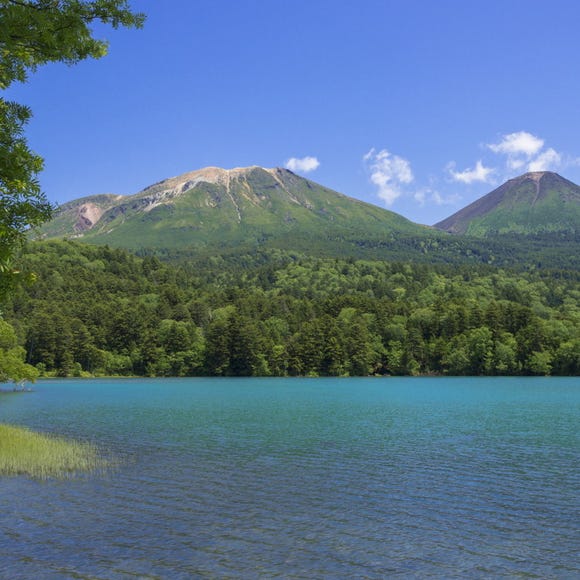
LakeAkan
Rivers, Lakes & Canyons
Abashiri
-
Appealing
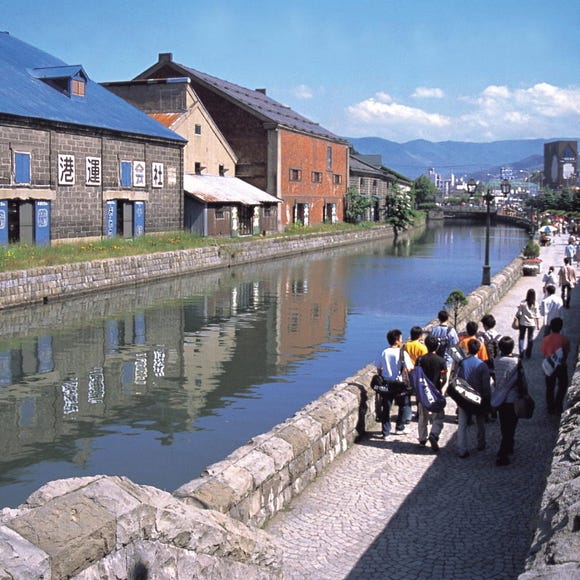
Otaru Canal
Rivers, Lakes & Canyons
Otaru
-
Experience 'Ghost of Yotei' IRL! See Why Niseko is The Ultimate Summer Escape
-

Okashi Kissa Miura - The Charming Hokkaido Cafe Serves French-Inspired Sweets in the Beautiful Countryside
by: Guest Contributor
-
Romantic Places in Hokkaido: Where to Honeymoon Across the Seasons
by: Himanshi Shah
-

Feel the Power of Giant Draft Horses Racing with Iron Sleds at Banei Tokachi (Obihiro Racecourse)
by: Guest Contributor
-
Obihiro's Beloved 90-Year-Old Sweet Shop and the 'Milk Road' Treat Fans Keep Coming Back For
by: Guest Contributor
-
Coming October 2026: JR Hokkaido Introduces Ticket Machines with Passport Readers for Easier Rail Pass Purchases
by: Guest Contributor
-
6 Surprisingly Cheap Things in Japan
-
Japan's Niseko Summer Activities Will Make You Feel Like a Crazy Kid Again
-
Sapporo New Chitose Airport (CTS): Complete Guide to Restaurants, Souvenirs, Shopping & More!
-
Kichijoji – Explore Tokyo’s Top-Rated Stylish Suburb in Half a Day!
-
5 Fun Water Activities To Do in Hokkaido: Enjoy The Great Outdoors Near Sappporo in Summer
by: Nobuka Kawashima
-
See Japan's Most Dreamlike Summer Scenery on a Hokkaido Flower Tour
- #best sushi hokkaido
- #things to do hokkaido
- #best ramen sapporo
- #what to bring to japan
- #new years in tokyo
- #what to buy in ameyoko
- #japanese nail trends
- #what to do in odaiba
- #onsen tattoo friendly tokyo
- #daiso
- #best sweets otaru
- #japanese fashion culture
- #best nature furano
- #japanese convenience store snacks
- #best japanese soft drinks