



แต่งตัวอย่างไรเมื่อไปเที่ยวญี่ปุ่น: คู่มือแพ็คกระเป๋าครบทุกฤดูกาล 2026 เบาสบาย ไม่ต้องแบกเยอะ
- Written by: ทีมบรรณาธิการ LIVE JAPAN
สงสัยว่าไปเที่ยวญี่ปุ่นปี 2026 ต้องแต่งตัวแบบไหน? อย่าแพ็คของมากเกินความจำเป็น! สภาพอากาศของญี่ปุ่นเปลี่ยนแปลงอย่างมากตามฤดูกาลและภูมิภาค ทำให้การจัดกระเป๋าเป็นเรื่องท้าทายสำหรับนักท่องเที่ยวมือใหม่ มาค้นพบว่าเสื้อผ้าแบบไหนเหมาะกับทุกฤดูกาล ทุกเดือน และทุกภูมิภาค
- Table of Contents
-
- กฎทองของการแต่งตัวในญี่ปุ่น
- แต่งตัวอย่างไรในฤดูใบไม้ผลิ ญี่ปุ่น (มีนาคม/เมษายน/พฤษภาคม)
- แต่งตัวอย่างไรในฤดูร้อน ญี่ปุ่น (มิถุนายน/กรกฎาคม/สิงหาคม)
- แต่งตัวอย่างไรในฤดูใบไม้ร่วง ญี่ปุ่น (กันยายน/ตุลาคม/พฤศจิกายน)
- แต่งตัวอย่างไรในฤดูหนาว ญี่ปุ่น (ธันวาคม/มกราคม/กุมภาพันธ์)
- เบากระเป๋า & ช้อปปิ้งฉุกเฉิน
- บทความที่เป็นประโยชน์สำหรับการวางแผนท่องเที่ยวญี่ปุ่น

กฎทองของการแต่งตัวในญี่ปุ่น
ก่อนที่เราจะไปดูเรื่องสภาพอากาศ มีมารยาทและข้อควรรู้เชิงปฏิบัติบางอย่างที่ควรคำนึงถึงก่อนจัดกระเป๋า
1. กฎ "รองเท้าถอดง่าย": คุณจะต้องถอดรองเท้าบ่อยมาก ทั้งที่วัด อิซากายะสไตล์ญี่ปุ่น ริวกัง (โรงแรมสไตล์ดั้งเดิม) และแม้แต่ในห้องลองเสื้อ เลือกรองเท้าที่สวมถอดง่าย เดินสบาย และอย่าลืมพกถุงเท้าที่ไม่มีรู!
2. ระวังเรื่อง "ความเหมาะสม": แฟชั่นญี่ปุ่นทันสมัยมาก แต่โดยทั่วไปยังค่อนข้างสุภาพเรียบร้อย กางเกงขาสั้นหรือกระโปรงสั้นใส่ได้ปกติ แต่เสื้อลึกโชว์คอหรือเปิดไหล่เปิดหน้าอกไม่ค่อยเป็นที่นิยม เมื่อไปเยือนศาลเจ้าและวัด ควรแต่งกายสุภาพเพื่อแสดงความเคารพ
3. ชุดกีฬาไม่ใช่ชุดประจำวัน: แม้ในตะวันตกจะสวมกางเกงโยคะหรือเลกกิ้งแบบรัดรูปเป็นชุดธรรมดา แต่ในญี่ปุ่นไม่นิยมทำแบบนั้น ยกเว้นเวลาออกกำลังกายหรือเดินป่า ชาวญี่ปุ่นมักสวมกางเกงหรือกระโปรงทับอยู่เสมอ
แต่งตัวอย่างไรในฤดูใบไม้ผลิ ญี่ปุ่น (มีนาคม/เมษายน/พฤษภาคม)

ฤดูใบไม้ผลิเป็นหนึ่งในช่วงเวลาที่สวยงามที่สุดในการมาเยือนญี่ปุ่น ตั้งแต่ปลายมีนาคมถึงเมษายน ดอกซากุระบานสะพรั่งทั่วทั้งประเทศ ชวนให้นักท่องเที่ยวออกมาปูเสื่อชมดอกไม้ (ฮานามิ) และเดินเล่นในสวนสาธารณะ ริมแม่น้ำ และวัด
อุณหภูมิค่อย ๆ อุ่นขึ้นตลอดฤดูกาล แต่ยามเช้าและเย็นอาจยังหนาวเย็นอยู่ โดยเฉพาะในเดือนมีนาคมและต้นเดือนเมษายน แนะนำให้แต่งตัวแบบเลเยอร์ที่ถอดใส่ได้ง่าย เช่น เสื้อแจ็คเก็ตเบาหรือเสื้อสเวตเตอร์
อุณหภูมิเฉลี่ยในโตเกียวสูงขึ้นอย่างรวดเร็ว จากประมาณ 10°C ในเดือนมีนาคมไปจนถึงเกือบ 20°C ในเดือนพฤษภาคม ทำให้ฤดูใบไม้ผลิเป็นช่วงเวลาดีเยี่ยมสำหรับการท่องเที่ยวรอบโตเกียว โอซาก้า และเกียวโต
| เมือง | มีนาคม | เมษายน | พฤษภาคม | ||||||
|---|---|---|---|---|---|---|---|---|---|
| อุณหภูมิ เฉลี่ย (°C) |
ปริมาณฝน เฉลี่ย (มม.) |
ความชื้น เฉลี่ย (%) |
อุณหภูมิ เฉลี่ย (°C) |
ปริมาณฝน เฉลี่ย (มม.) |
ความชื้น เฉลี่ย (%) |
อุณหภูมิ เฉลี่ย (°C) |
ปริมาณฝน เฉลี่ย (มม.) |
ความชื้น เฉลี่ย (%) |
|
| ซัปโปโร | 1.8 | 76 | 66 | 7.5 | 57 | 61 | 13.3 | 55 | 65 |
| เซนได | 6.2 | 76 | 62 | 11.0 | 97 | 63 | 16.1 | 111 | 69 |
| โตเกียว | 10.3 | 117 | 57 | 14.9 | 149 | 62 | 19.5 | 149 | 66 |
| โอซาก้า | 10.3 | 110 | 59 | 15.4 | 117 | 59 | 20.1 | 152 | 61 |
| ฮิโรชิมา | 10.3 | 121 | 59 | 15.1 | 153 | 57 | 19.8 | 154 | 58 |
| ฟุกุโอกะ | 11.5 | 103 | 63 | 15.8 | 120 | 64 | 20.2 | 124 | 65 |
| นาฮะ | 19.4 | 132 | 71 | 21.6 | 168 | 74 | 24.4 | 279 | 80 |
| (ค่าเฉลี่ยระหว่างปี 2004-2024 อ้างอิงข้อมูลจากสำนักงานอุตุนิยมวิทยาญี่ปุ่น) | |||||||||
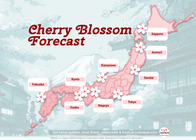
มีนาคม
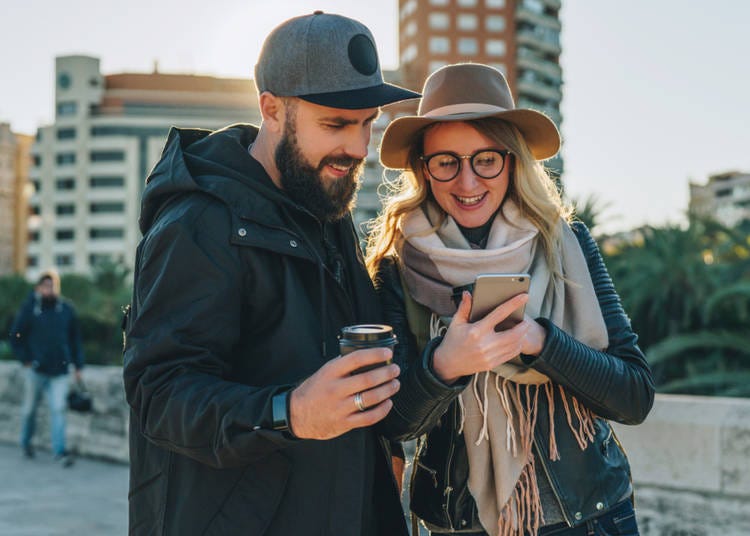
มีนาคมเป็นจุดเริ่มต้นของฤดูใบไม้ผลิในญี่ปุ่น แต่ยามเช้าและเย็นอาจยังรู้สึกหนาวเหมือนหน้าหนาว อุณหภูมิสูงสุดในโตเกียวกลางวันมักอยู่ที่ประมาณ 13°C (56°F) แต่บางวันที่หนาวจัดอาจต่ำกว่า 10°C (50°F)
นี่คือเดือนแห่งการเปลี่ยนผ่าน ดอกบ๊วยเริ่มบานในโตเกียว ขณะที่ซัปโปโรยังคงขาวโพลนด้วยหิมะ การแต่งตัวแบบเลเยอร์มีประโยชน์มาก เพราะอุณหภูมิเปลี่ยนแปลงได้ชัดเจนตลอดวัน
พระอาทิตย์ตกในโตเกียวค่อย ๆ เลื่อนจากประมาณ 17:35 น. ไปเป็น 18:00 น. สร้างแสงยามเย็นที่สวยงามเหมาะสำหรับการเดินเล่นในสวนสาธารณะและย่านดั้งเดิมอย่างยะนะกะ
- เสื้อคลุม/แจ็คเก็ต
- เสื้อโค้ตหรือแจ็คเก็ตกันหนาวน้ำหนักปานกลางถึงหนัก (แนะนำเป็นดาวน์หรือขนสัตว์)
- เสื้อด้านบน
- เสื้อกันหนาวชั้นในเทอร์มอล, เสื้อสเวตเตอร์หรือเสื้อถักหนา, เสื้อแขนยาวเป็นชั้นรอง
- เสื้อผ้าด้านล่าง
- กางเกงหนาหรือยีนส์, กระโปรงถักพร้อมถุงน่องอุ่น (ตามต้องการ)
- รองเท้าและเครื่องประดับ
- รองเท้าเดินสบายหรือบูท (ควรกันน้ำ), หมวกถัก, ผ้าพันคอหรือมัฟเลอร์, หน้ากากอนามัย (กันลม ฝุ่น หรือละอองเกสร), แผ่นให้ความอบอุ่นแบบใช้แล้วทิ้ง

เมษายน

เมษายนคือฤดูซากุระบานทั่วญี่ปุ่น ผู้คนแห่ออกมาปูเสื่อชมดอกไม้ (ฮานามิ) ในสวนสาธารณะของโตเกียวและโอซาก้า ส่วนภาคเหนืออย่างโทโฮกุและซัปโปโรมักบานสะพรั่งช่วงปลายเดือน
อากาศโดยรวมอบอุ่นขึ้น แต่ยามเช้าและเย็นอาจยังเย็นอยู่บ้าง ควรพกเสื้อคลุมเบาหรือเสื้อแขนยาวติดตัวไว้ ฝนในฤดูใบไม้ผลิก็พบบ่อย ร่มพับหรือเสื้อกันฝนบางเบาจึงมีประโยชน์มาก
พระอาทิตย์ตกในโตเกียวอยู่ในช่วง 18:00–18:25 น. ทำให้มีแสงยามเย็นที่สวยงามเหมาะสำหรับชมซากุระ ปลายเดือนเมษายนยังเป็นช่วงเริ่มต้น Golden Week ซึ่งนักท่องเที่ยวในประเทศหลั่งไหลออกมา
- เสื้อคลุม/แจ็คเก็ต
- วินด์เบรกเกอร์หรือแจ็คเก็ตเบา (โค้ตหนากว่าสำหรับซัปโปโร)
- เสื้อด้านบน
- เสื้อแขนยาว, เสื้อสเวตเตอร์บาง หรือเสื้อถักเบา
- เสื้อผ้าด้านล่าง
- กางเกงหรือยีนส์, กระโปรงพร้อมถุงน่อง (ตามต้องการ)
- รองเท้าและเครื่องประดับ
- รองเท้าเบาพื้นกันน้ำ, ร่มพับหรือเสื้อกันฝน, หน้ากากกันละอองเกสร, ผ้าพันคอบาง ๆ สำหรับยามเช้าที่เย็น

พฤษภาคม
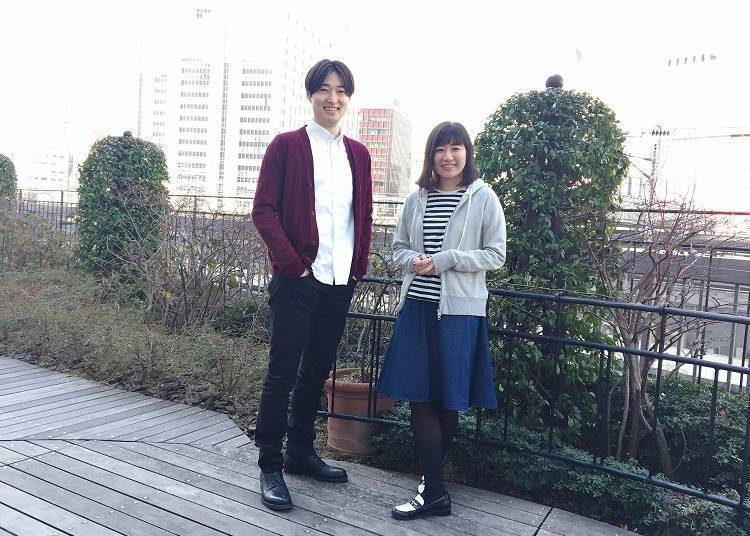
พฤษภาคมเป็นหนึ่งในช่วงเวลาที่ดีที่สุดสำหรับการท่องเที่ยวญี่ปุ่น ด้วยอุณหภูมิที่อบอุ่น ความชื้นต่ำ และวันที่อากาศแจ่มใสเยอะมาก โตเกียว โอซาก้า และฟุกุโอกะเริ่มรู้สึกเหมือนต้นฤดูร้อน ขณะที่ทางเหนืออย่างโทโฮกุและฮอกไกโดเข้าสู่ช่วงพีคซากุระในต้นเดือนพฤษภาคม
พระอาทิตย์ตกในโตเกียวค่อย ๆ เลื่อนจากประมาณ 18:25 น. ไปเป็น 18:50 น. ทำให้ค่ำคืนยาวนานขึ้น แนะนำเสื้อผ้าน้ำหนักเบาและการกันแดด
Golden Week ในสัปดาห์แรกของเดือนพฤษภาคมทำให้รถไฟและระบบขนส่งสาธารณะแน่นขนัด ควรเตรียมตัวรับมือ
- เสื้อคลุม/แจ็คเก็ต
- โค้ตบาง แจ็คเก็ตมีฮู้ด หรือคาร์ดิแกนเบา (โดยเฉพาะสำหรับซัปโปโรหรือยามเช้าในโทโฮกุ)
- เสื้อด้านบน
- เสื้อยืด, เสื้อเชิ้ตหรือบลาวส์น้ำหนักเบา, เสื้อแขนยาวสำหรับกันแดดหรือลม และเลเยอร์ยามเย็น
- เสื้อผ้าด้านล่าง
- กางเกง ยีนส์ หรือกระโปรง, ถุงน่องบาง ๆ หรือเลกกิ้ง (ตามต้องการ)
- รองเท้าและเครื่องประดับ
- รองเท้าเดินสบายหรือรองเท้าผ้าใบ, ร่มหรือเสื้อกันฝนบาง, อุปกรณ์กันแดดอย่างหมวกหรือแว่นตากันแดด (โดยเฉพาะในภาคใต้)

ระวังฤดูฝนในญี่ปุ่น (มิถุนายน–กรกฎาคม)!

ในเขตคันโต (โตเกียวและปริมณฑล) ฤดูฝนโดยทั่วไปจะยาวตั้งแต่ต้นมิถุนายนถึงปลายกรกฎาคม ช่วงนี้มีทั้งวันที่ร้อนและเย็น รวมทั้งสภาพอากาศที่ไม่แน่นอน
หลายคนอาจปวดหัวหรือไม่สบายตัวเนื่องจากความกดอากาศเปลี่ยนแปลงอย่างกะทันหัน หากคุณมีอาการแบบนี้ ควรพกยาติดกระเป๋าไว้เสมอ

แต่งตัวอย่างไรในฤดูร้อน ญี่ปุ่น (มิถุนายน/กรกฎาคม/สิงหาคม)

ฤดูร้อนในญี่ปุ่นเริ่มต้นด้วยฤดูฝน (สึยุ) ในเดือนมิถุนายน ตามด้วยอากาศร้อนชื้นตลอดเดือนกรกฎาคมและสิงหาคม อุณหภูมิมักเกิน 30°C (86°F) โดยเฉพาะในเมืองอย่างโตเกียวและโอซาก้า ที่ความชื้นทำให้รู้สึกร้อนมากยิ่งขึ้น
เสื้อผ้าเบาและระบายอากาศได้ดีเป็นสิ่งสำคัญ พร้อมกับการป้องกันแสงแดด เช่น หมวก ครีมกันแดด และผ้าเช็ดหน้าหรือพัดพกพา
หากต้องอยู่กลางแจ้งนาน ดื่มน้ำให้เพียงพอและพักในที่ร่มหรือห้องแอร์เป็นระยะ เพื่อป้องกันโรคลมแดด
| เมือง | มิถุนายน | กรกฎาคม | สิงหาคม | ||||||
|---|---|---|---|---|---|---|---|---|---|
| อุณหภูมิ เฉลี่ย (°C) |
ปริมาณฝน เฉลี่ย (มม.) |
ความชื้น เฉลี่ย (%) |
อุณหภูมิ เฉลี่ย (°C) |
ปริมาณฝน เฉลี่ย (มม.) |
ความชื้น เฉลี่ย (%) |
อุณหภูมิ เฉลี่ย (°C) |
ปริมาณฝน เฉลี่ย (มม.) |
ความชื้น เฉลี่ย (%) |
|
| ซัปโปโร | 17.7 | 75 | 73 | 21.7 | 83 | 75 | 23.1 | 133 | 75 |
| เซนได | 19.9 | 131 | 79 | 23.6 | 176 | 83 | 25.2 | 142 | 81 |
| โตเกียว | 22.7 | 182 | 74 | 26.6 | 145 | 76 | 28.0 | 164 | 74 |
| โอซาก้า | 23.9 | 184 | 68 | 27.9 | 183 | 71 | 29.3 | 134 | 67 |
| ฮิโรชิมา | 23.3 | 236 | 68 | 27.5 | 303 | 71 | 28.9 | 159 | 66 |
| ฟุกุโอกะ | 23.7 | 222 | 75 | 27.7 | 295 | 74 | 28.9 | 257 | 72 |
| นาฮะ | 27.2 | 402 | 84 | 29.2 | 193 | 79 | 29.1 | 275 | 79 |
| (ค่าเฉลี่ยระหว่างปี 2004-2024 อ้างอิงข้อมูลจากสำนักงานอุตุนิยมวิทยาญี่ปุ่น) | |||||||||
มิถุนายน
มิถุนายนเป็นจุดเริ่มต้นของฤดูฝน (สึยุ) ในส่วนใหญ่ของญี่ปุ่น โตเกียว โอซาก้า และฟุกุโอกะอบอ้าวชื้น มีฝนตกบ่อยแต่มักไม่นาน ส่วนฮอกไกโดโดยทั่วไปจะแห้งกว่าและเป็นที่พักพิงยอดนิยมช่วงนี้
เสื้อผ้าระบายอากาศเบาและร่มพับเป็นสิ่งจำเป็น แม้จะมีฝน แต่เดือนมิถุนายนก็เขียวขจีสวยงาม เหมาะสำหรับสวนและสถานที่ชมดอกไฮเดรนเยีย
พระอาทิตย์ตกในโตเกียวอยู่ในช่วง 18:50–19:00 น. ทำให้มีค่ำคืนยาวนาน อาจมีประกาศฝนหนักเป็นครั้งคราว ดังนั้นควรมีแผนสำรองในร่ม
- เสื้อคลุม/แจ็คเก็ต
- เสื้อคลุมบาง ๆ หรือเสื้อกันฝนเบา (โดยเฉพาะในญี่ปุ่นภาคกลาง/ใต้)
- เสื้อด้านบน
- เสื้อแขนสั้น, บลาวส์เบา, ผ้าระบายอากาศอย่างผ้าฝ้ายหรือลินิน
- เสื้อผ้าด้านล่าง
- กางเกงบาง ยีนส์ หรือกระโปรงยาว, ชุดเดรสหรือวันพีซให้อากาศถ่ายเท
- รองเท้าและเครื่องประดับ
- รองเท้าผ้าใบหรือรองเท้าแตะ (กันน้ำได้ดียิ่งขึ้น), ร่มพับหรือเสื้อกันฝนแบบโพนโช, ครีมกันแดด, สารระงับเหงื่อ, หมวกกันแดดหรือพัดพกพา (ตามต้องการ)

กรกฎาคม
กรกฎาคมร้อนและชื้นทั่วญี่ปุ่น แม้ว่าฤดูฝนมักจะสิ้นสุดกลางเดือนในหลายภูมิภาค รังสี UV ที่แรงทำให้ ครีมกันแดด หมวก และการดื่มน้ำเป็นสิ่งสำคัญมาก
เทศกาลฤดูร้อนและงานแสดงดอกไม้ไฟ เริ่มเต็มปฏิทิน ขณะที่ซัปโปโรอากาศเย็นกว่าดึงดูดนักท่องเที่ยวที่ต้องการหนีความร้อน พระอาทิตย์ตกในโตเกียวค่อย ๆ เลื่อนจากประมาณ 19:00 น. ไปเป็น 18:45 น. ตลอดเดือน
กรกฎาคมยังเป็นช่วงดีในการลิ้มรสขนมหวานฤดูร้อนอย่างคาคิโงริ (น้ำแข็งไส) และโซบะเย็น
- เสื้อคลุม/แจ็คเก็ต
- ชั้นบางระบายอากาศหรือเสื้อป้องกัน UV, แจ็คเก็ตบางสำหรับแดดหรือแอร์ (ตามต้องการ)
- เสื้อด้านบน
- เสื้อเบาหรือเสื้อยืดผ้าฝ้ายหรือลินิน, เลือกแบบป้องกัน UV จะดียิ่งขึ้น
- เสื้อผ้าด้านล่าง
- กางเกงขากว้าง กางเกงยาวโปร่ง กางเกงขาสั้น หรือกระโปรงเบา
- รองเท้าและเครื่องประดับ
- รองเท้าผ้าใบหรือรองเท้าแตะ, หมวกกันแดดหรือแก็ปปีก, ผ้าเช็ดหน้าหรือผ้าขนหนูเล็ก, ทิชชู่เปียก, ครีมกันแดด, สารระงับเหงื่อ

สิงหาคม

สิงหาคมเป็นเดือนที่ร้อนที่สุดในญี่ปุ่นส่วนใหญ่ โดยเฉพาะในเมืองอย่างโตเกียว โอซาก้า และฟุกุโอกะ โรคลมแดดเป็นอันตรายที่ต้องระวัง ดังนั้นการดื่มน้ำ การป้องกันแสงแดด และเสื้อผ้าน้ำหนักเบาจึงสำคัญมาก
ซัปโปโรเย็นกว่าอย่างเห็นได้ชัดและเป็นที่หนีร้อนยอดนิยม กลางสิงหาคมเป็นช่วงโอบง ที่ผู้คนเดินทางกลับบ้านเกิด ทำให้รถไฟแน่นและมีเทศกาลสำคัญ
พระอาทิตย์ตกในโตเกียวเลื่อนจากประมาณ 18:45 น. ไปเป็น 18:10 น. และงานแสดงดอกไม้ไฟยามค่ำคืนถือเป็นสัญลักษณ์ของฤดูร้อนญี่ปุ่น
- เสื้อคลุม/แจ็คเก็ต
- เสื้อคลุมบางระบายอากาศหรือแจ็คเก็ตป้องกัน UV (สำหรับแดดหรือแอร์แรง)
- เสื้อด้านบน
- เสื้อยืด เสื้อบาง หรือเสื้อป้องกัน UV ผ้าฝ้ายหรือลินิน
- เสื้อผ้าด้านล่าง
- กางเกงขากว้าง กางเกงยาวโปร่ง กางเกงขาสั้น หรือกระโปรง
- รองเท้าและเครื่องประดับ
- รองเท้าผ้าใบหรือรองเท้าแตะ, หมวกกันแดดหรือแก็ปปีก, ผ้าเช็ดหน้าหรือผ้าขนหนูเล็ก, ทิชชู่เปียก, ครีมกันแดด, สารระงับเหงื่อ
ฤดูพายุไต้ฝุ่น
ญี่ปุ่นมีพายุไต้ฝุ่นประมาณ 40 ลูกต่อปี ส่วนใหญ่ระหว่างเดือนกรกฎาคมถึงกันยายน โอกินาวะและคิวชูได้รับผลกระทบบ่อยที่สุด แต่โตเกียวและโอซาก้าก็อาจเผชิญฝนหนักและลมแรงได้เช่นกัน หากมีพายุไต้ฝุ่นกำลังเข้าใกล้ ควรติดตามพยากรณ์อากาศท้องถิ่นอย่างสม่ำเสมอและหลีกเลี่ยงกิจกรรมกลางแจ้ง รถไฟและเที่ยวบินอาจล่าช้าหรือถูกยกเลิกในช่วงพายุรุนแรง

แต่งตัวอย่างไรในฤดูใบไม้ร่วง ญี่ปุ่น (กันยายน/ตุลาคม/พฤศจิกายน)

ฤดูใบไม้ร่วงเป็นหนึ่งในฤดูกาลที่สวยงามที่สุดของญี่ปุ่น ธรรมชาติเปลี่ยนสีเป็นแดง เหลือง และทองจากปลายกันยายนถึงพฤศจิกายน อากาศที่เย็นและแห้งเหมาะอย่างยิ่งสำหรับการท่องเที่ยว เดินป่า และเยือนวัดและสวน
อุณหภูมิอาจแตกต่างกันมากระหว่างกลางวันและกลางคืน ควรแต่งตัวแบบเลเยอร์ ต้นฤดูใบไม้ร่วงอาจยังอุ่นพอใส่แขนสั้นได้ แต่ปลายพฤศจิกายนมักต้องการเสื้อสเวตเตอร์และโค้ตแล้ว
ปลายพฤศจิกายนคือช่วงพีคใบไม้เปลี่ยนสีในโตเกียวและเกียวโต หลายวัดและสวนจัดงานประดับไฟพิเศษยามค่ำคืน
| เมือง | กันยายน | ตุลาคม | พฤศจิกายน | ||||||
|---|---|---|---|---|---|---|---|---|---|
| อุณหภูมิ เฉลี่ย (°C) |
ปริมาณฝน เฉลี่ย (มม.) |
ความชื้น เฉลี่ย (%) |
อุณหภูมิ เฉลี่ย (°C) |
ปริมาณฝน เฉลี่ย (มม.) |
ความชื้น เฉลี่ย (%) |
อุณหภูมิ เฉลี่ย (°C) |
ปริมาณฝน เฉลี่ย (มม.) |
ความชื้น เฉลี่ย (%) |
|
| ซัปโปโร | 19.2 | 121 | 71 | 12.4 | 107 | 68 | 5.6 | 115 | 68 |
| เซนได | 21.8 | 178 | 79 | 16.0 | 163 | 72 | 10.3 | 56 | 68 |
| โตเกียว | 24.4 | 233 | 75 | 18.8 | 255 | 70 | 13.6 | 91 | 63 |
| โอซาก้า | 25.6 | 149 | 68 | 19.7 | 137 | 66 | 14.1 | 73 | 65 |
| ฮิโรชิมา | 25.2 | 162 | 66 | 19.2 | 115 | 63 | 13.3 | 82 | 64 |
| ฟุกุโอกะ | 25.3 | 179 | 74 | 20.1 | 106 | 68 | 14.6 | 101 | 66 |
| นาฮะ | 28.2 | 231 | 77 | 25.9 | 184 | 73 | 22.7 | 129 | 70 |
| (ค่าเฉลี่ยปี 2004-2024 อ้างอิงข้อมูลจากสำนักงานอุตุนิยมวิทยาญี่ปุ่น) | |||||||||
- เคล็ดลับและคำแนะนำสำหรับการวางแผนท่องเที่ยวโตเกียวในฤดูใบไม้ร่วง
- เที่ยวเกียวโตฤดูใบไม้ร่วง: คู่มือครบสำหรับสภาพอากาศเกียวโตและสิ่งที่ต้องแพ็ค
- เที่ยวโอซาก้าฤดูใบไม้ร่วง: คู่มือสภาพอากาศและการท่องเที่ยวเดือนกันยายน–พฤศจิกายน
- เที่ยวฮอกไกโดฤดูใบไม้ร่วง: คู่มือสภาพอากาศและการท่องเที่ยวเดือนกันยายน–พฤศจิกายน
กันยายน
กันยายนเริ่มต้นร้อนและชื้น แต่ค่อย ๆ เย็นลงและสบายขึ้นเมื่อเข้าใกล้ปลายเดือน ต้นกันยายนในโตเกียวและโอซาก้ายังรู้สึกเหมือนฤดูร้อน ขณะที่ซัปโปโรมักมีอากาศใบไม้ร่วงที่สดชื่นแล้ว
พายุไต้ฝุ่นพบบ่อยในช่วงนี้ ควรติดตามพยากรณ์อากาศอย่างสม่ำเสมอ พระอาทิตย์ตกในโตเกียวเลื่อนไปเป็น 18:05–17:25 น. ตลอดเดือน
กันยายนยังเป็นฤดูกาลแห่งอาหารใบไม้ร่วงอย่างเห็ดมัตสึตาเกะและซันมะ (ปลาแปซิฟิกซอรี) ที่เริ่มปรากฏในเมนูทั่วญี่ปุ่น
- เสื้อคลุม/แจ็คเก็ต
- คาร์ดิแกน โค้ตเบา หรือแจ็คเก็ตบาง (โดยเฉพาะสำหรับซัปโปโรหรือยามเย็นที่เย็น)
- เสื้อด้านบน
- เสื้อแขนสั้น, เสื้อแขนยาวบาง, บลาวส์เบาหรือวันพีซ
- เสื้อผ้าด้านล่าง
- กระโปรงยาว ยีนส์ หรือกางเกงระบายอากาศ
- รองเท้าและเครื่องประดับ
- รองเท้าผ้าใบหรือรองเท้าส้นแบน, ร่มพับ, ผ้าเช็ดหน้าหรือผ้าขนหนูเล็ก, ครีมกันแดด (UV ยังแรงต้นเดือน)
ตุลาคม
ตุลาคมเป็นหนึ่งในเดือนที่น่าท่องเที่ยวที่สุดในญี่ปุ่น อากาศแห้งสบาย และเริ่มเห็นสีสันใบไม้ร่วงในภาคเหนืออย่างซัปโปโรก่อนที่จะค่อย ๆ เลื่อนลงใต้
โตเกียวและโอซาก้ายังคงน่าเที่ยว แต่ยามเย็นที่เย็นลงทำให้เลเยอร์เบา ๆ มีประโยชน์ พระอาทิตย์ตกในโตเกียวเลื่อนตลอดเดือน จาก 17:25 น. ไปเป็น 16:45 น. ควรวางแผนชมสถานที่กลางแจ้งในช่วงกลางวัน
เทศกาลฤดูใบไม้ร่วงก็พบได้ทั่วไปในช่วงนี้ นักท่องเที่ยวอาจพบงานฉลองท้องถิ่นที่ศาลเจ้าและสวนสาธารณะโดยไม่คาดคิด
- เสื้อคลุม/แจ็คเก็ต
- คาร์ดิแกน วินด์เบรกเกอร์ หรือแจ็คเก็ตยีนส์, แจ็คเก็ตหนาสำหรับซัปโปโร
- เสื้อด้านบน
- เสื้อแขนยาว, เดรสหนาหรือเสื้อสเวตเตอร์
- เสื้อผ้าด้านล่าง
- ยีนส์หรือกางเกงขายาว
- รองเท้าและเครื่องประดับ
- รองเท้าผ้าใบหรือรองเท้าส้นแบน, ผ้าพันคอบาง ๆ หรือสโตล, ร่มพับ

พฤศจิกายน
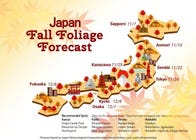
พฤศจิกายนคือช่วงพีคใบไม้เปลี่ยนสีทั่วญี่ปุ่น ทิวทัศน์สีสันสดใสในเมืองอย่างโตเกียวและโอซาก้า รวมถึงวัดและสวนสาธารณะทั่วประเทศ หลายสถานที่จัดงานประดับไฟพิเศษยามค่ำคืน
กลางวันอากาศดีแต่ยามเช้าและเย็นอาจเย็นค่อนข้างมาก โดยเฉพาะในภาคเหนือ พระอาทิตย์ตกในโตเกียวเร็ว ราว 16:30–16:45 น. ควรวางแผนชมใบไม้แต่เช้า
อาหารตามฤดูกาลอย่างโอเด้งและนาเบะ (หม้อไฟ) ก็กลายมาเป็นที่นิยมมากขึ้นเรื่อย ๆ เมื่ออุณหภูมิลดลง
- เสื้อคลุม/แจ็คเก็ต
- วินด์เบรกเกอร์, คาร์ดิแกนหนา, โค้ต หรือแจ็คเก็ตหนาปานกลาง, แจ็คเก็ตดาวน์ (โดยเฉพาะสำหรับซัปโปโร)
- เสื้อด้านบน
- เสื้อแขนยาว, เสื้อสเวตเตอร์, เสื้อถัก หรือคาร์ดิแกนซ้อนชั้น
- เสื้อผ้าด้านล่าง
- ยีนส์หรือกางเกงขายาว
- รองเท้าและเครื่องประดับ
- รองเท้าผ้าใบ บูท หรือรองเท้าส้นแบน, ผ้าพันคอหรือมัฟเลอร์, หมวก, ถุงมือ (โดยเฉพาะในภูมิภาคที่หนาวกว่า)

แต่งตัวอย่างไรในฤดูหนาว ญี่ปุ่น (ธันวาคม/มกราคม/กุมภาพันธ์)

ฤดูหนาวในญี่ปุ่นอากาศหนาวและแห้ง หิมะไม่ค่อยตกในเมืองอย่างโตเกียวและโอซาก้า แต่ฮอกไกโด โทโฮกุ และเทือกเขาแจแปนแอลป์หิมะตกหนักมาก
พระอาทิตย์ตกในโตเกียวอยู่ที่ประมาณ 16:30 น. ในธันวาคม และ 17:30 น. ในกุมภาพันธ์ ช่วงเวลากลางวันที่สั้นลงอาจกระทบแผนท่องเที่ยว
แต่งตัวแบบเลเยอร์ แต่จำไว้ว่ารถไฟ ร้านค้า และโรงแรมโดยทั่วไปมีเครื่องทำความร้อนที่ดีมาก โค้ตที่ถอดได้ง่ายจึงดีที่สุด ลิปบาล์ม ครีมทามือ และขวดน้ำดื่มก็มีประโยชน์มากในอากาศแห้งฤดูหนาว
| เมือง | ธันวาคม | มกราคม | กุมภาพันธ์ | ||||||
|---|---|---|---|---|---|---|---|---|---|
| อุณหภูมิ เฉลี่ย (°C) |
ปริมาณฝน เฉลี่ย (มม.) |
ความชื้น เฉลี่ย (%) |
อุณหภูมิ เฉลี่ย (°C) |
ปริมาณฝน เฉลี่ย (มม.) |
ความชื้น เฉลี่ย (%) |
อุณหภูมิ เฉลี่ย (°C) |
ปริมาณฝน เฉลี่ย (มม.) |
ความชื้น เฉลี่ย (%) |
|
| ซัปโปโร | -0.9 | 111 | 69 | -3.2 | 106 | 69 | -2.6 | 92 | 69 |
| เซนได | 4.5 | 55 | 69 | 2.0 | 37 | 66 | 2.6 | 36 | 64 |
| โตเกียว | 8.4 | 67 | 55 | 5.9 | 49 | 49 | 6.9 | 66 | 52 |
| โอซาก้า | 8.6 | 58 | 62 | 6.1 | 41 | 61 | 6.9 | 65 | 61 |
| ฮิโรชิมา | 7.3 | 56 | 65 | 5.4 | 43 | 64 | 6.3 | 69 | 61 |
| ฟุกุโอกะ | 8.9 | 72 | 64 | 7.0 | 69 | 64 | 8.1 | 75 | 63 |
| นาฮะ | 19.0 | 116 | 67 | 17.3 | 100 | 67 | 18.0 | 117 | 71 |
| (ค่าเฉลี่ยระหว่างปี 2004-2024 อ้างอิงข้อมูลจากสำนักงานอุตุนิยมวิทยาญี่ปุ่น) | |||||||||
- ท่องเที่ยวโตเกียวฤดูหนาว: สิ่งที่ต้องรู้และสิ่งที่ต้องพกไป
- เที่ยวเกียวโตฤดูหนาว: สภาพอากาศและเสื้อผ้าที่ต้องเตรียม
- เที่ยวโอซาก้าฤดูหนาว: สภาพอากาศโอซาก้าและเสื้อผ้าที่ต้องเตรียม
- เที่ยวฮอกไกโดฤดูหนาว: สิ่งที่ดีที่สุดที่ควรทำ สภาพอากาศ และสิ่งที่ต้องแพ็ค
- เที่ยวเซนไดฤดูหนาว: สภาพอากาศ เสื้อผ้า และทุกอย่างที่ต้องรู้ก่อนไป
ธันวาคม
ธันวาคมในญี่ปุ่นโดยทั่วไปแห้งและมีแดด แต่หน้าหนาวเริ่มมาแล้ว โดยเฉพาะทางเหนือ โตเกียวและโอซาก้าเย็นแต่ยังท่องเที่ยวได้สบาย ขณะที่ซัปโปโรมักมีหิมะปกคลุมแล้ว
ไฟประดับฤดูหนาวและตลาดคริสต์มาสทำให้ยามค่ำคืนดูมีชีวิตชีวาเป็นพิเศษ ราว ๆ วันที่ 21 ธันวาคมเป็นวันครีษมายัน (โตจิ) ซึ่งตามธรรมเนียมจะอาบน้ำยุซุและกินฟักทองเพื่อป้องกันโรคภัย
พระอาทิตย์ตกในโตเกียวเร็วมาก ราว 16:25–16:35 น. ควรวางแผนชมสถานที่กลางแจ้งแต่เช้า และเพลิดเพลินกับไฟประดับยามค่ำ
- เสื้อคลุม/แจ็คเก็ต
- โค้ตขนสัตว์หรือแจ็คเก็ตดาวน์ (ต้องใช้ชั้นนอกหนาพิเศษสำหรับซัปโปโร), ชั้นกลางเสริมอย่างฟลีซหรือฮู้ดซับขนสัตว์ (ตามต้องการ)
- เสื้อด้านบน
- เสื้อกันหนาวชั้นในหรือเบสเลเยอร์เทอร์มอล, เสื้อสเวตเตอร์หนาหรือเสื้อถัก
- เสื้อผ้าด้านล่าง
- กางเกงขายาว, ถุงน่องอุ่นหรือเลกกิ้งเทอร์มอล (ตามต้องการ)
- รองเท้าและเครื่องประดับ
- รองเท้าผ้าใบหรือบูท (บูทกันหิมะสำหรับซัปโปโร), ผ้าพันคอหรือมัฟเลอร์, ถุงมือ, หมวก, ถุงเท้าอุ่น หรือที่อุ่นมือ (ตามต้องการ)

มกราคม
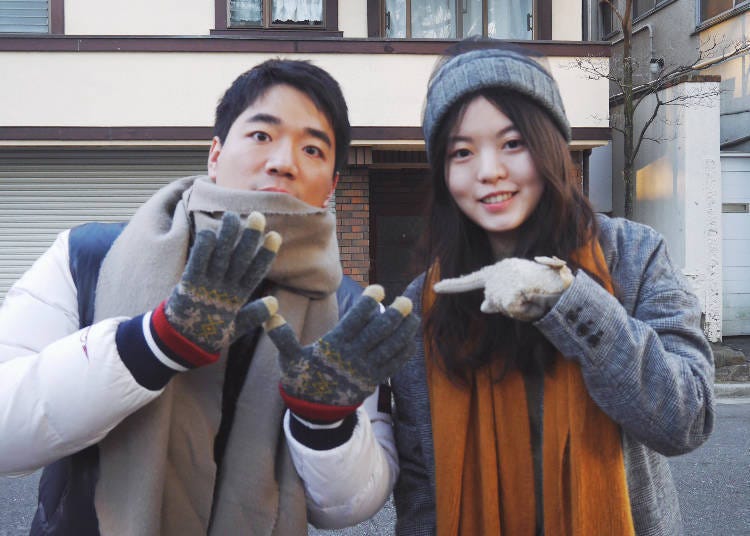
มกราคมมักเป็นเดือนที่หนาวที่สุดในญี่ปุ่น ราววันที่ 20 มกราคมเป็นช่วง "ไดคัง" (大寒) หรือ "ช่วงที่หนาวที่สุด" ตามปฏิทินดั้งเดิมของญี่ปุ่น
โตเกียว โอซาก้า และฟุกุโอกะโดยทั่วไปแห้งและมีแดด แต่ค่อนข้างหนาวเย็น ขณะที่ซัปโปโรมีหิมะหนาและสภาพอากาศที่เป็นน้ำแข็ง ต้องแต่งตัวอุ่นเป็นพิเศษ โดยเฉพาะทางเหนือ
พระอาทิตย์ตกในโตเกียวอยู่ในช่วง 16:40–17:05 น. ควรวางแผนท่องเที่ยวกลางแจ้งในช่วงกลางวัน ไฟประดับฤดูหนาว ก็ได้รับความนิยมมากในช่วงนี้
- เสื้อคลุม/แจ็คเก็ต
- โค้ตขนสัตว์หรือแจ็คเก็ตดาวน์, แบบเลเยอร์ (เช่น ดาวน์บางซ้อนใต้โค้ต), โค้ตหนักหรือพาร์ก้าสำหรับซัปโปโร
- เสื้อด้านบน
- เสื้อกันหนาวชั้นในเทอร์มอล, เสื้อสเวตเตอร์หนา เสื้อถักขนสัตว์ หรือฟลีซ
- เสื้อผ้าด้านล่าง
- กางเกงขายาว, ถุงน่องอุ่นหรือเลกกิ้งเทอร์มอล (ตามต้องการ)
- รองเท้าและเครื่องประดับ
- บูทหรือรองเท้าผ้าใบ (บูทกันหิมะสำหรับซัปโปโร), ผ้าพันคอ, หมวก, ถุงมือ, ที่ปิดหู, ถุงเท้าอุ่น, หน้ากากอนามัย (กันลมหรืออากาศแห้ง)
กุมภาพันธ์
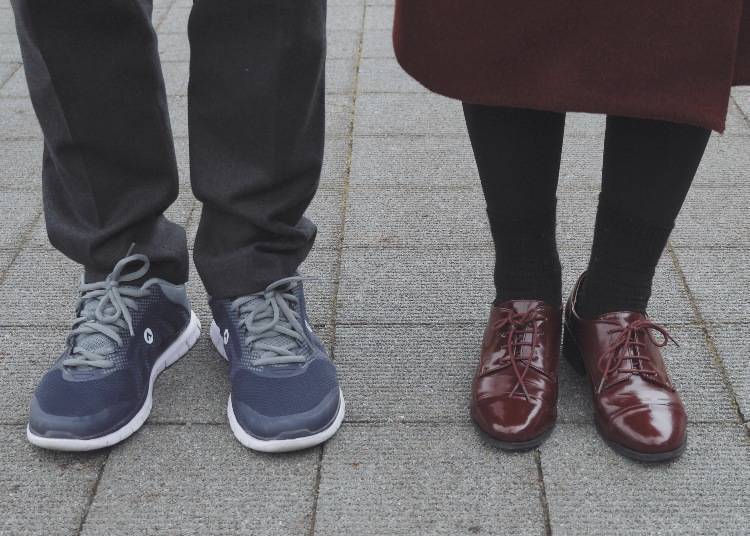
กุมภาพันธ์ยังคงหนาวเย็นทั่วญี่ปุ่น โดยเฉพาะยามเช้าและเย็น นี่ยังเป็นช่วงพีคหิมะในภาคเหนืออย่างซัปโปโร ที่จัดงาน Snow Festival ชื่อดังในเดือนนี้ เมืองกลางและใต้อย่างโตเกียวและโอซาก้ายังคงแห้งและมีแดด ฤดูละอองเกสรเริ่มต้นปลายเดือน นักท่องเที่ยวที่แพ้ละอองเกสรควรพกหน้ากากหรือยา พระอาทิตย์ตกในโตเกียวช้าลงเล็กน้อย จาก 17:10 น. ไปเป็น 17:35 น. เหมาะสำหรับรับแสงเย็นที่ศาลเจ้าหรือสวน
- เสื้อคลุม/แจ็คเก็ต
- โค้ตขนสัตว์, แจ็คเก็ตหนาหรือแจ็คเก็ตดาวน์, วินด์เบรกเกอร์เสริม (ตามต้องการ), โค้ตฤดูหนาวหนักสำหรับซัปโปโร
- เสื้อด้านบน
- เบสเลเยอร์เทอร์มอลหรือชุดชั้นในกันหนาว, ฮู้ดหนาหรือเสื้อสเวตเตอร์
- เสื้อผ้าด้านล่าง
- กางเกงขายาว, ถุงน่องอุ่นหรือเลกกิ้งเทอร์มอล (ตามต้องการ)
- รองเท้าและเครื่องประดับ
- รองเท้าผ้าใบหรือบูท (บูทกันหิมะสำหรับซัปโปโร), ผ้าพันคอ, หมวก, ถุงมือ, ที่ปิดหู, ถุงเท้าอุ่น, หน้ากากอนามัย (กันลม อากาศแห้ง หรือละอองเกสรช่วงปลายเดือน)

อย่างที่เห็น ญี่ปุ่นมีการเปลี่ยนแปลงอุณหภูมิและสภาพอากาศอย่างมากตามฤดูกาล ทำให้การเลือกเสื้อผ้าที่เหมาะสมยิ่งมีความสำคัญมากขึ้น แต่การนำเสื้อผ้าจำนวนมากเพื่อรับมือกับความร้อนหรือความหนาวอาจเป็นภาระหนักเมื่อคุณอยากเว้นที่ในกระเป๋าสำหรับของฝาก
เบากระเป๋า & ช้อปปิ้งฉุกเฉิน
ถ้าอยากเว้นที่ในกระเป๋าไว้สำหรับของฝาก คุณไม่จำเป็นต้องแพ็คเสื้อผ้าสำหรับทุกสถานการณ์ ญี่ปุ่นทำให้การเดินทางแบบกระเป๋าเบาเป็นเรื่องง่ายอย่างเหลือเชื่อ
ใช้บริการส่งสัมภาระล่วงหน้า (ทักกิวบิน)
อยากเดินทางเบาสบายบนชินคันเซน? ลองใช้บริการส่งสัมภาระที่เชื่อถือได้ของญี่ปุ่น (ทักกิวบิน) ด้วยค่าบริการเพียงเล็กน้อย (ปกติ 1,500–3,000 เยน) คุณสามารถส่งกระเป๋าหนักตรงจากโรงแรมในโตเกียวหรือสนามบินไปยังจุดหมายถัดไปในเกียวโตหรือโอซาก้าได้เลย
ซื้อเสื้อผ้าฉุกเฉินในญี่ปุ่นได้ที่ไหน
ลืมแจ็คเก็ต? ฝนดูเหมือนจะตก? ไม่ต้องตกใจ! คุณสามารถซื้อของพื้นฐานคุณภาพดีราคาถูกได้แทบทุกที่
・Uniqlo & GU: สวรรค์ของคนอยากได้เสื้อผ้าพื้นฐานราคาย่อมเยา แวะที่นี่เพื่อหาเสื้อ Heattech รักษาความอบอุ่นในหน้าหนาว หรือ AIRism ระบายอากาศสำหรับฤดูร้อน
・Don Quijote (Donki): ห้างดิสเคาท์ขนาดใหญ่แห่งนี้ขายทุกอย่างตั้งแต่ของที่ระลึกแปลก ๆ ไปจนถึงถุงเท้าฉุกเฉิน ชุดชั้นใน และเสื้อคลุมราคาถูก ดู คู่มือร้าน Don Quijote ได้ที่นี่ (พร้อมคูปองพิเศษสำหรับนักท่องเที่ยว)
・Mitsui Shopping Park: หากต้องการสินค้าหลากหลาย ไซส์ใหญ่ หรือแบรนด์สากลที่คุ้นเคย ศูนย์การค้าขนาดใหญ่เหล่านี้ (เช่น LaLaport และ Mitsui Outlet Parks) มีสาขาทั่วญี่ปุ่น เหมาะสำหรับเติมตู้เสื้อผ้าระหว่างทริป ดู คู่มือร้าน Mitsui Shopping Park ได้ที่นี่ (พร้อมคูปองพิเศษสำหรับนักท่องเที่ยว)
・ร้านสะดวกซื้อ: 7-Eleven, Lawson, FamilyMart และ Seicomart ช่วยชีวิตได้เสมอ มีร่ม เสื้อชั้นใน ถุงเท้า และแม้แต่เนคไทคุณภาพดี ตลอด 24 ชั่วโมง
ลอง 'Any Wear, Anywhere' – แพ็คกระเป๋าอย่างชาญฉลาด
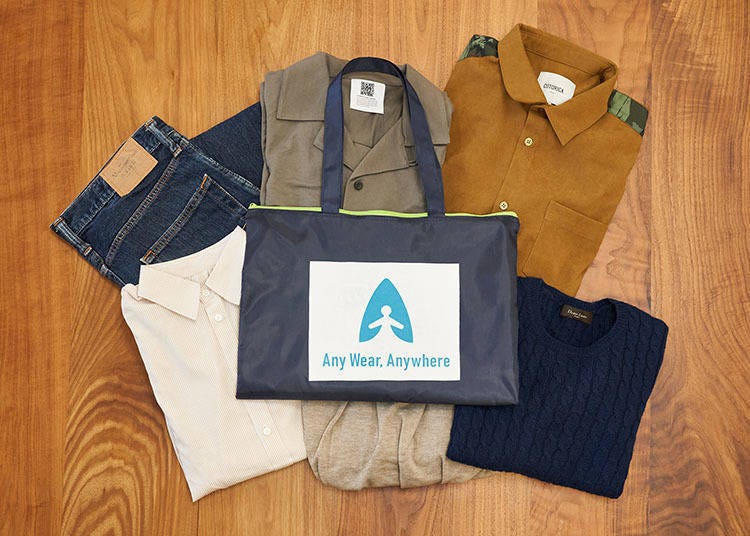
อยากทำให้กระเป๋าเบาขึ้น? 'Any Wear, Anywhere' คือบริการเช่าเสื้อผ้าในญี่ปุ่นที่ให้นักท่องเที่ยวเช่าชุดสวยงามตามฤดูกาลแทนการแพ็คมาเอง เสื้อผ้าประกอบด้วยสต็อกส่วนเกินและของมือสองจากครัวเรือนญี่ปุ่น ทำให้บริการนี้ทั้งสะดวกและเป็นมิตรกับสิ่งแวดล้อม การเช่ายังช่วยลดน้ำหนักกระเป๋าและการปล่อยคาร์บอน เหมาะสำหรับนักเดินทางที่ใส่ใจโลก

วิธีการเช่า: ง่ายมาก!
เพียงเยือนเว็บไซต์อย่างเป็นทางการ เลือกสไตล์และฤดูกาล แล้วจองชุดที่ต้องการ
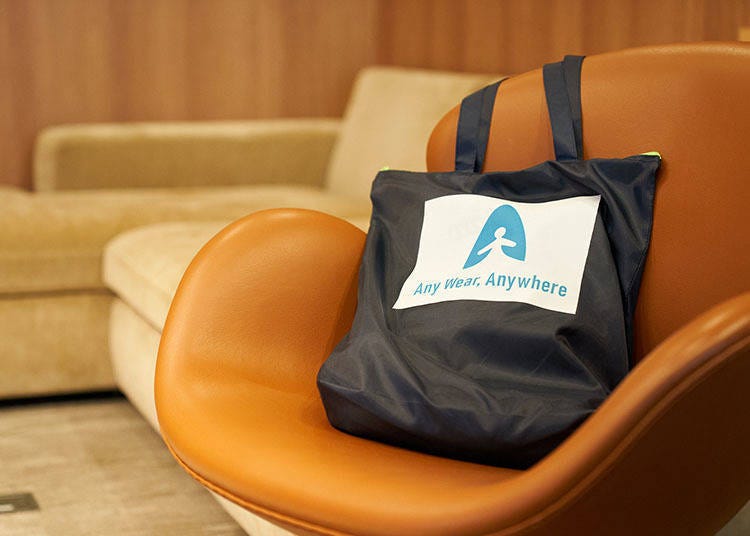
เสื้อผ้าจะจัดส่งมายังโรงแรมของคุณ และสามารถคืนได้ที่นั่นหลังใช้งาน ไม่ต้องกังวลเรื่องการแพ็คในวันสุดท้ายอีกต่อไป

ไซส์มีตั้งแต่ XS ถึง 3XL (ไซส์เด็ก 80–160) มีทั้งสำหรับผู้ชาย ผู้หญิง และเด็ก นอกจากนี้ยังสามารถเลือกผสมผสานสไตล์และฤดูกาลได้ (ใบไม้ผลิ/ใบไม้ร่วง, ฤดูร้อน หรือฤดูหนาว)
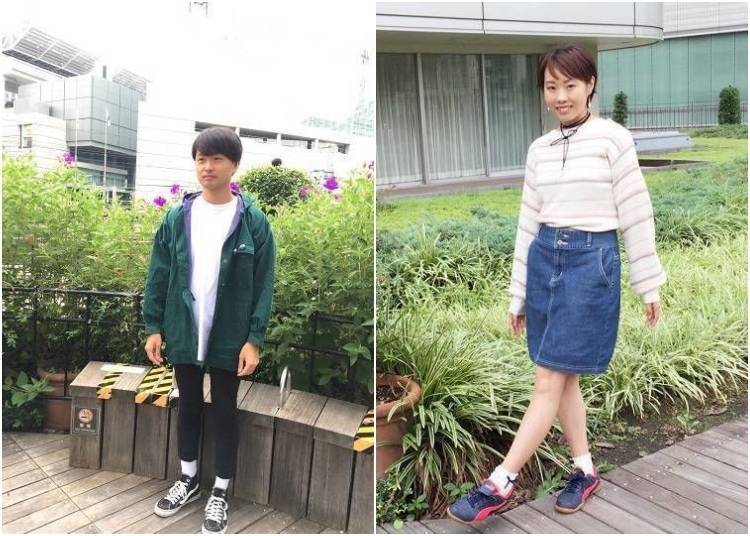
ตัวอย่างเสื้อผ้าที่สามารถเช่าได้ตามฤดูกาล
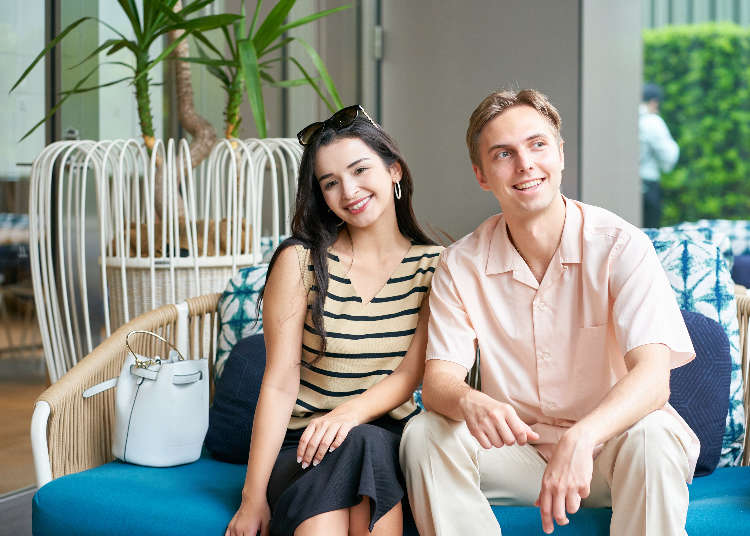
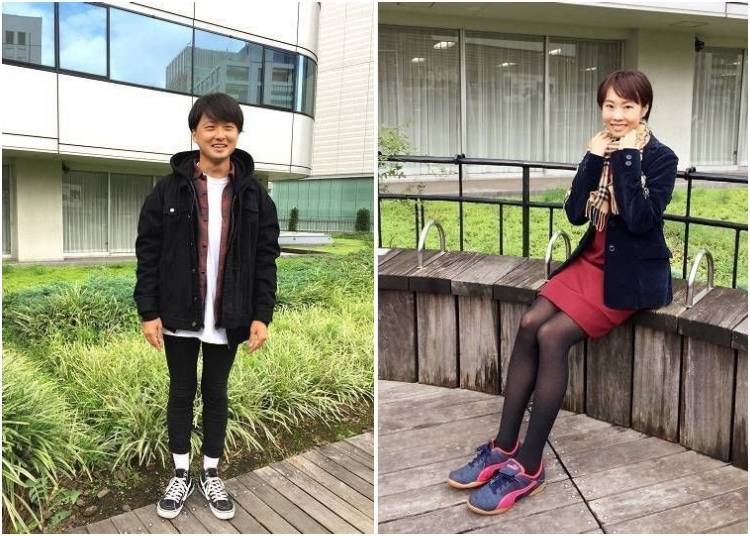
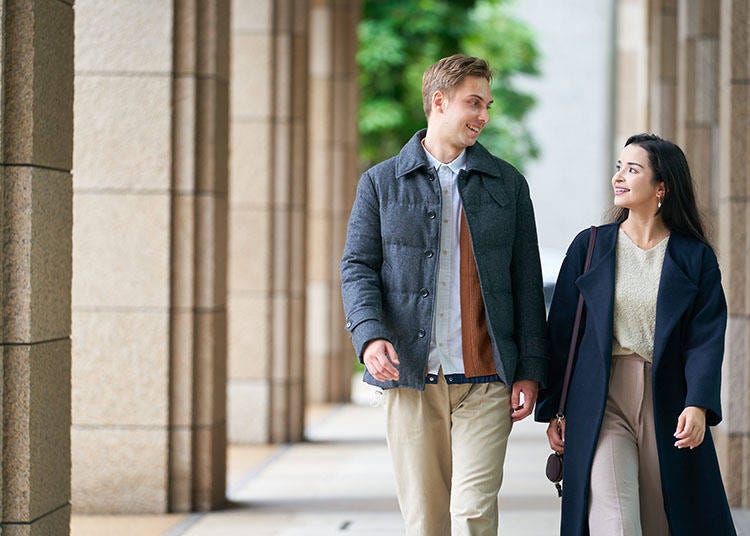
นักท่องเที่ยว Romain และ Michaela ได้ลองเสื้อผ้าเช่าในสามสไตล์ฤดูกาล ได้แก่ ใบไม้ผลิ/ใบไม้ร่วง ฤดูร้อน และฤดูหนาว พวกเขาสนใจบริการรักษ์โลก 'Any Wear, Anywhere' มากและอยากแบ่งปันความคิดเห็น
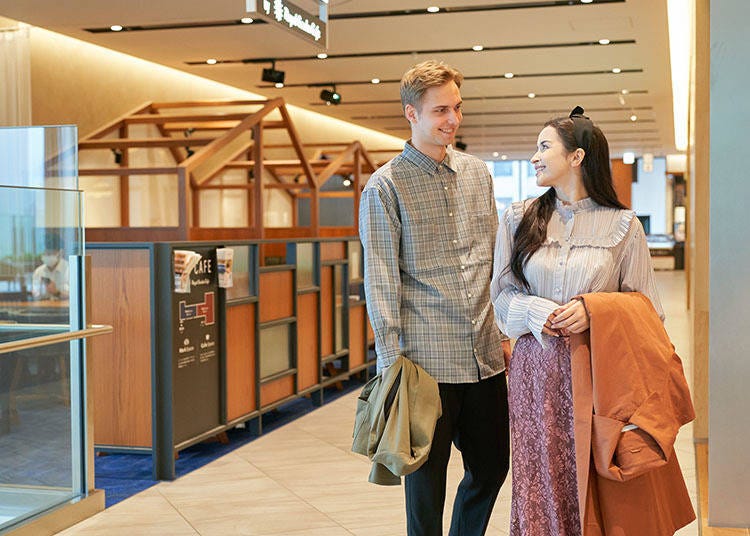
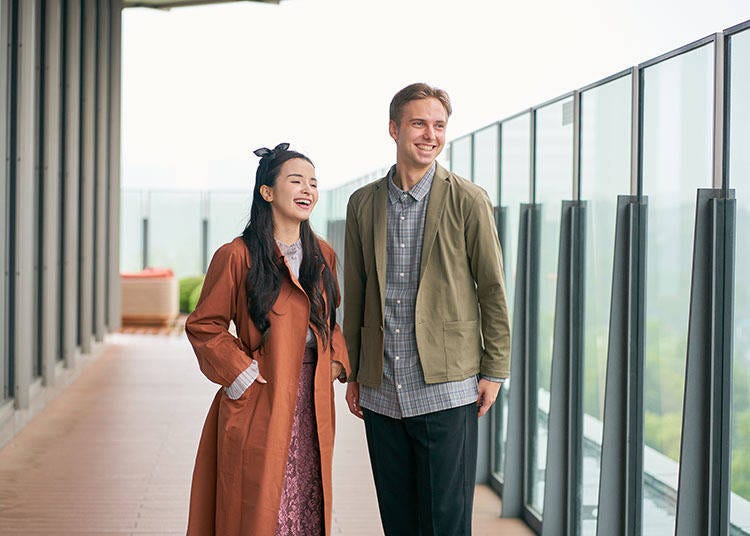
Romain และ Michaela ลองชุดใบไม้ผลิ/ใบไม้ร่วงก่อน เหมาะอย่างยิ่งสำหรับอากาศญี่ปุ่นที่อบอุ่นแต่ไม่แน่นอน "มีแจ็คเก็ตก็ไม่ต้องห่วงวันที่อากาศเย็น" Romain กล่าว Michaela เสริมว่า "โล่งใจมากที่ไม่ต้องคิดเรื่องการแมตช์เสื้อผ้าระหว่างเดินทาง"
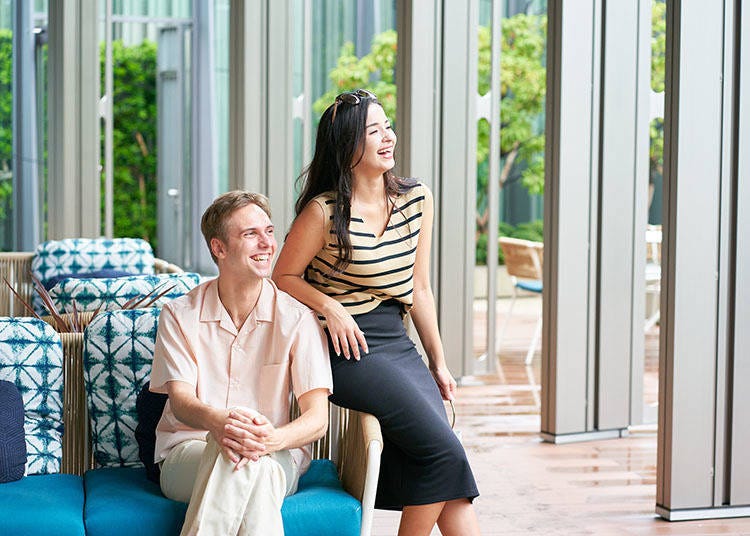
ชุดฤดูร้อนเหมาะมากสำหรับอากาศร้อนชื้นของญี่ปุ่น "เสื้อเชิ้ตและกางเกงเนื้อเบาเหมาะสุดสำหรับอากาศร้อน" Romain บอก Michaela เสริมว่า "เสื้อกล้ามและกระโปรงยาวถึงเข่าใส่ได้กับทุกคน"
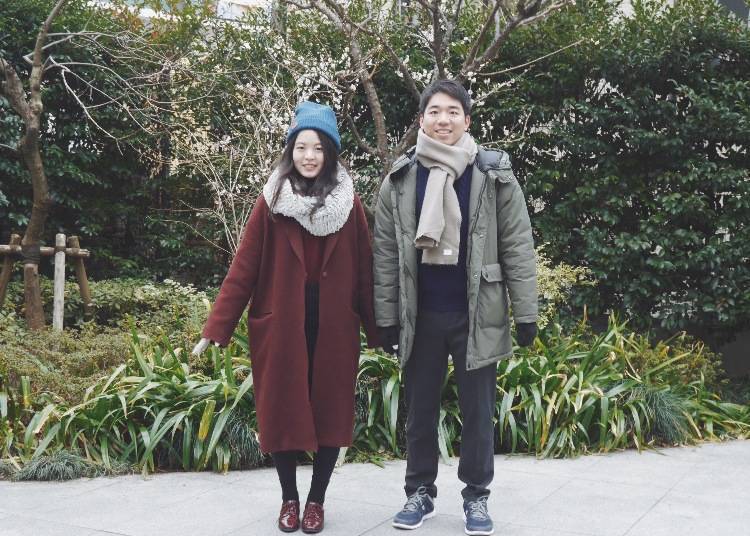
ฤดูหนาวในญี่ปุ่นต้องการเสื้อผ้าหลายชั้น และ 'Any Wear, Anywhere' มีตัวเลือกที่ใช้งานได้จริง รวมถึงแจ็คเก็ต "ไม่รู้ว่าเช่าโค้ตดาวน์ได้ด้วย ตอนนี้แพ็คกระเป๋าเบาขึ้นและเดินทางสบายใจกว่าเดิม" Romain กล่าว Michaela เสริมว่า "สบายใจมากที่ไม่ต้องแบกโค้ตหนักขึ้นเครื่อง" ทั้งคู่ประทับใจมากที่ได้สวมเสื้อผ้าสไตลิชรีไซเคิลขณะเดินทางอย่างยั่งยืน
(*หมายเหตุ: อุปกรณ์เสริมไม่รวมอยู่ในบริการ)
'Any Wear, Anywhere' ให้คุณเช่าเสื้อผ้าสวยงามตามฤดูกาลในญี่ปุ่น ทำให้การเดินทางเบาขึ้นและเป็นมิตรกับสิ่งแวดล้อมมากขึ้น มีหลายไซส์และสไตล์ให้เลือก เป็นวิธีแพ็คกระเป๋าที่ชาญฉลาดและยั่งยืน

บทความที่เป็นประโยชน์สำหรับการวางแผนท่องเที่ยวญี่ปุ่น


ทีมบรรณาธิการ LIVE JAPAN ประกอบด้วยบรรณาธิการชาวต่างชาติที่อาศัยในญี่ปุ่นมากกว่า 5 ปี และบรรณาธิการชาวญี่ปุ่นที่รักการท่องเที่ยว พวกเรามุ่งมั่นที่จะเผยแพร่เสน่ห์ของญี่ปุ่นอย่างครบถ้วน ไม่ว่าจะเป็นวัฒนธรรมและประวัติศาสตร์ที่มีประโยชน์ก่อนการเดินทาง หรือกิจกรรมและคูปองที่น่ายินดีในระหว่างการเดินทาง เราพร้อมสนับสนุนการเดินทางอันมีค่าของคุณด้วยข้อมูลและบริการต่างๆ!
*Prices and options mentioned are subject to change.
*Unless stated otherwise, all prices include tax.
ทัวร์และกิจกรรมยอดนิยม
Recommended places for you
-
Nezu Shrine
Shrines
Ueno
-
Appealing
Rukku and Uohei
Izakaya
Sapporo / Chitose
-
Ginzan Onsen
Hot Springs (Onsen) & Bath Houses (Sento)
Surrounding Areas Of Yamagata
-
ISHIDAYA Hanare
Yakiniku
Kobe, Sannomiya, Kitano
-
Goods
Yoshida Gennojo-Roho Kyoto Buddhist Altars
Gift Shops
Nijo Castle, Kyoto Imperial Palace
-
Jukuseiniku-to Namamottsuarera Nikubaru Italian Nikutaria Sannomiya
Izakaya
Kobe, Sannomiya, Kitano
-
สถานที่ห้ามพลาดเมื่อได้ไปเยือนนาริตะ 19 แห่ง รวบรวมไว้ทั้ง แหล่งท่องเที่ยว ที่ชอปปิ้ง และอาหารรสเด็ดไว้ให้คุณเรียบร้อยแล้ว
-
Ad
สวมใส่ความงามและความดั้งเดิมแบบญี่ปุ่นด้วย CITIZEN จับจองเป็นเจ้าของรุ่นจำกัดจำนวน SAKURA และรุ่นอื่น ๆ ที่น่าจับตามอง
-
[MOVIE] ไปดูโชว์แล่ปลามากุโร่และลิ้มรสปลาสดๆแล่ใหม่ๆกันเถอะ!
-
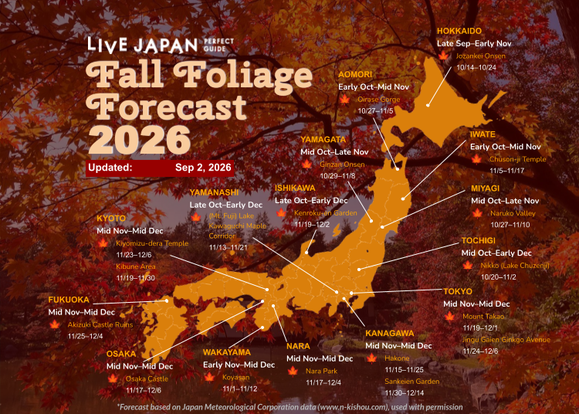
ใบไม้เปลี่ยนสีในญี่ปุ่น 2026: พยากรณ์ฤดูใบไม้ร่วง และจุดชมวิวสุดฟิน (พร้อมข้อมูลทัวร์)
-
หากต้องการใช้ชีวิตยามราตรีในโตเกียวล่ะก็ มีบาร์ที่อยากกให้ลองไปกัน
-
10 อันดับ สถานที่ท่องเที่ยวใกล้โตเกียว: ทริปเที่ยวสัมผัสธรรมชาติและประวัติศาตร์แบบไปเช้าเย็นกลับ
-
เผยหมดเปลือก ตลาดด้านนอกของซึกิจิ !
-
อีเวนต์เดือนกันยายนในภูมิภาคคันโต: เทศกาลสนุก ๆ อาหารอร่อย และกิจกรรมเด็ดที่ห้ามพลาด
-
เพลิดเพลินไปกับสวนกุหลาบฤดูใบไม้ร่วง & จุดชมดอกคอสมอสและโคเคียสีแดง
-

ช้อปปิ้งญี่ปุ่น 2026: ปฏิทินลดราคาประจำปี ดีลเด็ดที่ห้ามพลาด แหล่งช้อปที่ต้องไป
-
พืชและสัตว์กว่า 3,000 ชนิดที่อาศัยอยู่รอบบริเวณป่าของศาลเจ้าเมจิ
-
ชำแหละให้หมดเปลือกกับย่านยะเนะเซ็นที่ยังคงหลงเหลือบรรยากาศแบบญี่ปุ่นสมัยก่อน