




Visiting Japan in Summer: Ultimate Guide to Weather, Where to Go & Things to Do
- Written by: LIVE JAPAN Editor
Planning a trip to Japan in the summer? Discover the best places to beat the heat, must-see summer festivals (matsuri), what to pack, and delicious summer foods to try.
If you are researching a trip to Japan between June and August, you’ve probably heard the warnings: It’s too hot. It’s too humid. It rains too much. Let’s be honest—summer in Japan is not for the faint of heart. The humidity can hover near 100%, and the mid-summer heat is notoriously intense.
But here is the secret most travelers miss: Summer is also one of the most magical, culturally vibrant, and underrated times to visit Japan. If you plan your trip strategically, you will be rewarded with spectacular fireworks displays, energetic street festivals, lush green landscapes, and mouth-watering seasonal food. Here is everything you need to know to survive and thrive during summer in Japan.
(This article may contain affiliate links)
- Table of Contents
-
- The Truth About Japan’s Summer Weather (Month by Month)
- Where to Go: The Best Places to Beat the Heat
- Where to Go: The Best Places to Enjoy the Sun
- Survival Guide: What to Pack for Japan in Summer
- Unmissable Summer Festivals (Matsuri) and Fireworks (Hanabi)
- Japanese Summer Foods You Have to Try
- Fun Things to Do in Summer in Japan
- Tips on Visiting Japan in Summer
The Truth About Japan’s Summer Weather (Month by Month)
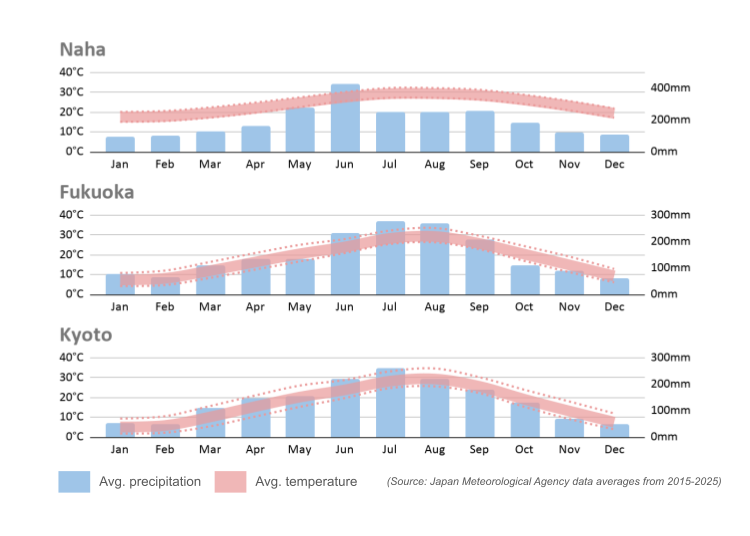
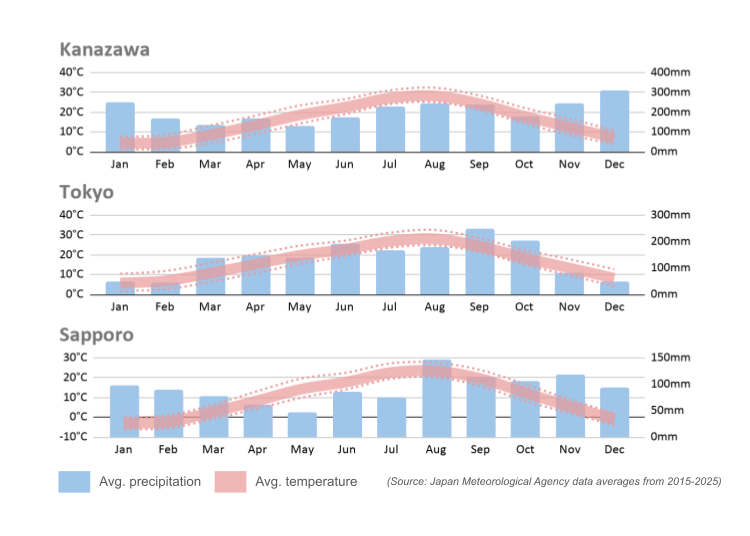
To plan the perfect summer trip to Japan, it helps to understand both the seasonal weather patterns and the regional differences you'll encounter.
June (Rainy Season / Tsuyu): June marks the start of summer and brings the annual rainy season to much of Japan. While it rarely rains all day, overcast skies, high humidity, and sudden showers are common. The upside is that this is when hydrangeas (ajisai) burst into bloom, creating spectacular displays at temples, shrines, and gardens across the country.
July (Summer Arrives): By mid-July, the rainy season typically comes to an end, giving way to hot, sunny weather. Summer festivals begin in earnest, and temperatures climb quickly, especially in cities such as Kyoto and Osaka. Kyoto can feel particularly intense due to its basin-like geography, which traps heat and humidity.
August (Peak Summer & Typhoons): August is generally the hottest month of the year, bringing intense sunshine, high humidity, and frequent tropical nights when temperatures remain warm even after sunset. It is also the peak of typhoon season, and while direct impacts are relatively infrequent, storms can occasionally disrupt travel.
However, summer conditions vary considerably depending on where you travel.
・Eastern & Western Japan (Tokyo, Kyoto, Osaka): Expect hot, humid weather throughout July and August. Major cities often experience tropical nights (nettaiya), when temperatures stay high long after sunset.
・Northern Japan (Hokkaido & Tohoku): Northern Japan offers a much cooler and more comfortable summer. Areas such as Sapporo typically experience lower humidity and milder daytime temperatures, making them popular escapes from the heat.
・Southern Japan (Okinawa): Okinawa has a subtropical climate with long, hot summers. While temperatures are similar to those on the mainland, coastal breezes and easy access to the ocean can make the heat feel more manageable.
Where to Go: The Best Places to Beat the Heat
If you want to avoid the boiling concrete jungles of Tokyo and Osaka, head north or up into the mountains. Here are some of the best summer destinations in Japan.
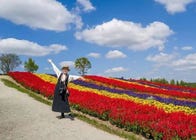
1. Furano (Hokkaido)
Think endless fields of purple lavender stretching toward distant mountains under clear blue skies. Furano's dry air and pleasantly warm days make it one of Japan's most comfortable summer destinations. Between flower farms, vineyards, and countryside scenery, it's easy to forget you're visiting Japan during its hottest season.
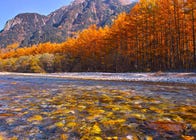
2. Kamikochi (Nagano)
Nestled deep within the Japanese Alps, Kamikochi offers crystal-clear rivers, towering mountain peaks, and cool alpine air. Wooden boardwalks and easy hiking trails wind through marshlands and forests, creating one of Japan's most breathtaking summer escapes.
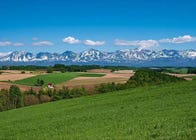
3. Daisetsuzan National Park (Hokkaido)
Known as the "Roof of Hokkaido," this vast wilderness is filled with volcanic peaks, alpine meadows, and untouched forests. Even in midsummer, temperatures can feel refreshingly cool, making it a paradise for hikers and nature lovers.
4. Karuizawa (Nagano)
Japan's most famous summer resort town has welcomed wealthy Tokyoites seeking relief from the heat for generations. Expect leafy streets, elegant cafés, historic churches, and forest walking trails, all set in a pleasantly cool mountain environment.
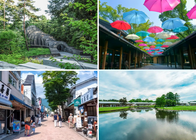
5. Towada-Hachimantai National Park (Aomori & Akita)
Home to the emerald waters of Lake Towada and the picturesque Oirase Gorge, this region offers shaded walking trails, waterfalls, and lush forests. It's an ideal destination for travelers looking for nature without strenuous hiking.
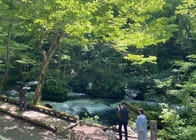
6. Hakuba (Nagano)
Best known internationally as a winter ski destination, Hakuba transforms into an outdoor paradise in summer. Surrounded by the dramatic peaks of the Northern Japanese Alps, the area offers cool mountain air, alpine flower fields, scenic gondola rides, crystal-clear streams, and hiking trails for every skill level. On clear days, the views from the mountain ridges stretch across some of Japan's most spectacular alpine scenery, making it hard to believe Tokyo is only a few hours away.
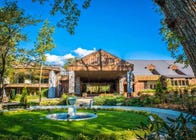
8. Nikko (Tochigi)
While famous for its ornate shrines and temples, Nikko is also surrounded by cool forests, waterfalls, lakes, and mountain scenery. Destinations such as Lake Chuzenji and Kegon Falls offer a refreshing escape from the heat of nearby Tokyo.
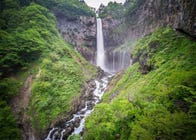
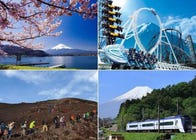
9. Fuji Five Lakes (Yamanashi)
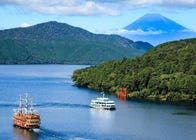
If you want cooler air without traveling far from Tokyo, head to the Fuji Five Lakes region at the foot of Mount Fuji. The two most popular lakes, Lake Kawaguchiko and Lake Yamanakako, offer stunning mountain views, along with boating, cycling, paddleboarding, lakeside walks, and hot springs.
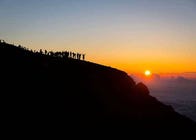
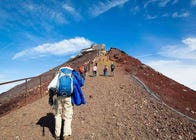
Summer is also the only time Mount Fuji is officially open for climbing, with the season typically running from early July to early September. Many hikers spend a night around the lakes before or after their ascent, making the area especially lively during the summer months.
Where to Go: The Best Places to Enjoy the Sun

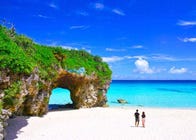
1. Miyakojima (Okinawa)
With dazzling turquoise water and powder-soft white sand, Miyakojima looks like a tropical postcard come to life. Beaches such as Yonaha Maehama regularly rank among Japan's most beautiful, while the island's laid-back atmosphere makes it easy to slow down and enjoy the sunshine.
2. Ishigaki Island (Okinawa)
Ishigaki combines tropical beaches with a lively island town full of restaurants, cafés, and local culture. Spend your days snorkeling over coral reefs, taking boat trips to nearby islands, or watching the sun sink into the East China Sea.
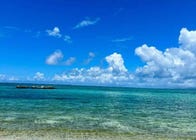
3. Niijima (Tokyo)
Just a ferry ride from Tokyo, Niijima feels worlds away from the capital's skyscrapers. Known for its white volcanic-sand beaches, clear waters, and relaxed surf culture, the island offers a surprisingly tropical escape without leaving Tokyo Prefecture.
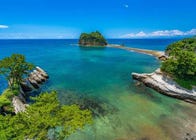
4. Yakushima (Kagoshima)
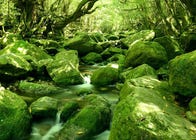
A UNESCO World Heritage Site, Yakushima combines subtropical beaches with ancient cedar forests that inspired the setting of Princess Mononoke. Travelers can spend the morning hiking through mystical woodlands and the afternoon relaxing by the sea.
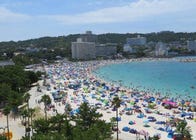
5. Shirahama (Wakayama)
One of Japan's classic beach towns, Shirahama offers a wide stretch of white sand, clear ocean water, and some of the country's best seaside hot springs. It's the perfect combination of beach vacation and traditional Japanese relaxation.
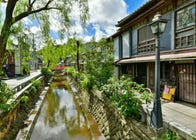
6. Shimoda (Shizuoka)
Located on the southern tip of the Izu Peninsula, Shimoda is known for its beautiful beaches, rugged coastline, and relaxed atmosphere. The area's coves and clear waters make it particularly popular with swimmers and surfers.
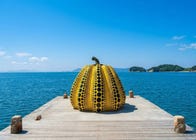
7. Naoshima (Kagawa)
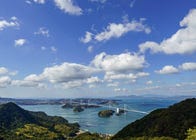
This art-filled island in the Seto Inland Sea combines world-class museums with sunny coastal scenery. Bright yellow pumpkins, contemporary architecture, quiet fishing villages, and sea views make every corner feel photogenic.
8. The Setouchi Islands (Okayama, Kagawa & Hiroshima)
Scattered across the calm waters of the Seto Inland Sea, these islands are known for sunny weather, cycling routes, beaches, olive groves, and charming port towns. The relaxed pace and beautiful seascapes make the region one of Japan's best-kept summer secrets.
9. Kyoto & Osaka: Come for the Festivals
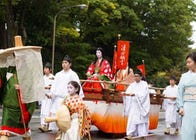
While summer sightseeing can be challenging due to the heat, Kyoto and Osaka host some of Japan's most famous seasonal events. Highlights include Kyoto's month-long Gion Matsuri in July and Osaka's Tenjin Matsuri, known for its river procession and spectacular fireworks display. If visiting these cities in summer, plan outdoor activities for the morning or evening and spend the hottest hours indoors.
Survival Guide: What to Pack for Japan in Summer

You probably don't need a reminder, but don't forget sunscreen. Japan's summer sun can be intense, especially on days that reach 37°C (99°F).
Packing for summer is generally straightforward. Unless you're heading to Hokkaido, climbing Mount Fuji, or visiting higher elevations, you likely won't need warm clothing. A lightweight waterproof jacket is worth bringing, though, as summer downpours can be sudden and heavy.
You'll definitely want breathable walking shoes, moisture-wicking shirts, and sunglasses. A typical summer packing list includes:
・Shorts
・T-shirts
・Sunglasses
・Sandals
・Bandanna or headscarf
・Small hand towel
・Summer hat
・Lightweight, moisture-wicking shirts
・Lightweight waterproof jacket
In fact, one of the smartest things you can do after arriving is stop by a local drugstore, Don Quijote, or convenience store to stock up on Japanese summer essentials. Cooling wipes, portable fans, UV-blocking umbrellas, and sports drinks can be absolute lifesavers in the heat and humidity.
Above all, bring comfortable, breathable footwear. Many travelers end up walking 8–11 km (5–7 miles) or more each day, so supportive shoes that help keep your feet cool will make a big difference.
- Cooling Body Wipes: Do not rely on regular wet wipes. Look for menthol-infused "ice" sheets (popular brands include Bioré and Gatsby). These wipe away sweat while leaving a powdery finish and an intense, lingering cooling sensation on your skin.
- Ice Rings (Neck Coolers): A massive trend in Japan, these are gel-based rings you wear around your neck. They use a special material that naturally freezes at room temperature (usually anything below 28°C / 82°F) and provides a gentle, constant chill. You can find them at lifestyle stores like Loft and BicCamera, or even 100-yen shops like Daiso.
- UV Parasols (Higasa): Blocking the direct sun is an absolute game-changer for lowering your perceived body temperature. Look for a folding umbrella with a specialized "100% UV Cut" and "Light-shielding" (遮光) inner coating.
- Portable Handheld Fans: Forget the flimsy paper fans; locals rely on powerful, USB-rechargeable electric fans. The brand Francfranc makes highly popular, aesthetically pleasing models with adjustable speeds that can easily clip onto a bag or stand on a cafe table, and you can find a selection of these at BicCamera and other electronics stores.
- A "Tenugui" or Small Hand Towel: You will sweat, and you will need to wipe your brow. Almost all public restrooms in Japan do not provide paper towels, so carrying a small cotton towel (tenugui) in your pocket is a daily necessity for locals.
- A Light Cardigan or UV-Cut Hoodie: Beware the "AC Chill!" While the streets are sweltering, Japanese bullet trains, department stores, and restaurants blast their air conditioning. A light layer will keep you from shivering indoors. Uniqlo’s "UV Cut" mesh hoodies are a phenomenal, breathable option that doubles as sun protection.
Unmissable Summer Festivals (Matsuri) and Fireworks (Hanabi)
The Top 10 Must-See Summer Matsuri

Summer is festival season in Japan. From July through August, cities and towns across the country come alive with traditional dances, colorful parades, towering floats, and locals dressed in yukata. Many of the season's biggest events are connected to traditions such as Tanabata and Obon, making summer one of the best times to experience Japanese culture firsthand, and be sure to try the fantastic street foods, too!
Gion Matsuri (Kyoto, July)
One of Japan’s most famous and historic festivals, dating back to 869. Its centerpiece is the Yamaboko Junko procession, featuring enormous handcrafted floats decorated with priceless textiles and pulled through Kyoto by hand. Read more here.
Hakata Gion Yamakasa (Fukuoka, Mid-July)
Teams of men race through city streets carrying lavish one-ton floats on their shoulders. The high-speed competition, combined with spectators splashing participants with water, creates an electrifying atmosphere.
Gujo Odori (Gifu, Mid-July to Early September)
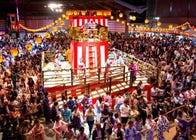
Held over 31 nights in a charming mountain town, this festival is famous for its community dancing. During the Obon holiday, participants dance from evening until dawn for four consecutive nights.
Tenjin Matsuri (Osaka, Late July)
Known for its dramatic blend of fire and water, this festival features both a grand land procession and an evening river parade. Illuminated boats, fireworks, and traditional performances create one of Japan’s most spectacular summer nights. Read more here.
Aomori Nebuta Matsuri (Aomori, Early August)
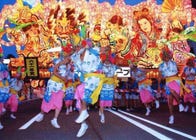
Giant illuminated floats depicting warriors, gods, and legendary figures parade through the streets at night, accompanied by energetic chants of “Rassera!” Visitors can even rent a haneto costume and join the dancing. Read more here.
Akita Kanto Matsuri (Akita, Early August)
Performers balance towering bamboo poles lined with glowing lanterns on their palms, shoulders, foreheads, and backs. The impressive displays symbolize rice stalks and prayers for a bountiful harvest. Read more here.
Sendai Tanabata Matsuri (Miyagi, Early August)
Downtown Sendai is decorated with thousands of vibrant washi-paper streamers hanging from bamboo poles. The festival celebrates the legendary meeting of two star-crossed lovers across the Milky Way. Read more here.
Awa Odori (Tokushima, Mid-August)
Japan’s largest dance festival transforms the city into one giant outdoor celebration. Thousands of dancers perform through the streets to the sound of shamisen, taiko drums, and flutes, inviting spectators to join the fun. Read more here.
Yosakoi Matsuri (Kochi, Mid-August)
Thousands of dancers in colorful costumes perform energetic routines while carrying wooden naruko clappers. Traditional folk music blends with modern styles such as pop, rock, and samba.
Fukagawa Hachiman Festival (Tokyo, Mid-August)
Often called the “Water-Throwing Festival,” this lively event features a procession of mikoshi portable shrines through Tokyo’s streets. Spectators enthusiastically drench participants with buckets, hoses, and water guns. Read more here.
The Top 10 Jaw-Dropping Hanabi (Fireworks) Festivals
Lake Toyako Long Run Fireworks Display (Hokkaido, April–October)
Unlike most fireworks events, Lake Toya hosts a 20-minute fireworks show every night for six months. Fireworks are launched from boats moving across the lake, allowing visitors to enjoy the display from lakeside hotels and open-air hot springs. Learn more here.
Sumida River Fireworks Festival (Tokyo, Late July)
Japan’s oldest ongoing fireworks festival dates back to 1733 and remains one of its most iconic summer events. Around 20,000 fireworks illuminate the skies above Asakusa and the Tokyo Skytree area, attracting nearly a million spectators. Learn more here.
Nagaoka Fireworks Festival (Niigata, Early August)
One of Japan’s most celebrated fireworks festivals, created to commemorate recovery and peace after World War II. Its legendary Phoenix display stretches nearly 2 kilometers across the Shinano River, creating a truly unforgettable spectacle. Learn more here.
Lake Biwa Great Fireworks Festival (Shiga, Early August)
Held on the shores of Japan’s largest lake, this is one of Kansai’s premier fireworks events. Massive starmines spread across the water, creating stunning reflections against Lake Biwa and the surrounding mountains. Learn more here.
Edogawa Fireworks Festival (Tokyo, Early August)
Known for one of Japan’s most explosive openings, the festival launches around 1,000 fireworks in just a few seconds. The rest of the show unfolds through themed segments accompanied by synchronized music. Learn more here.
Kumano Fireworks Festival (Mie, Mid-August)
Held on a scenic pebble beach, this festival is famous for fireworks launched against the rugged cliffs of Onigajo. The resulting echoes and vibrations create a uniquely powerful viewing experience.
Naniwa Yodogawa Fireworks Festival (Osaka, Mid-August)
Osaka’s premier fireworks event fills the skies above the Yodo River with massive displays. The colorful bursts reflected against the city skyline make for one of western Japan’s most memorable summer nights. Learn more here.
Lake Suwa Fireworks Festival (Nagano, Mid-August)
Surrounded by mountains, Lake Suwa amplifies every explosion into a thunderous echo. The festival is especially famous for its enormous Niagara-style fireworks stretching across the lake.
Omagari National Fireworks Competition (Akita, Late August)
Japan’s most prestigious fireworks competition brings together the nation’s top pyrotechnic artists. Visitors can enjoy both nighttime displays and a rare daytime competition featuring colorful smoke effects and innovative designs.
Learn more here.
Summer in Japan Means High School Baseball!

The National High School Baseball Tournament, better known as Koshien, is one of Japan’s most beloved sporting events. While tournaments are held in both spring and summer, the summer championship draws the biggest crowds and nationwide attention each year. Learn more on the official website.
Japanese Summer Foods You Have to Try

When the heat index rises, Japanese cuisine adapts perfectly to help you cool down from the inside out.
Kakigori (Shaved Ice): Forget the crunchy snow cones of your childhood. Japanese kakigori is fluffy, snow-like ice topped with premium ingredients like matcha syrup, sweet red beans, fresh fruit, and condensed milk.
Cold Noodles (Somen & Zaru Soba): Somen are ultra-thin wheat noodles served over ice with a light, savory dipping broth. Zaru soba (buckwheat noodles) are similarly chilled and incredibly refreshing.
Kawadoko Dining in Kyoto: In Kyoto, restaurants build wooden dining platforms (kawadoko) directly over flowing rivers. You can eat traditional cuisine while the cool mist from the river acts as natural air conditioning.
Beer Gardens: Head to the rooftop of almost any major department store in Japan during the summer, and you'll find bustling, all-you-can-drink outdoor beer gardens.
Recharge with "Stamina" Cuisine: Locals turn to stamina foods to fight summer fatigue. Unagi (grilled freshwater eel) glazed in a rich, savory-sweet sauce is the ultimate energy booster. Outdoor BBQ terraces and rooftop beer gardens also pop up across major cities, offering ice-cold draft beer.
Fun Things to Do in Summer in Japan
Beyond festivals and seasonal foods, summer is a great time to enjoy Japan's outdoors. From relaxing on beautiful beaches and exploring historic towns in a yukata to taking evening cruises on Tokyo Bay, there are plenty of memorable ways to experience the season.
-
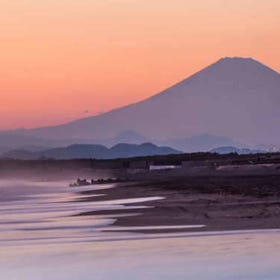 10 Best Beaches Near Tokyo: Enjoy a Slice of Paradise This Summer
 -
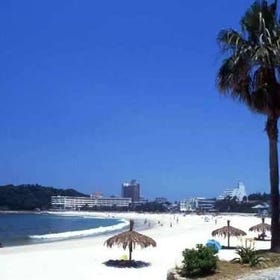 6 Best Beautiful Beaches Near Osaka: Dreamy Summer Destinations in Kansai
 -
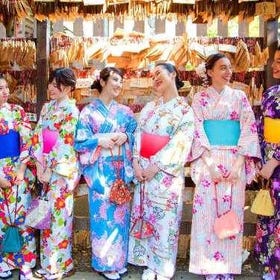 Popular Kimono Rental Shops in Tokyo: Where to Rent Authentic Attire & How to Make It Unforgettable (Local Recommended)
 -
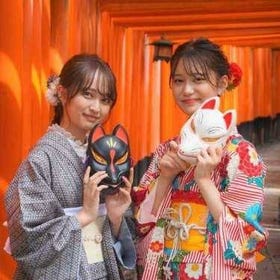 11 Selected Kimono Rental Shops in Kyoto: Take a Stroll in Traditional Japanese Clothing
 -
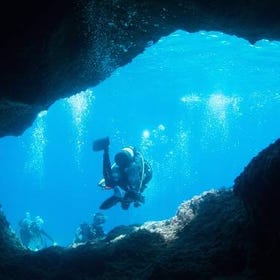 Browse snorkeling and other fun water activities ▶
 -
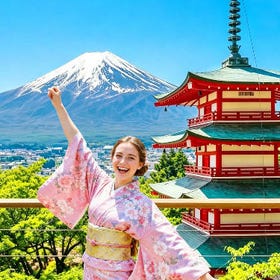 Browse fun sightseeing tours from Tokyo ▶
Tips on Visiting Japan in Summer

Seek Out "Mildly Air-Conditioned" Train Cars
Navigating public transit in the heat can be draining. Look for the stickers on the platform or train windows labeling certain cars as "Mildly Air-Conditioned" (弱冷房車, jakureibousha). These cars are kept slightly warmer than the rest of the icy train, which is perfect if you are sensitive to sudden temperature drops.
The Golden Rule: Beware the "Obon" Holiday
This is a crucial travel warning: Mid-August is Obon, a traditional holiday honoring the spirits of ancestors. During this week, domestic travel reaches its absolute peak. Bullet trains are packed, highways face massive traffic jams, and hotels are fully booked.

Plan Ahead if Climbing Mount Fuji
Summer is the only time Mount Fuji is officially open for climbing, with the season typically running from early July to early September. Because it is a bucket-list experience for many travelers, the trails and mountain huts (yamagoya) get extremely crowded. In recent years, strict daily climber caps, entry fees, and mandatory online reservation systems have been introduced to combat overcrowding, particularly on the popular Yoshida Trail. If you plan to hike to the summit, you must book your trail access and mountain hut accommodations months in advance—spontaneous, overnight "bullet climbs" are strictly prohibited and no longer possible.
Enjoy Seasonal Flowers
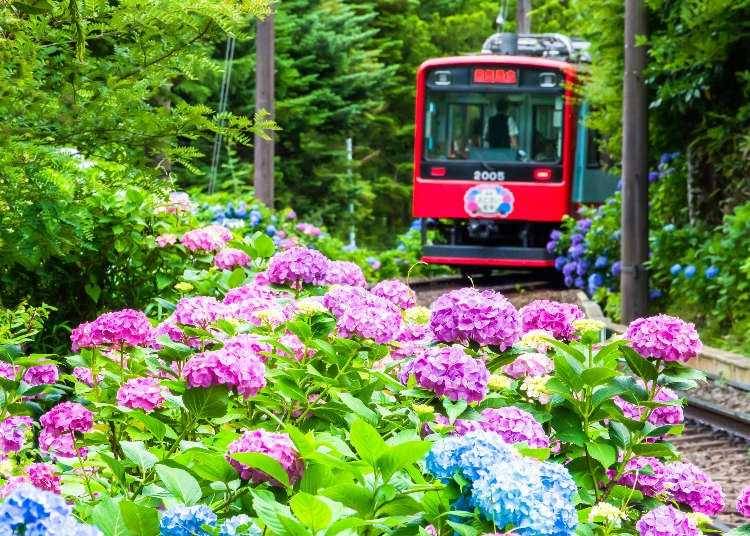
While spring’s cherry blossoms get all the glory, Japan’s summer flowers are equally spectacular. Early summer brings vibrant, colorful hydrangeas (ajisai) to temple grounds and gardens across the country, as they thrive during the rainy season. As the heat turns up in July and August, vast fields of cheerful sunflowers (himawari) bloom in brilliant yellow, and Hokkaido’s rolling hills transform into stunning carpets of fragrant purple lavender. You can even experience traditional Edo-era culture by strolling through a morning glory market in Tokyo. Discover some of the best places to see summer blooms below!
- 6 Popular Tokyo Summer Flower Markets: Morning Glory Fairs and Japanese Lantern Plant Markets
- 9 Dreamy Hokkaido Flower Fields That Peak in Summer (Best Between June and August)
- 5 Gorgeous Mount Fuji and Flowers Viewing Spots For Spring and Summer
- Enjoy Gorgeous Views at these 5 Hydrangea Gardens Near Tokyo (+Best Times To Enjoy)
- 10 Prettiest Sunflower Fields in Japan: When and Where to Go To See Stunning Kansai in Bloom
- 4 Best Sunflower Fields Near Tokyo: Spectacular Scenic Views in Tokyo, Kanagawa, and Chiba
- Hokkaido Lavender Fields: 6 Best Places in Furano to See Japan's Dreamiest Purple Meadows
- See Japan's Most Dreamlike Summer Scenery on a Hokkaido Flower Tour
- Category
*Prices and options mentioned are subject to change.
*Unless stated otherwise, all prices include tax.
Popular Tours & Activities
Recommended places for you
-
Tokyo Tower
Landmarks
Roppongi
-
Jukuseiniku-to Namamottsuarera Nikubaru Italian Nikutaria Sannomiya
Izakaya
Kobe, Sannomiya, Kitano
-
Farm Tomita
Other Nature
Furano / Biei / Sounkyo
-
Goods
Yoshida Gennojo-Roho Kyoto Buddhist Altars
Gift Shops
Nijo Castle, Kyoto Imperial Palace
-
Appealing
Rukku and Uohei
Izakaya
Sapporo / Chitose
-
ISHIDAYA Hanare
Yakiniku
Kobe, Sannomiya, Kitano
-
Just 2 Hours from Tokyo! Escape to Yamanashi's NIPPONIA Kosuge, Where an Entire 700-Person Village Becomes Your Hotel
by: Alice Lee
-

Daikoku Car Meet Guide: How to Visit, Best Times & Rules
-
Ad
Do’s and Don’ts: The Complete Guide to Sento Baths! Getting the Full Experience In Ueno’s Famous Kotobuki-yu
-

Seibu Group Launches New Chichibu Adventure Tourism Experience for International Travelers in 2026
by: Guest Contributor
-
Ad
Pocket WiFi Rental in Japan 2026: Complete Price Comparison & Where to Get the Best Deal
-

Best Sumo Shows & Experiences in Tokyo (2026): Prices Compared
-
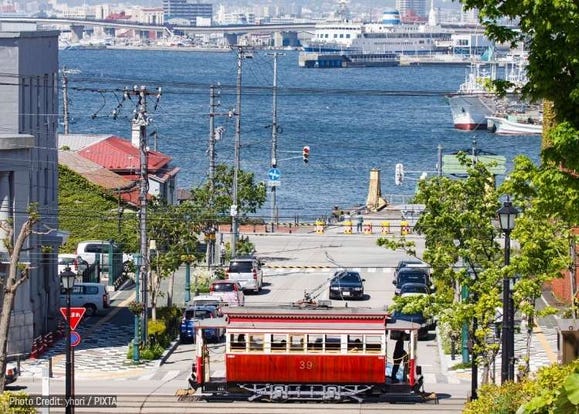
Fun Things to Do in Hakodate in Summer (June/July/August): Events, Festivals & More
by: Kei Suzuki
-
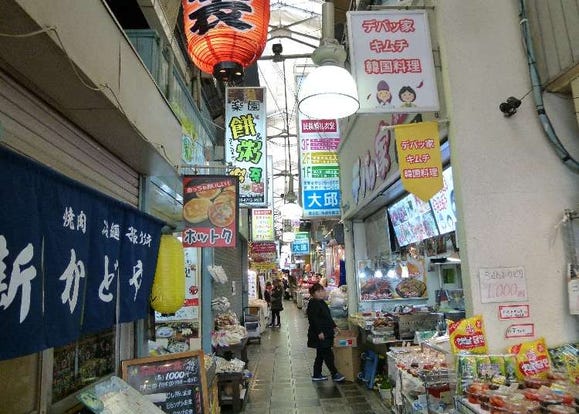
Osaka Koreatown: In Search of the Best Eats in the Korean Roots of Osaka's Tsuruhashi Market
-
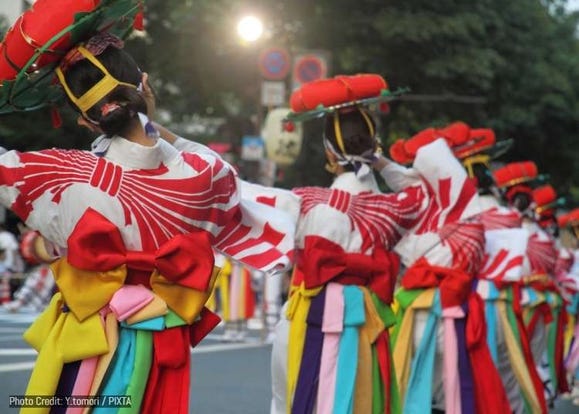
Fun Things to Do in Morioka in Summer (June/July/August): Events, Festivals & More
by: Kei Suzuki
-
Fun in the Sun! Top 10 Things to Do This Summer in Osaka
-
Hokkaido Lavender Fields: 6 Best Places in Furano to See Japan's Dreamiest Purple Meadows
by: Nobuka Kawashima
-
Tokyo to Niigata by Shinkansen: Guide to Riding the Joetsu Shinkansen
by: Guest Contributor
- #best sushi japan
- #what to do in odaiba
- #what to bring to japan
- #new years in tokyo
- #best ramen japan
- #what to buy in ameyoko
- #japanese nail trends
- #things to do japan
- #onsen tattoo friendly tokyo
- #daiso
- #best coffee japan
- #best japanese soft drinks
- #best yakiniku japan
- #japanese fashion culture
- #japanese convenience store snacks