




Japan’s festivals, or matsuri, are some of the most exciting ways to experience the country’s living traditions. Depending on where and when you travel, you might find yourself beneath a towering lantern float in Aomori, watching mikoshi portable shrines surge through the streets of Tokyo, dancing alongside thousands in Tokushima, or admiring centuries-old floats illuminated by lanterns after dark.
Many traditional matsuri are closely connected to local shrines, deities, seasons, harvests, or historic events. That’s also why festivals can look remarkably different from one part of Japan to another. Some revolve around sacred processions, while others are famous for enormous decorated floats, fireworks, dancing, lanterns, elaborate costumes, or even snow and ice.
Below, we’ve selected 24 of Japan’s most famous festivals, from the Three Great Festivals of Japan to spectacular regional celebrations worth planning a trip around. First, here’s a little context to help you understand what you’re seeing.
- Table of Contents
-
- What is a matsuri? Understanding Japanese festivals
- Kanto: Famous festivals in Tokyo and around the capital
- Kansai: Historic festivals in Kyoto and Osaka
- Tohoku: Giant lanterns and spectacular summer festivals
- Chubu: Traditional craftsmanship in the Japanese Alps
- Shikoku: Japan’s great dance festivals and powerful taiko-dai
- Hokkaido: From shrine traditions to giant snow sculptures
- Kyushu: Distinctive floats, dances, and centuries-old traditions
- Tips for attending a Japanese festival
- FAQ: Japanese festivals and matsuri
- Experience a different side of Japan through its festivals
What is a matsuri? Understanding Japanese festivals
The Japanese word “matsuri” (祭り) broadly means festival, but there’s no single formula for what a matsuri looks like. Many traditional festivals developed around Shinto shrines and local kami (deities), with ceremonies held to pray for good harvests, protection from disasters, prosperity, or the well-being of the community.
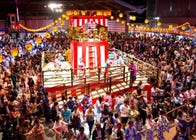
Others have evolved around Buddhist customs, historical events, seasonal traditions, dance, snow, or fireworks. That’s why a summer evening of Bon dancing, a solemn procession of people in Heian-period clothing, and a roaring parade of enormous wooden floats can all fall within Japan’s extraordinarily diverse festival culture.

Kanto: Famous festivals in Tokyo and around the capital
Some of Japan’s most accessible major matsuri take place right in Tokyo. Kanto is particularly good for experiencing the power of mikoshi processions, from Sanja Matsuri in Asakusa to the water-soaked Fukagawa Hachiman Festival. Head into neighboring Saitama in December and the emphasis changes completely, with enormous illuminated floats and fireworks at the Chichibu Night Festival.
1. Sanja Matsuri: Experience Asakusa at its most energetic (May/Tokyo)

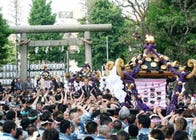
The Sanja Festival is one of Japan’s most iconic festivals, drawing around 1.8 million visitors to historic Asakusa over three days. Centered around Asakusa Shrine and neighboring Senso-ji Temple, it marks Asakusa’s busiest time of the year.
The excitement builds through the weekend. The Dai-gyoretsu, or Grand Parade, takes place Friday afternoon and features traditional musicians, dancers, and officials in Edo-period attire. Saturday sees neighborhood mikoshi fill every corner of Asakusa. The climax comes on Sunday, when three important mikoshi belonging to Asakusa Shrine are carried through the surrounding streets before returning to the shrine for the Miyairi event. It’s a novel sight for tourists to watch local participants, typically reserved in daily life, pour all their physical energy into carrying these heavy shrines amidst roaring chants.
・When: Friday–Sunday around the third Saturday of May
・2027 dates: May 14–16
・Where: Asakusa Shrine, Senso-ji Temple, and surrounding Asakusa area
・Official website
-

-
Address
Around Asakusa Shrine, 2 Asakusa, Taito-ku, Tokyo, 111-0032
View Map -
Nearest Station
Asakusa Station (Tokyo Metro Ginza Line / Toei Asakusa Line / Tobu Isesaki Line (Tobu Skytree Line) / Tsukuba Express)
7 minutes on foot
- Phone Number 03-3844-1575
-
Address
Around Asakusa Shrine, 2 Asakusa, Taito-ku, Tokyo, 111-0032
2. Kanda Matsuri: One of Japan’s Three Great Festivals (May/Tokyo)

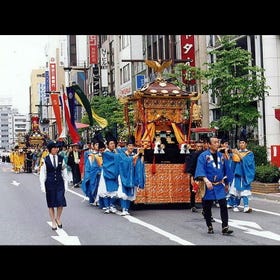
Counted alongside Kyoto’s Gion Festival and Osaka’s Tenjin Festival as one of Japan’s Three Great Festivals, Kanda Matsuri is held every two years (in odd-numbered years) at Kanda Myojin Shrine in Tokyo’s Chiyoda Ward.
One of its most impressive contrasts is watching centuries-old festival traditions unfold against modern neon-lit neighborhoods such as Kanda, Nihonbashi, and Akihabara. Key highlights include the Shinkosai (a purification ritual to cleanse the town) and the Tsuke-matsuri, a grand parade of decorative floats, performances, and historical costumes. The festival reaches its peak during the Mikoshi Miyairi, as neighborhood mikoshi arrive at Kanda Myojin Shrine in succession while enthusiastic chants of “Wasshoi!” and “Soiya!” echo across the crowded shrine grounds.
・When: Major Kanda Matsuri celebrations are held in odd-numbered years around the weekend preceding May 15
・Next major festival: 2027; detailed schedule TBA
・Where: Kanda Myojin Shrine and central Tokyo
・Official website
-

-
Address
Chuo-dori (Akihabara) and others in Chiyoda-ku, Tokyo, 101-0021
View Map -
Nearest Station
Ochanomizu Station (JR Chuo Main Line / Tokyo Metro Marunouchi Line / JR Sobu Line)
5 minutes on foot
- Phone Number 03-3254-0753
-
Address
Chuo-dori (Akihabara) and others in Chiyoda-ku, Tokyo, 101-0021
3. Sanno Matsuri: A grand procession through central Tokyo (June/Tokyo)

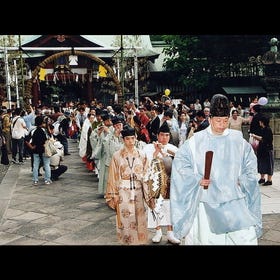
Held around Hie Shrine in Chiyoda Ward, Sanno Matsuri is one of the Three Great Festivals of Edo, alongside Kanda Matsuri and the Fukagawa Hachiman Festival. The festival encompasses over 20 distinct cultural events held across a ten-day period, including the Chigo-gyoretsu (Children’s Parade) and Kagura-bayashi (sacred music and dance performances).
The biggest attraction is the Shinkosai procession, held in even-numbered years. Around 500 participants dressed in royal and Heian-period attire accompany two imperial palanquins, a mikoshi, and three festival floats on a 300-meter-long parade route through central Tokyo. Watching this solemn, elegant procession pass by modern landmarks near the Imperial Palace and business districts creates a unforgettable contrast between old and new Japan.
・When: June 7–17; the major Shinkosai procession is held every other year
・2026 Shinkosai: June 12
・Where: Hie Shrine and central Tokyo
・Official website
-
-
Address
Hie Shrine, 2-10-5 Nagatacho, Chiyoda-ku, Tokyo, 100-0014
View Map -
Nearest Station
Tameike-Sanno Station (Tokyo Metro Ginza Line / Tokyo Metro Namboku Line)
5 minutes on foot
- Phone Number 03-3581-2471
-
Address
Hie Shrine, 2-10-5 Nagatacho, Chiyoda-ku, Tokyo, 100-0014
4. Fukagawa Hachiman Festival: Get splashed at Tokyo’s “Water-Throwing Festival” (August/Tokyo)

Celebrated at Tomioka Hachiman Shrine in eastern Tokyo's Fukagawa district, this festival is famously nicknamed the "Water-Throwing Festival." During the Hon-matsuri (the grandest version held once every three years), nearly 120 mikoshi parade through the neighborhood.
The signature highlight is the Rengo Togyo (joint procession), where 53 large neighborhood mikoshi and the sacred Horen palanquin—adorned with a golden phoenix—move together through the streets. Spectators along the route douse the bearers with buckets of water as they chant “Wasshoi! Wasshoi!” The water serves a dual purpose: purifying the bearers and offering welcome relief from Tokyo's sweltering August heat. Expect to get soaked if you're anywhere near the procession route.
・When: Held annually around August 15, with the largest Hon-matsuri once every three years
・Where: Tomioka Hachimangu Shrine and the Fukagawa area
・Official website
-

-
Address
Tomioka Hachimangu, 1-20-3 Tomioka, Koto-ku, Tokyo, 135-0047
View Map -
Nearest Station
Monzen-Nakacho Station (Tokyo Metro Tozai Line / Toei Oedo Line)
3 minutes on foot
- Phone Number 03-3642-1315
-
Address
Tomioka Hachimangu, 1-20-3 Tomioka, Koto-ku, Tokyo, 135-0047
5. Tokyo Koenji Awa Odori: 10,000 dancers take over the streets (August/Tokyo)

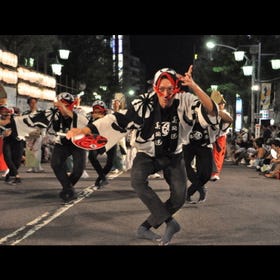
Awa Odori originated over 400 years ago in Tokushima Prefecture, but you don't need to head to Shikoku to experience its energy. The Tokyo Koenji Awa Odori began in 1957 when local youth organized a dance event to revitalize Koenji's shopping streets. Today, it has grown into one of Tokyo’s signature summer events, attracting over 1 million spectators.
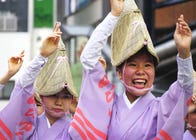
More than 10,000 dancers organized into troupes (ren) fill the narrow streets around JR Koenji Station, performing to the infectious rhythm of taiko drums, flutes, gongs, and shamisen. Dancers wear traditional straw amigasa hats, colorful yukata, and wooden geta sandals while calling out "Yatto-sa, Yatto Yatto!" as they dance through the night.
・When: Last Saturday and Sunday of August
・2026 dates: August 29–30
・Where: Around JR Koenji Station
・Official website
-
-
Address
Koenji Sta., JR Koenji Station, Suginami Ward, Tokyo, 166-0003
View Map -
Nearest Station
Koenji Station (JR Chuo Main Line)
- Phone Number 03-3312-2728
-
Address
Koenji Sta., JR Koenji Station, Suginami Ward, Tokyo, 166-0003
6. Chichibu Night Festival: Giant floats and winter fireworks (December/Saitama)

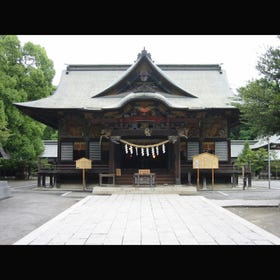
Held at Chichibu Shrine in Saitama Prefecture, the Chichibu Night Festival is ranked alongside Kyoto’s Gion Matsuri and Takayama’s Float Festival as one of Japan’s three major hikiyama (float) celebrations. It offers a rare chance to experience a major outdoor festival in early winter.
On December 2 (Yoi-miya), four heavy floats maneuver past each other along narrow streets so closely that they appear on the verge of colliding. The main event unfolds on December 3 (Dai-matsuri), when two massive kasaboko floats and four yatai floats adorned with lanterns parade accompanied by traditional Chichibu festival music. The climax occurs as teams haul 20-ton floats up the steep Dangozaka slope while fireworks illuminate the crisp winter sky overhead.
・When: December 2–3 every year; December 3 is the main festival day
・Where: Chichibu Shrine and central Chichibu City
・Official website
-
-
Address
Chichibu-shi, Saitama Banba 1-3, 368-0041
View Map -
Nearest Station
Chichibu Station (Chichibu Railway)
3 minutes on foot
- Phone Number 0494-22-0262
-
Address
Chichibu-shi, Saitama Banba 1-3, 368-0041

Kansai: Historic festivals in Kyoto and Osaka
The Kansai region (also known as Kinki) encompasses Kyoto, Osaka, Nara, Hyogo, Wakayama, Mie, and Shiga. As the historical and cultural heart of Japan, Kansai is home to former imperial capitals and long-standing traditions that have been preserved for over a millennium. Kyoto offers aristocratic pageantry, while Osaka brings energetic water and float celebrations, with events like Gion Matsuri spanning entire months.
7. Aoi Matsuri: A Heian-period procession through Kyoto (May/Kyoto)

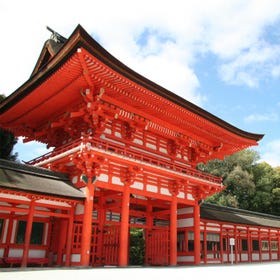
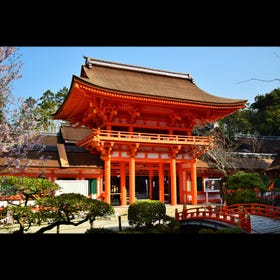
Held in connection with Shimogamo Shrine and Kamigamo Shrine, Aoi Matsuri is one of Kyoto’s three great festivals and a vivid showcase of Heian-period court culture. Leading up to the main parade, horseback archery rituals (Yabusame Shinji) are held on May 3 at Shimogamo Shrine to pray for the procession's safety.
On May 15, over 500 participants dressed in authentic Heian-period aristocratic attire march from the Kyoto Imperial Palace to both Kamo shrines. The parade is divided into the Hon-retsu (main parade) and the Saiodai-retsu, centered on the Saio (Festival Maiden)—a woman representing an Imperial Princess. Dressed in heavy, layered silk robes (junihitoe) and carried in a palanquin alongside court ladies and attendants, the procession resembles a classical picture scroll coming to life.
・When: May 15 every year (postponed in case of heavy rain)
・Where: Kyoto Imperial Palace to Shimogamo Shrine and Kamigamo Shrine
・Official website
-
-
Address
59, Shimogamoizumigawacho, Sakyo-ku, Kyoto-shi, Kyoto, 606-0807
View Map -
Nearest Station
Demachiyanagi Station (Eizan Dentetsu Eizan Line)
10 minutes on foot
- Phone Number 075-781-0010
-
Address
59, Shimogamoizumigawacho, Sakyo-ku, Kyoto-shi, Kyoto, 606-0807
-
-
Address
339, Kamigamomotoyama, Kita-ku, Kyoto-shi, Kyoto, 603-8047
View Map -
Nearest Station
Kitaoji Station (Karasuma Line)
10 minutes by bus
- Phone Number 075-781-0011
-
Address
339, Kamigamomotoyama, Kita-ku, Kyoto-shi, Kyoto, 603-8047
8. Tenjin Matsuri: Processions, boats, and fireworks in Osaka (June–July/Osaka)

Counted among Japan’s Three Great Festivals alongside Kyoto’s Gion Matsuri and Tokyo’s Kanda Matsuri, Osaka’s Tenjin Festival honors Sugawara no Michizane at Osaka Tenmangu Shrine. Festivities span nearly a month from late June through July 25.
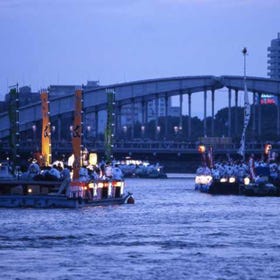
The grand finale on July 25 features the Riku-togyo, a land procession where nearly 3,000 participants in vivid Edo-period costumes escort sacred palanquins from the shrine to the Okawa River. The parade then transforms into the Funatogyo, embarking on a fleet of illuminated boats. As night falls, bonfires on the riverbanks and approximately 5,000 fireworks create one of Osaka's quintessential summer spectacles.
・When: Late June through July 25 (main festivities July 24–25)
・Where: Osaka Tenmangu Shrine and Okawa River area
・Official website
-
-
Address
Tenjinbashi, Kita-ku, Osaka-shi, Osaka, 530-0041
View Map -
Nearest Station
Tenjimbashisujirokuchome Station (Tanimachi Line / Sakaisuji Line / Hankyu-senri Line)
3 minutes on foot
- Phone Number 06-6353-0025
-
Address
Tenjinbashi, Kita-ku, Osaka-shi, Osaka, 530-0041

9. Gion Matsuri: Kyoto’s “moving museums” take to the streets (July/Kyoto)

Yasaka Shrine’s Gion Matsuri envelopes Kyoto for the entire month of July. Originally established in 869 to appease deities during an epidemic, it has evolved into one of Japan's most celebrated cultural events.
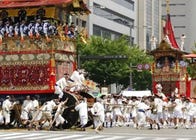
The highlight is the Yamaboko Junko grand float parades on July 17 and July 24. These towering wooden floats (yama and hoko) are decorated with intricate wood carvings, Nishijin woven silk, and historic imported Gobelins tapestries, earning them the title "Moving Art Museums." On the evenings leading up to the parades (Yoiyama), local streets are closed to traffic, lined with lantern-lit stalls, and filled with festivalgoers in yukata.
・When: July 1–31 every year (Yamaboko Junko on July 17 and July 24)
・Where: Yasaka Shrine and central Kyoto streets
・Official website
-

-
Address
Yasaka Shrine and others, Kyoto Prefecture Higashiyama Ward, Kyoto City, 605-0000
View Map -
Nearest Station
Kyoto Station (JR Tokaido Line / JR Biwako Line / JR Tokaido Shinkansen / JR Kyoto Line / JR Sagano Line / JR San-in Line / JR Nara Line / Karasuma Line / Kintetsu-kyoto Line)
20 minutes by bus
- Phone Number 075-561-6155
-
Address
Yasaka Shrine and others, Kyoto Prefecture Higashiyama Ward, Kyoto City, 605-0000
10. Kyoto Gozan Okuribi: Giant fires illuminate Kyoto’s mountains (August/Kyoto)

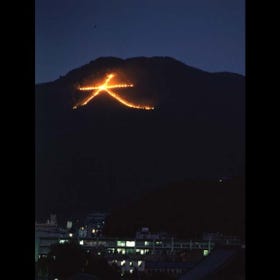
Gozan Okuribi marks the end of Kyoto’s Obon period on August 16, when giant bonfires are lit on five mountains surrounding the city to guide ancestral spirits back to the spiritual realm.
The ritual begins at 8:00 PM with the lighting of a giant character 大 (Dai, meaning "large") on Higashiyama. Four other bonfires follow at five-minute intervals across surrounding peaks: the characters 妙 (Myo) and 法 (Ho) in Matsugasaki, a boat shape (Funagata) in Nishigamo, a second Dai character (Sa-Daimonji) on Daikokuyama, and a torii gate shape (Torii-gata) in Saga. A popular viewing point is along the Kamo Riverbank between Imadegawa-dori and Kitaoji-dori.
・When: August 16 every year (first fire lit at 8:00 PM)
・Where: Mountains surrounding Kyoto (viewable throughout the city)
・Official website
-
-
Address
5 locations in Sakyo Ward, Kyoto City, Kyoto Prefecture, 606-0000
View Map -
Nearest Station
Kitaoji Station (Karasuma Line)
- Phone Number 075-343-0548
-
Address
5 locations in Sakyo Ward, Kyoto City, Kyoto Prefecture, 606-0000
11. Kishiwada Danjiri Festival: Enormous floats race through town (September–October/Osaka)

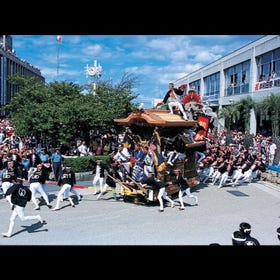
Located around Nankai Electric Railway’s Kishiwada Station in Osaka, this festival is famous for its high-speed intensity. Teams pull massive wooden floats (danjiri) weighing up to 4 tons through tight city streets using long ropes.
The signature highlight is yarimawashi, where bearers navigate 4-meter-tall danjiri floats around sharp 90-degree street corners at full speed without stopping. Despite the physical intensity, the floats are intricately carved "moving works of art." After dark, the pace slows down as hundreds of paper lanterns illuminate the floats for a more relaxed atmosphere.
・When: Mid-September (weekend before Respect for the Aged Day) and early October (weekend before Sports Day)
・Where: Kishiwada City (around Kishiwada Station)
・Official website
-
-
Address
Various places in Kishiwada City, Osaka Prefecture, 596-0000
View Map -
Nearest Station
Kishiwada Station (Nankai Airport Line / Nankai Line)
- Phone Number 072-423-9486
-
Address
Various places in Kishiwada City, Osaka Prefecture, 596-0000
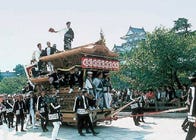
12. Jidai Matsuri: Watch 1,000 years of Kyoto history pass by (October/Kyoto)

Held annually on October 22 to mark the founding of Kyoto, Jidai Matsuri (the Festival of the Ages) features a 2-kilometer-long historical procession that travels from the Kyoto Imperial Palace to Heian Jingu Shrine.
The procession features approximately 2,000 participants divided into 20 segments representing eight distinct historical eras, moving backward in time from the Meiji Restoration through the Edo, Azuchi-Momoyama, and Muromachi periods to the Heian Era. More than 12,000 authentic, meticulously recreated historical costumes, weapons, and ritual objects are displayed throughout the parade.
・When: October 22 every year
・Where: Kyoto Imperial Palace to Heian Jingu Shrine
・Official website
-

-
Address
Various places in Sakyo Ward, Kyoto City, Kyoto Prefecture, 606-0000
View Map -
Nearest Station
Kyoto Station (JR Tokaido Line / JR Biwako Line / JR Tokaido Shinkansen / JR Kyoto Line / JR Sagano Line / JR San-in Line / JR Nara Line / Karasuma Line / Kintetsu-kyoto Line)
30 minutes by bus
- Phone Number 075-761-0221
-
Address
Various places in Sakyo Ward, Kyoto City, Kyoto Prefecture, 606-0000
Tohoku: Giant lanterns and spectacular summer festivals
Comprising six prefectures in northeastern Honshu (Aomori, Akita, Iwate, Yamagata, Miyagi, and Fukushima), Tohoku is defined by rugged mountain ranges and rich local folklore. Due to its relative historic isolation, many traditional customs have been preserved in their authentic forms. Tohoku’s three major summer festivals take place in early August, making it possible to experience lantern balancing, paper streamers, and giant illuminated floats in a single trip.
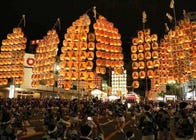
13. Akita Kanto Festival: Giant lantern poles balanced by hand (August/Akita)

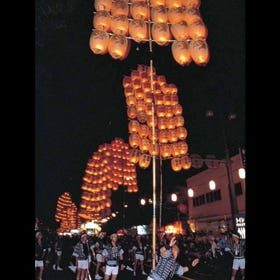
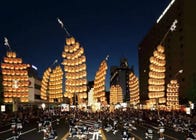
Held in Akita City to pray for good health and a bountiful harvest, the Akita Kanto Festival is one of Tohoku’s Three Great Festivals. During nighttime performances along Kanto Odori avenue, nearly 280 bamboo poles (kanto) hung with glowing paper lanterns light up the dark.
Performers balance giant kanto poles—measuring up to 12 meters tall and weighing 50 kilograms—using only their palms, foreheads, shoulders, or lower backs. Accompanied by taiko drums and flute music, performers shift the heavy poles without using their hands. After the performance concludes around 8:30 PM, spectators are invited onto the street to touch the kanto poles and speak with the performers.
・When: August 3–6 every year
・Where: Kanto Odori Avenue, Akita City
・Official website
-
-
Address
Around Kanto Odori, Akita City, Akita Prefecture, 010-0000
View Map -
Nearest Station
Akita Station (Ou Line / Akita Shinkansen / Uetsu Line)
15 minutes on foot
- Phone Number 018-888-5602
-
Address
Around Kanto Odori, Akita City, Akita Prefecture, 010-0000
14. Sendai Tanabata Festival: The city disappears beneath colorful streamers (August/Miyagi)

Sendai celebrates Tanabata on a massive scale, drawing over 2 million visitors each year. On August 5, the eve of the festival, the Sendai Tanabata Fireworks Festival kicks off the celebrations with around 16,000 fireworks.
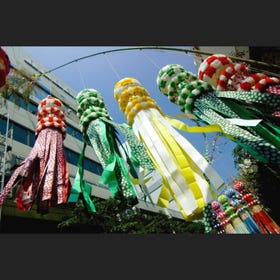
Throughout the festival, the shopping arcades extending west from JR Sendai Station are filled with handmade bamboo decorations and long, colorful washi paper streamers (fukinagashi). Local shopkeepers craft these intricate decorations to pray for business prosperity, health, and good fortune, transforming the city streets into a colorful canopy.
・When: August 6–8 every year (Fireworks on August 5)
・Where: Central Sendai (shopping arcades near Sendai Station)
・Official website
-
-
Address
Sendai-shi, Miyagi center and neighboring malls, 980-0000
View Map -
Nearest Station
Sendai Station (Namboku Line)
- Phone Number 022-265-8185
-
Address
Sendai-shi, Miyagi center and neighboring malls, 980-0000

15. Aomori Nebuta Festival: Enormous illuminated warriors fill the streets (August/Aomori)

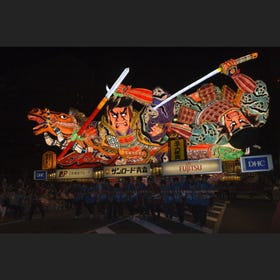
Aomori Nebuta is one of Japan’s most visually dramatic summer festivals. Massive illuminated floats (nebuta) depicting mythical warriors, gods, and historical figures—measuring up to 5 meters tall and 9 meters wide—are pulled through central Aomori City.
Hundreds of energetic dancers known as haneto surround the floats, jumping to the rhythm of taiko drums while chanting "Rassera, Rassera!" On August 7, the final day, the nebuta floats parade during the daytime before being placed on boats for a nighttime parade on the water, accompanied by a fireworks display over Aomori Bay. Visitors can also participate as haneto dancers if they wear the official costume.
・When: August 2–7 every year
・Where: Central Aomori City
・Official website
-
-
Address
Aomori Chamber of Commerce Hall 4F, 1-2-18 Shinmachi, Aomori City, Aomori Prefecture, 030-0801
View Map -
Nearest Station
Aomori Station (Ou Line / Tsugaru Line / Aoimori Tetsudo)
3 minutes on foot
- Phone Number 017-723-7211
-
Address
Aomori Chamber of Commerce Hall 4F, 1-2-18 Shinmachi, Aomori City, Aomori Prefecture, 030-0801


Chubu: Traditional craftsmanship in the Japanese Alps
Spanning nine prefectures in central Honshu (Aichi, Fukui, Gifu, Ishikawa, Nagano, Niigata, Shizuoka, Toyama, and Yamanashi), Chubu is known for its mountainous terrain and preserved artisan techniques. From Kanazawa’s traditional crafts to Shirakawa-go’s thatched farmhouses, the region's festivals highlight historic woodworking, mechanical engineering, and traditional dance traditions like Gujo Odori.
16. Takayama Festival: Ornate floats and mechanical puppets (April & October/Gifu)

The Takayama Festival combines two separate seasonal events: the Spring Takayama Festival (Sanno Matsuri, April 14–15 at Hie Shrine) and the Autumn Takayama Festival (Hachiman Matsuri, October 9–10 at Sakurayama Hachimangu Shrine). Both are ranked among Japan’s most beautiful float festivals.
The festival features ornate floats (yatai) showcasing the historic woodworking, lacquer, and metalworking skills of the Hida region. A key highlight is the Karakuri Hono performance, where mechanical puppets (karakuri ningyo) mounted on select floats move across platforms operated by hidden ropes. During the Night Festival, around 100 lanterns illuminate each float as they process through Takayama's historic streets.
・When: Spring Festival: April 14–15; Autumn Festival: October 9–10 (fixed annual dates)
・Where: Hie Shrine (Spring) and Sakurayama Hachimangu Shrine (Autumn), Takayama City
・Official website
-
Hie Shrine日枝神社
-
Address
156, Shiroyama, Takayama City, Gifu, 506-0822
View Map
-
Address
156, Shiroyama, Takayama City, Gifu, 506-0822
-
Sakurayama Hachiman Shrine櫻山八幡宮
-
Address
178, Sakuramachi, Takayama City, Gifu, 506-0858
View Map
-
Address
178, Sakuramachi, Takayama City, Gifu, 506-0858
Shikoku: Japan’s great dance festivals and powerful taiko-dai
Located south of Honshu across the Seto Inland Sea, Shikoku comprises four prefectures: Ehime, Kagawa, Kochi, and Tokushima. Known for its coastal views and mountain scenery, Shikoku hosts three major high-energy summer and autumn festivals centered on dance and physical displays.
17. Awa Odori: Japan’s biggest Awa dance festival (August/Tokushima)

With a history exceeding 400 years, Tokushima City’s Awa Odori is Japan’s largest Bon dance festival. Held over four days in mid-August, nearly 1,000 organized dance troupes (ren) perform in designated outdoor venues (enbu-jo) across the city.
Performers wear traditional yukata, straw amigasa hats, and geta sandals while dancing to the sound of taiko drums, shamisen, bamboo flutes, and brass gongs. The famous chant declares: "The dancers are fools, the onlookers are fools, so if both are fools, you might as well dance!" Visitors are frequently invited to join open dance sessions late in the evening.
・When: August 12–15 every year
・Where: Central Tokushima City
・Admission: Free viewing areas with paid reserved seating available
・Official website
-
Aibahama Performance Hall藍場浜演舞場
-
Address
1-7, Aibacho, Tokushima City, Tokushima, 770-0835
View Map
Admission: Free, with the option of paid special seats
-
Address
1-7, Aibacho, Tokushima City, Tokushima, 770-0835
18. Yosakoi Festival: Traditional naruko meet modern dance (August/Kochi)

Kochi City’s Yosakoi Festival began in 1954 as an energetic performance art event. Today, it brings together nearly 20,000 dancers in 190 teams across 17 venues and stages. Festivities launch with an eve-of-festival fireworks display on August 9 before two main days of dance competitions.
Dancers hold wooden clappers called naruko—originally used by local farmers to scare birds from rice fields—and perform synchronized routines. Teams have complete creative freedom over music, costumes, and choreography, blending traditional Japanese instruments with modern rock, hip-hop, and pop rhythms.
・When: August 9–12 every year (Main competition August 10–11)
・Where: 17 venues across Kochi City (including Otesuji Headquarters)
・Official website
-
Yosakoi Festival Otesuji Headquarters Concert Hallよさこい祭り追手筋本部競演場
-
Address
2-1-12, Otesuji, Kochi City, Kochi, 780-0842
View Map
-
Address
2-1-12, Otesuji, Kochi City, Kochi, 780-0842
19. Niihama Taiko Festival: Three-ton taiko-dai rise above the crowd (October/Ehime)

Dating back to the Heian Period, the Niihama Taiko Festival in Ehime Prefecture features around 50 massive, richly decorated float structures called taiko-dai. Each float stands 5.5 meters tall, weighs roughly 3 tons, and is adorned with gold-thread embroidery.
The highlight of the event is the sashiage, where over 150 men coordinate to hoist the 3-ton float high above their heads using wooden carrying poles while chanting "Sorya, Sorya!" This display of strength has earned the celebration the nickname "Men’s Festival."
・When: October 15–18 every year
・Where: Yamane Ground and various locations in Niihama City
・Official website
-
Yamane Ground山根グラウンド
-
Address
3-13, Suminoshindencho, Niihama City, Ehime, 792-0844
View Map
-
Address
3-13, Suminoshindencho, Niihama City, Ehime, 792-0844
Hokkaido: From shrine traditions to giant snow sculptures
As Japan’s northernmost main island, Hokkaido features seasonal events adapted to its climate. In addition to winter celebrations, Hokkaido hosts shrine processions in Sapporo during the summer months.
20. Sapporo Snow Festival: Giant sculptures transform the city (February/Hokkaido)

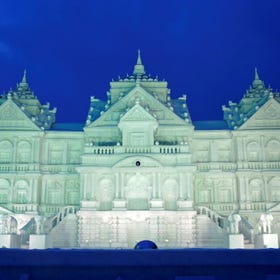
Established in 1950 by local high school students, the Sapporo Snow Festival has expanded into a major winter event held across Odori Park and the Susukino entertainment district.
Over 30,000 tons of snow are brought in to craft more than 200 snow and ice sculptures depicting historical monuments, pop culture figures, and anime characters. At night, projection mapping animations light up the snow monuments. Odori Park also features food stalls serving Hokkaido specialties such as hot ramen and jingisukan (grilled mutton).
・2027 dates: February 4–11
・Where: Odori Park, Susukino, and Tsudome venues in Sapporo
・Official website
-
-
Address
Various places in Sapporo city, Hokkaido, 060-0042
View Map -
Nearest Station
Odori Station (Namboku Line / Tozai Line / Toho Line)
- Phone Number 011-281-6400
-
Address
Various places in Sapporo city, Hokkaido, 060-0042
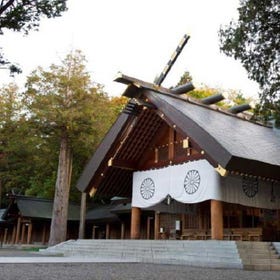
21. Hokkaido Jingu Festival: Mikoshi and floats through Sapporo (June/Hokkaido)

Also known as the Sapporo Festival, this event centered on Hokkaido Jingu Shrine has over a century of history.
On June 16, the Mikoshi Togyo procession features four mikoshi and eight decorated floats carried through central Sapporo along a 1-kilometer route. Hundreds of participants dress in Heian-period ceremonial dress, combining shrine rituals, traditional music, and citywide celebrations. Outdoor food stalls line Nakajima Park and the shrine grounds throughout the three-day event.
・When: June 14–16 every year (Mikoshi Togyo on June 16)
・Where: Hokkaido Jingu Shrine, Nakajima Park, and central Sapporo
・Official website
-
-
Address
474 Miyagaoka, Chuo-ku, Sapporo-shi, Hokkaido, 064-0959
View Map -
Nearest Station
Maruyama koen Station (Tozai Line)
15 minutes on foot
- Phone Number 011-611-0261
-
Address
474 Miyagaoka, Chuo-ku, Sapporo-shi, Hokkaido, 064-0959


Kyushu: Distinctive floats, dances, and centuries-old traditions
Kyushu encompasses seven prefectures in southwestern Japan (Fukuoka, Saga, Nagasaki, Kumamoto, Oita, Miyazaki, and Kagoshima). The island’s festival culture reflects its coastal history and regional traditions, ranging from Nagasaki’s multicultural pageantry to high-speed float races in Fukuoka.
22. Nagasaki Kunchi: Dragon dances and multicultural traditions (October/Nagasaki)

Celebrated for nearly 390 years at Suwa Shrine, Nagasaki Kunchi reflects Nagasaki’s historical role as Japan’s primary trade portal with Dutch and Chinese merchants.
Festivities take place across four venues, including Suwa Shrine, Yasaka Shrine, and Central Park. Neighborhood teams (Odoricho) take turns presenting unique performances that change each year, ranging from traditional Hon Odori Japanese dances to Chinese-inspired dragon dances (Ja-odori) and Hikimono float presentations. Towering umbrella floats (Kasaboko) decorated with flowers and spears are displayed throughout the venues.
・When: October 7–9 every year
・Where: Suwa Shrine, Yasaka Shrine, and central Nagasaki venues
・Official website
-
Chinzei Grand Shrine Suwa Shrine諏訪神社
-
Address
18-15, Kaminishiyamamachi, Nagasaki City, Nagasaki, 850-0006
View Map
-
Address
18-15, Kaminishiyamamachi, Nagasaki City, Nagasaki, 850-0006
23. Karatsu Kunchi: Fantastical lacquered floats fill the streets (November/Saga)

Held at Karatsu Shrine in Saga Prefecture, Karatsu Kunchi features 14 giant floats (hikiyama) shaped like lions, samurai helmets, sea bream, and dragons. Constructed from layers of washi paper, hemp cloth, and clay, the floats are finished with red and gold lacquer.
On the evening of November 2 (Yoiyama), lantern-lit floats process to Karatsu Shrine. On November 3 (Otabisho Shinko), teams pull all 14 floats through town and navigate them across the sand banks of Nishinohama Beach to the accompaniment of flutes, drums, and bells.
・When: November 2–4 every year
・Where: Karatsu Shrine and central Karatsu City
・Official website
-
Karatsu Shrine唐津神社
-
Address
3-13, Minamijonai, Karatsu City, Saga, 847-0013
View Map
-
Address
3-13, Minamijonai, Karatsu City, Saga, 847-0013
24. Hakata Gion Yamakasa: A dawn race through Fukuoka (July/Fukuoka)

Celebrated for over 700 years around Kushida Shrine, Hakata Gion Yamakasa is Fukuoka's defining summer tradition. From July 1, towering 10-meter decorative floats (kazariyama) featuring warrior figures on the front and anime characters on the back are displayed across the city.
The festival reaches its climax at precisely 4:59 AM on July 15 during the Oiyama event. Seven neighborhood teams race smaller carrying floats (kakiyama) through a 5-kilometer course around Hakata at dawn, competing for the fastest completion time.
・When: July 1–15 every year (Oiyama race on July 15 at 4:59 AM)
・Where: Kushida Shrine and Hakata district, Fukuoka City
・Official website
-
Kushida Shrine櫛田神社
-
Address
1-41, Kamikawabatamachi, Fukuoka City Hakata Ku, Fukuoka, 812-0026
View Map
-
Address
1-41, Kamikawabatamachi, Fukuoka City Hakata Ku, Fukuoka, 812-0026
Tips for attending a Japanese festival
Major matsuri are working religious and community traditions rather than staged tourist shows. A little preparation can make your festival experience smoother:
・Check the specific event schedule, not just general dates. The main procession, fireworks display, or dance finale often takes place on a specific day or time window.
・Arrive early to secure a viewing spot. Events such as Gion Matsuri, Sanja Matsuri, and Aomori Nebuta draw large crowds along procession routes.
・Confirm ticket requirements. While most street parades are free to view, major festivals offer reserved grandstand seating that sells out in advance.
・Wear comfortable walking shoes. Street closures and transit rerouting often require extensive walking around festival grounds.
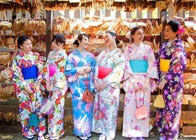
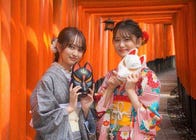
・Yukata are welcome, but optional. Wearing light summer kimonos (yukata) is popular at summer matsuri and fireworks displays, though casual clothing is standard.
・Carry cash for yatai food stalls. Temporary street stalls sell festival foods like yakisoba, takoyaki, grilled squid, and kakigori shaved ice, and most do not accept electronic payments.
・Respect procession boundaries and rules. Do not step onto procession routes, touch sacred floats, or impede participants carrying mikoshi unless explicitly invited during public access sessions.
Are Japanese festivals safe for families with young children, and how should crowds be managed?
Yes, Japanese festivals are generally very safe and welcoming for families, but extreme caution is required around high-density crowd points. Specific festivals—such as Sanja Matsuri in Asakusa, Gion Matsuri in Kyoto, or Fukagawa Hachiman in Tokyo—attract massive crowds that converge into narrow historic streets, shrine grounds, and covered arcades (for instance, Nakamise Street during Sanja).
While these events are great cultural experiences for children, intense bottlenecks can form quickly. If you’re attending with younger kids, watch crowd momentum and direction to avoid pushing against heavy flows or getting trapped in narrow bottlenecks. Strollers can become difficult or unsafe to navigate in packed areas, so baby carriers are often a better choice. To keep the experience enjoyable and stress-free, watch processions from wider perimeter streets, choose designated family or paid grandstand seating when available, and agree on a clear meeting point in case anyone gets separated.
Quick Reference: Japan's Top Festivals by Month
| Month | Festival | Region / City | Dates / Timing | Main Feature & Highlight |
|---|---|---|---|---|
| February | Sapporo Snow Festival | Hokkaido (Sapporo) | Early February | Massive snow monuments, ice sculptures, & projection mapping |
| April | Takayama Festival (Spring) | Chubu (Gifu) | April 14–15 | Intricate wooden floats (yatai) & mechanical puppet (karakuri) shows |
| May | Sanja Matsuri | Kanto (Tokyo) | Mid-May (Fri–Sun) | High-energy mikoshi processions through Asakusa |
| Kanda Matsuri | Kanto (Tokyo) | Mid-May (Odd Years) | Historic 300m Edo-period parade through Akihabara | |
| Aoi Matsuri | Kansai (Kyoto) | May 15 | Elegant Heian-period court procession & archery rituals | |
| June | Sanno Matsuri | Kanto (Tokyo) | June 7–17 (Even Years) | Imperial procession through modern central Tokyo |
| Hokkaido Jingu Festival | Hokkaido (Sapporo) | June 14–16 | Citywide shrine parade with mikoshi, floats, & historical dress | |
| July | Hakata Gion Yamakasa | Kyushu (Fukuoka) | July 1–15 | Thrilling 5km float race through Hakata at 4:59 AM |
| Gion Matsuri | Kansai (Kyoto) | July (Entire Month) | "Moving art museum" float parades (Yamaboko Junko) | |
| Tenjin Matsuri | Kansai (Osaka) | July 24–25 | Land parade, riverboat procession, & 5,000 fireworks | |
| August | Aomori Nebuta Festival | Tohoku (Aomori) | August 2–7 | Giant illuminated warrior floats & jumping Haneto dancers |
| Akita Kanto Festival | Tohoku (Akita) | August 3–6 | Performers balancing 50kg lantern poles by hand | |
| Sendai Tanabata Festival | Tohoku (Miyagi) | August 6–8 | Massive colorful washi paper streamers in arcades | |
| Yosakoi Festival | Shikoku (Kochi) | August 9–12 | High-energy modern dance competition with wooden naruko | |
| Tokushima Awa Odori | Shikoku (Tokushima) | August 12–15 | Japan's largest Bon dance celebration with 1,000 ren troupes | |
| Fukagawa Hachiman Festival | Kanto (Tokyo) | Mid-August | Interactive "Water-Throwing" mikoshi parade | |
| Kyoto Gozan Okuribi | Kansai (Kyoto) | August 16 | Giant kanji bonfires lit on five surrounding mountains | |
| Tokyo Koenji Awa Odori | Kanto (Tokyo) | Late August | Vibrant street dance festival featuring 10,000+ dancers | |
| Sept / Oct | Kishiwada Danjiri Festival | Kansai (Osaka) | Mid-Sept & Early Oct | High-speed 4-ton wooden float cornering (yarimawashi) |
| October | Nagasaki Kunchi | Kyushu (Nagasaki) | October 7–9 | Multicultural dragon dances & historic ship floats |
| Takayama Festival (Autumn) | Chubu (Gifu) | October 9–10 | Lantern-lit night parade & magnificent Hida woodwork floats | |
| Niihama Taiko Festival | Shikoku (Ehime) | October 15–18 | 3-ton embroidered taiko-dai hoisted high overhead | |
| Jidai Matsuri | Kansai (Kyoto) | October 22 | 2km historical procession spanning 1,000 years of dress | |
| November | Karatsu Kunchi | Kyushu (Saga) | November 2–4 | Fantastical lacquered floats hauled across beach sands |
| December | Chichibu Night Festival | Kanto (Saitama) | December 2–3 | Enormous 20-ton lantern floats & winter fireworks |
FAQ: Japanese festivals and matsuri
What does “matsuri” mean in Japanese?
Matsuri (祭り) translates to “festival” or “worship.” The term covers a wide spectrum of events, from Shinto shrine rituals to seasonal celebrations, dances, and winter snow exhibitions.
What are Japan’s Three Great Festivals?
The festivals traditionally designated as the Three Great Festivals (Nihon Sandai Matsuri) are Kyoto’s Gion Matsuri, Osaka’s Tenjin Matsuri, and Tokyo’s Kanda Matsuri.
What is a mikoshi?
A mikoshi is a portable Shinto shrine used to temporarily carry a deity (kami) outside its permanent shrine to bless the local community during a festival.
Why do bearers shake mikoshi as they carry them?
Energetic lifting, swaying, and bouncing of the mikoshi is believed to amplify the deity’s power and bring good fortune to the neighborhood.
What is the difference between a mikoshi and a float?
A mikoshi is a portable shrine carried on shoulders containing a deity. Floats (dashi, yatai, yamahoko, danjiri, nebuta) are larger structures pushed, pulled, or wheeled through streets, often serving as platforms for musicians, dancers, or decorative art.
Why do festival floats vary between regions?
Floats evolved over centuries based on regional materials, local craft specialties (such as Kyoto textiles, Hida woodworking, or Aomori paper crafting), and regional religious traditions.
Why does “yatai” mean both a float and a food stall?
The word yatai (屋台) literally means “roofed stand.” Context determines whether it refers to a mobile food stall serving yakisoba or an ornate, multi-story festival float like those in Takayama and Chichibu.
What does “Wasshoi” mean?
“Wasshoi!” is a traditional rhythmic chant used by mikoshi bearers to maintain coordinated movement and momentum. Other regional chants include “Soiya!”, “Rassera!”, and “Yatto-sa!”.
Can tourists participate directly in festivals?
Some events, like Aomori Nebuta (as a haneto dancer) or Tokushima Awa Odori (in open dance sessions), permit public participation. Shrine mikoshi teams and specific float crews are typically restricted to registered local residents.
Do you need tickets to attend a matsuri?
Most street processions and shrine grounds are free to access. Major events (such as Awa Odori, Aomori Nebuta, and Gion Matsuri) offer paid reserved seats for dedicated grandstand viewing.
Are Japanese festivals religious?
Many traditional matsuri retain active Shinto or Buddhist rituals. However, modern events such as the Sapporo Snow Festival and regional fireworks displays operate primarily as community and cultural events without religious components.

Experience a different side of Japan through its festivals
Japan’s biggest festivals are spectacular enough to justify planning a trip around, but the real appeal goes deeper than giant floats and colorful costumes.
Matsuri reveal how strongly local traditions still differ from one part of Japan to another. A mikoshi charging through an old Tokyo neighborhood, an exquisitely decorated Kyoto yamahoko, a glowing Aomori nebuta, and a Tokushima dance procession are all festival experiences, yet each tells a very different story about the community that created it.
Japanese celebrations don’t stop at traditional shrine processions, either. Depending on when you travel, you might encounter spectacular summer fireworks displays (hanabi taikai) illuminating riverbanks across the country, high-energy modern events like Asakusa’s famous samba carnival, blazing fire festivals (hi-matsuri) lighting up mountain towns in winter, or even intense, centuries-old “naked festivals” (hadaka matsuri) where hundreds of participants brave the cold in loincloths to pray for good fortune.
Whether you seek timeless spiritual rituals, vibrant urban dance, or thrilling seasonal spectacles, a festival is always happening somewhere in Japan. If one of these events overlaps with your itinerary, check the latest schedule and make time for it—understanding what you’re watching makes the journey considerably more memorable.


- Category
*Prices and options mentioned are subject to change.
*Unless stated otherwise, all prices include tax.
Popular Tours & Activities
Recommended places for you
-
Appealing
Kanemori Red Brick Warehouse
Shopping Malls
Hakodate
-
ISHIDAYA Hanare
Yakiniku
Kobe, Sannomiya, Kitano
-
Appealing
Rukku and Uohei
Izakaya
Sapporo / Chitose
-
Hokkaido University
Other Architecture
Sapporo / Chitose
-
Goods
Yoshida Gennojo-Roho Kyoto Buddhist Altars
Gift Shops
Nijo Castle, Kyoto Imperial Palace
-
Jukuseiniku-to Namamottsuarera Nikubaru Italian Nikutaria Sannomiya
Izakaya
Kobe, Sannomiya, Kitano
-
Ad
Do’s and Don’ts: The Complete Guide to Sento Baths! Getting the Full Experience In Ueno’s Famous Kotobuki-yu
-
Cracked Phone Screen in Japan? Smahospital Repair Guide: Keep Your Data, Fixed in 15 Min, Multilingual Support | Up to 10,000 Yen Off with LIVE JAPAN Coupon
-

Daikoku Car Meet Guide: How to Visit, Best Times & Rules
-

Haneda Airport Duty-Free Shopping Guide: What to Buy, How to Save & Where to Eat Before Your Flight
by: Guest Contributor
-
Just 2 Hours from Tokyo! Escape to Yamanashi's NIPPONIA Kosuge, Where an Entire 700-Person Village Becomes Your Hotel
by: Alice Lee
-

Seibu Group Launches New Chichibu Adventure Tourism Experience for International Travelers in 2026
by: Guest Contributor
-
Festivals in Japan: A Month-by-Month Guide to Fireworks, Dance & Seasonal Events
by: Guest Contributor
-

Love Among the Stars: Experience the 2026 Sendai Tanabata Festival Like a Local (Aug 6-8)
by: Guest Contributor
-
Asakusa Sanja Matsuri (May 15-17, 2026): Experience One of Tokyo's Greatest Festivals
by: Jiei Kurabayashi
-
Ikebukuro Station Area Guide: Top 15 Spots When You Escape the Station's Maze!
-
Iizaka Onsen Guide: Japan's Gorgeous Hidden Hot Springs Town! (Access, Things to Do, Ryokan)
-

They 'Just Ignored The Cops?!' 5 Weird Things That Shocked Americans About Japanese Festivals
- #best sushi japan
- #what to do in odaiba
- #what to bring to japan
- #new years in tokyo
- #best ramen japan
- #what to buy in ameyoko
- #japanese nail trends
- #things to do japan
- #onsen tattoo friendly tokyo
- #daiso
- #best coffee japan
- #best japanese soft drinks
- #best yakiniku japan
- #japanese fashion culture
- #japanese convenience store snacks