






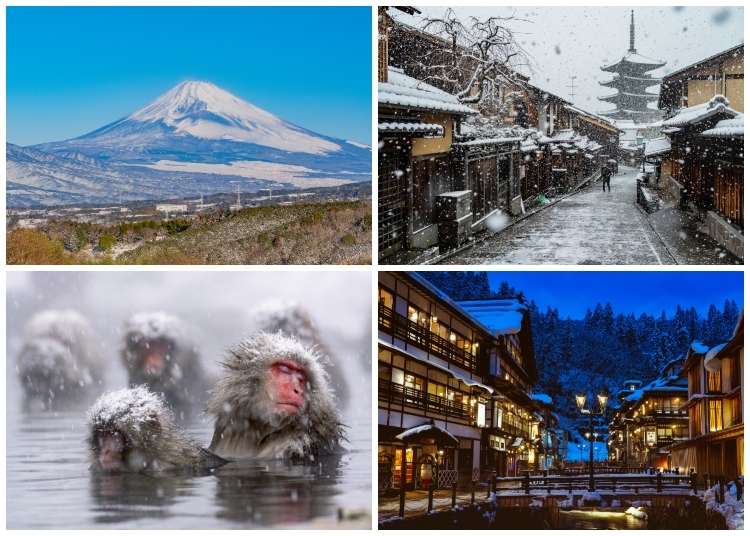
2 Weeks in February in Japan: Chasing the Snow, Hokkaido to Kyoto
- Written by: Himanshi Shah
Storybook snowscapes, flakes floating onto temple rooftops, lanterns hanging in ryokan windows, and the sweet smell of roasted sweet potatoes from yaki-imo trucks crooning down the street. Yup, winter in Japan is ridiculously glorious.
Sakura and autumn leaves always top every bucket list, and rightly so, but winter deserves far more love than it gets. Between December and February, Hokkaido throws its giant snow festivals, mountain onsen towns become havens of warmth, and Kyoto’s temples empty out, so lucky visitors may get a postcard-perfect photograph of a snow-dusted Kinkaku-ji without a crowd.
Japan may look petite on a map, but it stretches roughly 3,000 kilometers (1,864 miles) from tip to toe, and in winter, it gets more beautiful the further north you go.
After spending icy months in both Hokkaido and Fukushima, here’s my dream winter route for heaps of fun: snow festivals in Sapporo, Hakodate’s city lights, a dive under the sea through the Seikan Tunnel, a seafood feast in Aomori, gas lamps in Ginzan Onsen, snow monkeys in Nagano, and plum trees in Kyoto. Snow at one end, blossoms at the other, bookending a trip through two very different sides of Japan.
Below, you’ll find the full 14-day plan, the rail pass that covers the long legs, what to book months ahead, and what to pack for Sapporo’s sub-zero mornings.
(Main image credit: PIXTA)
(This article contains affiliate links)
Route Summary
After one domestic flight from Tokyo to Sapporo, it’s trains (and the odd bus) all the way south to Kansai Airport.
| Days | Destination | Duration |
|---|---|---|
| Days 1–2 | Tokyo | 2 nights |
| Days 3–6 | Sapporo + Otaru | 4 nights |
| Day 7 | Hakodate | 1 night |
| Day 8 | Aomori | 1 night |
| Day 9 | Ginzan Onsen | 1 night |
| Days 10–11 | Nagano (Shibu Onsen) | 2 nights |
| Days 12–14 | Kyoto + Osaka | 2 nights (fly home Day 14) |
Days 1–2: Tokyo
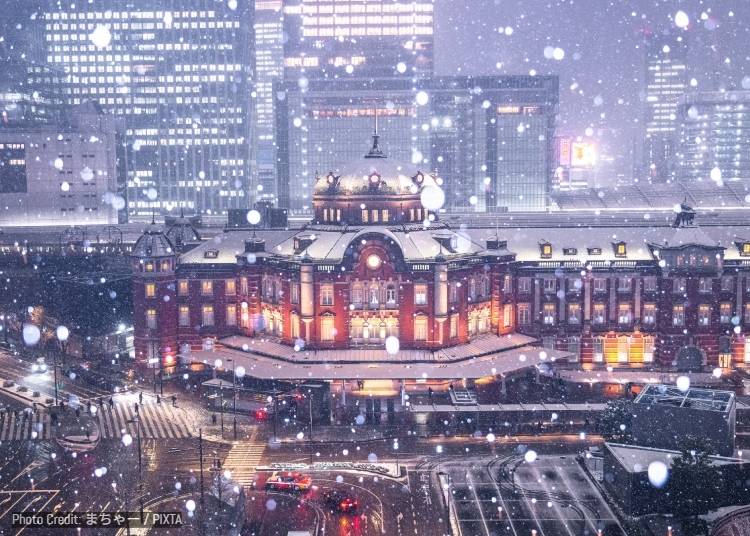
Tokyo will be your warm-up lap, but in winter months, it’s anything but balmy. Spend two days shaking off jet lag with long walks under the city’s winter lights.
Snow only falls on the capital a handful of nights each year. If it happens during your stay, head to places that look best under a fresh dusting, like Senso-ji’s five-story pagoda, the lantern-lit alleys of Omoide Yokocho, or Golden Gai’s tiny bars with neon signs peeking out from soft white powder.
By day, lace up at Tokyo’s largest outdoor ice rink in Tokyo Midtown’s Grass Square, open until February 23. After dark, Marunouchi’s Naka-dori shines until February 14, and Tokyo Dome City’s illuminations stay lit until the end of the month.
Arriving on February 3, 2027? Squeeze into the crowds at Senso-ji or Zojo-ji for Setsubun, the eve of spring in the old calendar, when guests of honor fling lucky beans to chase out the demons of winter.
Mornings are for Fuji-san. Crisp winter air makes this the best season to see it from the city, and the free observation deck at the Tokyo Metropolitan Government Building in Shinjuku is the place to try your luck. If you’re in Tokyo between February 3 and 5, head up Tokyo Skytree for Diamond Fuji, when the sun sets right on the summit.
Warm-up bite: Oden, a slow-simmered pot of daikon, eggs, and fishcakes ladled out at konbini counters all winter. Unfortunately for vegetarians, most oden broth is dashi-based.
- Easy on the pocket
- Dormy Inn Tokyo Hatchobori: A business hotel with its own hot spring and sauna, plus a free bowl of late-night ramen (yonaki soba) for guests every evening. It's a winter-night win.
・Book with Booking.com
・Book with Agoda
- Mid-range
- Onsen Ryokan Yuen Shinjuku: Tatami-floored rooms and an 18th-floor open-air bath filled with hot spring water from Hakone, where you can soak while Shinjuku's skyline twinkles around you.
・Book with Booking.com
- Splurge
- Hoshinoya Tokyo (Otemachi): A full-blown luxury ryokan hidden among the skyscrapers, crowned by a top-floor open-air onsen fed by hot springs.
・Book with Agoda
- More recommendations
- ・Where to stay in Tokyo
・10 Best Family-Friendly Apartment Hotels in Shinjuku
Days 3–6: Sapporo + Otaru
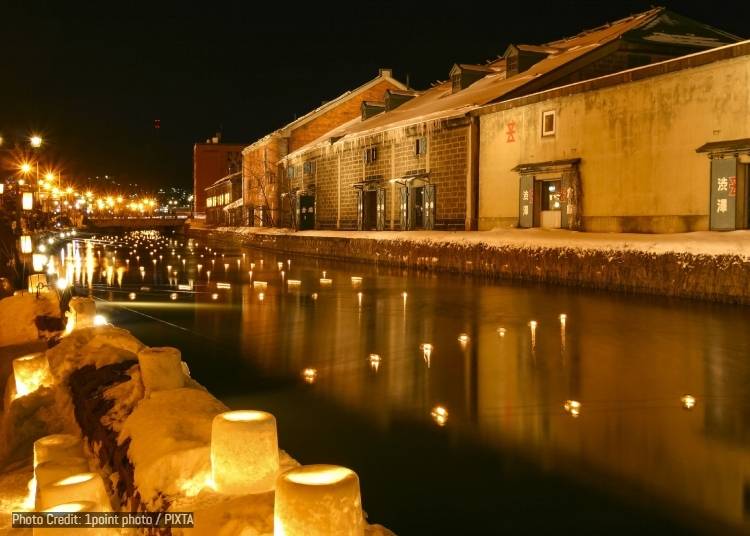
A 90-minute flight from Tokyo lands you in Sapporo, in the southwest of Hokkaido, for a true winter escape in every sense.
Time these four days for the Sapporo Snow Festival (February 4 to 11, 2027). Odori Park is packed with massive snow sculptures, Susukino shines with ice carvings, and Tsudome turns into a giant snow playground with slides and snow rafts.
When cold winds cut, do as locals do and duck into Chi-Ka-Ho, the heated underground walkway linking Sapporo Station to Odori.
Set aside one evening for Otaru and its Snow Light Path (February 6 to 13) to walk through its candle-lined lanes. This Europeanesque town is only 30 minutes by rapid train, but during my time in Sapporo, I always took the slower local train at least one way. It hugs the coast, with snowy sea views that keep you glued to the window the whole ride.
End your Hokkaido adventure by swapping city buzz for hot steam. Jozankei Onsen, about an hour away by the Kappa Liner bus (book by 5 PM the day before), is where locals go to warm up.
Not here during festival week? Head 85 minutes north to Asahikawa, where you can coo over penguins at Asahiyama Zoo, waddling through the snow on their winter walk (late December to mid-March, at 11 AM and 2:30 PM). Then join a tour to Biei’s Blue Pond, lit up after dark until 9 PM all winter.
Warm-up bite: Soup curry, Sapporo’s 1970s invention: a fiery, thin broth loaded with whole roasted vegetables and fall-apart chicken. Vegetable versions are easy to find, though the broth itself is often meat-based, so ask.
- Easy on the pocket
- Sotetsu Fresa Inn Sapporo-Susukino: A simple, good-value base right in Susukino, perfect for stumbling back from the festival's ice carvings and a late bowl of ramen.
・Book with Booking.com
- Mid-range
- Vessel Hotel Campana Susukino: A four-minute walk from Susukino Station, with a hinoki-scented public bath, sauna and cold plunge for thawing out, plus a breakfast buffet piled high with Hokkaido seafood.
・Book with Booking.com
・Book with Agoda
- Powder detour (Niseko)
- Moiwa Lodge: Got skis in your luggage? This old-school, slopeside lodge in Niseko, about 1.5 hours from Sapporo, was voted Japan's best ski lodge in 2024, with dorms, private rooms and home-cooked dinners for powder hounds.
・Book with Booking.com
- More recommendations
- ・Where to stay in Sapporo
・Where to stay in Otaru
Day 7: Hakodate
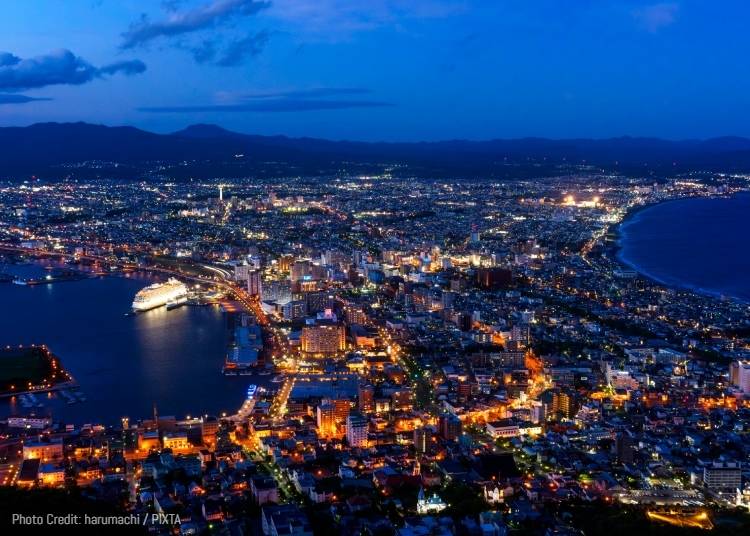
Hop on the Limited Express Hokuto for nearly four hours of coastline and countryside whizzing past. At the end of the line is Hakodate, one of the first Japanese ports to welcome Western traders. The town still wears that history on its sleeve, with Russian Orthodox domes, old consulates and brick warehouses lining the bay.
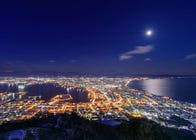
Winter is when Hakodate shines, especially for lovebirds looking to cozy up with their boo against a frost-silvered harbor. Savor a slow day, slurp a bowl of Hakodate’s salty shio ramen, and window-shop the boutiques tucked inside the Kanemori Red Brick Warehouses. Then, warmed up with hot sake, ride the ropeway up Mt. Hakodate (1,800 yen return, last ride at 8:30 PM) for cool views of twinkling city lights. Since the road closes to all vehicles in winter, it’s the only way up.
Afterward, walk down through Motomachi to see the illuminated trees of Hachimanzaka slope.
Warm-up bite: Rise and shine! It’s an early start on Day 8, but totally worth the sleep sacrificed for a rice bowl heaped with crab, salmon roe, and sea urchin at the Hakodate Morning Market (from 6 AM in winter) before your train to Aomori.
- Easy on the pocket
- HakoBA Hakodate by THE SHARE HOTELS: Part of this stylish port-side hotel lives inside the former Hakodate branch of Yasuda Bank, built in 1932, so you can sleep in a slice of the town's trading history.
・Book with Booking.com
・Book with Agoda
- Mid-range
- Hotel & Spa Century Marina Hakodate: Steps from the morning market, with a 14th-floor hot spring and rooftop bath gazing out at Mt. Hakodate and the harbor. Its legendary breakfast buffet lets you build your own seafood bowl, so guests can happily skip the market and have theirs right here.
・Book with Booking.com
・Book with Agoda
- More recommendations
- ・Where to stay in Hakodate
・5 Best Hakodate Hotels With Onsen Hot Springs
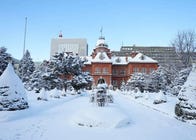
Day 8: Aomori
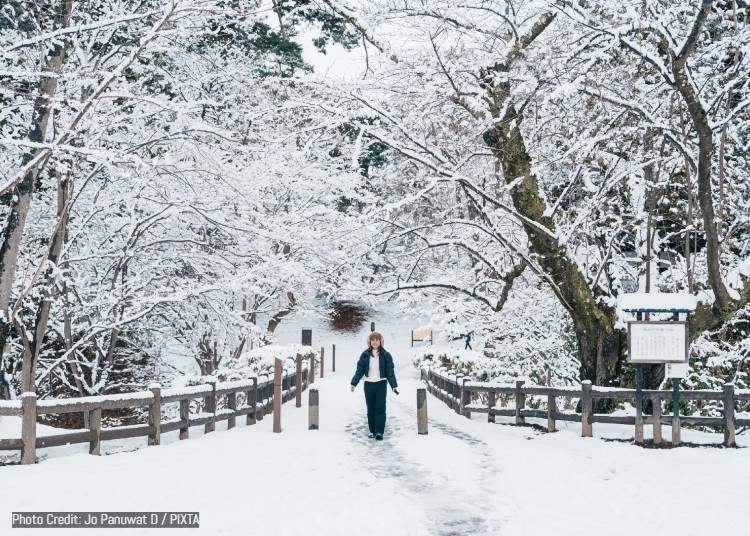
Say Aomori and most Japanese people picture glossy red apples and misty hills, and their mouths water at the thought of fresh-off-the-boat seafood. Often called the snowiest city on earth, it’s also a must for snow sports aficionados. Underrated and blissfully crowd-free in winter, it’s one destination you’ll want to return to for a longer trip.
Early in the day, board the Hakodate Liner to Shin-Hakodate-Hokuto, then switch to the Shinkansen heading south. Under the sea, you’ll cross from Hokkaido to Honshu inside the 54-kilometer (33.5-mile) Seikan Tunnel, reaching Aomori by late morning. Two minutes from Aomori Station, Nebuta Museum Wa Rasse (620 yen) keeps the city’s August Nebuta Festival glowing year-round, with giant illuminated floats of warriors and mythical beasts.
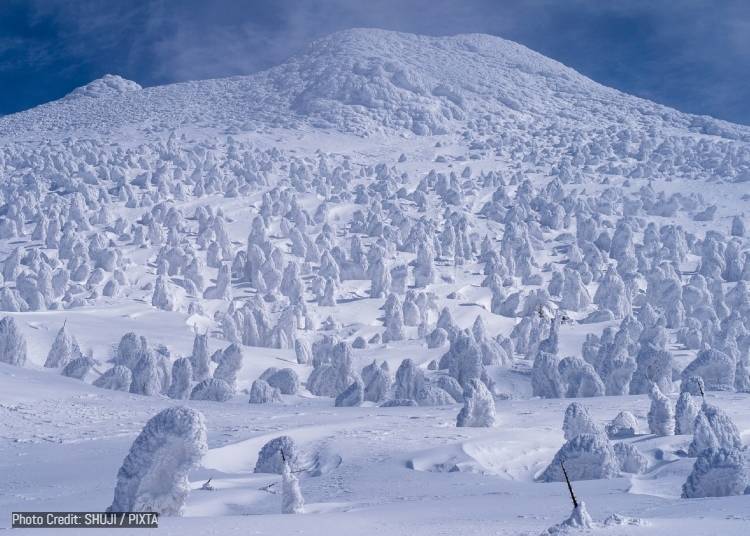
Optional detour: Head up to see the snow monsters of the Hakkoda Mountains, trees so thickly coated in wind-blown ice that they look like frozen giants. A 10-minute ropeway ride takes you among them, and skiers and snowboarders can carve powder runs right between the monsters with a guide. The monsters are best from late January to early March, though strong winds can suspend the ropeway service.
Warm-up bite: Nokke-don at Furukawa Fish Market (Aomori Gyosai Center). Buy a ticket book, then hop between stalls, swapping the tickets for toppings to pile onto your rice. It’s closed on Tuesdays.
- Mid-range
- Daiwa Roynet Hotel Aomori: A sleek, modern base five minutes on foot from JR Aomori Station.
・Book with Booking.com
・Book with Agoda
- Splurge
- Hakkoda Hotel: One of Japan's largest Western-style wooden buildings, this log hotel sits in a virgin beech forest about 900 meters up, with its own hot spring and free entry to the famous hiba-wood bath at sister inn Sukayu Onsen. Perfect if you're taking the snow monster detour, but it's about an hour from Aomori Station, so book the station shuttle ahead.
・Book with Booking.com
・Book with Agoda

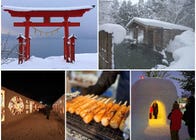
Day 9: Ginzan Onsen
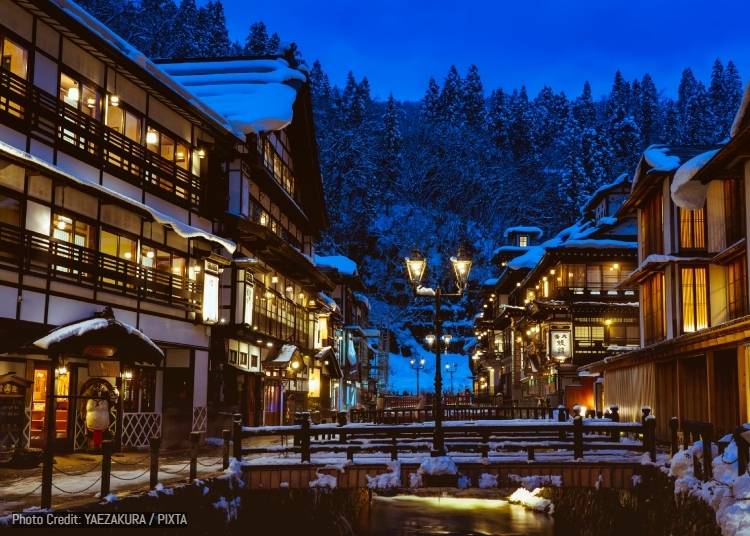
Today’s journey is long, so do a konbini run the night before to stock up on snacks, and send your big suitcase ahead to Kyoto from your Aomori hotel. It’s a six-hour travel day, but it’s one of the prettiest stretches of the trip, and there’s an onsen waiting at the end. Ride the Shinkansen to Sendai, then the Senzan Line as it meanders towards Yamagata, before the last hop to Oishida.
Ginzan means “silver mountain”, and miners digging for silver here stumbled on its hot springs 500 years ago. Time it so you arrive at dusk, just as the gas lamps flicker on in front of Taisho-era wooden inns stacked three and four stories high. It all feels extremely mystical.
This is one place where staying the night is really worth it. From December to early March, day visitors must park and ride on timed shuttles with fixed return slots, while overnight guests can walk straight in with their booking.
Our accommodation pick is Takimikan, perched just above town. Its shuttle picks you up from Oishida Station (book ahead), and its open-air bath looks down over Shirogane Falls. After dinner, the inn drives guests down to the lamp-lit street, where you can warm your toes at Waraku, a free riverside footbath fed by the same springs.
Ryokans around here book out months in advance, so snag a room early. If they are all full, base yourself at Tendo Onsen and join its guided night tour to Ginzan instead (9,800 yen, December 12 to March 14).
Warm-up bite: Imoni, Yamagata’s hearty stew of taro, beef, and leeks simmered in soy sauce. Or try Takimikan’s hand-made soba, made from local Obanazawa buckwheat.
- Our pick
- Takimikan: Born as a soba shop and still famous for its hand-made Obanazawa soba, this hilltop inn pairs dinner with an open-air bath overlooking Shirogane Falls.
・Book with Agoda
- Mid-range
- Ginzanso: The village's largest and most modern ryokan, with river-view rooms and open-air baths you can stretch out and lie down in.
・Book with Booking.com
・Book with Agoda
- Splurge
- Notoya Ryokan: The 1925 wooden tower on every Ginzan postcard is now a registered cultural property. Rooms open six months ahead and book out almost immediately.
・Book with Agoda
Ginzan Onsen to Nagano
Ginzan Onsen and Nagano are separated by a considerable distance. The fastest route is to go by Shinkansen via Omiya. This is the most straightforward route and is fully covered by the JR East Pass. It takes about 5 to 6.5 hours.
・Step 1: Take the Hanagasa Bus (or your ryokan’s shuttle) from Ginzan Onsen to Oishida Station.
・Step 2: Ride the Yamagata Shinkansen south to Omiya Station.
・Step 3: Transfer at Omiya to the Hokuriku Shinkansen, which goes straight to Nagano Station.
Days 10–11: Nagano
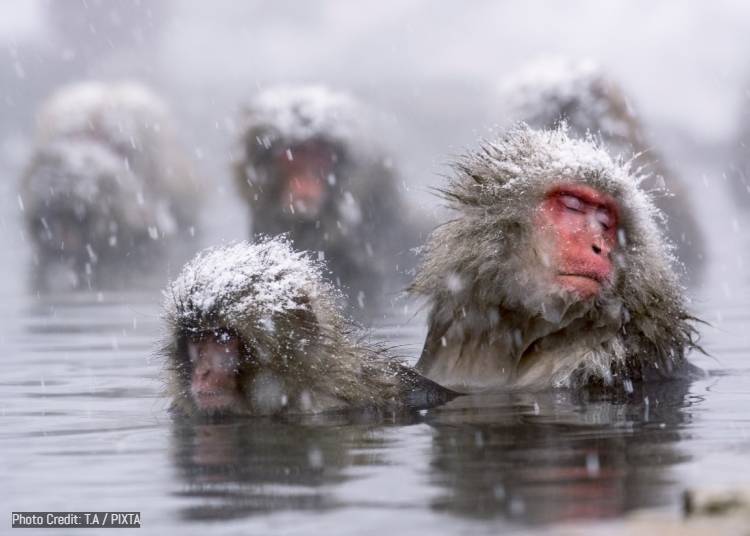
Next is Nagano, Japan’s quintessential winter hotspot, with soft japow across around 80 ski resorts for powder hounds, historic bathhouses, and the surreal sight of snow monkeys in hot springs. Shibu is the perfect base for exploration, a hot spring town reached by train via Omiya and Nagano.
At check-in, your ryokan will hand you a hefty key that unlocks Shibu’s nine public bathhouses, eight of them off-limits to anyone without one. Clack down the stone lanes in yukata and wooden geta for Kyuto Meguri, the nine-bath tour. Stamp your towel at every bath — each one is said to soothe a different ailment — then climb to Shibutaka-Yakushi temple above town. Collect all nine stamps and your most heartfelt wish is said to come true.
On Day 11, arrive at Jigokudani at 9 AM when it opens. 850 meters (2,788 feet) up a steaming valley, this is the only place on earth where wild monkeys take hot-spring baths. It’s a 30-minute trudge through snowy forest, so wear proper snowproof boots with grip. Winter brings thousands of visitors, so book your date-specific ticket online first.
Afterward, head into Nagano city for Zenko-ji, a temple founded around 1,400 years ago. Beneath its main hall runs a pitch-black passage. Keep your right hand on the wall and walk through the darkness until your fingers find a metal latch, the “key to paradise”. Touching it is said to connect you to the temple’s hidden Buddha above and promise rebirth in paradise.
Warm-up bite: Oyaki, Nagano’s palm-sized dumplings, crisp outside and stuffed with salty nozawana greens or sweet red bean. A delicious treat us vegetarians can enjoy too.
- Easy on the pocket
- Chisun Grand Nagano: Five minutes on foot from Nagano Station, so it's handy for Zenko-ji and your onward train, with a breakfast spread packed with Nagano specialties.
・Book with Booking.com
・Book with Agoda
- Mid-range
- Ryokan Suminoyu (Shibu Onsen): Stunning stay sitting in Shibu's stone lanes, with two hot spring baths of its own and the key to all nine public bathhouses.
・Book with Booking.com
・Book with Agoda
- Splurge (with a car)
- Lomä Central Peaks (Lake Nojiri): For road-trippers looking for an adventure, this brand-new hideaway near Lake Nojiri frames Mt. Myoko and Mt. Kurohime from your room, with a sauna and hot spring bath to thaw out in. You'll need a winter-ready car with snow tires.
・Book with Booking.com
・Book with Agoda
- More recommendations
- ・Where to Stay in Nagano
Days 12–14: Kyoto + Osaka
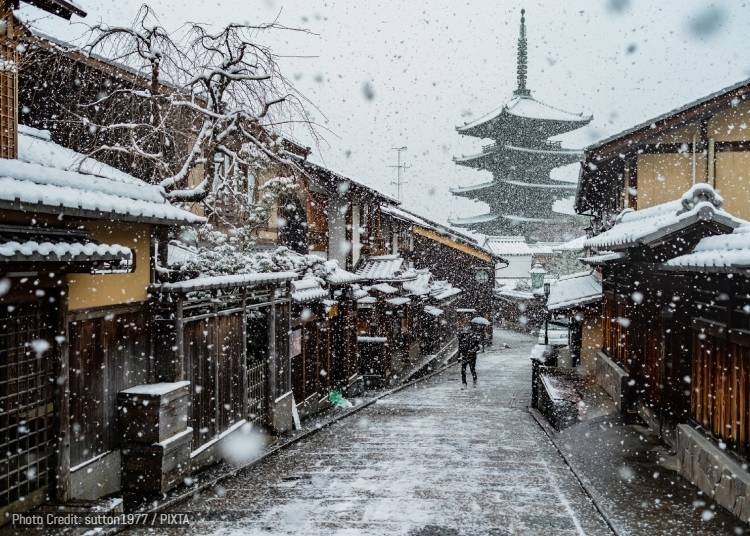
Forever-favorite neighbors, Kyoto and Osaka need no rhyme or reason for a visit. Cap off your winter in Japan adventure with a day in each.
On the three-hour ride from Nagano, the snow thins out, and by the time the train pulls into Kyoto, the white mountain peaks have given way to the low hills ringing the country’s old capital. Your suitcase is already waiting at the hotel, shipped ahead from Aomori.
Sans the sakura-season crowds, Kyoto in colder months feels slower and softer. Set an alarm for Kinkaku-ji’s 9 AM opening, because snow rarely settles on the Golden Pavilion, and when it does, it seldom lasts past breakfast. If you wake up to white rooftops, grab your camera and run out.
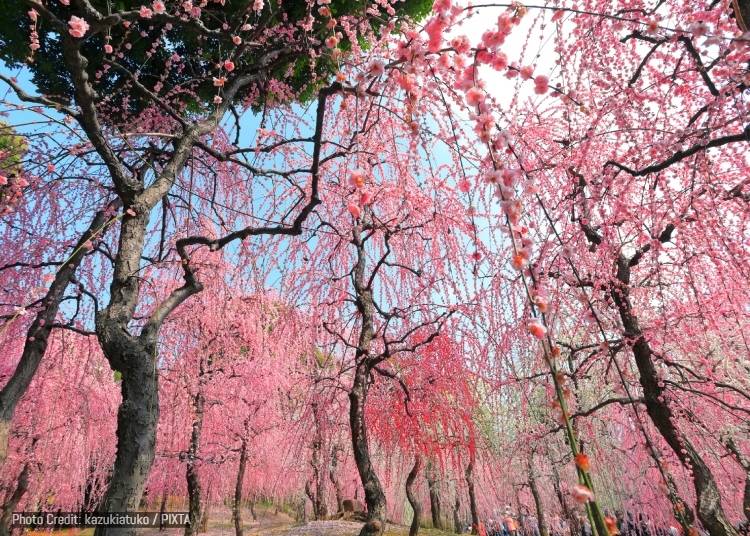
Then wander over to Kitano Tenmangu Shrine to see over 1,500 plum trees starting to unfurl their white and pink blossoms. Try to visit on February 25 for the Baikasai festival. Watching geiko and maiko pour matcha beneath the pastel flowers is magical.
This is exactly why an extended trip in February is so rewarding: you can start your vacation throwing snowballs in Hokkaido and end it drinking matcha under the early spring blossoms in Kyoto.
Before you leave Kyoto, ask your hotel to send your suitcase ahead to Kansai Airport, and check their cut-off time, since airport delivery needs extra notice. That way, your last day in Japan is for hands-free exploring and last-minute shopping in Osaka.
Locals with a sense of humor, wildly themed bars, ungodly amounts of delicious food, futuristic towers standing tall among old wooden houses...Osaka is my personal favorite; can you tell?
Take the 30-minute hop to the city and spend as long as you can in Dotonbori and Shinsekai before the Rapi:t whisks you from Namba to the airport in 34 minutes.
Warm-up bites: Yudofu in Kyoto, silky tofu simmered in kombu broth, a Buddhist temple dish best sampled around Nanzen-ji. Then kushikatsu in Osaka, golden skewers of everything from lotus root to avocado, dunked once in the communal sauce pot. Double-dipping is strictly banned, so use the free cabbage leaves to scoop extra sauce.
- Families & groups
- MIMARU SUITES Kyoto Shijo: Roomy apartment-style suites with their own kitchens in central Kyoto, ideal for families or friends sharing a base, and an easy hop to the trains for Osaka on your final day.
・Book with Booking.com
・Book with Agoda
- Mid-range ryokan
- Seikoro Ryokan: Welcoming guests since 1831, this historic inn near Gojo pairs wooden baths with traditional kaiseki dinners, a short ride from both Kyoto Station and Kiyomizu-dera.
・Book with Booking.com
- Splurge
- Aman Kyoto: Hidden in a mossy forest garden, a short stroll from Kinkaku-ji, with hinoki soaking tubs in the rooms and a natural hot spring spa.
・Book with Agoda
- More recommendations
- ・Where to stay in Kyoto

Logistics & Travel Tips
Rail passes: Rather than a nationwide JR Pass (which covers travel all the way to Kyoto), this itinerary uses two regional passes tailored to northern and eastern Japan.
First, the JR East-South Hokkaido Rail Pass (40,000 yen for six consecutive days) is well worth it for Days 7 to 11, covering Sapporo down through Hakodate to Aomori and Ginzan Onsen, though it does not include Nagano.
Next, the JR East Pass (35,000 yen for five consecutive days) covers the stretch from Aomori to Tokyo and up to Nagano; however, unlike the full JR Pass, it only covers the first leg toward Kyoto on Day 12, so you will need to buy a separate ticket for the rest of the journey.
Both regional passes include reserved seats (be sure to book them at the ticket office), while buses, the Nagano Dentetsu line, and domestic flights from Tokyo to Sapporo are not covered.
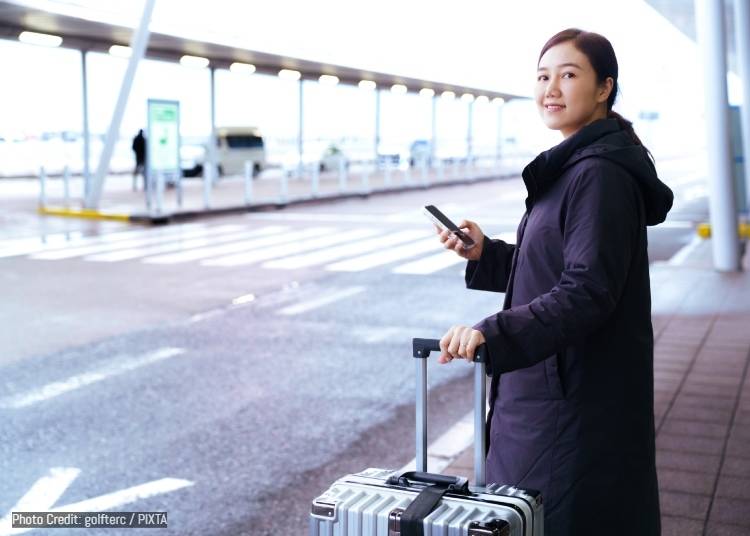
Luggage forwarding: Travel light from Day 9 onwards. Send your suitcase from your Aomori hotel to your Kyoto hotel, and it’ll be waiting when you check in on Day 12. For the final leg, Yamato’s Airport TA-Q-BIN needs your bag at least two days before your flight. If you’ve left it late, drop it at a designated counter in Kyoto by 10 AM the day before, and it’ll reach Kansai Airport by 7 AM the next morning.
What to pack for snow: Waterproof boots with grip are a must for Sapporo’s icy pavements so you don’t fall on your behind as I did, plus thermal layers and kairo hand warmers from any konbini. Or just stop by UNIQLO in Tokyo and stock up on HeatTech, or check out Snow Peak’s winter gear.

Budget alternatives: I love Japanese highway buses. They’re comfortable, sparkling clean, and come in different levels of luxury. For the full rundown, see our guides to Hokkaido's winter bus passes and Tohoku's budget-friendly travel passes.
- 6 months ahead: Notoya Ryokan, Ginzan (bookings open on the 1st of the month, six months before your stay)
- 5 months ahead: Kosekiya Bekkan, Ginzan
- As soon as dates are set: Sapporo hotels for Snow Festival week
- 3 months ahead: Jigokudani’s date-specific web tickets
- When booking opens (usually autumn): Ginzan’s day-visitor shuttle passes, if you’re not staying overnight
- A month ahead: the Kappa Liner bus to Jozankei (reservations close at 5 PM the day before)
- With your Ginzan stay: Takimikan’s shuttle from Oishida
December vs January vs February
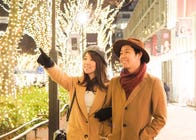
December is the month for lights. Tokyo’s illuminations are in full swing, and Hakodate’s Christmas Fantasy floats a giant tree on the bay by the red brick warehouses, with fireworks every night at 6 PM until the 25th. Just note that several sights pause around New Year, with zoos, museums and markets closing for a few days, so check your bucket-list spot’s opening dates before booking.
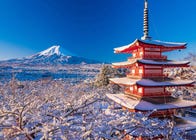
January is deep winter, cold and crisp. Sapporo is freezing, with temperatures between about -7°C and 0°C (19°F and 32°F), Fuji is at its clearest from Tokyo, the penguins are waddling happily at Asahiyama Zoo, and Hakkoda’s snow monsters grow to their full form from late January.
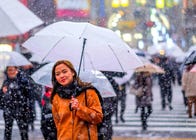
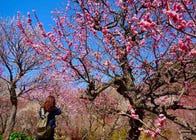
February is a month of festivities—and the perfect window for an extended stay. Sapporo’s Snow Festival (February 4 to 11) overlaps with Otaru’s Snow Light Path (February 6 to 13). Meanwhile, further south, early-blooming cherry blossoms like the Kawazu Sakura and Atami Sakura burst into bright pink, and Kyoto’s plum blossoms begin to open, peaking from late February. With a couple of weeks to travel, you can chase deep winter in Hokkaido and early spring blossoms in Kansai and the Izu Peninsula all in one go.
After two weeks of dizzyingly beautiful attractions, ryokan dinners and steaming bowls of everything, your bathtub at home will never feel the same — you have been warned. Consider it Japan’s way of making sure you come back next winter.

Himanshi is a seasoned travel writer, photographer, and graphic designer. After graduating from Ecole Intuit Lab in 2015, she began designing for global brands. Drawn by Japan's landscapes and culture, she traveled extensively—from Tokyo's neon-lit streets to the peaks of Hokkaido. She's also lived in the Seto Inland Sea and volunteered in Fukushima. Through her blog, Nomadic Travelscapes, Himanshi uncovers stories rooted in authenticity instead of influencer-led experiences. Her work has been exhibited at Nox Gallery, Tokyo.
- Category
*Prices and options mentioned are subject to change.
*Unless stated otherwise, all prices include tax.
Popular Tours & Activities
Recommended places for you
-

Jukuseiniku-to Namamottsuarera Nikubaru Italian Nikutaria Sannomiya
Izakaya
Kobe, Sannomiya, Kitano
-

ISHIDAYA Hanare
Yakiniku
Kobe, Sannomiya, Kitano
-
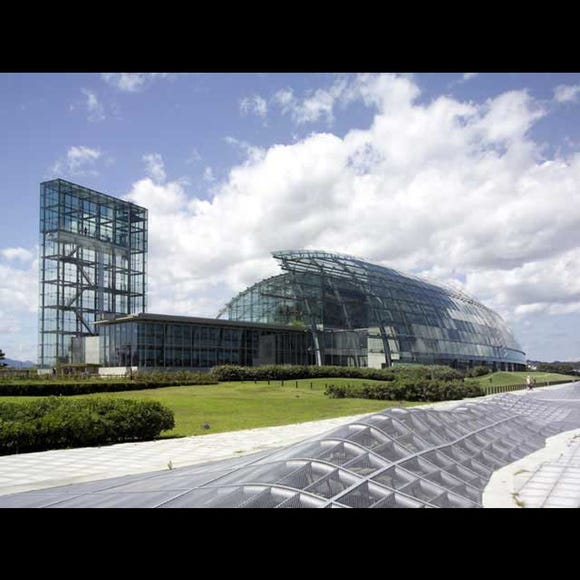
Aquamarine Fukushima
Zoos, Aquariums & Botanical Gardens
Fukushima, Koriyama And Iwaki
-
Appealing

Rukku and Uohei
Izakaya
Sapporo / Chitose
-
Appealing
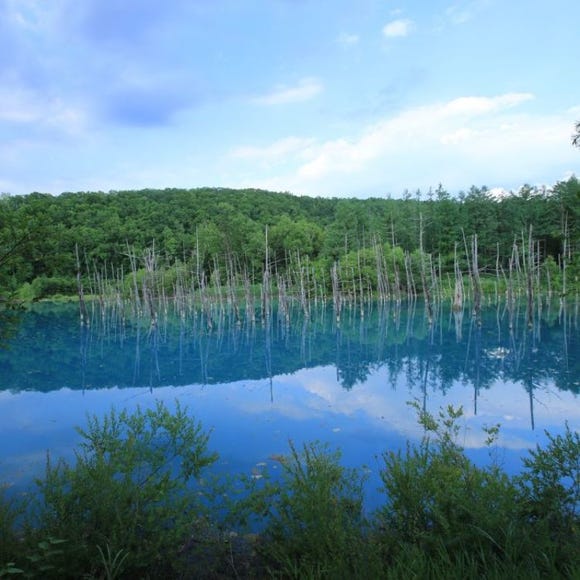
Shirogane Blue Pond (Aoiike)
Rivers, Lakes & Canyons
Furano / Biei / Sounkyo
-
Goods
Yoshida Gennojo-Roho Kyoto Buddhist Altars
Gift Shops
Nijo Castle, Kyoto Imperial Palace
-
[Starting Spring 2027] Japan's Railways Evolve Further! Why Tickets Are Changing to "QR Tickets" and a Riding Guide for Foreign Visitors
by: Guest Contributor
-

BicCamera Tax Refund 2026: Refund Service Fee 0 Yen
-
5 Stationery Shops in Shinjuku: One Walking Route for Art Supplies, Suica Penguin Gifts, and More
-
5 Japanese Craft Shops in Shinjuku: From Walls of Kokeshi Dolls to Artisan Teapots
-
Cracked Phone Screen in Japan? Smahospital Repair Guide: Keep Your Data, Fixed in 15 Min, Multilingual Support | Up to 10,000 Yen Off with LIVE JAPAN Coupon
-

Seibu Group Launches New Chichibu Adventure Tourism Experience for International Travelers in 2026
by: Guest Contributor
-
Getting Around Hokkaido in Winter: Transportation Tips to Know Before You Go
-
10 Important Japanese Phrases to Know Before You Enter a Japanese Convenience Store
by: Teni Wada
-

Aomori Winter Weather Guide (December–February) + Local Editor's Outfit Tips
by: Nemi Lin
-

20 Best Things to Do in Fukushima Prefecture (Sightseeing Attractions, Local Foods & Activities)
-

4 Day-Trip Snow Activities to Enjoy in Sapporo: Snowmobiling, Horseback Riding & More
by: Masakazu Yoshida
-
Iizaka Onsen Guide: Japan's Gorgeous Hidden Hot Springs Town! (Access, Things to Do, Ryokan)
- #best sushi japan
- #what to do in odaiba
- #what to bring to japan
- #new years in tokyo
- #best ramen japan
- #what to buy in ameyoko
- #japanese nail trends
- #things to do japan
- #onsen tattoo friendly tokyo
- #daiso
- #best coffee japan
- #best japanese soft drinks
- #best yakiniku japan
- #japanese fashion culture
- #japanese convenience store snacks