




Complete Guide to Climbing Mount Fuji (2026): Routes, Gear, & Itineraries
- Written by: LIVE JAPAN Editor
Mt. Fuji, rising to 3,776 meters (12,388 feet), is Japan’s tallest and most iconic mountain. While its elegant, symmetrical shape may give the impression of an easy hike, first-timers should plan for a grueling, multi-day trek.
To combat overcrowding and preserve the mountain’s World Heritage status, strict new entry regulations and fees have been implemented for the 2026 season. This guide covers everything you need to choose your route, pack the right gear, and plan an unforgettable itinerary around the Mt. Fuji area.
(This article may contain promotions)
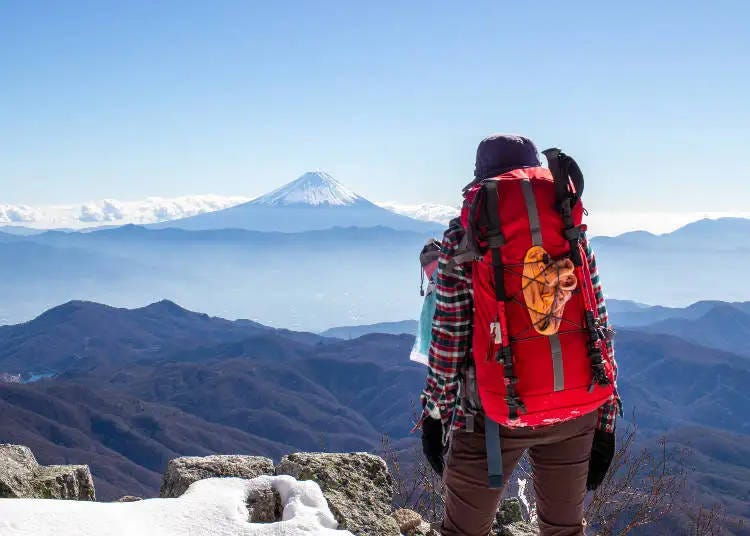
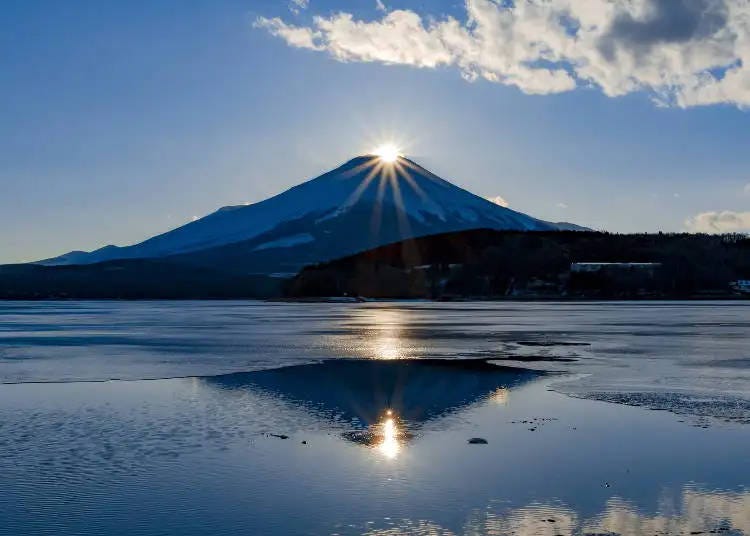
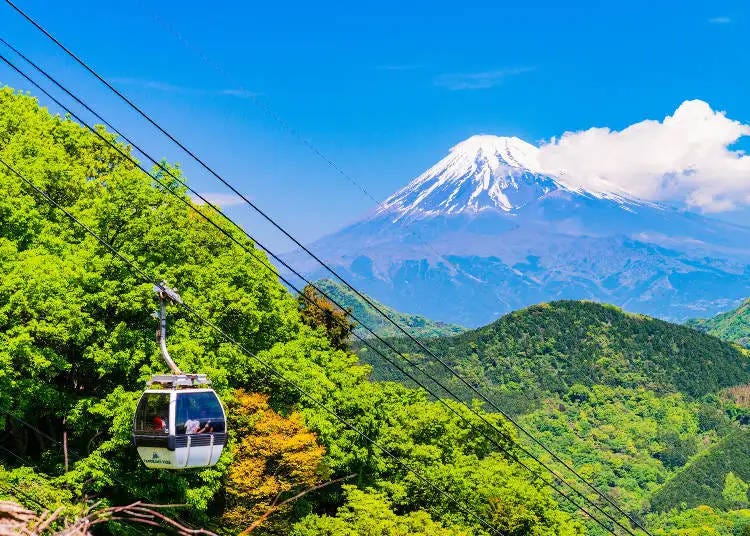
(Main image: PIXTA)
- Table of Contents
-
- Is it Difficult to Climb Mount Fuji?
- The 2026 Climbing Season: A Quick Overview
- When is the Best Season to Climb Mount Fuji?
- Choosing Your Trail: The Four Routes Explained
- Climbing Itineraries Recommended for Beginners
- Accommodation Around Mount Fuji
- What to Pack: The Uncensored Gear List
- Weather, Climate, and Safety
- Etiquette for Climbing Mount Fuji
- The Ascent & The Summit
- Before or After Your Climb: Exploring Around Mt. Fuji
- Suggested Itinerary for Touring Around Mount Fuji
- Seasonal Highlights Around Mount Fuji
- Create The Perfect Memory at Mt. Fuji
Is it Difficult to Climb Mount Fuji?
Climbing Mount Fuji is a rewarding adventure for both beginners and experienced hikers, but it requires good fitness, careful planning, and proper preparation.
One key concern is altitude sickness, which can cause headaches, dizziness, nausea, and fatigue due to reduced oxygen at higher elevations. To help prevent it:
・Get enough rest before your climb
・Ascend slowly with regular breaks
・Stay hydrated
・Eat small, frequent snacks
It's important to be physically prepared to handle both the ascent and descent. If you're unsure about your fitness, train in advance with exercises like squats and stair climbing. Be sure to plan your route and decide whether to stay overnight in a mountain hut.
There are no age limits for climbing, but special care is needed for children and older adults.
- For children:
- ・They should be able to clearly communicate symptoms of altitude sickness.
・They need the stamina to climb long distances and descend. For this reason, it may be best for children of elementary school age and older to attempt the climb.
- For older adults:
- ・It's advisable to climb with a professional guide or as part of a tour group for added safety.
・Check with the tour operator if you have any cardiovascular or other health conditions that may prevent participation. Consult with your doctor if you're under medical treatment.
・For climbers aged 70 and above, there's a special tradition at the Fujisan Hongu Sengen Taisha Okumiya shrine at the Fujinomiya summit. You can sign the "Elderly Climbers Register" and receive a free offering of sacred sake, a commemorative cup, and a keepsake.
The 2026 Climbing Season: A Quick Overview
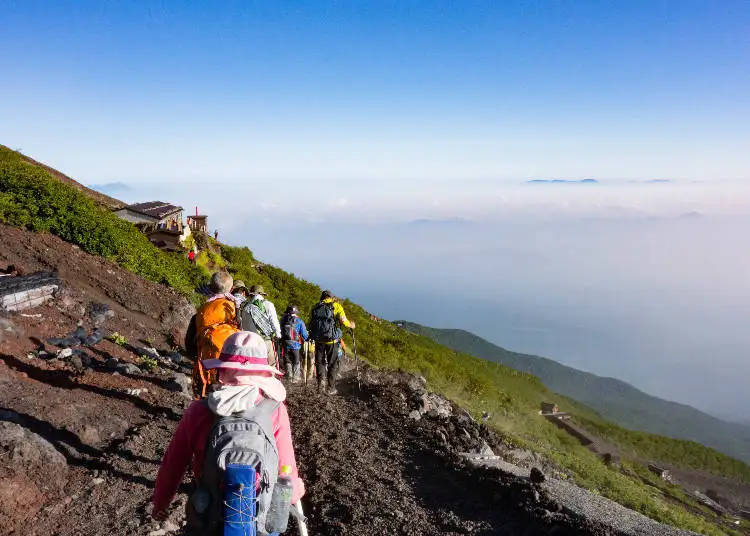
The 2026 climbing season runs from July 1 to September 10 for the Yoshida Trail and the Subashiri Trail, and from July 10 to September 10 for the Fujinomiya and Gotemba trails.
- Mandatory Fees: All climbers must pay a 4,000 yen entry fee.
- Gate Closures: Trailhead gates are physically locked between 2:00 PM and 3:00 AM. You cannot pass during this time unless you have proof of a mountain hut reservation.
- Capacity Limits: The popular Yoshida Trail is strictly capped at 4,000 climbers per day.
- If you plan to climb via the Fujinomiya, Gotemba, or Subashiri trails, Shizuoka Prefecture now requires you to use the official "Shizuoka Prefecture FUJI NAVI" app (available since May 8, 2026) before entering the mountain. For details and Pre-registration, see the official website here.
When is the Best Season to Climb Mount Fuji?
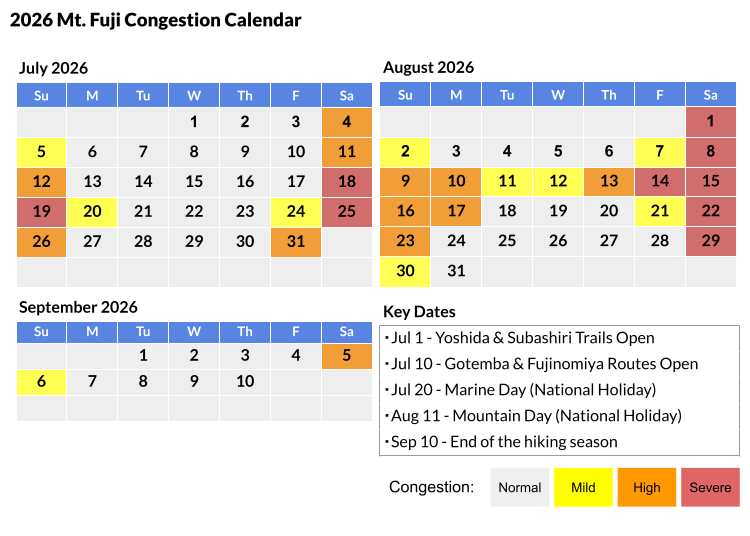
Mount Fuji’s climbing season runs from July 1 to around September 10. The best times to visit are early in the season (from opening to mid-July) or late in the season (late August to early September), when crowds are smaller and ideal for beginners.
Weekdays are recommended, as weekends, holidays, and the Obon period (around August 13–16) tend to be very busy.
Note that some trails may remain closed in early July due to lingering snow, so be sure to check the official website for the latest conditions before your trip.
Should You Hire a Climbing Guide?
For beginners, having a climbing guide is undoubtedly safer. A guide can help manage your pace, preventing altitude sickness and hypothermia, and ensure a safe climb. They provide support in emergencies and offer peace of mind.
Additionally, some guides offer insights into Mount Fuji's history and natural environment, enriching your climbing experience.
Choosing Your Trail: The Four Routes Explained
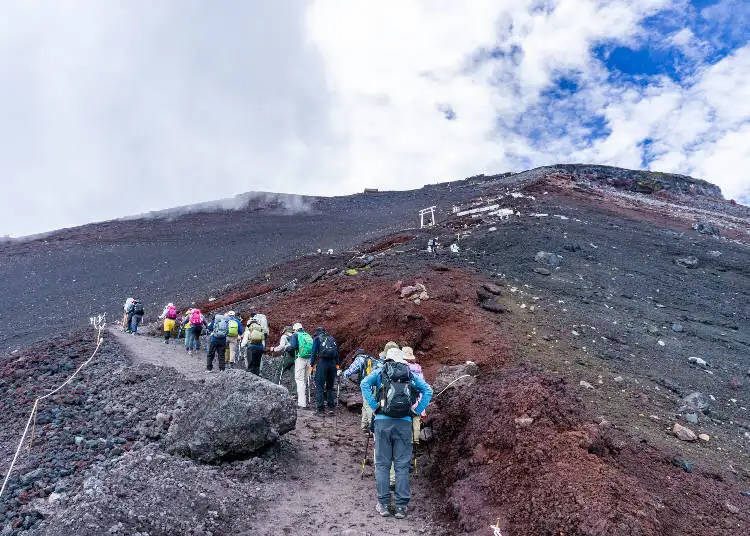
All four routes are located on the eastern and southern sides of the mountain. Choosing the right one depends on your fitness level and tolerance for crowds.
- The Vibe: This is the most popular route, used by over half of all climbers. It offers separate up/down trails and features the most first-aid stations and mountain huts. Because it is highly congested, it is the only trail with a strict 4,000-person daily limit in 2026.
- Elevation: Starts at 2,305m
- Time: Ascent ~6 hours / Descent ~4 hours
- Round-Trip Distance: Approximately 13.8km (Ascent: 6.8km, Descent: 7.0km)
- Fujiyoshida Weather Forecast (Yoshida Route) - Japan Weather Association
- Facilities: 5 shops, public toilets, climbing information centers (Yamanashi Prefecture Fuji Fifth Station General Management Center, Sixth Station Fuji Safety Guidance Center)
- Rescue Services: First aid stations at the Fifth Station (throughout the climbing season), Seventh Station (part of the season), and Eighth Station (part of the season)
- The Vibe: Starting at the highest elevation, this is the fastest way to the top. However, it is incredibly steep and rocky, and the ascent/descent share the same path, meaning you will constantly pass other hikers along the way.
- Elevation: Starts at 2,380m
- Time: Ascent ~5 hours / Descent ~3 hours
- Round-Trip Distance: Approximately 8.6km (Ascent: 4.3km, Descent: 4.3km)
- Mountain Huts: Available at each station from the Fifth Station onward on both ascent and descent paths
- Fujinomiya Weather Forecast (Fujinomiya Route) - Japan Weather Association
- Rescue Services: First aid station at the Eighth Station ("Fuji Sanitation Center") during part of the climbing season
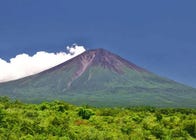
- The Vibe: A local favorite. The lower half of the trail passes through a lush forest, offering rare shade during the climb. The descent also features the famous “sand run” (Sunabashiri), where hikers can slide down volcanic ash.
(Note: Because it merges with the popular Yoshida Trail, the Subashiri Trail gates will open early on July 1, and strict time/fee restrictions will be enforced right from the start of July.) - Elevation: Starts at 1,970m
- Time: Ascent ~6 hours / Descent ~3 hours
- Round-Trip Distance: Approximately 13.1km (Ascent: 6.9km, Descent: 6.2km)
- Mountain Huts: Available at each station from the Fifth Station onward on both ascent and descent paths
- Facilities: 2 shops, public toilets, climbing information center (Fuji Subashiri Entrance Information Center)
- Fujiyoshida Weather Forecast (Subashiri Route) - Japan Weather Association
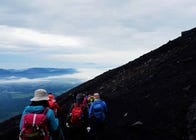
- The Vibe: Starting at the lowest elevation, this is a grueling long-distance trek. With very few mountain huts and facilities, it is best suited to experienced hikers looking to avoid the crowds.
- Elevation: Starts at 1,440m
- Time: Ascent ~7 hours / Descent ~3 hours
- Round-Trip Distance: Approximately 18.9km (Ascent: 10.5km, Descent: 8.4km)
- Mountain Huts: Few, with none between Oishi Chaya (near New Fifth Station) and New Sixth Station
- Facilities: 1 shop, public toilets, climbing information center (Mt. Fuji Trail Station)
- Rescue Services: None
- Gotemba Weather Forecast (Gotemba Route) - Japan Weather Association
Getting to the Trailheads
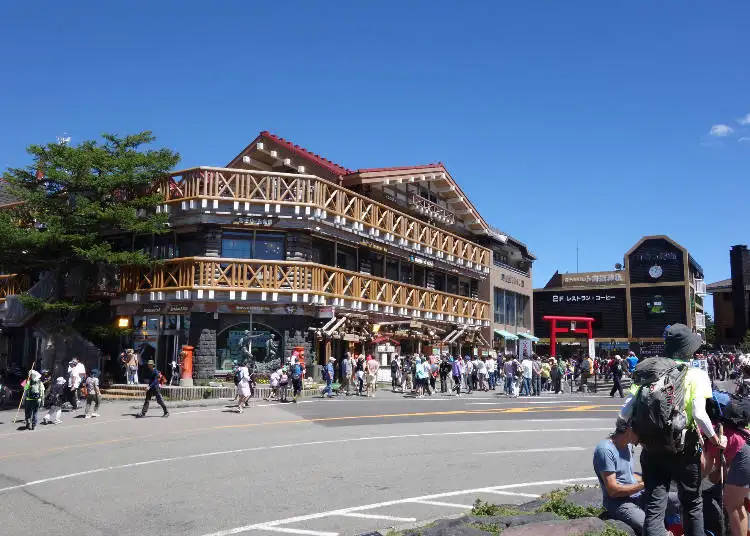
If you are coming from Tokyo, public transportation is your best bet, as private cars are heavily restricted on the mountain during the summer.
Option 1: Highway bus
The easiest option. You can take a direct highway bus from Busta Shinjuku in Tokyo straight to the Fuji Subaru Line 5th Station (Yoshida Trail).
- Route: Take the highway bus (Fujikyu Bus: Fujigoko-Shinjuku Line) to Fuji Subaru Line Fifth Station or Motosu.
- Fare: 3,800 yen one way per adult (3,500 yen with online reservation).
- Travel Time: Approximately 2 hours and 30 minutes, but can be significantly delayed due to highway traffic congestion.
- Convenience: Direct access from Shinjuku without the need for transfers.
- See Shinjuku Bus Terminal for details on departures
- Route: Take the highway bus from Haneda Airport to "Fujisan" Station. This service is available only on weekends and holidays, with one bus per day.
- Travel Time: Approximately 3 hours.
- Transfer: From "Fujisan" Station, transfer to the bus bound for Fuji Subaru Line Fifth Station.
- Convenience: Ideal for those traveling directly from the airport to Mount Fuji.
- See timetable for Highway Bus from Haneda Airport to Fujisan Station
Option 2: Train + Local Bus
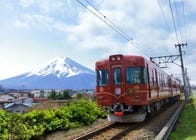
Take the JR Chuo Line to Otsuki Station, transfer to the Fujikyu Line, and get off at Kawaguchiko Station. From there, local buses run regularly to the 5th Station.
(Note: Some services are seasonal and may have varying schedules. Please check official websites for the latest information before planning your trip.)
- Nearest Stations:
- ・JR Mishima Station (Tokaido Shinkansen / Tokaido Main Line)
・JR Shin-Fuji Station (Tokaido Shinkansen)
・JR Fujinomiya Station (Minobu Line)
- Climbing Bus:
- ・From Mishima Station: approx. 1 hr 30 min
・From Shin-Fuji Station: approx. 2 hr 5 min
・From Fujinomiya Station: approx. 1 hr 20 min
- Nearest Stations:
- ・JR Gotemba Station (Gotemba Line)
・Odakyu Shin-Matsuda Station (Odakyu Line)
- Climbing Bus to Subashiri Fifth Station:
- ・From Gotemba Station: approx. 1 hr
・From Shin-Matsuda Station: approx. 1 hr 30 min
- Nearest Station:
- ・JR Gotemba Station (Gotemba Line)
- Climbing Bus:
- ・From Gotemba Station to Gotemba New Fifth Station: Fujikyu Mobility, approx. 30 min
Option 3: By car
During the climbing season, private vehicle restrictions are enforced on Mt. Fuji to reduce congestion, improve safety, and help protect the mountain’s environment. Visitors driving to the mountain must park at designated lots and transfer to shuttle buses serving each trailhead.
Be sure to check the latest restriction schedules and shuttle bus information before your climb.
- From Tomei Expressway Gotemba IC via Fuji Skyline: approx. 1 hr
- From Tomei Expressway Susono IC via Minami-Fuji Evergreen Line and Fuji Skyline: approx. 1 hr
- From Tomei Expressway Fuji IC or Shin-Tomei Expressway Shin-Fuji IC via Nishi-Fuji Road and Route 139: approx. 1 hr
- From Higashi-Fuji-Goko Road Subashiri IC via Fuji Azami Line: approx. 20 min
- From Tomei Expressway Gotemba IC via Fuji Skyline: approx. 30 min
- From Tomei Expressway Fuji IC or Shin-Fuji IC via Route 139 and Fuji Skyline: approx. 40 min
- From Tomei Expressway Susono IC via Minami-Fuji Evergreen Line and Fuji Skyline: approx. 30 min
- From Chuo Expressway Kawaguchiko IC or Higashi-Fuji-Goko Road Fujiyoshida IC via Fuji Subaru Line: approx. 40 min
- Private vehicle restrictions: July 10 to September 10, 2026
- Transfer point: Mizugatsuka Parking Lot
- Shuttle bus: 1,320 yen one-way
- Parking: 1,000 yen per vehicle
- Private vehicle restrictions: July 10 to September 10, 2026
- Transfer point: Roadside Station Subashiri / Subashiri Multi-purpose Plaza
- Shuttle bus: 1,370 yen one-way
- Parking: Free
Climbing Itineraries Recommended for Beginners
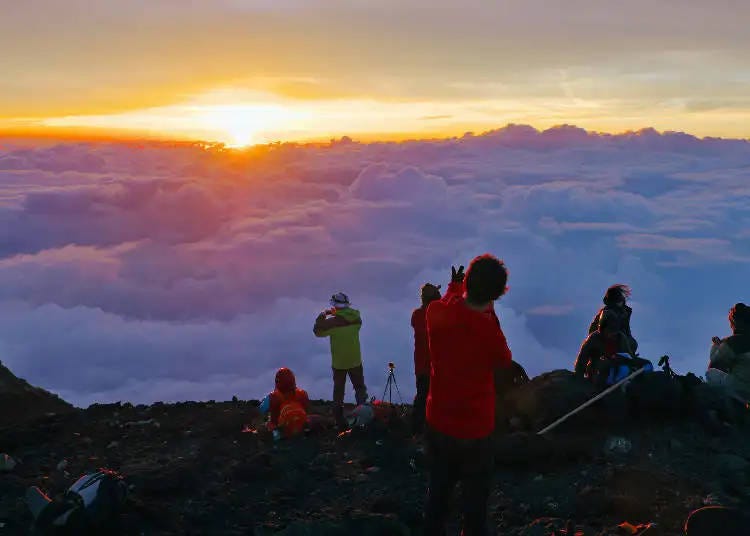
For beginners, it is advisable for safety reasons not to climb alone but to join with a group. There are also private guided tours available, so you can choose one that fits your budget and schedule. Various tours cater to beginners, including those specifically for first-time climbers and solo participants.
- 11:00 AM: Start climbing from the Fifth Station
- 2:20 PM: Arrive at the Sixth Station, continue to the Seventh Station
- 4:00 PM: Arrive at the Seventh Station, continue to the Eighth Station
- 4:30 PM: Reach the Eighth Station, have dinner and rest at a mountain hut
- 11:30 PM: Depart for the summit in the middle of the night
- 4:00 AM: Arrive at the summit
- 4:30–5:00 AM: Watch the sunrise
- 6:00 AM: Start descending
- 10:00 AM: Arrive back at the Fifth Station
Accommodation Around Mount Fuji
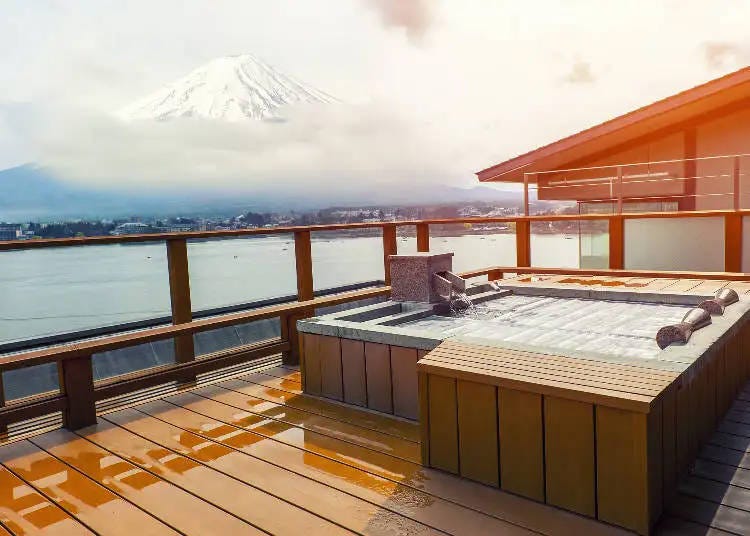
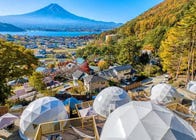
Staying an extra night around Mt. Fuji before or after your climb is highly recommended. The area offers everything from hotels with spectacular Mt. Fuji views to relaxing hot spring stays overlooking the mountain.
What to Pack: The Uncensored Gear List
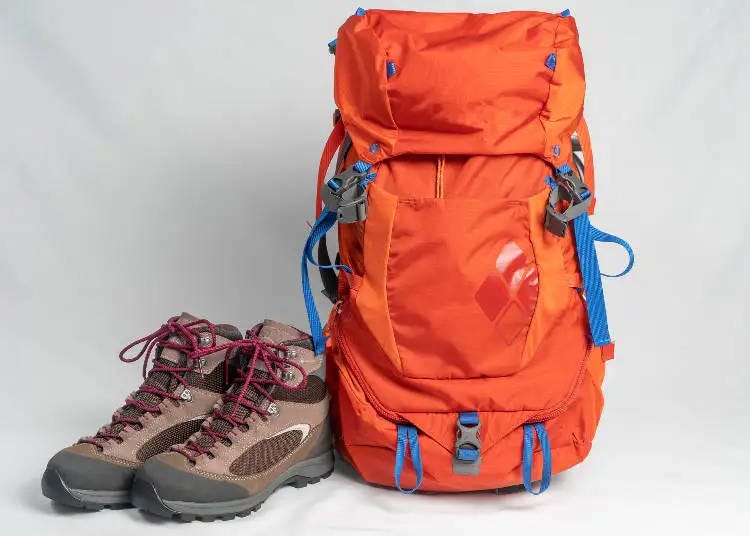
Veteran climbers will tell you: do not underestimate Mt. Fuji. It is an active volcano with harsh terrain and extreme weather. Here is what you actually need to bring.
Clothing for Extreme Temperature Shifts
You might be sweating in a t-shirt at the 5th Station, but the summit routinely hovers near freezing with a biting wind chill. Pack a moisture-wicking base layer, a fleece, a packable down jacket, and a windproof/waterproof hard shell.
Sturdy Footwear & Gaiters
Do not climb in normal running shoes. The mountain is covered in loose, sharp volcanic rock that will shred standard sneakers. Wear sturdy hiking boots (mandatory on the Yoshida Trail). Furthermore, the descent features endless switchbacks of loose gravel; gaiters (coverings that go over your shoes and lower legs) are highly recommended to keep the sharp ash out of your boots.
- Underwear: Opt for moisture-wicking materials as you will sweat. Avoid cotton as it dries slowly.
- Long-Sleeve Shirt: Useful for temperature changes and UV protection. Lightweight and easy-to-remove options are best.
- Cold-Weather Clothing: A fleece or lightweight down jacket that can be compactly folded is ideal. (*Mandatory on the Yoshida Trail.)
- Gloves: For warmth, sun protection, and injury prevention.
- Long Pants: Choose stretchy, easy-to-move-in pants. Avoid jeans as they dry slowly.
- Rain Gear: Waterproof jacket and slacks. (*Both are mandatory on the Yoshida Trail.)
- Socks: Even in summer, wear thick, moisture-wicking socks to prevent blisters.
- Backpack: A 30L backpack is ideal when staying at a mountain hut. Choose one with a waist belt to reduce shoulder strain.
- Hiking Boots: Wear high-cut trekking shoes with firm soles that cover the ankles. Regular sneakers can lead to injuries, and sandals or similar lighter footwear are unsafe. Check your hiking boots before the climb to ensure the soles are in good condition. (*Mandatory on the Yoshida Trail.)
Water (1.5 to 2 Liters)
Do not rely on buying water on the mountain. Prices skyrocket the higher you go, and many of the descent routes have absolutely nowhere to buy liquids. Bring a hydration bladder or multiple bottles.
A Stash of 100-Yen Coins
There are no free public restrooms on the mountain. Bio-toilets cost roughly 200 to 300 yen to use, and payment is strictly cash (coins). You will also need coins if you buy a traditional wooden walking stick and want to get it branded at each station.
Headlamp & Dust Mask
A headlamp is mandatory for navigating rocky terrain before sunrise. A dust mask is incredibly helpful for the descent, as hundreds of climbers sliding down the ash trails can kick up massive dust clouds.
Sun Protection
The UV radiation increases by about 10% for every 1,000 meters (3,280 feet) of elevation gain. Essential items include sunscreen, a hat, and sunglasses. To prevent your hat from being blown away by the wind, use a hat clip. Sunglasses should have UV protection and be of a sport type to block light from all angles.
Other Useful Items
Snacks
Pack high-calorie, easy-to-eat snacks such as chocolate, nuts, cookies, candy, or protein bars. Salt candies and salty snacks can also help replenish electrolytes lost through sweat.
Waterproof Smartphone Case
Rain can easily soak your phone, even inside a backpack. A waterproof case helps protect it while still allowing you to check maps and weather updates or take photos.
Trekking Poles
Trekking poles help reduce strain on your knees and improve balance, especially during the descent. Using two poles provides greater stability. Attach rubber tips to help protect the trail surface.
Helmet
Rockfalls are a real hazard on Mt. Fuji. Helmets can help protect against falling rocks, slips, and other accidents. Free helmet rentals are available on some routes:
・Yoshida Route: Sixth Station Safety Guidance Center (2,000 yen deposit, limited quantity)
・Fujinomiya Route: Fuji Mountain General Guidance Center at the Fifth Station
Mobile Battery
Many mountain huts have limited or no charging facilities. Bring a mobile battery to keep your smartphone or camera powered throughout the climb.
Plastic Bags
Useful for carrying trash, storing wet clothing, and protecting valuables from rain.
Towels
Handy for wiping away sweat or drying wet gear. Thin, quick-drying towels are especially convenient.
Tissues
Toilets may not always provide toilet paper. Bring tissues or toilet paper, and follow the usage instructions at each facility.
Weather, Climate, and Safety
Temperature
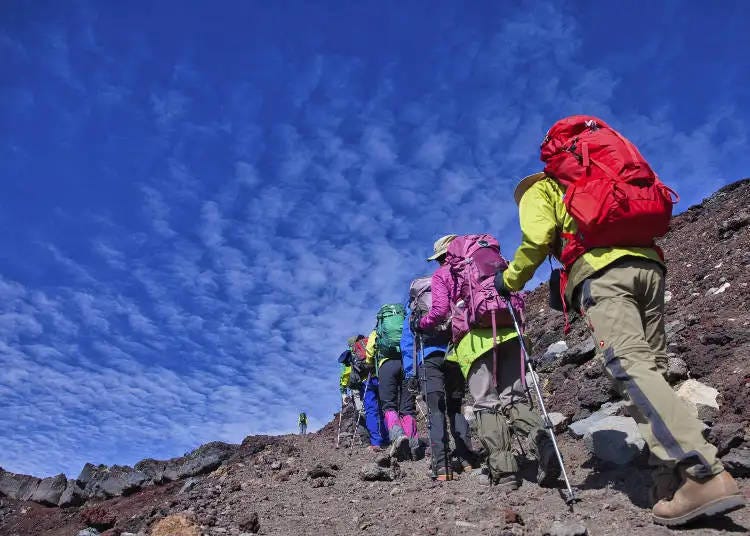
Mt. Fuji rises above 3,000 meters (9,843 feet) and is known for rapidly changing, often harsh weather conditions. Winds from Suruga Bay, Sagami Bay, and the north can quickly transform clear skies at the Fifth Station into rain, fog, or strong winds near the summit.
Temperatures also drop significantly with elevation, decreasing by roughly 0.6°C (1.1°F) for every 100 meters climbed. A temperature of 30°C (86°F) at the base may be around 15°C (59°F) at the Fifth Station and close to 5°C (41°F) at the summit. Combined with strong winds, conditions can feel near freezing before sunrise, making warm clothing essential for preventing hypothermia.
Thunderstorms
During summer, Mount Fuji is prone to thunderstorms. Lightning advisories are common, so if a weather warning or advisory is issued, it is best to avoid climbing and stay safe. Always check weather updates and be prepared to change your plans accordingly.
Strong Wind
The summit of Mt. Fuji is often extremely windy, particularly from the west and northwest. In August, average wind speeds reach around 7.4 m/s (16.5 mph), and every 1 m/s increase in wind speed can make the temperature feel about 1°C (1.8°F) colder.
Wear layered clothing that can be added or removed easily to stay comfortable as conditions change throughout the climb.
Toilets
Mt. Fuji’s toilets are environmentally friendly bio-toilets rather than standard flush toilets. Many use materials such as sawdust or oyster shells to reduce environmental impact, and usage methods may differ depending on the location. Toilets are limited along the trails, and long lines are common during busy periods, so carrying a portable toilet is recommended. Most facilities also request a usage contribution of around 200 to 300 yen per visit.
First Aid Stations
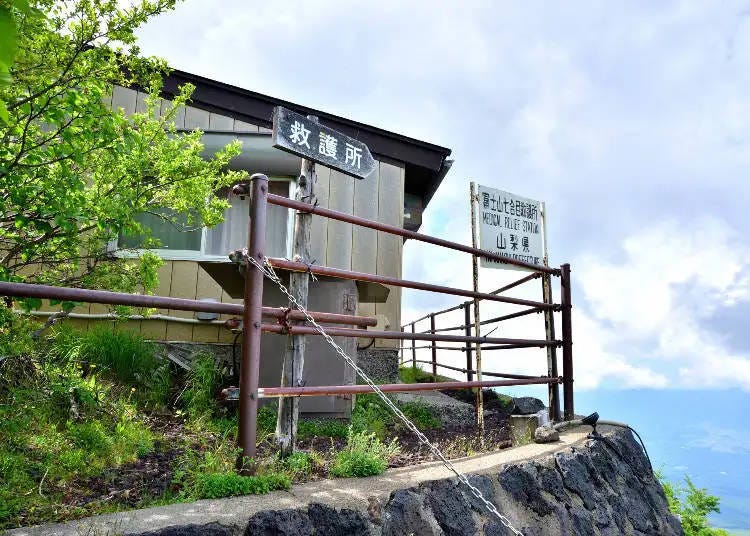
Yoshida Route
・Fifth Station First Aid Station: Located within the Yamanashi Prefecture Fuji Fifth Station General Management Center
・Seventh Station First Aid Station: Along the climbing path below Kamaiwakan
・Eighth Station First Aid Station: Along the climbing path inside Taishikan
*Note: There are no first aid stations along the Yoshida Route descent path.
Fujinomiya Route
・Eighth Station First Aid Station: Located at the Fuji Sanitation Center
Emergency Contacts
If you are injured or feel unwell and cannot descend on your own, request help as soon as possible. Seek assistance from a nearby mountain hut if available. Otherwise, call the following numbers.
- Emergency Numbers:
- 110 or 119
- Fuji-Goko Fire Department:
- 0555-22-0119
- Yamanashi Prefecture Police Fuji-Yoshida Police Station:
- 0555-22-0110
- Yamanashi Prefecture Fuji Fifth Station General Management Center
- 090-5190-0167
- Emergency Numbers:
- 110 or 119
- Shizuoka Prefecture Police Gotemba Police Station:
- 0550-84-0110
- Gotemba City and Oyama Town Fire Department:
- 0550-83-0119
- Shizuoka Prefecture Police Fujinomiya Police Station:
- 0544-23-0110
- Fujinomiya Police Station Temporary Guard Post at Fuji Summit Fujinomiya Entrance:
- 090-2182-2239
- Fujinomiya City Fire Department:
- 0544-22-1198
Beating Altitude Sickness
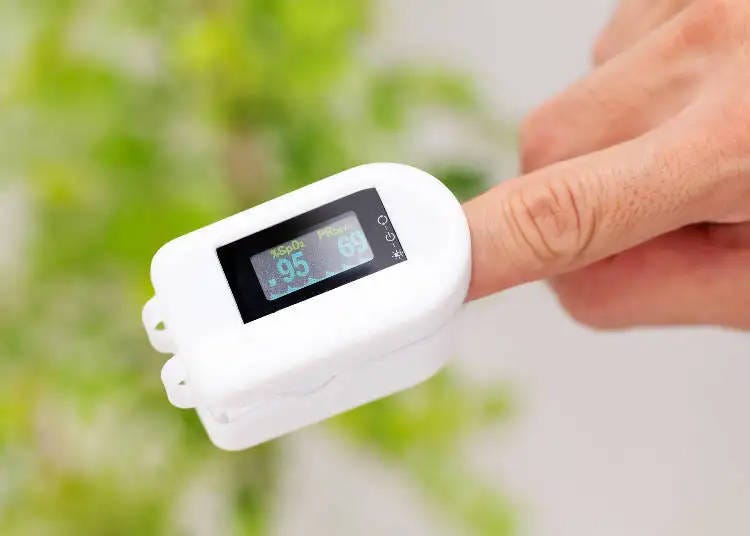
Altitude sickness is the number one reason climbers fail to reach the summit. Symptoms include brutal headaches, nausea, and severe fatigue.
Here are some tips to minimize the risk of altitude sickness:
・Get Adequate Sleep Before the Climb: Ensure you get enough sleep in the days leading up to the climb. Rest well the night before to prepare your body for the ascent.
・Acclimate: Do not get off the bus and immediately start hiking. Spend 45 to 60 minutes eating a snack and resting at the 5th Station to let your lungs adjust.
・Snail's Pace: Walk significantly slower than your normal hiking pace. Keeping your heart rate down is the key to managing oxygen levels.
・Stay Hydrated: Drink water constantly and bring salty snacks or electrolyte tablets.
Etiquette for Climbing Mount Fuji
While Climbing
Mount Fuji and its surrounding areas are largely registered as World Cultural Heritage sites, containing valuable natural and historical landmarks. Specifically, the area above the Fifth Station is designated as a Special Protection Zone within a national park, and the following strict regulations are enforced to preserve the environment.
- Prohibition on Collecting Plants and Animals: Do not pick flowers or fruits, or collect insects. Stick to the established trails to avoid impacting the ecosystem.
- Prohibition on Removing Stones or Lava: Taking small stones or lava fragments is prohibited, as is moving them from their locations.
- Prohibition on Graffiti: Writing on natural objects, such as stones, as well as on structures, is strictly forbidden.
- Prohibition on Setting Up Tents or Making Fires: Overnight stays should be in mountain huts. If you need to use a burner or stove, do so away from the huts and crowded areas.
Help Keep Mount Fuji Beautiful for Future Climbers
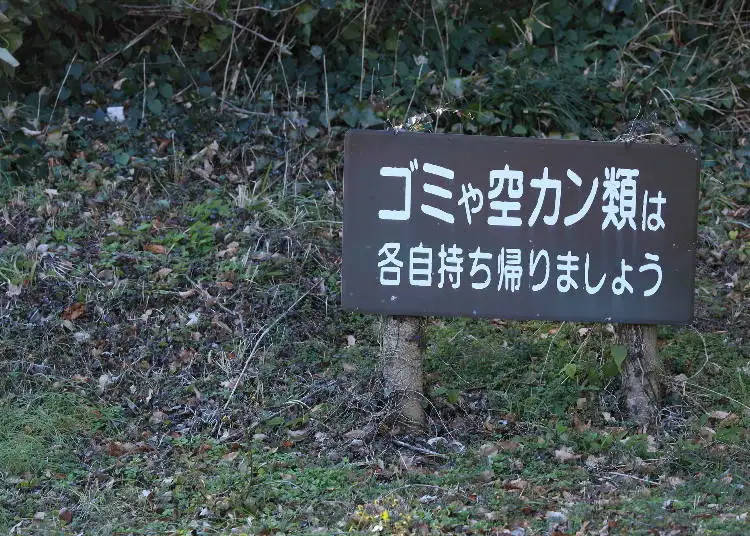
Mount Fuji was once known for its litter problem, with garbage along the trails becoming a serious concern. Thanks to years of cleanup efforts by volunteers, mountain hut staff, and climbers themselves, the mountain is now far cleaner than in the past. Today, litter is rarely seen on trails above the Fifth Station.
When climbing, be sure to carry all of your trash back down with you, including food wrappers, tissues, and bottles. Small actions like these help protect Mount Fuji’s natural beauty for future generations.
The Ascent & The Summit
Mountain Huts
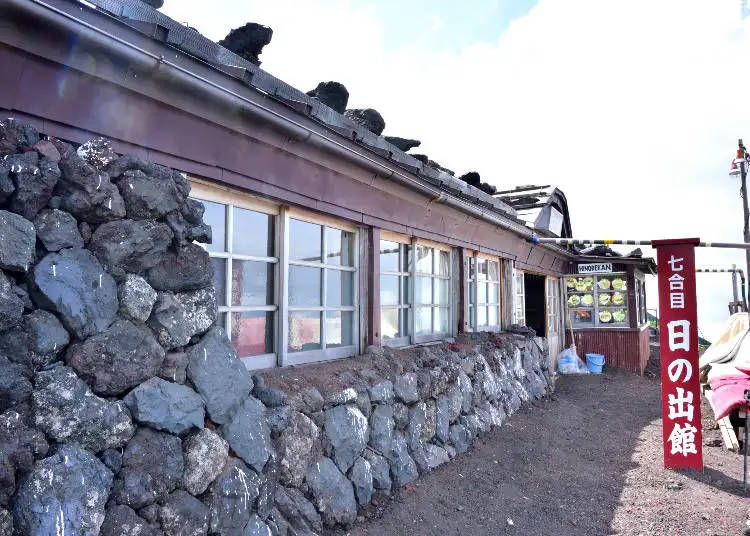
Mountain huts are basic lodgings designed more for rest than comfort, often with sleeping bags laid side-by-side on shared wooden floors.
They provide a place to pause before a summit push, and climbers entering the mountain between 2 PM and 3 AM the following day are required to stay overnight at a mountain hut. During these gate closure hours, showing proof of a mountain hut reservation is the only way you will be allowed onto the trail. Reservations should be made well in advance.
Expect very minimal facilities. Most huts offer simple overnight stays with basic meals, usually costing around 10,000 to 15,000 yen per person for one night with two meals. Shared sleeping spaces are common, often separated by gender, and there are no showers or baths. Water is extremely limited on Mt. Fuji, so washing facilities are generally unavailable. Some huts also begin closing by late August, making advance planning especially important later in the season.
Payments on the mountain are almost always cash-only, so bring enough yen with you. Toilets may use different waste-processing systems, so be sure to follow posted instructions carefully. Climbers are also expected to carry all trash back down the mountain, as disposing of waste on Mt. Fuji is both difficult and costly for hut operators.
- Fuji Subaru Line 5th Station
- ・Mt. Fuji Miharashi: available in Japanese, English
・Unjokaku: available in Japanese, English, Traditional Chinese, Thai
- 5th Station
- ・Sato-goya: available in Japanese
- 6th Station
- ・Satomidaira / Seikanso: available in Japanese, English
- 7th Station
- ・7th Station Tomoe-kan: available in Japanese, English
・Kamaiwa-kan: available in Japanese, English, Traditional Chinese, Simplified Chinese, Korean
・Fuji Ichikan: available in Japanese, English
・Toriiso: available in Japanese
・Toyokan: available in Japanese, English
- 8th Station
- ・Taishikan: available in Japanese, English
・Horaikan: available in Japanese
・Ganso Muro: available in Japanese, English
・8th Station Tomoe-kan: available in Japanese, English
- 5th Station
- ・Sansou Kikuya: available in Japanese
- Sunahara 5th Station
- ・Yoshinoya: available in Japanese
- Main 6th Station
- ・Setokan: available in Japanese, English
- 8th Station
- ・Edoya (Lower Edoya): available in Japanese
・Munatsuki Edoya (Upper Edoya): available in Japanese
- 8.5th Station
- ・Goraikokan: available in Japanese, English
- New 6th Station
- ・Hanzobo: available in Japanese
- 7.4th Station
- ・Warajikan: available in Japanese
- 6th Station
- ・Unkaiso: available in Japanese
・Hoei Sanso: available in Japanese
- New 7th Station
- ・Goraiko Sanso: available in Japanese, English
- 8th Station
- ・Ikedakan: available in Japanese
- 9.5th Station
- ・Munatsuki Sanso: available in Japanese, English
- Summit
- ・Summit Fujikan: available in Japanese, English, Traditional Chinese
What Can You Do at the Top of Mt. Fuji?
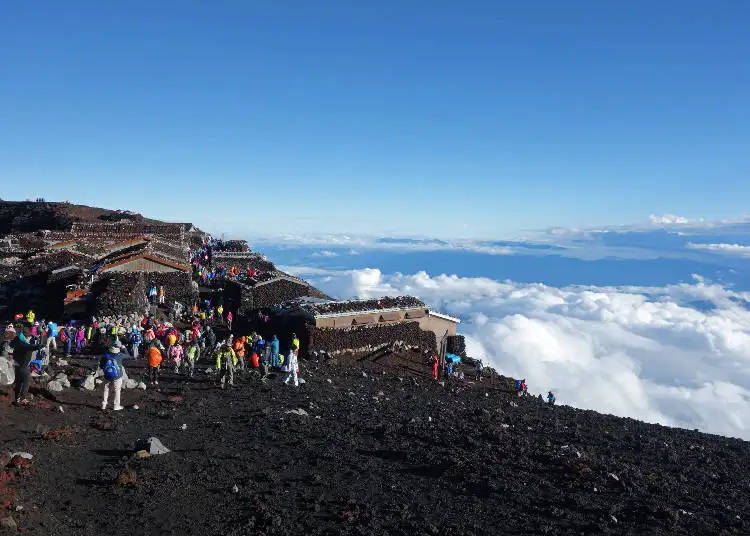
One unique aspect of Mount Fuji is the variety of experiences available at the summit.
Fujisan Hongu Sengen Taisha Okumiya
Located at the summit of Mount Fuji via the Fujinomiya Route, this shrine marks the peak. The area above the Eighth Station is part of the shrine's sacred grounds. Traditionally, Mount Fuji has been revered as a holy place and the object of worship at Fujisan Hongu Sengen Taisha.
During the climbing season in July and August, Shinto priests are present to pray for the safety of climbers. You can also receive amulets, talismans, and a goshuin (a special stamp as proof of your visit), starting at sunrise.
Kengamine
Kengamine is one of the eight peaks at Mount Fuji's summit and the highest point in Japan at 3,776 meters. If you are physically fit, consider making the climb to Kengamine. With patience and a steady pace, you can reach this highest point. A stone pillar marks the peak, and it is a popular spot for commemorative photos, especially after sunrise.
Enjoy the Sunrise!
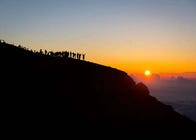
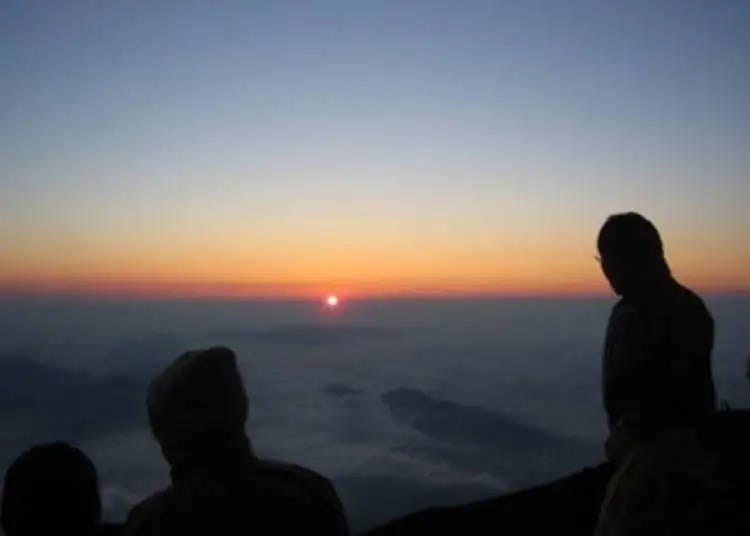
One of the most unforgettable moments of climbing Mount Fuji is seeing the sunrise from the summit, known as "goraiko."
During the season, sunrise occurs between 4:30 and 5:30 AM. Be sure to check the forecast and time in advance, and pace your climb to reach the top before dawn. The reward is a breathtaking view you won’t soon forget.
- July 10: 4:38 AM
- August 10: 5:00 AM
- September 10: 5:24 AM
Enjoy The View from the Summit of Mount Fuji
On clear days, the summit offers sweeping views of the Southern Alps, the Izu Peninsula, and even Tokyo landmarks like Tokyo Skytree and the Tokyo Gate Bridge.
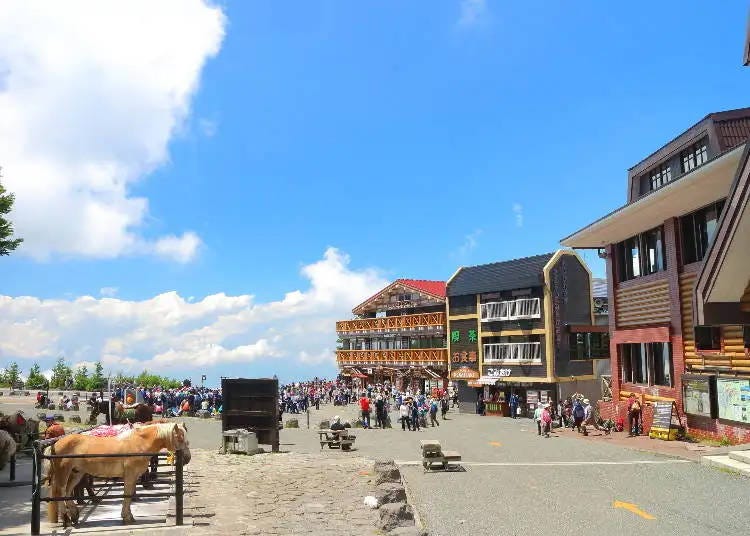
The Fifth Station also offers impressive vistas. From the observation plaza at Fuji Subaru Line Fifth Station (approx. 2,300 meters), you can see Mount Fuji’s peak up close, catch the sunrise looking east, and enjoy panoramic views of the sea of clouds, distant cities, and even the ocean.
Take the Crater Rim Tour
The “ohachimeguri” is a walk around Mount Fuji’s summit crater, which spans about 800 meters across and 240 meters deep. The 3-kilometer loop takes around 1.5 hours and can be done in either direction. If the weather is good and you’re feeling up to it, this is a rewarding way to fully experience the summit.
Send a Postcard from the Summit
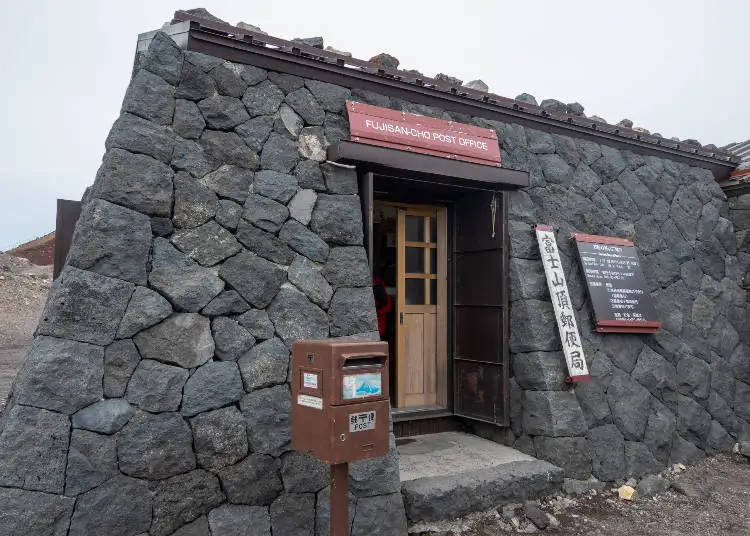
From July 10 to around August 20, a special post office opens at Mount Fuji’s summit on the Shizuoka side. Open from 6 AM to 2 PM, it offers exclusive postmarks for postcards and letters, along with original items like climbing certificates, stickers, and acrylic stands.
Before or After Your Climb: Exploring Around Mt. Fuji
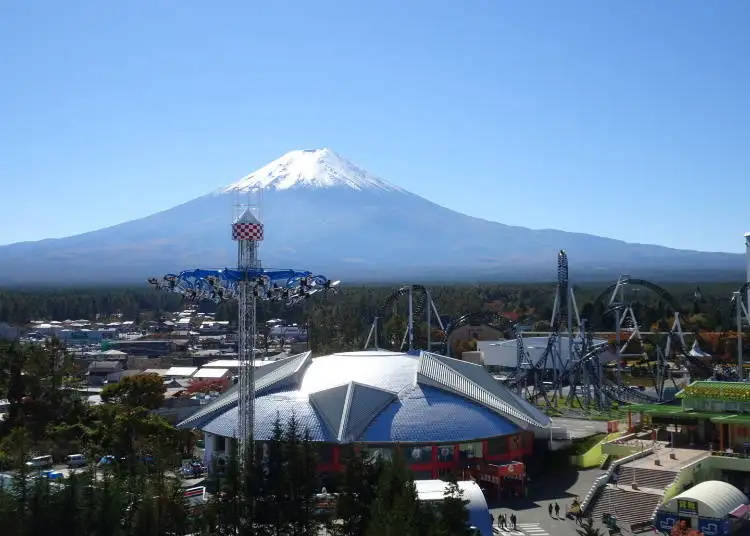
Many visitors choose to spend an extra day around Mt. Fuji before or after their climb. The surrounding area offers relaxing hot springs, scenic viewpoints, local food, shopping, and outdoor activities, making it easy to turn your climb into a longer getaway.
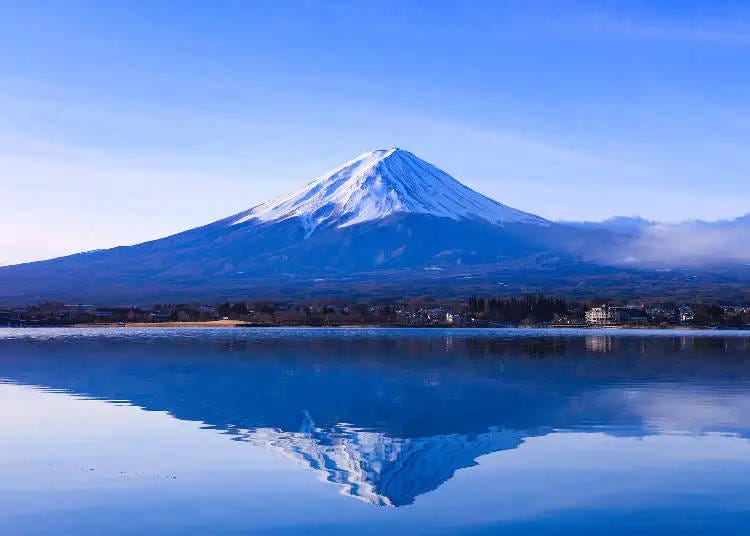
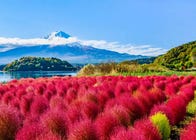
The Fuji Five Lakes region is especially popular, with Lake Kawaguchi, Lake Yamanaka, Lake Saiko, Lake Shoji, and Lake Motosu all offering beautiful views of the mountain. Depending on the season and weather, you may also spot famous sights such as “upside-down Fuji,” reflected on calm lake waters, or “Diamond Fuji,” when the sun aligns perfectly with the summit at sunrise or sunset.
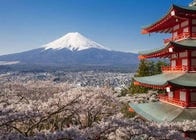
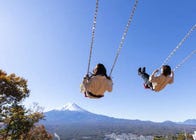
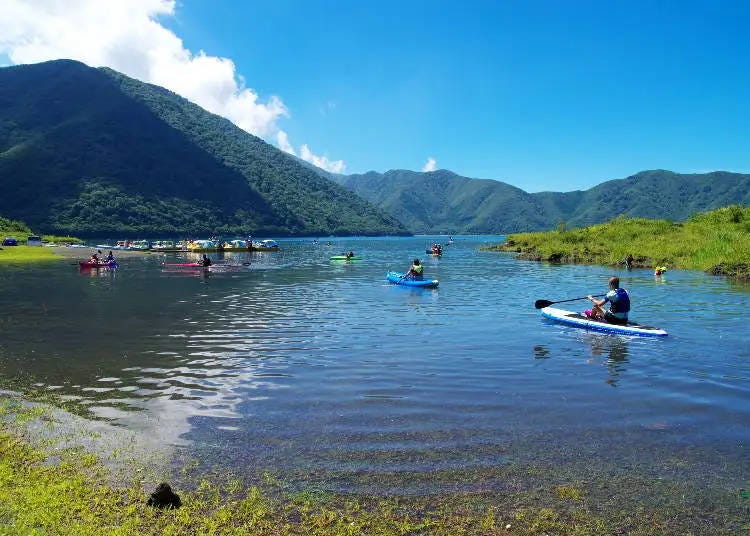
With Mount Fuji as a stunning backdrop, the area offers numerous outdoor activities and hot springs for visitors to enjoy. The Fuji Five Lakes region is particularly rich in lake activities such as sightseeing cruises, swan boats, canoeing, and stand-up paddleboarding (SUP), all while taking in the majestic view of Mount Fuji.
For indoor activities, there are experiences like making houtou (a traditional noodle dish), which are perfect for rainy days. Whether you prefer the thrill of outdoor adventures or the comfort of indoor activities, there are plenty of ways to enjoy the beauty of Mount Fuji.
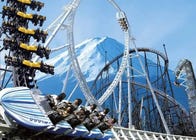
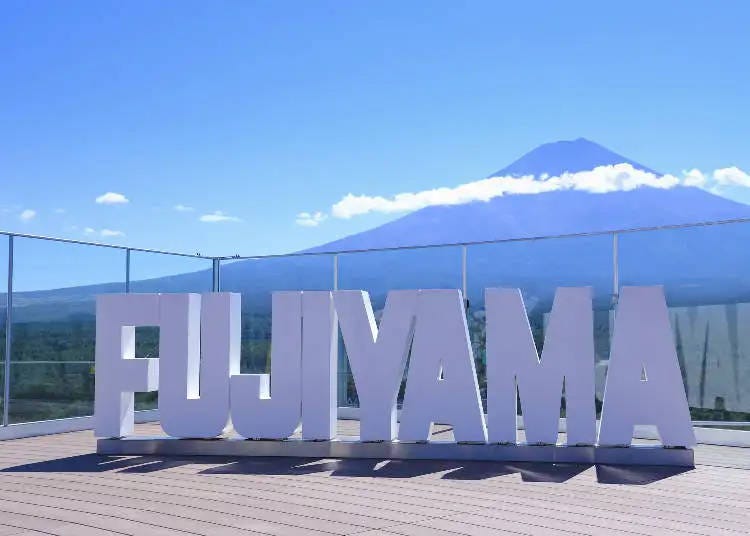
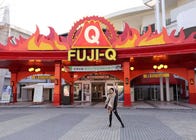
For sightseeing and entertainment, Fuji-Q Highland is known for its thrilling roller coasters and impressive Mt. Fuji views.
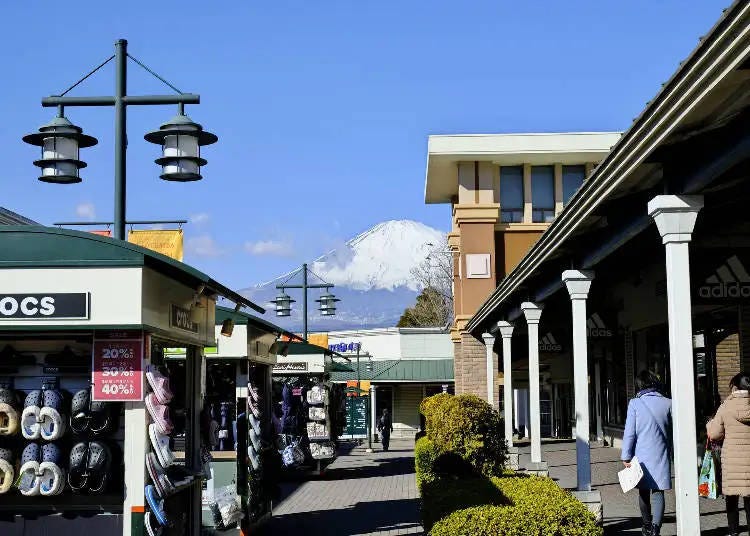
In Gotemba City, Shizuoka Prefecture, you'll find Gotemba Premium Outlets, one of Japan's largest outlet malls. It features a wide range of high-end brands such as Gucci and Balenciaga, as well as popular sports brands like Adidas and Nike.
A notable spot for viewing Mount Fuji is the "Bridge of Hope," which connects the shopping areas. Shopping while enjoying views of Mount Fuji is truly a fantastic experience.

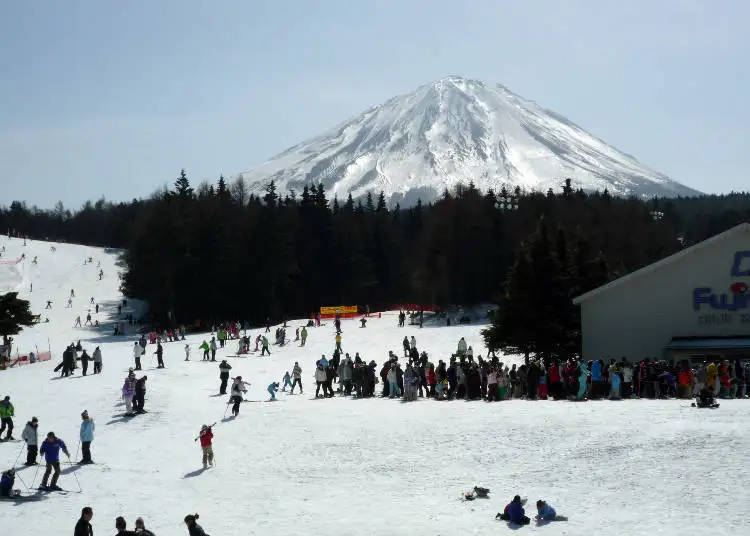
Mt. Fuji is also a popular winter destination. Snow Park Yeti, located on the mountain’s second station, is known as one of Japan’s earliest-opening outdoor ski resorts and can be reached by direct bus from Shinjuku in about 2.5 hours.
Another popular option is Fujiten Snow Resort, where visitors can enjoy skiing and close-up views of Mt. Fuji from the summit viewing deck.
Suggested Itinerary for Touring Around Mount Fuji
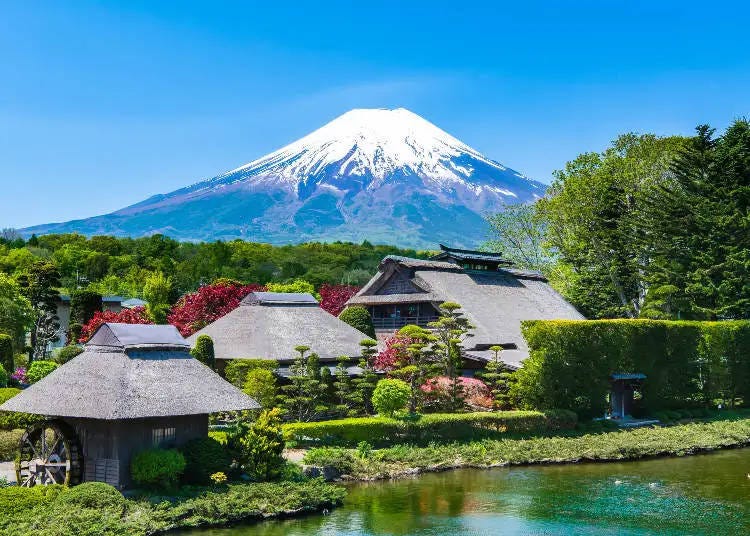
Recommended Plan for Touring the Fuji Five Lakes
Using the convenient "Mt. Fuji and Fuji Five Lakes Passport," a 2-day unlimited ride pass offered by Fujikyu Bus, you can explore the area efficiently.
- 9:00 AM:
- Depart from Kawaguchiko Station and head to Oishi Park to enjoy the panoramic view of Mount Fuji over Lake Kawaguchi.
- Next:
- Take the Kawaguchiko Mt. Fuji Panorama Ropeway to enjoy a breathtaking view from an elevation of 1,075 meters.
- After the Ropeway:
- Visit Oshino Hakkai, famous for its pristine spring water ponds.
- Dynamic Lake Experience:
- Ride the amphibious "YAMANAKAKO NO KABA" bus to cruise Lake Yamanaka, the largest of the Fuji Five Lakes.
- 4:00 PM:
- Catch the bus back to Kawaguchiko Station.
Suggested Day Trip Itinerary Using Highway Bus from Busta Shinjuku
A day trip to Mount Fuji and the surrounding area is easy with a highway bus from Busta Shinjuku. With careful planning, you can enjoy beautiful lake views, scenic spots, and some of the region’s top attractions all in a single day.
- Morning:
- Depart from Busta Shinjuku by highway bus. Get off at the "Arakurayama Sengen Park" bus stop.
- First Stop:
- Visit Arakurayama Sengen Park to capture stunning photos of Mount Fuji and the five-story Chureito Pagoda.
- Next:
- Take the Fujikyu Line to Kawaguchiko Station.
- From Kawaguchiko Station:
- Board the Saiko Tour Bus or other Fuji Five Lakes circular buses to visit various attractions around the lakes.
- Highlights:
- Enjoy panoramic views of Mount Fuji and Lake Kawaguchi from the "Kawaguchiko Mt. Fuji Panorama Ropeway."
- Late Afternoon:
- Return to Kawaguchiko Station, then take the highway bus back to Busta Shinjuku.
- Evening:
- Arrive back at Busta Shinjuku, concluding your day trip.
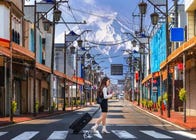
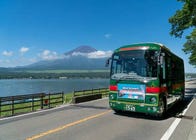
Seasonal Highlights Around Mount Fuji
・Spring: Enjoy cherry blossom spots such as Arakurayama Sengen Park and along the Shin-Nashigawa River near Oshino Hakkai.
・Summer: Explore the vibrant green landscapes and clear lakes.
・Autumn: Visit Oishi Park and the Momiji Corridor at Lake Kawaguchi for stunning fall foliage.
・Winter: Admire the ice sculptures at the annual "Saiko Ice Festival" and relax with a view of Mount Fuji at the "Fuji Chobo no Yu Yurari" hot springs.
Each season offers unique attractions and beautiful scenery, making every visit to Mount Fuji and its surroundings special.
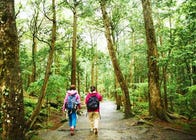
Buy Some Fuji Souvenirs Too
Souvenirs and Gifts Inspired by Mount Fuji
Mount Fuji and its surrounding areas offer a wide variety of souvenirs and snacks themed around the iconic mountain. Here are some unique and popular options:
・Fuji-shaped Senbei (Rice Crackers): Bite-sized senbei shaped like Mount Fuji.
・Fuji-shaped Chocolate Cookies: Western-style cookies crafted to resemble the mountain.
・"Fuji-san Itadaki" T-shirts: T-shirts printed with the peak of Mount Fuji.
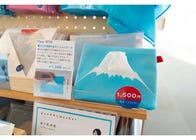
・Mount Fuji Tissue Case: A creative tissue case that forms the shape of Mount Fuji when you pull out a tissue, symbolizing its 3,776-meter height.
・Mount Fuji Sake Cups and Glasses: Elegant drinkware inspired by Mount Fuji's shape.
For exclusive summit souvenirs, consider:
・Omamori (Amulets) and Goshuin (Temple Stamps) from Fujisan Hongu Sengen Taisha Okumiya, available only at the summit.
Best Places to Buy Souvenirs
After descending, the Fifth Station is an ideal spot to purchase souvenirs. At Fuji Subaru Line Fifth Station, you can visit rest spots like "Fuji-san Miharashi" to relax and shop for unique gifts to commemorate your climb.
Create The Perfect Memory at Mt. Fuji
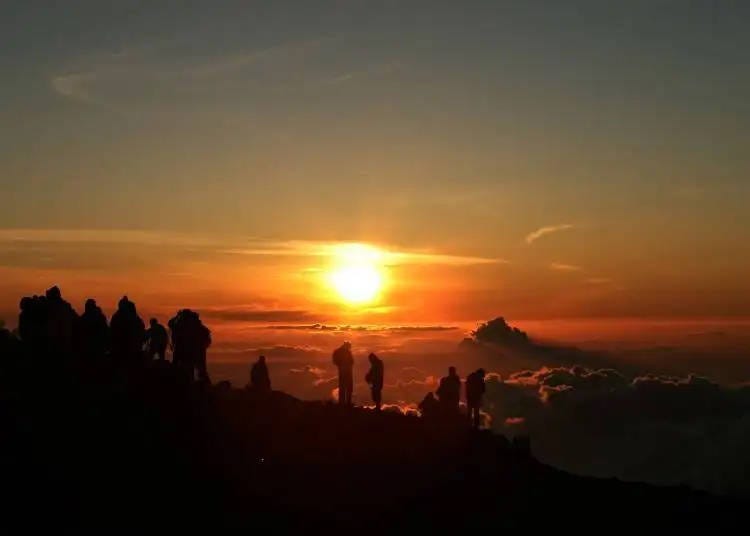
Mount Fuji, Japan's iconic peak, is a dream climb for many. The breathtaking sunrise, star-filled night sky, and distant city lights offer stunning vistas. Though challenging, climbing Mount Fuji creates lifelong memories. Why not make your own unforgettable journey to the top?

The LIVE JAPAN editorial team is a multinational group made up of native editors who have lived in Japan for over five years and Japanese editors who love to travel. Together, we share the best of Japan, offering cultural insights, historical context, event updates, and travel-friendly deals, to support your journey every step of the way.
*Prices and options mentioned are subject to change.
*Unless stated otherwise, all prices include tax.
Popular Tours & Activities
Recommended places for you
-
The Imperial Palace
Other Architecture
Tokyo Station
-
Tokyo Disney Sea®
Theme Parks
Chiba Suburbs
-
Naritasan Shinshoji Temple
Temples
Narita
-
Ueno Zoo (Ueno Zoological Gardens)
Zoos, Aquariums & Botanical Gardens
Ueno
-
Shinjuku Gyoen National Garden
Gardens
Shinjuku
-
Ameyoko Shopping Street
Old Towns (Shitamachi)
Ueno
-

ANA’s Chiikawa Jet Is Taking Off—Here’s Everything You Need to Know About Exclusive Goods, In‑Flight Fun & Travel Tips
by: Guest Contributor
-
Just 2 Hours from Tokyo! Escape to Yamanashi's NIPPONIA Kosuge, Where an Entire 700-Person Village Becomes Your Hotel
by: Alice Lee
-

Best Sumo Shows & Experiences in Tokyo (2026): Prices Compared
-

Seibu Group Launches New Chichibu Adventure Tourism Experience for International Travelers in 2026
by: Guest Contributor
-
Cracked Phone Screen in Japan? Smahospital Repair Guide: Keep Your Data, Fixed in 15 Min, Multilingual Support | Up to 10,000 Yen Off with LIVE JAPAN Coupon
-

Daikoku Car Meet Guide: How to Visit, Best Times & Rules
Inspiration for Accommodations
-
Family-Friendly Hotels with Free Shuttle to Disneyland: Convenient Access for a Magical Stay
-
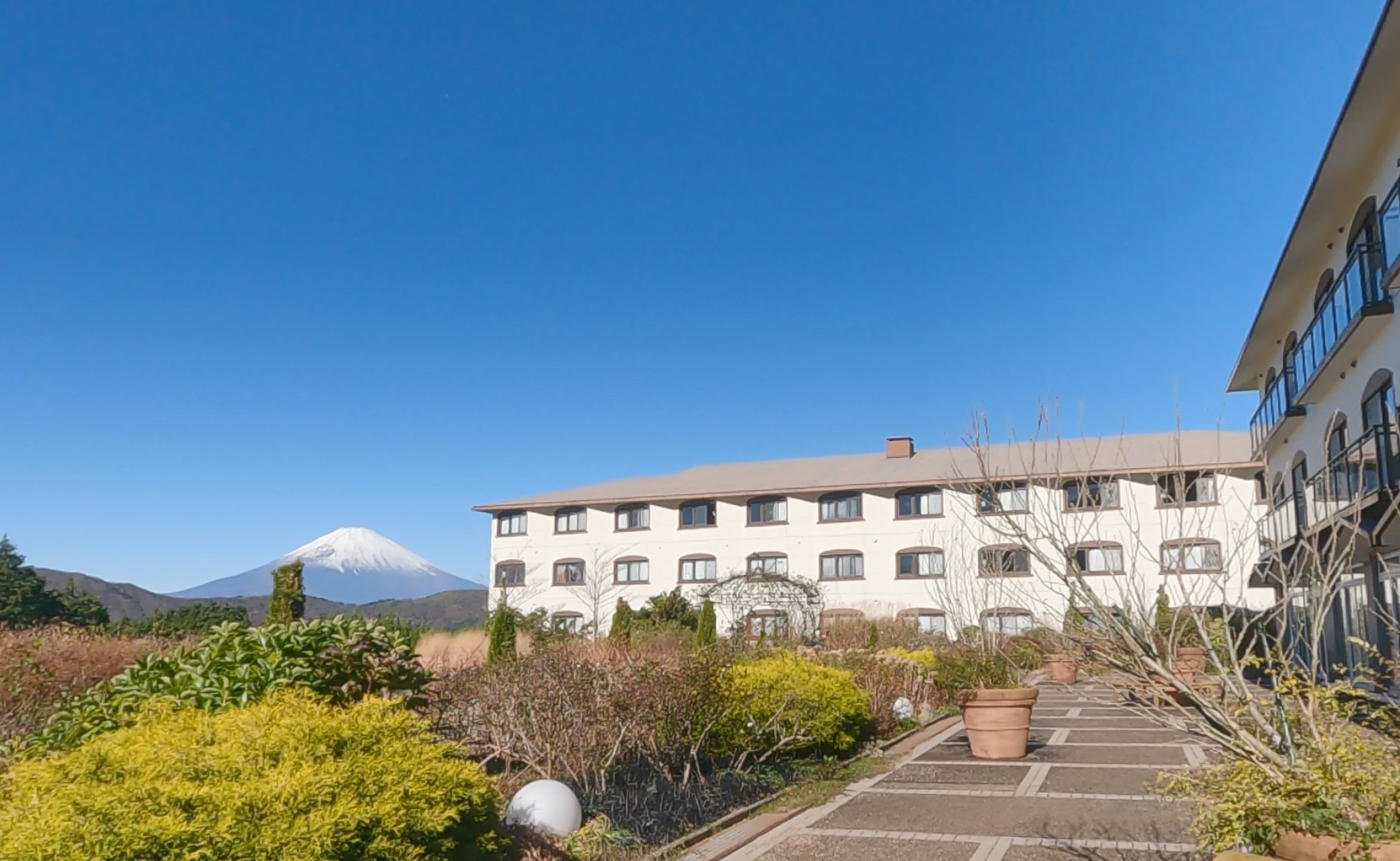
Top Ranked Hakone Hotels with Mt. Fuji View: Enjoy Stunning Scenery from Your Private Space
-
Convenient Tokyo Hotels with Airport Shuttle: Ideal for Families and Heavy Luggage
-
9 Family-Friendly Hotels with Comfortable Family Rooms in Asakusa
-
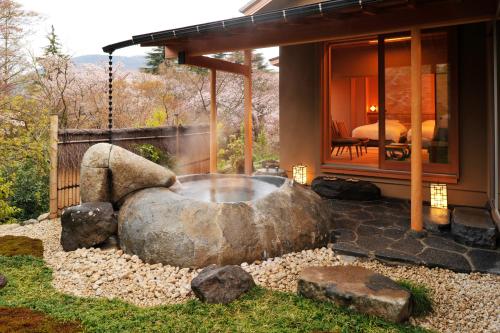
10 Open-air bath Onsen Ryokans in Hakone for Ultimate Relaxation
-
Explore, Eat, Relax - Welcome to the World of Onsen Gastronomy! Travel Japan's countryside, expand your culinary horizons, and soak in sumptuous hot springs
-
Ikebukuro Station Area Guide: Top 15 Spots When You Escape the Station's Maze!
-
What to Pack for Japan in 2026: 15 Essentials for a Stress-Free Trip
-
16 Secrets About Mt. Fuji, the Symbol of Japan: Even Japanese People Don’t Know That?!
by: Guest Contributor
-
Shibuya Crossing: Getting the Best View from the Deck at Magnet by Shibuya109!
-
(Video) Walking Tour along Narita Omotesando - Quaint Historical Village near Narita Airport!
by: Victor Gonzalez
- #best ramen tokyo
- #what to buy in ameyoko
- #what to bring to japan
- #new years in tokyo
- #best izakaya shinjuku
- #things to do tokyo
- #japanese nail trends
- #what to do in odaiba
- #onsen tattoo friendly tokyo
- #daiso
- #best sushi ginza
- #japanese convenience store snacks
- #best yakiniku shibuya
- #japanese fashion culture
- #best japanese soft drinks