





Complete Guide to Visiting Nara: Top Attractions, Getting Around, and Local Tips
- Written by: WESTPLAN
Once Japan’s ancient capital, Nara still carries a strong sense of history that continues to captivate travelers from around the world. From visiting iconic temples to enjoying local cuisine, this guide shares practical tips to help you make the most of your trip to Nara. Highlights include UNESCO World Heritage Sites such as Kofuku-ji, Todai-ji, and Horyu-ji, along with Nara Park, where you can encounter the city’s famous deer.
In this guide, we cover Nara’s must-see attractions, accommodation options, and convenient, cost-effective ways to get around. You will also find insights into the evening bar scene around Naramachi, essential etiquette when interacting with deer in Nara Park, and unique experiences that are best enjoyed by staying overnight.
Use this all-in-one guide to fully experience the many charms of Nara.
Main image: PIXTA
- Table of Contents
-
- 1. What Is Nara Like?
- 2. What Makes Each Season in Nara Special?
- 3. How to Get to Nara
- 4. Where to Stay in Nara
- 5. What to Eat in Nara
- 6. Cultural Experiences to Enjoy in Nara
- 7. Activities to Enjoy in Nara
- 8. Shopping in Nara
- 9. Sightseeing Spots Around Nara
- Journey Through Quiet Moments and History in Nara
1. What Is Nara Like?

Located in the Kansai region of western Japan, Nara Prefecture is known as the cradle of Japanese history, having once served as the nation’s capital. It is home to multiple UNESCO World Heritage Sites, including the Buddhist Monuments in the Horyu-ji Area, the Historic Monuments of Ancient Nara, and the Sacred Sites and Pilgrimage Routes in the Kii Mountain Range. Many of Nara’s most famous sights, such as Todai-ji and Nara Park, are concentrated in the city center, making sightseeing efficient and easy.
Nara also offers excellent access from major Kansai cities. It takes about 40 minutes from Osaka-Namba Station to Kintetsu-Nara Station, and around 45 minutes from JR Kyoto Station via the JR Nara Line. From Kobe, the trip takes roughly 80 minutes from Kobe-Sannomiya Station using the Hanshin and Kintetsu lines. Thanks to these convenient connections, Nara works well as both a day trip and a base for exploring the wider Kansai area.
The region is also known for its long-running traditional events. One of the most famous is the Omizutori ceremony at Todai-ji’s Nigatsu-do Hall, held from February to March. Dating back to 752, this ritual has never been interrupted and is known as an event that heralds the arrival of spring in Nara. During the period, large torches are lit each evening as prayers are offered for peace and well-being.
-

-
Address
406-1 Zoshicho, Nara City, Nara Prefecture, 630-8587
View Map -
Nearest Station
Kintetsunara Station (Kintetsu-nara Line)
20 minutes on foot
- Phone Number 0742-22-5511
-
Address
406-1 Zoshicho, Nara City, Nara Prefecture, 630-8587
Other seasonal events also draw visitors from across Japan, such as the Shosoin Exhibition held each autumn at the Nara National Museum. Planning your trip to coincide with these events is a great way to experience Nara at its most lively.

Nara is also known for its distinctive local cuisine, including kakinoha-zushi (persimmon leaf–wrapped sushi), Narazuke pickles, Yoshino kudzu, and somen noodles. Near Nara Park, you will find Himuro Shrine, dedicated to the deity of ice. Thanks to its ice-related rituals, festivals, and events, the area has recently gained nationwide recognition as a “holy land” for kakigori (shaved ice). From shops serving kakigori made with locally grown Nara strawberries to specialty cafés open year-round, Nara offers plenty of ways to enjoy this refreshing treat in every season.
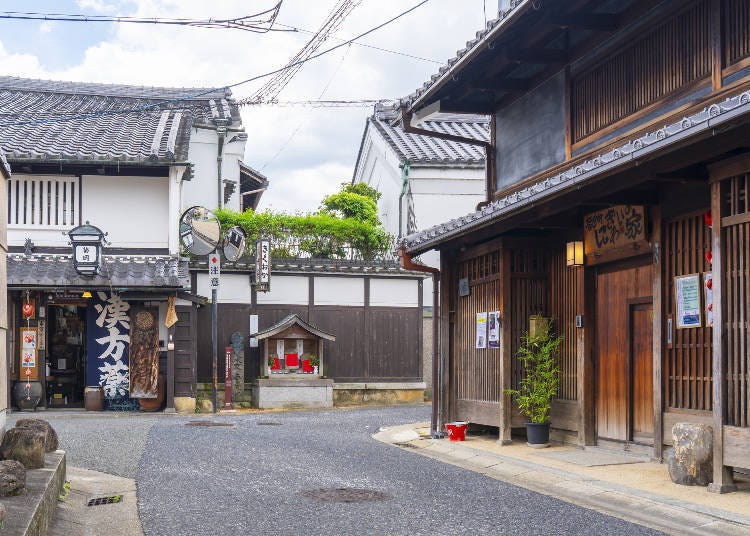
One of the greatest appeals of traveling in Nara is the chance to experience its ancient history and see traces of the past still woven into everyday life. At the same time, areas like Naramachi feature atmospheric streets lined with shops and cafés housed in beautifully preserved townhouses, creating a unique townscape where tradition and modern life coexist.
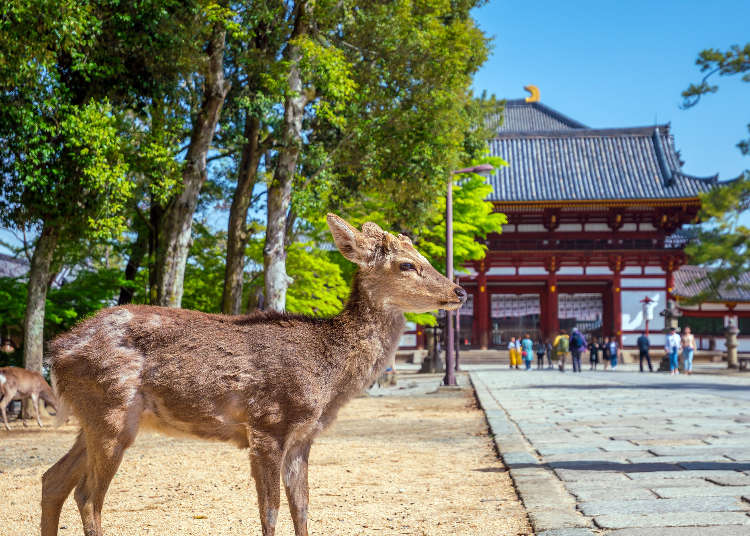
As you stroll through the city, you will also encounter deer wandering freely through parks and streets alike. Their calm presence, combined with Nara’s unhurried pace, makes it easy to slow down, relax, and enjoy a refreshing change of atmosphere while exploring the city on foot.
2. What Makes Each Season in Nara Special?
Spring and autumn are often considered the best seasons for sightseeing in Nara, but the city’s charms can be enjoyed year-round. Each season brings a different atmosphere, allowing visitors to experience Nara in a variety of ways depending on the time of year.
Highlights of Spring
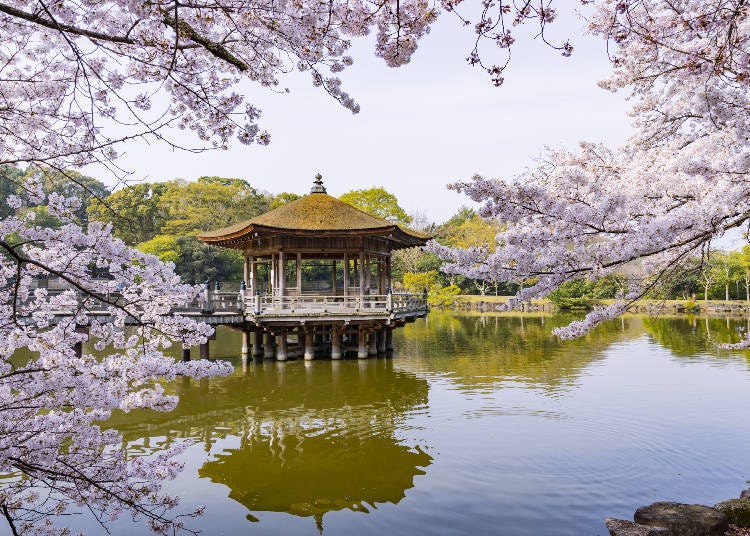
In Nara’s city center, cherry blossoms can be enjoyed in many spots, including Nara Park, Todai-ji, Kasugano-enchi, and Mount Wakakusa. The best time to see the blossoms is usually from late March to early May.
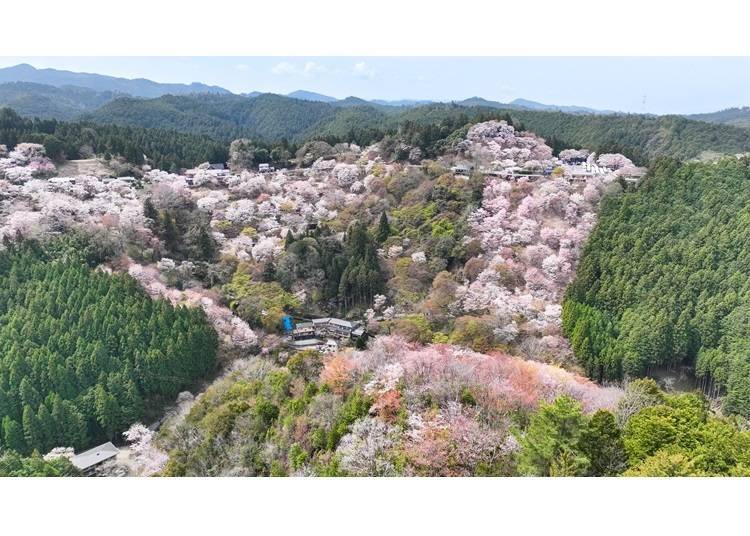
If you venture beyond the city center, you will find many renowned cherry blossom spots in areas such as Asuka Village, home to the Ishibutai Tumulus, and the Yoshino region. Among them, Mount Yoshino stands out as one of Japan’s most celebrated sakura destinations and is also part of the UNESCO World Heritage–listed Sacred Sites and Pilgrimage Routes in the Kii Mountain Range.
Approximately 30,000 cherry trees blanket the slopes of Mount Yoshino, creating a breathtaking landscape that has been admired for centuries. Thanks to the mountain’s varying elevations, the blossoms bloom gradually from Shimo Senbon to Oku Senbon, allowing visitors to enjoy different stages of cherry blossoms for nearly a month.
Highlights of Summer

Each August, Nara Park and its surrounding areas are illuminated by candlelight during Nara Tokae, a 10-day summer festival. Around 20,000 candles are lit each evening, creating a calm, almost sacred atmosphere that feels completely different from the daytime scenery.
After escaping the daytime heat with a bowl of kakigori, head to Nara Park at night to enjoy this softly glowing landscape. The gentle candlelight transforms the historic surroundings into a peaceful and memorable summer experience.
Highlights of Autumn

Autumn foliage in Nara usually begins around late October. Even within the city center, you can enjoy beautiful fall colors at spots such as Nara Park, Todai-ji, and Isui-en Garden, a scenic strolling garden with two traditional pond-style landscapes, all within easy walking distance of one another.
Highlights of Winter

Wakakusa Yamayaki is a traditional fire festival held as a ritual to ward off misfortune, and it has become one of Nara’s most iconic winter events. On the fourth Saturday of January each year, Mount Wakakusa is set ablaze, with fireworks and flames lighting up the winter night sky in a dramatic spectacle.
From 2026, certain areas around Mount Wakakusa are designated as paid viewing zones.

In February, Nara Rurie is held, linking three UNESCO World Heritage Sites. Kasuga Taisha, Kofuku-ji, and Todai-ji are connected by luminous blue lights, creating an elegant nighttime landscape. This seasonal event is followed by Omizutori (Shunie) at Todai-ji’s Nigatsu-do Hall, a centuries-old Buddhist ritual that signals the arrival of spring in Nara.
Elsewhere in the prefecture, Mount Miune in Mitsue Village, located in southeastern Nara, is famous for its frost-covered trees known as muhyo. During the harsh winter months from January to March, moisture in the air freezes onto branches near the summit, creating a dreamlike scene. To coincide with this natural phenomenon, the local tourism association hosts the Miuneyama Frost Festival, welcoming hikers and winter visitors.
3. How to Get to Nara

From Tokyo by Plane
Flights to Kansai International Airport take about 1 hour 20 minutes from Haneda Airport and around 1 hour 35 minutes from Narita Airport. One-way fares start at roughly 5,000 to 8,000 yen when using an LCC, depending on the season. From Kansai International Airport, travel to Nara via Osaka using either JR or Nankai Railway.
With JR, take the Kansai Airport Rapid Service from Kansai Airport Station to Tennoji Station, then transfer to the Yamatoji Rapid Service bound for Nara Station. The total travel time is about 90 minutes, with fares around 1,600 yen.
With Nankai Railway, travel from Kansai Airport Station to Namba Station, then transfer to the Kintetsu Line and continue from Osaka-Namba Station to Kintetsu-Nara Station. This route takes about 90 to 100 minutes and costs around 1,650 yen.
The JR route involves fewer transfers and uses only JR lines, making it easy to follow. It is especially convenient for travelers using JR passes and those staying near JR Nara Station.
The Nankai and Kintetsu route requires a short walk between ticket gates at Namba, but Kintetsu-Nara Station is very close to Nara Park, Kofuku-ji, and Naramachi, making it popular with visitors who want to focus on sightseeing.
If you prefer to travel directly from the airport, limousine buses on the Nara–Kansai Airport route operate between Kansai International Airport and JR Nara Station. The journey takes about 100 minutes and costs around 2,400 yen one way.
From Tokyo by Shinkansen
There is no Shinkansen station in Nara, so take the Tokaido Shinkansen from JR Tokyo Station to Kyoto Station. Using the Nozomi service, the ride takes about 2 hours 10 minutes, with reserved-seat fares starting at 14,170 yen. From Kyoto Station, transfer to the JR Nara Line and travel to Nara Station. The Miyakoji Rapid Service takes about 45 minutes and costs 720 yen.
Getting Around Nara
Both JR and Kintetsu offer convenient discount passes.
JR West’s Kansai Area Pass (from 2,800 yen for adults) allows unlimited rides on JR local and rapid trains, excluding reserved seats, across major Kansai areas such as Osaka, Kyoto, and Nara. Available for 1 to 4 days, it is flexible and easy to match with different travel plans.
The Kansai Mini Pass (3,000 yen for adults) covers a smaller area but is valid for 3 days. It offers excellent value for travelers focusing mainly on sightseeing within Nara City.
Kintetsu Railway also offers several convenient free passes, such as the Nara–Ikaruga–Yoshino World Heritage Free Pass and the Nara–Ikaruga 1-Day Ticket. Many of these passes include unlimited rides on Nara Kotsu buses, making them especially useful for sightseeing around Nara. Prices vary depending on the pass and included benefits.
If you plan to focus on areas such as Nara Park and Nishinokyo, the Nara Kotsu Bus “Nara Park & Nishinokyo World Heritage 1-Day Pass” is another great option. Priced at 600 yen for adults, it allows unlimited bus rides for one day and comes with discounts on temple and shrine admission as well as special offers at selected restaurants. With its affordable price and easy-to-use format, it is a practical choice even for short stays.
4. Where to Stay in Nara

Nara offers a wide range of accommodation options to suit different travel styles, including long-established ryokan, modern hotels, renovated machiya townhouses, and casual guesthouses.
While Nara can be enjoyed as a day trip, staying overnight allows you to experience the city at a slower, more immersive pace. For travelers who want to explore beyond the highlights, an overnight stay makes it easier to appreciate Nara’s deeper charms.
Unlike nearby Kyoto or Osaka, Nara is known for its sense of calm, which is especially noticeable at night and early in the morning. After the day-trippers leave, the city feels quieter and more intimate, revealing historic streets, tranquil scenery, and crisp morning air. These peaceful moments are a special part of Nara that can only be enjoyed by those who stay the night.
Special Experiences You Can Only Enjoy by Staying Overnight in Nara
・A quiet evening stroll around Sarusawa Pond and Ukimi-do Hall
Soft lights reflect on the water, creating a calm, refined atmosphere that feels completely different from the daytime bustle. It is a peaceful way to experience the ancient capital after dark.
・Spending a tranquil morning with deer in Nara Park
Early mornings are quiet and uncrowded, and the deer are noticeably more relaxed. Trees and temples bathed in gentle morning light create a serene, almost sacred mood.
・A “live like a local” stay in a traditional machiya townhouse
Modern accommodations renovated from historic homes offer a closer look at everyday life in Nara, often paired with opportunities to enjoy local food and culture at a relaxed pace.
・Taking your time to explore historic temples and shrines
With more time, you can wander through peaceful temple grounds or hop on a local bus to lesser-known spots without feeling rushed, making temple-hopping a more rewarding experience.
Around JR Nara Station, you will find many convenient hotels, making this area popular with travelers who prioritize easy access to Osaka and Kyoto. If you prefer a slower, more immersive stay, the area around Kintetsu-Nara Station near Naramachi is a great choice. This neighborhood offers a calm atmosphere, historic buildings, and a variety of machiya-style accommodations that highlight Nara’s unique character.
If your schedule allows, consider staying for two nights to fully enjoy Nara in the morning, afternoon, and evening. With excellent access to Osaka and Kyoto, Nara also works well as part of a wider Kansai itinerary that combines multiple cities at a relaxed pace.
5. What to Eat in Nara

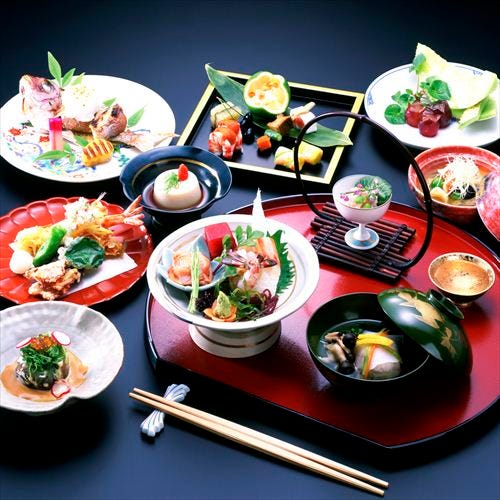
Kakinoha-zushi is one of Nara’s best-known local dishes, with a history rooted in regional food culture. This pressed sushi is made by wrapping vinegared rice and thinly sliced, salt-cured mackerel in persimmon leaves. Traditionally enjoyed as a celebratory dish during festivals and special occasions, it remains a beloved local specialty today. Well-known kakinoha-zushi shops can be found throughout Nara’s city center, making it easy to try this classic taste of the region.

Miwa somen is a traditional type of thin wheat noodles produced in the Miwa area of Sakurai City, which is often regarded as the birthplace of somen. In summer, it is commonly enjoyed chilled, while in colder months it is served as warm nyumen, making it a dish you can savor year-round.
Nara is also home to other local specialties worth trying, such as Yamato beef, a prized form of Japanese Black beef raised in the prefecture, and Asuka nabe, a regional hot pot dish in which chicken and vegetables are simmered in a broth made with milk.

Along with Japan’s recent shaved ice boom, Nara has gained nationwide attention as a “holy land” for kakigori, where creative shaved ice can be enjoyed throughout the year. At Himuro Shrine, which enshrines the deity of ice, the Kenhyo-sai ritual is held each May. In summer, visitors can also take part in Kenhyo worship, offering shaved ice at the shrine and then enjoying a portion of the blessed kakigori.
In the evening, Nara reveals another side of its food culture. Around the Naramachi area, you will find many distinctive bars serving small plates made with local ingredients and flavors unique to the region. Bar-hopping in this relaxed, intimate setting has become a popular way to experience Nara’s deeper culinary scene, allowing visitors to enjoy drinks and local dishes while soaking in the atmosphere of the city after dark.
6. Cultural Experiences to Enjoy in Nara
Nara is home to many museums and art galleries, offering plenty of opportunities to explore the depth of the city’s history and culture. Taking time to visit these cultural facilities is a great way to better understand Nara beyond its famous temples and shrines.
Located within Nara Park, the Nara National Museum is especially well known for hosting the annual Shosoin Exhibition. The museum displays a wide range of Buddhist statues and works of Buddhist art dating from the Nara period through the Kamakura period, allowing visitors to experience the rich legacy of Japan’s religious and artistic traditions.
-
-
Address
50, Noboriojicho, Nara-shi, Nara, 630-8213
View Map -
Nearest Station
Kintetsunara Station (Kintetsu-nara Line)
15 minutes on foot
- Phone Number 050-5542-8600
-
Address
50, Noboriojicho, Nara-shi, Nara, 630-8213
Adjacent to Nara Park and next to the Nara Prefectural Government Office, the Nara Prefectural Museum of Art houses a collection of around 4,100 works, including many pieces with strong ties to Nara’s history and culture.
There are also many other museums worth visiting while sightseeing, such as the Kasuga Taisha National Treasure Hall, which displays numerous National Treasures and Important Cultural Properties, and the Todai-ji Comprehensive Cultural Center and Todai-ji Museum, where visitors can learn about the temple’s history and Buddhist art.
Nara is also home to the UNESCO World Heritage–listed Historic Monuments of Ancient Nara. These include six temples and shrines: Kasuga Taisha, Kofuku-ji, Todai-ji, Gango-ji, Yakushi-ji, and Toshodai-ji, as well as the Heijo Palace Site, a Special Historic Site, and the Kasugayama Primeval Forest, a Special Natural Monument.
With traces of its time as Japan’s ancient capital still clearly visible, Nara offers a rare chance to experience more than 1,300 years of history firsthand, one of the city’s most enduring and distinctive charms.

Naramachi, once part of the outer district of the ancient capital Heijo-kyo, has a long history and still retains its traditional townscape today. At Naramachi Nigiwai no Ie, a registered Tangible Cultural Property housed in a machiya townhouse over 100 years old, visitors can explore the interior free of charge.
Inside, exhibits introduce daily life and seasonal customs based on the 24 traditional solar terms, offering a close look at the lifestyle and traditions that have shaped Nara over the centuries.
7. Activities to Enjoy in Nara
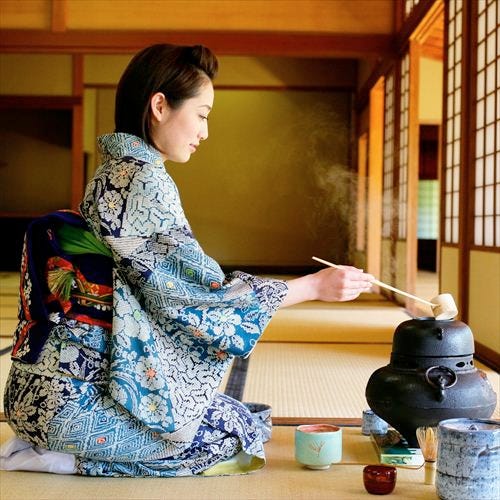
With its atmospheric streets and historic scenery, Nara is an ideal place to explore in traditional attire. Kimono rental shops can be found around Nara Park and the Naramachi area, making it easy to dress up for a stroll through the city.
Many shops offer a variety of styles, including retro-inspired Showa-era designs and lightweight yukata during the summer months. Wandering through the streets in kimono and taking photos with the deer is a fun and memorable way to enjoy Nara’s unique atmosphere.

Located about a five-minute walk from Yakushi-ji, Ganko Ittetsu Nagaya is a traditional craftsmen’s rowhouse where visitors can learn about Nara’s long-standing craft traditions, often said to be the birthplace of Japanese craftsmanship. The site is open for viewing, with limited hands-on experiences available.
Next door, the Ink Museum introduces the 1,300-year history of sumi ink production, dating back to the Nara period. Visitors can observe the ink-molding process and gain a deeper understanding of one of Nara’s most enduring traditional industries.

Nara Prefecture is often regarded as the birthplace of Japanese sake, and it is home to many historic breweries. At Harushika Sake Brewery in the Naramachi area, visitors can purchase an original Harushika tasting glass for 500 yen and enjoy samples of five different types of sake. After the tasting, the glass can be taken home as a souvenir.
How to Safely Interact with the Deer in Nara Park
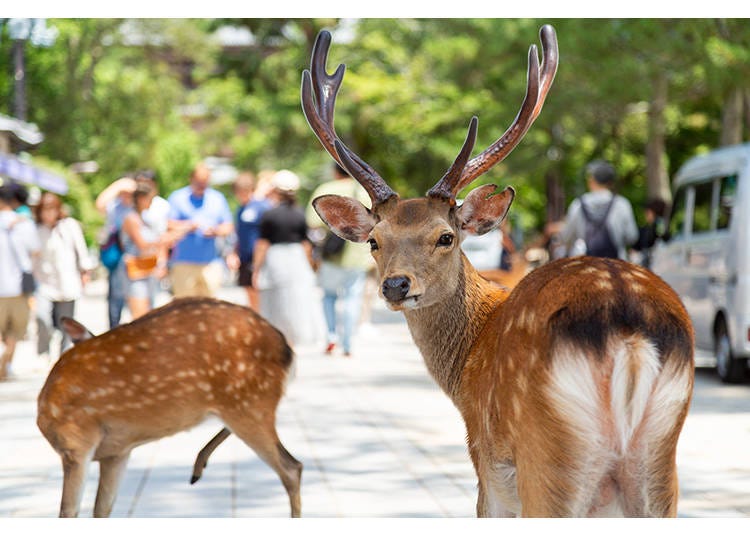
Nara Park is one of the city’s most iconic areas, known for its historic temples and shrines set amid abundant natural scenery. The park is also home to deer designated as a Natural Monument of Japan, and their gentle presence is part of what makes Nara so memorable for visitors.
That said, the deer in Nara Park are wild animals. To ensure a safe and enjoyable visit for both people and deer, there are important rules and etiquette that visitors are expected to follow.
Based on guidelines recommended by Nara Prefecture, we have summarized the key points in a clear and easy-to-understand way.
About Feeding Deer
・Never feed deer anything other than official deer crackers
・When giving deer crackers, choose a calm deer and feed it in a less crowded area
・Give one cracker at a time. Breaking them into small pieces can make deer impatient and increase the risk of being bitten
・The paper wrapper that holds the deer crackers is safe for deer to eat. Please do not throw it away as trash
・Do not tease deer by showing crackers or feed them in large amounts at once
Keeping a Safe Distance
・If a deer appears agitated or aggressive, do not approach and calmly move away
・Children should always be supervised closely by an adult
・Do not shout, chase, or startle the deer
・Never hit, push, or harass the deer
Handling Bags and Paper Items
・Do not show pamphlets, maps, or paper bags to deer, as this can lead to accidental ingestion
・Do not leave belongings unattended on the ground
Being Considerate of Others and the Environment
・Take all trash with you. There are no trash bins inside Nara Park
・During busy periods, such as the Tokae Festival, avoid setting up tripods or occupying space for long periods
・On roads and temple paths, avoid walking in wide groups and be mindful of other visitors
By following these guidelines, both visitors and deer can enjoy a safe and pleasant time in Nara Park.
8. Shopping in Nara
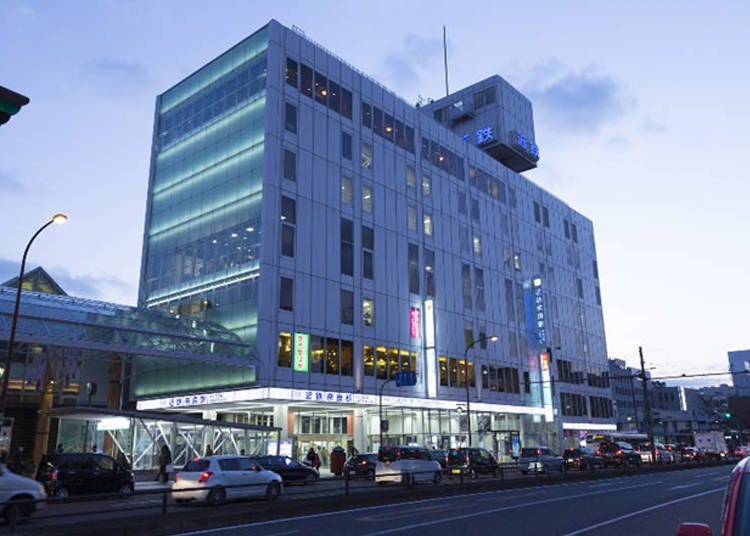
From Kintetsu-Nara Station, a series of lively shopping streets stretches out, including Higashimuki Shopping Street and Konishi Sakura-dori Shopping Street. These arcades are lined with restaurants, cafés, and shops, making them easy and enjoyable to explore on foot. Cross Sarusawa Pond and the area naturally leads into Naramachi, which is ideal for both shopping and leisurely strolling. Around JR Nara Station, Sanjo-dori is another key area, with plenty of souvenir shops and dining options clustered along the street.
Heading south from Sarusawa Pond brings you into the Naramachi area, centered around the former precincts of Gango-ji Temple, where historic townscapes are still well preserved. Here, you will find shops selling traditional Nara crafts, locally inspired goods, and unique souvenirs. Browsing these small stores while walking through the atmospheric streets is one of the highlights of shopping in Nara.

Located on the first floor of the west wing of the Nara Park Bus Terminal, the Nara Meihin-kan offers a wide selection of Nara souvenirs, ranging from sweets and small goods to local specialty products. The building also features restaurants and cafés where you can enjoy food and drinks.
Inside, visitors will find a diorama of the Nara Park area as well as leaflets explaining how to interact properly with the park’s deer. From the rooftop garden, you can enjoy panoramic views of Nara Park, making it a pleasant stop for a short break during sightseeing.
9. Sightseeing Spots Around Nara
Nara Prefecture can be broadly divided into four main areas, each offering a different style of sightseeing experience.
1. Nara City Center
2. The western area from Nara City, including Ikoma, Shigi, Ikaruga, and Katsuragi
3. The southern area from Nara City, including Yamanobe, Asuka, Kashihara, and Uda
4. The Yoshinoji area, located further south beyond the areas listed above
(Source: Nara Prefecture Official Tourism Website)
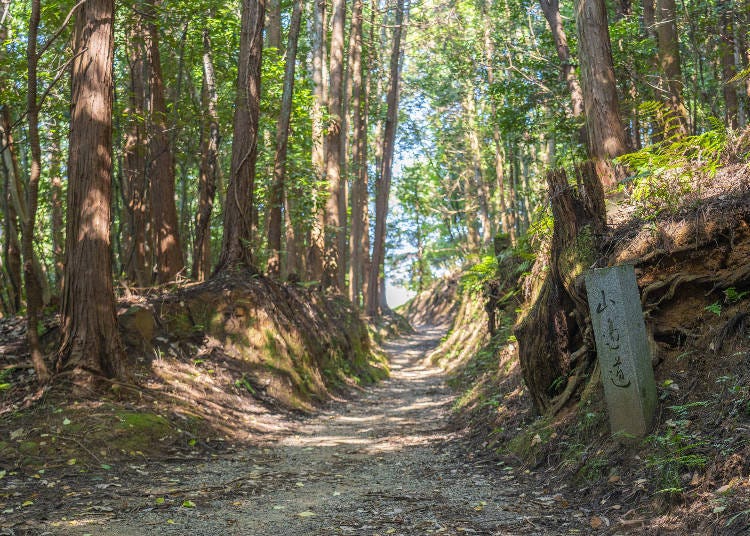
In the Yamanobe, Asuka, Kashihara, and Uda areas, you can enjoy Nara’s nature and history on an easy day trip. Popular activities include cycling around Asuka Village to see sites such as the Turtle Stone and Ishibutai Tumulus, as well as walking the Yamanobe no Michi, considered Japan’s oldest road.
In the Yoshinoji area, staying one or two nights allows you to fully appreciate the region’s seasonal beauty, from cherry blossoms said to be among the best in Japan to autumn foliage and snowy winter landscapes.
With convenient access to Osaka and Kyoto, it is also easy to combine Nara with other Kansai destinations. No matter how long you stay, Nara offers so much to see and do that it never feels like enough time.
Journey Through Quiet Moments and History in Nara
Nara offers a sense of historical calm that feels distinct from the energy of Kyoto or Osaka, revealing deeper layers of charm the more you explore on foot. From strolling through centuries-old temples and shrines to savoring local cuisine, enjoying expansive natural scenery, and spending unhurried time around areas where deer roam freely, there are many ways to experience the city.
While Nara can certainly be enjoyed on a short visit, staying overnight allows you to truly appreciate its atmosphere. The clear air of the early morning streets and the gentle light that settles over Nara Park at dusk reveal scenes you cannot experience on a day trip.
Spend some time in Nara, where the pace is slow and the surroundings invite reflection, and enjoy moments that linger long after your journey ends.
The information in this article is current as of December 2025. For the latest updates, please check official websites.

Kiko Matsuda, Keiko Kimura, Risa Tsushi, and a team of female writers familiar with Kansai. We love eating, drinking and traveling! We share fun information based on our experiences.
- Area
- Category
*Prices and options mentioned are subject to change.
*Unless stated otherwise, all prices include tax.

Popular Tours & Activitiess
-

A Happier Trip to Osaka & Kobe: Sesame Street Takes Over Hanshin Railway
by: Guest Contributor
-
New Way to Reach Koyasan! Ride Nankai's Luxury 'GRAN Tenku' Train for a Scenic Journey
by: Guest Contributor
-
Ad
Prepare Japanese Food at a Factory in Kyoto and Sapporo, and Become the Star of the Show
-

One of Western Japan's Largest Character Hubs Is Coming to Osaka Station in 2026
by: Guest Contributor
-
[2026] Don Quijote Opens New Store on Shijo-dori, Kyoto! Experience Exclusive "Fruit Skewers" at Kansai's First Inbound-Focused Store
-
Ad

Meet Osaka's Fluffiest Locals: Relax With Samoyeds at Cafe moffu in Shinsaibashi!
-
2-Day Osaka Itinerary! Perfect for Seeing Major Spots During a Short Visit
-
Life in Osaka: We Interviewed International Residents About Their Life in Kansai
by: WESTPLAN
-
Exploring Dotonbori: Inside Osaka's Most Exciting Neighborhood
-
Inside Kobe Tower: Fun Things to Do at the Symbol of Kobe
-
5 Amazing Kyoto Festivals You’ll Want to Experience During Your Next Trip
-
Osaka After Dark: 10 Spots for Dazzling Night Views
- #best gourmet Osaka
- #things to do Osaka
- #what to do in kyoto
- #what to bring to japan
- #best gourmet Kyoto
- #new years in Osaka
- #what to buy in nanba
- #Visiting Osaka
- #onsen tattoo friendly arima
- #daiso
- #Visiting Kyoto
- #best japanese soft drinks
- #japanese fashion culture
- #japanese convenience store snacks
- #japanese nail trends