



Kintetsu Rail Pass Complete Guide: Mobile QR Tickets for Osaka, Nara, Kyoto, and Ise-Shima (Cut Transport Costs by Half!)
- Written by: James Davies
When traveling around Kansai, many visitors stick to shopping in Osaka’s Shinsaibashi or sightseeing at Kyoto’s Kiyomizu-dera. But why stop there? Nara’s historic streets and free-roaming deer, or a pilgrimage to Ise Grand Shrine, a place many Japanese hope to visit at least once in their lifetime, are also well within reach.
If you plan to explore beyond a single city, the Kintetsu Rail Pass, issued by Kintetsu Railway, is one of the smartest ways to save on transportation. Kintetsu operates Japan’s longest private railway network, connecting Osaka, Kyoto, Nara, Mie (Ise-Shima), and even extending to Nagoya in Aichi Prefecture.
The pass allows unlimited rides on Kintetsu trains during the valid period, and as of 2026, it fully supports digital tickets. There’s no need to line up at airport or station counters. Simply purchase the pass, activate it on your phone, and scan the QR code at the ticket gates to enter and exit stations with ease. This guide breaks down the differences between the four pass types, shows how to activate your ticket in about one minute, and explains how to avoid common express train ticket pitfalls, helping you explore Kansai’s lesser-known highlights at the best possible value.
(Main image: PIXTA)
(This article contains affiliate links)
- Table of Contents
-
- What Is the Kintetsu Rail Pass?
- Four Pass Types: Which One Should You Buy?
- How to Use Kintetsu Digital Tickets
- Note to First-Time Visitors: Limited Express Trains Require an Extra Ticket
- Sample Itineraries: Where Can This Pass Take You?
- Where to Buy and How to Redeem the Kintetsu Rail Pass
- What Are the Alternatives to the Kintetsu Rail Pass?
What Is the Kintetsu Rail Pass?
The Kintetsu Rail Pass is a value-packed transportation pass issued by Kintetsu Railway specifically for international visitors. Its biggest advantage is unlimited rides on Kintetsu trains, either across the entire network or within designated areas, for a set number of days. Kintetsu’s extensive rail system stretches from Osaka Namba and Kyoto through historic Nara, home to multiple World Heritage Sites, and continues east to Ise-Shima in Mie Prefecture. Some routes even reach Nagoya in Aichi Prefecture. With a single pass, travelers can easily cover a large part of Kansai and the Tokai region.
Before using the pass, it’s important to understand the difference between a base fare ticket and a limited express ticket. The Kintetsu Rail Pass covers only the base fare, which means you can board non-reserved trains such as Local, Semi-Express, Express, and Rapid Express services without any extra steps. However, if you want to ride limited express trains with reserved seating, such as the Hinotori service between Osaka and Nagoya or the sightseeing Limited Express Shimakaze to Ise-Shima, you must purchase an additional limited express ticket on top of the pass. Keep this in mind to avoid unexpected fare adjustments during ticket inspections.
This pass is designed for foreign travelers entering Japan under a short-term stay status. Beyond transportation savings, pass holders often receive extra perks such as discount coupons at stores like BicCamera or admission discounts at selected sightseeing spots in areas like Nara Park and Ise-Shima. For travelers planning multi-city exploration across Kansai, the Kintetsu Rail Pass is a powerful way to keep transportation costs under control.
Four Pass Types: Which One Should You Buy?

The Kintetsu Rail Pass is available in four versions: 1 Day, 2 Day, 5 Day, and 5 Day Plus. While that may sound like a lot, choosing the right pass is simple once you know two things: how far you plan to travel and how many days you’ll be on the move.
Broadly speaking, the passes fall into two groups. Short-range passes focus on Osaka, Kyoto, and Nara and are perfect for compact itineraries. Wide-area passes extend to Ise-Shima and Nagoya, making them a better fit for longer, more adventurous Kansai trips.
Best for Day Trips: 1 Day Kintetsu Rail Pass
If you only have one free day, the 1 Day pass is the most cost-effective option. It’s designed for easy day trips from Osaka, such as Namba or Nipponbashi, or from Kyoto Station to central Nara.
Coverage focuses on the core Osaka–Kyoto–Nara triangle, reaching as far as Ikoma, Yamato-Saidaiji, and Tsutsui. A standout bonus is access to designated Nara Kotsu bus routes around Nara Park, Todai-ji, and Kasuga Taisha, allowing seamless transfers from train to bus. It’s ideal for travelers looking to squeeze in a quick Nara deer encounter from Osaka or Kyoto.
- Unlimited rides on Kintetsu trains between Kyoto, Osaka, and Nara for one day
- Unlimited rides on selected local buses within Nara City
- Exclusive discounts at selected attractions in and around Kyoto, Nara, and Osaka
・Prices: Adult 1,900 yen / Child 950 yen.
At just 1,900 yen, this pass allows unlimited travel between Osaka, Kyoto, and Nara for a full day. A single round trip between Kyoto and Nara nearly covers the cost, making it an excellent value for short-distance sightseeing.
For a complete map of all routes covered by the 1 Day Kintetsu Rail Pass, check the official website (PDF).
For Deeper Exploration: 2 Day Kintetsu Rail Pass
If you plan to slow down and spend a night in Nara, or want to venture farther into the prefecture’s southern sights, the 2 Day pass is a better fit. Valid for two consecutive days, its biggest advantage is a much wider coverage area than the 1 Day version.
The network extends south to Mount Yoshino, famous for its thousands of cherry trees, as well as Tsubosakayama and the historic Asuka area. This makes it easy to spend day one strolling Nara Park and the old town, then use day two to enjoy cherry blossom views in Yoshino or cycle through Asuka’s rural landscapes for a more immersive Nara experience.
- Unlimited use of all train lines, buses, and cable cars covered by the 1 Day pass
- Unlimited rides on an additional 10 major regional railway lines
- Includes rail access to Yoshino, one of Japan’s most spectacular cherry blossom areas
・Prices: Adult 3,700 yen / Child 1,850 yen.
That works out to just 1,850 yen per day. If you’re planning a trip to Mount Yoshino for cherry blossom/foliage viewing or a cycling day in the Asuka area, this pass can significantly reduce your transportation costs.
For a complete map of all routes covered by the 2 Day Kintetsu Rail Pass, see the official website (PDF).
Long-Range Starter Pick: 5 Day Kintetsu Rail Pass
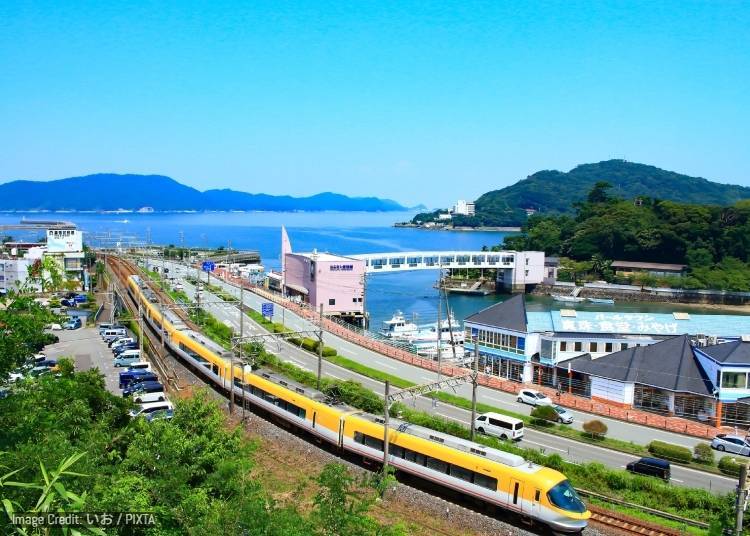
If you’re planning a longer journey across Kansai and into the Tokai region, such as traveling from Osaka to Nagoya or heading to Ise-Shima for shrine visits and seafood, the standard 5 Day pass is the best place to start. This pass allows unlimited rides on the entire Kintetsu Railway network, covering Osaka, Kyoto, Nara, Ise-Shima, and Nagoya.
It’s especially useful for trips to Ise Grand Shrine, visits to Toba Aquarium, or exploring harder-to-reach spots in Nara like Tsubosaka-dera or Murou-ji. While the price is higher than shorter passes, a single round trip between Osaka-Namba and Ise City nearly pays for the pass on its own.
Do note that the standard 5 Day pass does not include local bus services. It’s best suited for travelers who enjoy walking, plan to rent a car locally, or don’t expect to rely heavily on buses during their trip.
- Unlimited rides on all train lines covered by the 1 Day and 2 Day passes
- Extended coverage all the way to Nagoya
- Includes rail access to major destinations in Mie Prefecture, such as Ise, Toba, Yunoyama Onsen, and the Shima Peninsula
- Also allows travel to Iga via the Iga Railway
・Prices: Adult 4,900 yen / Child 2,450 yen.
This is the standard long-distance option, averaging just 980 yen per day. Considering that a one-way trip from Osaka-Namba to Ise City alone costs over 2,170 yen, the pass essentially pays for itself with a single visit to Ise-Shima.
For a complete map of all routes covered by the 5 Day Kintetsu Rail Pass, check the official website.
Long-Range Flagship: 5 Day Plus Kintetsu Rail Pass
The most powerful option is the 5 Day Plus pass. Compared with the standard 5 Day version, the big upgrade is bus coverage. With Plus, you can ride designated local buses without worrying about taking numbered tickets or carrying small change, making transfers far smoother. It’s the best choice for deep exploration of Ise-Shima and Nara’s more remote temple areas.
・Prices: Adult 6,700 yen / Child 3,350 yen.
Although it costs 1,200 yen more than the standard 5 Day pass, the value quickly adds up. The Plus version includes unlimited rides on Mie Kotsu and Nara Kotsu buses. A single bus ride between Ise Grand Shrine’s Inner and Outer Shrines costs over 400 yen one way. If you’re not renting a car and plan to visit multiple sights, the Plus pass often ends up being the more economical option.
For a complete map of all routes and services covered by the 5 Day Plus Kintetsu Rail Pass, check the official website.
Kintetsu Rail Pass Price Comparison
- Adult: 1,900 yen
- Child: 950 yen
- Kintetsu Rail Pass (2 Day)
- Adult: 3,700 yen
- Adult: 4,900 yen
- Adult: 4,900 yen
- Adult: 6,700 yen
- Adult: 6,700 yen
How to Use Kintetsu Digital Tickets
In 2026, the smartest way to buy a Kintetsu Rail Pass is with a digital ticket. In the past, travelers arriving at Kansai International Airport often had to queue at service counters to exchange vouchers for physical tickets, wasting time while juggling luggage. Today, Kintetsu Railway has fully adopted QR code ticketing. Buy your pass through platforms like Klook, KKday, or the official Kintetsu website, and you’ll receive a dedicated link via email or app. One smartphone is all you need for the entire journey.
Using a digital ticket is simple. When you’re ready for your first ride, open the purchase link and tap “Start Using” to activate the pass. A dynamic QR code will appear on your screen. Hold it up to the red-lit scanner at the automatic ticket gate, and the gate will open. If your pass includes bus access, such as the 1 Day, 2 Day, or 5 Day Plus versions, just show the valid ticket screen on your phone to the driver when getting off Nara Kotsu or Mie Kotsu buses. No card tapping is required.
To avoid issues, keep a few key points in mind. First, QR codes are time-sensitive and require an internet connection to refresh, so make sure your phone has stable connectivity and enough battery power. Carrying a portable charger is highly recommended. Second, while one phone can technically store multiple tickets, passing a single phone back and forth at ticket gates can cause delays and errors. It’s strongly advised that each traveler keeps their own ticket on their own device. Finally, do not use screenshots. Static images may expire and fail at the gate. Always open the live ticket page and scan the active QR code.
Note to First-Time Visitors: Limited Express Trains Require an Extra Ticket
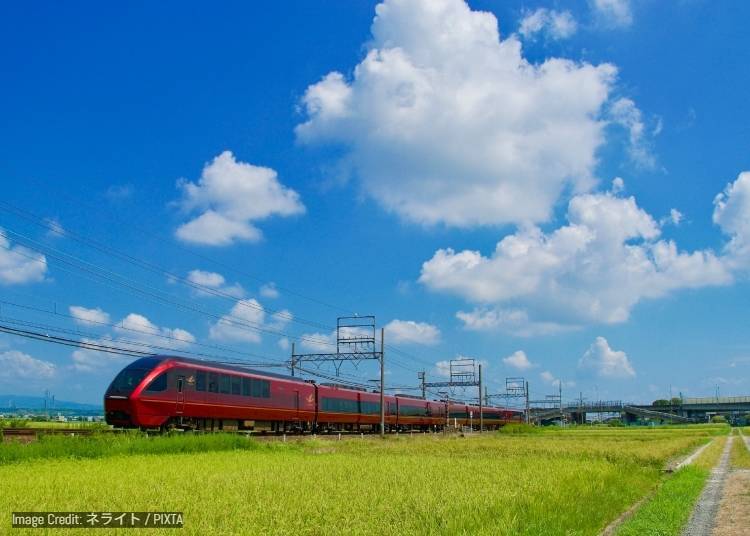
This is the most common pitfall for first-time users of the Kintetsu Rail Pass, so pay close attention. Japan’s railway fare system is divided into two parts: the base fare and the limited express surcharge. The Kintetsu Rail Pass covers only the base fare.
This means you can freely board non-reserved services such as Local, Semi-Express, Express, and Rapid Express trains. These operate like subways, with open seating on a first-come, first-served basis. However, they are different from limited express trains, which require an additional ticket.
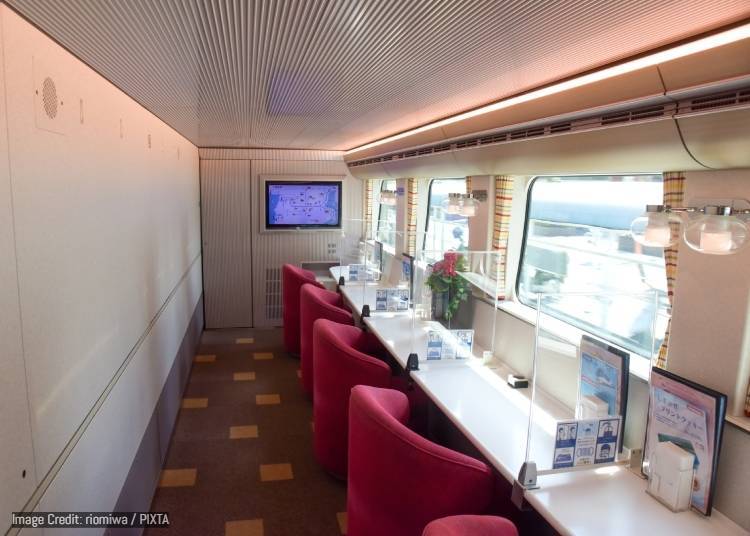
However, if you want to ride Kintetsu’s flagship Limited Express trains, you’ll need to purchase an additional limited express ticket.
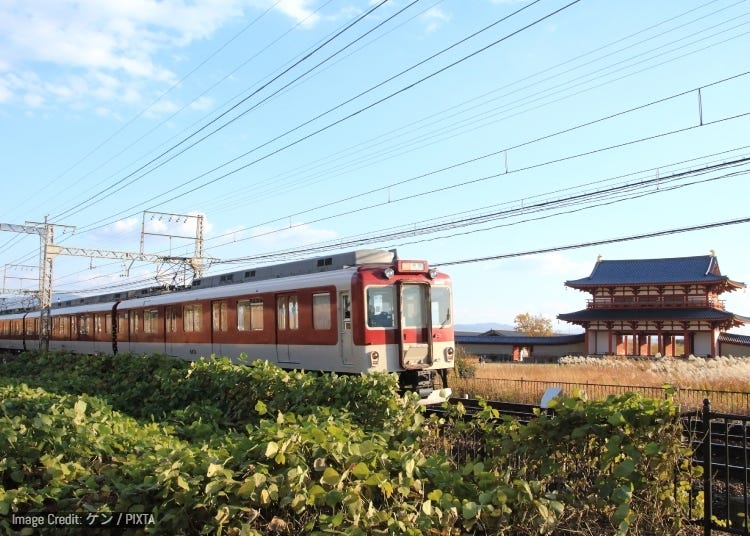
This includes popular services like the bright red Hinotori between Osaka-Namba and Nagoya, the luxury sightseeing train Shimakaze to Ise-Shima, and the elegant retro-style Aoniyoshi serving the Nara area.
All limited express trains are reserved-seat only. If you board with just a rail pass, the conductor will ask you to pay the limited express surcharge on the spot. That said, even after adding this extra fee, using a Kintetsu Rail Pass to cover the base fare is still cheaper than buying a full-price ticket.
To save time, it’s a good idea to reserve limited express tickets in advance through Kintetsu’s official online reservation service rather than buying them at the station.
Sample Itineraries: Where Can This Pass Take You?
With its wide coverage, this rail pass lets you travel effortlessly from lively city centers to ancient capitals, coastal escapes, and even secluded mountain areas. Below are recommended ways to use each pass type, along with must-see destinations that help you get the most value out of your trip.
1 Day Pass: The Osaka–Kyoto–Nara Golden Triangle and Ikoma Hideaways
The biggest strength of the 1 Day pass is how easily it links Osaka, Kyoto, and Nara, Kansai’s three core cities. Start your morning from Osaka-Namba with breakfast at Kuromon Market, often called “Japan’s kitchen,” then hop on a Rapid Express to Kintetsu-Nara Station. One major perk is location. Kintetsu-Nara is closer to the sights than the JR station. A five-minute walk brings you to Nara Park, followed by visits to the Great Buddha at Todai-ji and the forested paths of Kasuga Taisha.
In the evening, head to Kyoto to stroll Hanamikoji Street in Gion in search of geiko and maiko, or enjoy dinner along the Kamogawa in Pontocho. If you have already seen the major highlights, consider a side trip to Ikoma Sanjo Amusement Park. From Ikoma Station, transfer to Japan’s oldest cable car, famous for its cat- and cake-themed cars. The mountaintop park has a charming Showa-era atmosphere, free admission, and sweeping views over the Osaka Plain. It is a perfect local spot for sunset and night views.
2 Day Pass: Southern Nara’s History and Seas of Flowers

With the 2 Day pass, your route can extend into southern Nara, including Yoshino and Asuka. Mount Yoshino is Japan’s most famous cherry blossom destination. Each April, around 30,000 trees turn the mountainside pink. Outside sakura season, it’s still a rewarding area for hiking and visiting the World Heritage temple Kinpusen-ji.
Another great route combines Kashihara and Asuka. Often called the birthplace of Japan, this area has an even older history than Kyoto. Visit Kashihara Shrine, then stroll through Imai-cho, a beautifully preserved Edo-period district with around 500 traditional houses that’s perfect for kimono photos. If you enjoy the outdoors, rent a bicycle near Asuka Station and ride through the countryside to historic sites like the Ishibutai Tomb and Takamatsuzuka Tomb, turning your second day into a scenic ride through Japan’s ancient past.
5 Day Pass: A Grand Kansai–Tokai Journey (Ise, Nagoya, Iga)

The 5 Day pass is ideal for travelers who want to explore the full Osaka–Nagoya corridor in one trip. A top highlight is Ise Grand Shrine, the most sacred site in Shinto and often described as Japan’s spiritual home. After your visit, stroll Okage Yokocho to try local favorites like Akafuku mochi and Ise udon. Continue on to Toba and Shima to visit Toba Aquarium, home to the largest variety of marine life in Japan, or stop by Futami Okitama Shrine to see the iconic Meoto Iwa, the rope-linked “wedded rocks.”
Heading east brings you to Nagoya in Aichi Prefecture. Beyond Nagoya Castle, the biggest recent draw is Ghibli Park, located in Expo 2005 Aichi Commemorative Park and recreating scenes from Studio Ghibli films. Advance reservations are required. Families may also enjoy LEGOLAND Japan or the SCMAGLEV and Railway Park. For something different, ninja fans can head to Iga-Ueno via a transfer to the Iga Railway at Iga-Kobe Station, where the Iga-ryu Ninja Museum offers hands-on exhibits and live demonstrations of classic ninja skills.
5 Day Plus Pass: Unlimited Buses for Nabana no Sato and Ise Grand Shrine

If you choose the most powerful 5 Day Plus pass, the biggest upgrade is unlimited bus access. This is especially valuable in the Ise-Shima area, where the Inner and Outer Shrines of Ise Grand Shrine are far apart and require bus transfers. It also makes visiting Nabana no Sato easy, as you need to transfer to a bus from Kintetsu Nagashima Station.
Nabana no Sato is home to Japan’s largest winter illumination event. From October through May, millions of LED lights transform the gardens into a dreamlike landscape, making it a favorite spot for couples and evening strolls. With the Plus pass, you can hop straight onto a Mie Kotsu bus and ride directly to the entrance without worrying about coins or buying tickets, maximizing both convenience and flexibility on your trip.
Where to Buy and How to Redeem the Kintetsu Rail Pass
Buying a Kintetsu Rail Pass is easier than ever. To avoid wasting valuable travel time standing in lines, we strongly recommend purchasing a digital ticket online. With this option, there’s no need to exchange vouchers at airports or stations. Simply buy the pass in advance, activate it on your phone, and start riding as soon as you arrive.
Buy Online: Fast, Easy, No Ticket Exchange Required (Recommended)
This is the most popular and hassle-free way to buy the pass. You can purchase it before your trip or while traveling via authorized platforms like Klook and KKday, or directly from Kintetsu Railway.
The biggest advantage of buying online is that there’s no need to exchange for a physical ticket. After purchase, you’ll receive a dedicated link or voucher. When you’re ready to ride in Japan, simply open the link on your phone, activate the pass, and scan the QR code at the ticket gate. While others are lining up at Kansai Airport to exchange tickets, you’ll already be on your way into the city.
Buying in Japan: Best for Travelers Who Prefer Physical Tickets
If you’re not comfortable using a smartphone or prefer to keep a physical ticket as a souvenir, you can still buy the pass after arriving in Japan. Major sales locations include the tourist information centers at Kansai International Airport and ticket counters at key Kintetsu stations such as Osaka-Namba, Osaka-Uehommachi, Kyoto, Osaka-Abenobashi, and Kintetsu-Nagoya.
When purchasing in person, be sure to bring the passports of everyone in your group. Staff will need to confirm your short-term stay status before issuing the pass.
Important Notes
Kashihara City is a historically significant area that briefly served as Japan’s capital during the 7th century. Its most famous landmark is Kashihara Shrine, built in 1890 to honor Emperor Jimmu, Japan’s first emperor. Within the shrine’s expansive grounds, you’ll also find Emperor Jimmu’s mausoleum and the scenic Fukada Pond.
Another highlight is the Imai-cho district, where streets lined with around 500 beautifully preserved buildings showcase the atmosphere of the Edo period. It’s one of the best places in Nara Prefecture to experience traditional townscapes and local history in a compact, walkable area.
What Are the Alternatives to the Kintetsu Rail Pass?
While the Kintetsu Rail Pass offers excellent value for trips to Nara and Ise-Shima, it isn’t a one-size-fits-all solution. If your itinerary includes places not served by Kintetsu trains, such as Himeji Castle, Kinosaki Onsen, Okayama, or Shirahama, or if you plan to focus more heavily on in-depth sightseeing within Kyoto itself, other transportation passes may suit your plans better.
In these cases, it’s worth comparing alternative rail passes or regional transport tickets that better match your route and travel style, ensuring you get the best balance of coverage, convenience, and cost savings for your Kansai trip.
Kansai Railway Pass (KANSAI RAILWAY PASS)
If you prefer to travel at a relaxed pace and plan to use multiple private railway lines, the Kansai Railway Pass, formerly known as the Kansai Thru Pass, is a strong alternative. Available in 2-day or 3-day versions, its biggest advantage is wide coverage across roughly 20 private railways and subway operators in the Kansai region.
In addition to Kintetsu trains, the pass covers lines such as Nankai Electric Railway to Koyasan, Sanyo Electric Railway toward Himeji, and the subway systems in both Kyoto and Osaka. If your itinerary is complex, JR-free, and focused on flexibility rather than speed, this pass offers some of the highest freedom of movement in Kansai.
JR Kansai Wide Area Pass: The Fastest Way to Cover More Ground
If speed and long-distance travel are your top priorities, this 5-day pass issued by JR West is a standout choice. Unlike the Kintetsu Rail Pass, which focuses on local and rapid services, this pass lets you ride the Sanyo Shinkansen between Shin-Osaka and Okayama, as well as non-reserved seats on limited express trains.
That means significantly shorter travel times and access to destinations Kintetsu does not reach, including Kinosaki Onsen, the Tottori Sand Dunes, Shirahama Onsen in Wakayama, and the historic Kurashiki Bikan district in Okayama. While the price is higher, a single Shinkansen ride nearly covers the cost, making this pass an excellent option for travelers who prefer to trade money for time and range.
JR Kansai Area Pass: A Flexible Option for Major Kansai Cities
If your itinerary focuses on Osaka, Kyoto, Kobe, and Nara and you prefer traveling on JR lines, this pass is a solid choice. Issued by JR West, it offers flexible validity from 1 to 4 days, which works well for shorter trips.
A recent perk makes it even more appealing. The pass now includes one-day exchange tickets for the Kyoto Municipal Subway, Keihan Electric Railway, and Hankyu Railway. This helps cover JR’s limited reach within Kyoto city and makes sightseeing there much easier.
Using an IC Card Only (ICOCA or Suica)
Finally, take a close look at your itinerary. If your trip includes just a single day trip to Nara and the rest of your time is spent shopping and sightseeing within Osaka, you may not need a rail pass at all.
For lighter itineraries like this, simply tapping in and out with an IC card such as ICOCA or Suica is often the cheapest and least stressful option. There’s no need to calculate pass coverage or validity days, just pay as you go and enjoy maximum flexibility.
Explore More of Kansai with the Kintetsu Rail Pass

Kansai’s appeal goes far beyond the bright lights of Osaka and Kyoto. With the great value of the Kintetsu Rail Pass, you can easily branch out to feed the deer in historic Nara Park, pay a visit to Ise Grand Shrine, often called Japan’s spiritual home, or even ride all the way to Nagoya to try its famous unagi dishes.
Thanks to the widespread adoption of digital tickets, multi-city rail travel has never been simpler. Use this cost-saving pass to plan a deeper, more flexible Kansai journey and uncover destinations and views you won’t always find in guidebooks.
Explore More Kansai Transportation Guides




Originally from Cardiff in the UK, James has been working as a freelance writer since moving to Japan in 2020. Having first visited Japan in 2013, James has been to each of the country’s 47 prefectures. A lover of sushi, sumo and sake, when not writing, he is either exploring Tokyo or planning a trip to a new corner of Japan.
*Prices and options mentioned are subject to change.
*Unless stated otherwise, all prices include tax.

Popular Tours & Activitiess
Recommended places for you
-

Jukuseiniku-to Namamottsuarera Nikubaru Italian Nikutaria Sannomiya
Izakaya
Kobe, Sannomiya, Kitano
-
Goods
Yoshida Gennojo-Roho Kyoto Buddhist Altars
Gift Shops
Nijo Castle, Kyoto Imperial Palace
-
Kambei Sannomiyahonten
Yakiniku
Kobe, Sannomiya, Kitano
-

Kanzenkoshitsuyakinikutabehodai Gyugyu Paradise Sannomiya
Yakiniku
Kobe, Sannomiya, Kitano
-
Todai-ji Temple
Temples
Nara, Ikoma, Tenri
-
ISHIDAYA Hanare
Yakiniku
Kobe, Sannomiya, Kitano
-
Ad
Enjoy Tokyo's Hidden Gem! Katsushika: Where Anime, Kawaii Culture & Real Tokyo Vibes Meet (2026 Guide)
by: Yohei Kato
-

SILK AND ILY DONUT: Tokyo's New, Laid-Back Waterfront Shop Is A Real Treat
by: Timothy Sullivan
-
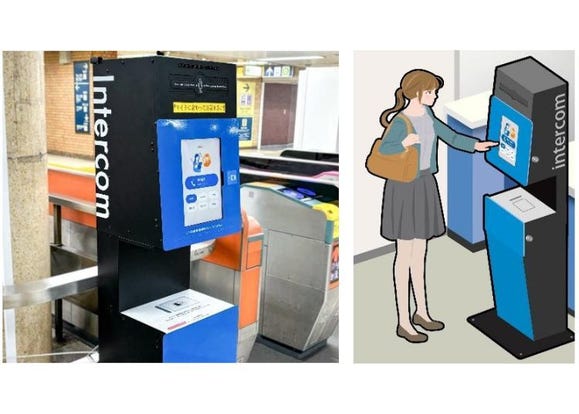
No More Getting Lost in Tokyo's Subways! The "Magic Translation Terminal" Appearing at All 171 Stations Will Revolutionize Your Journey
by: Guest Contributor
-

No Suitcases, No Stress! Tokyo's Haneda Airport Begins New Same-Day Haneda Luggage Delivery
by: Guest Contributor
-
Grand Reopening! The Edo-Tokyo Museum Returns After 4 Years: New Highlights, Interactive Tech, and Limited-Edition Goods
-
Japan's New Fine Dining Train 'vies' Launches in 2028: A New Era of Gourmet Rail Travel
by: Guest Contributor
-
10 Best Hotels Near Kyoto Station: Budget-friendly, Perfect for Kyoto Sightseeing
-

Classic Japanese 'Omurice' Recipe: How To Make The Fluffy, Ketchup-Seasoned Sensation! (Video)
-
38 Best Things to Do in Kyoto: See, Eat, and Shop Your Way Through Japan's Cultural Capital
-
5 Amazing Kyoto Festivals You’ll Want to Experience During Your Next Trip
-
Michelin Star Restaurants & More: 3 Best Okonomiyaki Shops in Dotonbori Osaka
-

Kobe in Spring: What to Expect in March, April, and May + What to Wear
by: Nemi Lin
- #best gourmet Osaka
- #things to do Osaka
- #what to do in kyoto
- #what to bring to japan
- #best gourmet Kyoto
- #new years in Osaka
- #what to buy in nanba
- #Visiting Osaka
- #onsen tattoo friendly arima
- #daiso
- #Visiting Kyoto
- #best japanese soft drinks
- #japanese fashion culture
- #japanese convenience store snacks
- #japanese nail trends