



7-Day Japan Weather Forecast: Tokyo, Osaka, Sapporo, Sendai, Fukuoka, Naha – Plan & Pack Smart for Your Trip
- Written by: LIVE JAPAN Editor
Getting ready for a trip to Japan? Whether you're exploring the buzzing metropolis of Tokyo, the streets of Osaka, or enjoying the beaches of Naha, checking the weather ahead of time is key to a smooth journey. This 7-day forecast covers six major cities (Tokyo, Osaka, Sapporo, Sendai, Fukuoka, and Naha), helping you pack wisely and plan each day with confidence, no matter the season.
(Forecast data is as of July 27, 2026 at 5 AM JST)

Japan Weather Overview
Japan 7-Day Forecast (July 27–August 2, 2026)
Expect a dynamic mix of weather across Japan this week! We are starting off with a pleasant blend of sun and clouds, but keep an eye out for midweek changes. Between July 29th and 31st, a low-pressure system pulling in warm, moist air will move across the Sea of Japan, bringing heavy rain to the northern and eastern coasts—some areas may even see warning-level downpours. By the weekend, the skies will clear up beautifully as a high-pressure system settles over western Japan and the Nansei Islands.
Temperatures will vary significantly depending on where you are. Expect comfortably warm weather up north in Sapporo, while central Japan (like Tokyo) will be hot, and southern areas like Naha will be intensely hot. Eastern and western Japan, along with Okinawa and Amami, will experience higher-than-average heat, with temperatures soaring to 35°C (95°F) or higher. Please stay hydrated and take precautions against heatstroke while enjoying your trip!
Typhoon Information
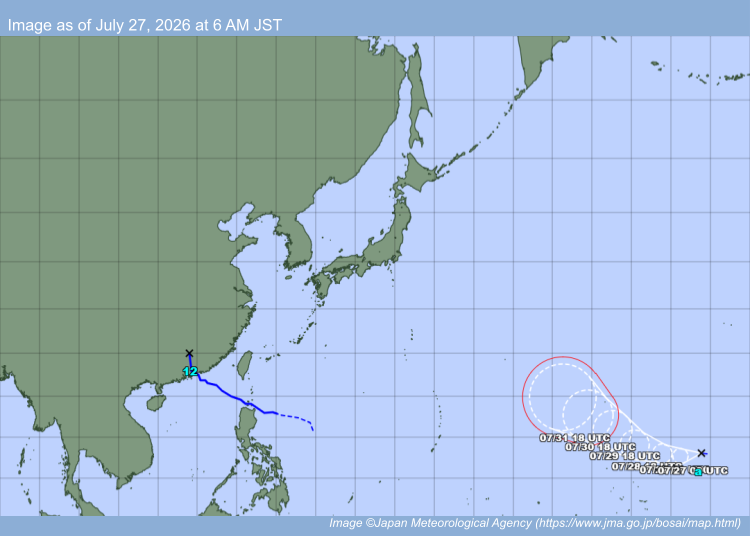
Typhoon Noul has weakened into a tropical storm after making landfall in southern China and moving inland. It is not expected to affect Japan’s islands.
Meanwhile, a tropical depression has formed southeast of Japan. Although it has not yet developed into a typhoon, its progress is worth monitoring.
Japan's typhoon season runs from May through October, with most activity from July to September. During a typhoon, transit delays and cancellations can be expected. Be sure to stay updated on the latest weather and flight information. For real-time updates on railways and airports, visit LIVE JAPAN's transport information page.
- NHK World
Japan's official English-language broadcaster. During earthquakes, typhoons, and other emergencies, it provides reliable real-time updates, evacuation information, and more. - Safety tips App
Official emergency alert app of the Japan Tourism Agency, designed for international visitors. Available on iOS and Android, it provides earthquake, tsunami, and severe weather warnings in 15 languages, along with evacuation guidance, useful emergency phrases, and links to official disaster information to help you stay safe during emergencies. - LIVE JAPAN Emergency portal
Multilingual safety hub for visitors in Japan. It provides quick access to disaster information, embassy contacts, emergency guides, and official transportation updates, helping travelers stay informed and navigate disruptions safely.
- Rainy Day Hotspots: Japan's Top 10 Indoor Attractions This Rainy Season
- 18 Rainy-Day Activities in Tokyo: Unique Japanese Experiences and Indoor Adventures
- What to Do In Osaka When It's Raining: 15 Fabulous Weather-Proof Tourist Hotspots
- Rainy Day In Kyoto? Here's 16 Best Ways to Enjoy Kyoto When It's Raining
What to Do in July
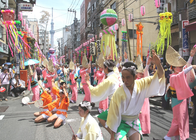
July in Japan marks the end of the rainy season and the arrival of true summer, bringing hot, sunny days and the sound of buzzing cicadas. It's the perfect time to experience traditional summer festivals (matsuri), with major events like Kyoto's famous Gion Matsuri and Osaka's Tenjin Matsuri taking center stage. July also kicks off the spectacular fireworks (hanabi) season, with massive displays lighting up the night skies across the country.
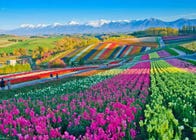
Looking to beat the heat? Head north to Hokkaido to see stunning lavender fields in full bloom, or hit the beautiful white-sand beaches of Okinawa. For adventurers, the official Mt. Fuji climbing season opens in early July. Whenever you need to cool down, be sure to try seasonal summer treats like fluffy kakigori (shaved ice), chilled somen noodles, and refreshing slices of watermelon.


Tours & Activities to Try This Month
-
 (Tokyo) Hop-On Hop-Off Tokyo Bus by Skyhop Bus
Book with Klook ▶ -
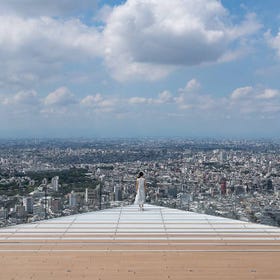 (Tokyo) SHIBUYA SKY Ticket
Book with Klook ▶ -
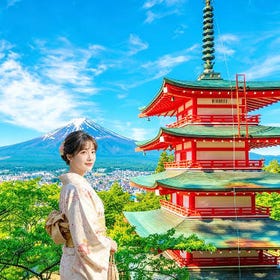 (Tokyo) One-Day Guided Tour of Mount Fuji, Pagoda, and Oshino Hakkai
Book with Klook ▶ -
 (Tokyo) teamLab Planets TOKYO Ticket
Book with Klook ▶ -
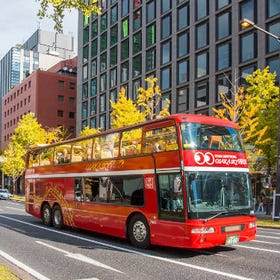 (Osaka) Osaka Sky Vista Double-Decker Open-Top Bus Tour
Book with Klook ▶ -
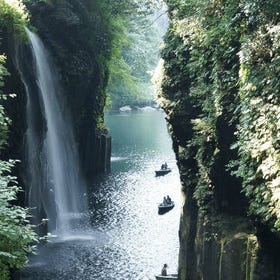 (Kumamoto) Takachiho Gorge Full-Day Tour with Gourmet Lunch
Book with Klook ▶ -
 18 Best Cultural Experiences & Traditional Craft Workshops in Japan
City-Specific 7-Day Forecasts (July 27–August 2, 2026)
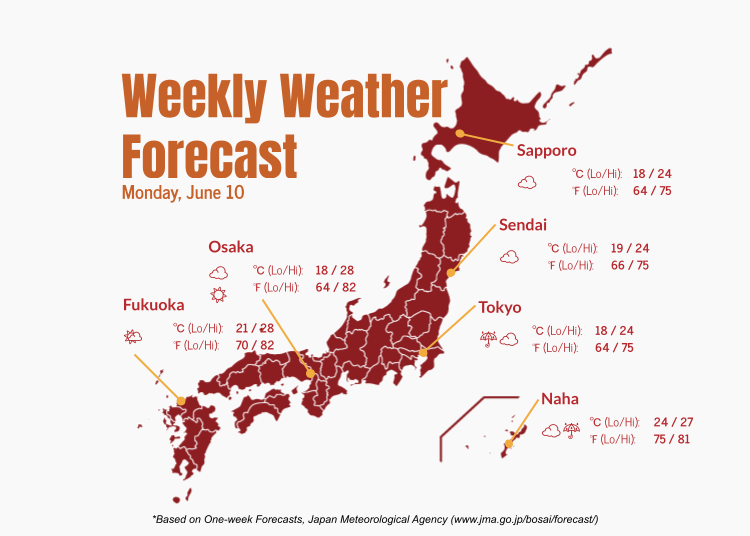
Tokyo
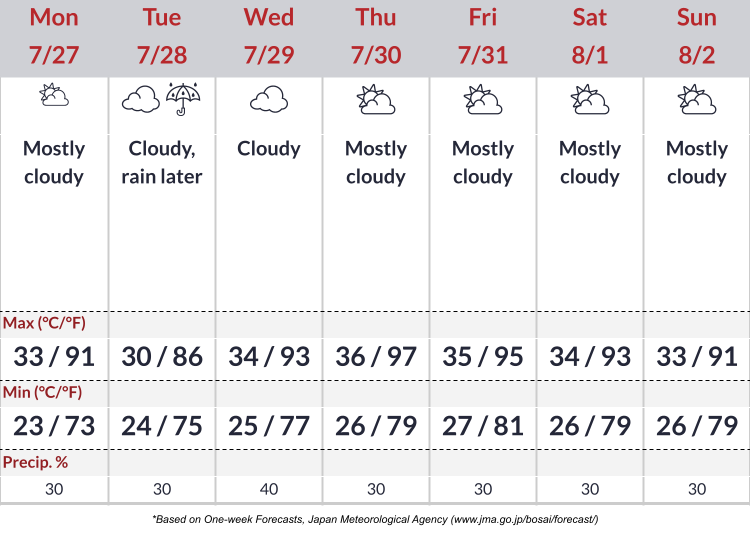
Tokyo is looking at a predominantly cloudy week ahead, but don't worry—you can look forward to regular intervals of partial sunshine to brighten your sightseeing! An early-week low-pressure system brings a brief period of rain, but the chance of precipitation drops and stabilizes at around 30% as the week progresses. You will definitely feel a steady climb in the heat. Daytime highs will start in the low 30s Celsius (86°F–90°F) and heat up to a scorching 36°C (97°F) later in the week. Nighttime lows will remain quite warm and humid, rising from 23°C (73°F) to 27°C (81°F).

Sapporo
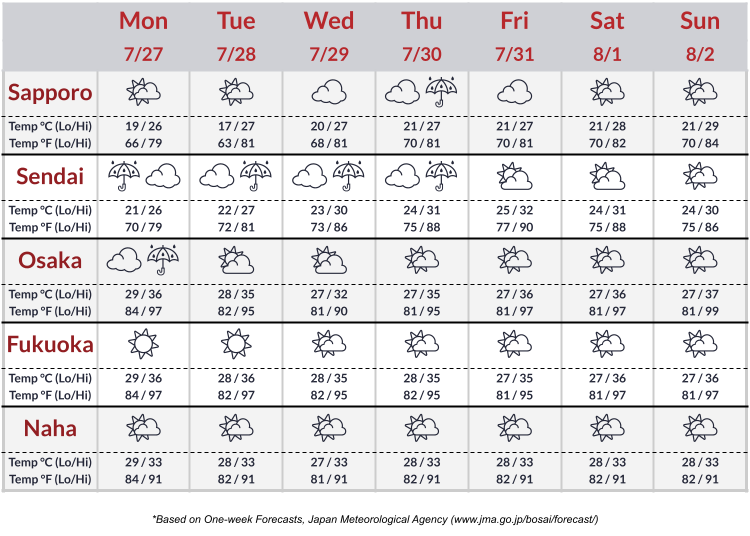
Sapporo starts the week beautifully with clear, sunny intervals before clouds roll in to bring a chance of light mid-week rain. Thankfully, conditions will steadily improve as sunshine returns just in time for the weekend. Temperatures will remain quite comfortable and consistent. Expect daytime highs to gradually warm from 26°C (79°F) to 29°C (84°F), while nighttime lows stay pleasantly cool, resting between 17°C (63°F) and 21°C (70°F).

Sendai
Sendai will start the week under damp, overcast skies with a high chance of rain, but hang in there! Conditions will gradually clear up, giving way to beautiful intervals of sun and clouds by the weekend. The heat will steadily climb throughout the week, with daytime highs rising from a comfortable 26°C (79°F) to a steamy 32°C (90°F). Nighttime lows will remain quite warm, hovering between 21°C (70°F) and 25°C (77°F).
Osaka
Osaka kicks off the week with a mix of clouds and a brief chance of rain, but it quickly transitions to beautifully bright, sun-kissed skies! While shower probabilities taper off significantly after mid-week, the heat is turning all the way up. Daytime temperatures will consistently soar into the mid-to-high 30s, peaking at a scorching 37°C (99°F) by the weekend. Evenings offer minimal relief, with nighttime lows hovering snugly between 27°C (81°F) and 29°C (84°F).

Fukuoka
Fukuoka is bathed in gorgeous summer sunshine this week! You’ll be greeted by completely clear skies that gradually give way to a few light, passing clouds as the days roll on. Rain is highly unlikely to interrupt your sightseeing. Expect consistently hot days with daytime highs hovering around a sizzling 35°C to 36°C (95°F–97°F). Evening temperatures offer only slight relief, dipping to a warm range of 27°C to 29°C (81°F–84°F).

Naha
Naha welcomes travelers with beautiful, sun-drenched skies! You can expect mostly sunny days with occasional passing clouds. High and low temperatures will remain steady and intensely warm throughout the period, with a very low likelihood of rain (around 20%).

Seasonal Tips & Current Vibe
- Tip 1: Prepare for Intense Heat and Humidity July brings the end of the rainy season and the start of true Japanese summer, with temperatures often climbing past 30°C (86°F) and high humidity. Pack lightweight, breathable clothing, a sun hat, and comfortable walking shoes. Be sure to drink plenty of water, carry a hand fan or portable fan, and take frequent breaks in air-conditioned spaces to beat the heat.
- Tip 2: Embrace the Summer Festival Season July is the ultimate month for traditional summer festivals (matsuri) and spectacular fireworks displays (hanabi). Don't miss major events like Kyoto's Gion Matsuri or Osaka's Tenjin Matsuri. It’s the perfect excuse to rent a yukata (light cotton kimono) and enjoy the lively atmosphere, traditional dances, and delicious street food stalls.
- Tip 3: Book Ahead for Peak Summer Travel With the official start of the Mt. Fuji climbing season and Japanese schools going on summer break late in the month, domestic travel significantly picks up in July. Be sure to reserve your accommodations, tours, and bullet train tickets well in advance, especially if you're heading to popular summer retreats like Furano in Hokkaido or the beaches of Okinawa.




- NHK World
Japan's official English-language broadcaster. During earthquakes, typhoons, and other emergencies, it provides reliable real-time updates, evacuation information, and more. - Safety tips App
Official emergency alert app of the Japan Tourism Agency, designed for international visitors. Available on iOS and Android, it provides earthquake, tsunami, and severe weather warnings in 15 languages, along with evacuation guidance, useful emergency phrases, and links to official disaster information to help you stay safe during emergencies. - LIVE JAPAN Emergency portal
Multilingual safety hub for visitors in Japan. It provides quick access to disaster information, embassy contacts, emergency guides, and official transportation updates, helping travelers stay informed and navigate disruptions safely.
Source for forecast and images: Japan Meteorological Agency website (www.jma.go.jp)
Plan Your Trip With LIVE JAPAN!
Whether you're planning to be in Japan this week or later this year, check out these fun things you can add to your itinerary!


The LIVE JAPAN editorial team is a multinational group made up of native editors who have lived in Japan for over five years and Japanese editors who love to travel. Together, we share the best of Japan, offering cultural insights, historical context, event updates, and travel-friendly deals, to support your journey every step of the way.
*Prices and options mentioned are subject to change.
*Unless stated otherwise, all prices include tax.
Popular Tours & Activities
Recommended places for you
-
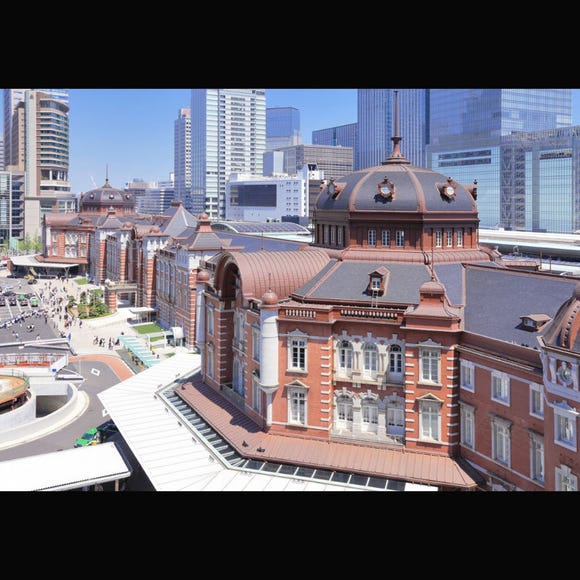
The Tokyo Station Marunouchi Building
Landmarks
Tokyo Station
-

Jukuseiniku-to Namamottsuarera Nikubaru Italian Nikutaria Sannomiya
Izakaya
Kobe, Sannomiya, Kitano
-
ISHIDAYA Hanare
Yakiniku
Kobe, Sannomiya, Kitano
-
Goods
Yoshida Gennojo-Roho Kyoto Buddhist Altars
Gift Shops
Nijo Castle, Kyoto Imperial Palace
-
Appealing
Rukku and Uohei
Izakaya
Sapporo / Chitose
-
Appealing
Shirogane Blue Pond (Aoiike)
Rivers, Lakes & Canyons
Furano / Biei / Sounkyo
-
Start Your Japan Trip Luggage-Free with SAGAWA’s New Narita Airport (NRT) Service
by: Guest Contributor
-
Stay Connected at the Summit! "Fujisan Wi-Fi" & Latest 5G SA for a Safe and Comfortable Climb
by: Guest Contributor
-
Top 10 Premium Hot Spring Resorts Near Tokyo: Luxury Ryokan & Ocean-View Stays from 30,000 Yen
-
Daikoku PA Car Meet: What Is JDM, and Why Do Enthusiasts Flock Here?
-

10 Best Nagoya Hotels & Apartment Hotels for Families: Near Legoland & Ghibli Park
by: Yotsuka Hizuki
-
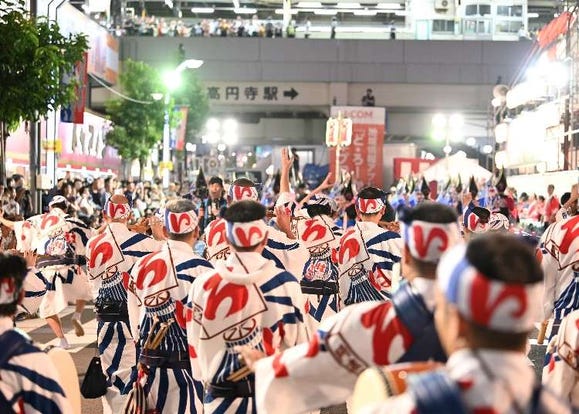
August Events in Kanto: Fun Festivals, Food, and Things to Do
-
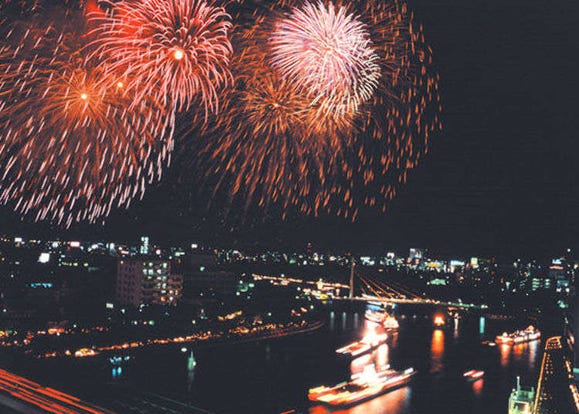
Osaka Tenjin Matsuri - The Top Japanese Festival That's a Spectacle of Fire and Water (July 24-25, 2024)
-
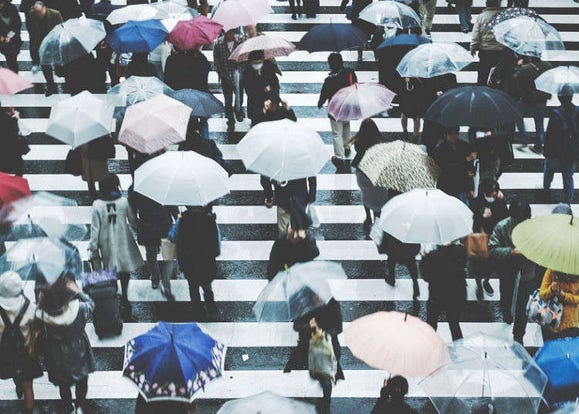
2026 Japan Summer Rainy Season & Weather Forecast for July–August
-
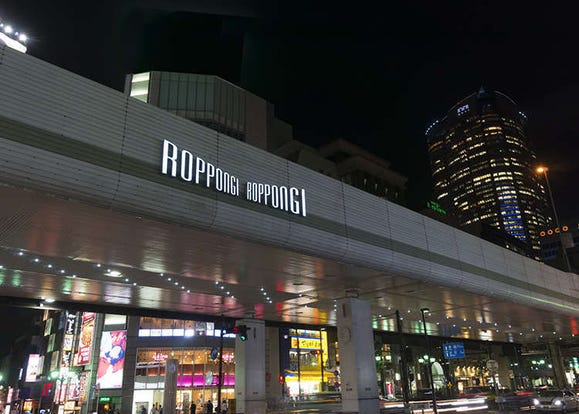
Tokyo Roppongi|Roppongi Station Area Map & Sightseeing Information
-

Rainy Day Hotspots: Japan's Top 10 Indoor Attractions This Rainy Season
-
Kiyomizu-dera Temple: Guide to Visiting Kyoto's Most Famous Sightseeing Spot
-

Beat the Heat in Hokkaido: Top 5 Summer Adventures from Sapporo
by: Nobuka Kawashima
- #best sushi japan
- #what to do in odaiba
- #what to bring to japan
- #new years in tokyo
- #best ramen japan
- #what to buy in ameyoko
- #japanese nail trends
- #things to do japan
- #onsen tattoo friendly tokyo
- #daiso
- #best coffee japan
- #best japanese soft drinks
- #best yakiniku japan
- #japanese fashion culture
- #japanese convenience store snacks