



Tokyo Travel for First-Timers: Essential Transportation Q&A Guide
- Written by: LIVE JAPAN Editor
Transportation is often one of the most challenging parts of traveling in Japan. From arriving from overseas to getting around between sightseeing spots, figuring out routes, tickets, and local rules can take up a lot of time for independent travelers.
To make things easier, we’ve put together answers to the most common transportation-related questions, helping you move around Tokyo with greater confidence and less stress.
- Table of Contents
-
- 1. What’s the Difference Between Suica and PASMO?
- 2. What Should You Do If You Still Have a Balance on Your Suica?
- 3. Where Can You Use Suica?
- 4. How to Ride Buses in Japan
- 5. Can You Move Around While the Bus Is in Motion?
- 6. Is It Okay to Talk on the Phone, Watch Videos with Sound, or Eat on Buses and Trains?
- 7. Renting a Bicycle in Japan
- 8. How to Take a Taxi in Japan
- 9. Do Shinkansen Trains Have Reserved and Non-Reserved Seats?
- 10. Where Can You Buy Shinkansen Tickets?
- 11. Can You Eat on the Shinkansen?
- 12. Are There Power Outlets on the Shinkansen?
- 13. When Flying to Tokyo, Is Haneda or Narita Better?
- 14. Which Airport Is Closer to Central Tokyo: Narita or Haneda?

1. What’s the Difference Between Suica and PASMO?

When traveling around Tokyo, most visitors use either Suica or PASMO. Suica is an IC card issued by JR East, while PASMO is issued by subway and private railway operators. The main difference is where you buy them. Suica is sold at JR East stations, while PASMO is available at Tokyo Metro, Toei Subway, and private railway stations. In simple terms, if you are at a JR station, buy Suica. If you are at a subway station, buy PASMO.
In terms of use, Suica and PASMO are fully interchangeable. Anywhere that accepts Suica will also accept PASMO, and vice versa. Both cards can be used on trains, subways, buses, and at most convenience stores and vending machines across Japan.
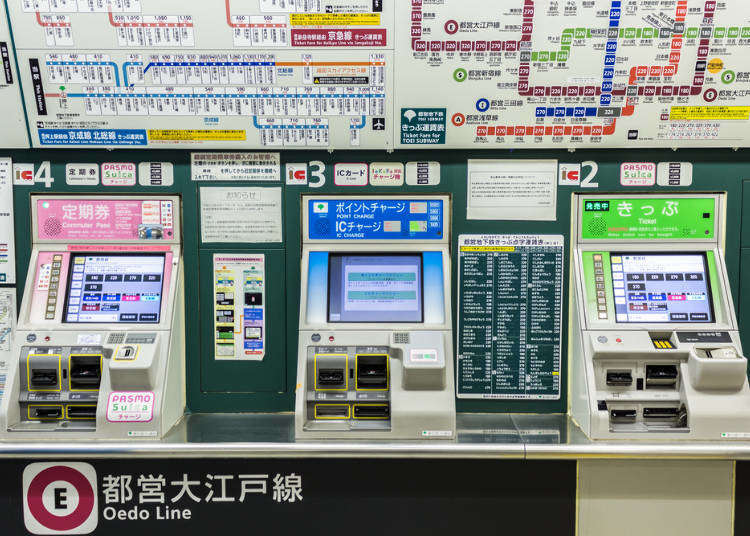
Buying a card is easy. For Suica, use a JR East ticket machine and select “Purchase Suica” on the screen. PASMO can be purchased at non-JR ticket machines. Both cards require a refundable deposit of 500 yen.
You can choose between a registered card and an unregistered card. A registered card requires basic information such as your name, date of birth, and phone number. The advantage is that if you lose the card, station staff can recover your data and reissue a new card with the remaining balance, although this process takes several business days and includes a reissue fee.
2. What Should You Do If You Still Have a Balance on Your Suica?
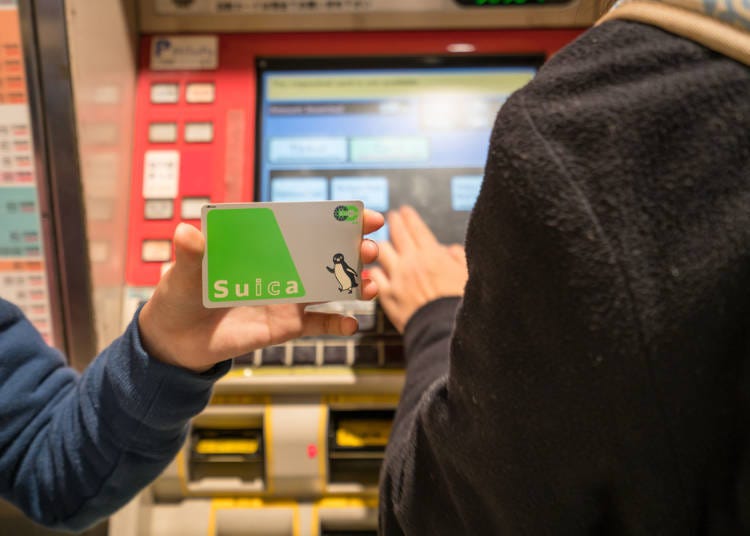
If you are returning home and still have money left on your Suica card, you can request a refund before leaving Japan. Because Suica is issued by JR East, refunds can only be processed at JR East stations. Once you leave the Tokyo area and nearby regions, refunds are no longer available, so be sure to take care of this before departing.
At JR stations, refunds are handled at the Midori no Madoguchi (green ticket office). Simply tell the staff “haraimodoshi ga shitai,” which means you would like a refund.
Refund amount:
The refunded amount is calculated as the remaining balance on the card minus a 220 yen handling fee, plus the 500 yen deposit. This means you will receive any unused balance and the full deposit when returning the card. If the remaining balance is less than 220 yen, no balance is refunded and only the 500 yen deposit is returned.
3. Where Can You Use Suica?
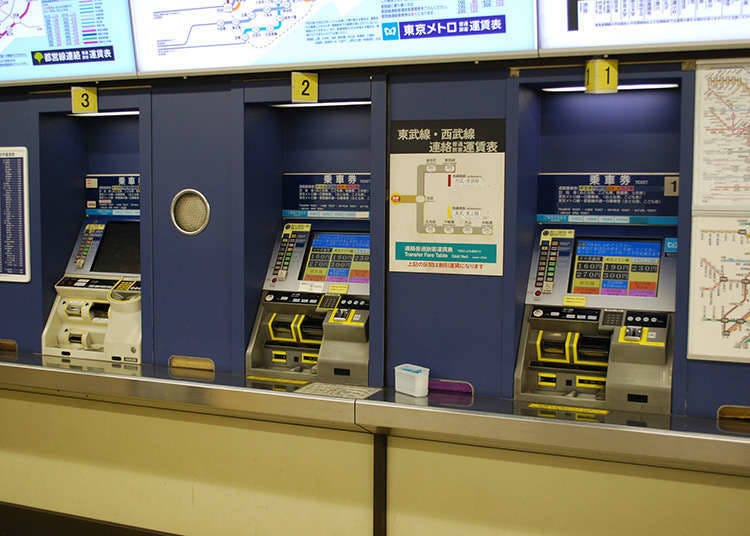
Suica can be used on JR East lines within the greater Tokyo area, as well as on subways, local buses, and the Tokyo Monorail connecting Haneda Airport with central Tokyo. Beyond Tokyo, Suica is also accepted in areas such as Sendai and Niigata, and across many parts of Hokkaido, the Tokai region, western Japan, and Kyushu. In practice, it works in most parts of Japan, with only a small number of local lines and services, including most Shinkansen, not covered.
Suica can also be used for everyday purchases. It is widely accepted at convenience stores, vending machines, some taxis, and coin-operated lockers.
In the Kansai region, the most commonly used IC card is ICOCA, issued by JR West. It works in much the same way as Suica, although there are a few limited areas where compatibility does not apply.
4. How to Ride Buses in Japan

For many international travelers, buses can feel confusing even after checking the route number and stop in advance. The first thing to note is where to board and exit, as this varies by route. Some buses are front boarding and rear exit, while others are the opposite. If you are unsure, simply watch how local passengers get on and off.
When boarding, take a numbered ticket if one is issued. This ticket indicates the fare you will pay. If you are using an IC card, tap it when you board and you do not need to take a ticket. The ticket number corresponds to the fare shown on the electronic display above the driver, so you can check how much to pay before getting off.
When your stop is approaching, press the stop button to signal the driver. At the front of the bus, pay the fare by inserting cash into the fare machine or tapping your IC card. Japanese bus fare machines are very user-friendly and can make change, recharge IC cards, and even break 1,000 yen bills into coins, so you do not need to worry about having exact change.
5. Can You Move Around While the Bus Is in Motion?
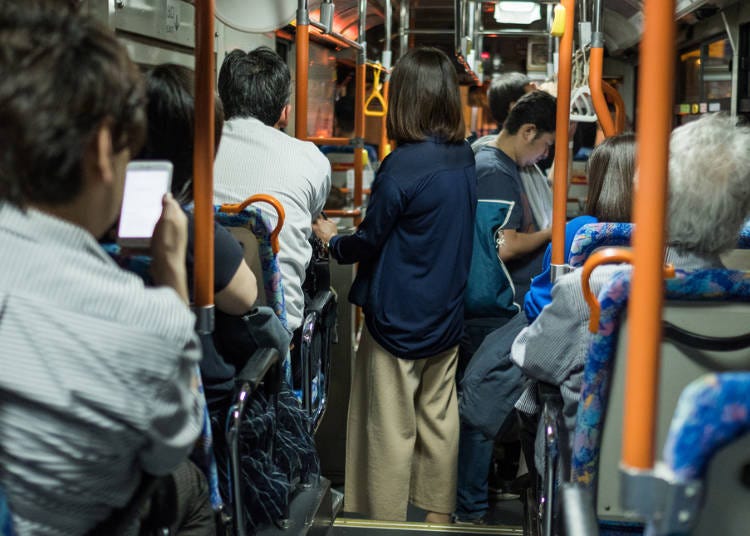
In Japan, passengers are expected to remain seated or standing in place while the bus is moving to ensure safety. Unlike in some countries where people walk toward the exit before the bus stops, this is not allowed on Japanese buses.
After pressing the stop button, passengers wait until the bus comes to a complete stop before standing up and heading to the exit. Drivers actively prioritize passenger safety and may ask you to sit down if you try to walk to the fare machine while the bus is still moving.
If you need to change money, wait until the bus has stopped, then walk to the fare machine to do so before getting off.
6. Is It Okay to Talk on the Phone, Watch Videos with Sound, or Eat on Buses and Trains?
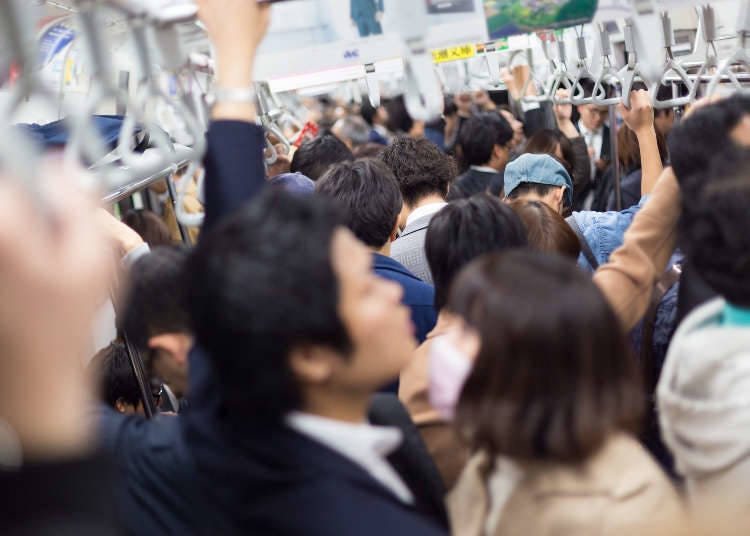
Public transportation in Japan is generally very quiet, and making phone calls on buses or trains is considered poor etiquette. This is why you will rarely see people talking on the phone onboard. If you use your smartphone or watch videos, it is expected that you wear headphones so you do not disturb others.
As for eating, there is no strict rule prohibiting food on trains, but it is uncommon to see people eating. When it does happen, it is usually limited to small snacks that have no strong smell and do not inconvenience others.
One more point to note is baggage etiquette. Trains can get very crowded, and large backpacks can easily get in the way without the wearer realizing it. For this reason, it is polite to carry your backpack in front of you rather than on your back, a practice that may feel unfamiliar to visitors but is widely observed in Japan.
7. Renting a Bicycle in Japan
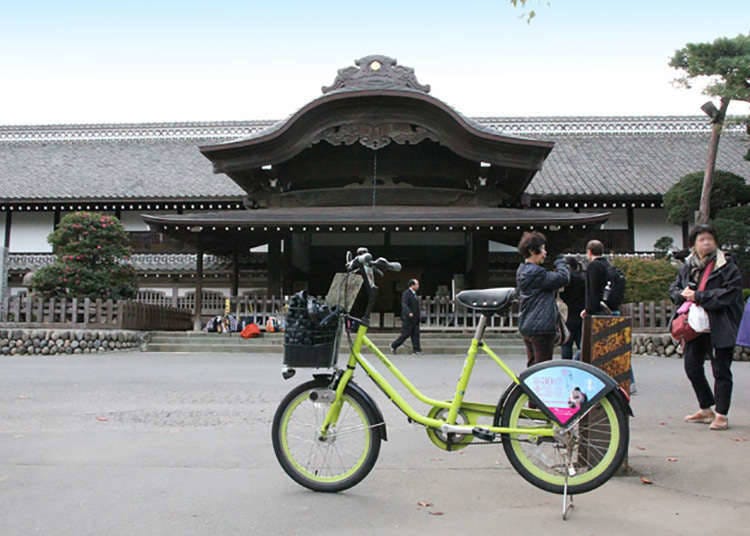
Cycling is another enjoyable way to explore Japan, especially in urban areas and sightseeing districts. Rental fees are usually charged by the hour or by the day, and bike types vary depending on the area and operator.
In Tokyo, bicycles can be rented in areas like Yurakucho, Taito Ward, Setagaya Ward, and even Yokohama in neighboring Kanagawa Prefecture. In cities with wider sightseeing areas, such as Kyoto, cycling is especially popular and offers a relaxed, flexible way to get around.
8. How to Take a Taxi in Japan
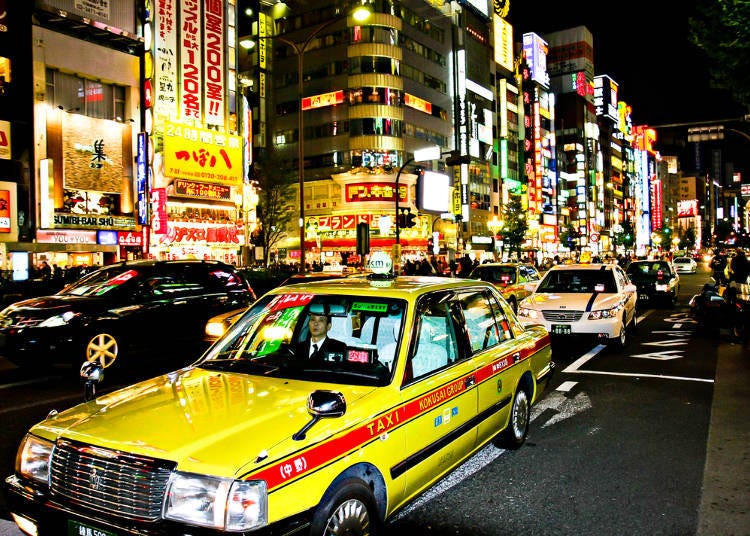
At major stations and tourist areas, you will usually find designated taxi stands marked 「タクシー・バス乗り場」, where taxis line up in order. If no taxis are waiting, you can also flag one down on the street.
Taxi status is shown on a sign inside the windshield:
・空車 (Available): Vacant and ready for passengers
・賃走: Currently carrying passengers
・支払: Passenger is paying
・回送: Out of service (driver heading to break, fuel, etc.)
・割増: Late-night surcharge applies, usually from 10 PM to 5 AM
Always board taxis in the order of the queue at taxi stands. Also note that rear doors open and close automatically. Do not touch the door, as the driver controls it.
In Tokyo’s 23 wards, the base fare is 500 yen for the first 1.096 km. After that, the meter increases by 100 yen every 255 meters.
9. Do Shinkansen Trains Have Reserved and Non-Reserved Seats?
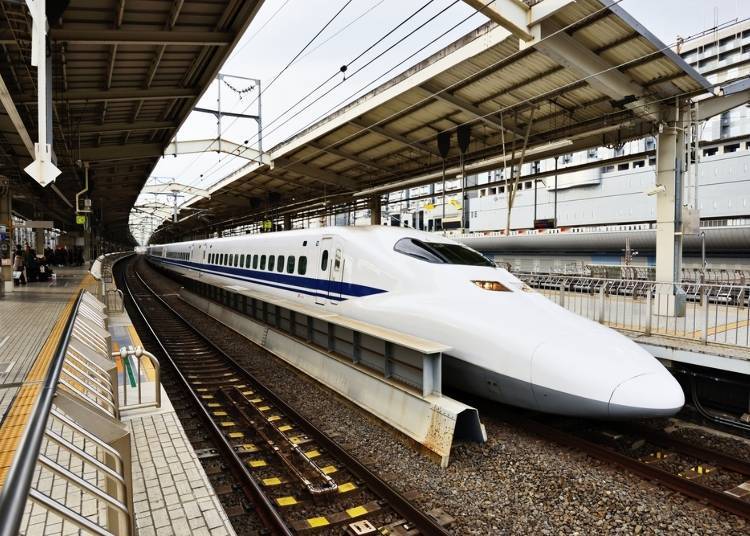
Most Shinkansen trains have several non-reserved cars, allowing passengers to board without a seat reservation. Some services, however, operate with reserved seats only, so it is best to check in advance.
Even if you have a JR Pass, you must still reserve seats for reserved-seat cars. If using non-reserved cars, arrive early at the platform to increase your chances of getting a seat.
Shinkansen cars are divided into ordinary cars and Green Cars (business class). Green Cars are equivalent to first class. JR Pass holders can use ordinary cars, and some passes allow free use of non-reserved seats on eligible services.
10. Where Can You Buy Shinkansen Tickets?
Online booking:
Reserved seats for Shinkansen and limited express trains can be booked online in advance, with payment by credit card or cash. You can also purchase Shinkansen tickets via Live Japan here.
At stations:
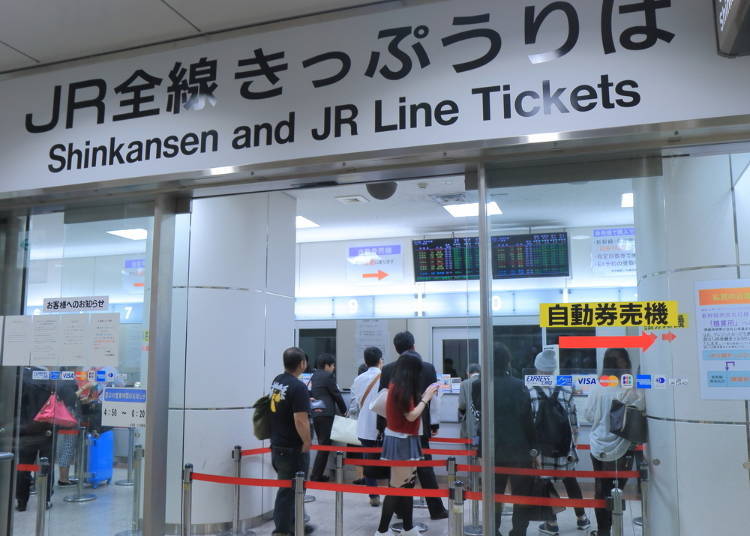
Tickets can be purchased at Midori no Madoguchi (green ticket offices) or ticket machines. At the counter, simply tell staff your departure station, time, and seat preference. Ticket machines support multiple languages, including Chinese and English.
Seat types:
・Green Car (business class)
・Reserved seat
・Non-reserved seat
11. Can You Eat on the Shinkansen?
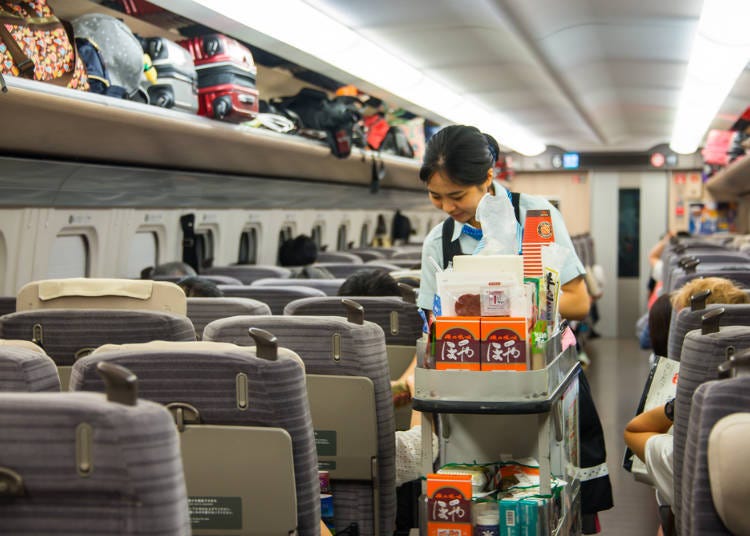
Yes, eating on the Shinkansen is perfectly acceptable. Many stations sell seasonal and region-specific ekiben (train bento boxes), some with unique designs. Enjoying an ekiben while traveling by Shinkansen is considered part of the experience.
12. Are There Power Outlets on the Shinkansen?
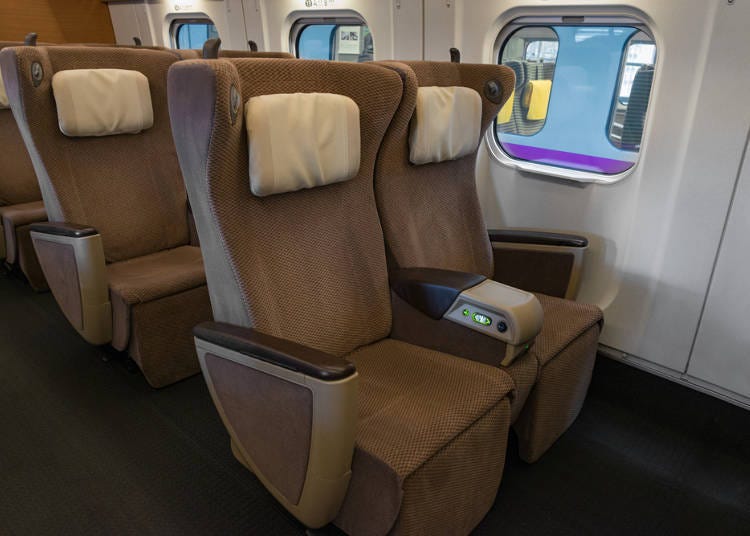
Most Shinkansen trains offer power outlets, usually located at window seats. Some newer trains also have outlets on the seatbacks. If you are not seated by the window and the adjacent seat is occupied, charging may be difficult, so plan accordingly.
13. When Flying to Tokyo, Is Haneda or Narita Better?
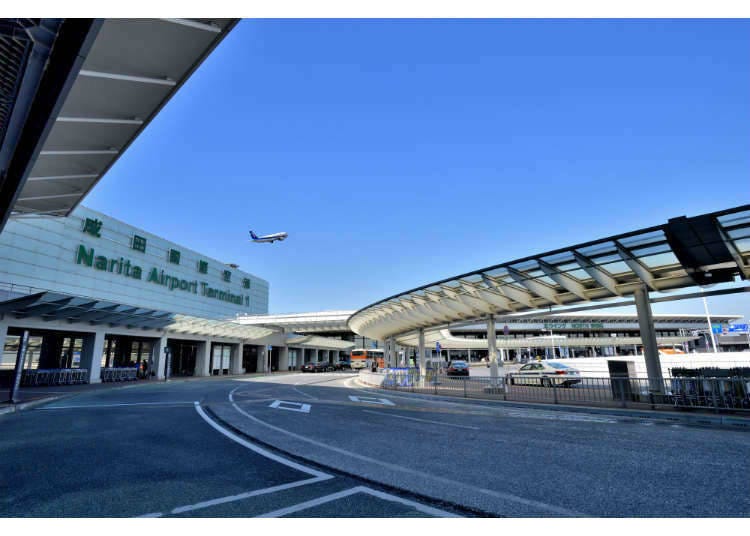
Haneda Airport is closer to central Tokyo, but flights to Narita are often cheaper. Travelers choosing low-cost carriers usually arrive at Narita, as many budget airlines do not operate from Haneda.
For convenience, several airlines, such as ANA and JAL, offer direct flights from major cities to Haneda.
14. Which Airport Is Closer to Central Tokyo: Narita or Haneda?
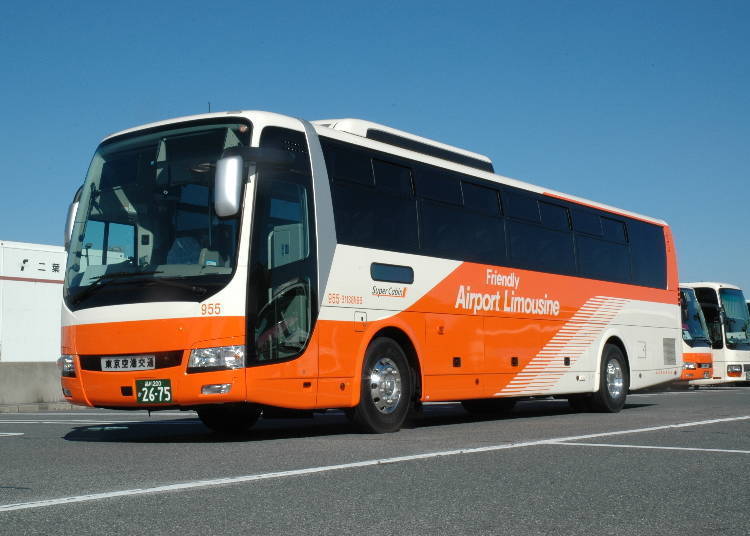
Haneda Airport is significantly closer to central Tokyo, allowing faster access to hotels and major districts.
Haneda Airport (HND)
・Limousine Bus: Around 1,300 yen, approx. 1 hour to Shinjuku
・Tokyo Monorail: 519 yen, approx. 33 minutes to Hamamatsucho
・Keikyu Line: 327 yen, approx. 13 minutes to Shinagawa
Narita Airport (NRT)
・Keisei Skyliner: 2,580 yen, about 1 hour to Ueno (reserved seating)
・Narita Express (N’EX): From 3,070 yen, direct to Tokyo, Shinagawa, Shibuya, Shinjuku, Ikebukuro, Yokohama, and Omiya (reserved seating)
・Airport buses: Various options available. For example, the Limousine Bus cost around 3,100 yen and takes about 1 hour to Tokyo Station.
Getting around Japan is extremely convenient, especially in Tokyo, where public transportation can take you almost anywhere. Planning how to travel between sights in advance will help your trip run more smoothly and save time. Even if you do get lost, don’t hesitate to ask nearby shop staff or station attendants. People in Japan are generally very helpful, and embracing the occasional unexpected moment is part of what makes travel enjoyable.
- Area
*Prices and options mentioned are subject to change.
*Unless stated otherwise, all prices include tax.
Popular Tours & Activitiess
Recommended places for you

-
Ad
Japan’s Land of Yokai Monsters and Spooky Stories! A Deep Journey to Mysterious San’in (Tottori & Shimane) for Seasoned Travelers
-
A New Tokyo Landmark Is Coming in 2026, and It's Built for Modern Travelers
by: Guest Contributor
-
Ad

The Whisper of a 1,300-Year-Old History: Meet the Other Face of Nara at Night
by: Shingo Teraoka
-
To the Holy Land of Kawaii! Odakyu Tama Center Station Is Becoming a Dreamy Sanrio Wonderland
by: Guest Contributor
-
PokéPark KANTO Is Finally Open! Tokyo's New Pokémon World Starts Before You Even Arrive (2026)
by: Guest Contributor
-
Ad
5 Recommended Wagyu Yakiniku Restaurants in Tokyo: Signature Dishes, Premium Beef, and Secret Sauces
-
(Video) Walking Tour along Narita Omotesando - Quaint Historical Village near Narita Airport!
by: Victor Gonzalez
-
Ad

Harajuku’s Latest Fashion: High Quality Carbon Fiber Goods at hide k 1896
-

Five gardens to get to know the wabi-sabi of Japan
-
Ad
Spend a Winter’s Night Amongst the Glittering Tokyo Lights TOKYO DOME CITY WINTER LIGHTS GARDEN
-
Sanja Matsuri: Inside Guide to One of Tokyo’s Most Famous Festivals
-
Tokyo Station Top 10 Sweets Ranking!
- #best ramen tokyo
- #what to buy in ameyoko
- #what to bring to japan
- #new years in tokyo
- #best izakaya shinjuku
- #things to do tokyo
- #japanese nail trends
- #what to do in odaiba
- #onsen tattoo friendly tokyo
- #daiso
- #best sushi ginza
- #japanese convenience store snacks
- #best yakiniku shibuya
- #japanese fashion culture
- #best japanese soft drinks