



JR Hokuriku Arch Pass: One Ticket for Tokyo, Kanazawa & Osaka! Is It Still Worth It After the Price Increase?
- Written by: James Davies
The Hokuriku region, made up of Niigata, Toyama, Ishikawa, and Fukui, is a treasure trove of dramatic Sea of Japan views, regional cuisine, and soothing hot springs. From Niigata’s fragrant rice and sake, to Toyama’s rich black ramen, Kanazawa’s exquisite gold leaf craftsmanship, and Fukui’s awe-inspiring dinosaur sites, each area offers something worth savoring. Covering all these destinations in one trip, however, can quickly drive up transportation costs.
To help you travel more efficiently and affordably, this guide breaks down the latest details on the JR Hokuriku Arch Pass. Discover how to connect Tokyo and the Kansai region via Hokuriku’s scenic hidden gems while keeping your budget in check.
(Main Image: PIXTA)
(This page contains affiliate links)
- Table of Contents
-
- Introduction: The “New Golden Route” Across East and West Japan
- Pass Basics: Latest Prices & How to Buy
- Route & Coverage: Seamless Travel from Narita to Kansai
- 2024–2026 Key Updates: Hokuriku Shinkansen Extension & Transfer Guide
- Seat Reservation Made Easy: Using Ticket Machines for Reserved Seats
- In-Depth Guide: How to Maximize the Value of This Pass
- Must-Visit Stops Along the Way: From Central Tokyo to the Ancient Capitals of Kansai
- JR Hokuriku Arch Pass: Purchase & Usage Information
Introduction: The “New Golden Route” Across East and West Japan
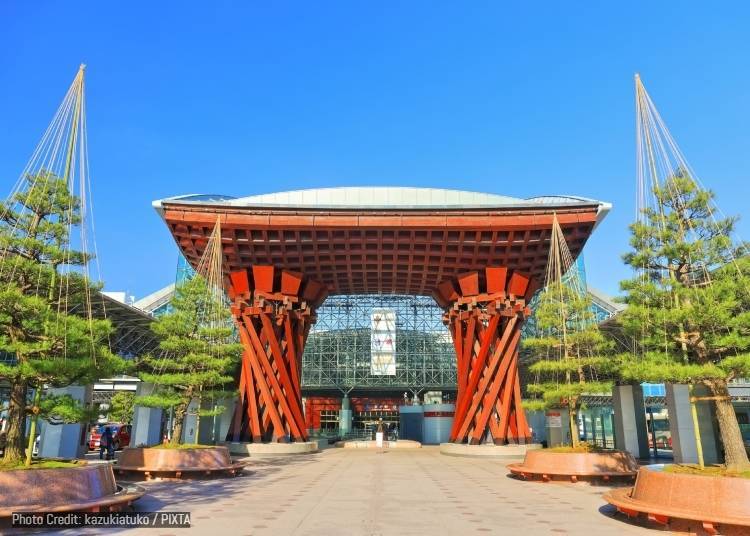
Want to travel between Japan’s two major hubs, Tokyo and Osaka, without rushing through the highlights? Designed exclusively for international visitors, the JR Hokuriku Arch Pass offers a smart alternative. With the Hokuriku Shinkansen extended to Tsuruga in 2024 and further digital upgrades to travel services in 2026, how you use this pass has evolved.
One of its biggest advantages is that it avoids the crowded and costly Tokaido Shinkansen, instead guiding you along the scenic Hokuriku route filled with nostalgic townscapes and dramatic natural views. From Kanazawa’s refined historic charm and Toyama’s mountain panoramas to Fukui’s dinosaur discoveries, this 7-day pass lets you move gracefully through the heart of Japan. Here’s a detailed look at the latest fares, transfer tips, and how to get the most value from your pass.
Pass Basics: Latest Prices & How to Buy
Before mapping out your itinerary, it’s important to understand the latest pricing and purchase rules for this pass. Created exclusively for international travelers, the JR Hokuriku Arch Pass is valid for 7 consecutive days, making it ideal for a one-week journey across eastern and western Japan. Pricing differs depending on where you buy it. When purchased in advance overseas through designated travel agencies, booking platforms, or JR’s official reservation site, the cost is 30,000 yen for adults and 15,000 yen for children ages 6 to 11.
If you wait until arriving in Japan and purchase at a JR ticket counter, the price increases to 31,000 yen for adults and 15,500 yen for children. While the 1,000 yen difference may seem minor, buying on site often means longer lines at airports and major stations. Booking online before departure not only saves money but also reduces waiting time.
The process is simple. After completing your online purchase, you’ll receive a QR code voucher. Once in Japan, present your passport and voucher at designated JR East or JR West ticket machines or ticket offices to exchange it for the physical pass. Many machines support multiple languages and passport scanning, making the redemption process smooth and efficient.
Route & Coverage: Seamless Travel from Narita to Kansai
The JR Hokuriku Arch Pass covers an impressively wide area. In addition to JR local trains throughout central Tokyo and the Kansai region, including Osaka, Kyoto, Kobe, and Nara, its true highlight is unlimited rides on the Hokuriku Shinkansen and key limited express trains linking Hokuriku with Kansai. For travelers looking to cross Japan from east to west, this route offers a balanced mix of urban energy and nostalgic townscapes framed by nature.
Route Map
Narita / Haneda Airport → Tokyo / Ueno → (Hokuriku Shinkansen) → Nagano → Toyama → Kanazawa → Tsuruga → (Limited Express Thunderbird) → Kyoto → Osaka → Kansai Airport
Beyond the main backbone route, the pass also includes many convenient regional lines. In the Kanto area, you can use the Narita Express N’EX to and from Narita Airport and the Tokyo Monorail to and from Haneda Airport. In Kansai, JR lines to Universal Studios Japan, the Yamatoji Line to Nara, and the Kobe Line are all covered. Select third-sector railways in Hokuriku are also included on specific sections, giving you greater flexibility when planning side trips.
One important point: the Tokaido Shinkansen between Tokyo and Shin-Osaka is not covered. To follow the Arch route, be sure to board the Hokuriku Shinkansen departing from Tokyo Station.
JR Hokuriku Arch Pass: Detailed Train & Line Coverage
With this pass, you can enjoy unlimited rides on the following railways and designated sections:
Hokuriku Shinkansen:
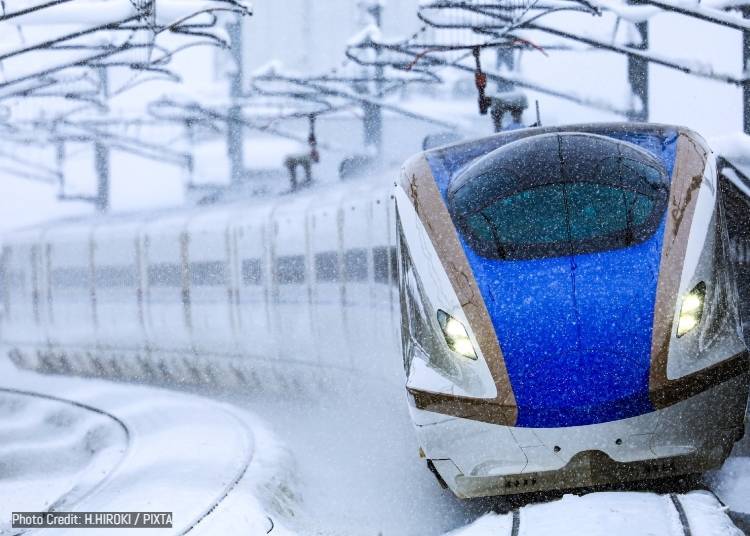
Between Tokyo Station and Tsuruga Station, including Kagayaki, Hakutaka, Asama, and Tsurugi services.
JR Limited Express & Local Lines:
Limited Express Thunderbird between Tsuruga and the Kansai region, as well as other JR lines in Kyoto, Osaka, Nara, and Kobe.
JR Lines within Tokyo:
All JR lines within central Tokyo, including the Yamanote Line and Chuo Line.
Airport Access:
・Narita Express N’EX between Narita Airport and central Tokyo.
・Tokyo Monorail between Haneda Airport and central Tokyo.
・Limited Express Haruka between Kansai Airport and Osaka, Kyoto, Nara, and Kobe, including ordinary reserved seats.
Hokuriku Third-Sector Railways:
・IR Ishikawa Railway: Kanazawa to Tsubata.
・Ainokaze Toyama Railway: Takaoka to Toyama (AINOKAZE LINER requires an additional fee).
・Noto Railway: Nanao to Wakura Onsen.
・HAPI-LINE FUKUI: Fukui to Echizen-Hanando.
Please note that the Tokaido Shinkansen between Tokyo, Kyoto, and Osaka is not included. Travel between eastern and western Japan must be via the Hokuriku route.
Smart Strategies: How to Maximize the JR Hokuriku Arch Pass

If you are planning to travel from Tokyo to Osaka or Kyoto, the JR Hokuriku Arch Pass is ideal for those who value depth over speed. Rather than taking the fastest route, this pass is designed for repeat visitors who want to add new discoveries to a classic itinerary. Traveling along the Sea of Japan side, you can connect Tokyo and Kansai while exploring distinctive regional cities along the way.
Hokuriku is especially appealing in winter. Known as one of Japan’s premier snow regions, it offers excellent powder conditions and easy access to ski resorts. The pass also provides convenient connections toward Nagano’s internationally known resorts, including areas around Hakuba, making it simple to combine historic towns with winter sports.
It is also highly practical for airport transfers and travelers with large luggage. Because it covers JR access to Narita Airport, Haneda Airport, and Kansai Airport, it is a cost-effective option for open-jaw itineraries, such as flying into Narita and departing from Kansai.
2024–2026 Key Updates: Hokuriku Shinkansen Extension & Transfer Guide
If you’re relying on an older guidebook, you might expect to take the Limited Express Thunderbird directly from Kanazawa to Kyoto or Osaka. However, since the Hokuriku Shinkansen was extended to Tsuruga Station in March 2024, the travel flow has changed significantly. Shinkansen trains from Tokyo now run as far as Tsuruga, while Limited Express services from Kansai also terminate there, making Tsuruga the new connection point.
Transfer Tips: Seamless Connections at Tsuruga Station
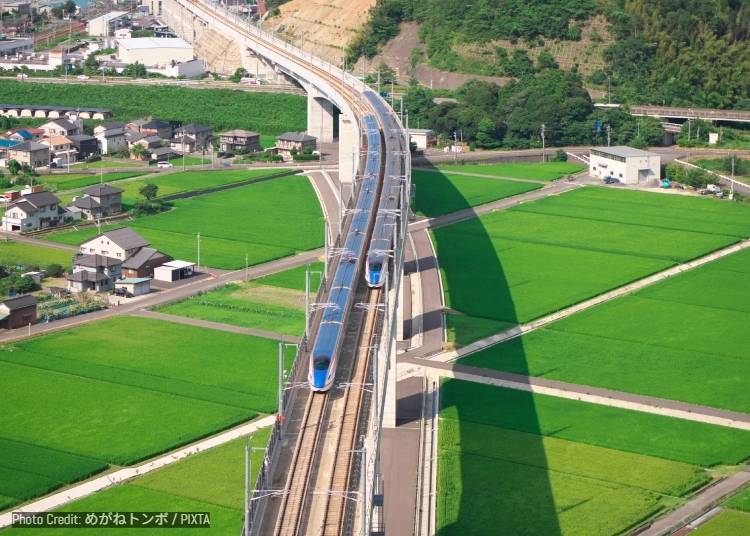
Tsuruga Station is now the key hub of this Arch route. After arriving on the Hokuriku Shinkansen, you’ll make a vertical transfer within the station:
Shinkansen platforms: 3rd floor
Limited Express platforms (Thunderbird): 1st floor
Although this involves changing floors, Tsuruga Station was designed specifically for smooth transfers. Escalators and elevators are conveniently placed, and transfer gates are located directly along the route. Connections typically allow 10 to 15 minutes, which is more than sufficient even for families traveling with large luggage. Simply follow the signs downstairs to continue your journey toward Kansai.
Helpful Tip: Reserve Both Segments at Once
When booking reserved seats at a ticket machine, it’s best to select both the Shinkansen and Limited Express segments at the same time. Your ticket or QR code will then cover both portions of the trip, allowing you to pass through the transfer gate at Tsuruga with a single scan. It saves time and ensures comfortable seating for the entire long-distance journey.
Seat Reservation Made Easy: Using Ticket Machines for Reserved Seats
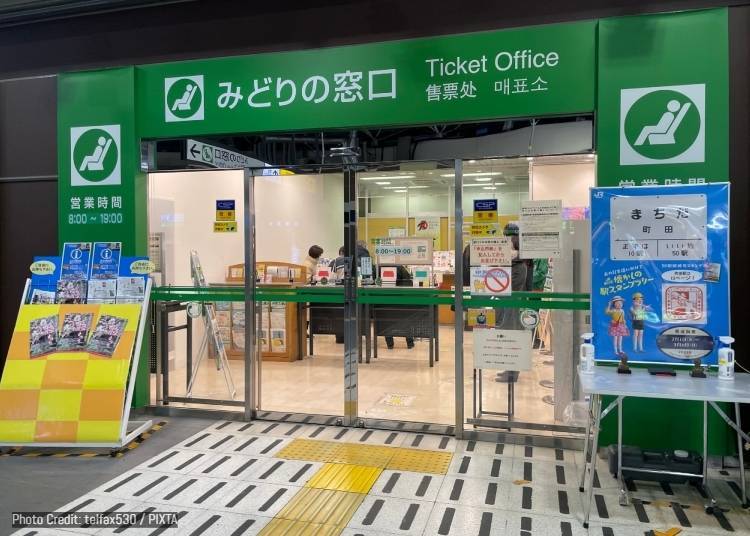
In the past, collecting your pass and reserving seats often meant waiting in long lines at the Midori no Madoguchi ticket counters. Today, you can simply use a green ticket machine equipped with a passport reader and complete everything in minutes.
How to Collect Your Pass & Reserve Seats
1. Select your language: Tap “English” or another preferred language in the top corner of the screen.
2. Collect your pass: Choose “Receive reserved ticket,” then select “EXCHANGE ORDER (E-TICKET).” Scan your QR code and place your IC-chip passport on the reader.
3. Reserve a seat: After receiving your physical pass, return to the main menu and select “Reserved Seat,” then choose the option for pass holders.
4. Scan and search: Insert or scan your pass, enter your passport number, and search for your desired train, such as Tokyo to Kanazawa or Tsuruga to Osaka.
5. Choose your seat: Select your preferred seat from the on-screen seat map. Once confirmed, the machine will issue your reserved seat ticket.
Digital Reservation Tips
Reserve multiple segments at once:
When traveling from Tokyo to Kansai, the system will usually suggest both the Shinkansen and Limited Express segments via Tsuruga. You can reserve both at the same time and receive two seat tickets in one process.
Unlimited free reservations:
One major advantage of this pass is unlimited reserved seat bookings within the covered area. During peak seasons such as cherry blossom or autumn foliage, it’s wise to reserve popular time slots at least a day in advance.
Entering the gates:
When passing through ticket gates, always insert your rail pass. The reserved seat ticket only confirms your seat assignment, while the pass itself is your official travel document.
In-Depth Guide: How to Maximize the Value of This Pass
The Double Advantage: Saving Money and Time
The JR Hokuriku Arch Pass can significantly reduce transportation costs, provided you make full use of it across multiple cities. In fact, the price of the pass is roughly equivalent to a round-trip Shinkansen ticket between Tokyo and Kanazawa. That means if your itinerary includes Tokyo and Kanazawa, most onward travel toward Kansai is effectively added value.
Beyond cost savings, the pass also saves time. With unlimited travel covered, you won’t need to purchase individual tickets at each station, allowing you to spend more of your trip enjoying scenery and regional cuisine instead of waiting in line.
Limitations You Should Know Before Buying
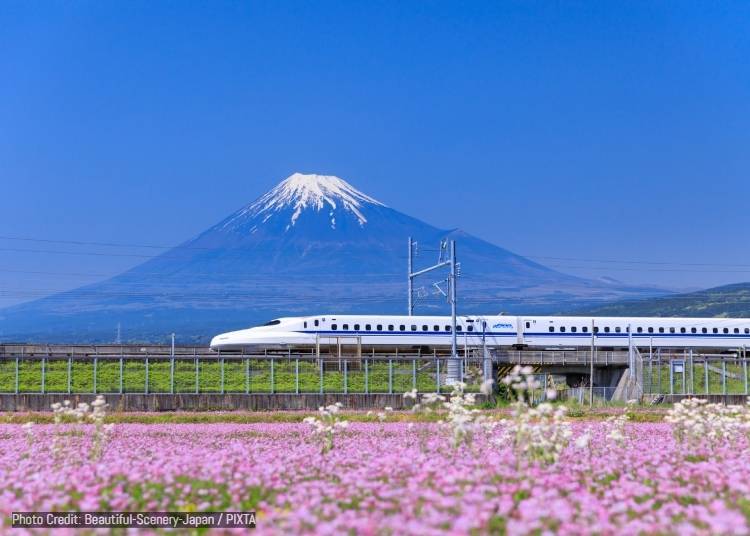
This pass is not all-inclusive, and understanding its limits helps avoid unnecessary expenses. It does not cover the Tokaido Shinkansen between Tokyo, Kyoto, and Osaka, which is the fastest direct route. Within Kansai, you must use JR conventional lines such as the JR Kyoto Line or JR Kobe Line rather than the Shinkansen.
Most importantly, if your goal is simply to travel quickly between Tokyo and Kansai without stopping, this pass may not be the most economical choice. To truly maximize its value, plan to visit at least two or three destinations in the Hokuriku region along the way.
Planning Tips: Time and Coverage
Because the pass is valid for 7 consecutive days, trying to cover Tokyo, Hokuriku, and Kansai all at once can feel rushed. The Arch route spans a wide area, so it’s best to prioritize the destinations that interest you most.
Keep in mind that some popular side trips fall outside the pass coverage. From Nagano, travel to Matsumoto, Nozawa Onsen, or the Jigokudani Snow Monkey Park requires additional fares. Likewise, destinations such as Takayama, Shirakawa-go, and the Tateyama Kurobe Alpine Route involve buses or private railways not included in the pass. Even so, the Arch Pass still helps offset expensive long-distance travel between major cities, leaving more room in your budget for regional excursions.
Must-Visit Stops Along the Way: From Central Tokyo to the Ancient Capitals of Kansai
This pass is more than just a transportation ticket. It’s a gateway to experiencing Japan’s many distinct faces. Here are some classic and trending highlights you can easily explore along the route.
Tokyo & Kanto: Where Trends Meet Timeless Landmarks
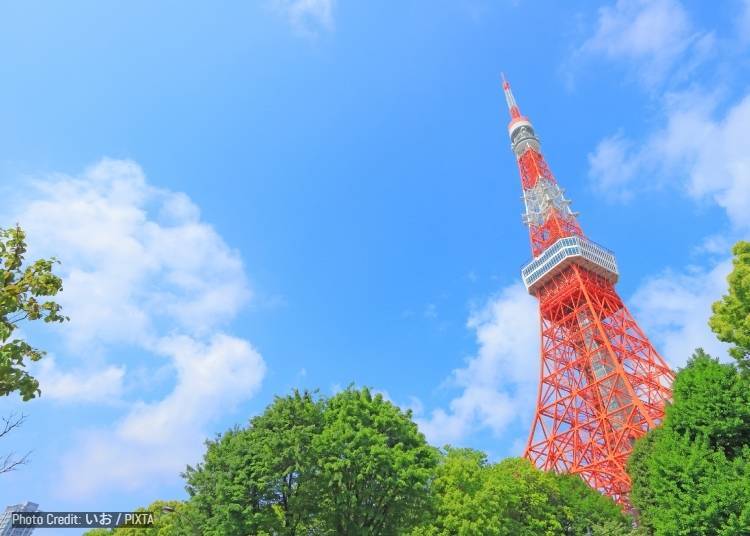
Tokyo Station (Marunouchi): More than a transit hub, this red-brick landmark blends historic architecture with modern shopping and dining at Tokyo Station Ichibangai below ground.
Asakusa Kaminarimon: One of the best places to experience old Edo atmosphere. After visiting Senso-ji Temple, take a stroll along the Sumida River promenade toward Tokyo Skytree.
Shinjuku Gyoen: A peaceful escape in the heart of the city, this spacious garden combines Japanese and French landscaping styles. It’s especially beautiful during cherry blossom season in spring and foliage season in autumn.
Karuizawa & Nagano: Resort Elegance and Snow Country Scenery
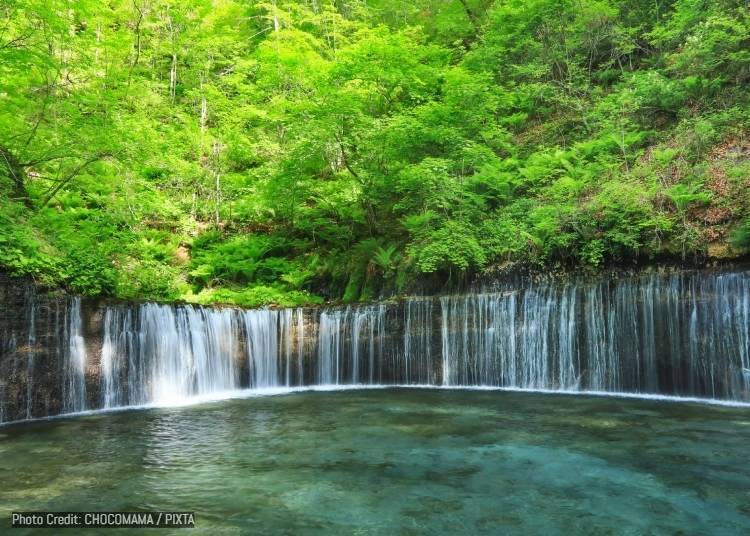
Karuizawa (Nagano): Just about one hour from Tokyo by Shinkansen, this stylish mountain resort is known for cool summer weather and relaxed shopping. Browse at Karuizawa Prince Shopping Plaza, rent a bicycle around Kumoba Pond, or visit the forest chapel for a refined getaway atmosphere.
Zenko-ji Temple (Nagano): A revered temple with over 1,000 years of history. The nostalgic shopping street leading up to the main hall is perfect for a slow stroll and local snacks.
Echigo-Yuzawa Onsen (Niigata): A popular winter ski destination, and home to a sake tasting museum inside the station where you can sample more than 100 regional varieties.
Toyama & Ishikawa: Art and Nature Along the Sea of Japan
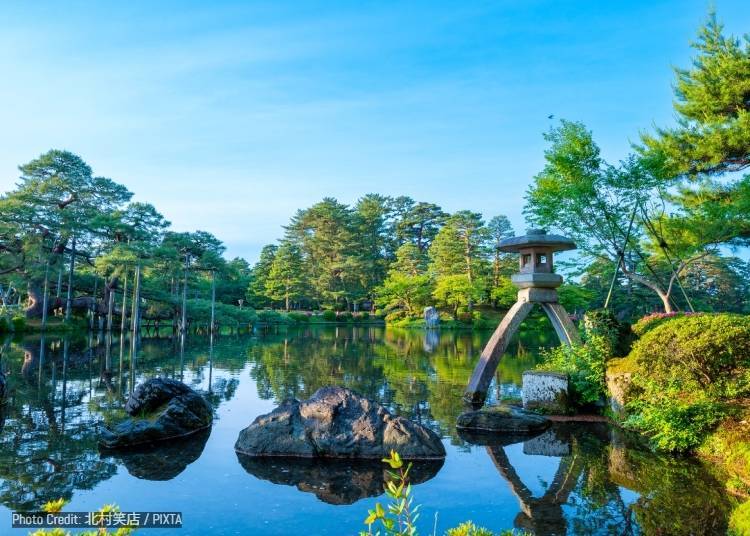
Toyama Kansui Park: Home to what is often called one of the world’s most beautiful Starbucks, this waterfront park is the perfect place to relax by the canal and take in Hokuriku’s serene atmosphere.
Kenrokuen Garden (Kanazawa): Recognized as one of Japan’s Three Great Gardens, this masterpiece of landscape design is worth visiting in any season, from cherry blossoms to snow-covered pines.
Higashi Chaya District (Kanazawa): Stroll through preserved wooden teahouse streets and experience a refined old-town ambiance beyond Kyoto. Don’t miss trying gold leaf soft-serve ice cream.
21st Century Museum of Contemporary Art, Kanazawa: Famous for its immersive installations such as the “Swimming Pool,” this museum is a must for modern art fans and photography lovers.
Fukui: Japan’s Dinosaur Capital

Fukui Prefectural Dinosaur Museum: One of the world’s leading dinosaur research museums, known for its striking dome-shaped exterior and impressive fossil displays. It’s just as fascinating for adults as it is for children.
Ichijodani Asakura Clan Ruins: A remarkably preserved Sengoku-period castle town site where you can step back in time and imagine life in Japan 500 years ago.
Kansai: The Grand Finale of Culture and Cuisine
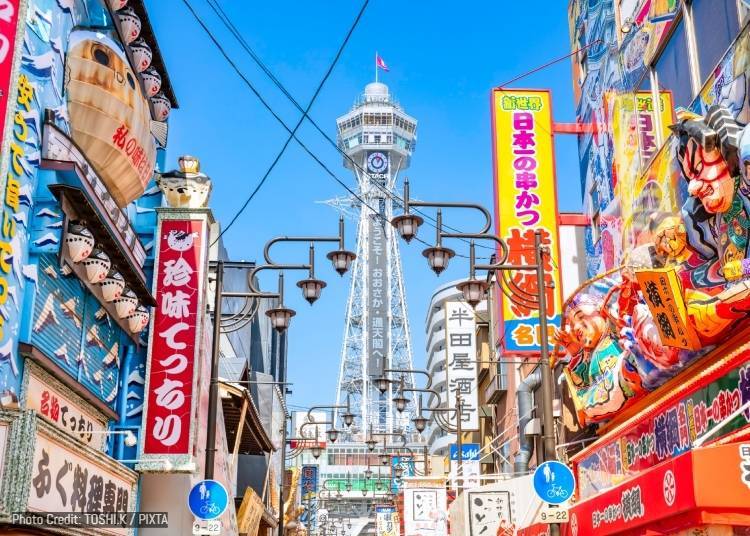
Kiyomizu-dera (Kyoto): Standing on the famous wooden stage and overlooking the city is one of the most iconic views in Japan.
Umeda Sky Building (Osaka): After taking in panoramic night views from the Floating Garden Observatory, you can easily continue by JR to Namba or even Kobe using your pass.
Nara Park: Travel by JR to Nara to meet the city’s friendly deer and visit the awe-inspiring Great Buddha at Todai-ji Temple.
JR Hokuriku Arch Pass: Purchase & Usage Information
Eligibility
Available only to overseas visitors entering Japan under “Temporary Visitor” status for tourism purposes. You must present your original passport with the appropriate entry stamp at the time of exchange. Residents of Japan with long-term visas are not eligible.
Validity Period
The pass is available year-round. It is valid for 7 consecutive days starting from the activation date and cannot be used on non-consecutive days.
How to Redeem
1. Online booking: After purchase, you will receive an exchange order by email in the form of an e-ticket or QR code.
2. Physical exchange: Upon arrival in Japan, present your exchange order and passport to receive the physical pass.
3. Exchange locations: Major JR stations such as Tokyo, Ueno, Shinjuku, Kanazawa, Kyoto, Osaka, and airports including Kansai, Narita, and Haneda. You can use either JR ticket offices (Midori no Madoguchi) or ticket machines equipped with passport readers.
How to Use
・Entering and exiting stations: Insert the physical pass into the automatic ticket gate after collection.
・Proof of travel: Always carry your rail pass when onboard or passing through gates. Reserved seat tickets are for seat assignment only and are not valid as standalone travel documents.
- The JR Hokuriku Arch Pass cannot be used on any Shinkansen other than the Hokuriku Shinkansen.
This means it does not cover Shinkansen services within the Kansai region, including those connecting Kyoto, Osaka, and Kobe. Travel between these cities must be done on local JR lines such as the JR Kyoto Line or JR Kobe Line.
It also does not cover the Tokaido Shinkansen, the fastest direct route between Tokyo and Osaka. - If used improperly, this pass can turn into an expensive choice.
If you are only traveling between Tokyo and Kansai without stopping, the JR Hokuriku Arch Pass is unlikely to be the most cost-effective option.
To maximize its value, plan to stop at and explore at least two or three destinations between Tokyo and Kansai. Compared with buying separate one-way tickets, the pass can then significantly reduce your overall transportation costs. - Seven consecutive days may feel too tight to cover everything.
Travelers hoping to see both Tokyo and multiple Kansai destinations in one trip may find that 7 days is not enough to fully explore the wide area covered by the pass.
Careful advance planning is essential to create a well-paced 7-day journey across Hokuriku from Tokyo to Kansai. - The pass does not include many popular side trips between Tokyo and Hokuriku.
For example, from Nagano City, additional fares are required to reach Matsumoto, Nozawa Onsen, or the famous Jigokudani Snow Monkey Park.
Other well-known destinations such as Takayama, Shirakawa-go, and the scenic Tateyama Kurobe Alpine Route are convenient from Toyama or Kanazawa, but are not fully covered by the pass.
If you plan to visit these places, additional transportation fees will apply.
Even so, the JR Hokuriku Arch Pass can still reduce the overall cost of long-distance travel between major regions.
The JR Hokuriku Arch Pass is designed for travelers who want more than a quick dash between Tokyo and Kansai. If you’re looking to weave nature, history, and regional culture into your journey between Japan’s two major hubs, the flexibility and value this pass offers can make your trip far more rewarding.
While it comes with a 7-day limit and specific route rules, thoughtful planning of your stopovers can turn this Golden Arch route into one of the most memorable highlights of your time in Japan.


Originally from Cardiff in the UK, James has been working as a freelance writer since moving to Japan in 2020. Having first visited Japan in 2013, James has been to each of the country’s 47 prefectures. A lover of sushi, sumo and sake, when not writing, he is either exploring Tokyo or planning a trip to a new corner of Japan.
*Prices and options mentioned are subject to change.
*Unless stated otherwise, all prices include tax.
Popular Tours & Activitiess
Recommended places for you
-

Kanzenkoshitsuyakinikutabehodai Gyugyu Paradise Sannomiya
Yakiniku
Kobe, Sannomiya, Kitano
-
Goods
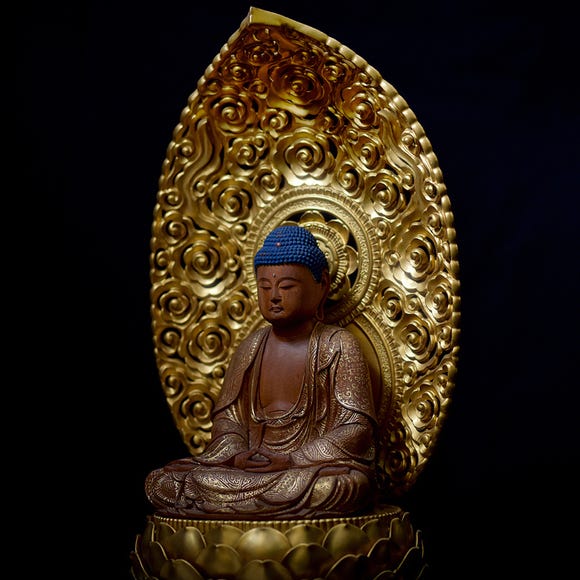
Yoshida Gennojo-Roho Kyoto Buddhist Altars
Gift Shops
Nijo Castle, Kyoto Imperial Palace
-
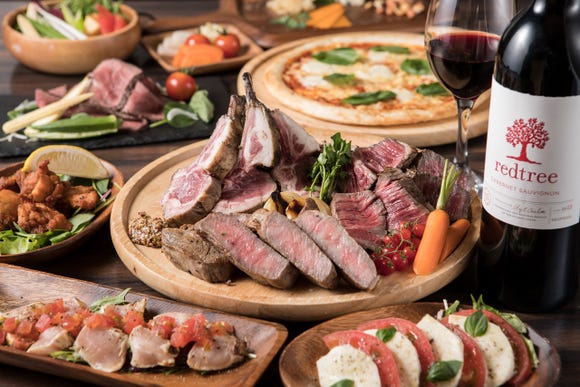
Jukuseiniku-to Namamottsuarera Nikubaru Italian Nikutaria Sannomiya
Izakaya
Kobe, Sannomiya, Kitano
-
ISHIDAYA Hanare
Yakiniku
Kobe, Sannomiya, Kitano
-
Kambei Sannomiyahonten
Yakiniku
Kobe, Sannomiya, Kitano
-
Sunflower terminal (Osaka) Terminal 1
Other Sightseeing
USJ, Nanko Port
-
Ad
Japan’s Land of Yokai Monsters and Spooky Stories! A Deep Journey to Mysterious San’in (Tottori & Shimane) for Seasoned Travelers
-
PokéPark KANTO Is Finally Open! Tokyo's New Pokémon World Starts Before You Even Arrive (2026)
by: Guest Contributor
-
At This Zen Hideaway in Shinjuku,Master the Way of Tea with English Guidance,Matcha,and Wagashi This April
by: Guest Contributor
-
Ad
What Makes Japanese Yakiniku So Darn Good? Guide to Cuts, Heat, and Wagyu Know-How
-

To the Holy Land of Kawaii! Odakyu Tama Center Station Is Becoming a Dreamy Sanrio Wonderland
by: Guest Contributor
-
Where to Buy a Japanese Kitchen Knife? Why Travelers Choose MUSASHI JAPAN's 14 Stores in Tokyo, Kyoto, and Nara
by: Guest Contributor
-
Discovering Osaka's Loop Line: 6 Spectacular Sightseeing Spots for Tourists
by: WESTPLAN
-

Osaka-Kansai Expo 2025: 7 Must-See Exhibits at the Future of Life Pavilion
by: WESTPLAN
-
8 Unfamiliar (But Totally Normal) Customs in Japan!
-
5 Must-Visit Nara Temples and Shrines: Discover the Timeless Beauty of Japan's Ancient Capital
by: WESTPLAN
-
Osaka Travel Service Center: So Many Incredibly Convenient Services - in English!
by: WESTPLAN
-
Osaka City Guide: Destinations, Activities, Travel Advice, Shopping & More
by: WESTPLAN
- #best gourmet Osaka
- #things to do Osaka
- #what to do in kyoto
- #what to bring to japan
- #best gourmet Kyoto
- #new years in Osaka
- #what to buy in nanba
- #Visiting Osaka
- #onsen tattoo friendly arima
- #daiso
- #Visiting Kyoto
- #best japanese soft drinks
- #japanese fashion culture
- #japanese convenience store snacks
- #japanese nail trends