





Tucked away in Gifu Prefecture, Shirakawa-go is a fairytale-like village where time stands still—charming travelers with its historic, thatched-roof houses.
(Main image: PIXTA)
- Table of Contents
Designated an Important Preservation District in 1976 and a UNESCO World Heritage Site in 1995 alongside nearby Gokayama, Shirakawa-go offers a rare glimpse into traditional Japan. Today, travelers from across the globe come to explore its preserved architecture and scenic beauty. Here is your guide to Shirakawa-go's top highlights and how to get there.
What is Shirakawa-go famous for?
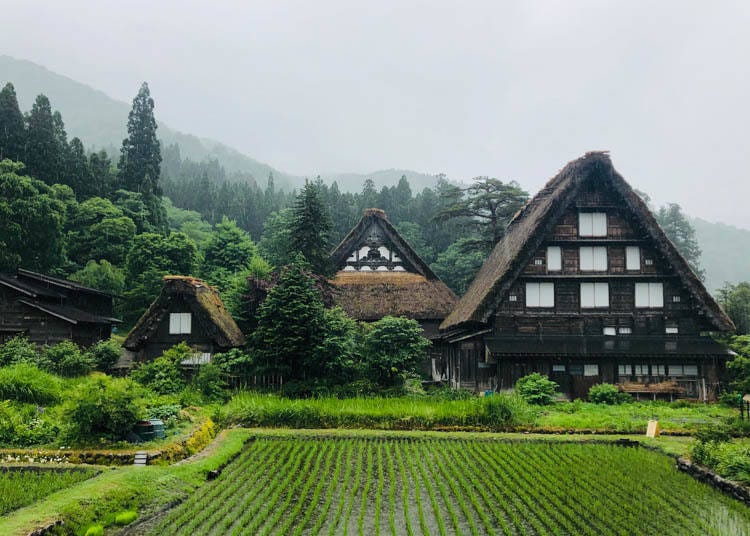
Shirakawa-go is famous for its iconic gassho-zukuri (steeply thatched) houses. Meaning "built like hands in prayer," these wooden structures were engineered to withstand heavy winter snowfall without nails.
Their steep, layered-grass roofs retain heat during cold mountain nights, shed heavy snow easily, and resist high winds. To maintain these historic structures, villagers unite every 30 years to rethatch each roof—a tradition of mutual support passed down for generations.
How to get to Shirakawa-Go
Getting to Shirakawa-Go from Nagoya
Direct highway buses run from Nagoya’s Meitetsu Bus Center straight to Shirakawa-go. The trip takes about 2 hours 40 minutes and costs 3,600 to 4,700 yen one way. Alternatively, driving takes a similar amount of time via the Tokai-Hokuriku Expressway.
Getting to Shirakawa-go from Tokyo
There are no direct routes from Tokyo. The most popular options combine the Shinkansen with an express bus:
・Via Kanazawa (~4 hours total): Take the Hokuriku Shinkansen to Kanazawa (2.5 hrs), then catch a direct highway bus to Shirakawa-go (1.15 hrs). Tip: Break up the journey to visit Kenrokuen Garden or Omicho Market.
・Via Nagoya & Takayama (~4.5 hours total): Take the Shinkansen to Nagoya (1.5 hrs), transfer to the "Wide View Hida" train to Takayama (2.3 hrs), and take a 50-minute bus to the village.
Traveler Tip: Highway buses fill up quickly during peak holiday periods (Golden Week, Obon, and New Year). Book bus tickets in advance or plan mid-week visits to avoid crowds.
Shirakawa-go Winter Light-Up 2027
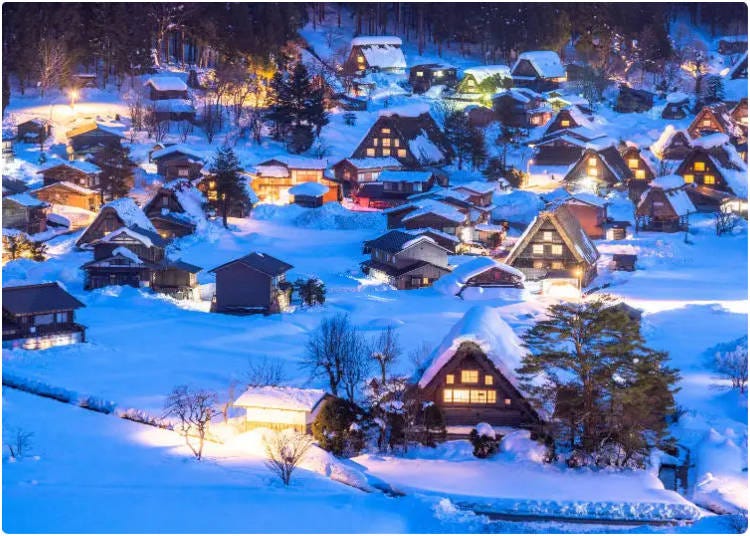
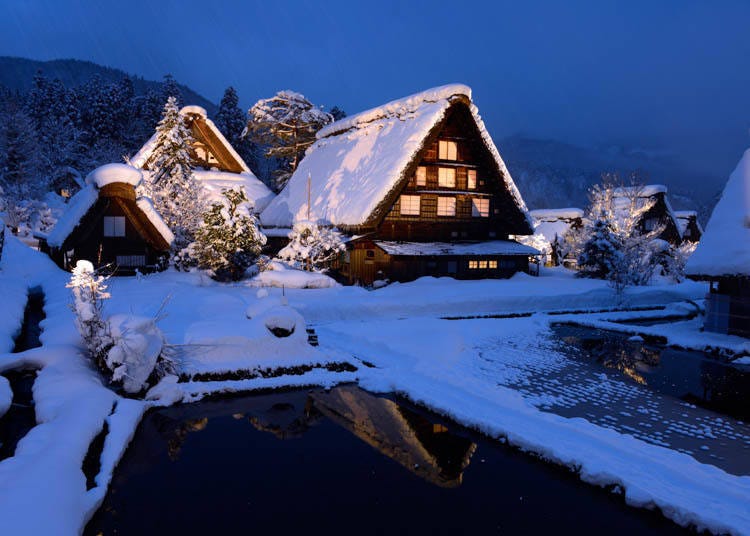
The annual Shirakawa-go Winter Light-Up (scheduled for Jan 11, 17, 24, and 31, 2027) transforms the snow-covered village into a glowing winter wonderland.
- Strictly Reservation-Only: No same-day tickets or walk-ins are allowed. Visitors without event badges must leave by 3:30 PM.
- Ticket Types: Entry pass categories include overnight village stays, designated bus tours, taxi permits, and personal car parking passes.
- Photography Limits: Drones are strictly banned throughout the village, and tripods are prohibited at the observation deck.
Shirakawa-go Winter Light-Up 2027 Ticket Categories
To be part of the Shirakawa-go Lighting Event for 2027, it's crucial to book ahead and secure an entrance ticket. Attendees are provided with an ID badge, distinguished by color based on the event date, which must be prominently displayed around the neck during the event. Keep in mind, these badges are date-specific, aligning with your reserved day.
Five ticket categories exist, and post-booking, tickets will be handed out on the day of the event at various distribution points:
- Overnight stay in the village (with observation deck access)
- Parking reservations for personal vehicles (excluding observation deck access)
- Parking reservations for taxis (excluding observation deck access)
- Participation in the designated bus tours (observation deck access subject to circumstances)
- Enrolling in bus tours via different travel agencies (excluding observation deck access)
- For details, see the official website here.
Enjoy a stroll around Ogimachi Gassho-Zukuri Village
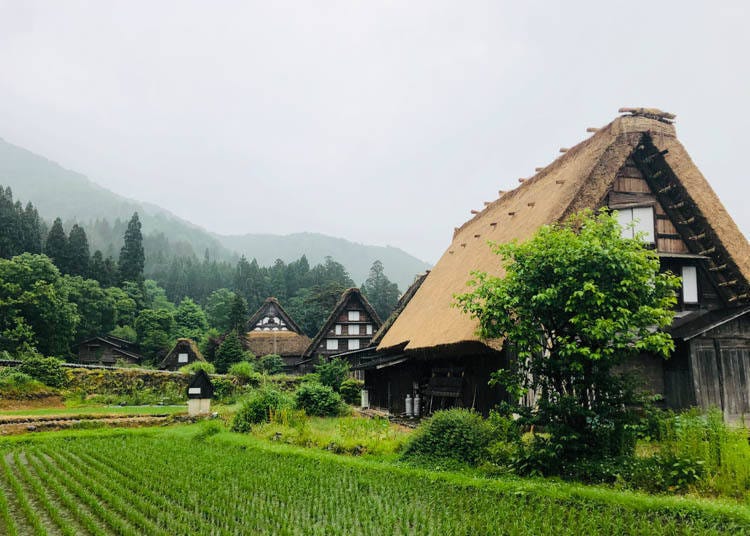
Shirakawa-go's appealing and picturesque views can be said to be consolidated in the main village of the area, the Ogimachi Gassho-Zukuri Village.
That being said, the village is a rather small one in terms of size, as you could probably walk around the entire place in about an hour. There are 60 gassho-zukuri houses (main buildings) here, alongside rows of cafes, eateries, and souvenir shops.
The Shirakawa-Go Ogimachi Village Natural Environment Preservation Association was established in 1971 to uphold three simple principles of the residents' charter: Gassho-zukuri houses were not to be sold, rented out, or destroyed.
The association has promoted preservation activities to that end. That is why many of the gassho-zukuri houses are still inhabited by local residents who live normal lives. The homely atmosphere this creates in the village can be said to be one of its biggest attractions too!
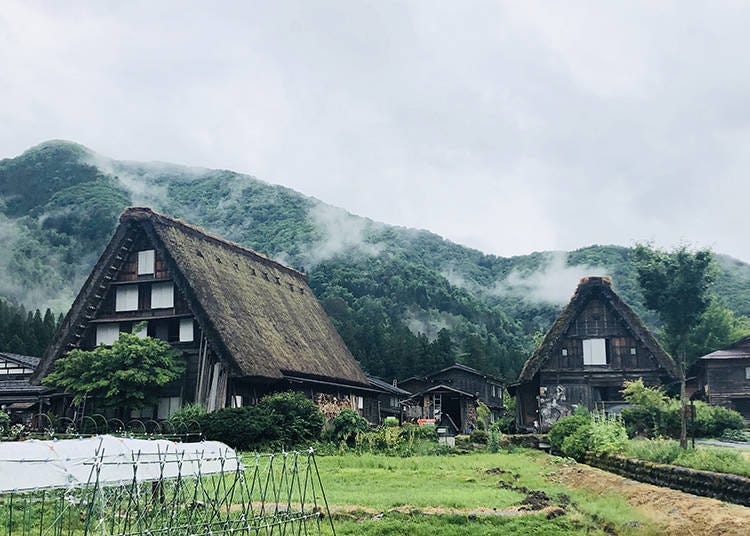
Wada House: Shirakawa-Go's largest Gassho-Zukuri building
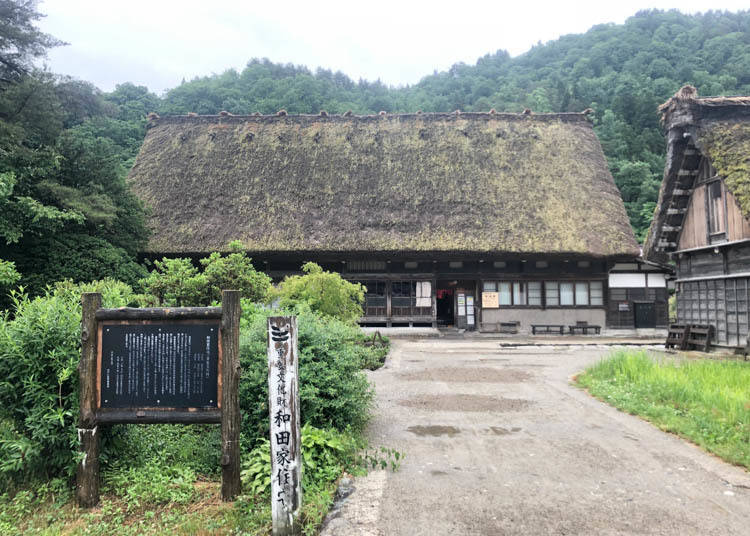
In the northern part of the Ogimachi village is Wada House, a gassho-zukuri building that's listed as one of Japan's important cultural properties.
This impressive structure - an architectural remnant from the early Edo era (1603 to 1868) - is also the largest gassho-zukuri house in Shirakawa-go. Besides the main building, the compound is also home to separated latrines and storehouses with windbreak elements such as mud walls and dry-stone walls. Clearly, the house was initially built for someone of high status in the village.
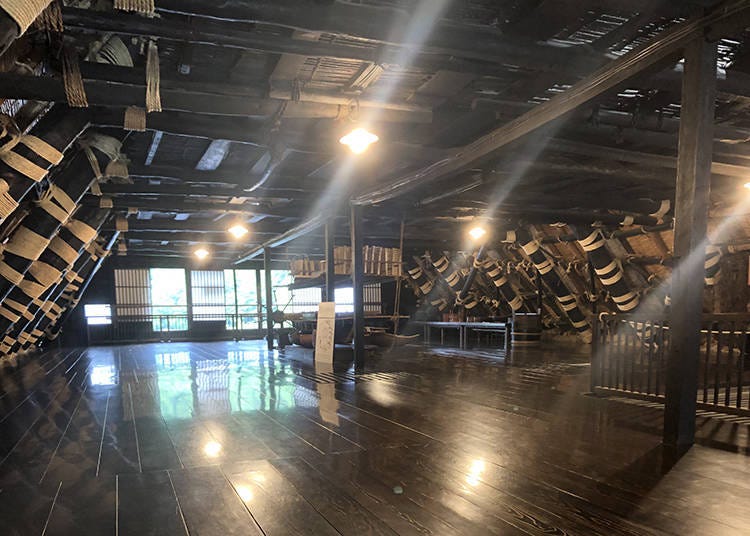
For a fee, visitors are allowed to tour the buildings' interior, which includes a large hall with a traditional open hearth, a beautifully decorated Buddhist prayer room, and even the attic space!
-
Wada House和田家
-
Address
997 Ogi-machi, Shirakawa-mura, Ono-gun, Gifu
View Map - Phone Number 05769-6-1058
・Hours: 9 AM – 5 PM
・Admission: 400 yen (Adults) / 200 yen (Minors)
・Closed: Not fixed -
Address
997 Ogi-machi, Shirakawa-mura, Ono-gun, Gifu
Shiroyama Park Observation Deck (Ogimachi Castle Observation Deck): The best spot for a panoramic view of Shirakawa-Go From Above
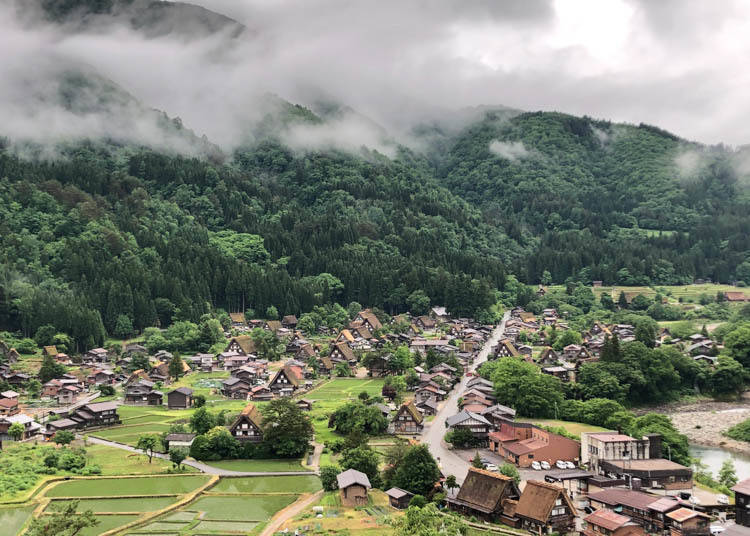
To the east of the Wada House mentioned earlier is a gentle sloping pathway that leads to Shiroyama Park Observation Deck (Ogimachi Castle Observation Deck).
Here is where you'll find breathtaking panoramic views of Shirakawa-go's gassho-zukuri houses from a vantage point - the very same picture often depicted on pamphlets and brochures advertising the village. Why not catch this exhilarating view in the flesh while you're here?
There is a road from Japan National Route 360 leading to the observation deck as well, but this is a rugged and long pathway for pedestrians scale, so consider going around from the back of Wada House if you'll be walking, or utilizing the shuttle bus that travels between Wada House and the observation deck. This bus departs once every 20 minutes and the fare is 200 yen each way.
Shirakawa Hachiman Shrine: Host of the quirky Doburoku Festival
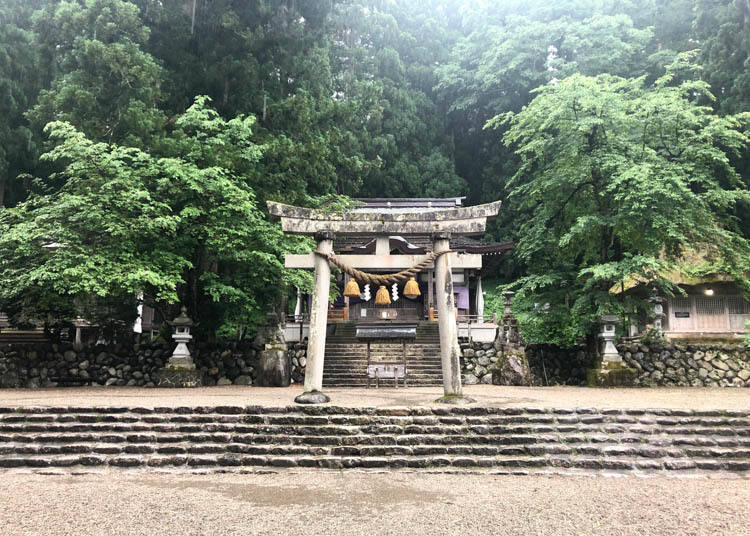
Tucked away in a southern corner of the village is the Shirakawa Hachiman Shrine.
You may be surprised to learn that this stately-looking shrine, surrounded by a solemn air, hosts a quirky festival known as Doburoku Festival every year on October 14 and 15. This is a festival where visitors are treated with fermented doburoku (cloudy sacred alcohol) and lion dances and folk music are performed in dedication to the temple.
The festival is a popular activity that many Japanese flock to from different parts of the country, and we think you'll enjoy the alcohol being offered in this quirky festival that's very uniquely Japanese as well!
Remember, however, that this is still a reputable shrine with a long and honorable history, so try not to let yourself too loose on its premises!
The festival is typically held each year at Hatogaya Hachiman Shrine on October 16–17, and at Iijima Hachiman Shrine on October 18–19.
-
Shirakawa Hachiman Shrine白川八幡宮
-
Address
559 Ogi-machi, Shirakawa-mura, Ono-gun, Gifu
View Map
・Hours: Free access
・Admission: Free
・Closed: Open daily -
Address
559 Ogi-machi, Shirakawa-mura, Ono-gun, Gifu
Crossing the Sho River that flows through Shirakawa on Deai Bridge
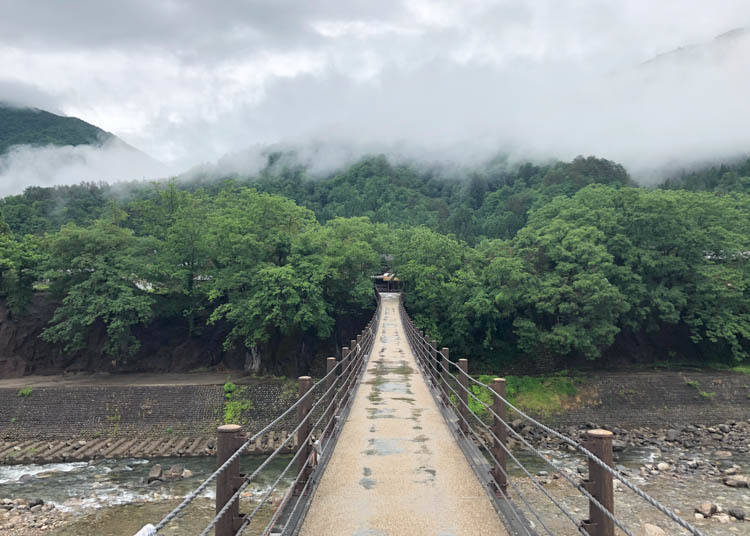
Deai Bridge spans 107 meters (351 feet) in length and connects Sonei Seseragi Carpark to the Ogimachi Gassho-Zukuri Village. This tough, concrete bridge stretches over the Sho River that cuts through Shirakawa and has an interesting feature: When a large group of people stop in the middle of the bridge, the bridge will sway a little, adding a little bit of excitement to an otherwise mundane bridge-crossing!
Even those afraid of heights can cross with peace of mind because the bridge's pathway is very wide and sturdily built. Deai Bridge a little out of the way from the bus terminal, but an excellent spot to enjoy nature's beautiful paintings while gazing at the cool and gentle stream flowing beneath.
The Former Toyama House Museum once accommodated a 45-person family!
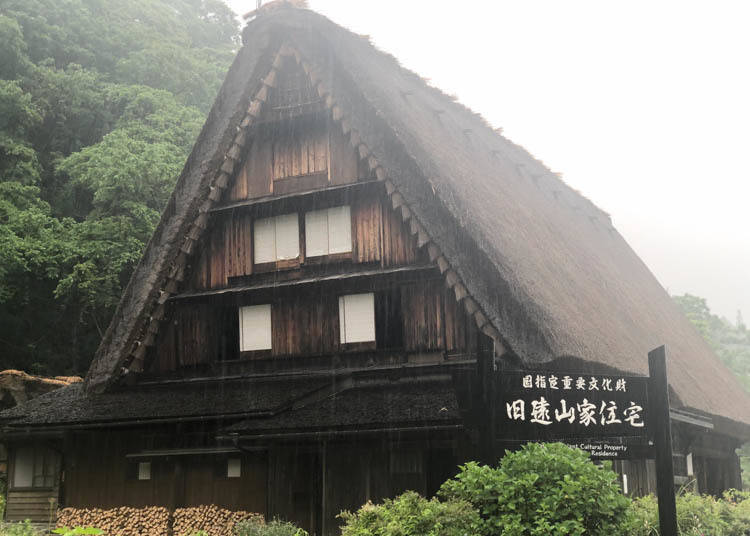
A 15-minute drive away from Ogimachi Gassho-Zukuri Village and located along Japan National Route 156 is the Former Toyama House Museum, a gassho-zukuri resource center that has been listed as a national important cultural property.
Unlike the village in Ogimachi, this house was built in a region where large families were the norm, so the museum premises once housed up to 45 people at once as they pursued their livelihoods in sericulture and potassium nitrate production!
Exhibits describing the lives these big families led back then are available for perusal in the very same building that housed them, and this includes information on Shirakawa's industrial structure back in the day. It's an excellent place to visit for anyone with even a passing interest in social anthropology.
-
Former Toyama House Museum旧遠山家住宅
-
Address
125 Oaza Miboro, Shirakawa-mura, Ono-gun, Gifu
View Map - Phone Number 05769-5-2062
・Hours: 9 AM – 4 PM (From December to March: from 10 AM)
・Admission: 300 yen (Adults) / 150 yen (Minors)
・Closed: Wednesdays (preceding day if Wednesday is a public holiday) -
Address
125 Oaza Miboro, Shirakawa-mura, Ono-gun, Gifu
Enjoy the beauty of Shirakawa-Go throughout the seasons
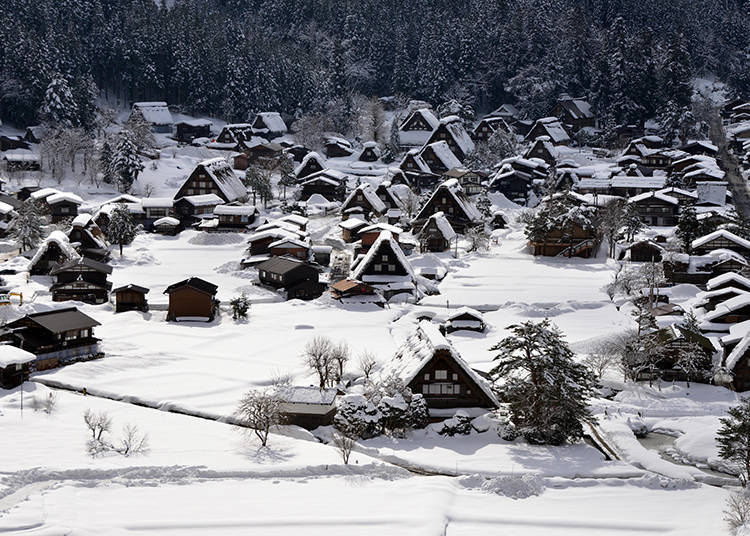
The seasons in Japan are vividly distinct. Differences are intensified in areas like mountainous terrains with significant temperature shifts or dense forests with a majority of broadleaf trees. Shirakawa-go embodies both these characteristics, making its seasonal shifts profoundly noticeable.
From observing the cherry blossoms emerge after winter's snow in spring, to relishing the cool summer winds amidst fresh greenery, or basking in the vibrant autumn colors – Shirakawa-go offers captivating natural beauty. Yet, we think winter stands out as the most enchanting season here.
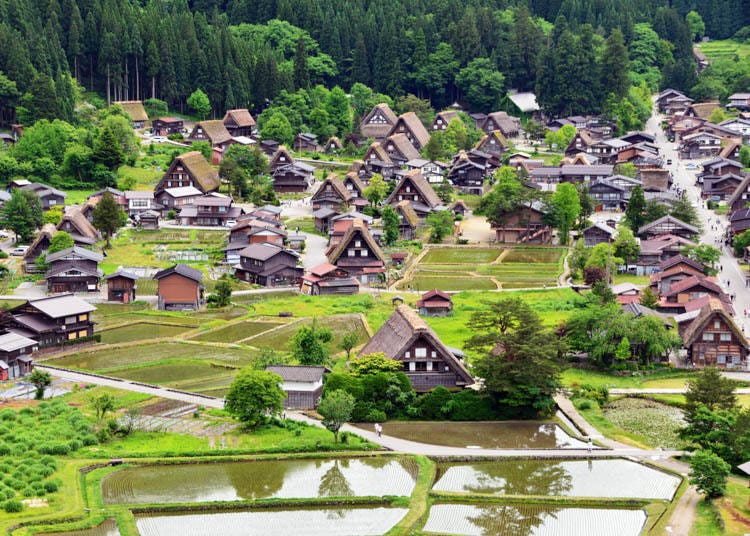

Before reliable public transportation reached Shirakawa-go, few ventured there during its intense snowy winters. To draw visitors during these colder months, the village introduced winter illuminations.
Today, the vision of snow-laden gassho-zukuri houses illuminated at night is a must-see winter attraction in Japan. In 2027, the illuminations will be held on January 11, 17, 24, and 31 (a total of four times).
Visiting Nearby World Heritage Site Gokayama
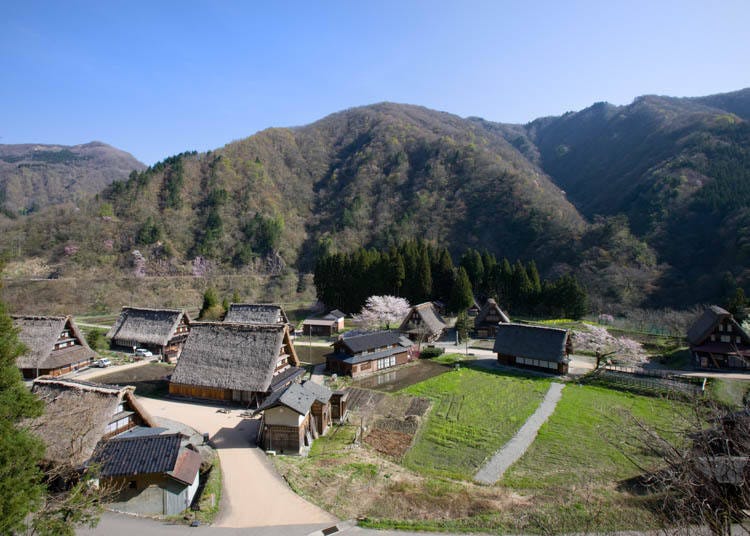
For a quieter, less commercial experience, visit Gokayama (Ainokura and Suganuma villages) in Toyama Prefecture. Also UNESCO-listed, Gokayama features subtle architectural differences and is famous for traditional washi paper making.
Buses run between Shirakawa-go and Gokayama in just 40 minutes (tickets from 2,600 yen); it's entirely possible to tour both places in a day if you plan ahead!
- Respect Privacy: Most houses are private residences—stay on public paths and keep noise levels low.
- Carry Trash Out: There are no public trash cans in the village; please take your rubbish with you.
- Fire Hazard: Thatched roofs burn easily—smoking is strictly prohibited outside designated areas.
- Photo Rules: Do not step into farm fields or rice paddies for photos, and do not fly drones.

Shirakawa-go is a hidden scenic spot that few have traveled to. However, the sights and experiences awaiting those who make the long trip are worth every effort put in.
We hope we've convinced you to move Shirakawa-go's place on your bucket list just that little bit higher, and when you do eventually arrive at this beautiful village, we know you'll enjoy it to the fullest!
Text by: Junpei Maruyama
Recommended places to stay in Shirakawa-go
-
 Onyado Yuinosho, Shirakawago御宿 結の庄(共立リゾート)
- Address Ijima 908-2, Shirakawa, Gifu View Map
- Original source: Booking.com
Vacancy search, reservation
-
from 33,369JPY 1room, 2adults
Check with our partner site as the latest rates, rate details, and guest room requirements may vary.
-
 CURIO ShirakawagoCURIO 白川郷
- Address 318-1 Hatogaya,, Shirakawa, Gifu View Map
- Original source: Booking.com
Vacancy search, reservation
-
from 23,400JPY 1room, 2adults
Check with our partner site as the latest rates, rate details, and guest room requirements may vary.
-
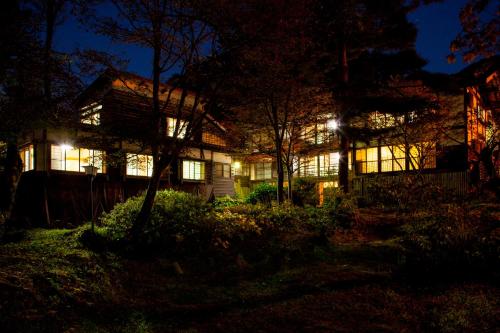 Shiroyamakan城山館
- Address Ogimachi 1168-1, Shirakawa, Gifu View Map
- Original source: Booking.com
Vacancy search, reservation
-
from 80,200JPY 1room, 2adults
Check with our partner site as the latest rates, rate details, and guest room requirements may vary.
-
 GuestHouse Shirakawa-Go INNGuestHouse Shirakawa-Go INN
- Address 白川村鳩谷445-1, Shirakawa, Gifu View Map
- Original source: Booking.com
Vacancy search, reservation
-
from 15,675JPY 1room, 2adults
Check with our partner site as the latest rates, rate details, and guest room requirements may vary.
- Area
- Category
*Prices and options mentioned are subject to change.
*Unless stated otherwise, all prices include tax.
Popular Tours & Activities
Recommended places for you
-

Haneda Airport Duty-Free Shopping Guide: What to Buy, How to Save & Where to Eat Before Your Flight
by: Guest Contributor
-

ANA’s Chiikawa Jet Is Taking Off—Here’s Everything You Need to Know About Exclusive Goods, In‑Flight Fun & Travel Tips
by: Guest Contributor
-
Just 2 Hours from Tokyo! Escape to Yamanashi's NIPPONIA Kosuge, Where an Entire 700-Person Village Becomes Your Hotel
by: Alice Lee
-
Ad
Do’s and Don’ts: The Complete Guide to Sento Baths! Getting the Full Experience In Ueno’s Famous Kotobuki-yu
-

Daikoku Car Meet Guide: How to Visit, Best Times & Rules
-

Best Sumo Shows & Experiences in Tokyo (2026): Prices Compared
Inspiration for Accommodations
-
Family-Friendly Hotels with Free Shuttle to Disneyland: Convenient Access for a Magical Stay
-
Top Ranked Hakone Hotels with Mt. Fuji View: Enjoy Stunning Scenery from Your Private Space
-
Convenient Tokyo Hotels with Airport Shuttle: Ideal for Families and Heavy Luggage
-
9 Family-Friendly Hotels with Comfortable Family Rooms in Asakusa
-
10 Open-air bath Onsen Ryokans in Hakone for Ultimate Relaxation
-

Tokyo Roppongi|Roppongi Station Area Map & Sightseeing Information
-
Ueno Station Area Guide: Fun Ways to Explore Tokyo's Popular Destination (Area Map & Sightseeing Tips)
-
Numazuko Kaisho in Ueno: Good Quality, All-You-Can-Eat Seafood for Just US$12!?
-
Instagram Evergreen: Japan’s Top 10 World Heritage Sites and National Treasures!
by: Lucio Maurizi
-
An informative and engaging tour of Iwami Ginzan Silver Mine-a UNESCO World Heritage Site
-
Essential Tokyo: The Complete Guide to Ikebukuro Station
- #best ramen tokyo
- #what to buy in ameyoko
- #what to bring to japan
- #new years in tokyo
- #best izakaya shinjuku
- #things to do tokyo
- #japanese nail trends
- #what to do in odaiba
- #onsen tattoo friendly tokyo
- #daiso
- #best sushi ginza
- #japanese convenience store snacks
- #best yakiniku shibuya
- #japanese fashion culture
- #best japanese soft drinks