



Mie Prefecture is located on the eastern side of the Kii Peninsula, Japan’s largest peninsula, in the central part of Honshu. The region is blessed with rich natural scenery, from rugged mountains to the west to the Ise Plain, Ise Bay, and the Kumano Sea to the east. Although it neighbors well-known tourist destinations such as Kyoto and Nara, Mie still has many hidden gems that are less widely known. In addition to historical and cultural sites like Ise Grand Shrine, the prefecture offers fresh seafood and local cuisine, allowing for a wide variety of experiences throughout the year.
Here, we introduce 24 must-do experiences and attractions for your trip to Mie.
What is Mie Prefecture Like?
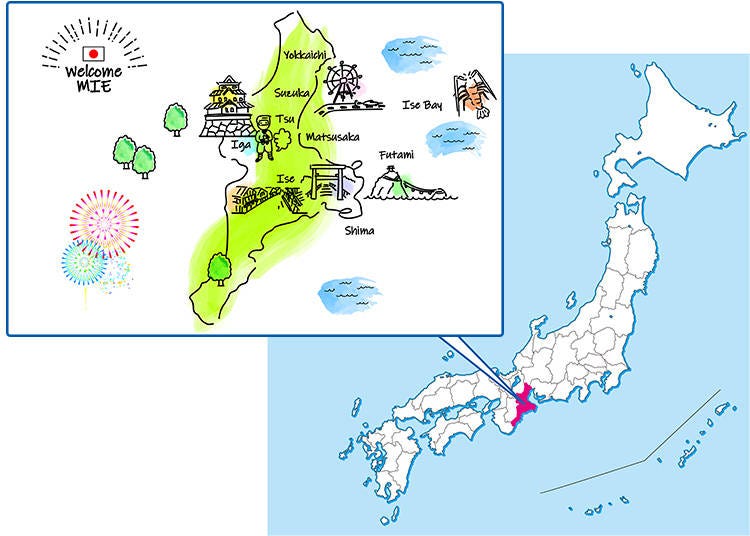
Mie Prefecture, located on the Kii Peninsula, the largest peninsula in Japan, is blessed with over 1,000 kilometers of beautiful coastline stretching from Ise Bay to the Kumano Sea. While cities are concentrated along the coast, inland you’ll find tranquil rural landscapes and mountains, as well as traditional pilgrimage routes and hiking trails. It is an ideal destination for those who want to relax while connecting with nature.
Mie is divided into five distinct areas, each with its own unique character. The most famous is Ise Jingu, affectionately known as “O-Ise-san.” Walking through its sacred grounds, you’ll understand why it has attracted worshippers for centuries. In Shima Peninsula’s Ago Bay, pearl cultivation thrives, and the scenery of blue seas dotted with floating rafts is truly unique. In the Iga area, close to Kyoto and Nara, you can step into the world of ninjas at dedicated museums, a favorite among both history enthusiasts and families. Meanwhile, the Hokusei area offers seasonal attractions such as dazzling illuminations and large botanical greenhouses, allowing visitors to experience something different throughout the year.
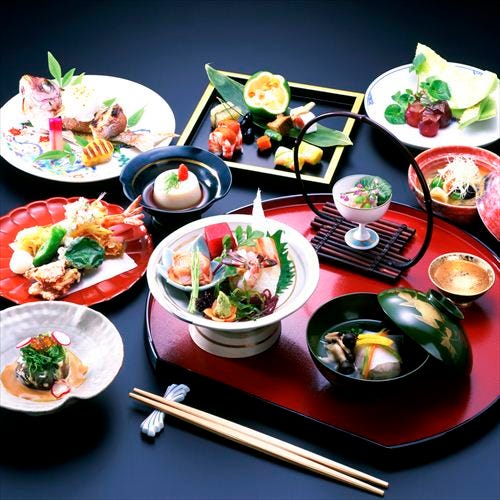
Of course, Mie is not only about sightseeing and cultural experiences. The prefecture is also home to unique theme parks and outdoor activities that keep visitors entertained. And let’s not forget the food—whether it’s world-renowned delicacies like Ise lobster and Matsusaka beef or comforting local cuisine rooted in tradition, Mie is a paradise for food lovers. Shopping and gourmet stops along the way will also make your trip even more memorable. With its blend of history, nature, culture, and cuisine, Mie offers something new to discover no matter how many times you visit. Why not add it to your list for your next journey?
How to Get to Mie Prefecture
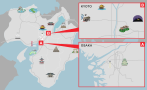
From Tokyo to Iseshi Station (Ise):
Take the Tokaido-Sanyo Shinkansen to Nagoya Station (about 1 hour 40 minutes). Then transfer to the JR Rapid “Mie” bound for Toba, which takes about 1 hour 30 minutes to reach Iseshi Station.
From Osaka to Iseshi Station:
From Kintetsu Osaka-Namba Station, take the Kintetsu limited express all the way to Kintetsu Iseshi Station (around 2 hours). Note that a brief transfer at Kintetsu Tsu Station may be required.
Cost-Saving Transportation Options:
To save on transportation costs during your trip to Mie Prefecture, you may wish to consider the following rail passes.
How to Explore Mie Efficiently
As much of Mie Prefecture is very remote, you may want to consider renting a car to really get the most out of a trip to Mie.
Large areas of Mie are not served by train lines, especially in the more rural areas away from the cities on the coastline.
If you’re looking to explore some of Mie’s mountainous hiking trails, for example, you might decide that you need to hire a car. Remember that you’ll need to obtain an International Driving Permit from your home country before arriving in Japan to be able to rent a car.
24 Must-Do Experiences in Mie
Here’s a guide to 24 unmissable experiences and attractions in Mie—explore them one by one and make your trip truly unforgettable!
Nagashima Spa Land: Experience Thrills and Fun
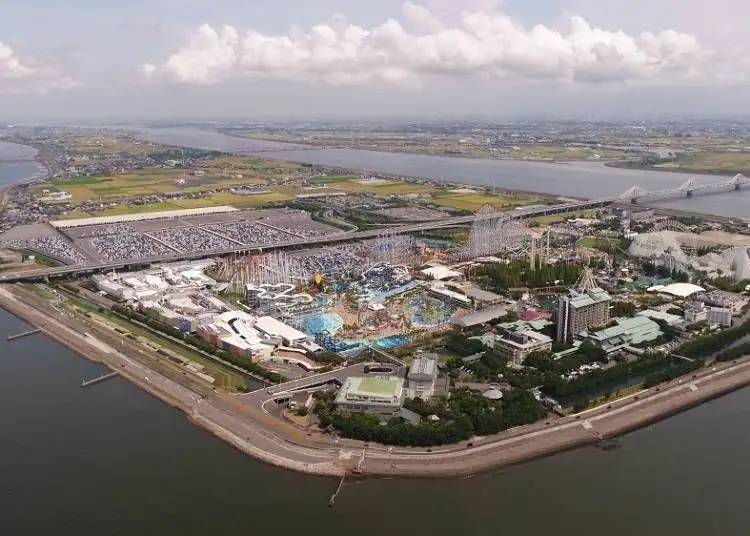
If you love the thrill of white-knuckle rides, then Nagashima Spa Land is the perfect place for you. A part of the larger Nagashima Resort, Nagashima Spa Land is a massive amusement park close to the border with Aichi Prefecture. Nagashima Spa Land is famous for having some of the best roller coasters in Japan. In total, there are 10 roller coasters at Nagashima Spa Land, including Steel Dragon 2000, which holds the Guinness World Record for being the world’s longest roller coaster.
There’s more to Nagashima Spa Land than adrenaline-fuelled roller coasters. Other attractions include a giant 90-meter-tall Ferris wheel and the Joyful Waterpark, which features a number of different pools and water slides. There are also several hot-spring onsens for those looking to relax after a hair-raising ride on Spa Land’s roller coasters.
-

-
Address
333, Nagashimachourayasu, Kuwana-shi, Mie, 511-1135
View Map -
Nearest Station
Kuwana Station (JR Kansai Main Line)
20 minutes by bus
- Phone Number 0594-45-1111
-
Address
333, Nagashimachourayasu, Kuwana-shi, Mie, 511-1135

Nabana no Sato: Enjoy Flowers and Dreamlike Illuminations

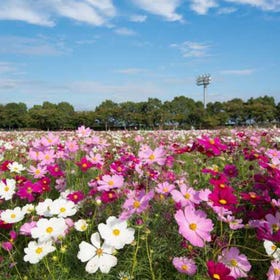
Nabana no Sato in Mie Prefecture is one of Japan’s largest flower theme parks, famous for its seasonal flowers and spectacular illuminations. In spring, plum and cherry blossoms are in full bloom, while summer brings vibrant displays of tulips, roses, and begonias throughout the park. The Begonia Garden in the large greenhouse is particularly stunning, resembling a living painting and captivating many visitors. The park also features indoor exhibition areas and observation towers, allowing guests to enjoy the flowers from various perspectives.
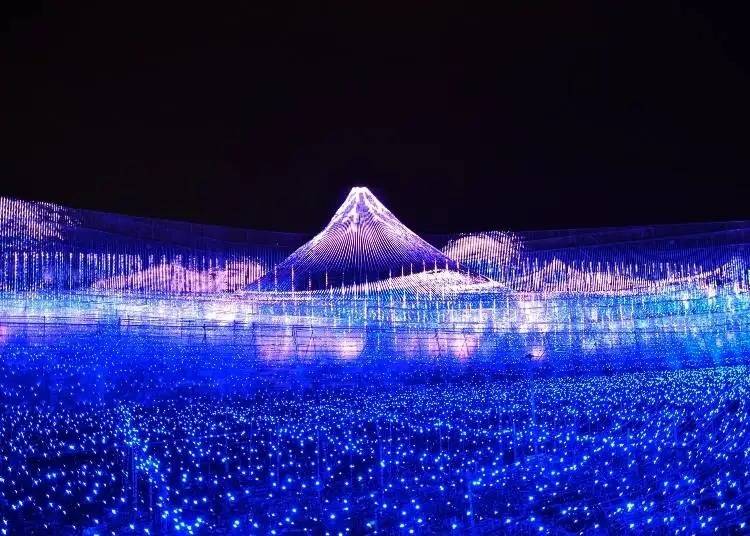
The winter illuminations are especially breathtaking, held annually with different themes as one of Japan’s largest light festivals. Attractions such as the “River of Light” reflecting on the water and the 200-meter-long “Tunnel of Light” create a magical atmosphere that contrasts beautifully with the daytime scenery. From late May to early July, visitors can also enjoy the enchanting display of fireflies. With restaurants, cafes, and souvenir shops available, Nabana no Sato is a place where families, couples, and friends can spend an entire day enjoying both daytime and nighttime attractions.
-
-
Address
270, Nagashimachokomae Urushibata, Kuwana-shi, Mie, 511-1144
View Map -
Nearest Station
Nagashima Station (JR Kansai Main Line)
21 minutes on foot
- Phone Number 0594-41-0787
-
Address
270, Nagashimachokomae Urushibata, Kuwana-shi, Mie, 511-1144
Mikimoto Pearl Island: Discover Pearls' Secrets

Mikimoto Pearl Island in Toba City, Mie Prefecture, is a museum dedicated to Kokichi Mikimoto, the pioneer who first successfully cultivated pearls in the world. On the island, visitors can learn about the pearl cultivation process, which involves many intricate steps, and view luxurious vintage jewelry and antique pieces. You can also watch traditional female divers, known as “ama,” harvesting pearls from a nearby observation deck, with daily demonstrations held at set times.
The island also features a well-equipped shopping area where pearl jewelry—often thought of as expensive—can be purchased at a range of prices. Popular items include cosmetics containing pearl-derived ingredients, madeleines enriched with pearl shell calcium, and charms called “Doman-Seman,” believed to ward off evil. Mikimoto Pearl Island offers a perfect blend of learning about history and technology, shopping for souvenirs, and enjoying a leisurely stroll, making it an ideal destination for families and friends.
-

-
Address
1-7-1, Toba, Toba-shi, Mie, 517-8511
View Map -
Nearest Station
Toba Station (JR Sangu Line)
7 minutes on foot
- Phone Number 0599-25-2028
-
Address
1-7-1, Toba, Toba-shi, Mie, 517-8511
Meet Mie’s Freediving Ama: Dive into Tradition
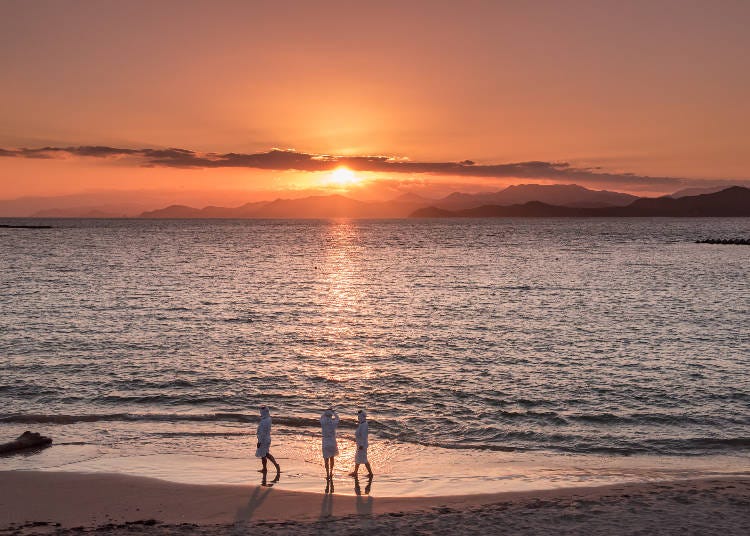
If you’d like to know more about Japanese female sea divers you can meet with a group of ama and learn more about their history. The ama divers host visitors in a traditional sea hut that they use to prepare for dives on the Mie coastline. As well as freediving for pearls, the ama have also traditionally dived to catch seafood, a traditional way of hunting that is thought to be at least 1,000 years old.
As part of the experience, the ama will teach you about the long history of female freediving in Japan. The ama will also lead a traditional dance, before preparing and serving a selection of some of the sumptuous seafood that can be found in the waters around Mie, including abalone, lobster and oysters.

Discover the Thrill of a Real Ninja Adventure in Iga
Ninjas are an essential part of Mie Prefecture’s heritage. There are various ninja schools, but the Iga and Koka schools are Japan’s most famous ninjutsu traditions. The Iga school developed in the quiet mountain regions of Mie Prefecture, while the Koka school honed similar skills in southern Shiga Prefecture. Both schools are known for their expertise in intelligence gathering, infiltration, and assassination, and were active from the Sengoku to Edo periods. Here, we introduce two representative facilities where you can experience authentic Iga ninja activities.
Ninja Kingdom Ise
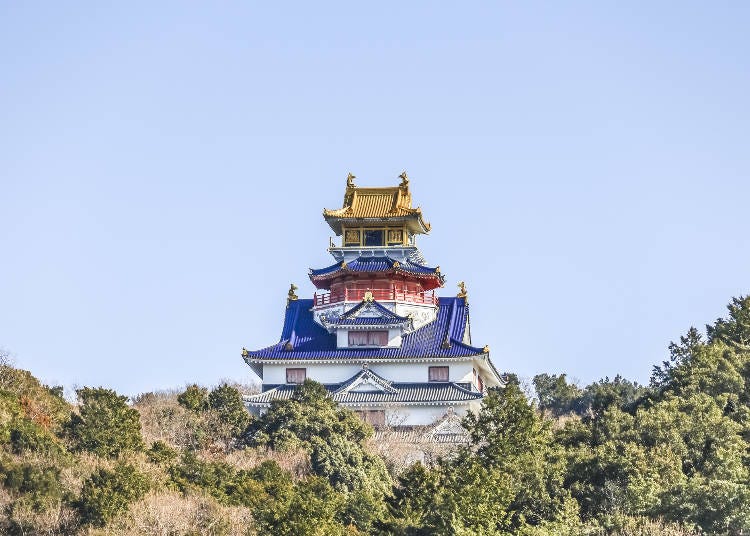
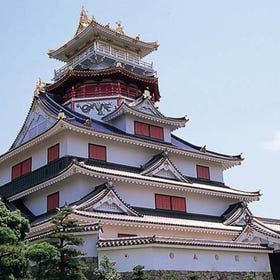
Located on a hill near Ise, Ninja Kingdom Ise is a theme park that faithfully recreates Azuchi Castle from the Sengoku period. Visitors can enjoy thrilling live ninja battle performances, explore a Japanese sword museum, and participate in action RPG experiences where they must rescue prisoners without being caught by ninjas. There are also hands-on activities such as archery and throwing shuriken. Additionally, the outdoor “Ninja Forest Adventure” offers zipline-equipped obstacle courses. This interactive park allows guests to learn about the lives of ninjas and samurai during the Sengoku period while having fun with family and friends all day long.
-
-
Address
1201-1, Futamichomitsu, Ise-shi, Mie, 519-0603
View Map -
Nearest Station
Futaminoura Station (JR Sangu Line)
17 minutes on foot
- Phone Number 0596-43-2300
-
Address
1201-1, Futamichomitsu, Ise-shi, Mie, 519-0603
Iga-ryu Ninja Museum

The Iga-ryu Ninja Museum, located in Ueno Marunouchi, Iga City, Mie Prefecture, is an interactive facility where ninja and kunoichi (female ninjas) guide visitors through the hidden traps and mechanisms inside the mansion. The ninjutsu demonstration show features impressive performances using real shuriken, swords, and other traditional weapons. The museum also sells unique ninja merchandise, making it a great place for souvenirs. Nearby, several “Ninja Transformation Stations” allow visitors to dress in ninja costumes for around 1,100 yen (price varies by shop), enhancing the experience as you explore the mansion and museum in full ninja attire.
-
Iga-ryu Ninja Museum伊賀流忍者博物館
-
Address
117 Uenomarunouchi, Iga, Mie 518-0873
View Map - Phone Number 0595-23-0311
住所:〒518-0873 三重県伊賀市上野丸之内117
-
Address
117 Uenomarunouchi, Iga, Mie 518-0873
Shima Spain Village: Embrace Spanish Charm
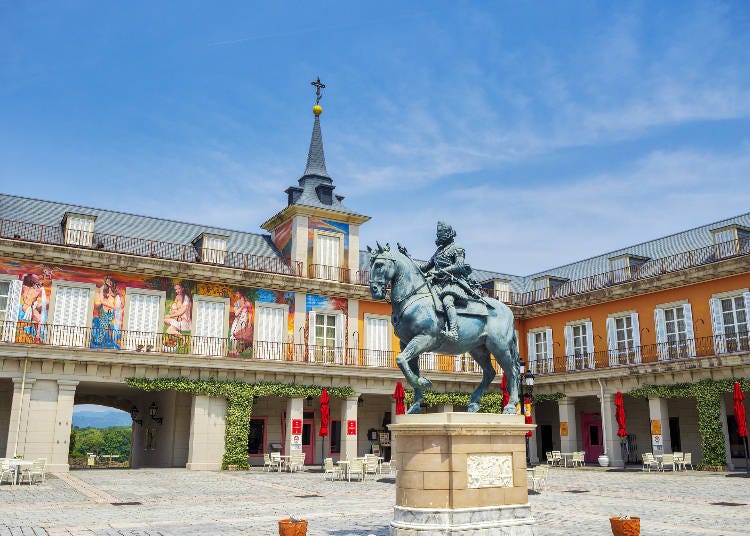
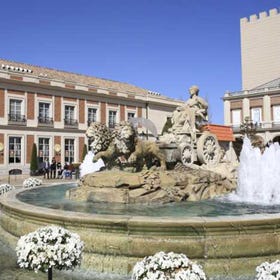
As its name suggests, Shima Spain Village is a Spanish-inspired theme park where you’ll be forgiven for thinking you’re in Madrid rather than Mie. The park contains plenty of mock Spanish architecture, including grand town squares, pretty white villages, and even a museum housed inside a replica of a Spanish castle. Shima Spain Village also features amusement park rides, including roller coasters and log flume rides.
A destination aimed at the entire family, there is plenty at Shima Spain Village for those traveling with young children too, including Spanish-style street musical performances and parades, circus acts, and face painting. The park also has several Spanish restaurants as well as a host of souvenir shops, perfect for picking up a memento from your time from the small corner of Spain in Mie.
-
-
Address
952-4, Shimoyama, Isobechosakazaki, Shima-shi, Mie, 517-0212
View Map -
Nearest Station
Ugata Station (Kintetsu-shima Line)
29 minutes on foot
- Phone Number 0599-57-3333
-
Address
952-4, Shimoyama, Isobechosakazaki, Shima-shi, Mie, 517-0212
Suzuka Circuit: Feel the Speed
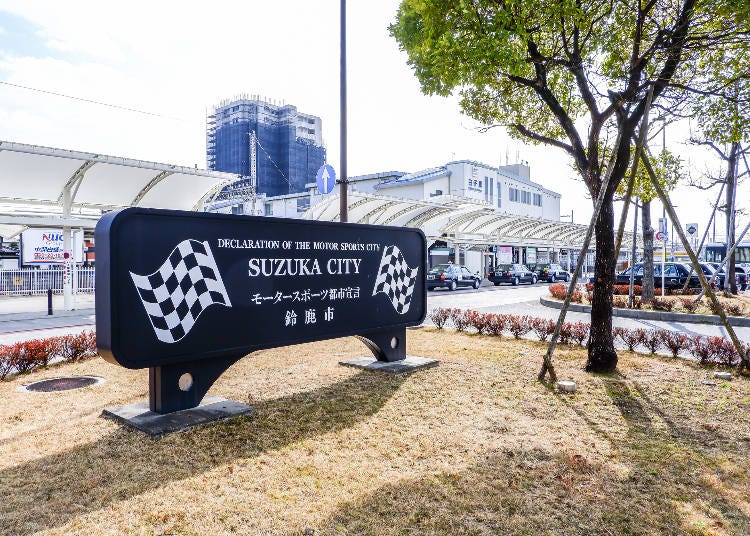
Also known as Suzuka International Racing Course, the Suzuka Circuit is perhaps the most famous race track in Japan. The track hosts many major motorsports events throughout the year, including the Formula One Japanese Grand Prix. Several other sports have been held here, including touring car races, superbike races, and NASCAR events. The track is said to be the favorite of many Formula One drivers and many world Formula One titles have been won and lost at the Suzuka Circuit.
Next to the race track is Suzuka Circuit Motopia, an amusement park with a number of car-themed rides suitable for a variety of different ages, including go-karting. In the Racing Theater you can even experience all the action from behind the scenes on race day. The Suzuka Circuit also features a water park as well as numerous hotels, and on-site restaurants.
-
Suzuka Circuit Motopia鈴鹿サーキットパーク
-
Address
7992 Inoucho, Suzuka, Mie 510-0201
View Map - Phone Number 059-378-1111
住所:〒510-0201 三重県鈴鹿市稲生町7992
-
Address
7992 Inoucho, Suzuka, Mie 510-0201
The Wedded Rocks: Witness Eternal Love
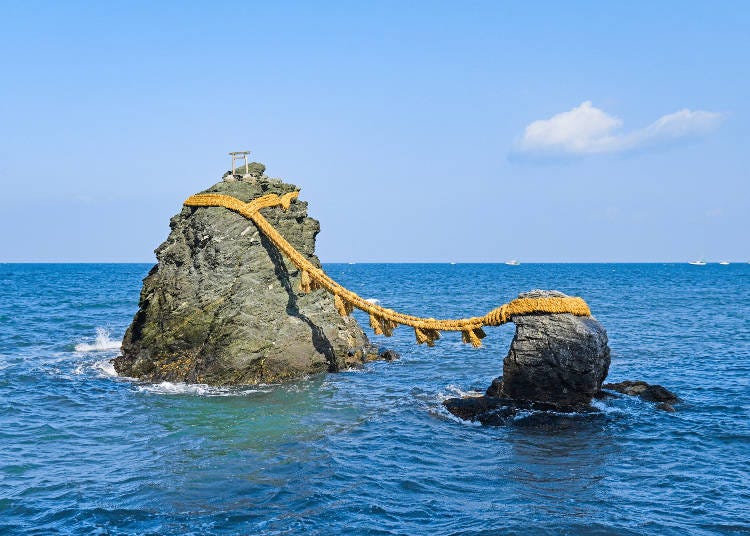
Located in the town of Futami, Meoto Iwa, or the Wedded Rocks, are one of Mie Prefecture’s most famous landmarks. Meoto Iwa is a part of the Futami Okitama Shrine, which directly faces the rocks on the banks of the sea. Sitting side by side in the Pacific Ocean just a few meters from the shoreline, the two rocks are believed to represent two Shinto gods who were husband and wife.
A small torii gate sits on top of the larger rock, with the pair joined by a rope made of rice straw. The two rocks are believed to be a symbol of marriage, and the site is a popular destination for couples who come here to pray for a happy marriage. If you time your visit right you might get to see the spectacular sight of the sun rise between the two rocks. On clear days you can even glimpse Mount Fuji in the far distance.
-
-
Address
Futamichoe, Ise-shi, Mie, 519-0602
View Map -
Nearest Station
Matsushita Station (JR Sangu Line)
18 minutes on foot
- Phone Number 0596-43-2020
-
Address
Futamichoe, Ise-shi, Mie, 519-0602
Ise Grand Shrine: Find Serenity at Japan's Most Sacred Shrine
Ise Jingu, officially known simply as “Jingu”, is regarded as one of the most sacred sites in Japan, with a history spanning over 2,000 years. The shrine is dedicated to Amaterasu-Omikami, the Sun Goddess and revered ancestral deity of the Imperial family. For centuries, it has attracted the deep devotion of countless people, and today it remains the foremost spiritual and sightseeing destination in Mie Prefecture, welcoming millions of visitors every year.
The shrine complex consists of 125 shrines, with the Inner Shrine (Naiku) and the Outer Shrine (Geku) at its heart. Tradition holds that first-time visitors should begin their pilgrimage at the Outer Shrine, dedicated to Toyouke-Omikami, before proceeding to the Inner Shrine. Within each shrine, worshippers customarily pay respects at the Main Sanctuary before moving on to the auxiliary shrines. The Outer Shrine is located close to central Ise City, while the Inner Shrine lies about 4 kilometers to the southeast along the clear waters of the Isuzu River. Both are set within beautiful forests, creating a solemn and deeply spiritual atmosphere.

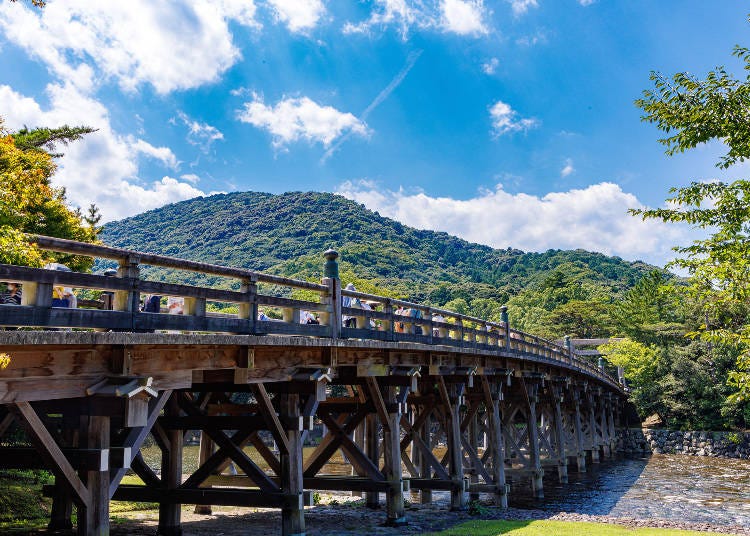
As you enter the shrine grounds, you cross the Uji Bridge, a symbolic gateway linking the everyday world with the sacred realm. Walking along the gravel path, you can purify yourself at the clear waters of the Isuzu River before continuing through the forest, where the crisp air and towering trees naturally calm the mind and spirit.
The shrine buildings themselves are renewed every 20 years through a ritual known as Shikinen Sengu, ensuring that they are always in pristine form while symbolizing eternal renewal and the continuity of tradition. Ise Jingu is a sacred place where history, faith, and nature harmonize, offering visitors a profound sense of awe and tranquility.
-
-
Address
1, Ujitachicho, Ise-shi, Mie, 516-0023
View Map -
Nearest Station
Isuzugawa Station (Kintetsu-toba Line)
30 minutes on foot
- Phone Number 0596-24-1111
-
Address
1, Ujitachicho, Ise-shi, Mie, 516-0023
Oharaimachi and Okage Yokocho: Step Back in Time
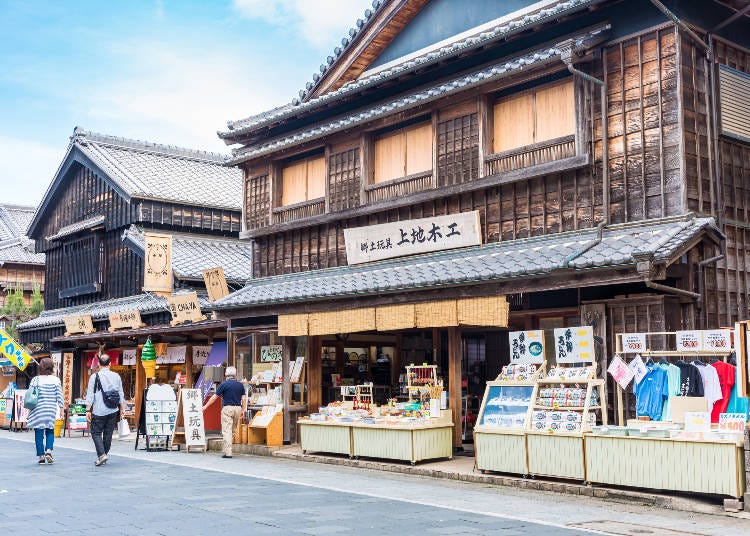
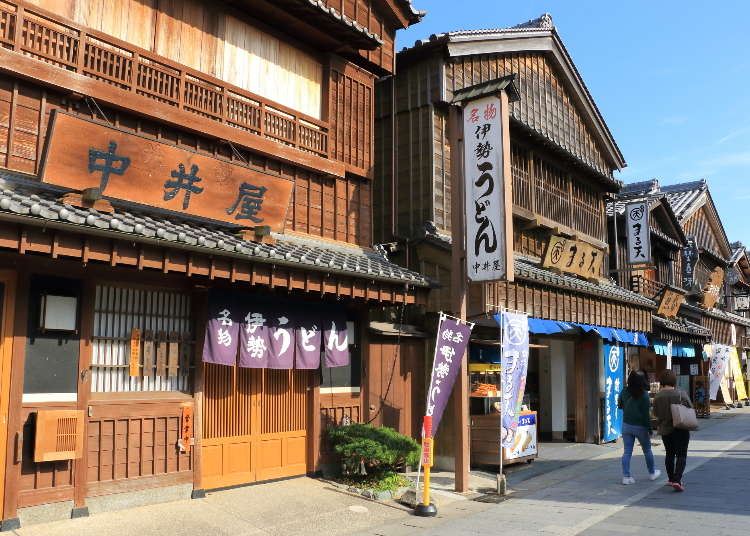
Lining the approach to Ise Jingu’s Inner Shrine are Oharaimachi and Okage Yokocho, two must-visit spots after your pilgrimage. Oharaimachi is a historic street that has welcomed worshippers and travelers for centuries. Stretching for about one kilometer, its stone-paved street is lined with traditional wooden buildings. Here you’ll find plenty of local souvenirs, traditional crafts, and street food perfect for strolling. Famous treats such as Akafuku mochi and other Ise specialties can be enjoyed, making the walk itself a memorable part of the journey.
Nestled within this area, Okage Yokocho is a relatively new district, established in 1993, yet it faithfully recreates the atmosphere of the Edo period. Visitors can shop and dine while soaking up the charm of a bygone era. Specialty goods from Mie are abundant, such as the indigo-dyed Matsusaka cotton and colorful Iga kumihimo braids, which make for easy-to-carry souvenirs. The charming ceramic Okage Inu omikuji (fortune-telling dog figurines) are also a popular pick. In addition, numerous restaurants serve fresh seafood from Ise Bay, making this an ideal place to relax and enjoy after your shrine visit.
-
-
Address
52, Ujinakanokiricho, Ise-shi, Mie, 516-0025
View Map -
Nearest Station
Isuzugawa Station (Kintetsu-toba Line)
25 minutes on foot
- Phone Number 0596-23-8838
-
Address
52, Ujinakanokiricho, Ise-shi, Mie, 516-0025
-
-
Address
Ujinakanokiricho, Ise-shi, Mie, Imazaikecho, Uji, 516-0000
View Map -
Nearest Station
Iseshi Station (JR Sangu Line)
20 minutes by bus
- Phone Number 0596-28-3705
-
Address
Ujinakanokiricho, Ise-shi, Mie, Imazaikecho, Uji, 516-0000
Inabeshi Agriculture Park: Explore Nature's Bounty
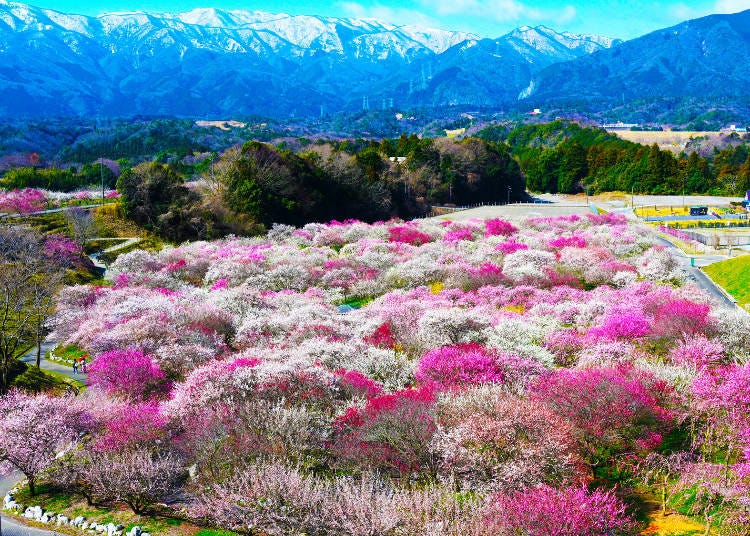
Close to the border with neighboring Gifu in the far north of Mie Prefecture is Inabeshi Agriculture Park. Though a variety of flowers bloom here throughout the year, the park is most commonly associated with plum trees, and for good reason. There are over 4,000 plum blossom trees in Inabeshi Agriculture Park and the adjacent Inabe City Bairin Park, with around 100 different varieties that burst into a wide spectrum of beautiful whites and pinks each year from around late February each year.
Every year in March, the park hosts a plum festival, when the plum blossom trees are usually in their prime. The park also has an observation tower, from which you can get a wonderful birds-eye view of the whole plum grove. From here, you can take in the complete range of the plum blossom’s spectacular colors against the backdrop of the Suzuka mountains.
-
Inabeshi Agriculture Parkいなべ市農業公園
-
Address
3071 Fujiwarachokanae, Inabe, Mie 511-0501
View Map - Phone Number 0594-46-8377
住所:〒511-0501 三重県いなべ市藤原町鼎3071
-
Address
3071 Fujiwarachokanae, Inabe, Mie 511-0501
Suzuka Forest Garden: Immerse in Natural Beauty
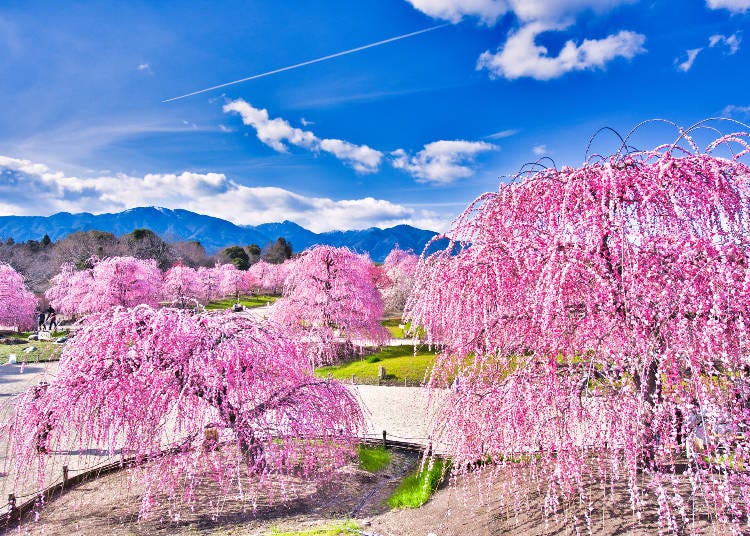
Suzuka Forest Garden is another of Mie’s famous plum blossoms viewing spots. The garden contains 200 stunning giant weeping plum blossoms, most of which are believed to be over 100 years old. The garden’s many different varieties of plum trees bloom in a wide range of vivid colors, with the blossoms ranging from strong whites, glowing pinks to deep dark reds.
Suzuka Forest Garden is only open during the spring, when the resident weeping plum blossom trees are in full spectacular bloom. The prime time to see the Suzuka Forest Garden’s plum blossoms varies each year, but typically early March is when they are at their most spectacular. The garden is also a great place to visit at night, when the plum blossom trees are beautifully illuminated after dark.
-
Suzuka Forest Garden鈴鹿の森庭園
-
Address
151-2 Yamamotocho, Suzuka, Mie 519-0315
View Map - Phone Number 059-371-1777
住所:〒519-0315 三重県鈴鹿市山本町151-2
-
Address
151-2 Yamamotocho, Suzuka, Mie 519-0315
The 48 Falls of Akame: Trek and Admire Nature
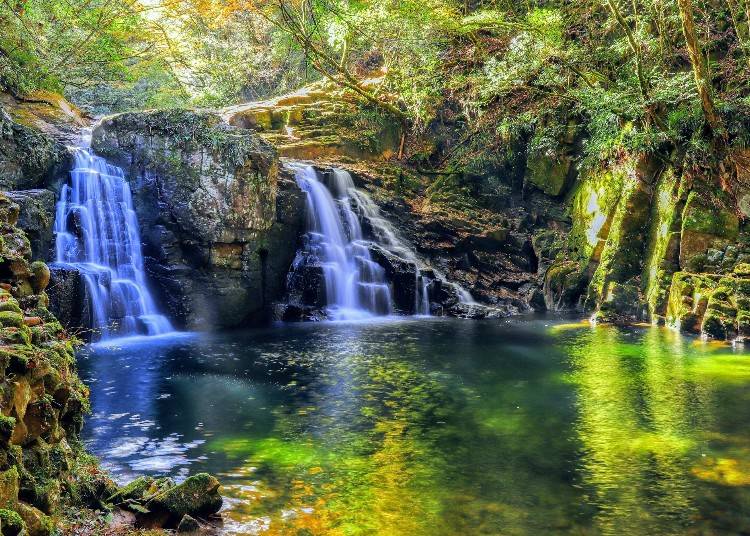
Hidden deep into rural Mie, close to the border with Nara Prefecture, the 48 Falls of Akame are a series of beautiful waterfalls located along a four kilometer stretch of the Akame Valley. It’s around a three hour walk through the valley to see all of the falls, and the walkway offers excellent views of the valley’s wondrous waterfalls.
Despite the name, there aren’t actually 48 waterfalls in total. This number is believed to derive from Buddhism, as monks take 48 vows to achieve the status of Buddha. Akame’s waterfalls can be enjoyed and admired in all four seasons. Wild cherry blossoms bloom in the spring, and the valley is awash with greenery in the summer. In autumn, the forest’s trees turn bright orange and red, while snow covers the ground during the winter months.
-
-
Address
861-1, Akamechonagasaka, Nabari-shi, Mie, 518-0469
View Map -
Nearest Station
Akameguchi Station (Kintetsu-osaka Line)
10 minutes by bus
- Phone Number 0595-63-3004
-
Address
861-1, Akamechonagasaka, Nabari-shi, Mie, 518-0469
Gozaisho Ropeway: Soar to Panoramic Views
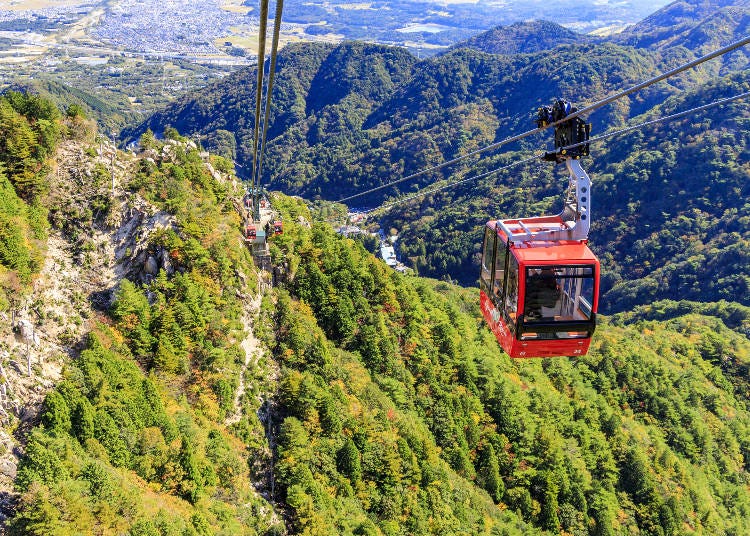
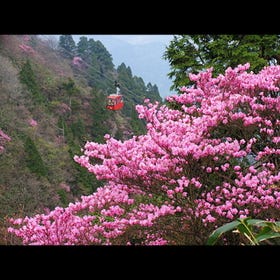
Located near the hot spring town of Yunoyama Onsen in the north of Mie Prefecture, the Gozaisho Ropeway carries passengers to the summit of Mount Gozaisho. One of the longest ropeways in Japan, it takes 12 minutes to reach the peak, passing high over the mountains before arriving at an altitude of 1,212 meters above sea level. The journey on the Gozaisho Ropeway takes in breathtaking views along the way, looking out over Yunoyama Onsen and nearby Yokkaichi, as well as over the distant Ise Bay.
Mount Gozaisho is a busy skiing destination in the winter, though the ropeway is a popular attraction all year round thanks to the beauty of Japan’s four seasons. In spring, the mountainside is awash with bright, beautiful azaleas, and in summer the area is a wonderful place to escape the heat. Come autumn the thick trees are a patchwork of red and orange leaves, while the snow covered mountain brings skiers to the slopes during the winter.
-
-
Address
Yunoyama Onsen, Komono-cho, Mie Prefecture, 510-1200
View Map -
Nearest Station
Yunoyamaonsen Station (Kintetsu-yunoyama Line)
10 minutes by bus
- Phone Number 059-392-2261
-
Address
Yunoyama Onsen, Komono-cho, Mie Prefecture, 510-1200
Maruyama Senmaida Rice Fields: Marvel at Terraced Beauty
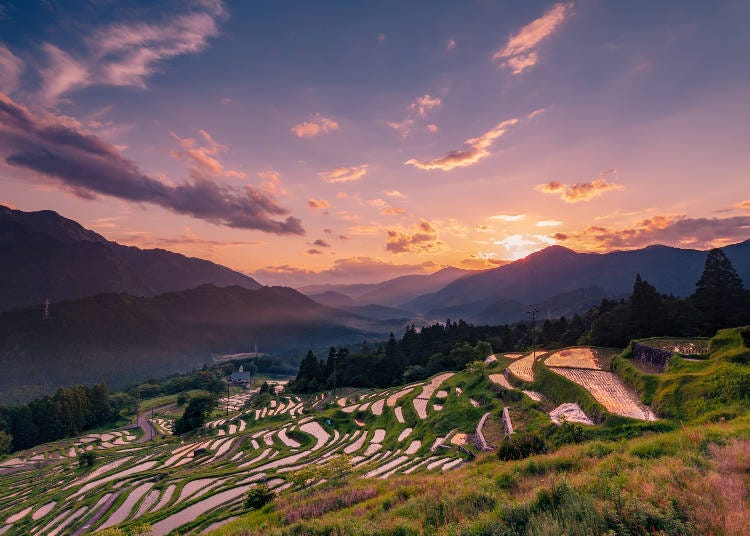
Japan’s countryside is known for its beauty, and Maruyama Senmaida is amongst one of the most stunning regions in rural Mie. Maruyama Senmaida is a terraced rice field in the far south of Mie Prefecture. The rice field features over 1,000 segments of land neatly cut into the slopes of Mount Shirakura to cultivate rice. The rice field is one of the largest in Japan and has been awarded a place on the list of 100 Terraced Rice Fields of Japan by the Japanese government.
There are fabulous views of the Maruyama Senmaida rice fields from the Kumano Kodo, a series of ancient pilgrimage routes that pass nearby. The rice fields are a wonderful sight at any time of year. From May to July the paddies are filled with water, which create a breathtaking scene as they reflect the colors of the sunset. In June, local villagers take part in a traditional festival called Mushi Okuri, when the rice fields are illuminated with fire and candles to scare away bugs that harm the crops.
-
Maruyama Senmaida Rice Fields丸山千枚田
-
Address
318 Kiwacho Maruyama, Kumano, Mie 519-5405
View Map - Phone Number 0597-97-0783
<a href="https://www.maruyamasenmaida.jp/">Official website</a>
住所:〒519-5405 三重県熊野市紀和町丸山318 -
Address
318 Kiwacho Maruyama, Kumano, Mie 519-5405
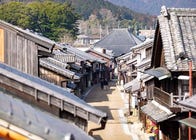
Sekijuku Post Town: Relive Japan’s Edo Era
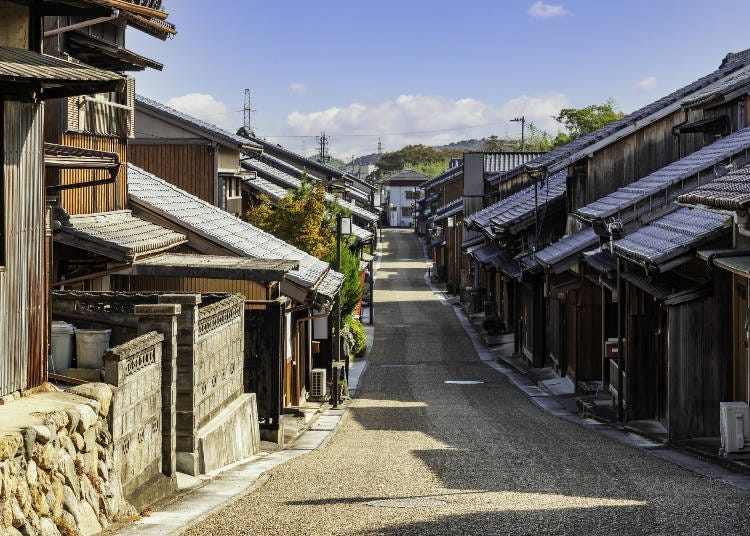
During Japan’s Edo Period (1603–1868), those looking to travel between Japan’s larger cities were restricted to walking along official routes called kaido. One of those routes, called the Tokaido, connected Tokyo with Kyoto. Along the Tokaido were several post towns, which were home to many restaurants and lodgings for travelers looking to stop for replenishment during their journey. One of Tokaido's best-preserved post towns is Sekijuku in Mie.
Sekijuku was an important stop on the Tokaido, thanks to its proximity to both Kyoto and the Ise Grand Shrine. Today, Sekijuku has been faithfully preserved, and a walk along its main street is like stepping into a different era. Many of the town’s beautiful old houses, shops, and temples still look as they would have done during the Edo Period. Sekijuku’s main street is still lined with traditional buildings that were once inns that catered to higher and lower-ranked travelers as they passed through the town between Tokyo and Kyoto.
Indulge in Delicious Matsusaka Beef
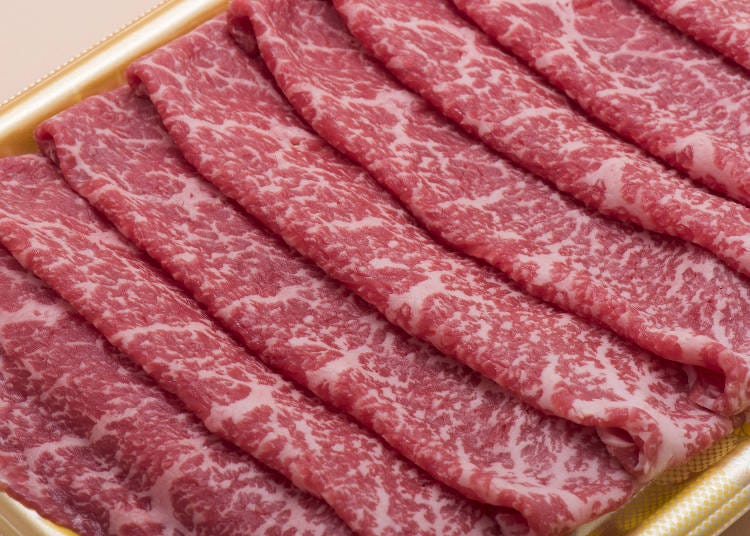
Matsusaka Beef, raised in and around Matsusaka City in Mie Prefecture, is a premium wagyu brand recognized as one of Japan’s top three, alongside Kobe Beef and Omi Beef. Produced under particularly strict breeding standards, it is known for its rich flavor and beautifully marbled texture. With its high fat content and melt-in-your-mouth tenderness, Matsusaka Beef is especially popular as a key ingredient in traditional Japanese dishes such as sukiyaki and shabu-shabu.
Primarily raised from female cattle over a period of about three years, each cow is given an individual ID number to certify its authenticity as genuine Matsusaka Beef. Only around 2,500 heads are shipped annually, making it a rare and highly valued product. In fact, in 2002, one cow was sold at auction for an astonishing 50 million yen.

Enjoy Ise Shrimp and Other Bountiful Seafood

Mie Prefecture, with its long coastline stretching from north to south, is rich in seafood, including the prized Ise lobster. This luxury ingredient is in season from October to April and can be enjoyed in various dishes, from sashimi to grilled preparations. The name “Ise lobster” comes from the fact that it was historically abundant in the Ise region of Mie, and it is often served at celebratory feasts.
In summer, abalone is also harvested. Historically offered to Ise Jingu Shrine, abalone offers different flavors depending on whether it is eaten raw or grilled. From autumn to spring, oysters become available, with the premium “Matoya oysters” being a standout. Grown only in clean, mineral-rich waters, they are best enjoyed raw, allowing their rich flavor to shine. Another local specialty is tecchiri sushi, where sashimi such as tuna or bonito is marinated in soy sauce and served over slightly sweetened vinegared rice—a must-try for seafood lovers.
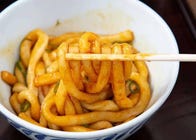
Savor The Simple Yet Delicious Taste of Ise Udon

Ise Udon is a dish primarily eaten in Ise City, and it is rumored to have been developed to help long-distance travelers coming to the Ise shrines recover their strength.
The extra thick udon noodles are boiled and topped with a rich sauce and chopped green onions. The sauce uses tamari soy sauce and looks very salty, but this isn't the case. The accent of the green onions enhances the flavor of the mildly sweet and savory sauce. The extra-thick noodles, boiled for around one hour, are soft and good for digestion, so it's a common local food to feed to babies.
A Classic Ise Souvenir! Take a Relaxing Break with Akafuku Mochi

At the Akafuku Main Store in Ise City, Mie Prefecture, visitors can enjoy the famous “Akafuku Mochi” on-site while taking a moment to relax. This iconic Japanese sweet features soft mochi topped with a generous layer of smooth red bean paste, representing one of Ise’s signature treats. Inside the store, you can watch Akafuku Mochi being handmade right before your eyes and savor it with aromatic green tea. The calm, traditional atmosphere makes it the perfect spot to take a leisurely break during shrine visits or sightseeing.
In addition, Akafuku Mochi is available for purchase both inside the store and at surrounding shops, allowing you to take the experience home. However, note that its shelf life is only about two days. When visiting Ise, this soothing confectionery stop is a must-see for anyone looking to enjoy an authentic local treat.
Nagamochiya Roho's Yasunaga-mochi Is Also Highly Recommended
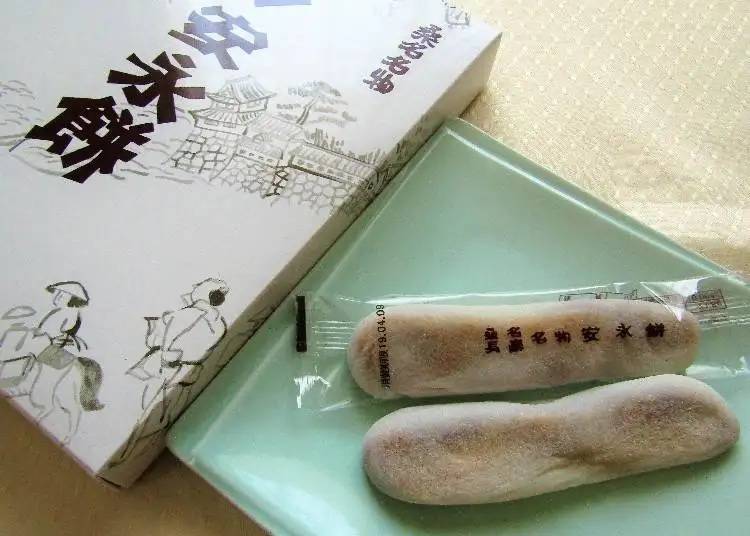
These mochi desserts are made by stretching mochi long and thin, putting tsubu-an (sweet red bean paste with bean pieces) inside, and slowly and carefully baking them. They come in either a paper box or wooden box, and you can choose from sets of 10 up to 50.
The "Nabana Yasunaga-mochi" sold exclusively at "Nabana no Sato" is made by mixing just the right amount of the highly nutritious green vegetable "nabana" into the mochi. You can store yasunaga-mochi at room temperature, but they remain fresh for only two days after the date of manufacture.
Enjoy Shell Leines - A Delectable Gourmet Sweet From Blanca
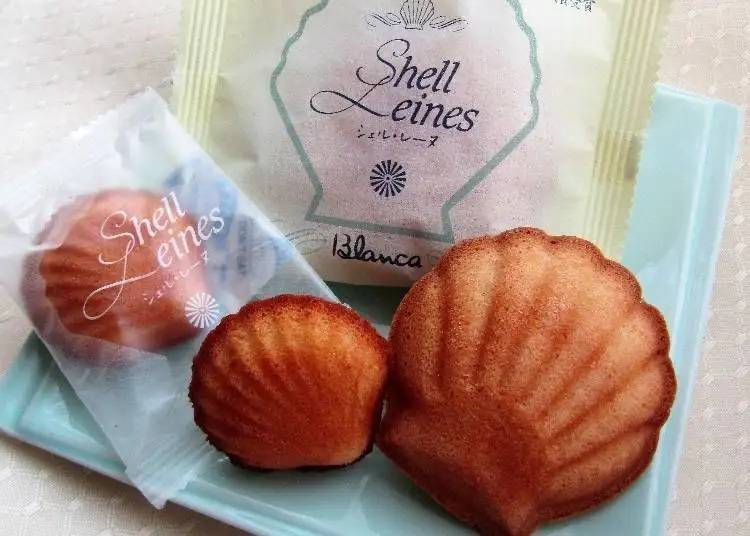
One recommended dessert aside from mochi sweets is the "shell leines" made in Toba, the hometown of pearls. These moist madeleine cakes are known for being a dessert that's also a source of calcium, as they are made with dough containing "natural pearl shell calcium."
They come in three standard flavors of plain, Ise tea, and dried sea lettuce, as well as limited-edition flavors such as chocolate. You can buy them by the piece, but there are also many box sets, containing 3 up to 50 cakes. You can store them at room temperature, and they last approximately a month until expiration.
Enjoy Drinks at Nagashima Beer Garden
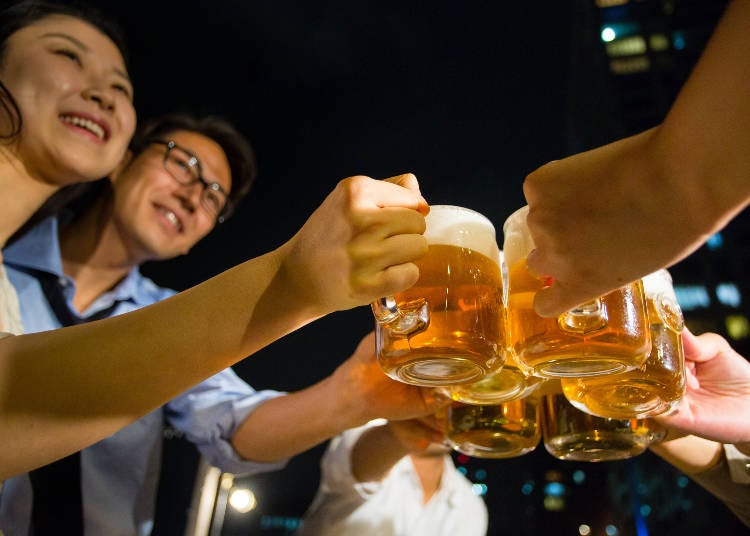
Nagashima Beer Garden is a European-style beer hall situated inside the Nabana no Sato flower park. Nagashima Beer Garden specializes in a great range of local malt beers, all brewed using water from the nearby Kiso River using the traditional methods of German breweries. There is both indoor and outdoor seating, meaning that you can enjoy a drink al fresco, or with a view overlooking the garden from inside.
As well as drinks, there’s also a huge choice of tasty food available at Nagashima Beer Garden. On the food menu are a number of main dishes, sharing platters and sides of Western and particularly German dishes, as well as a selection of local and seasonal dishes to enjoy too.
Spend Some Yen at Mitsui Outlet Park Jazz Dream Nagashima
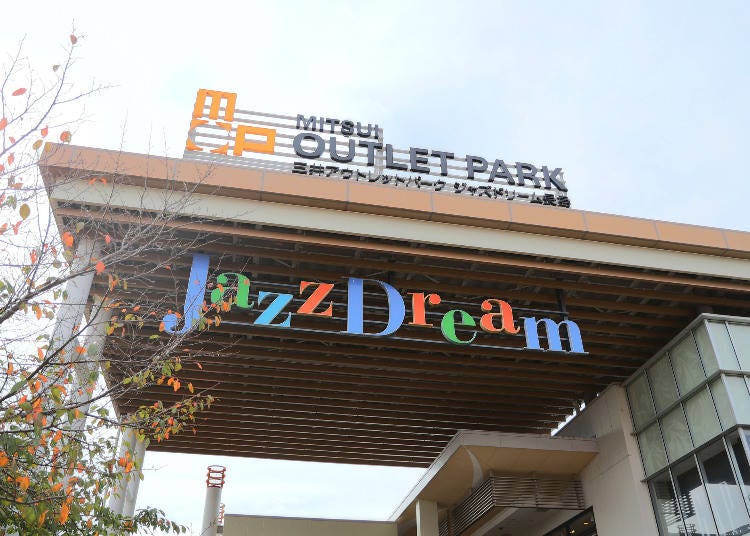
Just next door to Nagashima Spa Land as part of the massive Nagashima Resort, Mitsui Outlet Park Jazz Dream Nagashima is perfect for anyone in need of a heavy dose of retail therapy. Open every day of the year, this giant mall is home to over 250 shops, selling everything from fashion, jewelry, homewares and plenty more besides. Amongst the stores you’ll find here are many big name international and Japanese brands and retailers, including Dolce and Gabbana, Armani, Swarovski, and many more.
Prices in outlet malls in Japan tend to be slightly cheaper than in regular stores, so this is a great place to come if you’re looking to save a few yen. The majority of stores also offer tax-free shopping for tourists, meaning that you can save even more while you shop. There are also over 30 restaurants at Mitsui Outlet Park Jazz Dream Nagashima, perfect if you need a bite to eat after all that shopping.
-
Coupons
-
Address
368 Urayasu, Nagashima-cho, Kuwana City, Mie Prefecture, 511-1135
View Map -
Nearest Station
Kuwana Station (Kintetsu-nagoya Line / Yoro Tetsudo Yoro Line)
20 minutes by bus
- Phone Number 0594-45-8700
-
Address
368 Urayasu, Nagashima-cho, Kuwana City, Mie Prefecture, 511-1135

Not Just Kyoto and Nara! Discover a Special Trip in Mie
When it comes to traveling in the Kinki region, many people immediately think of Kyoto or Nara. However, right next door lies Mie Prefecture, a hidden gem full of charm. From the solemn atmosphere of Ise Jingu Shrine to the region’s beautiful mountains and coastline, and from fresh seafood to the famous Matsusaka Beef, Mie offers a concentrated taste of Japan’s many attractions. The 24 recommended sightseeing spots introduced here are just a small glimpse of what Mie has to offer. On a trip to Mie—not just Kyoto or Nara—you can enjoy truly memorable and unique experiences.
- Area
- Category
*Prices and options mentioned are subject to change.
*Unless stated otherwise, all prices include tax.

Popular Tours & Activities
Recommended places for you
-
Tsutenkaku Tower
Landmarks
Shinsekai, Tennouji, Tsuruhashi
-
ISHIDAYA Hanare
Yakiniku
Kobe, Sannomiya, Kitano
-
Goods
Yoshida Gennojo-Roho Kyoto Buddhist Altars
Gift Shops
Nijo Castle, Kyoto Imperial Palace
-
Myoshin-ji Temple
Temples
Arashiyama, Uzumasa
-
Jukuseiniku-to Namamottsuarera Nikubaru Italian Nikutaria Sannomiya
Izakaya
Kobe, Sannomiya, Kitano
-
Yodobashi Camera Multimedia Umeda Store
Shopping Malls
Umeda, Osaka Station, Kitashinchi
-
Missed the Sumo Tournament? 5 Best Shows in Osaka & Kyoto
-
5 Gorgeous Limited-Edition Goshuin Coming to Kobe’s Ikuta Shrine This September 2026
by: Wemmy Chau
-
How to Ride Trains Like a Local in Kansai: Etiquette, Railway Culture & Historic Stops
by: Guest Contributor
-
Top 3 Bus Tours to Arashiyama & Kinkaku-ji (Amanohashidate Included)
by: Hyungil Kim
-
Ad
New Destination! UNIQLO's New Global Flagship Store Comes to Kyoto in November 2026
-
Top-Booked in Japan: Must-Try Sushi in Osaka for First-Time Visitors
by: Guest Contributor
Inspiration for Accommodations
-
Family Trip: The 21 Best Things to Do in Osaka With Kids
by: Hiroko Ariga
-
Inside Kobe Tower: Fun Things to Do at the Symbol of Kobe
-
14 Osaka Food Tours That Let You Taste the City Like a Local
by: Hiroko Ariga
-
22 Fun Things to See and Do in Nara – Japan's 'Deer-ly' Beloved Cradle of Culture
-
What to Pack for Japan in 2026: 15 Essentials for a Stress-Free Trip
-
Fun-Filled Adventure! 5-Day Osaka Itinerary With Family-Friendly Attractions
- #best gourmet Osaka
- #things to do Osaka
- #what to do in kyoto
- #what to bring to japan
- #best gourmet Kyoto
- #new years in Osaka
- #what to buy in nanba
- #Visiting Osaka
- #onsen tattoo friendly arima
- #daiso
- #Visiting Kyoto
- #best japanese soft drinks
- #japanese fashion culture
- #japanese convenience store snacks
- #japanese nail trends