



Shopping in Japan 2026: Annual Sale Calendar, Best Deals & Where to Shop
- Written by: LIVE JAPAN Editor
Shopping in Japan does not have to break your travel budget. Time your visit well, and you can find seasonal fashion, electronics, cosmetics, household goods, souvenirs, and more at significantly reduced prices.
Japan’s biggest sale seasons generally arrive in early January and from late June through July. However, almost every month offers something worth watching, from spring “new lifestyle” promotions to September electronics sales and Black Friday campaigns in November.
This guide covers Japan’s annual sale calendar, the best products to buy during each period, common Japanese discount signs, and an important change to tax-free shopping beginning in November 2026.
Exact dates and participating stores vary each year. Always check the official website or social media account of the store you plan to visit.
- Table of Contents
-
- Quick Answer: When Is the Best Time to Shop in Japan?
- Season-by-Season Breakdown of Sales in Japan
- Where to Find the Best Sales in Japan
- Important Tax-Free Shopping Changes from November 2026
- How to Shop Smarter During Sales in Japan
- Japanese Sale Words and Signs to Recognize
- Exclusive Deals with LIVE JAPAN
- Frequently Asked Questions
- Plan Your Trip Around Japan’s Sale Seasons
Quick Answer: When Is the Best Time to Shop in Japan?

The two biggest traditional sale periods in Japan are:
・Early January: New Year sales, winter clearance, and fukubukuro lucky bags
・Late June to July: Summer clearance at department stores, fashion buildings, shopping malls, and brand stores
Other useful periods include February for final winter markdowns, March and April for appliances and household goods, September for fiscal-period and model-change sales, and November for Black Friday promotions.
Shopping at the beginning of a sale gives you a better choice of sizes, colors, and models. Waiting until the final clearance may bring lower prices, but popular products can sell out quickly.
| Month | Main Sales | Good Things to Buy |
|---|---|---|
| January | Hatsu-uri, fukubukuro, winter clearance | Fashion, cosmetics, food sets, household goods |
| February | Final winter clearance | Coats, knitwear, winter shoes, cold-weather goods |
| March–April | New lifestyle and fiscal-period sales | Electronics, appliances, furniture, stationery |
| May | Golden Week promotions | Fashion, games, electronics, leisure goods |
| June–July | Major summer sales | Clothing, shoes, accessories, cooling appliances |
| August | Final summer and outlet sales | Summer fashion, outdoor and leisure goods |
| September | Kessan and model-change sales | Electronics, appliances, older models |
| October | Autumn and Halloween promotions | Outdoor gear, seasonal food, selected fashion |
| November | Black Friday and online campaigns | Electronics, cosmetics, clothing, household goods |
| December | Christmas and year-end sales | Gifts, electronics, food, winter goods |
Season-by-Season Breakdown of Sales in Japan
January: Hatsu-uri Sales and Fukubukuro Lucky Bags
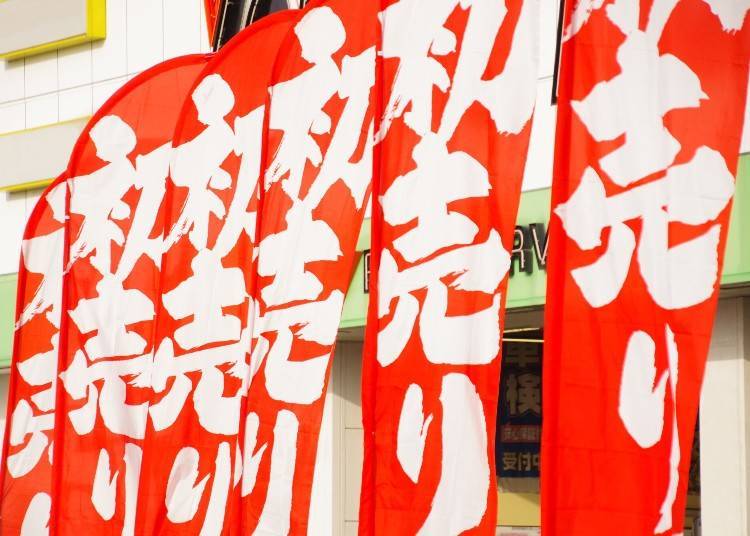
Winter clothing is usually heavily promoted, including coats, sweaters, scarves, boots, and cold-weather accessories. Cosmetics, household items, food, stationery, jewelry, and electronics may also appear in special New Year sets.
January is also famous for fukubukuro, or lucky bags. These limited-edition bags contain a selection of products sold together for less than their combined retail price.
Traditionally, the contents were kept secret until opening. Today, some stores reveal the products in advance or allow customers to choose a size or category. Many popular lucky bags now require advance online reservations or lottery applications.
Should you buy a fukubukuro?
A lucky bag can offer excellent value when you already like the brand and are comfortable receiving a mixed selection.
However, clothing sizes may not fit, and some products may not suit your taste. Return and exchange policies are often limited, so check the conditions before buying.
- Department stores
- Station shopping complexes
- Fashion buildings
- Shopping malls
- Outlet malls
- Electronics stores
- Cosmetics and lifestyle brands
- Major online retailers
New Year sales and fukubukuro remain central features of Japan’s annual shopping calendar.
February: Final Winter Clearance

The busiest New Year sales may be over, but February can be an excellent month for bargain hunters.
Stores need to clear winter merchandise before spring collections arrive. Remaining coats, knitwear, boots, warm accessories, and seasonal household products may therefore receive additional markdowns.
- Winter coats and jackets
- Knitwear and thermal clothing
- Boots and winter shoes
- Scarves, gloves, and hats
- Heating products and cold-weather goods
The trade-off is availability. Popular colors, sizes, and styles often disappear during the January sales, leaving a more limited selection in February.
Travelers who care most about price may find excellent bargains. Those looking for a particular size or design should shop earlier.
Department stores also hold elaborate Valentine’s chocolate events during this period. These are worth visiting for their large selections of Japanese and international brands, although discounted products are not guaranteed.
March and April: New Lifestyle and Fiscal-Period Sales
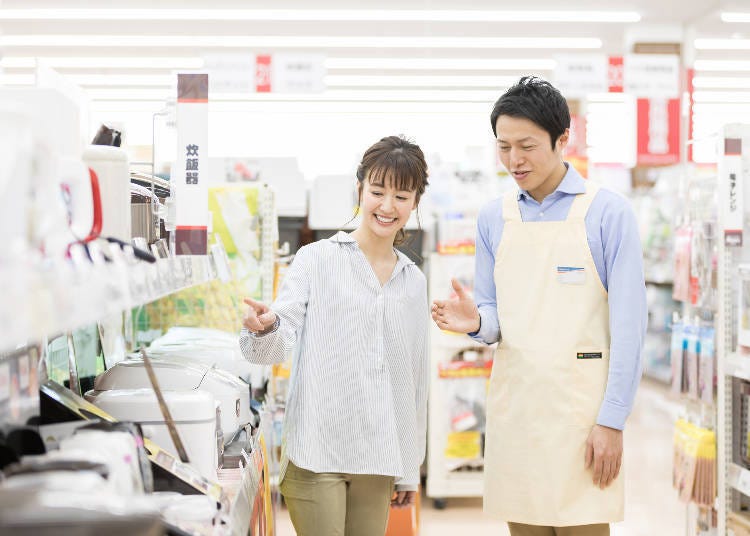
April marks the beginning of Japan’s school year and the fiscal year for many companies. It is also a major moving season, as students and employees relocate or begin a new stage of life.
Retailers respond with shin-seikatsu, or “new lifestyle,” campaigns aimed at people furnishing a new apartment, dormitory, or home.
- Refrigerators and washing machines
- Rice cookers, microwaves, and kitchen appliances
- Furniture and storage products
- Bedding and home accessories
- Computers and office equipment
- Stationery and school supplies
- Bicycles and everyday necessities
Electronics and appliance stores frequently offer starter bundles containing several essential products. These can be useful for residents, although international travelers should carefully consider voltage, language settings, shipping, and warranty coverage.
March can also coincide with fiscal-period sales, known as kessan sales. Stores or companies approaching the end of an accounting period may discount selected stock to help meet sales targets or reduce inventory.
May: Golden Week Promotions
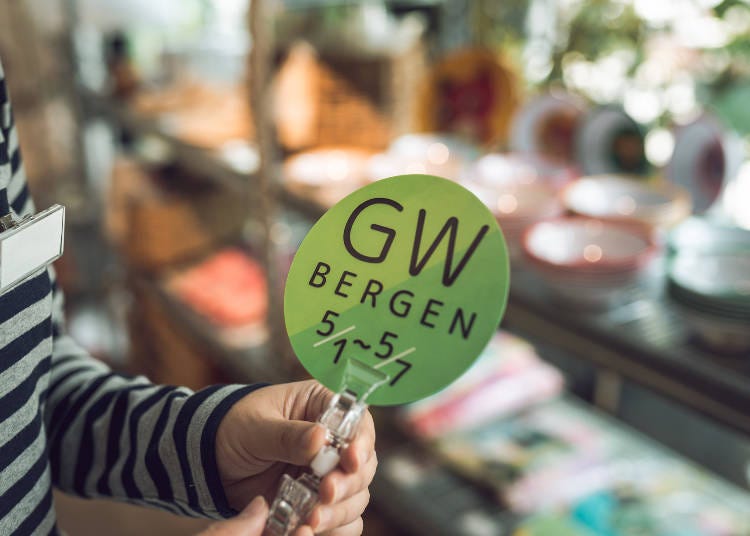
Golden Week is a collection of Japanese public holidays running from late April into early May. Shopping centers, electronics retailers, online stores, and entertainment companies often hold special campaigns to attract customers during the holiday period.
These promotions are not always traditional clearance sales. Offers may include bundle discounts, loyalty-point bonuses, raffles, gifts with purchase, or limited-edition products.
- Spring and early summer clothing
- Video games and entertainment products
- Electronics and accessories
- Travel and leisure goods
- Children’s products
- Outdoor equipment
Golden Week is also one of Japan’s busiest domestic travel periods. Popular malls, commercial districts, and outlet centers may be crowded, especially during the middle of the day.
June to August: Japan’s Major Summer Sales
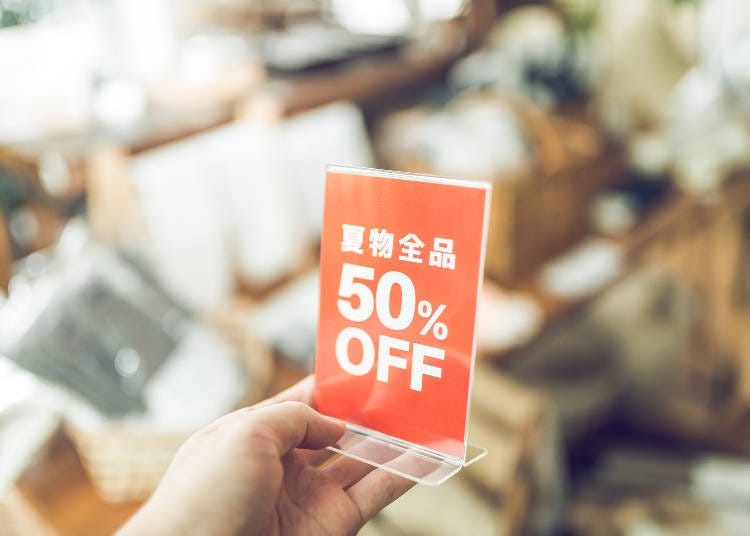
Summer is one of Japan’s two biggest clearance periods.
Department stores, fashion buildings, shopping malls, and individual brands commonly begin summer markdowns from late June through July. Outlet malls and other large shopping facilities may run additional campaigns from late July into August.
The exact schedule varies considerably. Some brands start quietly with discounts for members before opening the sale to everyone. Others divide the period into a first sale, further reductions, and a final clearance.
- T-shirts, dresses, shorts, and lightweight clothing
- Sandals, sneakers, bags, and accessories
- Swimwear and beach products
- Camping and outdoor equipment
- Fans, cooling devices, and seasonal appliances
- Summer bedding and household goods
Should you shop early or wait?
Shop during the first days when you need a specific size, color, or model. This is particularly important for shoes and clothing in less commonly stocked sizes.
Wait for the final clearance when price matters more than selection. Discounts may increase as the end of the sale approaches, but many of the most desirable items will already be gone.
Summer sale periods frequently differ between department stores, individual brands, shopping malls, and outlet facilities, so confirm each location’s schedule before visiting.
September: Kessan and Model-Change Sales
September is often overlooked, but it can be a useful month for electronics and appliances.
Many Japanese companies close part of their financial reporting cycle in September. Some retailers hold kessan sales, commonly translated as fiscal-period, closing-of-accounts, or financial settlement sales.
Electronics manufacturers may also release newer products around seasonal or annual model-change periods. Retailers sometimes discount older models to make room for incoming stock.
- Televisions and audio equipment
- Computers and tablets
- Kitchen appliances
- Cameras and accessories
- Air conditioners and cooling products
- Older or discontinued models
Do not assume that every item is at its lowest price. Compare the sale price with other stores and check whether the model has the features you need.
International travelers should also confirm:
・Whether the product supports the voltage used at home
・Whether menus and instructions are available in English
・Whether the warranty is valid outside Japan
・Whether batteries can be carried on the flight
・Whether the product has region or network restrictions
October: Autumn and Halloween Promotions
October is not usually one of Japan’s deepest nationwide clearance periods, but smaller seasonal promotions are common.
Shops may reduce remaining summer products while introducing autumn and winter collections. Outdoor stores may also run hiking, camping, and autumn leisure campaigns.
Halloween-themed food, decorations, costumes, and character goods are widely available during October. Remaining seasonal items may be reduced after October 31, although selection can disappear quickly.
- End-of-season summer items
- Camping and hiking equipment
- Autumn leisure products
- Halloween food and merchandise
- Selected transitional clothing
Because autumn sales are less standardized than summer or New Year clearance, check individual brands and shopping facilities rather than expecting one nationwide start date.
November: Black Friday and Online Sales
Black Friday has become increasingly visible in Japan, particularly at shopping malls, supermarkets, electronics retailers, drugstores, and online marketplaces.
Unlike in the United States, there is no single standard format followed by every Japanese retailer. Some promotions run only over one weekend, while others begin earlier in November and continue into December.
- Electronics and appliances
- Cosmetics and skincare
- Clothing and accessories
- Household goods
- Food and drinks
- Toys and children’s products
- Travel-related products and services
Japan also has a growing number of online campaigns around late November. However, the term “Cyber Monday” is not always used consistently, and retailers may choose their own schedules and campaign names.
Visitors ordering online should confirm delivery dates with their hotel before purchasing. Some accommodations will accept packages for registered guests, while others impose restrictions or may refuse cash-on-delivery orders.

December: Christmas and Year-End Sales

December brings Christmas promotions, gift campaigns, bonus-season shopping, and year-end clearance events.
Electronics stores often promote appliances and major purchases during this period. Department stores and shopping centers fill their floors with gift sets, food collections, winter fashion, and New Year products.
- Electronics and home appliances
- Christmas gifts
- Cosmetics and beauty sets
- Food and confectionery
- Winter clothing
- Calendars, planners, and stationery
- New Year decorations and supplies
Although December offers plenty of promotions, the deepest winter-fashion markdowns usually arrive after stores reopen in January.
Shop in December for gifts, specific products, and better availability. Wait until January when your priority is finding lower prices on winter merchandise.
Other Sales to Watch for in Japan
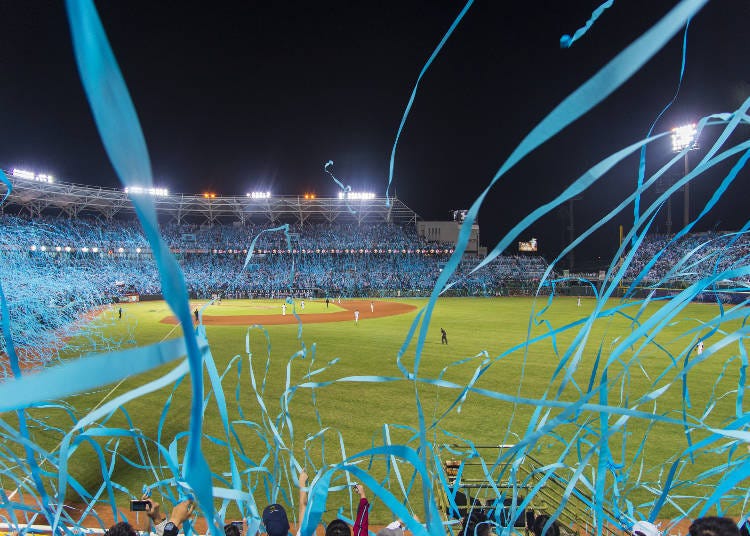
Not every bargain follows the annual calendar. Store-specific events can sometimes offer better deals than the major seasonal campaigns.
Japan Series championship sales (early November)
Some retailers and companies connected with professional baseball teams hold promotional campaigns when their team wins a league title or the Japan Series. These events depend entirely on the team, sponsor, retailer, and result of the season. Locations and eligible products can vary from regional department-store promotions to nationwide online campaigns. Treat them as an occasional bonus rather than a predictable part of your itinerary.
Grand opening and renewal sales
New or renovated stores frequently hold opening promotions. Offers may include limited-edition products, commemorative gifts, special prices, and loyalty-point bonuses. These campaigns are usually brief, and popular items can attract long lines.
Closing-down and inventory-clearance sales
A shop preparing to close or relocate may reduce remaining stock over several weeks. The strongest discounts often appear toward the end, although selection becomes increasingly limited.
Anniversary sales
Department stores, shopping centers, brands, and local businesses may hold promotions to celebrate the anniversary of their opening or founding.
Member and app sales
Many Japanese retailers now provide early access, digital coupons, point bonuses, or members-only prices through their apps and loyalty programs. Check whether registration requires a Japanese phone number or domestic address before relying on the offer.
Online flash sales
Online marketplaces and individual brands frequently hold short promotions that do not correspond with physical-store schedules. These may be useful when your accommodation accepts packages and you have enough time before departure.
Where to Find the Best Sales in Japan
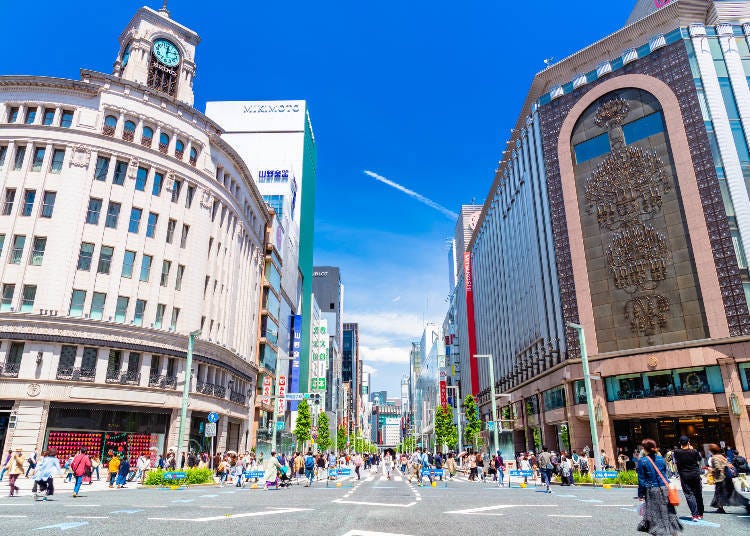
Department stores
Japanese department stores are convenient for fashion, cosmetics, jewelry, food, household goods, and luxury brands.
Major groups include Isetan Mitsukoshi, Takashimaya, Daimaru Matsuzakaya, Hankyu Hanshin, Seibu Sogo, Keio, and Tobu.
Department stores are particularly useful for visitors because many provide tax-free counters, multilingual support, tourist coupons, and food halls in one building.
Station buildings and fashion malls
Large railway stations often contain shopping facilities with dozens or even hundreds of stores.
Examples include Lumine, Atre, PARCO, Marui (0101), Granduo, and shopping complexes operated by regional railway companies.
Individual stores inside the same building may follow different sale schedules, so not every tenant will begin or end its discounts on the same day.
Shopping malls
Large complexes such as AEON Mall, Mitsui's LaLaport, and regional malls often run family-oriented holiday campaigns, Black Friday promotions, raffles, point bonuses, and seasonal clearance events.
Outlet malls
Outlet malls sell previous-season items, outlet-exclusive products, samples, and overstock throughout the year.
Major operators include Premium Outlets and Mitsui Outlet Park. Additional seasonal campaigns can make already discounted items cheaper, although tourist coupons and sale prices may not always be combined.
Electronics retailers
BicCamera, Yodobashi Camera, Yamada Denki, Edion, Joshin, and other large retailers offer products ranging from cameras and computers to cosmetics, toys, luggage, watches, and alcohol.
Compare prices, point rewards, tourist coupons, warranty terms, and tax-free eligibility rather than focusing only on the displayed discount.
Discount and variety stores
Stores such as Don Quijote, Daiso, Seria, Can Do, and other discount or 100-yen chains provide affordable shopping throughout the year.
They are especially useful when your trip does not overlap with a major sale period.
Secondhand and reuse shops
Japan has a strong secondhand retail market. Chains such as BOOKOFF, HARD OFF, Second Street, KOMEHYO, RAGTAG, and Treasure Factory sell used clothing, electronics, books, collectibles, luxury goods, instruments, and household products.
Condition varies, but Japanese reuse stores generally label major defects clearly. High-value products should still be inspected carefully before purchase.
Department stores, malls, outlets, electronics chains, discount shops, and reuse stores form the core of Japan’s bargain-shopping landscape.
Important Tax-Free Shopping Changes from November 2026
Japan’s tax-free shopping procedure will change on November 1, 2026.
Purchases made through October 31, 2026
Under the system operating through October 31, eligible visitors generally present their passport at a participating tax-free store and purchase qualifying products without paying Japanese consumption tax at the point of sale.
Procedures and purchase requirements vary by store, and some retailers deduct administrative or handling fees.
Purchases made from November 1, 2026
From November 1, visitors will pay the tax-inclusive price when purchasing eligible goods.
The amount equivalent to the consumption tax will be refunded only after customs confirms that the goods are being taken out of Japan. The precise refund method may differ between stores or refund-service providers.
Under the new procedure:
・You must normally leave Japan within 90 days of the purchase
・You must present your passport at the tax-free procedure terminal before departure
・You must have all eligible goods with you when completing the procedure
・The procedure must be completed before checking the relevant goods into your luggage
・Customs may require you to present the goods for inspection
・Purchases generally need to total at least 5,000 yen before tax at one store on one day
Tax-free procedure terminals will be located in international departure areas before baggage check-in. Travelers should arrive with enough time to complete the process, especially when carrying multiple purchases or departing during a busy period.
Goods sent internationally by parcel are no longer eligible for the tax exemption under rules effective from April 1, 2025.
Because implementation details and refund methods can differ, confirm the latest official information and ask the retailer how the refund will be issued before making an expensive purchase.
How to Shop Smarter During Sales in Japan
1. Check the sale dates before visiting
Japan does not have one nationwide schedule followed by every retailer. Two stores in the same shopping district may begin their summer clearance on different dates.
Check the facility’s official website, app, or social media account shortly before your visit.
2. Shop early for selection and late for price
Early sale periods are best for travelers who need a particular size, color, or model.
Final clearance is better when you are flexible and willing to choose from the remaining stock.
3. Confirm the final price
A sign reading “up to 70% off” does not mean every product receives that discount.
Check the individual price label and confirm whether additional coupons, tax-free benefits, or loyalty-point offers can be combined.
4. Ask about returns and exchanges
Sale products may be marked as final sale. Returns and exchanges are often refused unless the item is defective.
This is particularly important for clothing, shoes, cosmetics, electronics, and products with limited warranties.
5. Inspect display and clearance items
The label genpin kagiri, meaning that only the displayed item remains, can indicate a good bargain.
Check carefully for scratches, missing accessories, damaged packaging, or signs of use before paying.
6. Check sizing carefully
Japanese sizes can run differently from North American, European, and other Asian sizing systems.
Try clothing and shoes on whenever possible. If fitting rooms are unavailable, compare the item’s measurements with something you already own.
7. Check voltage, language, and warranties
Japanese electrical products are generally designed for Japan’s 100-volt power supply.
Confirm compatibility with your home country, and check whether menus, apps, warranties, replacement parts, and repair services are available overseas.
8. Keep baggage limits in mind
Large bargains are not always practical bargains.
Before buying appliances, cookware, food, alcohol, or bulky household goods, consider your airline’s baggage allowance, customs restrictions, and the cost of extra luggage.
Japanese retailers may limit returns, exchanges, fitting-room use, or gift wrapping for clearance products.
Japanese Sale Words and Signs to Recognize
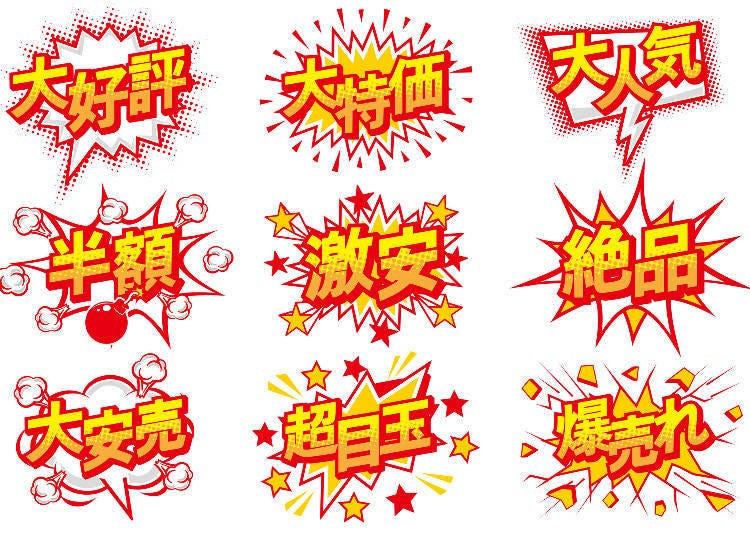
You do not need to speak fluent Japanese to spot a bargain. These terms commonly appear on signs, labels, websites, and store displays.
| Japanese Term | English Meaning |
|---|---|
| セール / Seeru | Sale |
| バーゲン / Baagen | Bargain sale |
| クリアランス / Kuriaransu | Clearance sale |
| 値下げ / Nesage | Price reduction |
| 割引 / Waribiki | Discount |
| 半額 / Hangaku | Half price |
| 〇〇%OFF / Marumaru paasento offu | XX% off |
| 最大〇〇%OFF / Saidai marumaru paasento offu | Up to XX% off |
| 期間限定 / Kikan gentei | Limited time |
| 数量限定 / Suuryou gentei | Limited quantity |
| 在庫限り / Zaiko kagiri | While stocks last |
| 現品限り / Genpin kagiri | Display item only |
| 売り切れ / Urikire | Sold out |
| 売り尽くし / Uritsukushi | Everything must go |
| 最終処分 / Saishuu shobun | Final clearance |
| 決算セール / Kessan seeru | Fiscal-period or closing-of-accounts sale |
| 歳末セール / Saimatsu seeru | Year-end sale |
| 初売り / Hatsuuri | First sale of the New Year |
| 福袋 / Fukubukuro | Lucky bag |
| 目玉商品 / Medama shouhin | Featured bargain or doorbuster |
Exclusive Deals with LIVE JAPAN
Unlock instant savings across Japan with LIVE JAPAN COUPONS—a completely free discount service designed for travelers. By partnering directly with major brands, Live Japan delivers exclusive deals on electronics, drugstores, duty-free goods, department stores, and outlet malls all in one convenient place.
There are no sign-ups, hidden fees, or membership requirements. Simply access your free coupons, present them at checkout, and keep more cash in your wallet for your Japanese adventures.
Electronics & Appliances
BicCamera: This major nationwide retailer is your one-stop shop for everything from the latest cameras and laptops to home appliances and audio gear. You can also pick up toys, cosmetics, and Japanese sake at locations across the country. Upgrade your tech or grab everyday travel essentials with this exclusive deal.
LAOX: Operating at major tourist hubs and airports nationwide, LAOX is a renowned tax-free retailer offering a wide variety of electronics, cosmetics, and popular Japanese souvenirs. It is the perfect place to grab last-minute gifts or high-end appliances before heading home. Shop their expansive selection while maximizing your travel savings.
Edion: Find the latest home appliances, gaming consoles, and beauty devices at this nationwide electronics chain. With a massive presence across Japan, particularly in the Chubu and Kansai regions, it is a highly convenient stop for all your tech needs. Grab top-tier products and everyday gadgets while keeping your travel budget intact.
Joshin: Originally based in Osaka but now operating nationwide, Joshin is a favorite for top-tier electronics, home goods, and an incredible selection of plastic models and toys. Whether you are hunting for the newest camera or niche hobby goods, you will find excellent variety here. Take advantage of this special discount to save on your favorite Japanese brands.
Yamada Denki LABI: Yamada Denki’s urban mega-store brand, LABI, is conveniently located near major train stations nationwide. Grab the latest home appliances, beauty devices, and everyday Japanese goods at an unbeatable price in the heart of the city. Make your tax-free shopping and souvenir hunting even more affordable with this exclusive discount.
Discount Stores
Don Quijote (Donki): This iconic discount mega-store operates nationwide, offering a treasure trove of popular souvenirs, cosmetics, and quirky Japanese snacks. Many locations are open late or even 24 hours, making it incredibly easy to fit into your travel schedule. Stock up on everything from KitKats to luxury watches while saving big on your total purchase.

Takeya: Discover incredible deals at this famous local discount department store located in Okachimachi, Tokyo. Famous for its purple buildings, it offers everything from gourmet food and cosmetics to branded bags and electronics. Enjoy a localized Tokyo shopping experience with a massive selection of high-quality goods at low prices.
Sports & Outdoors
Snow Peak: This premium nationwide outdoor brand is famous for its high-quality camping gear, functional apparel, and durable titanium mugs. With beautiful flagship stores in major cities like Tokyo and Osaka, as well as locations in premium outlets, it is easy to find everything you need for your next adventure. Combine your tax-free status with this exclusive discount to save big on top-tier Japanese outdoor equipment.
Outlets, Department Stores & Malls
MITSUI OUTLET PARK & LaLaport: Enjoy discounted prices on international and domestic clothing, accessories, and lifestyle brands at this nationwide network of outlet centers and shopping malls. With locations scattered across Japan, these pleasant, open-air parks and massive indoor complexes make for a perfect day trip. Save even more on your shopping spree and grab a free gift with our exclusive coupon.

Odakyu Department Store Shinjuku: Treat yourself to luxury cosmetics, high-end fashion, and gourmet treats right in the heart of local Tokyo. Conveniently connected to Shinjuku Station, this iconic department store is a must-visit for premium Japanese goods. Maximize your savings on top-tier brands with this exclusive tax-free discount.
Tobu Department Store Ikebukuro: Shop premium fashion, homeware, and an incredible basement food hall at one of Tokyo's largest local department stores. Located directly at Ikebukuro Station, it offers endless options for cosmetics, traditional crafts, and seasonal gifts. Grab your discount coupon to enjoy premium shopping at an even better price.
Keio Shinjuku Department Store: Find popular Japanese cosmetics, traditional crafts, and timeless fashion right above Shinjuku Station in Tokyo. This local department store is highly accessible and perfect for travelers looking for quality souvenirs and gourmet depachika food. Make sure to exchange your ticket for a discount before hitting the registers.
Hankyu Hanshin Department Store: Experience top-tier fashion, cosmetics, and luxury brands at these iconic regional department stores based in Osaka and the Kansai area. Known for their stunning displays and massive food halls, they are the perfect place to pick up high-end Kansai souvenirs. Enhance your premium shopping experience with this special guest discount.
NAMBA PARKS, NAMBA CITY & NAMBA SkyO: Shop trendy fashion, lifestyle goods, and unique souvenirs across these massive, interconnected local shopping complexes in Namba, Osaka. These visually stunning malls offer a mix of mainstream brands, local boutiques, and incredible dining options right in the city center. Claim your special coupon bundle to save big while exploring Osaka's bustling retail hub.
Kintetsu Dept. Store: Browse luxury brands, beauty products, and local delicacies at this premium regional department store chain centered around Osaka and the Kansai region. Known for locations like the towering Abeno Harukas, it offers spectacular shopping alongside stunning city views. Pick up your discount to save on everything from high fashion to traditional Japanese sweets.
Duty-Free Shops
Lotte Duty Free Ginza: Enjoy airport-style duty-free shopping right in the heart of Tokyo at this massive local Ginza store. You can browse international luxury brands, cosmetics, and perfumes without paying consumption tax or customs duties. Grab your discount and shop at your own pace before heading to the airport.
Japan Duty Free GINZA: Purchase premium cosmetics, liquor, and designer fashion completely tax and duty-free at this dedicated local shop inside Tokyo's Mitsukoshi Ginza. It allows you to secure airport duty-free prices on top brands while comfortably exploring the city. Lock in your extra savings before you even reach the departure gate.
Pharmacies
Tsuruha Drug: Shop a massive selection of popular Japanese skincare, makeup, and health products at this major nationwide drugstore chain. Whether you are looking for pain relief patches, sheet masks, or daily necessities, you will find it easily across Japan. Keep your travel budget intact by combining your tax-free status with this extra discount.
SATUDORA: Stock up on Hokkaido-exclusive goods, popular cosmetics, and daily necessities at this beloved regional drugstore chain. While they have a few stores elsewhere, their massive presence across Hokkaido makes them the go-to pharmacy for northern travelers. Save on everything from Japanese snacks to cold medicine with this special offer.
SUNDRUG: Grab all your essential Japanese cosmetics, medicines, and affordable snacks at this popular nationwide pharmacy. With locations scattered conveniently near major stations and shopping streets across Japan, it is incredibly easy to pop in for daily essentials. Stack your tax-free savings with this coupon for a fantastic discount on your haul.
Frequently Asked Questions

- What are the best months for shopping sales in Japan?
- Early January and late June through July are generally the biggest nationwide sale periods. February can be good for final winter clearance, while September and November are useful for electronics and other selected categories.
- When do Japan’s New Year sales begin?
- Many stores begin when they reopen after the New Year holiday, commonly around January 2. However, some facilities remain closed for longer, and opening dates vary.
- What is a fukubukuro?
- A fukubukuro is a New Year lucky bag containing multiple products sold together at a reduced total price. Contents may be secret, partially revealed, or completely disclosed.
- Is it better to shop at the beginning or end of a sale?
- Shop at the beginning for the best choice of sizes, colors, and models. Shop near the end for potentially deeper reductions, but expect a much smaller selection.
- Does Japan have Black Friday?
- Yes. Black Friday is now common at shopping malls, supermarkets, electronics retailers, drugstores, and online shops. Dates, participating stores, and discount levels vary.
- When are electronics cheapest in Japan?
- Useful periods may include March and April new lifestyle campaigns, summer bonus sales, September kessan sales, Black Friday, and year-end promotions.
- Can sale products also be tax-free?
- They often can, provided the store, customer, purchase amount, and product meet the applicable requirements. Individual products or promotions may be excluded, so confirm before paying.
- Can tourist coupons be combined with sale prices?
- Sometimes. Policies vary between retailers, brands, and campaigns. A coupon may exclude clearance merchandise or certain luxury and electronics brands.
- Can sale products be returned?
- Most sale products are final sale and cannot be returned or exchanged unless defective. Check the policy before completing your purchase.
- Are department stores open on January 1?
- Many department stores and shopping facilities close on January 1, but there are exceptions. Always check the current New Year operating calendar.
- Are Japanese clothing sizes different?
- They can be. Japanese clothing and shoe sizes may fit differently from overseas sizing systems, so trying items on or checking measurements is strongly recommended.
Plan Your Trip Around Japan’s Sale Seasons

Japan offers shopping opportunities throughout the year, but January and the early summer clearance period generally provide the widest range of discounts.
Choose the beginning of a sale when selection matters most, or wait for the final markdowns when you are flexible about the product. Check exact dates, return policies, tax-free conditions, sizing, warranties, and luggage limitations before buying.
With a little advance planning, Japan’s department stores, malls, outlets, electronics shops, discount chains, and secondhand stores can become some of the most rewarding stops on your trip.

The LIVE JAPAN editorial team is a multinational group made up of native editors who have lived in Japan for over five years and Japanese editors who love to travel. Together, we share the best of Japan, offering cultural insights, historical context, event updates, and travel-friendly deals, to support your journey every step of the way.
*Prices and options mentioned are subject to change.
*Unless stated otherwise, all prices include tax.
Popular Tours & Activities
Recommended places for you
-
JINS Yurakucho Marui Store
Other Shopping
Ginza
-
Goods
OTACHU.AKIHABARA
Other Shopping
Akihabara
-
Goods
Maruzen Nihonbashi Store
Other Shopping
Tokyo Station
-
Goods

Hankyu Department Store Umeda Main Store 7th floor eyeglass salon
Other Shopping
Umeda, Osaka Station, Kitashinchi
-
JINS Marunouchi Store
Other Shopping
Tokyo Station
-
Ticket Sundry
Other Shopping
Ginza
-

Top-Booked by International Visitors: Must-Try Italian & Pizza in Tokyo for First-Time Visitors
by: Guest Contributor
-
Ad
Do’s and Don’ts: The Complete Guide to Sento Baths! Getting the Full Experience In Ueno’s Famous Kotobuki-yu
-
Autumn in Japan 2026: Fall Foliage Forecast & Where to Enjoy the Colorful Leaves (+Tour Info)(Updated Oct 1)
-
Ad
Pocket WiFi Rental in Japan 2026: Complete Price Comparison & Where to Get the Best Deal
-
Haneda Airport Duty-Free Shopping Guide: What to Buy, How to Save & Where to Eat Before Your Flight
by: Guest Contributor
-

Seibu Group Launches New Chichibu Adventure Tourism Experience for International Travelers in 2026
by: Guest Contributor
-
Ad
Why Are Japanese Wood Furniture Makers, Known for 'Design Masterpieces,' Admired Around the World?
-
Kakuyasu Discount Liquors is a hit with tourists! Check out its top ten chu-hi options!
-
Hoshinoya Kyoto: This Incredible Japanese Hotel Welcomes You By Boat on a Sakura-Filled River
-
JR Edition: Visit all of Tokyo in one Day with the Tokyo Metropolitan District Pass!
-
Todai-ji Temple: Home to the Great Buddha of Nara - And a Nose Hole That Brings You Luck!?
by: WESTPLAN
-

Sofmap Akiba: Top 10 Most Popular Anime Goods & Games at Sofmap’s Amusement Store
- #best sushi japan
- #what to do in odaiba
- #what to bring to japan
- #new years in tokyo
- #best ramen japan
- #what to buy in ameyoko
- #japanese nail trends
- #things to do japan
- #onsen tattoo friendly tokyo
- #daiso
- #best coffee japan
- #best japanese soft drinks
- #best yakiniku japan
- #japanese fashion culture
- #japanese convenience store snacks