





5 Quirky Japanese Summer Festivals You Must See: Dancing, Fire, Bellybuttons & More!
- Written by: Miyu Shimada
Japan hosts various summer festivals across the country, each with its unique characteristics, history, and purpose. Experiencing these festivals (or "matsuri") firsthand offers a deeper understanding of Japan.
Here, we've curated five extraordinary and unique traditional summer festivals. These festivals are particularly notable for their bold, dazzling displays that will transform your perception of Japan and its people, making the summer heat a distant memory.
This page may contain promotional material
- Table of Contents
-
- 1. Boldly Exposing Bellies While Dancing and Parading: The Shocking Sight of Hokkai Heso Matsuri (Hokkaido)
- 2. Experience the Awe-Inspiring Power of Traditional Rituals and Summer Flames: Yoshida Fire Festival (Yamanashi)
- 3. Enjoy the Charming and Delicate Traditional Craft of Kokeshi Dolls: National Kokeshi Festival (Miyagi)
- 4. Parade Through Town with Unique Masks: Hyuga Hyottoko Summer Festival (Miyazaki)
- 5. Beautiful Red Lanterns Illuminating the Summer Night: Yamaguchi Tanabata Lantern Festival (Yamaguchi)
- Experience the Essence of Japanese Summer Through Festivals!
1. Boldly Exposing Bellies While Dancing and Parading: The Shocking Sight of Hokkai Heso Matsuri (Hokkaido)
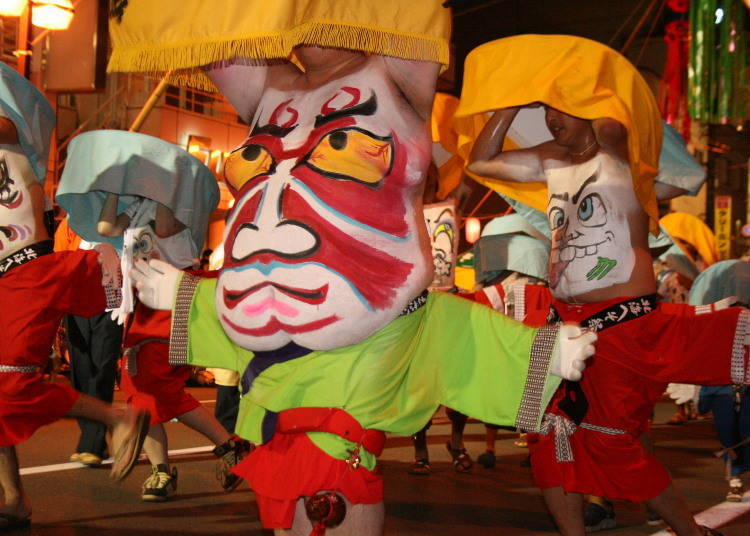
One of the unique festivals where participants parade with painted bellies is the "Hokkai Heso Matsuri," held annually on July 28 and 29 in Furano, Hokkaido. Located in the center of Hokkaido, Furano is considered the "navel" of the region. The festival aims to strengthen the bonds between parents, citizens, and participants through this symbolic "navel." It has become one of the major events in Furano, set amidst its beautiful natural surroundings.
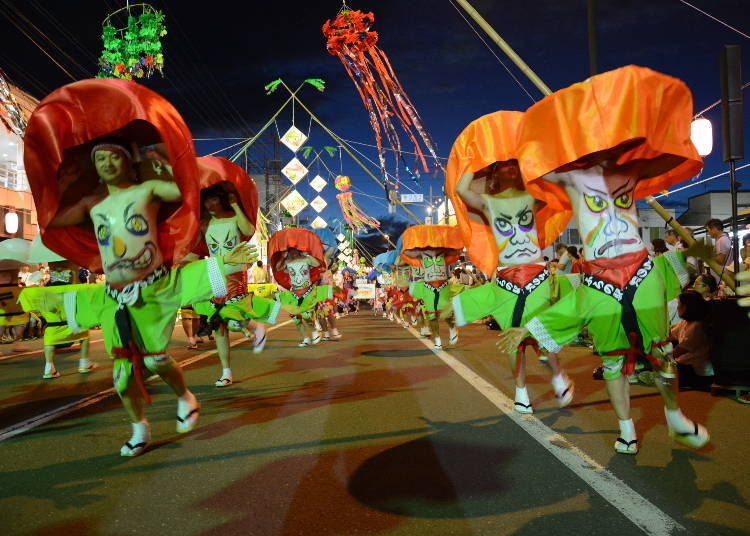
The festival takes place in the shopping district in front of Furano Station in Hokkaido. Participants paint faces, called "zubara," on their bellies and parade with their stomachs exposed, dancing to the rhythm of the "Hokkai Heso Ondo" chant, "Iijanai ka, Iijanai ka" ("Isn't it great, isn't it great"). The impressive artwork on their large bellies is truly a sight to behold!
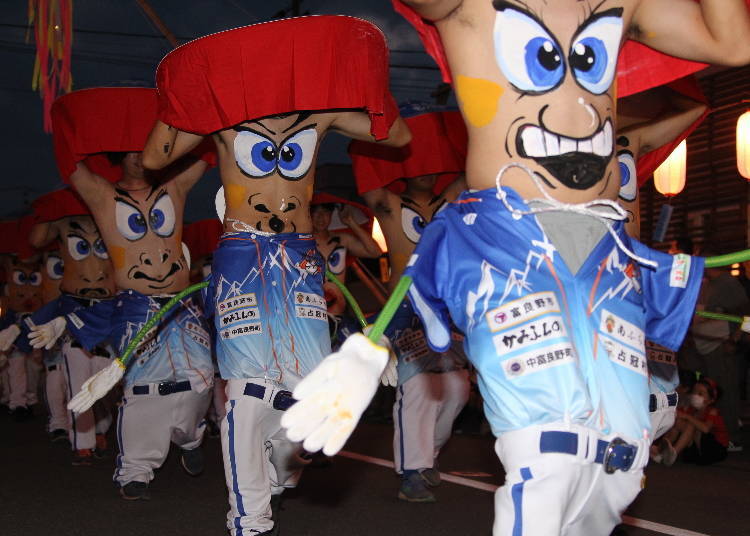
This festival originated during Japan's period of rapid economic growth in the 1960s. The idea emerged in Furano City, with residents expressing a desire for a new event that everyone could participate in. During discussions for the annual August commerce festival, someone suggested incorporating a dance themed around the city's central marker stone (symbolizing the center of Hokkaido), using the "navel" as a concept.
The first event was held on August 15, 1969, with preparations including the lyrics and composition of the "Hokkai Heso Ondo," choreography for the dance, and the creation of the "zubara" belly paintings. The debut featured 301 dancers, with 290 in yukata and 11 with painted bellies.
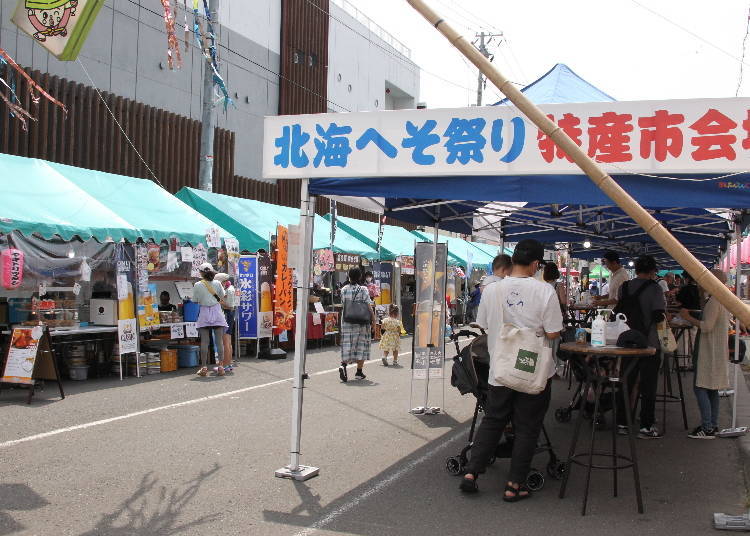
In 2024, the festival theme is "Dance at Night ~56th Summer~." A highlight is the Hokkai Heso Dance Competition, where participants paint faces called "zubara" on their bellies and dance. These unique belly paintings display a variety of expressions, bringing laughter to the audience.
You can join in on the fun as spontaneous participation on the day is welcome (participation fee: 3,000 yen, subject to change), making it a perfect opportunity to watch or dance and create unforgettable summer memories in Furano.
The venue also features the Heso Special Market, where local Furano restaurants offer their culinary specialties, along with taiko drum and calligraphy performances.
- Dates: July 28–29, 2024
- Location: Special venue on Shin-Aioi Street, Asahimachi 4, Furano, Hokkaido
- Admission: Free to watch / 3,000 yen for spontaneous participation (subject to change)
- Participation: Open to everyone. Register for dance participation on the day (registration starts at 3 PM on both days)
- Note: If you plan to participate, please wear clothes that can get dirty.
- Official website

Recommended places to stay nearby
-
 Shin Furano Prince Hotel新富良野プリンスホテル
- Address Nakagoryo, Furano-shi, Hokkaido View Map
- Original source: Rakuten Travel
-
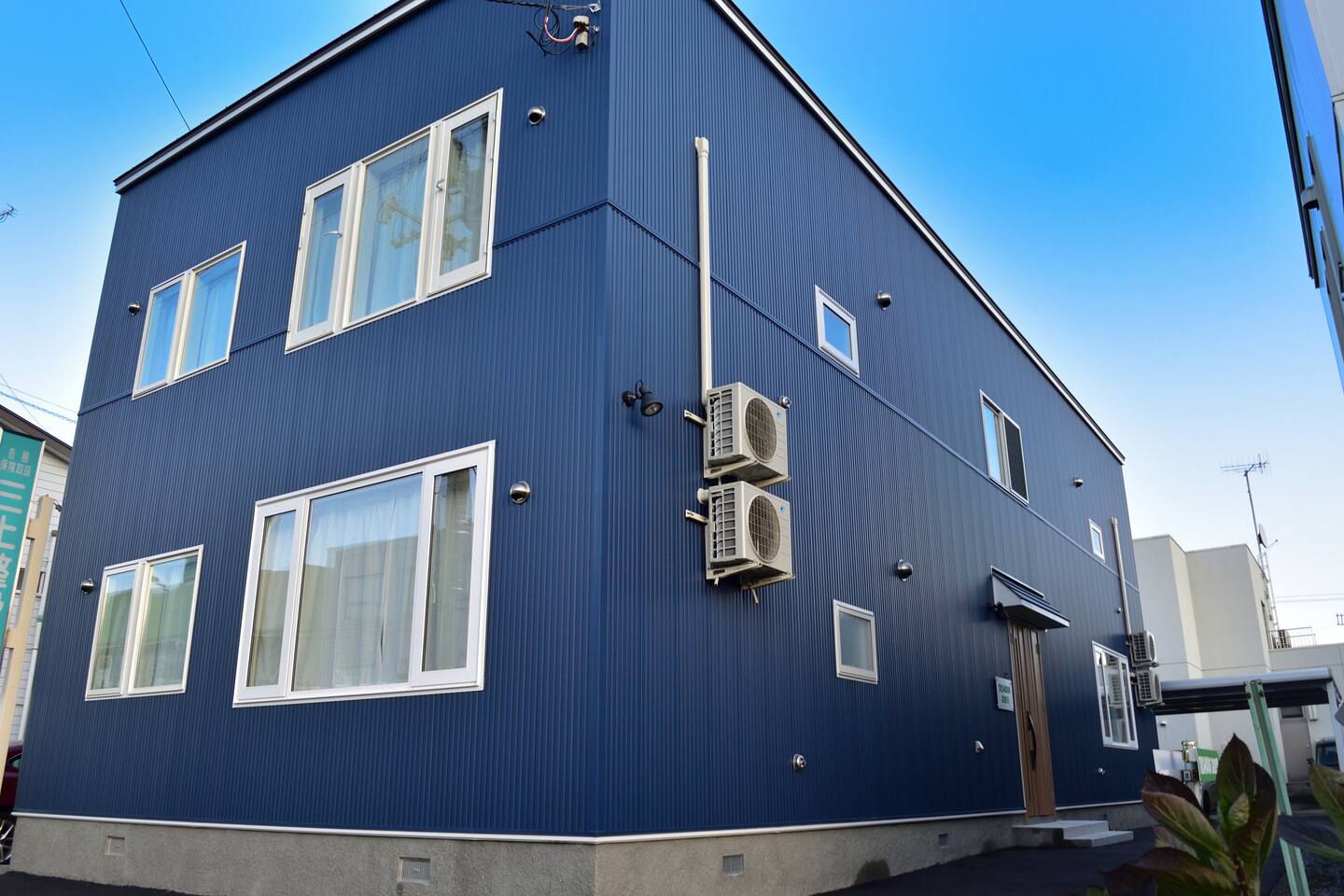 TKD House FuranoTKD HOUSE FURANO
- Address 8-23 Motomachi, Furano City, Hokkaido View Map
- Original source: Rakuten Travel
-
 furano ski rabifurano ski rabi
- Address 西麻町2−43 2F, Furano, Hokkaido View Map
- Original source: Booking.com
Vacancy search, reservation
-
from 30,130JPY 1room, 2adults
Check with our partner site as the latest rates, rate details, and guest room requirements may vary.
2. Experience the Awe-Inspiring Power of Traditional Rituals and Summer Flames: Yoshida Fire Festival (Yamanashi)
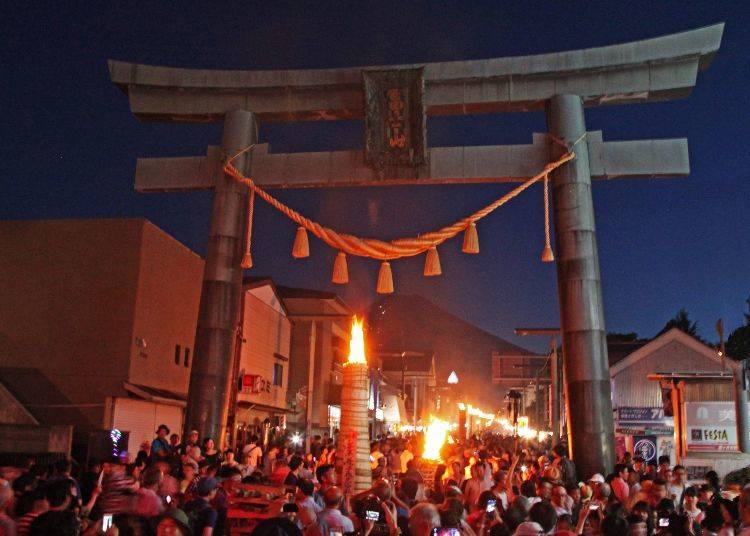
Held annually on August 26 and 27 in Fujiyoshida City, Yamanashi Prefecture, near the iconic Mount Fuji, the Yoshida Fire Festival is a spectacular event. With over 450 years of history, it is counted among Japan's three most unique festivals and Japan's top ten fire festivals. Recognized as an Intangible Folk Cultural Asset of Yamanashi Prefecture, this festival is a standout event representing Fujiyoshida.
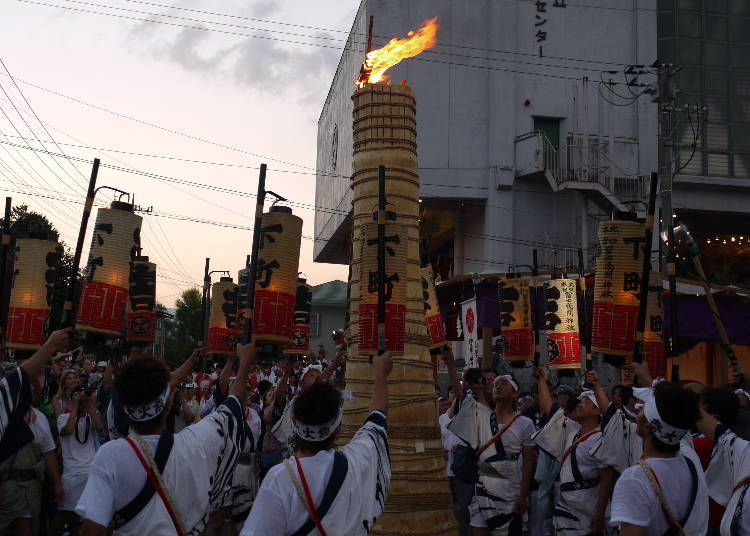
The Yoshida Fire Festival is celebrated by two shrines: Kitaguchi Hongu Fuji Sengen Shrine and Suwa Shrine. The festival begins on the afternoon of August 26 at Suwa Shrine. By dusk, over 100 large torches, each standing 3 meters tall and shaped like bamboo shoots, are lit simultaneously, turning the town into a sea of fire that continues late into the night. On August 27, mikoshi (portable shrines) are carried through the streets in a grand procession.
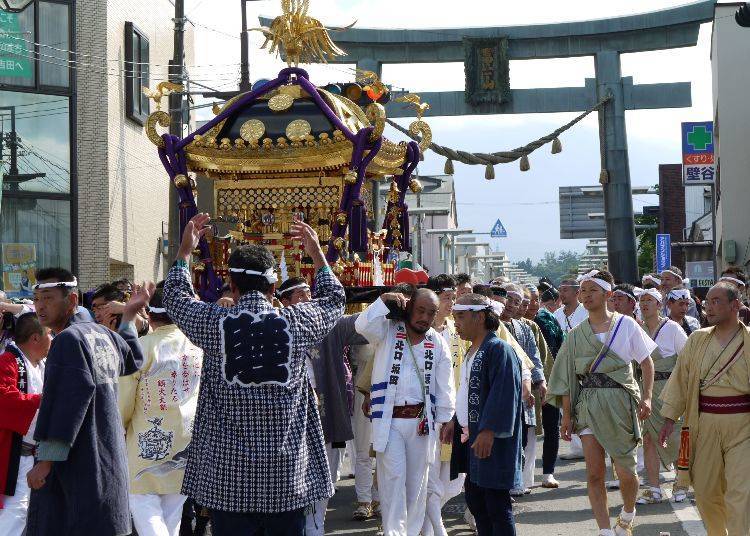
Originally, the festival was a celebration of Suwa Shrine. According to legend, when the deity of Suwa was fleeing from pursuers, the local residents welcomed the deity with torches. Seeing the torches, the pursuers mistook them for reinforcements and fled, allowing the deity to stay in the area for a while. This event is said to be the origin of the festival, held to honor the Suwa deity, although the exact details remain unclear.
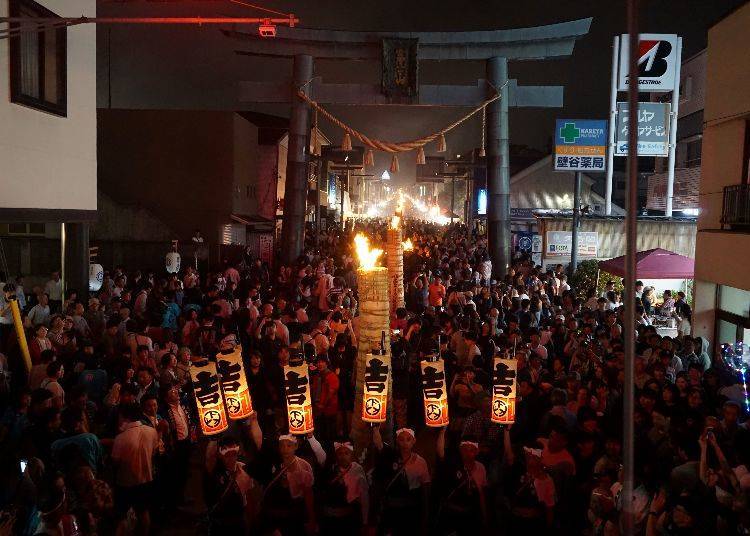
A highlight of the festival is the breathtaking sight of over 100 large torches being lit around 6:30 PM on the 26th. The road, illuminated by these torches over a distance of about 2 kilometers, creates an enchanting scene that leaves spectators in awe. The torches burn brightly into the night, enhancing the festival's lively atmosphere. As a sacred event, the festival also features numerous shrine officials and traditional Kagura performances (dances and songs dedicated to the gods), offering a uniquely Japanese experience.
- Location: Kitaguchi Hongu Fuji Sengen Shrine and surrounding Kamiyoshida area
- Admission: Free (parking is also free)
- Official website
-
Kitaguchi Hongu Fuji Sengen Shrine北口本宮冨士浅間神社
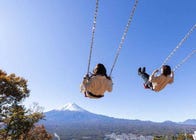
- Address 5558 Kamiyoshida, Fujiyoshida-shi, Yamanashi
Recommended places to stay nearby
-
 Daikokuya Mt.Fuji大国屋
-
Address
Kamiyoshida 5-10-25, Fujiyoshida, Yamanashi, 403-0005
-
Nearest Station
Fujisan Station (Otsuki Line (Fujikyuko) / Kawaguchiko Line (Fujikyuko))
14 minutes on foot
-
Address
Kamiyoshida 5-10-25, Fujiyoshida, Yamanashi, 403-0005
-
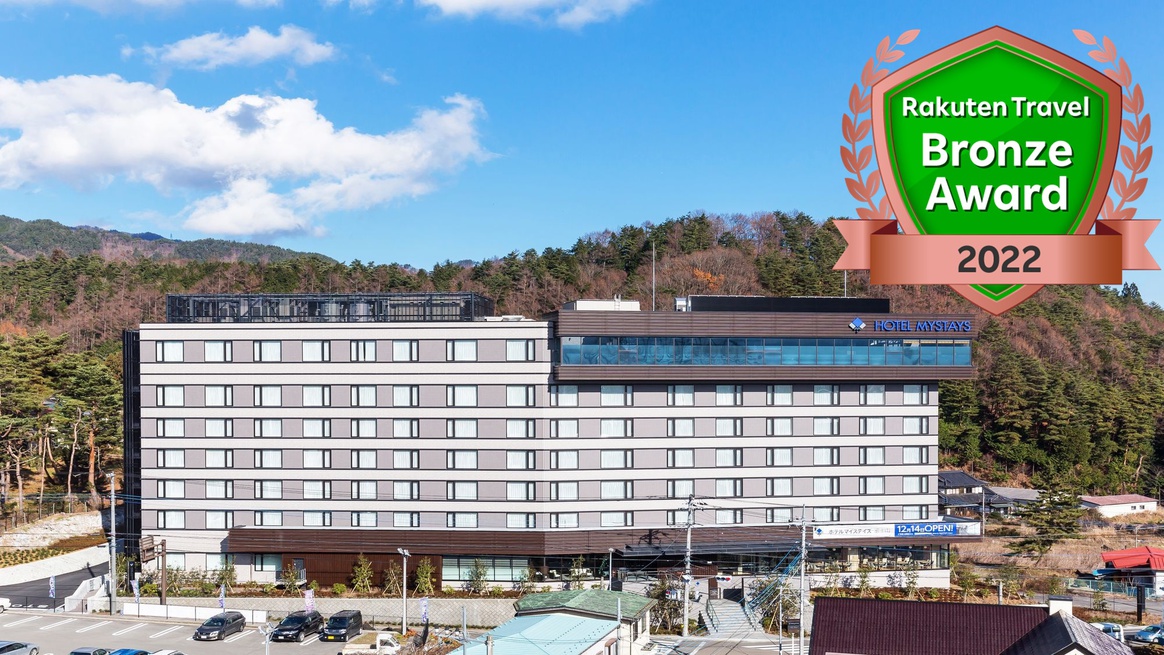 Hotel MyStays Fuji Onsen Resortホテルマイステイズ富士山 展望温泉
- Address 2654 Arakura, Fujiyoshida-shi, Yamanashi View Map
- Original source: Rakuten Travel
-
 T&T Fujiyama Guest HouseT&T Fujiyama Guest House
- Address 1-12-10 Koasumi Fujiyoshida Shi, Yamanashi Ken Japan, Fujiyoshida, Yamanashi View Map
- Original source: Booking.com
Vacancy search, reservation
-
from 5,880JPY 1room, 2adults
Check with our partner site as the latest rates, rate details, and guest room requirements may vary.
3. Enjoy the Charming and Delicate Traditional Craft of Kokeshi Dolls: National Kokeshi Festival (Miyagi)
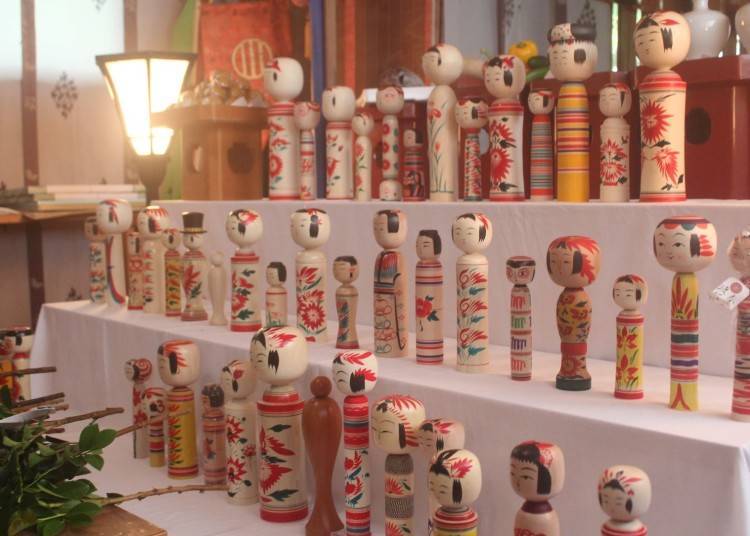
The National Kokeshi Festival, celebrating the charming kokeshi dolls, is held in Miyagi Prefecture. This traditional festival features works from artisans of 11 kokeshi lineages primarily from the Tohoku region. It began in 1948 to commemorate the establishment of a monument for the kokeshi enthusiast, Kaname Fukazawa. Renamed the National Kokeshi Festival in 1953, it will celebrate its 69th edition in 2024.
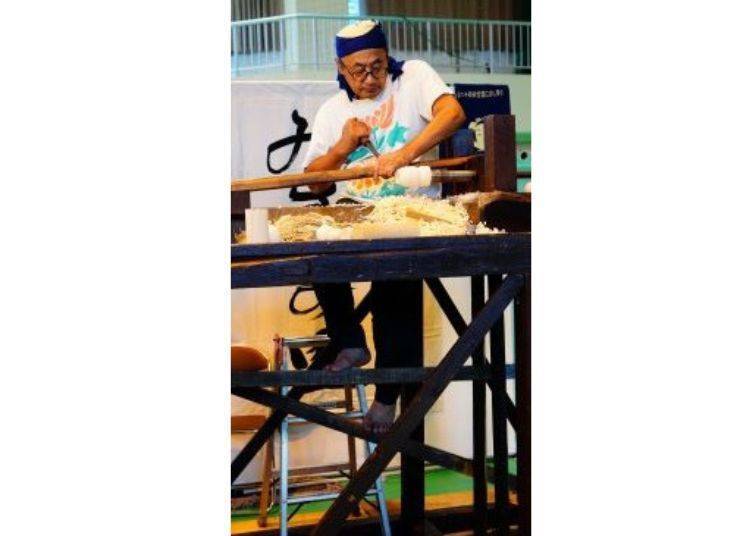
Kokeshi are wooden dolls crafted with the skilled techniques of lathes and kanna (wood shaving tools), a tradition that has been passed down since the late Edo period. Originating as souvenirs from the hot spring regions of Tohoku, they developed unique shapes and decorations specific to each area. Among the various traditional kokeshi, "Naruko Kokeshi" are primarily made from mizuki (dogwood) wood. A distinctive feature of Naruko Kokeshi is their ability to make a "kya-kya" sound when the head is turned. Their warm wooden texture and charming, gentle expressions provide a sense of comfort.
The National Kokeshi Festival aims to promote the beauty of traditional kokeshi, providing a venue for artisans to gather, hone their skills, and foster the growth and development of this traditional craft.
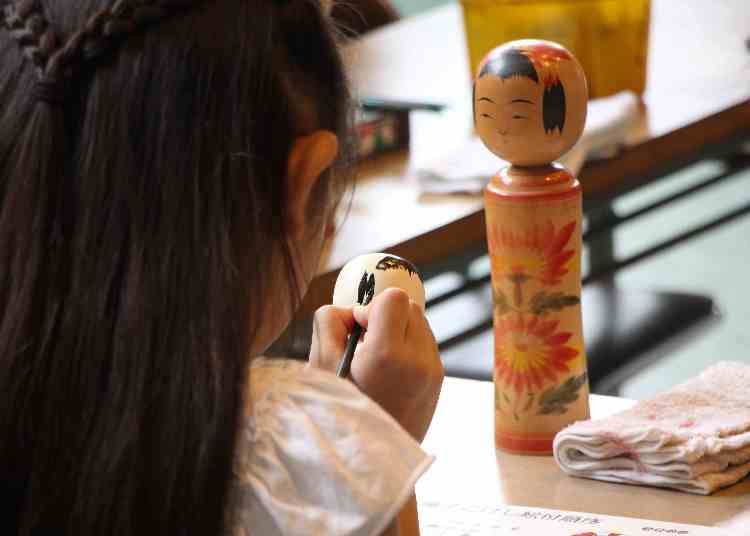
At the venue, you can enjoy a variety of activities including an exhibition of award-winning works from the National Kokeshi Festival competition, live demonstrations by artisans, sales, and a paid painting experience. The festival draws many kokeshi enthusiasts. On Saturday night, the Naruko Onsen town hosts a festival parade, featuring the elegant "Naruko Dance" performed in kokeshi-patterned yukata. The parade includes large papier-mâché kokeshi over two meters tall and mikoshi adorned with kokeshi designs, creating an evening filled with kokeshi-themed excitement.
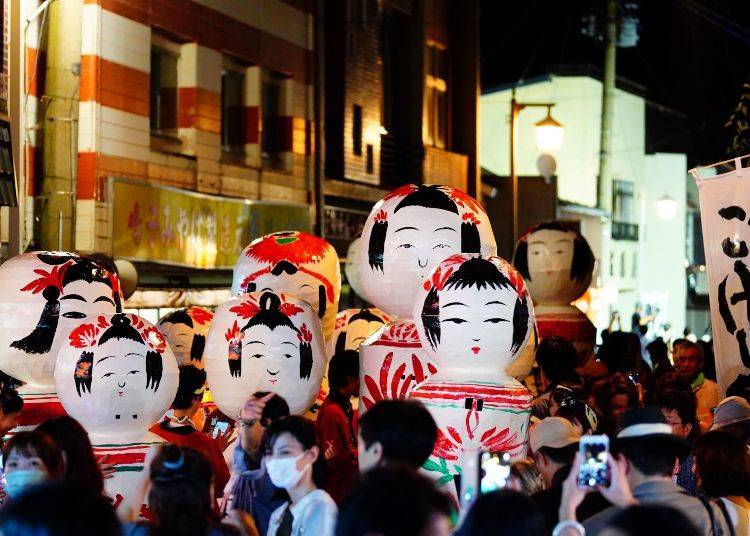
At the same venue, you can also visit the Naruko Lacquerware Exhibition and the Edo Shitamachi Craftsmen Exhibition from Taito Ward, Tokyo. Naruko Onsen, one of Japan's premier hot spring areas, boasts seven of the ten types of hot spring waters found in Japan. In addition to the festival, you can enjoy hot spring hopping, offering a full experience of kokeshi, hot springs, and Japanese culture.
- Dates: August 31 – September 1, 2024 (* August 30: Kokeshi Memorial Service)
- Location: Naruko Elementary School Gymnasium, Naruko Onsen Town, and surrounding areas
- Admission: Free
- Participation: No reservation required (* Kokeshi painting experience has a fee; no advance registration needed)
- Note: As this event is held during a hot season, please take precautions against heatstroke.
- Official website
Recommended places to stay nearby
-
 Yumoto Kissho鳴子温泉 湯元 吉祥(共立リゾート)
- Address 58-10 Naruko Onsen Yumoto, Osaki-shi, Miyagi View Map
- Original source: Rakuten Travel
-
 Naruko Fuga鳴子風雅
- Address 55 Naruko Onsen Yumoto, Osaki-shi, Miyagi View Map
- Original source: Rakuten Travel
-
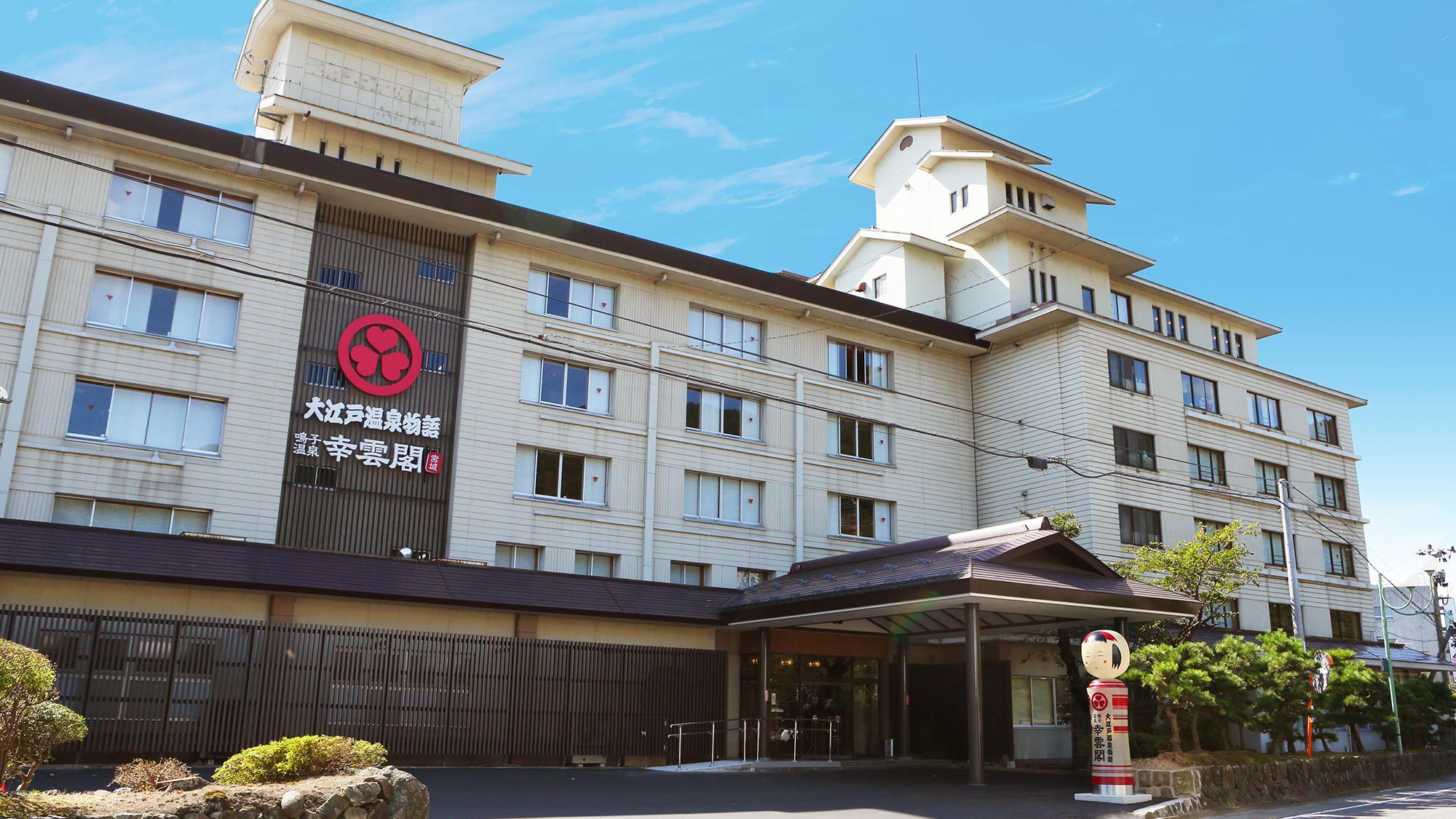 Oedo Onsen Monogatari Kounkaku大江戸温泉物語 幸雲閣
- Address 17 Naruko Onsen Kurumayu, Osaki-shi, Miyagi View Map
- Original source: Rakuten Travel
4. Parade Through Town with Unique Masks: Hyuga Hyottoko Summer Festival (Miyazaki)
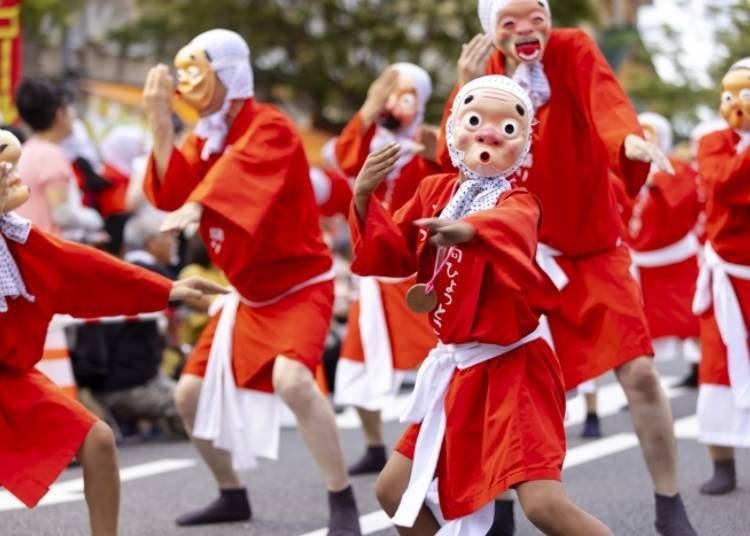
The Nagata Hyottoko Dance, a traditional performance passed down since the Meiji era, takes place in the Shiomi Nagata district of Hyuga City, Miyazaki Prefecture. To preserve this cultural heritage and promote regional revitalization and tourism, the Hyuga Hyottoko Summer Festival was established in 1984.

"Hyottoko" refers to a comical character often depicted wearing a mask with pursed lips. The name is believed to derive from "Hiotoko" ("fire man"), referring to a man blowing on a fire. The Nagata Hyottoko Dance, passed down in this region, is performed on various occasions to celebrate a good harvest and wish for prosperous business. It is also recognized as an Intangible Folk Cultural Asset of Hyuga City.
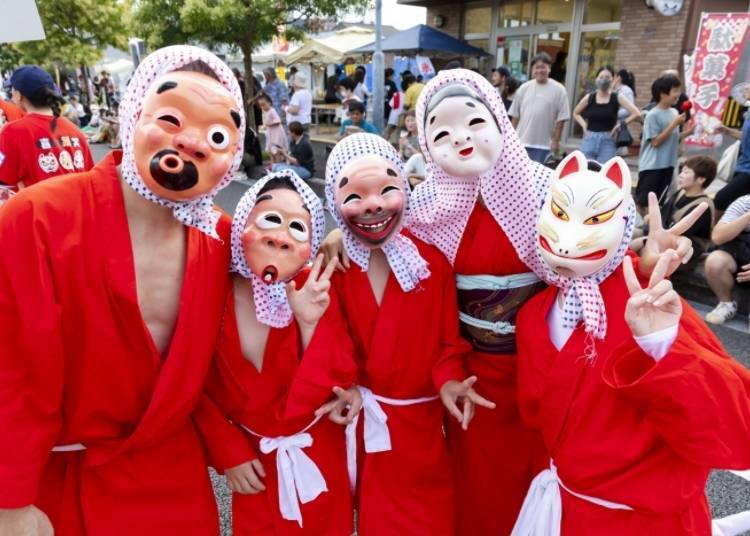
The festival has an interesting origin story. Long ago, a couple named Hyosuke and Okame prayed every morning to the Inari deity for children. One day, a hungry priest ate the offerings, angering the deity, who appeared as a fox. However, the fox was captivated by Okame's beauty and began dancing to get her attention. Mesmerized, Okame, Hyosuke, and the villagers joined in the dance. This story inspired the creation of the dance performed at the festival.
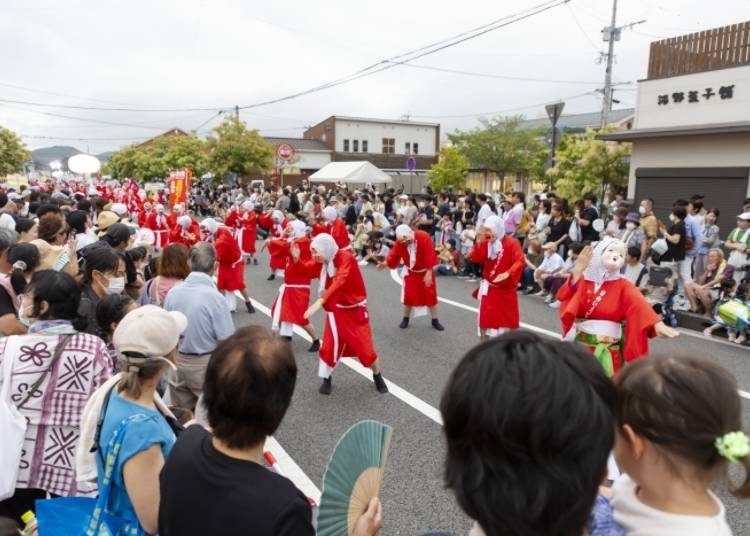
The unique masks with their comical expressions and the writhing dance movements make this festival a one-of-a-kind, joyous event that brings smiles to everyone watching. For those who want more than just spectating, anyone who loves the Hyottoko Dance can participate, whether in a group or as an individual, regardless of age or gender. The participation fee is 1,000 yen per person, and registration is open from late May to late June.
- Date: The first Saturday of August each year (August 3 in 2024)
- August 2: Pre-festival event featuring individual Hyottoko Dance competitions
- Location: West exit of JR Hyuga City Station
- Participation fee: 1,000 yen per person; registration: Late May to late June
- Official website
Recommended places to stay nearby
-
 Le Lodge MimitsuLe Lodge Mimitsu
- Address Mimitsu-cho 4815-1, Hyuga, Miyazaki View Map
- Original source: Booking.com
Vacancy search, reservation
-
from 13,500JPY 1room, 2adults
Check with our partner site as the latest rates, rate details, and guest room requirements may vary.
-
 OiseSun CAFE & HOTELOiseSun CAFE & HOTEL
- Address 伊勢ケ浜194, Hyuga, Miyazaki View Map
- Original source: Booking.com
Vacancy search, reservation
-
from 10,000JPY 1room, 2adults
Check with our partner site as the latest rates, rate details, and guest room requirements may vary.
-
 日向サーフキャンプ110日向サーフキャンプ110
- Address saiwaki 487 110, Hyuga, Miyazaki View Map
- Original source: Booking.com
Vacancy search, reservation
-
from 11,106JPY 1room, 2adults
Check with our partner site as the latest rates, rate details, and guest room requirements may vary.
5. Beautiful Red Lanterns Illuminating the Summer Night: Yamaguchi Tanabata Lantern Festival (Yamaguchi)
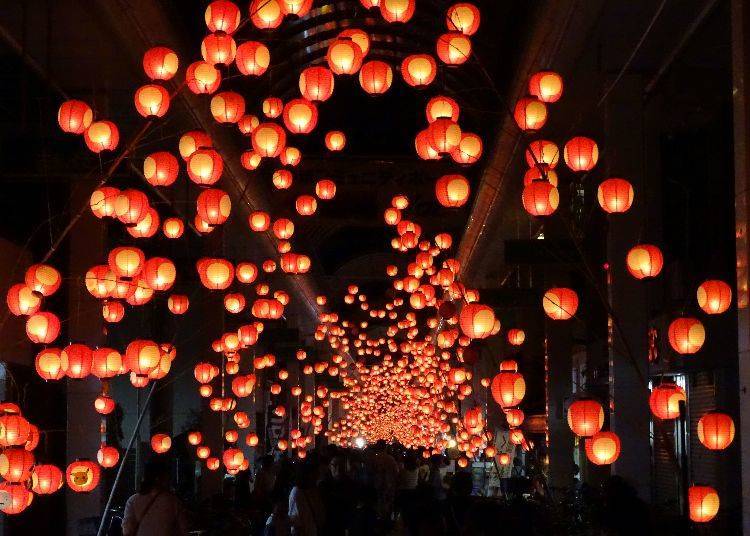
One of Japan's three major fire festivals, the Yamaguchi Tanabata Lantern Festival, is held in Yamaguchi City, Yamaguchi Prefecture. The city center is adorned with red lanterns, creating a beautiful sight as they light up the summer night. This festival is beloved not only by locals but also by many visitors.
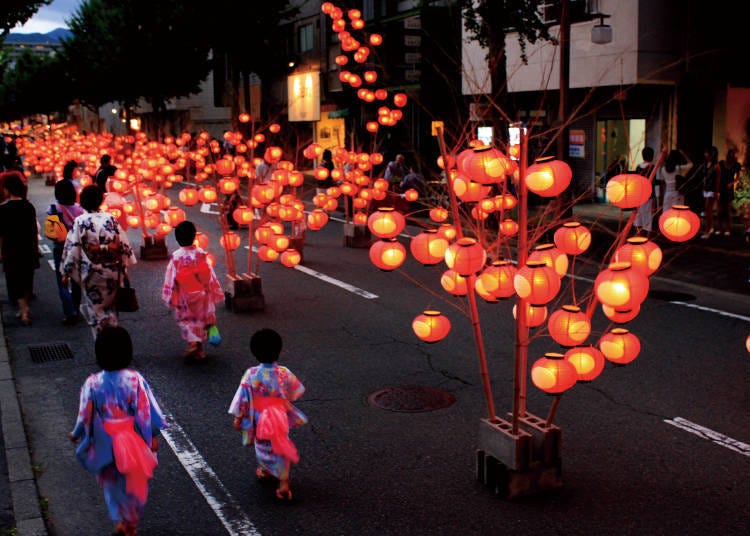
The festival's origins date back about 600 years to the Muromachi period (around 1400). The Ouchi family, who ruled the area from their base in Yamaguchi Prefecture for 200 years, initiated this tradition. The 26th head of the family, Moriakira Ouchi, lit high lanterns made of bamboo to pray for his ancestors' souls. This act inspired a bon festival for families to honor their ancestors, a tradition that continues to this day.
(*Bon festival: A Japanese event to welcome and honor the spirits of ancestors.)
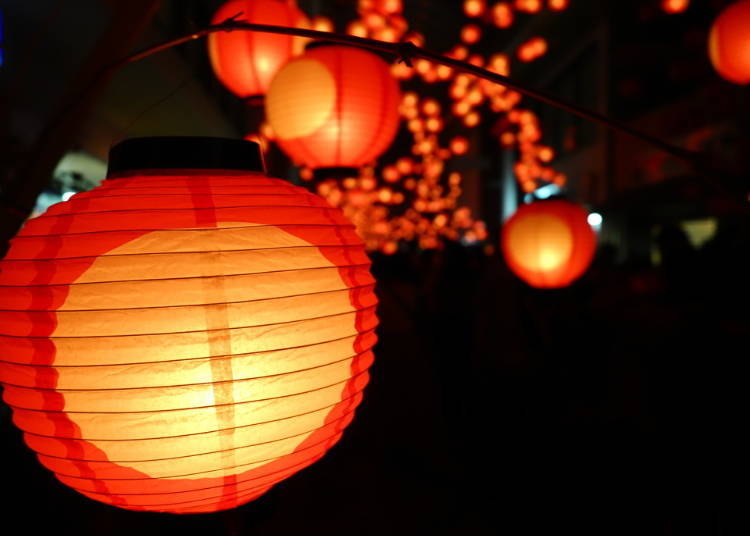
Lanterns, made by constructing a frame with bamboo or wire and covering it with paper, were traditionally illuminated with candles. Before the advent of electricity, they were essential for lighting up festivals. During the Bon festival, from August 13 to 16, lanterns were displayed in front of homes as guides to help ancestral spirits find their way back. Today, many lanterns use light bulbs instead of candles and serve as both lighting and decorative elements.
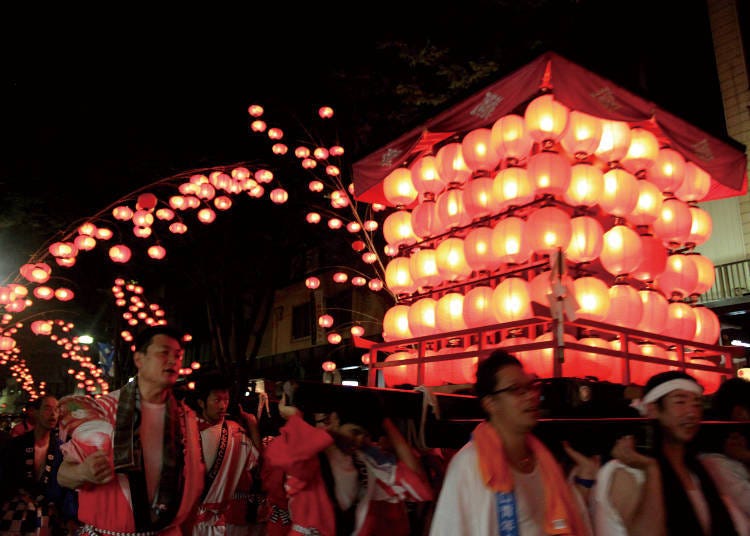
During the festival, the central shopping arcade is adorned with countless lanterns, creating an enchanting tunnel of light. Various hands-on activities are available, including lighting lanterns, carrying lantern mikoshi, and writing wishes on tanzaku lanterns. This interactive approach ensures that visitors can actively participate and enjoy the festival. Additionally, booths featuring local Yamaguchi cuisine provide a delightful gourmet experience.
(*Details for the 2024 festival are currently being planned.)
- Dates: August 6–7, 2024
- Location: Central shopping arcade, Kameyama Park Fureai Plaza, Ichinosaka River Traffic Exchange Plaza, Route 204, Yamaguchi City
- Participation: Open to everyone (advance registration required for lantern lighting and mikoshi carrying experiences)
- Admission: Free
- Notes: Parking is limited. Lanterns are lit with real candles; please be cautious to avoid burns (mikoshi lanterns use LEDs).
- Official website
Recommended places to stay nearby
-
 Kokusai Hotel Yamaguchi国際ホテル山口
- Address Nakagawara-cho 1-1, Yamaguchi, Yamaguchi View Map
- Original source: Booking.com
Vacancy search, reservation
-
from 7,600JPY 1room, 2adults
Check with our partner site as the latest rates, rate details, and guest room requirements may vary.
-
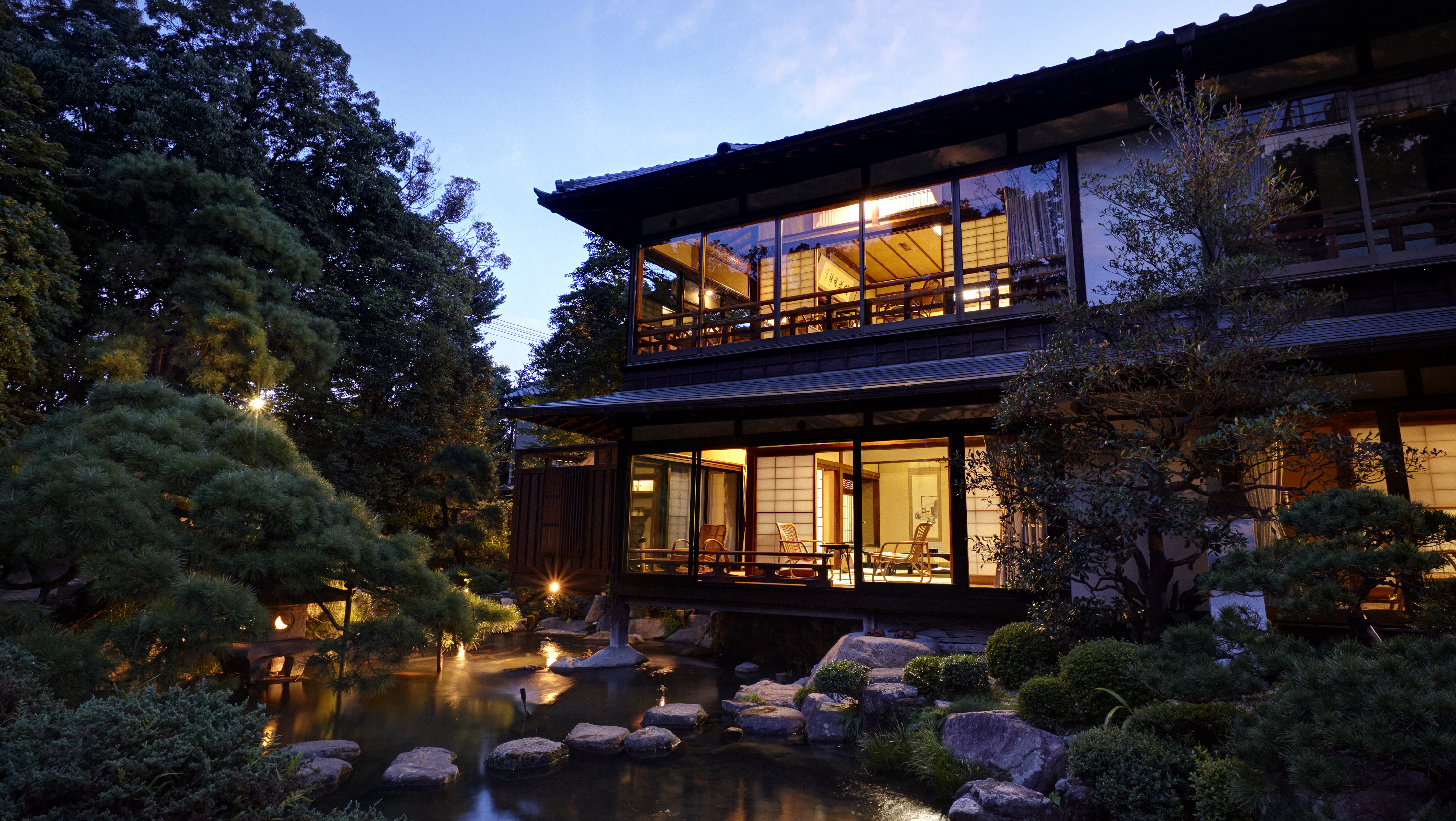 Yuda Onsen Matsudaya Hotel湯田温泉 松田屋ホテル
- Address 3-6-7 Yuda Onsen, Yamaguchi-shi, Yamaguchi View Map
- Original source: Rakuten Travel
Experience the Essence of Japanese Summer Through Festivals!
Summer in Japan is truly the festival season, with a variety of vibrant celebrations taking place across the country! While Japanese people may often be perceived as reserved or shy, they transform into entirely different personas during festivals. Especially at these unique events, the whole town comes alive with excitement and high energy, revealing a side of Japanese culture that is rarely seen. Why not focus on these festival timings and immerse yourself in the exuberance of a Japanese summer festival this year?



Miyu is a travel writer and tour conductor with over a decade of experience in developing educational content for working individuals. She has a passion for exploring new cultures and has visited more than 150 cities in around 50 countries. Her goal is to sample great food, experience nature, enjoy historical sites, and bathe in hot springs around the world. Miyu left her corporate job to pursue her passion for travel and now spends over 100 days a year abroad while working as a writer. She promotes the joy of travel, the beauty of Japan, and the diverse cultures of the world by traveling to different parts of Japan and collaborating with inbound tour operators and fellow travel writers.
- Area
- Category
*Prices and options mentioned are subject to change.
*Unless stated otherwise, all prices include tax.
Popular Tours & Activitiess
Recommended places for you

-
Top 3 OSHI MAPs for the Best Matcha and Sweets in Tokyo
by: Guest Contributor
-
Farewell, Heavy Suitcases! Keisei Ueno’s New Service Makes Your Last Day in Tokyo Totally Hands-Free
by: Guest Contributor
-
To the Holy Land of Kawaii! Odakyu Tama Center Station Is Becoming a Dreamy Sanrio Wonderland
by: Guest Contributor
-
Ad

5 Recommended Wagyu Yakiniku Restaurants in Tokyo: Signature Dishes, Premium Beef, and Secret Sauces
-
Where to Buy a Japanese Kitchen Knife? Why Travelers Choose MUSASHI JAPAN's 14 Stores in Tokyo, Kyoto, and Nara
by: Guest Contributor
-
PokéPark KANTO Is Finally Open! Tokyo's New Pokémon World Starts Before You Even Arrive (2026)
by: Guest Contributor
-
Atami 1-Day Itinerary: Exploring Japan's Castle & Hot Springs Resort Town Near Tokyo!
-
Asakusa Samba Carnival (August 30): Access, Tips, Best Photo Spots & More
by: Jiei Kurabayashi
-
Exploring Tokyo Station: 11 Must-Visit Spots Around the Heart of Tokyo
-

Traditional Japanese Summer Festivals in Tokyo
-
Top Events & Festivals in Asakusa (Tokyo): Discover Year-Round Traditions and Fun
-
Asakusa Sanja Matsuri (May 16-18, 2025): Inside One of Tokyo's Greatest Festivals
by: Jiei Kurabayashi
- #best ramen tokyo
- #what to buy in ameyoko
- #what to bring to japan
- #new years in tokyo
- #best izakaya shinjuku
- #things to do tokyo
- #japanese nail trends
- #what to do in odaiba
- #onsen tattoo friendly tokyo
- #daiso
- #best sushi ginza
- #japanese convenience store snacks
- #best yakiniku shibuya
- #japanese fashion culture
- #best japanese soft drinks