


Typhoon Safety Guide: What Tourists Need to Know When Visiting Japan
- Written by: LIVE JAPAN Editor
Japan experiences frequent typhoons from July to October, bringing strong winds, heavy rain, and potential disruptions to travel plans. With the risk of flooding and other hazards, it’s crucial for tourists to be prepared. This guide offers essential advice on staying safe before and during a typhoon, managing travel logistics, and salvaging your itinerary.
(This page contains affiliate links)
(Top image: PIXTA)
- Table of Contents
-
- What is Japan's typhoon season, and when does it happen?
- How many typhoons are expected in 2026?
- How should you prepare and stay safe during a typhoon?
- What to do if your flight is canceled or delayed?
- What to do if you encounter a disaster during your trip
- What are the best indoor activities during bad weather?
- What are "guerrilla rainstorms" and how dangerous are they?
- How to handle sudden downpours
- Check weather forecasts regularly for a safe trip
What is Japan's typhoon season, and when does it happen?

A typhoon is a powerful tropical storm forming in the northwest Pacific, characterized by wind speeds of 17 meters per second or more. In Japan, typhoon season spans from July to October, peaking in August and September due to warm sea temperatures. The regions most frequently affected are Okinawa, Kyushu, and Shikoku.
How many typhoons are expected in 2026?

According to Weathernews, around 28 typhoons are expected to form in 2026, with around 14 forecast to approach Japan—higher than the usual average.
For comparison, 2025 saw 13 approaches out of 27 generated storms, with activity peaking heavily in July and August.
From September 2026 onward, the effects of a possible “super El Niño” may allow typhoons to maintain their strength for longer periods over unusually warm waters before reaching southern and eastern Japan. Travelers should monitor forecasts closely and prepare for potential disruptions.
| Year | Jan | Feb | Mar | Apr | May | Jun | Jul | Aug | Sep | Oct | Nov | Dec | Annual |
|---|---|---|---|---|---|---|---|---|---|---|---|---|---|
| 2026 | — | — | — | — | — | 3 | 1 | 4 | 3 | 2 | 2 | — |
14
|
| 2025 | — | — | — | — | — | 1 | 5 | 4 | 1 | 2 | 1 | — |
13
|
| 2024 | — | — | — | — | 1 | — | 1 | 4 | 4 | 2 | 1 | — |
11
|
| 2023 | — | — | — | — | 1 | 2 | 1 | 3 | 3 | 1 | — | — |
9
|
| 2022 | — | — | — | 1 | — | — | 3 | 3 | 6 | — | — | — |
11
|
| 2021 | — | — | — | 1 | — | 2 | 2 | 3 | 1 | 2 | — | 1 |
12
|
How should you prepare and stay safe during a typhoon?

Typhoons bring heavy rain, flying debris, and rapid flooding. Preparation is key, and your response should scale based on the storm's severity and your current location. If a storm is approaching, decide on your evacuation or sheltering plan during daylight hours and act early.
1. Where should you get news and emergency updates before the storm?
Get your updates early from official, multilingual sources so you can make informed decisions before the weather deteriorates.
- Japan National Tourism Organization (JNTO) on X
Managed by the Japan National Tourism Organization (JNTO), this account provides safety tips and the latest information for visitors in the event of natural disasters.
https://x.com/JapanSafeTravel - NHK WORLD NEWS Website
Provides multilingual information ranging from general news to weather updates.
https://www3.nhk.or.jp/nhkworld/ - Weather Forecast App "WeatherJapan"
A free multilingual weather forecast app provided by the Japan Weather Association and Sorakaze Inc. for international visitors to Japan, offering various weather information.
iOS Version
Android Version
2. What travel precautions should you take?
Severe weather often forces airlines and railway companies to suspend services—often preemptively before the storm even hits. Review your itinerary early.
・Check flight statuses in advance. Flights may be canceled ahead of time, so confirming early gives you time to adjust your accommodation plans.
・For Shinkansen or express trains, monitor service updates carefully. Even if your current area isn’t affected, your destination might be.
See below for helpful resources to check real-time travel information.
3. What safety steps should you take based on severity and location?
Depending on where you are and how severe the forecast is, tailor your safety response.
If you are in a city or hotel: Stay indoors and avoid going out unnecessarily. High winds can cause flying debris.
If you are underground or near water: Move to ground level immediately if you see water leaking. Stay completely away from rivers, ponds, and coastal areas.
Gather cash and power: Carry enough Japanese yen to cover at least a week’s expenses, as power outages can disable ATMs. Keep your phone and power bank fully charged.


What to do if your flight is canceled or delayed?

Review your itinerary early, as flights are frequently canceled well before the storm hits to ensure safety. Here is what to do if your flight is affected.
1. Change or refund your ticket
If your flight is affected, airlines generally offer free rebooking or refunds, even for non-refundable tickets (though policies for low-cost carriers may be stricter). Complete these changes online or by phone as soon as possible.
2. Obtain delay or cancellation certificates
Be sure to download a Delay or Cancellation Certificate directly from the airline's website. This document may be required when applying for compensation through your travel insurance.
3. Arrange accommodation
If you are stranded, contact your airline or travel agency for help arranging accommodation, but be aware that lodging expenses are usually your responsibility.
4. File for flight delay compensation
Check your travel or credit card insurance policies to file claims for delayed flights. Keep all receipts for hotels and meals, as you will need them to file a claim.


What to do if you encounter a disaster during your trip

If a typhoon causes a major disaster, such as severe flooding or landslides, prioritize immediate safety and communication.
1. Stay informed about current disaster information
In disasters like flooding or landslides, always prioritize safety. Rising water can obscure ditches and streams, increasing the risk of falls, while landslides become more likely. Stay indoors and use reliable resources for emergency updates.

The following multilingual sites and apps provide official evacuation advisories and weather updates. It is highly recommended to bookmark or download these resources in advance.
- Japan Meteorological Agency Disaster Information Website
Check for detailed Weather, Earthquake, and Tropical Cyclone warnings.
・https://www.jma.go.jp/ - Disaster Information App "Safety tips"
Supervised by the Japan Tourism Agency, this app provides push notifications for weather warnings and evacuation advisories in 14 languages.
・iOS Version
・Android Version
・Website - JNTO Global Website
Refer to Plan your trip > Essential Information > Japan Visitor Hotline > Japan Safe Travel Information.
・Website - JNTO Tourist Information Center (JNTO Tourist Call Center)
JNTO offers 24-hour phone inquiry services in English, Chinese, Korean, and Japanese.
Phone number: 03-3201-3331
Hours: 9:00 AM – 5:00 PM (Closed on January 1) - Japan Visitor Hotline
Provides tourist information and support during disasters, accidents, and emergencies. Available in English, Chinese, and Korean.
From Japan: 050-3816-2787
From Overseas: +81-50-3816-2787
Available 24/7, 365 days a year - Other Resources
Refer to the Japan Meteorological Agency’s guide for useful apps and websites during disasters. Available in 15 languages, including English, Simplified Chinese, Traditional Chinese, Korean, Spanish, Vietnamese, Thai, and Indonesian.
・https://www.bousai.go.jp/
For information about evacuation centers, check the site managed by the Ministry of Land, Infrastructure, Transport, and Tourism. It provides information by prefecture and lists available languages.
・https://www.mlit.go.jp/
2. Notify worried family members of your safety
Phone networks often become congested during a disaster. Use these dedicated tools to notify loved ones that you are safe. If phone lines are down, connect to the unified emergency Wi-Fi network "00000JAPAN" (Five Zero Japan) to access the internet.
- Disaster Emergency Message Dial (171)
Dial "171" from any Japanese phone line (including public phones) to leave or listen to voice messages tied to a specific phone number. This is accessible for international visitors in Japan. - Disaster Message Board (Web171)
If you can connect to the internet using the unified disaster SSID "00000JAPAN" (Five Zero Japan), you can leave safety messages on the message board using a PC or smartphone, and these can be checked from overseas. You will need the recipient's phone number to use this service. Each message can be up to 100 characters long and is free to use.
While each telecom company has its own URL, the search is unified across all companies. This means that once you register a message on one URL, it can be searched from the URLs of other telecom companies. The service is available in English, Chinese, and Korean. - Disaster Message Board
Using the unified emergency Wi-Fi network, you can leave text-based safety messages that your family can check from overseas. You only need the recipient's phone number to use this service.
Under normal conditions, only the automatic email notification setting function is available. Those renting smartphones while in Japan can use this service. Data charges apply, but the service itself is free. If you have internet access, you can use it overseas as well.
・iOS Version
・Android Version
*The links above are for SoftBank's disaster message board service. - Google Person Finder
A simple web tool to register your safety status or search for someone else's. No account registration is required. You can check this from overseas as well.
Since this service is accessible to everyone, be cautious about how much personal information you disclose. Consider sharing only your name and city, or using photos of belongings instead of a photo of your face. This service can also be used from overseas.
What are the best indoor activities during bad weather?

If bad weather grounds you (but is not severe enough to require sheltering in place), pivot to Japan's excellent indoor attractions. Before the storm peaks, visit nearby convenience stores to stock up on snacks, drinks, and souvenirs to enjoy in your room.


Find available accommodation
What are "guerrilla rainstorms" and how dangerous are they?

Even outside of typhoons, summer in Japan frequently brings sudden, intense downpours known as "guerrilla rainstorms." Caused by rapidly developing cumulonimbus clouds, these localized storms can trigger flash flooding, strong winds, hail, and dangerous lightning. Be cautious in open spaces like beaches or parks. If a thunderstorm approaches, seek shelter in reinforced concrete buildings, cars, or trains immediately.
How to handle sudden downpours

If you encounter a localized downpour, take the following precautions to stay safe.
1. Avoid underground and waterfront areas
Underground shopping malls and subway passages can flood rapidly. If you see water leaking, move to ground level immediately. Stay away from rivers and irrigation canals, which can swell in minutes. Flooded roads may have hidden obstacles, making them dangerous to cross.
2. Seek proper shelter
Avoid open spaces and taking cover under trees due to lightning risks. Downpours can also bring strong winds, so if you are outside, seek refuge in a safe building until the worst of the storm passes.
3. Track the clouds with radar updates
Downpours are sudden but fast-moving. Carry a foldable umbrella during the summer, and check the Japan Meteorological Agency Nowcast on your phone to track incoming rain clouds and see exactly when the downpour will end.
Check weather forecasts regularly for a safe trip
If you plan to visit Japan in August or September, be prepared for a higher likelihood of encountering typhoons. By familiarizing yourself with these emergency resources, checking transport updates early, and securing your safety, you can navigate Japan's typhoon season with confidence.




The LIVE JAPAN editorial team is a multinational group made up of native editors who have lived in Japan for over five years and Japanese editors who love to travel. Together, we share the best of Japan, offering cultural insights, historical context, event updates, and travel-friendly deals, to support your journey every step of the way.
- Area
- Category
*Prices and options mentioned are subject to change.
*Unless stated otherwise, all prices include tax.
Popular Tours & Activities
Recommended places for you
-

TOKYO SKYTREE®
Landmarks
Ryogoku / TOKYO SKYTREE(R)
-

Ueno Zoo (Ueno Zoological Gardens)
Zoos, Aquariums & Botanical Gardens
Ueno
-

Naritasan Shinshoji Temple
Temples
Narita
-

The Imperial Palace
Other Architecture
Tokyo Station
-

Shibuya Crossing
Downtown
Shibuya
-

Kappabashi Street
Old Towns (Shitamachi)
Asakusa
-
28 Best Things to Do in Odaiba (2026 Updated): Tokyo's Entertainment Island
-
5 Japanese Craft Shops in Shinjuku: From Walls of Kokeshi Dolls to Artisan Teapots
-
Cracked Phone Screen in Japan? Smahospital Repair Guide: Keep Your Data, Fixed in 15 Min, Multilingual Support | Up to 10,000 Yen Off with LIVE JAPAN Coupon
-
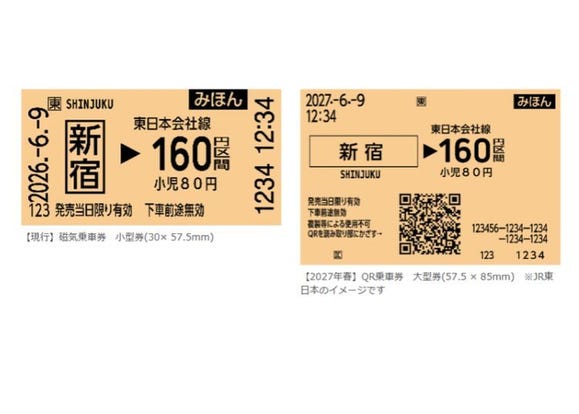
[Starting Spring 2027] Japan's Railways Evolve Further! Why Tickets Are Changing to "QR Tickets" and a Riding Guide for Foreign Visitors
by: Guest Contributor
-

Seibu Group Launches New Chichibu Adventure Tourism Experience for International Travelers in 2026
by: Guest Contributor
-
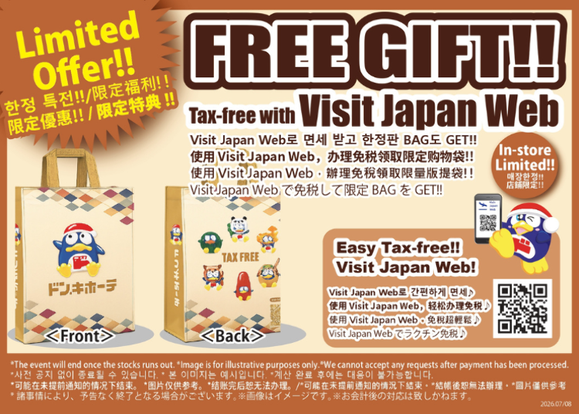
Don Quijote (Donki) Tax Refund from Nov 1, 2026: No Refund Service Fee
Inspiration for Accommodations
-

Family-Friendly Hotels with Free Shuttle to Disneyland: Convenient Access for a Magical Stay
-
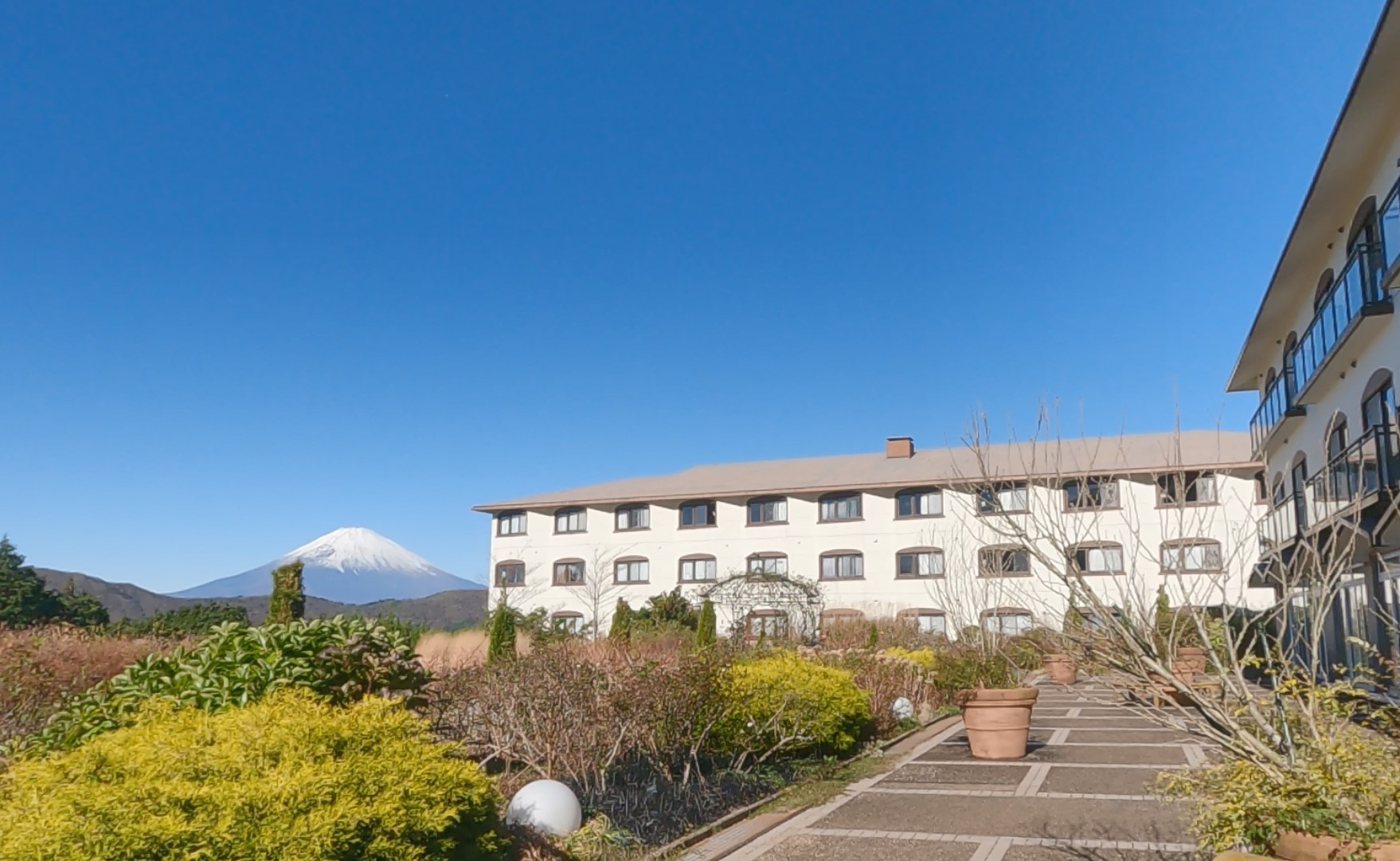
Top Ranked Hakone Hotels with Mt. Fuji View: Enjoy Stunning Scenery from Your Private Space
-
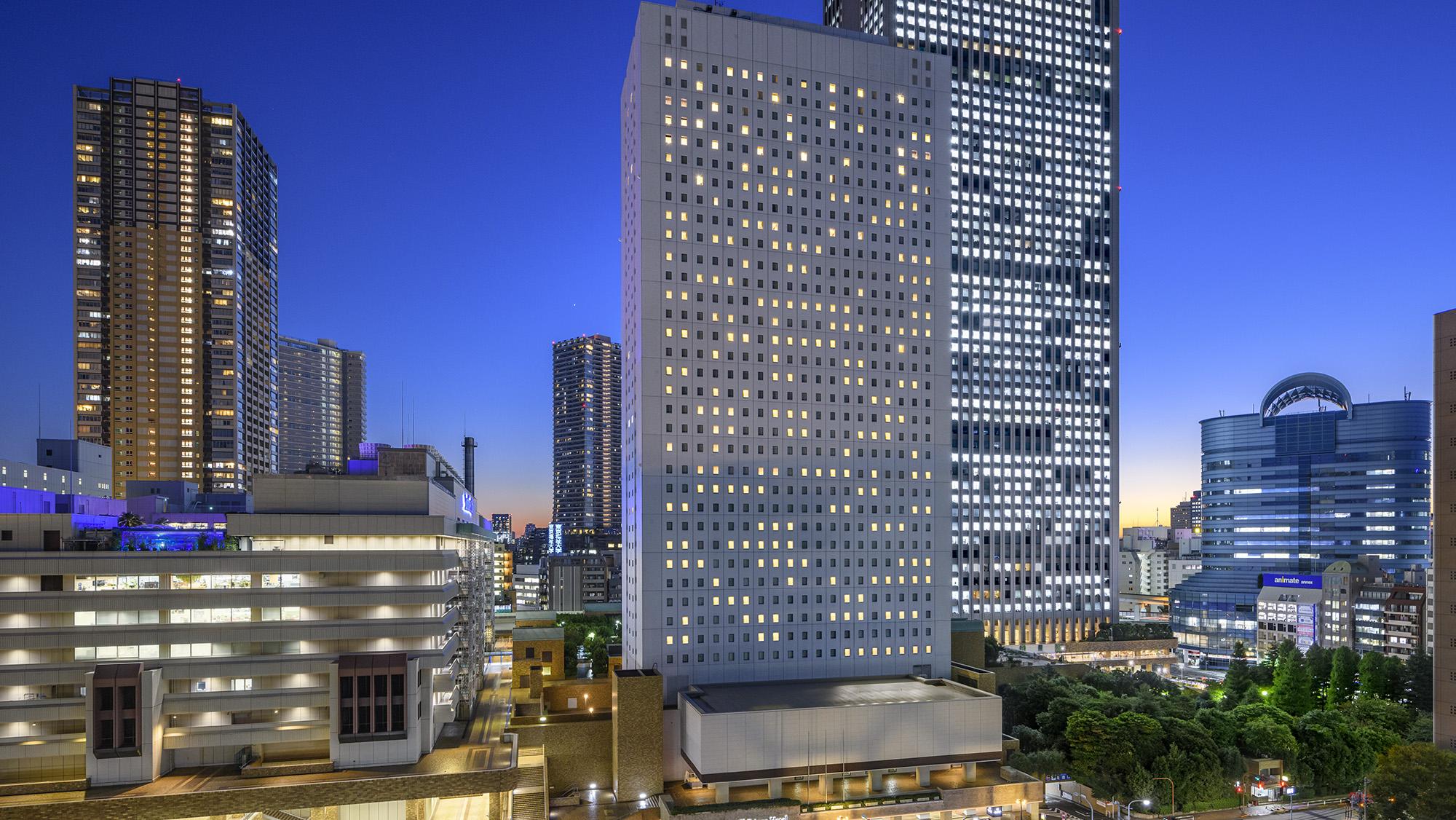
Convenient Tokyo Hotels with Airport Shuttle: Ideal for Families and Heavy Luggage
-
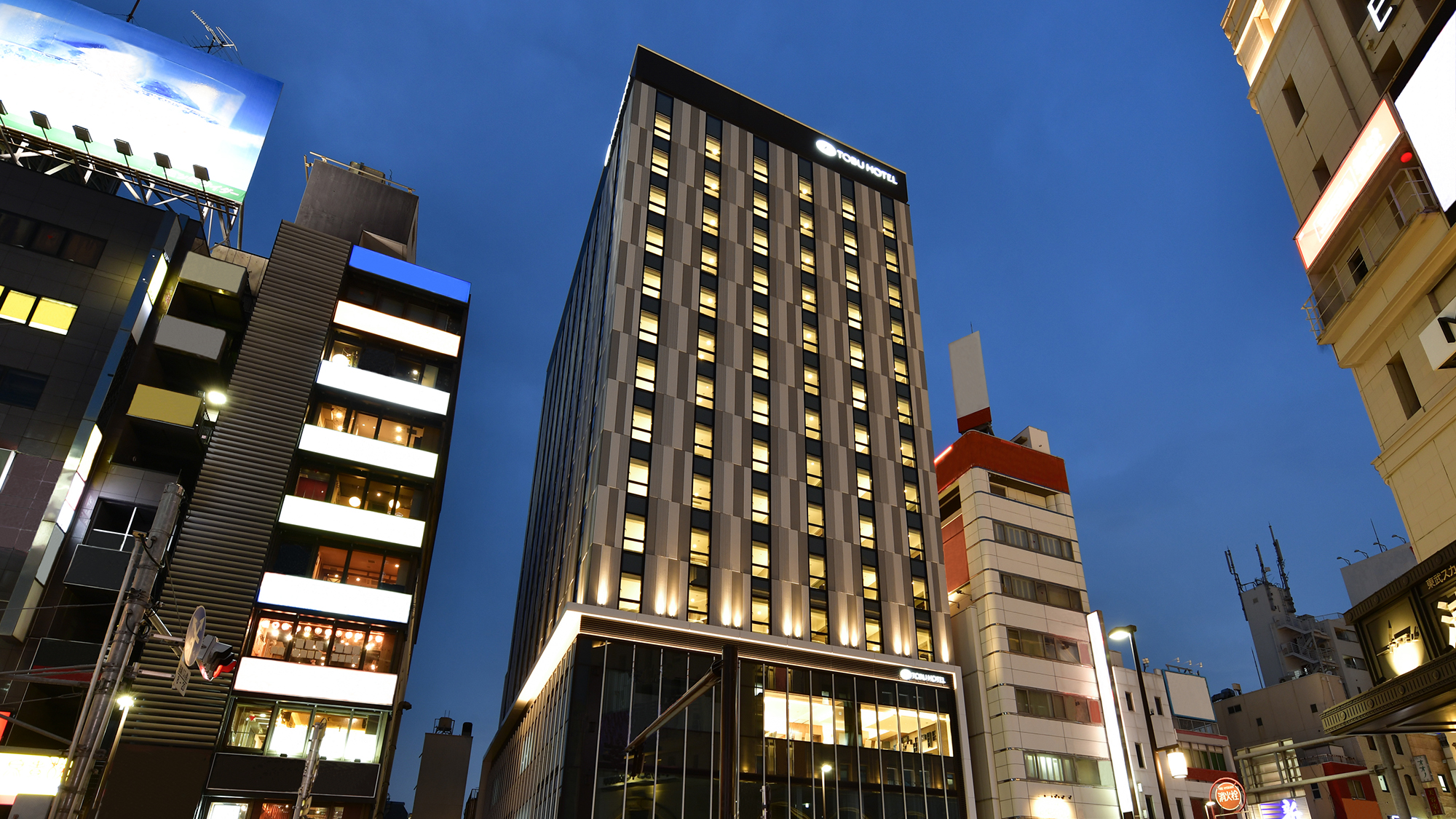
9 Family-Friendly Hotels with Comfortable Family Rooms in Asakusa
-
10 Open-air bath Onsen Ryokans in Hakone for Ultimate Relaxation
-

10 Top Tourist Spots and Attractions near Tokyo: Day Trip to Enjoy History & Nature
-

JR Tokyo Wide Pass: Everything You Need to Know to Sightsee in Great Tokyo (+4 Bonus Sample Itineraries)
-

Tokyo Events: Celebrating Earth Day Tokyo 2018
-

(Video) Walking Tour along Narita Omotesando - Quaint Historical Village near Narita Airport!
by: Victor Gonzalez
-

Complete Guide to Buying Japanese Medicine in Japan: Phrases and Vocabulary You Need to Know
-

Exploring Tokyo: 4 Must-Visit Spots around Tokyo Station
- #best ramen tokyo
- #what to buy in ameyoko
- #what to bring to japan
- #new years in tokyo
- #best izakaya shinjuku
- #things to do tokyo
- #japanese nail trends
- #what to do in odaiba
- #onsen tattoo friendly tokyo
- #daiso
- #best sushi ginza
- #japanese convenience store snacks
- #best yakiniku shibuya
- #japanese fashion culture
- #best japanese soft drinks