






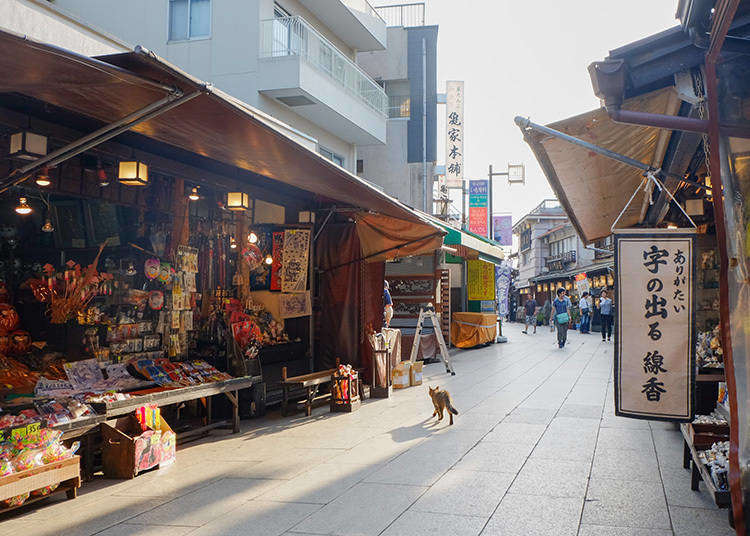
10 Reasons Shitamachi Might Be Tokyo's Best-Kept Secret
- Written by: LIVE JAPAN Editor
Tokyo is often defined by its glittering skyline and fast-paced energy. Neon lights, soaring towers, and sleek department stores dominate the image most visitors carry with them.
But beyond the skyscrapers lies another side of the city.
In pockets known as shitamachi, time seems to move more gently. These traditional Tokyo neighborhoods trace their roots back to Old Edo, preserving the atmosphere of merchant streets, local shrines, and tightly knit communities. Exploring shitamachi offers a glimpse into historic downtown Tokyo that feels worlds apart from Shibuya’s crossings and Roppongi’s glass towers.
What makes these old downtown Tokyo districts so special? Here are 10 reasons we keep coming back.
Shitamachi? What Does That Even Mean?
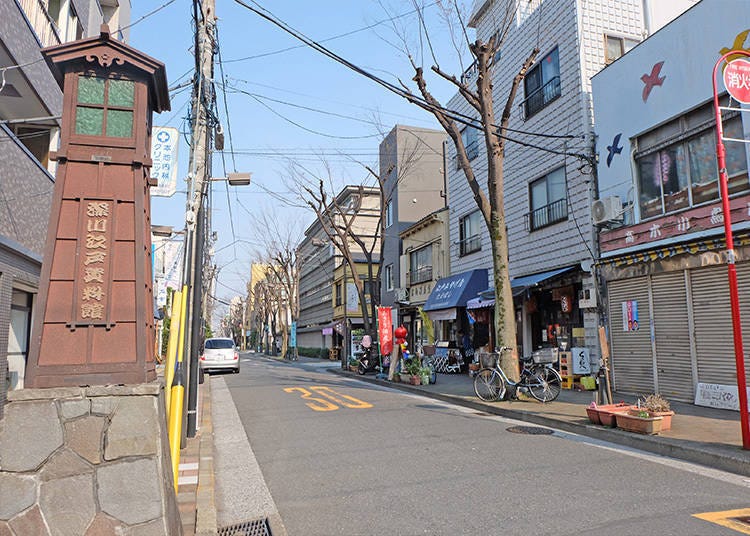
The term “shitamachi” dates back to the Edo period, when Tokyo was still known as Edo. At the time, the city’s merchants, craftsmen, and laborers lived in low-lying areas near waterways such as Nihonbashi and along the Sumida River. These districts flourished because of their proximity to Edo Castle and vital trade routes.
Over centuries, commercial streets formed around temples, shrines, and markets. While other parts of Tokyo transformed during modernization, many shitamachi areas preserved their community-centered structure.
Today, you can still find historic downtown Tokyo neighborhoods in places such as Nihonbashi, Kanda, Ueno, Asakusa, Kuramae, Ryogoku, Fukagawa, Kiyosumi Shirakawa, Tsukishima, Nezu, Yushima, Shibamata, Kameari, and Sugamo. Each retains elements of Edo-era atmosphere while continuing to evolve.
Reason #1 – A Slower Rhythm of Everyday Life
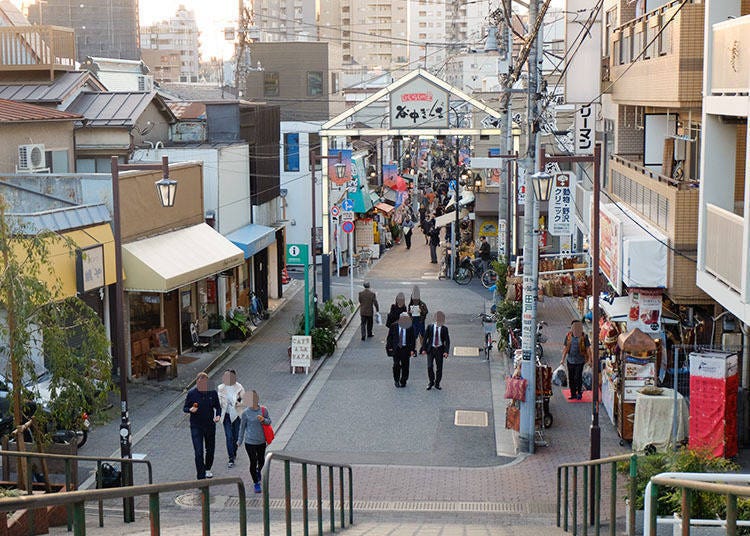
Leaving districts like Shinjuku or Shibuya and stepping into a shitamachi street feels like crossing into another tempo.
The sound of traffic fades into softer neighborhood hums. Shopkeepers chat with customers. Two neighbors pause mid-sidewalk to exchange news. The streets remain lively, but without the urgency that defines central Tokyo.
In these traditional Tokyo neighborhoods, the pace encourages wandering. There is no need to rush. The atmosphere invites you to observe, linger, and settle into the moment.
Reason #2 – Genuine Human Warmth
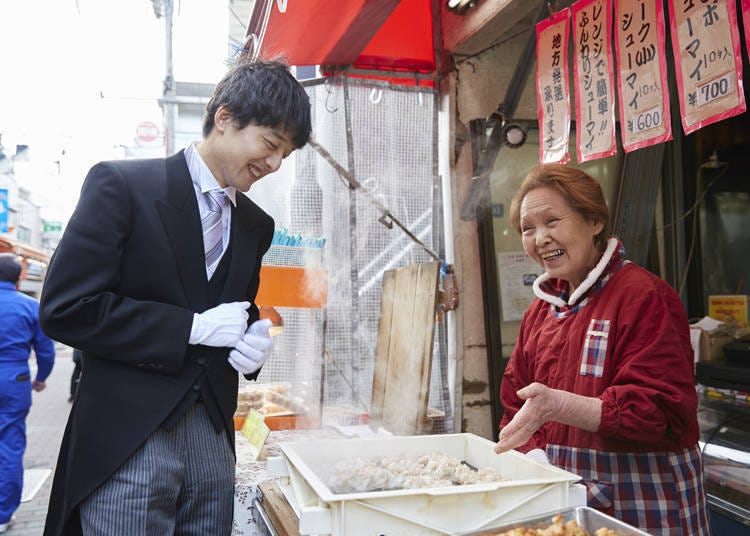
Visiting a shop in a shitamachi area is entirely different from visiting one in, say, Ginza. Every little place has its own personality, vividly expressed by the staff and owners themselves. A welcoming smile and human warmth is the kind of hospitality that is so characteristic Tokyo’s historic quarters. The air is filled with owners touting their wares, the laughter of a shared joke between staff and customers, two neighbors stopping for a quick chat in front of a shop. The atmosphere is vibrant and warm, and in a way so wonderfully familiar, you’ll feel right at home.
Reason #3 – Reasonable Prices and Real-World Shopping
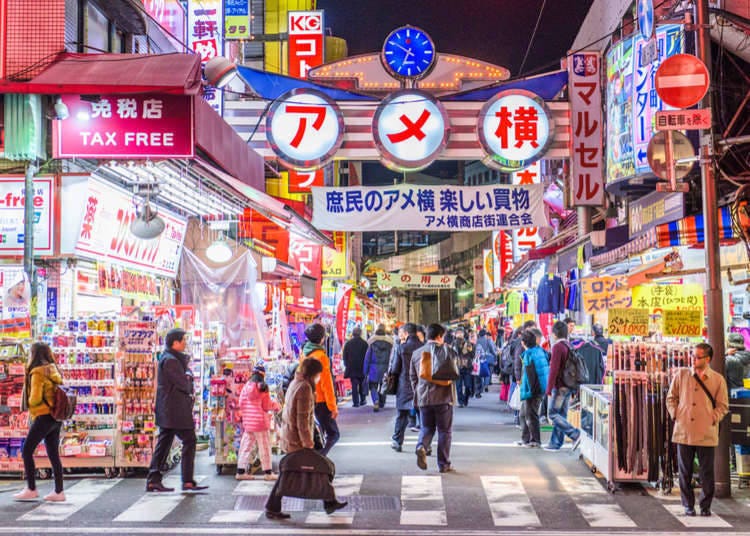
Compared to other areas in Tokyo’s shitamachi neighborhoods boast a surprisingly low rent. As such, the restaurants and shops in those areas also have similarly reasonable prices.
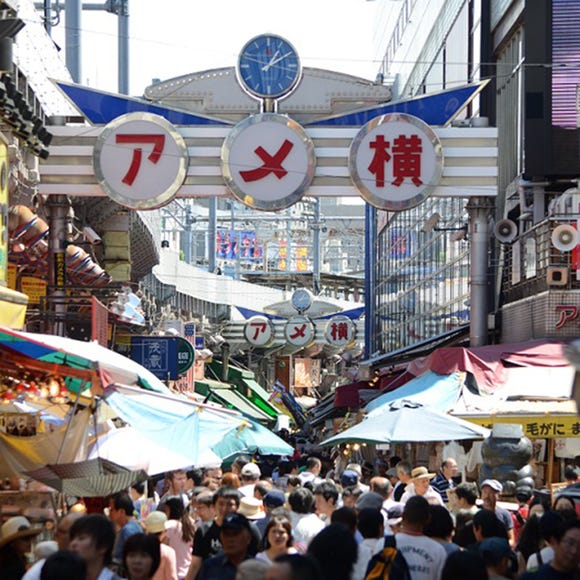
Ueno’s Ameya Yokocho, or Ameyoko for short, is one of Tokyo’s most famous shitamachi shopping areas, known for fresh, delicious produce but also cosmetics, sweets, and even clothes available for little money. Restaurants and eateries follow a similar concept and offer excellent food and snacks, fit for every budget.
Asakusa, Yanesen, Sugamo, and Tsukishima are particularly known for their cheap gourmet experiences. The streets are often lined with stalls, selling freshly made, local delights to hungry passers-by – don’t be shy!
Reason #4 – Street Food and Regional Specialties
Speaking of – said food is well-deserving of its own reason. In a shitamachi area, you won’t just find absolutely amazing street food stalls, but also many restaurants with a 100-year long history.
These stalls and eateries commit to local cuisine made with local ingredients, providing an authentic taste of homemade Japanese food. For every foodie, a shitamachi area also is a gourmet paradise.
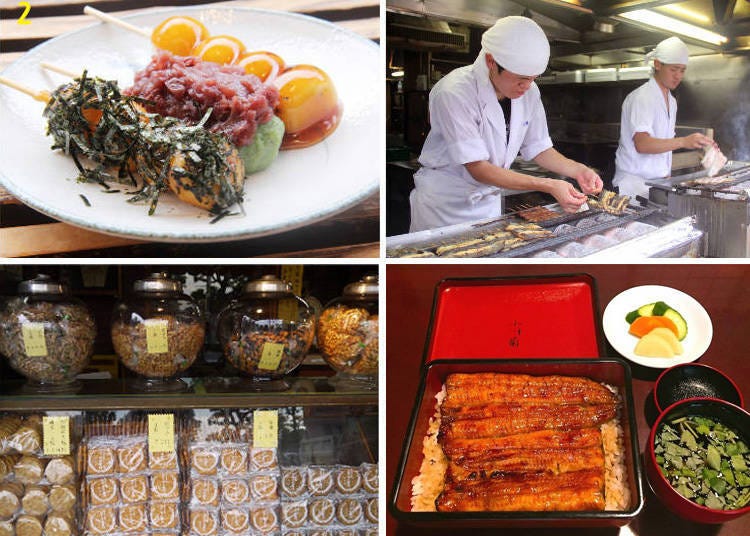
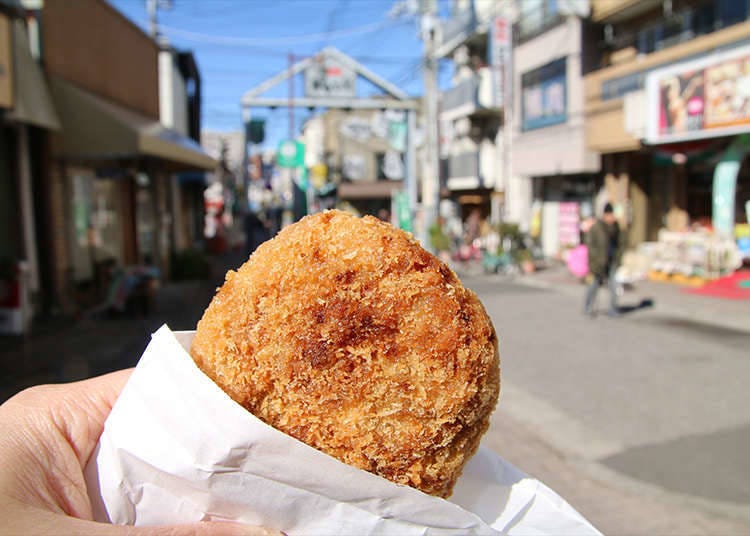
Try deep-fried meatballs called menchikatsu in Yanesen. Unaju, or grilled eel on rice, is the specialty of Asakusa. Fukagawa Gohan is the local dish of Kiyosumi Shirakawa, flavorful rice topped with plenty of clams that is enjoyed since the Edo period. And Tsukishima boasts over 50 monja restaurants – feast and drink to your heart’s content!
Reason #5 – Century-Old Architectural Marvels
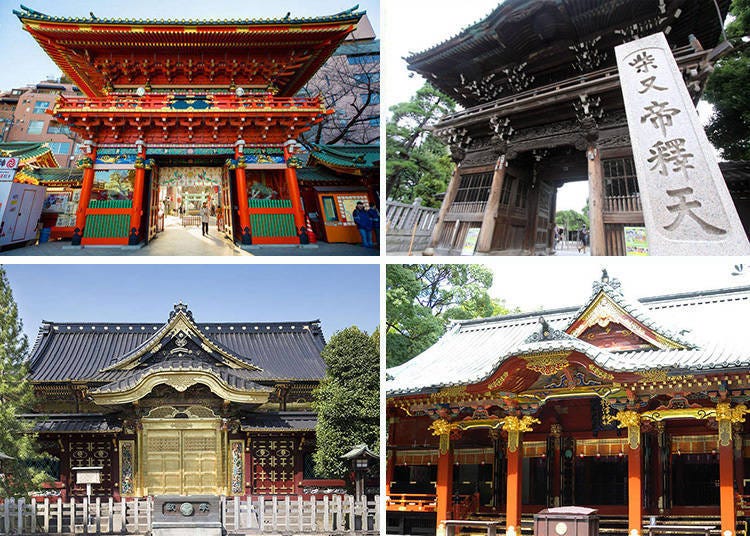
Like no other areas in Tokyo, traces of Tokyo’s past are still palpable. In their center, you’ll often find a beautiful, historic shrine or temple where locals gather to pray. These places of faith are the root of many a historic downtown – commercial areas have formed around them to cater to the worshipers.
This kind of history usually dates back more than 100 years and a good example is Asakusa’s famous Senso-ji Temple. Not only did its neighborhood prosper as a center of commerce and culture but also as a hub of entertainment. To this day, these temple- and shrine-focused shitamachi areas boast amazing sights, such as the two massive red lanterns at Asakusa’s Kaminarimon Gate, or Shibamata Taishakuten Temple with its breathtaking architecture.
Another example is Ueno’s Toshogu Shrine, built by the shogun Togukawa Iemitsu during the Edo period. Its golden highlights represent the prosperity of the time and the Tokugawa shoguns.
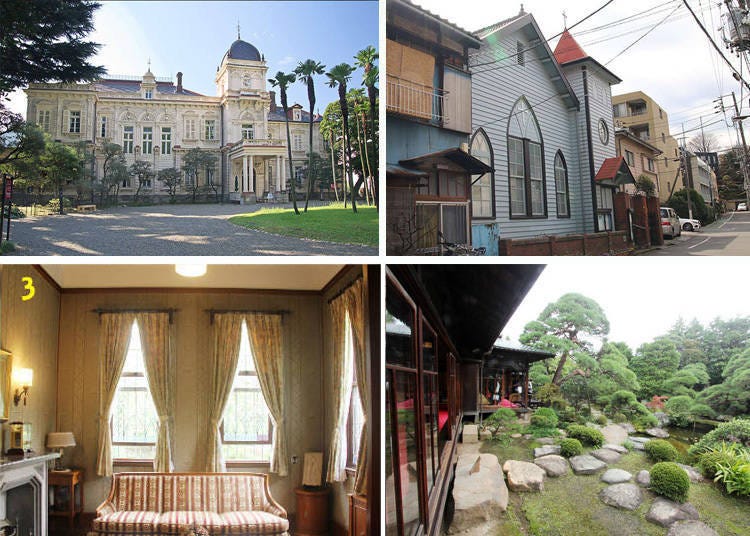
The Edo period was followed by the Meiji Restoration, a political movement that opened Japan to the outside world and invited both influences and a new way of thinking from the West. This brought forth a unique style of architecture called “wayo secchu,” or Japanese hybrid style. It beautifully blends traditional Japanese aesthetics with Western-style architecture, with a distinctively romantic atmosphere as one of its main characteristics. Naturally, shitamachi areas are dotted with buildings created in that style.
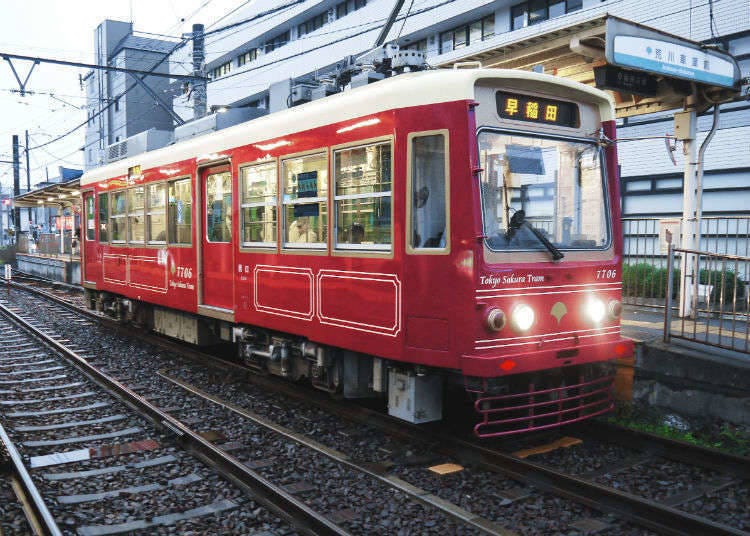
A prominent example is the Kyu-Iwasaki-tei Garden near Ueno and its amazingly beautiful Meiji-style architecture, designated as an important cultural property of Japan. Then there’s Nezu Church, a small place of worship in the quiet, atmospheric neighborhood of Yanesen. It was built in the Taisho era and its sharp roof light-blue exterior endure both earthquakes and wars. Another unique taste of the past provides the Toden Arakawa Line, Tokyo’s sole remaining streetcar line. Historic buildings and sights dot its tracks, so simply sit back and enjoy the atmosphere of a nostalgic Japan.
Reason #6 – Towns of Art, Towns of Literature
Tokyo’s historic downtown areas are known for their history as central hubs for art and literature. Japan’s most famous writers, painters, and poets had a habit of gathering in the city’s shitamachi neighborhoods, playing an important role in shaping the community. The great minds of old influence and inspire the artists of today and you can discover their tracks all around Tokyo.
Some of the most noteworthy shitamachi artists include Natsume Soseki, Mori Ogai, Lafcadio Hearn (who is also known as Koizumi Yakumo), the Nobel Prize winner Yasunari Kawabata, and Yumeji Takehisa, a famous representative of the Taisho Roman style. If you want to learn more about these creative, historic figures, head over to the Mori Ogai Memorial Museum and the Takehisa Yumeji Museum – who knows, maybe you’ll be inspired by the art of old yourself?
Reason #7 – New Shops and Numerous Unique Things
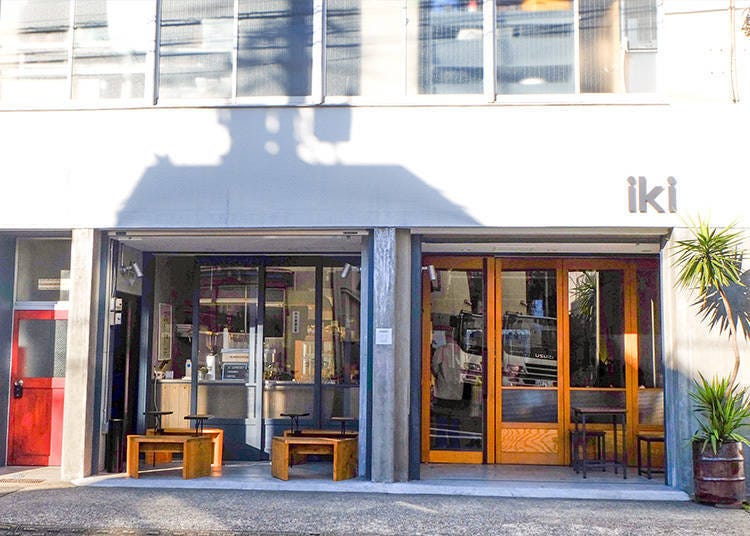
Recently, shitamachi areas have experienced an influx of new shops and brands settling in the quiet, relaxed neighborhoods. For example, Kiyosumi Shirakawa has evolved into Tokyo’s prime coffee town, with brands such as Blue Bottle Coffee flocking to the area. On top of that, young Japanese people who grew up in these shitamachi areas tend to return to their home to pursue their dreams.

Craft shops, miscellaneous goods shops (called zakka), coffee shops, restaurants, cafés – Tokyo’s historic downtown areas are becoming central hubs of creative, young entrepreneurs! A plethora of new and unique shops find their home in historic buildings, skillfully merging the aesthetics of the past with modern trends. This also brings more and more international tourists to the areas, adding a diverse and global charm to the characteristic warmth of shitamachi.
Reason #8 – The Beauty of Japanese Craftsmanship
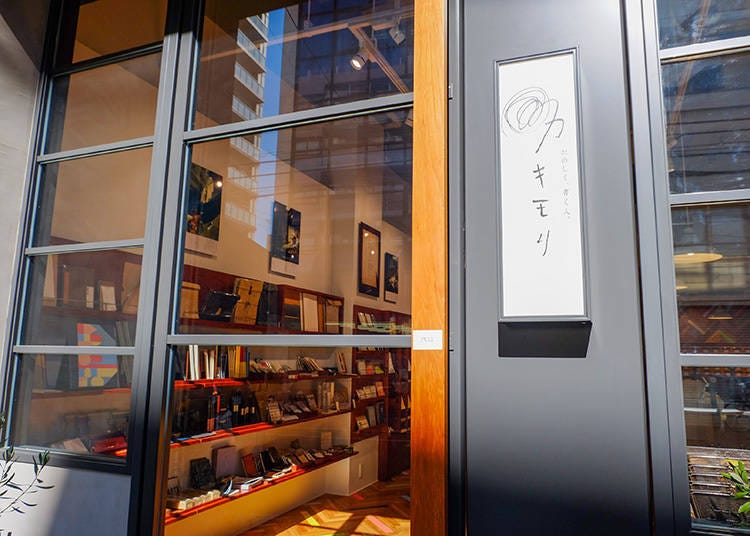
Lately, various Japanese dramas have chosen Tokyo’s characteristic shitamachi areas as their main setting, with Shitamachi Rocket and Rikuo being famous examples. Both tell the story of relatively small businesses struggling to survive (and, of course, succeeding in the end - it’s a drama after all) and thus represent the traditional crafting spirit that is an inherent part of every historic downtown district.
Attention to detail, meticulous work, and high quality are the defining factors of genuine Japanese craftsmanship that even fascinates a lot of young Japanese people. They then strive to improve traditional techniques with innovative ideas. Especially the historic downtown of Kuramae has seen an influx of young, innovative craftsmen lately.
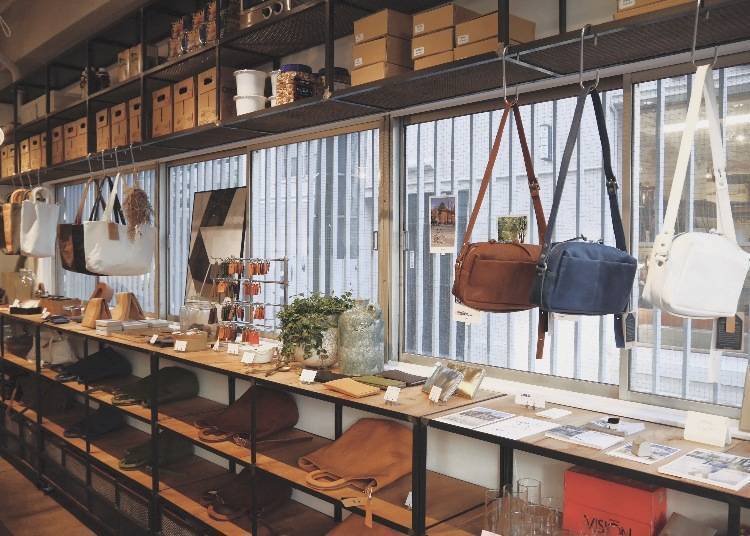
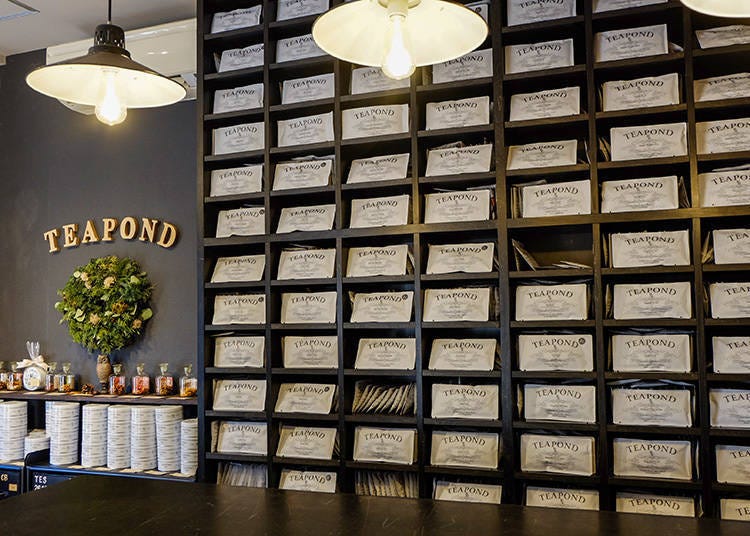
Shitamachi areas are now home to professionals from various crafts. From metalwork to interior, woodwork to fabrics, leather to writing tools – even tea, coffee, and chocolate specialty stores are part of the diverse mix of shops. You might fail to find famous brands in these historic downtown areas, but instead, you have a treasure trove of one-of-a-kind, high-quality things at your fingertips. Browse the selection, ask about the materials, chat with the staff, and find a new favorite or a very special souvenir for a very special someone. A lot of shops even offer DIY sessions and workshops, if you’re the crafty kind yourself.
Reason #9 – Encounters of the Feline Kind
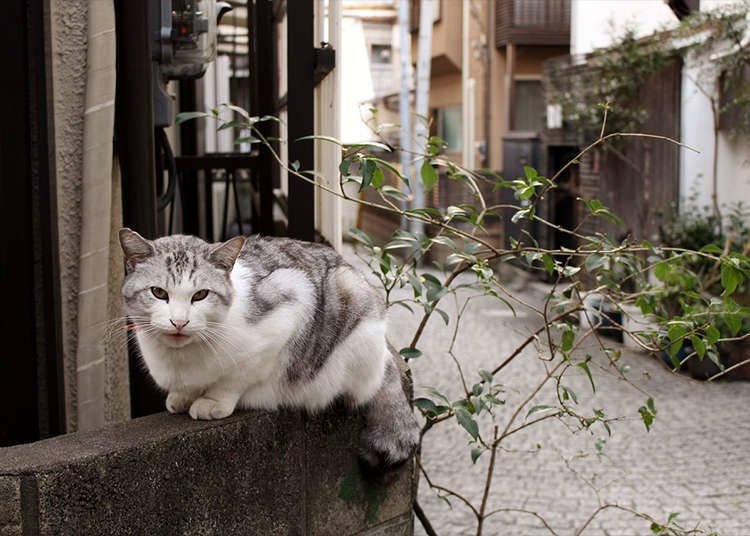
It is true that at times, Tokyo seems terribly devoid of four-legged friends. In the city’s shitamachi areas, however, an encounter with a cat is basically part of the standard experience. Sometimes they watch you from a roof above your head; sometimes they sunbathe with their eyes half closed – sometimes they might even walk up to you for a quick greeting.
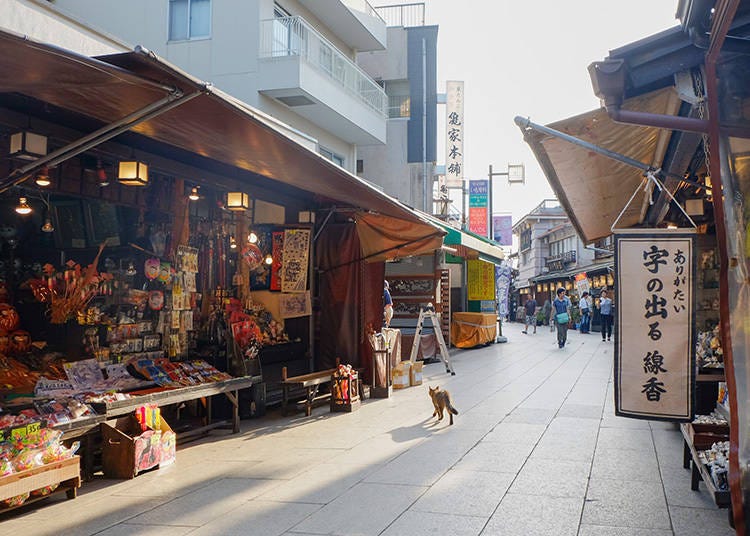
Certain shops even have resident cats that are the local stars of the area. Yanaka Ginza, an atmospheric shopping street, is a prime example of such a cat-centric area. Not only will you encounter a lot of actual cats, several shops also have a nice selection of products and snacks centered on our feline friends.
Reason #10 – Lively Festivals, Fun Flea Markets
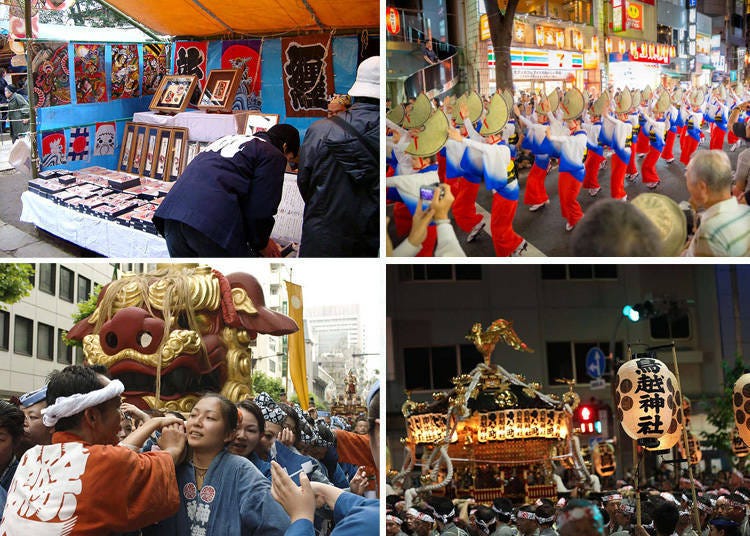
There’s always something happening in Tokyo’s shitamachi areas. It might be a shrine festival one month and a lively flea market another month, but you can be sure that something is always going on.
April, for example, marks the time of Asakusa’s Ichiyo Sakura Matsuri, featuring a beautiful historic parade that faithfully represents the culture of the Edo period, as well as a flea market.
Not long after, the district comes alive again for Sanja Matsuri, one of Tokyo’s most famous traditional festivals. Held each May at Asakusa Shrine, it sees massive portable shrines carried through the streets by chanting participants, drawing huge crowds and filling historic downtown Tokyo with unmistakable shitamachi energy.
July to August is the peak season for festivals all around Tokyo’s shitamachi, with the dance festival Koenji Awa Odori being the most famous one among them. Bon odori dance festivals are taking place almost every weekend during this time as well. From traditional processions and dancing to food stall gourmet experiences, these atmospheric festivals are guaranteed to be a highlight of your Tokyo travels.
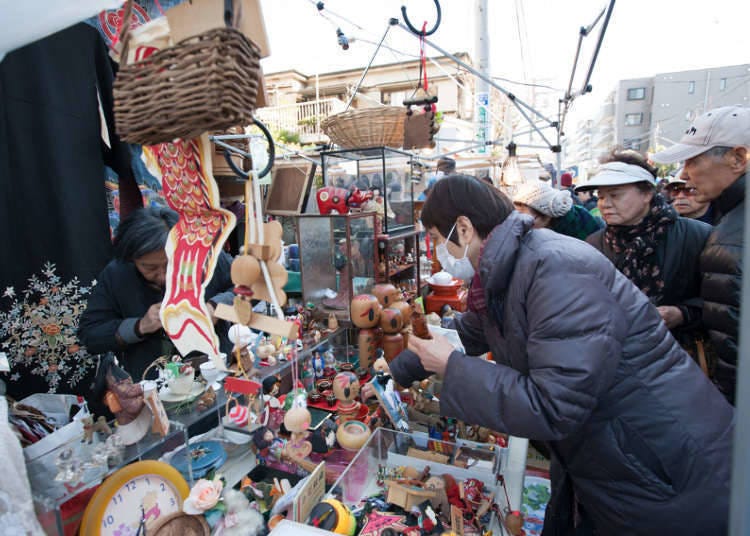
Flea markets are also held regularly in most historic downtown areas. Setagaya Boro-ichi, for example, is held during the New Year’s holidays and one of Tokyo’s largest, with a history dating back hundreds of years. Almost one million people visit the lively event each year, both locals and tourists seeking to make a bargain and to enjoy the unique atmosphere.
List of Shitamachi Areas in Tokyo
-
 Tsukiji Outer Market
 -
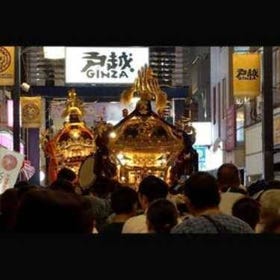 Togoshi Ginza Shotengai
 -
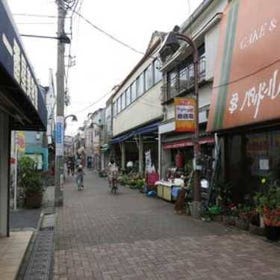 Shitamachi Ninjo Kirakira Tachibana Shoutengai
 -
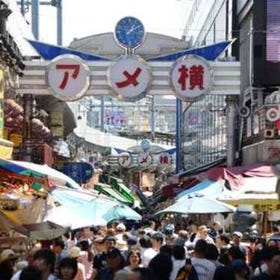 Ameyoko Shopping Street
 -
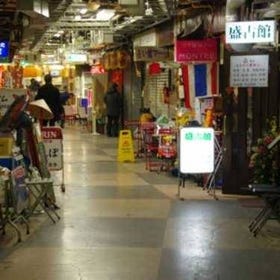 Asakusa Underground Shopping Center
 -
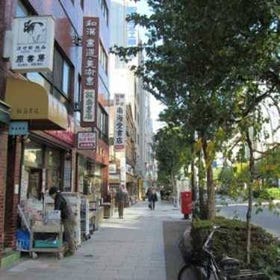 Kanda Used Book Street
 -
 Nihonbashi
 -
 Yanaka Ginza Shopping Street
 -
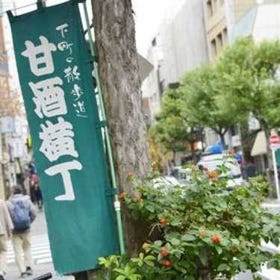 Amazake Alley
 -
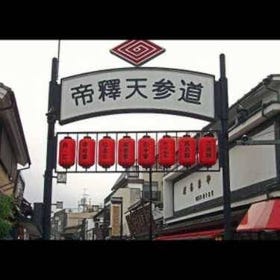 Shibamata Taishakuten Sando
 -
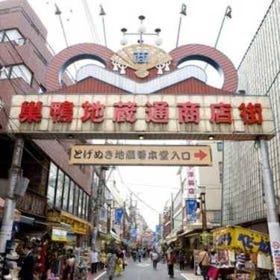 Jizo Dori Shopping Street
 -
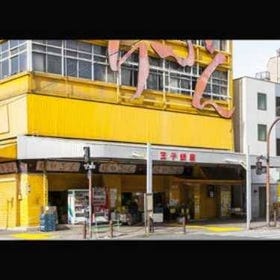 Ouji Ginza Shopping Street
 -
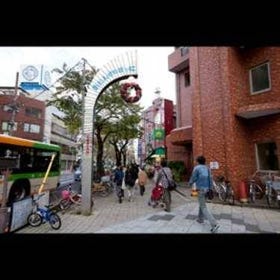 Nippori Textile District
 -
 Nakanobu Shoutengai
 -
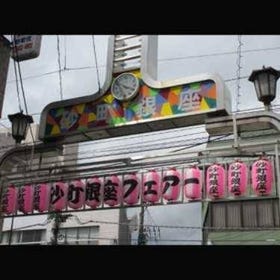 Sunamachi Ginza Shopping Street
 -
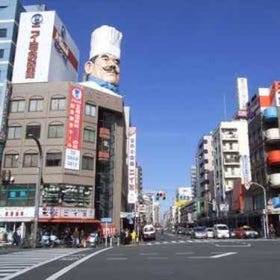 Kappabashi Street
Recommended Shitamachi Tours
-
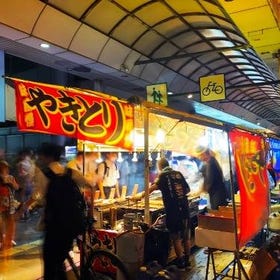 Tokyo Old Town Historical Private Walking Tour(Yanaka/Nezu/Sendagi)
Details & Bookings ▶
(Photo/Provider: Klook) -
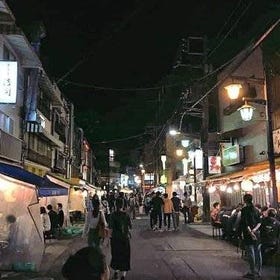 Tokyo's Scariest Shitamachi Ghost Tour
Details & Bookings ▶
(Photo/Provider: Viator) -
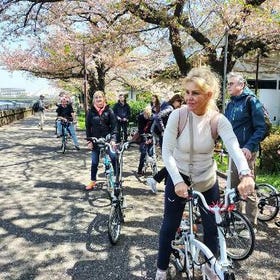 Tokyo Backstreets Bike Tour with Local Food Tasting
Details & Bookings ▶
(Photo/Provider: Klook) -
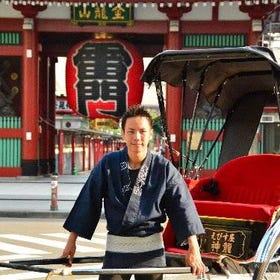 Tokyo Asakusa Rickshaw Tour: Edo, Kaminarimon, Shitamachi & Tokyo Skytree
Details & Bookings ▶
(Photo/Provider: KKday)
Tokyo’s Shitamachi – A Place That Never Lets You Go
You don’t need to be a history geek to enjoy Tokyo’s old downtown districts. The uniquely warm atmosphere, filled with the genuine smiles and chit-chat of the locals will capture your heart in an instant – and never let go again. As you stand amidst Tokyo’s skyscrapers and glitzy department stores, you might find yourself longing for the slow rhythm of the city's shitamachi.

- Area
- Category
*Prices and options mentioned are subject to change.
*Unless stated otherwise, all prices include tax.
Popular Tours & Activitiess
Recommended places for you
-
Tsukiji Outer Market
Old Towns (Shitamachi)
Tsukiji
-
The Tokyo Station Marunouchi Building
Landmarks
Tokyo Station
-
Ameyoko Shopping Street
Old Towns (Shitamachi)
Ueno
-
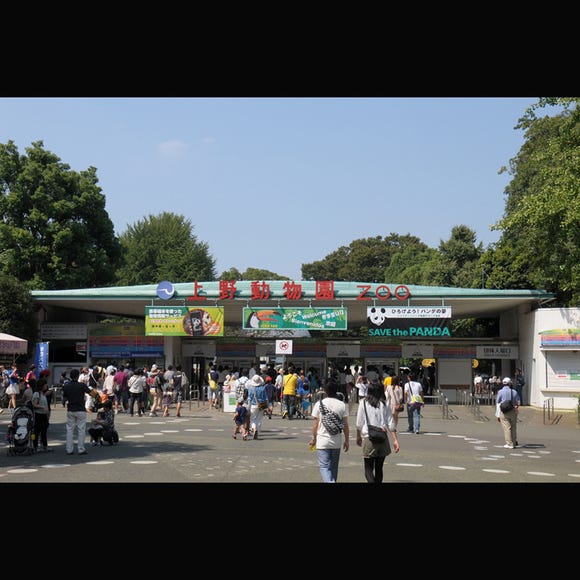
Ueno Zoo (Ueno Zoological Gardens)
Zoos, Aquariums & Botanical Gardens
Ueno
-
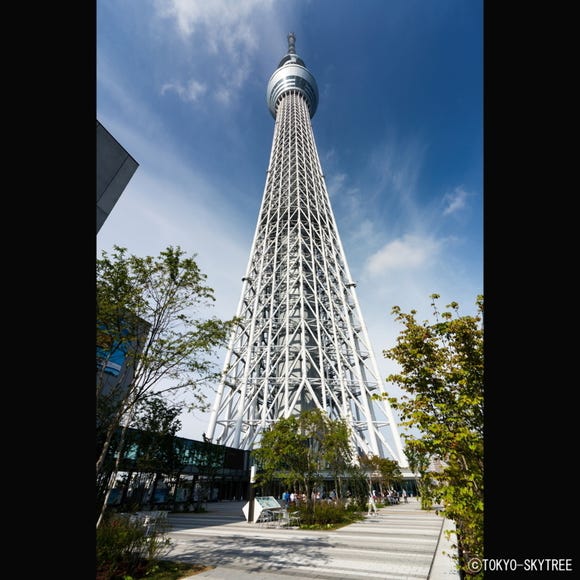
TOKYO SKYTREE®
Landmarks
Ryogoku / TOKYO SKYTREE(R)
-
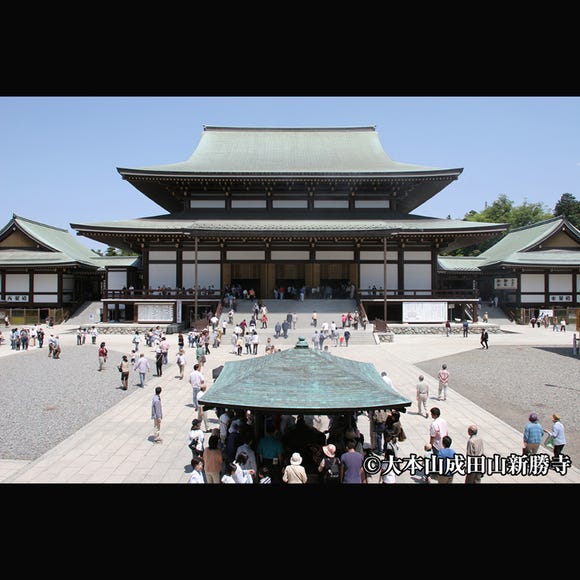
Naritasan Shinshoji Temple
Temples
Narita
-
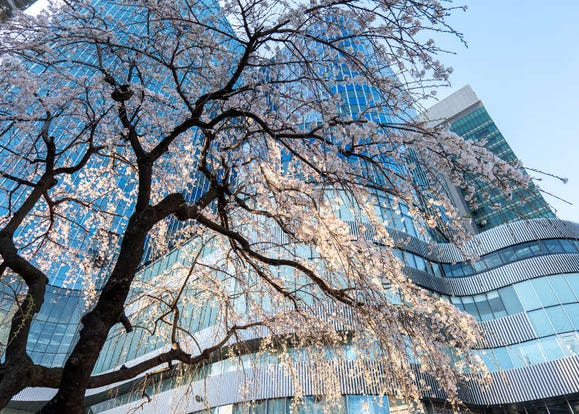
2026 Japan Cherry Blossom Report: Tokyo Beginning Bloom
-
Ad
Enjoy Tokyo's Hidden Gem! Katsushika: Where Anime, Kawaii Culture & Real Tokyo Vibes Meet (2026 Guide)
by: Yohei Kato
-

SILK AND ILY DONUT: Tokyo's New, Laid-Back Waterfront Shop Is A Real Treat
by: Timothy Sullivan
-

Snow Peak: Discover the Japanese Outdoor Brand That Became a Global Obsession (and Its Best Stores)
-
Ad
Guide to Delicious Vegetarian-Friendly Japanese Restaurants to Visit in Saga
-
Ad

Embrace Japanese Aesthetics and Tradition with the CITIZEN SAKURA Limited Edition and Other Popular Models
-

Visiting Temples and Collecting Goshuin in Asakusa
-

How to Pay Your Respects at Meiji Jingu
-
Guide to Tokyo's Old Quarter: 7 Quaint Spots in Yanesen!
-
Touring Tokyo's Asakusa Area with Kids: Essential Guide, Tips & Recommended Food Spots!
-
Tokyo Roppongi: 5 Most Amazing Spots at Roppongi Hills and How to Make the Best of Them!
-
Japan's Bath Culture: Tips You Should Know!
- #best ramen tokyo
- #what to buy in ameyoko
- #what to bring to japan
- #new years in tokyo
- #best izakaya shinjuku
- #things to do tokyo
- #japanese nail trends
- #what to do in odaiba
- #onsen tattoo friendly tokyo
- #daiso
- #best sushi ginza
- #japanese convenience store snacks
- #best yakiniku shibuya
- #japanese fashion culture
- #best japanese soft drinks