



Osaka Amazing Pass 2026: Is It Still Worth It After the Price Hike?
- Written by: LIVE JAPAN Editor
When it comes to saving money on an Osaka trip, few passes are as famous as the Osaka Amazing Pass. With unlimited rides on selected transport and free entry to over 40 popular attractions, it has long been a go-to choice for first-time visitors.
But in 2026, the rules have changed. The pass has gone through major updates and a shift toward digital tickets. Many travelers only realize after arriving that the old physical 2-day pass is gone, or that certain private railways are no longer covered depending on the ticket type.
To help you avoid costly surprises, this guide breaks down everything you need to know about the 2026 Osaka Amazing Pass. From how to buy it and whether it still offers good value after the price increase, to carefully planned itineraries that make the pass worth every yen, we’ve laid it all out in one place.
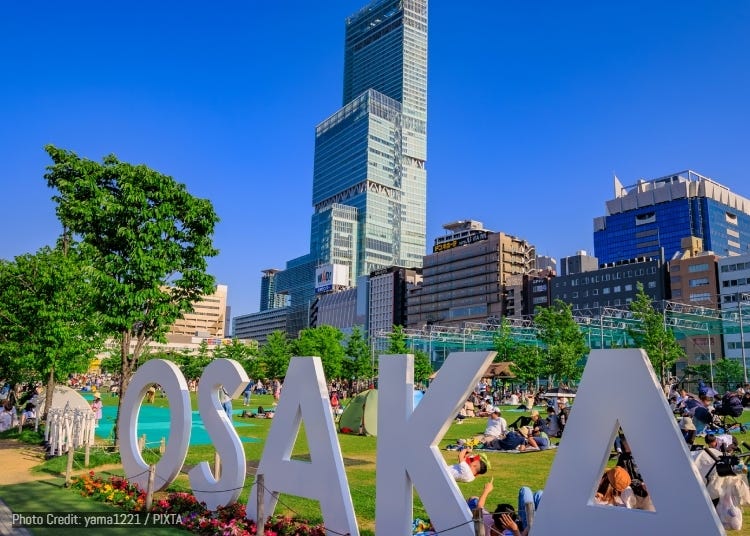
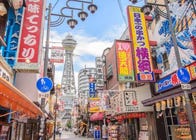
(Main image source: PIXTA)
(This article contains sponsored content)
- Table of Contents
-
- Big Changes in 2026: What Travelers Need to Know About the Osaka Amazing Pass
- One-Day vs Two-Day Pass: You Don’t Need a Table to Understand the Difference
- The Biggest Rival: Osaka Amazing Pass vs. the Osaka e-Pass
- Avoid These Pitfalls: Bought the Pass but Can’t Get In? 4 Attractions with Hidden Rules
- One-Day Pass Itinerary: Classic Osaka Highlights Without Missing the 3 PM Cutoff
- Two-Day Pass Itinerary: Sea, City, and Sky for Families and Couples
- Summary: Who Should Buy It?

Big Changes in 2026: What Travelers Need to Know About the Osaka Amazing Pass
First, it’s important to reset expectations. The Osaka Amazing Pass is now fully digital. The days of lining up at airport counters to buy a physical magnetic card are over.
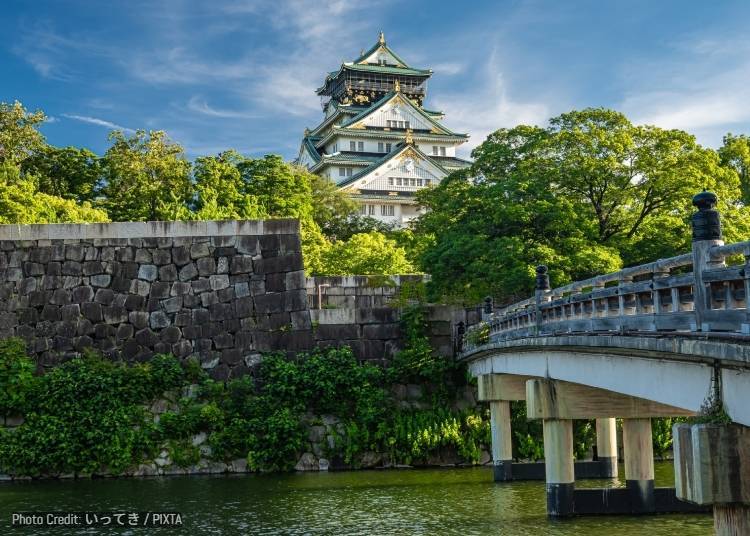
At its core, the pass is still a powerful “unlimited transport + free attractions” deal. During its validity period, you can ride Osaka Metro and Osaka City Bus as much as you like, and use a QR code on your phone to enter more than 40 popular attractions at no additional cost. These include Osaka Castle, the Umeda Sky Building (time restrictions apply), Tsutenkaku Tower, and the Santa Maria sightseeing cruise.
The most important change for 2026 is that the two-day physical card has been completely discontinued. If you want a two-day pass, it is now available only as a digital ticket (QR code). This means you’ll need to use your smartphone to enter stations and attractions, or purchase the pass in advance through an online travel platform.
For travelers who prefer paper tickets, this may take a bit of adjustment. However, once set up, the digital pass is straightforward to use and works smoothly throughout the city.
One-Day vs Two-Day Pass: You Don’t Need a Table to Understand the Difference
Beyond changes in how the pass is purchased, there are also important differences in the transportation coverage between the one-day and two-day versions. In fact, the rules even differ between digital and physical tickets. To avoid buying the wrong pass, be sure to check the details below carefully.
Recommended Choice for Most Travelers: Digital 1-Day Pass
This is the most recommended option for first-time visitors. The price is around 3,300 yen (always confirm the latest price on the official site), and the pass is stored directly on your smartphone. Its biggest advantage is the widest transportation coverage. In addition to unlimited rides on Osaka Metro and Osaka City Bus, it also covers major private railways within Osaka, including Hankyu, Hanshin, Keihan, Kintetsu, and Nankai.
This makes it especially convenient if you’re staying near stations like Juso (Hankyu) or Kintetsu-Nippombashi, as you can enter and exit stations freely without extra tickets.
More Restrictions to Watch Out For: Digital 2-Day Pass
Many travelers assume the two-day pass is simply a longer version of the one-day pass, but this is where people often get caught out. Priced at around 5,500 yen and valid for two consecutive days, the digital two-day pass has a narrower transportation range.
It can only be used on Osaka Metro and Osaka City Bus, and does not allow travel on private railways. If you’re staying along a private railway line such as Hankyu or Kintetsu, or plan to use Nankai Railway to reach areas outside the city center, this pass will not get you through the ticket gates. You’ll need to pay separately. This limitation is the biggest pitfall compared to the one-day pass.
Becoming Harder to Find: Physical 1-Day Pass
A physical magnetic-card version of the one-day pass still exists, but it is increasingly difficult to purchase. Sales locations have been greatly reduced, mainly limited to Kansai International Airport, Shin-Osaka, and Umeda tourist information centers, where long lines are common.
Unless you strongly prefer not to use a smartphone at all, going out of your way to buy the physical version is not recommended.
The Biggest Rival: Osaka Amazing Pass vs. the Osaka e-Pass
Before buying the Osaka Amazing Pass, you’ll almost certainly come across another ticket with a similar name: the Osaka e-Pass. These two passes often confuse first-time visitors, but the difference is actually very simple. It comes down to whether transportation is included or not.
Option A: Osaka Amazing Pass
This is an all-in-one sightseeing and transportation pass. Think of it like an all-you-can-eat buffet. With a single purchase, you get free entry to more than 40 major attractions, plus unlimited rides on Osaka Metro and Osaka City Bus during the valid period.
It’s ideal for first-time visitors or anyone planning to cover a lot of ground in one day. Importantly, this is the only pass that includes high-value attractions such as the Osaka Castle Gozabune boat and the daytime Santa Maria cruise.
Option B: Osaka e-Pass
This is a sightseeing-only pass and does not include any transportation. It’s priced at roughly half the cost of the Osaka Amazing Pass, usually just over 2,000 yen. With the e-Pass, you can still enter many major attractions for free, but you’ll need to pay separately for transport using an IC card like ICOCA or Suica, or by purchasing subway tickets.
This option suits travelers who already have an IC card, or those who prefer not to rely solely on trains, for example, people who plan to walk or use taxis. However, note that popular attractions like the Santa Maria cruise and the Gozabune boat are usually not included, so always check the attraction list before buying.
Avoid These Pitfalls: Bought the Pass but Can’t Get In? 4 Attractions with Hidden Rules
Many travelers buy the Osaka Amazing Pass and head straight to an attraction, only to discover at the entrance that they need to pay extra or that tickets are already gone. To avoid this frustration, make sure you remember these four up-to-date hidden rules for 2026.
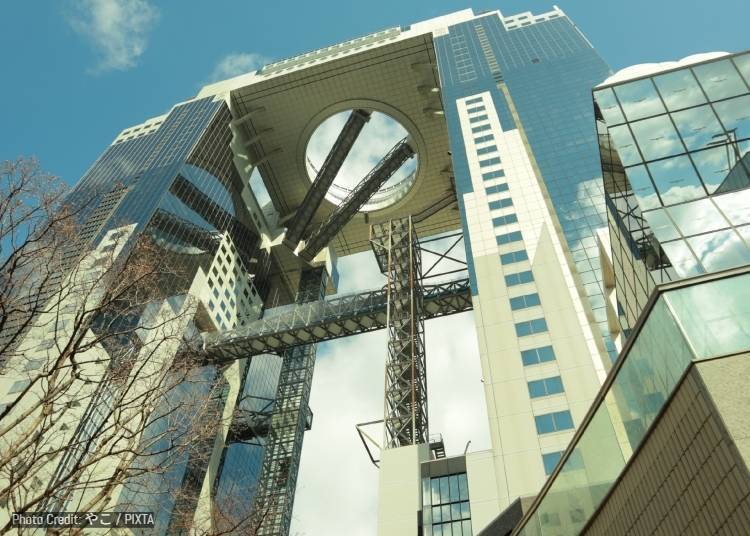
Trap 1: Umeda Sky Building Floating Garden Observatory (Free entry ends at 3 PM)
This is currently the biggest trap. Free admission is only available before 3 PM. Older guides often mention 4 PM or even 6 PM, which leads many visitors to arrive at 3:05 PM and be told they must pay.
If you enter after 3 PM, the pass only gives a 10% discount, and you’ll still need to pay a high admission fee.
How to avoid it:
Arrive by around 2:30 PM and complete entry before 3 PM. Once inside, you’re free to stay and enjoy sunset and night views.
Trap 2: LEGOLAND Discovery Center (No entry without children)
Located in Tempozan near the Ferris wheel, this attraction looks like paradise for LEGO fans, but it has a strict rule: adults aged 16 and over cannot enter unless accompanied by a child aged 15 or under.
Common disappointment:
Couples and adult travelers arrive excited, only to be turned away at the entrance for not having a child.
There are occasional adult-only nights, but these are special events and not part of normal sightseeing.
Recommendation:
If you’re traveling without children, skip this attraction and spend your time at the aquarium or on a cruise instead.
Trap 3: River cruises require early ticket exchange in peak seasons
Popular cruises such as the Dotonbori River Cruise, Osaka Castle Gozabune, and the Santa Maria have limited seating. Evening Dotonbori cruises are especially competitive.
If you plan to ride, go to the ticket counter as soon as you arrive in the area and exchange your pass for a boarding time.
The Osaka Castle Gozabune uses smaller boats and often sells out by midday during cherry blossom or autumn foliage seasons, so arriving around 9:30 AM is strongly recommended.
Trap 4: HEP FIVE Ferris Wheel (Closed until spring 2026)
This iconic red Ferris wheel in Umeda is currently undergoing major renovations.
Closure period:
From October 14, 2025 until late April 2026
Impact:
The Ferris wheel is completely closed during this time.
What to do instead:
If your trip falls within this period, remove it from your itinerary and consider visiting a local hot spring or another observatory. If you’re traveling after May 2026, check the official website in advance to confirm reopening dates.
One-Day Pass Itinerary: Classic Osaka Highlights Without Missing the 3 PM Cutoff
If you’re using a one-day pass, the goal is simple: get full value and hit Osaka’s classics. This route is carefully timed so you can enter Umeda Sky Building before 3 PM, with a total value of over 6,000 yen, effectively doubling what you paid.
9:30 AM Osaka Castle Tenshukaku
Start your day at Osaka’s most iconic landmark. The easiest access is from Tanimachiyonchome Station.
11 AM Osaka Castle Gozabune
Cruise the castle moat aboard this elegant sightseeing boat.
Important: After arriving at Osaka Castle, go straight to the ticket booth near Gokurakubashi Bridge to exchange your pass for a boat ticket first, then visit the castle. This prevents missing out if seats sell out.
1 PM Travel to Umeda and lunch
Take the subway to Umeda Station and enjoy lunch around the station area.
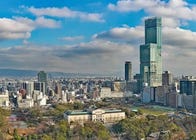
2:30 PM Umeda Sky Building Floating Garden Observatory
This is the key moment. Enter before 3 PM to save roughly 1,500 yen on admission. While it’s still daytime, the open views over the Yodo River and the city skyline are expansive and well worth it.
4 PM Koji KINUTANI Tenku Art Museum
Located right next to Umeda Sky Building. Put on the 3D glasses and enjoy the immersive art animations. It’s a surprisingly memorable stop.
5:30 PM HEP FIVE Ferris Wheel
Return to the Umeda area and ride the famous red Ferris wheel, timing it for sunset or early evening views.
7 PM Travel to Namba or Dotonbori for dinner
8:30 PM Dotonbori River Cruise
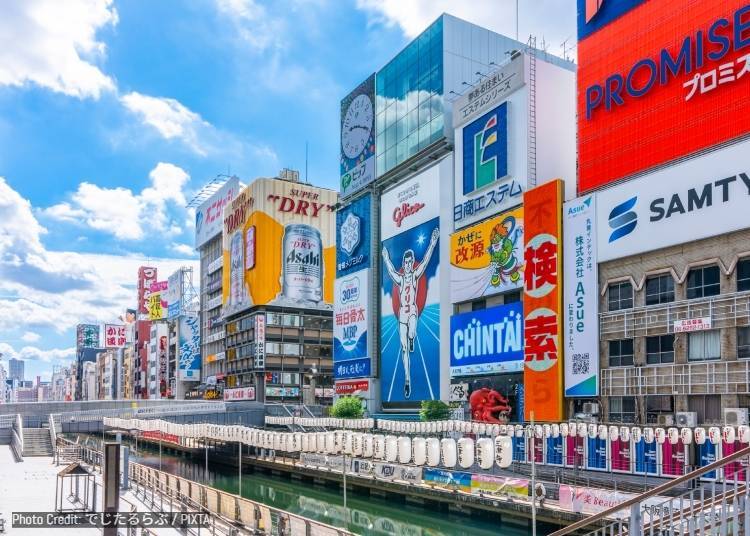
End the day cruising under neon lights with views of the Glico running man sign. If you arrive in Namba earlier, use the time to exchange your pass for an evening cruise slot in advance.
Two-Day Pass Itinerary: Sea, City, and Sky for Families and Couples
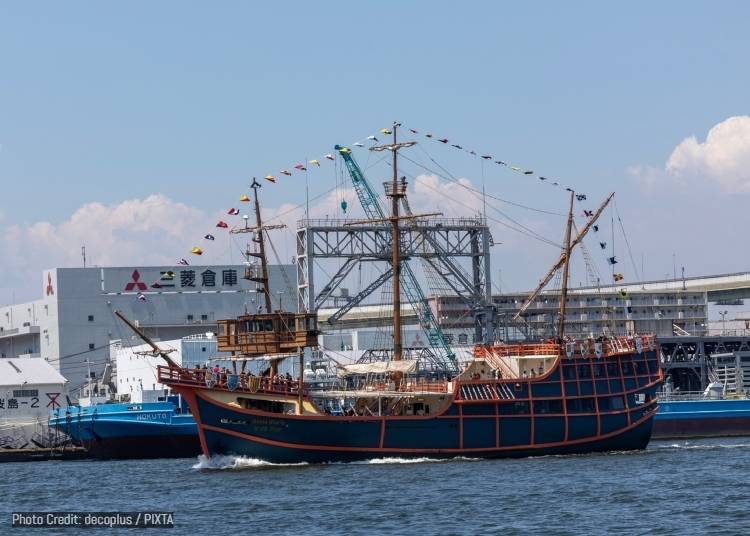
With a two-day pass, you can slow the pace and explore Osaka’s bay area and southern districts in depth. This itinerary delivers a total value of over 10,000 yen and works especially well for families or couples.
Day 1: Bay Area and Umeda Night Views
10 AM Santa Maria Day Cruise
Head to Osakako Station and board this sightseeing ship modeled after Columbus’s flagship. The cruise lasts about 45 minutes, with refreshing sea breezes and wide bay views.
11:30 AM Tempozan Giant Ferris Wheel
Located right next to the pier. Once the world’s largest Ferris wheel, its transparent gondolas add a thrill to the ride.
1 PM LEGOLAND Discovery Center Osaka
Free entry applies only on certain days after 2 PM, and children must be present to enter. This stop is ideal for adults traveling with kids.
3 PM Travel to Umeda
If you can’t make the 3 PM free-entry cutoff at Umeda Sky Building on Day 1, switch plans. Ride the HEP FIVE Ferris Wheel instead, or unwind at Natural Hot Spring Naniwa no Yu near Tenjinbashisuji 6-chome for a relaxing evening soak.
Day 2: Retro Shinsekai and Osaka History
10 AM Tsutenkaku Tower and Tower Slider
Arrive early via Ebisucho Station. Line up for the Tower Slider first and visit the observation deck. Don’t forget to rub the Billiken statue for good luck. Weekday visits are required for free slider access.
12:30 PM Lunch in Shinsekai
Enjoy classic kushikatsu skewers in this nostalgic neighborhood.
2 PM Tennoji Zoo
Right next to Tsutenkaku. A relaxed walk through the zoo is a pleasant change of pace.
4 PM Osaka Castle Tenshukaku
Head north in the afternoon to explore Osaka’s most famous historical landmark.
7 PM Nakanoshima River Cruise
More refined than Dotonbori’s lively cruises, this evening boat ride features audio commentary and elegant city views along historic waterfront buildings, a calm and memorable way to end the trip.
-

-
Address
1-1, Oyodonaka, Kita-ku, Osaka-shi, Osaka, 531-0076
View Map -
Nearest Station
Osaka Station (JR Kansai Main Line / JR Tokaido Line / JR Kyoto Line / JR Osaka Loop Line / JR Kobe Line / JR Takarazuka Line / JR Osaka East Line)
6 minutes on foot
- Phone Number 06-6440-3855
-
Address
1-1, Oyodonaka, Kita-ku, Osaka-shi, Osaka, 531-0076
-
-
Address
5-15, Kakudacho, Kita-ku, Osaka, 530-0017
View Map -
Nearest Station
Umeda Station (Midosuji Line)
- Phone Number 06-6313-0501
-
Address
5-15, Kakudacho, Kita-ku, Osaka, 530-0017
▼ You can also purchase the Osaka Amazing Pass via the links below ▼
Summary: Who Should Buy It?
After working through this in-depth guide, you have probably realized that the 2026 Osaka Metro Pass is no longer the kind of “buy it and automatically save money” deal it once was. With higher prices, the discontinuation of the physical two-day pass, and stricter rules at popular attractions like Umeda Sky Building, getting good value from this pass now requires a more thoughtful approach.
To wrap things up, here are the three key survival rules for 2026 you should keep firmly in mind.
1. Digital is the standard, but watch out for the private railway trap.
Stop looking for a physical two-day pass and get comfortable using QR codes on your phone. However, if you choose the digital two-day pass, remember that it cannot be used on private railway lines. If your hotel is near a private railway station such as Hankyu Juso, Kintetsu Nipponbashi, or anywhere south of Namba, the two-day pass may not even let you enter the gates. In that case, the digital one-day pass is often the safer choice.
2. Master your time management.
The success or failure of this pass often comes down to one critical time: 3 PM. Make Umeda Sky Building your first stop of the day or go there immediately after lunch. Miss the 3 PM cutoff, and you will need to pay out of pocket, causing the value of the pass to drop sharply.
3. Know the alternative: the Osaka e-Pass.
If your schedule is relaxed, you only plan to visit two attractions in a day, or you do not want to deal with complicated subway routes and prefer walking or taking taxis, the Osaka e-Pass combined with an ICOCA card is usually a better deal than the Metro Pass. Do not force yourself into a packed itinerary just to get your money’s worth
Ultimate Buying Advice: What Type of Traveler Are You?
・First-timer or high-energy traveler: Visiting Osaka for the first time, staying near Umeda, Shinsaibashi, or Namba subway stations, with good stamina and plans to visit three to four attractions in one day, including a cruise.
→ Choose the Osaka Metro Pass digital version. It works like a fast-track guide to getting to know the city.
・Careful planner or relaxed traveler: You have been to Osaka before, only want to visit a few highlights such as Tsutenkaku or a river cruise, or you are staying along a private railway line farther from the center.
→ Choose the Osaka e-Pass or buy tickets individually for greater flexibility and less pressure.
・Families with children: Traveling with kids, noting that elementary school-age children and above need tickets.
→ The Osaka Metro Pass is recommended, as high-priced attractions like the Santa Maria cruise and the Ferris wheel can add up quickly, and this pass can save parents a significant amount on admission fees.
The Osaka Metro Pass may come with more rules than before, but if you use the strategies in this guide, it remains a powerful tool for exploring this lively city. Wishing you a smart, satisfying trip to Osaka.

▼ Explore More Articles About Osaka ▼

The LIVE JAPAN editorial team is a multinational group made up of native editors who have lived in Japan for over five years and Japanese editors who love to travel. Together, we share the best of Japan, offering cultural insights, historical context, event updates, and travel-friendly deals, to support your journey every step of the way.
*Prices and options mentioned are subject to change.
*Unless stated otherwise, all prices include tax.

Popular Tours & Activities
Recommended places for you
-
ISHIDAYA Hanare
Yakiniku
Kobe, Sannomiya, Kitano
-
Goods
Yoshida Gennojo-Roho Kyoto Buddhist Altars
Gift Shops
Nijo Castle, Kyoto Imperial Palace
-
Sunflower terminal (Osaka) Terminal 1
Other Sightseeing
USJ, Nanko Port
-
Kasuga-taisha Shrine
Shrines
Nara, Ikoma, Tenri
-
Kyoto National Museum
History Museums
Kyoto Station, To-ji Temple
-

Jukuseiniku-to Namamottsuarera Nikubaru Italian Nikutaria Sannomiya
Izakaya
Kobe, Sannomiya, Kitano
-
Missed the Sumo Tournament? 5 Best Shows in Osaka & Kyoto
-
Top 3 Bus Tours to Arashiyama & Kinkaku-ji (Amanohashidate Included)
by: Hyungil Kim
-
Shopping in Osaka? Tourists Can Now Get Up to 3,000 Yen Off at Namba Stores
by: Guest Contributor
-
10 Recommended Apartment Hotels in Kyoto for Long Stays and Family Trips
by: Yotsuka Hizuki
-
Top-Booked in Japan: Must-Try Sushi in Osaka for First-Time Visitors
by: Guest Contributor
-
How to Ride Trains Like a Local in Kansai: Etiquette, Railway Culture & Historic Stops
by: Guest Contributor
Inspiration for Accommodations
-
Complete Guide to Buying Japanese Medicine in Japan: Phrases and Vocabulary You Need to Know
-
2026's Best Value Rail Pass: JR Kansai Wide Area Pass Explained
by: James Davies
-
Unlimited Sightseeing: JR West's Kansai Wide Area Pass for Kansai & Beyond
by: WESTPLAN
-
Top Attractions in Osaka's Minami Area: Dotonbori, Sennichimae, Nipponbashi, Shinsaibashi & Horie
by: WESTPLAN
-
Healthcare in Japan for Tourists: What to Do When You Get Sick or Injured in Japan
-
Inside Kyoto's Spectacular Sanjusangen-do Temple with 1,000 Gold Statues
- #best gourmet Osaka
- #things to do Osaka
- #what to do in kyoto
- #what to bring to japan
- #best gourmet Kyoto
- #new years in Osaka
- #what to buy in nanba
- #Visiting Osaka
- #onsen tattoo friendly arima
- #daiso
- #Visiting Kyoto
- #best japanese soft drinks
- #japanese fashion culture
- #japanese convenience store snacks
- #japanese nail trends