



Tokyo Travel Day Pass Guide: 20 Tickets Compared Across JR, Metro, and Private Railways
- Written by: LIVE JAPAN Editor
Tokyo’s transportation network can be complex for visitors. The system includes JR East lines, Tokyo Metro, Toei Subway, and several private railways. Because these networks operate separately, transferring between them can increase travel time and fares during a busy sightseeing day.
Day passes can simplify travel by allowing unlimited rides within a set network for a fixed price. Choosing the right pass depends largely on which rail systems you plan to use and how often you expect to travel in a day.
Among the available options, the Tokyo Free Kippu is one of the most comprehensive passes, covering both JR lines and subway networks within central Tokyo. However, if your itinerary stays mostly within a single system, passes offered by individual operators may be more practical. This guide compares 20 major day passes in Tokyo, outlining their coverage and typical use cases.
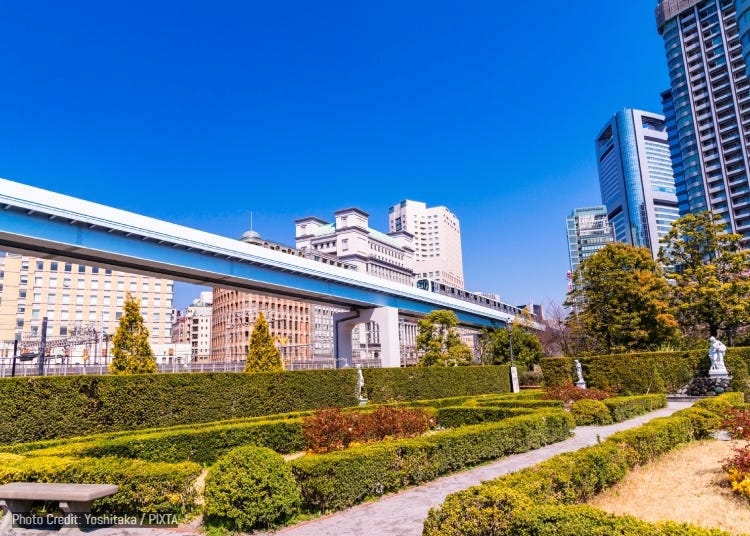
(Photo credit: PIXTA)
(This article contains affiliate links)
- Table of Contents
-
- I. JR East 1-Day Pass Series
- II. Tokyo Metro 1-Day Pass Series
- III. Toei Transportation 1-Day Pass Series
- IV. Tokyu Electric Railway 1-Day Pass Series
- V. Keikyu Electric Railway 1-Day Pass Series
- VI. Tobu Railway 1-Day Pass Series
- VII. Odakyu Electric Railway 1-Day Pass Series
- VIII. Seibu Railway 1-Day Pass Series
- IX. Keisei Electric Railway 1-Day Pass Series
- X. Tokyo Bay Area 1-Day Pass Series
- XI. Practical Tips & Conclusion
I. JR East 1-Day Pass Series
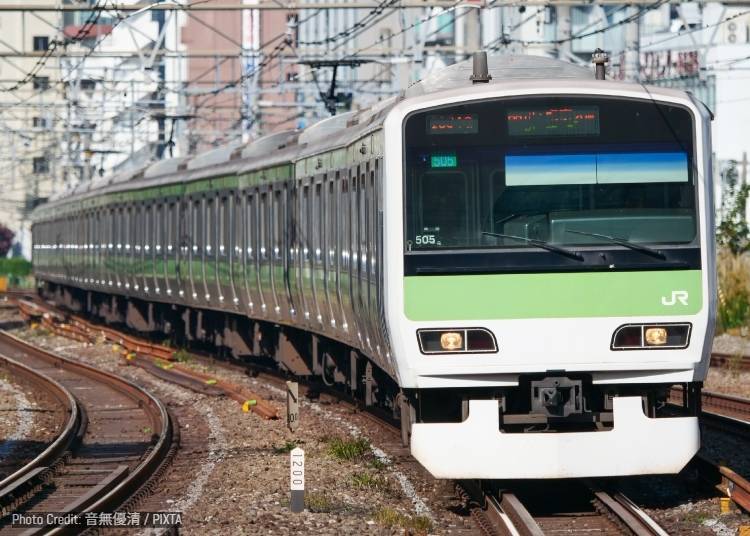
1. Tokyo Free Kippu (東京フリーきっぷ)
Price
Adults 1,600 yen / Children 800 yen
Coverage
JR East lines within the Tokyo metropolitan area, all Tokyo Metro lines, all Toei Subway lines, the Nippori–Toneri Liner, Tokyo Sakura Tram (Toden Arakawa Line), and Toei buses.
Features
This pass provides broad coverage across multiple transit systems in Tokyo. With one ticket, travelers can use JR lines, subways, and Toei buses without purchasing separate fares for each operator.
Suggested Itinerary
Start around 10 AM from Tokyo Station and take a JR line to Tsukiji Outer Market for breakfast. In the afternoon, use the Tokyo Metro to reach Asakusa and explore the historic area around Sensoji Temple. Later, take a Toei bus toward Tokyo Skytree to view the city from the Sumida area. In the evening, ride the subway to Ginza for shopping and dining.
Best For
Travelers planning multiple trips across both JR and subway networks in a single day. It is especially useful when your accommodation and sightseeing destinations are located on different transit systems.
Cost Analysis
A day with several transfers between JR lines and subways can easily reach around 1,800 to 2,200 yen in individual fares. In those cases, the pass can reduce costs slightly while simplifying travel through the ticket gates.
2. Tokunai Pass (都区内パス)
Price
Adults 760 yen / Children 380 yen
Coverage
JR East lines within the Tokyo metropolitan area (local and rapid trains, unreserved seats only).
Features
This pass allows unlimited rides on JR lines within central Tokyo for one day. It is a practical option if your travel plans focus mainly on JR routes, particularly the Yamanote Line and other major JR corridors.
Best For
Travelers whose itineraries center around major JR stations such as Akihabara, Ueno, Ikebukuro, Shinjuku, and Shibuya. It is most useful when most destinations are connected by JR lines.
Suggested Itinerary
Start the afternoon in Akihabara for electronics and anime shopping. Later, take a JR line to Ueno Park to visit museums or walk through the park. In the evening, travel to Harajuku to explore Takeshita Street, then continue to Shibuya to see the scramble crossing and nearby restaurants. All of these locations are connected by JR lines.
Cost Analysis
Typical JR fares within Tokyo range from about 150 to 210 yen per ride. If you make around six JR trips in a day, total fares approach 1,000 yen. In that case, the pass can reduce daily transportation costs by roughly 200 to 250 yen.
3. Nonbiri Holiday Suica Pass (のんびりホリデーSuicaパス)
Price
Adults 2,670 yen / Children 1,330 yen
Coverage
JR lines within the greater Tokyo suburban area, the Rinkai Line, and the Tokyo Monorail.
Features
This pass is designed for use on weekends and public holidays and must be linked to a Suica card. In addition to travel within central Tokyo, it covers a wider area that includes suburban destinations such as Kamakura and Okutama. It also includes the Tokyo Monorail connecting Haneda Airport with central Tokyo.
Best For
Travelers planning day trips from Tokyo to nearby destinations on weekends or holidays. It can also be useful for travelers arriving at Haneda Airport who plan to continue on to areas outside central Tokyo.
Suggested Itinerary
Start in the morning from Shinagawa and travel to Kamakura to visit Tsurugaoka Hachimangu Shrine and nearby historic streets. In the afternoon, take a JR train to Yokohama to explore the Minato Mirai waterfront area. In the evening, travel via the Rinkai Line to Odaiba to view Rainbow Bridge and the Tokyo Bay skyline.
Cost Analysis
A round-trip itinerary covering destinations such as Kamakura and Yokohama can exceed about 3,200 yen when purchased as individual tickets. In that case, the pass may reduce transportation costs by more than 500 yen.
II. Tokyo Metro 1-Day Pass Series
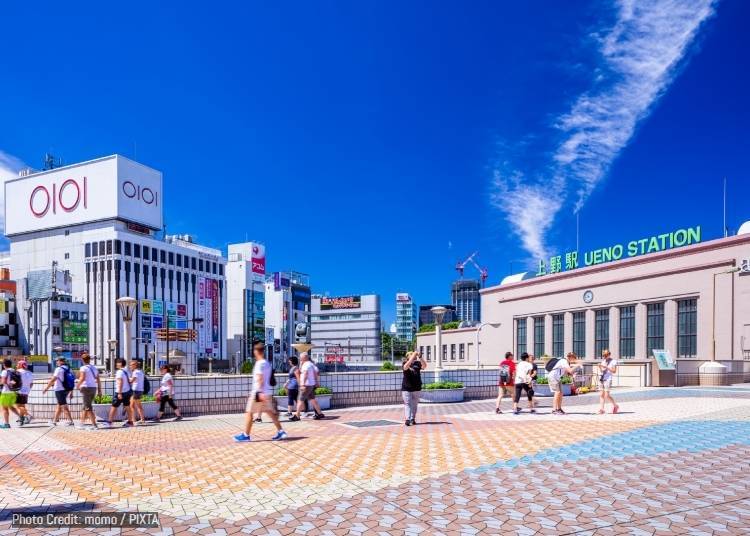
1. Tokyo Metro 24-Hour Ticket (東京メトロ24時間券)
Price
Adults 600 yen / Children 300 yen
Coverage
All nine Tokyo Metro lines.
Features
This pass is valid for 24 hours from the time of first use rather than by calendar day. For example, if it is activated at 2 PM, it remains valid until 1:59 PM the following day. This can be convenient for travelers arriving in Tokyo later in the day or planning sightseeing across two days.
Best For
Travelers staying near Tokyo Metro stations whose sightseeing plans are concentrated in central Tokyo areas such as Ginza, Omotesando, and Tsukiji.
Suggested Itinerary
Day 1, 2 PM: Travel to Omotesando for shopping and cafés.
7 PM: Continue to Roppongi for evening dining or city views.
Day 2, 9 AM: Visit Tsukiji Outer Market for breakfast.
Noon: Travel to Asakusa for sightseeing around Sensoji Temple.
Cost Analysis
Tokyo Metro fares typically start from about 180 yen per ride. If you take more than four rides within a 24-hour period, total fares exceed 720 yen. In that case, the pass offers a modest cost saving.
2. Tokyo Metro & Toei Subway Common 1-Day Pass (共通1日乗車券)
Price
Adults 900 yen / Children 450 yen
Coverage
All nine Tokyo Metro lines and all four Toei Subway lines, including the Oedo Line, Asakusa Line, Mita Line, and Shinjuku Line.
Features
This pass combines the Tokyo Metro and Toei Subway networks into a single ticket. Because both systems are included, travelers can transfer between the two without paying separate base fares.
Best For
Travelers planning to use both subway networks during the day. It is useful when visiting destinations served by different systems, such as traveling between areas like Asakusa, Kuramae, and Roppongi.
Suggested Itinerary
・10 AM: Take the Tokyo Metro from Ueno to Asakusa.
・1 PM: Transfer to the Toei Asakusa Line and travel to Oshiage near Tokyo Skytree.
・4 PM: Use the Tokyo Metro Hanzomon Line to reach Kiyosumi-Shirakawa for cafés and galleries.
・7 PM: Take the Toei Oedo Line to Shiodome for evening views and dinner.
Cost Analysis
Trips involving transfers between Tokyo Metro and Toei Subway typically cost about 280 to 350 yen per ride. Four such trips in a day can total around 1,200 yen, meaning the pass may reduce costs by roughly 300 yen.
3. Exclusive for Foreign Visitors: Tokyo Subway Ticket (24 / 48 / 72 Hours)
Price
24-hour: Adults 800 yen / 48-hour: Adults 1,200 yen / 72-hour: Adults 1,500 yen
Coverage
All Tokyo Metro lines and all Toei Subway lines.
Features
This ticket is available only to international visitors to Japan. It provides unlimited rides across all Tokyo Metro and Toei Subway lines for the selected time period. The ticket is activated at first use and remains valid for the chosen number of hours. A passport is required when purchasing.
Best For
Visitors spending two or three days sightseeing mainly within central Tokyo areas served by the subway network. It is particularly useful when planning several trips each day across different parts of the city.
Suggested Itinerary
・Day 1: Explore Shibuya, Harajuku, and Omotesando.
・Day 2: Visit Asakusa, Oshiage near Tokyo Skytree, and Ueno.
・Day 3: Travel through Ginza, the Imperial Palace area, and Tokyo Station.
Cost Analysis
Typical subway fares range from about 180 to 330 yen per ride. Over three days, individual tickets for frequent travel can exceed 3,000 yen. In such cases, the 72-hour pass may reduce overall transportation costs significantly.
III. Toei Transportation 1-Day Pass Series
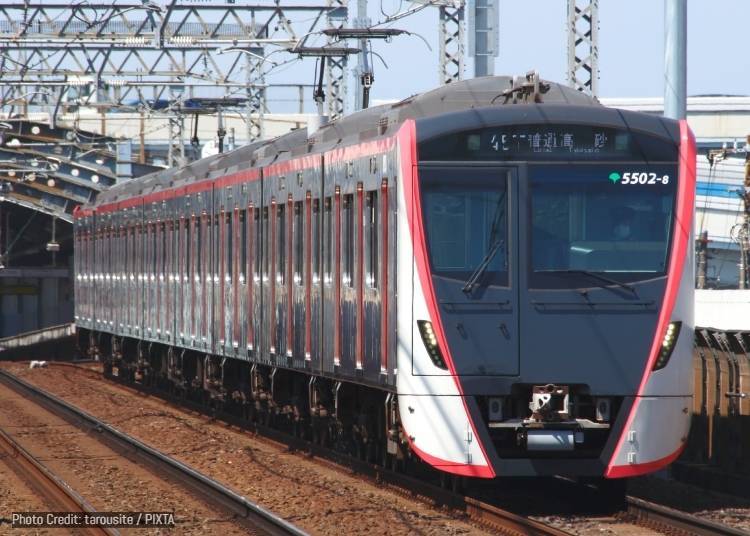
1. Toei Marugoto Kippu (都営まるごときっぷ)
Price
Adults 700 yen / Children 350 yen
Coverage
All Toei Subway lines, all Toei Bus routes, the Tokyo Sakura Tram (Toden Arakawa Line), and the Nippori–Toneri Liner.
Features
This pass allows unlimited rides on transportation operated by the Tokyo Metropolitan Government. In addition to the subway network, it also includes Toei buses and the Tokyo Sakura Tram, providing access to residential neighborhoods and older districts that are not always directly connected by subway.
Best For
Travelers planning to visit areas served mainly by Toei lines, such as Asakusa, Tsukiji, or Roppongi, and those who want to include bus routes or the tram in their sightseeing plans.
Suggested Itinerary
・9 AM: Start with a ride on the Tokyo Sakura Tram from the Sugamo area.
・1 PM: Transfer at Oji Station and take a Toei bus toward Asakusa.
・4 PM: Use the Toei Asakusa Line to reach Oshiage near Tokyo Skytree.
・8 PM: Ride the Toei Oedo Line to Shiodome for evening views of the city.
Cost Analysis
A typical subway ride costs about 220 yen, a Toei bus fare is about 210 yen, and the tram fare is about 170 yen. If you combine four or more of these rides in a day, the total can exceed 850 yen, making the pass slightly more economical.
2. Tokyo Sakura Tram 1-Day Pass (都電1日乗車券)
Price
Adults 400 yen / Children 200 yen
Coverage
Tokyo Sakura Tram (Toden Arakawa Line) only.
Features
This pass allows unlimited rides on Tokyo’s remaining streetcar line, the Tokyo Sakura Tram. The line runs through residential neighborhoods known for their traditional atmosphere, making it suitable for a slower style of sightseeing with frequent stops along the route.
Best For
Travelers interested in exploring neighborhoods along the tram line, including areas such as Kishimojin-mae, Waseda, and Arakawa Yuen-mae. It is also a good option for photography or relaxed neighborhood walks.
Suggested Itinerary
・10 AM: Depart from Minowabashi and enjoy the tram ride through the neighborhoods along the line.
・Noon: Stop near Kajiwara to explore local shops and streets.
・2 PM: Get off at Arakawa Shako-mae to see the tram depot and display area.
・4 PM: Continue to Asukayama Park for a walk through the park grounds.
Cost Analysis
A single tram ride costs 170 yen. Taking three rides in one day totals 510 yen, meaning the pass can reduce transportation costs slightly if you make several stops along the route.
3. Toei Bus 1-Day Pass (都営バス1日乗車券)
Price
Adults 500 yen / Children 250 yen
Coverage
Toei Bus routes within Tokyo’s 23 wards.
Features
This pass allows unlimited rides on Toei buses for one day. In some cases, buses can provide more direct routes between sightseeing areas than the subway, and they avoid the stairs often found in underground stations.
Best For
Travelers visiting areas well connected by Toei Bus routes, such as Asakusa, Ueno, Tokyo Skytree, and the Sumida waterfront. It can also be convenient for families with luggage or strollers who prefer to minimize walking within large stations.
Suggested Itinerary
・10 AM: Take a bus from Kinshicho to the Tokyo Skytree area.
・1 PM: Ride a bus from Tokyo Skytree to Asakusa near Kaminarimon Gate.
・4 PM: Continue by bus to Ueno Park for museums and a walk in the park.
・7 PM: Travel by bus to Akihabara to explore the evening shopping and dining area.
Cost Analysis
A single Toei Bus fare is about 210 yen. Three rides in one day total around 630 yen, so the pass can reduce daily transportation costs slightly.
IV. Tokyu Electric Railway 1-Day Pass Series
1. Tokyu Lines One-Day Pass (東急線ワンデーパス)
Price
Adults 780 yen / Children 390 yen
Coverage
All Tokyu Railway lines.
Features
This pass allows unlimited rides on the Tokyu Railway network for one day. Tokyu lines connect several shopping and residential districts in southwestern Tokyo, making it convenient for moving between neighborhoods along the line.
Best For
Travelers planning to visit areas such as Shibuya, Daikanyama, Jiyugaoka, or Futakotamagawa, especially those interested in shopping districts and cafés along Tokyu routes.
Suggested Itinerary
・11 AM: Travel from Shibuya to Daikanyama for a walk through the neighborhood shops and cafés.
・1 PM: Continue to Jiyugaoka to explore dessert shops and small boutiques.
・4 PM: Head to Futakotamagawa to visit shopping complexes such as Tsutaya Electrics.
・7 PM: Return to Shibuya for dinner and evening shopping.
Cost Analysis
Multiple trips between Shibuya, Jiyugaoka, and Futakotamagawa can total around 900 yen in individual fares. In that case, the pass may reduce transportation costs slightly while simplifying travel between stations.
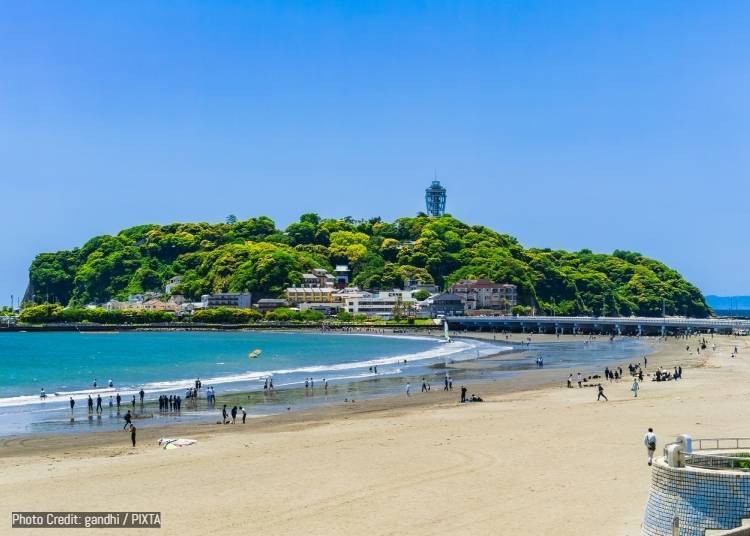
2. Tokyu Enoshima–Kamakura Free Pass (東急江の島・鎌倉フリーパス)
Price
Varies by departure station. Example: From Shibuya — Adults 1,640 yen / Children 820 yen
Coverage
Round-trip Tokyu line ticket to Chuo-Rinkan Station, unlimited rides on Odakyu Railway within the designated area (Fujisawa to Katase-Enoshima), and unlimited rides on the Enoshima Electric Railway (Enoden).
Features
This combined pass links central Tokyo with the Shonan coastal area. It includes the Tokyu Railway connection from Tokyo, as well as local travel along the Enoden and selected Odakyu sections around Enoshima and Kamakura.
Best For
Travelers staying near Tokyu lines who are planning a day trip to the Shonan coast, including Kamakura and Enoshima.
Suggested Itinerary
・9 AM: Depart from Shibuya and travel toward Kamakura. From Kamakura Station, take the Enoden to Hase Station to visit Kotoku-in and the Great Buddha.
・2 PM: Continue on the Enoden to Kamakura Koko-mae Station to view the well-known coastal railway crossing.
・4 PM: Travel to Enoshima for a walk around the island and sunset views along the coast.
・Evening: Return to Tokyo.
Cost Analysis
A round-trip journey between Shibuya and Kamakura combined with several Enoden rides can total about 2,100 yen when purchased separately. In that case, the pass may reduce transportation costs by roughly 400 to 500 yen.
3. Tokyu Odaiba Pass (東急台場パス)
Price
Varies by departure station. Example: From Shibuya — Adults 1,020 yen / Children 510 yen
Coverage
Round-trip Tokyu Railway ticket to Oimachi Station, plus unlimited rides on the Rinkai Line between Oimachi and Shin-Kiba.
Features
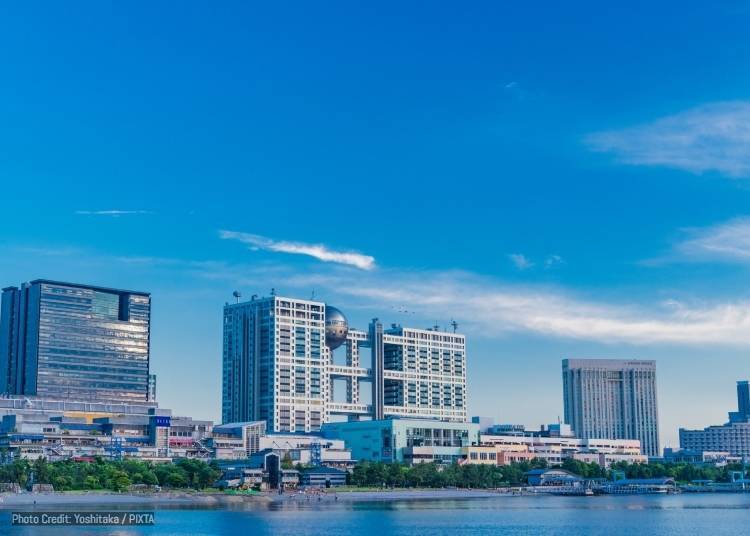
This pass provides a convenient connection between Tokyu Railway lines and the Rinkai Line, which serves the Tokyo Bay waterfront area. The Rinkai Line offers direct access to stations such as Tokyo Teleport and Kokusai-Tenjijo (Tokyo International Exhibition Center).
Best For
Travelers planning to visit Odaiba for shopping, sightseeing, or events at Tokyo Big Sight.
Suggested Itinerary
・11 AM: Depart from Jiyugaoka and travel to Oimachi, then transfer to the Rinkai Line to reach Tokyo Teleport for shopping in the Odaiba area.
・4 PM: Walk to DiverCity Tokyo Plaza to see the Unicorn Gundam statue.
・8 PM: Take the Rinkai Line back toward Oimachi and return to central Tokyo.
Cost Analysis
Round-trip fares between Shibuya and the Odaiba area, including travel within the Rinkai Line zone, can total around 1,200 yen when purchased separately. With the pass priced at about 1,020 yen from Shibuya, travelers may save a small amount on transportation.
4. Tokyu Tokyo Metro Pass (東急東京メトロパス)
Price
Varies by departure station. Example: From Futakotamagawa — Adults 1,120 yen / Children 560 yen
Coverage
Round-trip Tokyu Railway ticket to Shibuya, Nakameguro, or Meguro Station, plus unlimited rides on all Tokyo Metro lines.
Features
This pass combines travel on Tokyu Railway with unlimited rides on the Tokyo Metro network. It allows travelers staying along Tokyu lines to connect easily to the subway system for sightseeing across central Tokyo.
Best For
Visitors staying in Tokyu Railway areas such as Futakotamagawa, Jiyugaoka, or Sangenjaya who plan to spend the day visiting destinations along Tokyo Metro lines.
Suggested Itinerary
・9 AM: Take the Tokyu line to Shibuya or another transfer station to enter the Tokyo Metro network.
・Late morning: Visit Tsukiji Outer Market for breakfast.
・Early afternoon: Travel to Asakusa for sightseeing around Sensoji Temple.
・Late afternoon: Head to Ginza for shopping and cafés.
・Evening: Return to the Tokyu line and travel back to your accommodation.
Cost Analysis
A typical Tokyu round-trip combined with a Tokyo Metro 24-hour ticket costs around 1,300 yen when purchased separately. With the pass priced at about 1,120 yen from Futakotamagawa, travelers may save roughly 180 yen.
5. Setagaya Line Explorer Pass (世田谷線散策きっぷ)
Price
Adults 380 yen / Children 190 yen
Coverage
Tokyu Setagaya Line only.
Features
This pass allows unlimited rides on the Tokyu Setagaya Line for one day. The line operates like a streetcar and runs through residential neighborhoods in Setagaya Ward. Because the regular fare is a flat rate, making several trips along the line quickly makes the pass worthwhile.
Best For
Travelers interested in exploring quieter local areas such as Sangenjaya or visiting Gotokuji Temple, which is known for its many maneki-neko statues.
Suggested Itinerary
・1 PM: Depart from Sangenjaya and ride the Setagaya Line.
・Early afternoon: Get off at Miyanosaka and walk to Gotokuji Temple.
・4 PM: Continue to Matsuin-Jinja-mae and stop at a nearby café to enjoy the local neighborhood atmosphere.
Cost Analysis
A single ride on the Setagaya Line costs 160 yen. Three rides total 480 yen, so the pass can reduce transportation costs slightly for multiple trips along the line.
V. Keikyu Electric Railway 1-Day Pass Series
1. Keikyu Line Tokyo 1-Day Pass (京急線東京1DAYきっぷ)
Price
Varies by departure station. Example: From Haneda Airport Terminal 1 & 2 — Adults 1,180 yen / Children 590 yen
Coverage
One-way Keikyu Railway ride from Haneda Airport to central Tokyo stations, plus unlimited rides on all Toei Subway lines.
Features
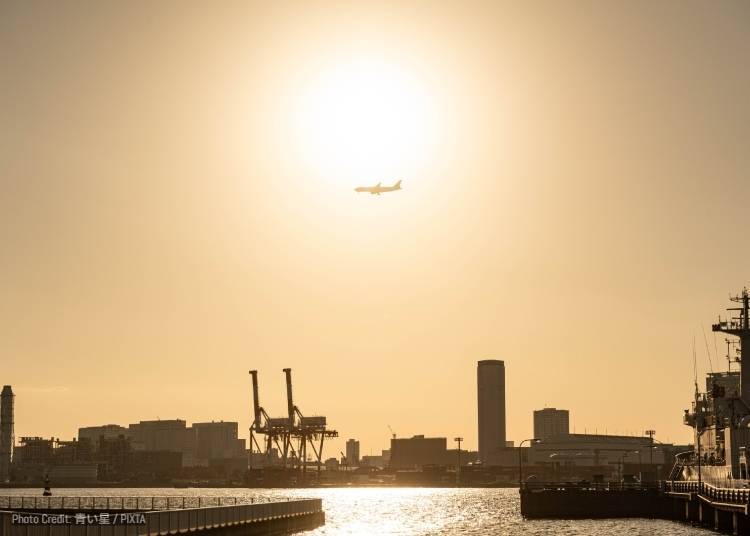
This pass combines airport access with unlimited travel on the Toei Subway network. It allows travelers arriving at Haneda Airport to reach central Tokyo and continue sightseeing on the same ticket.
Best For
Travelers arriving at Haneda Airport who plan to begin sightseeing immediately, particularly at destinations served by the Toei Subway network.
Suggested Itinerary
・10 AM: Travel from Haneda Airport to Shinagawa using the Keikyu Line.
・1 PM: Take the Toei Asakusa Line to Asakusa and visit Kaminarimon Gate and Sensoji Temple.
・4 PM: Ride the Toei Oedo Line to Roppongi for shopping or galleries.
・8 PM: Travel to Daimon Station for views of Tokyo Tower in the evening.
Cost Analysis
A one-way Keikyu fare from Haneda Airport to Shinagawa is about 330 yen. Adding a Toei Subway one-day pass at around 700 yen brings the total to roughly 1,030 yen. If you make several subway trips after arrival, this combined ticket can provide modest savings.
2. Keikyu Haneda / Subway Pass (羽田地鉄共通パス)
Price
Adults 1,200 yen / Children 600 yen
Coverage
One-way Keikyu Line ticket from Haneda Airport Terminal 1 & 2 to Shinagawa, plus an unlimited 1-day pass covering all Tokyo Metro and Toei Subway lines (13 lines total).
Features
This pass combines airport access with unlimited rides across the entire Tokyo subway network. Because it covers both Tokyo Metro and Toei Subway lines, it allows travelers to move freely across the city without worrying about which operator runs each line.
Best For
Travelers arriving at Haneda Airport whose sightseeing plans involve frequent transfers between Tokyo Metro and Toei Subway lines. It is especially convenient for those heading to their hotel first and then exploring multiple districts across the city.
Suggested Itinerary
・Noon: Arrive at Shinagawa from Haneda Airport and take the subway to your hotel to drop off luggage.
・2 PM: Head to Shinjuku for shopping and sightseeing.
・5 PM: Travel to Ginza for boutiques and cafés.
・8 PM: Continue to Asakusa for an evening stroll around Sensoji Temple.
Cost Analysis
A Keikyu fare from Haneda Airport to Shinagawa costs about 330 yen, and a Tokyo Metro + Toei Subway 1-day pass costs about 900 yen, totaling roughly 1,230 yen. With this pass priced at 1,200 yen, even a small number of subway trips after arrival can provide slight savings.
VI. Tobu Railway 1-Day Pass Series
1. Asakusa Shitamachi Free Kippu (浅草下町フリーきっぷ)
Price
Adults 500 yen / Children 250 yen
Coverage
Unlimited rides on the Tobu Skytree Line between Asakusa and Kitasenju, as well as the sections between Hikifune and Kameido, and Hikifune and Oshiage.
Features
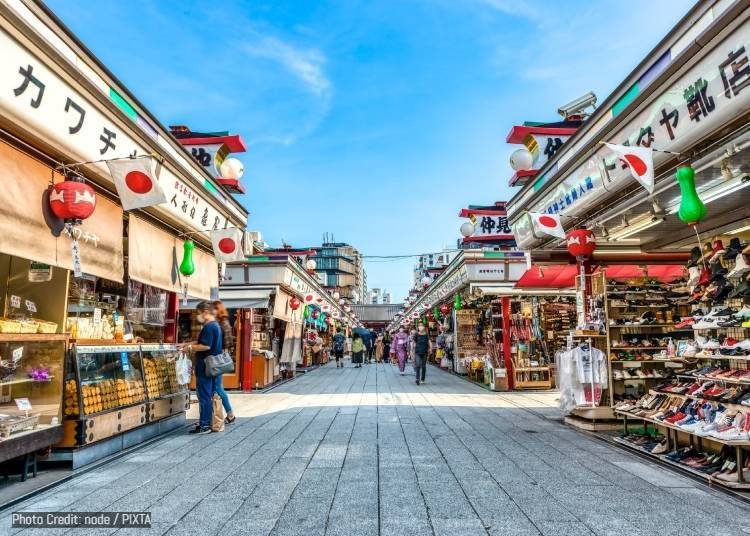
This pass focuses on the Tobu Railway network around eastern Tokyo. It allows unlimited travel between several stations near Asakusa and Tokyo Skytree, making it convenient for exploring this historic part of the city.
Best For
Travelers planning to spend most of the day in areas such as Asakusa, Oshiage (Tokyo Skytree), and Kitasenju, with multiple short trips along the Tobu network.
Suggested Itinerary
・10 AM: Explore Asakusa, including Kaminarimon Gate and Nakamise Shopping Street.
・1 PM: Ride the Tobu Line to Oshiage to visit the Tokyo Skytree area and nearby shopping complexes.
・4 PM: Continue to Kitasenju to explore its local shopping streets and restaurants.
Cost Analysis
Single fares on the Tobu Line within this area usually range from about 160 to 210 yen. If you make more than three trips in a day, total fares exceed 500 yen, so the pass may provide modest savings.
2. NIKKO ALL AREA PASS
Price
・Summer (Apr 20 – Nov 30): Adults 4,780 yen / Children 1,190 yen
・Winter (Dec 1 – Apr 19): Adults 4,340 yen / Children 1,090 yen
Coverage
Round-trip train travel from Asakusa to Shimo-Imaichi Station, plus unlimited Tobu Bus rides between Tobu-Nikko Station and destinations including Lake Chuzenji, Yumoto Onsen, and Kirifuri Highland. The pass also includes the Akechidaira Ropeway and the Lake Chuzenji sightseeing boat.
Features
Valid for four days, this pass is ideal for travelers who want to explore Nikko in depth. It combines train travel, extensive bus coverage across the Oku-Nikko area, and access to the ropeway and lake cruise.
Best For
Travelers planning a two-day or longer stay who want to visit Toshogu Shrine, Lake Chuzenji, Kegon Falls, and nearby hot spring areas.
Suggested Itinerary
・Day 1: Travel from Asakusa to Nikko and explore the World Heritage shrines and temples.
・Day 2: Take the bus to Lake Chuzenji and enjoy views around Mt. Nantai.
・Day 3: Continue to Yumoto Onsen for hot springs and mountain scenery.
Cost Analysis
Bus fares in the Nikko area can add up quickly. A round trip to Yumoto Onsen alone costs around 3,500 yen, and combined with the Asakusa train fare the total exceeds 7,000 yen. Using this pass can save more than 2,000 yen.
3. NIKKO CITY AREA PASS
Price
Adults 2,120 yen / Children 520 yen
Coverage
Round-trip train travel from Asakusa to Shimo-Imaichi Station, plus designated-area bus service within Nikko City, mainly around the shrines and temple complex.
Features
If your itinerary focuses on the World Heritage shrines and temples without heading up to the lake area, this 2-day pass is a great fit. It is much more affordable than the wider-area pass while still covering the core sightseeing spots.
Best For
Short-stay travelers (e.g., 2 days, 1 night) whose plans center on historic sites such as Nikko Toshogu Shrine and Rinnoji Temple.
Suggested Itinerary
・Day 1: Head straight to Nikko Toshogu Shrine to admire the exquisite Edo-period architecture.
・Day 2: Try Nikko’s local specialty, yuba (tofu skin), before boarding the train back to Tokyo.
Cost Analysis
A round-trip Asakusa–Nikko train fare plus local loop bus rides costs around 3,200 yen. This pass saves you approximately 1,000 yen.
VII. Odakyu Electric Railway 1-Day Pass Series
1. Odakyu All-Day Pass (1日全線フリー乗車券)
Price
Adults 2,000 yen / Children 1,000 yen
Coverage
Unlimited travel on all Odakyu Electric Railway lines, including routes between Shinjuku and Odawara, Katase-Enoshima, and Karakida.
Features
This pass allows unlimited rides across the entire Odakyu network for one day. While the price may seem high at first, the railway stretches far into Kanagawa, making it worthwhile if you plan to visit several distant stations.
Best For
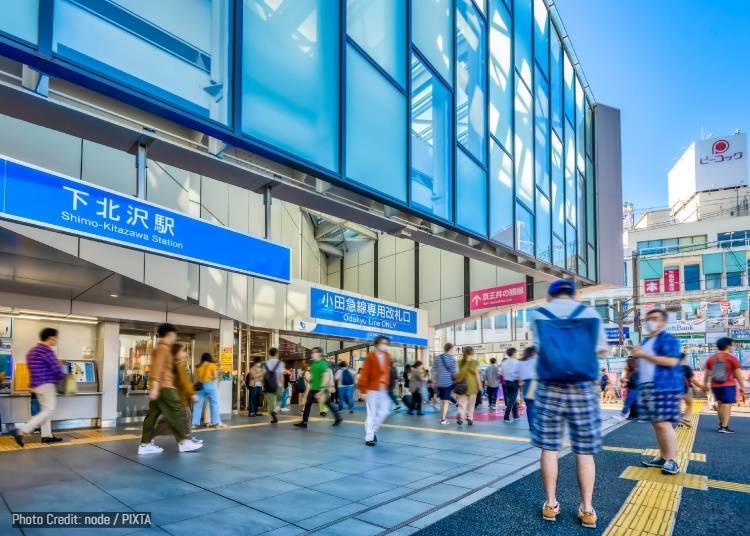
Travelers planning to visit multiple Odakyu destinations in a single day, such as starting in Shimokitazawa for vintage shopping, continuing to Ebina for outlet malls, and ending in Odawara to explore the historic castle area.
Suggested Itinerary
・10 AM: Depart Shinjuku for Shimokitazawa and explore the vintage shops and cafés.
・1 PM: Continue to Gotokuji to see the famous beckoning cat temple.
・4 PM: Travel to Odawara to explore the castle grounds and enjoy fresh seafood.
・8 PM: Return to Shinjuku on a rapid express train.
Cost Analysis
A round trip between Shinjuku and Odawara costs about 1,820 yen. Adding one or two intermediate stops (around 160 to 300 yen each) quickly pushes the total beyond 2,300 yen, meaning this pass can save more than 300 yen.
2. Hakone Free Pass (箱根フリーパス) — 2-Day Pass
Price
・Varies by departure station; e.g., from Shinjuku: Adults 6,100 yen / Children 1,100 yen
Coverage
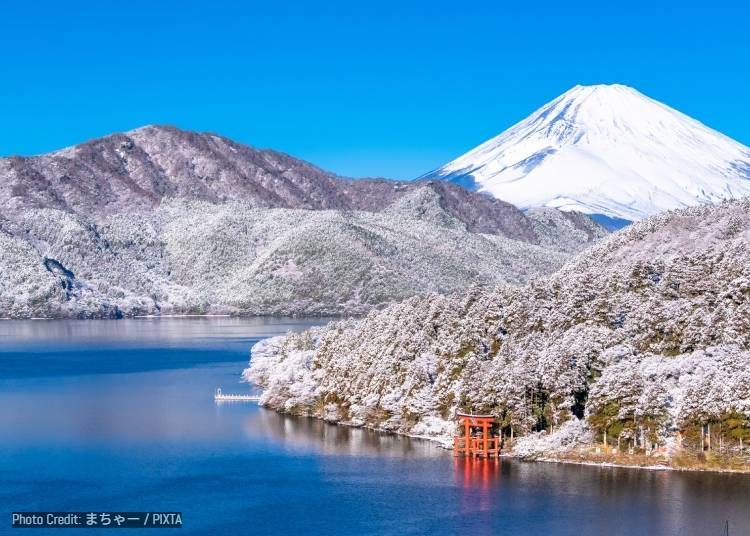
Round-trip Odakyu Line travel between Shinjuku and Odawara, plus unlimited rides on eight types of transportation within the Hakone area, including the Hakone Tozan Railway, Hakone Tozan Bus, Hakone Ropeway, and the Hakone Pirate Ship.
Features
Although valid for two days, this is the most comprehensive pass for exploring Hakone. The region’s transportation network is varied and relatively expensive, but this pass combines all major routes and also provides discounts at many attractions.
Best For
Travelers planning an overnight stay in Hakone or those attempting the classic sightseeing “Hakone Round Course,” including Owakudani, the pirate ship cruise, and Hakone Shrine.
Suggested Itinerary
・Day 1: Travel from Shinjuku to Hakone-Yumoto, then take the mountain railway and buses to Motohakone Port to board the pirate ship.
・Day 2: Visit Owakudani to see the volcanic landscape and ride the ropeway for sweeping views of Mt. Fuji.
Cost Analysis
Buying each leg of the Hakone sightseeing loop separately, including bus, ropeway, and boat, costs at least 8,000 yen. Using this pass saves more than 1,900 yen.
3. Koedo Kawagoe Free Coupon (小江戸・川越フリークーポン)
Price
・Varies by departure station; e.g., from Shinjuku: Adults 1,510 yen / Children 770 yen
Coverage
Round-trip Odakyu Line travel between each station and Shinjuku, a round-trip Seibu Shinjuku Line ticket between Seibu-Shinjuku and Hon-Kawagoe, plus unlimited rides on the Koedo Loop Bus within Kawagoe.
Features
Kawagoe is known for its well-preserved Edo-period kura-zukuri (storehouse-style) architecture. This pass combines transport to Kawagoe with unlimited rides on the local sightseeing bus, making it easy to move between landmarks like Hikawa Shrine and Kitain Temple without long walks.
Best For
Travelers looking for an easy day trip from Tokyo to Kawagoe without needing to plan local bus routes.
Suggested Itinerary
・10 AM: Take the Seibu Shinjuku Line from Shinjuku to Hon-Kawagoe. Ride the loop bus to Hikawa Shrine.
・1 PM: Stroll along Ichiban-gai, the historic main street, and try Kawagoe’s famous roasted sweet potato snacks.
・4 PM: Visit Kitain Temple before returning to Shinjuku in the early evening.
Cost Analysis
Train fares between Shinjuku and Kawagoe plus a local Kawagoe bus day pass total around 1,900 yen. This combined ticket saves nearly 400 yen, enough for a few extra street food treats.
VIII. Seibu Railway 1-Day Pass Series
1. SEIBU KAWAGOE PASS
Price
Adults 700 yen
Coverage
One round trip between Seibu-Shinjuku or Takadanobaba Station and Hon-Kawagoe Station.
Features
This discount pass is designed exclusively for international visitors and comes in the shape of a traditional red fan. It covers a single round trip, but costs nearly half the regular fare, making it one of the most economical ways to reach Kawagoe.
Best For
Foreign visitors staying near Shinjuku or Takadanobaba who plan to take a day trip to Kawagoe. A passport is required for purchase.
Suggested Itinerary
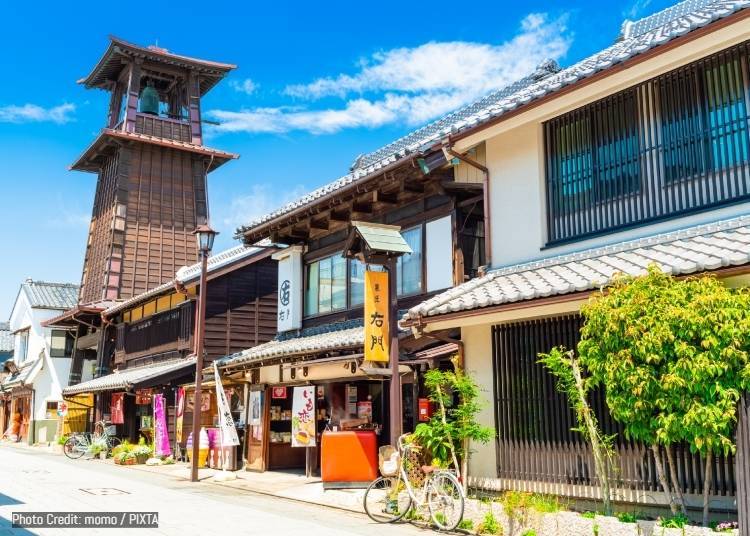
・10 AM: Take the Seibu-Shinjuku express to Hon-Kawagoe. Walk to the historic Kurazukuri warehouse district and the Toki no Kane bell tower.
・Noon: Enjoy Kawagoe’s famous unaju (grilled eel over rice).
・Afternoon: Visit Hikawa Shrine and try the tai-mikuji sea bream fortune draw.
・Early evening: Return to Shinjuku.
Cost Analysis
A one-way fare between Seibu-Shinjuku and Hon-Kawagoe is 510 yen, or 1,020 yen round trip. This pass costs 700 yen, saving 320 yen.
2. Seibu Tokyo Metro Pass (西武東京メトロパス)
Price
・Varies by departure station — e.g., from Tokorozawa: Adults 1,140 yen / Children 580 yen
Coverage
Round-trip Seibu Line travel to a Tokyo Metro connection point such as Ikebukuro, Seibu-Shinjuku, or Iidabashi, plus unlimited rides on all Tokyo Metro lines.
Features
If you are staying along the Seibu Line, such as in the Nerima or Tokorozawa area, this pass provides seamless access to the entire Tokyo Metro network. It combines your suburban round trip with unlimited Metro travel within central Tokyo.
Best For
Travelers staying along the Seibu Line whose full day of sightseeing will take place mainly within the Tokyo Metro area.
Suggested Itinerary
・9 AM: Travel from the Seibu Line to Ikebukuro.
・Late morning: Take the Tokyo Metro to Ginza for shopping.
・Afternoon: Continue to Asakusa to explore the historic district.
・Evening: Visit Shibuya before returning to your hotel via the Seibu Line.
Cost Analysis
A Tokorozawa–Ikebukuro round trip plus a Tokyo Metro 24-Hour Ticket totals around 1,340 yen. This combined pass costs 1,140 yen, saving about 200 yen.
3. Seibu Tokyu Line Triangle Pass (西武東急線トライアングルパス)
Price
・Varies by departure station; e.g., from Shakujii-Koen: Adults 1,810 yen / Children 920 yen
Coverage
Round-trip Seibu Line travel to the Fukutoshin Line connection point (such as Ikebukuro, Shinjuku-Sanchome, or Shibuya), a round-trip Tokyu Line ticket to Shibuya, plus unlimited rides within the Tokyu “Triangle Zone” between Shibuya, Jiyugaoka, and Futakotamagawa.
Features
This pass combines travel across three networks: Seibu Railway, the Fukutoshin Line, and Tokyu Electric Railway. It connects Tokyo’s stylish “lifestyle triangle,” making it easy to travel from the Seibu suburbs directly to areas like Daikanyama, Nakameguro, and Jiyugaoka.
Best For
Travelers along the Seibu Line who enjoy fashion, lifestyle shops, and cafés, and want to explore Shibuya and Jiyugaoka in a single outing.
Suggested Itinerary
・Noon: Travel from the Seibu Line to Shibuya, then stroll along the Meguro River in Nakameguro.
・Afternoon: Enjoy café hopping and lifestyle shopping in Jiyugaoka.
・Evening: Head to Futakotamagawa for a walk along the Tama River before returning home via the Seibu Line.
Cost Analysis
A Seibu Line round trip plus travel within the Tokyu Triangle Zone costs over 2,000 yen. This pass saves about 200 yen.
IX. Keisei Electric Railway 1-Day Pass Series
1. Shitamachi Hiyori Kippu (下町日和きっぷ)
Price
・Varies by departure station; e.g., from within Tokyo (such as Ueno or Nippori): Adults 510 yen / Children 260 yen
・Slightly different pricing applies from stations within Chiba Prefecture
Coverage
Unlimited rides on the Keisei Electric Railway Tokyo metropolitan section, including routes between Keisei-Ueno, Edogawa, Oshiage, and Kanamachi.
Features
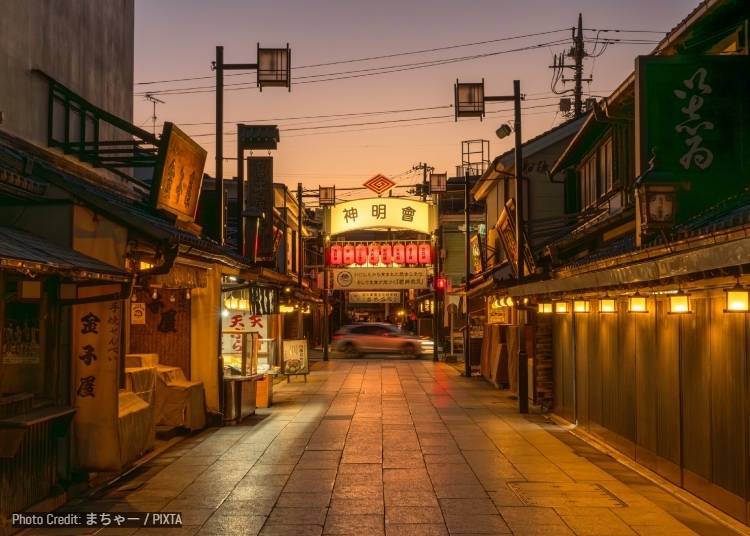
This pass offers access to parts of Tokyo that feel more local and less commercialized. The Keisei Line passes through neighborhoods such as Shibamata, known for Shibamata Taishakuten Temple. The pass is inexpensive and also includes discounts at participating shops along the line.
Best For
Travelers who enjoy retro neighborhoods, classic film locations, and leisurely walks through areas such as Shibamata, Katsushika, and Ueno.
Suggested Itinerary
・10 AM: Travel from Keisei-Ueno to Shibamata and walk the traditional shopping street leading to Shibamata Taishakuten Temple.
・1 PM: Continue to Tateishi for a glimpse of the local standing-bar (tachinom) culture.
・4 PM: Stop by Oshiage for views of Tokyo Skytree before returning to Ueno for dinner.
Cost Analysis
A one-way fare between Ueno and Shibamata is about 270 yen, meaning a round trip already exceeds the 510 yen pass price. Visiting even one additional station can easily save 100 to 300 yen.
X. Tokyo Bay Area 1-Day Pass Series
1. Yurikamome 1-Day Pass (ゆりかもめ1日乗車券)
Price
Adults 820 yen / Children 410 yen
Coverage
Unlimited rides on the entire Yurikamome Line between Shinbashi and Toyosu.
Features
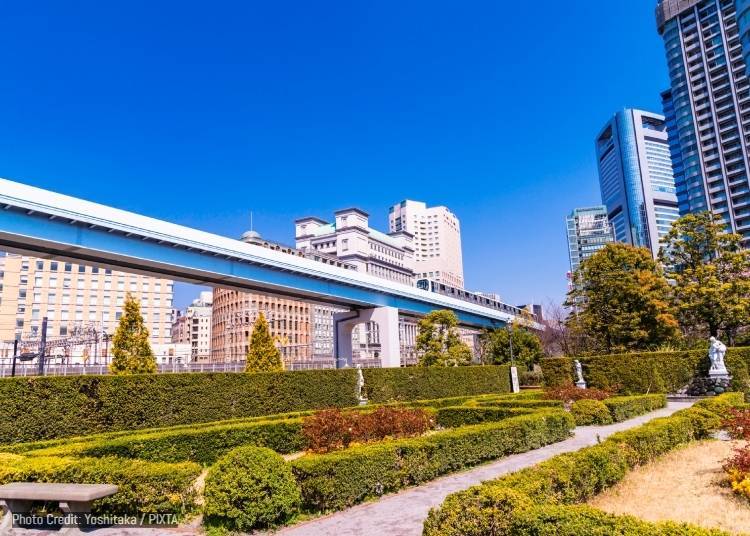
The Yurikamome is an automated transit system known for its scenic waterfront views. The train crosses Rainbow Bridge, offering sweeping panoramas of Tokyo Bay. With this pass, you can hop on and off throughout Odaiba and Toyosu for shopping, sightseeing, and museums.
Best For
Travelers planning to see the life-size Unicorn Gundam in Odaiba, enjoy seafood at Toyosu Market, or spend a full day exploring Tokyo’s waterfront district.
Suggested Itinerary
・10 AM: Depart Shinbashi and enjoy views from the front car while crossing Rainbow Bridge.
・10:30 AM: Arrive at Toyosu Market for a fresh seafood lunch.
・2 PM: Head to Odaiba Seaside Park for a stroll and some shopping.
・Evening: Visit Telecom Center Station for sunset views over the harbor, then return to Odaiba for the Gundam light show.
Cost Analysis
Individual Yurikamome fares range from about 190 to 390 yen per ride. Taking three or more trips in a day, such as Shinbashi → Toyosu → Odaiba → Shinbashi, easily exceeds 900 yen. This pass saves at least 80 yen and eliminates the need to buy tickets each time.
2. Rinkai Line 1-Day Pass (りんかい線1日乗車券)
Price
Adults 730 yen / Children 370 yen
Coverage
Unlimited rides on the entire Rinkai Line between Osaki and Shin-Kiba.
Features
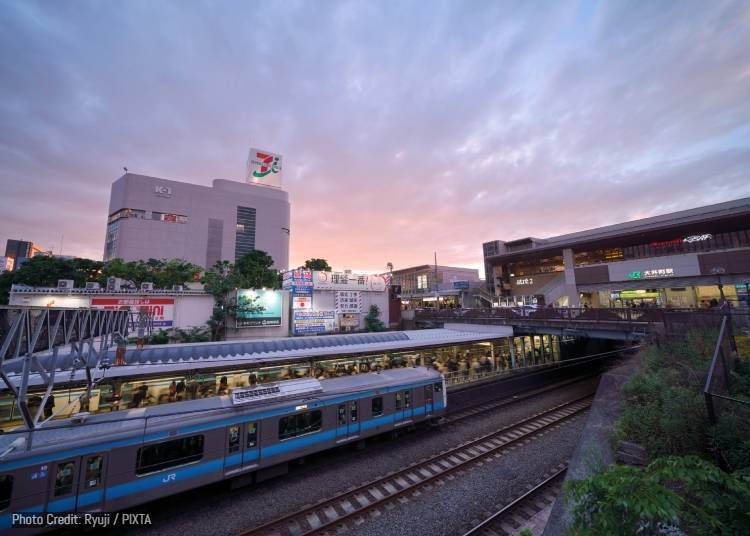
The Rinkai Line is one of the fastest rail links between central Tokyo and the Odaiba waterfront area. Some trains continue directly onto the JR Saikyo Line, allowing direct service from Shinjuku or Shibuya to Odaiba without transfers. This pass covers key stations for reaching Tokyo Big Sight and the major Odaiba shopping complexes.
Best For
Travelers staying near Shinjuku, Shibuya, or Osaki who plan to visit Odaiba for shopping, exhibitions, or large-scale events.
Suggested Itinerary
・11 AM: Depart from Osaki and arrive at Tokyo Teleport Station to explore the Odaiba shopping district.
・3 PM: Head to Tokyo Big Sight to visit an exhibition or event.
・7 PM: Continue to Shin-Kiba and visit Kasai Rinkai Park for nighttime views of the Ferris wheel.
Cost Analysis
Rinkai Line fares typically range from about 210 to 400 yen per ride. Taking three trips in a day, such as Osaki → Tokyo Teleport → Tokyo Big Sight → Shin-Kiba, totals around 850 yen. This pass saves about 120 yen.
XI. Practical Tips & Conclusion
1. How to Buy a Day Pass at the Ticket Machine
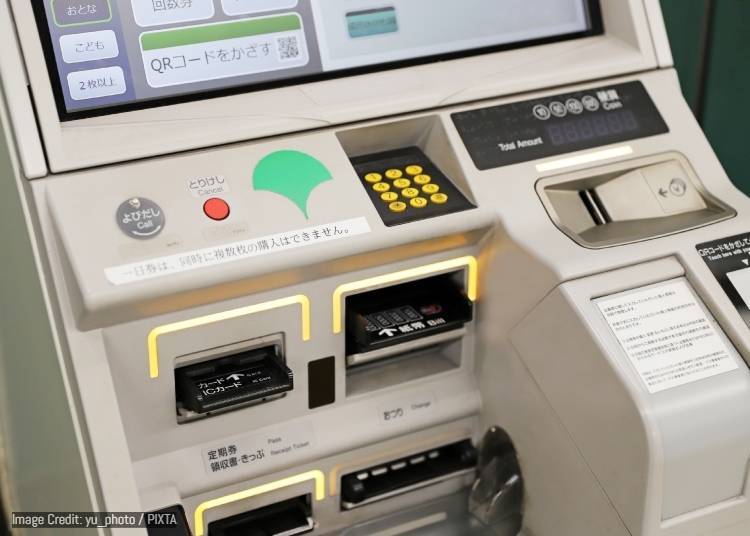
Buying a day pass in Tokyo is very straightforward. Most major station ticket machines offer English language options. Just follow these steps:
1. Find the Right Machine
Look for a ticket machine labeled “お得なきっぷ” (Discounted Tickets) or “Ticket.”
2. Switch the Language
Tap “English” in the upper-right corner of the screen.
3. Select Discounted Tickets
Choose the menu labeled “Value Tickets” or “Special Fare Tickets.”
4. Choose Your Pass
Select the day pass you want from the list, then insert cash or pay using your IC card.
5. Collect Your Ticket
Day passes are usually issued as magnetic tickets. After using the ticket gate, remember to take the ticket back from the machine each time.
2. Unlock the Hidden Perks: Discounts at Attractions and Shops with Your Day Pass
Your day pass does more than just save on transportation. Many passes also unlock extra perks, letting you enjoy discounts on attractions, shopping, and dining.
Tokyo Subway System Perks
Holders of any day pass issued by Tokyo Metro or Toei Transportation, including combined passes, can receive discounts or small gifts at more than 400 attractions, restaurants, and museums across the city simply by showing the ticket on the day of travel.
・Popular spots such as Tokyo Tower, the National Art Center Tokyo, and the Edo-Tokyo Museum often offer 100 to 200 yen off admission.
・Pro tip: Before paying, ask whether your pass includes a discount. In some cases you may even receive a small complimentary sweet or drink.
Private Railway Exclusive Perks
Many private railway passes also include special benefits at attractions along their routes.
・Odakyu Electric Railway: Hakone and Enoshima passes provide discounts at numerous attractions, including the Hakone Ropeway and Shin-Enoshima Aquarium, and some hot spring facilities offer reduced admission.
・Tobu Railway: Nikko passes often provide 5% to 10% discounts at participating souvenir shops and restaurants in the Nikko area.
・Seibu Railway: Kawagoe and Chichibu passes may include small gifts or dining discounts at designated local shops when you show your ticket.
When purchasing a pass, be sure to pick up the accompanying leaflet. It lists participating partner shops and helps you get even more value from your trip.
- Q: Can a day pass be used across two calendar days?
- A: For most day passes, validity is calculated by calendar day — i.e., until the last train of the day you purchased it. The exception is the "24-hour," "48-hour," and "72-hour" subway passes, which are calculated from the moment you first tap the pass at a gate.
- Q: What if I accidentally ride past the pass's coverage zone?
- A: Don't worry — you won't need to exit and buy a new ticket. When you arrive at your destination, go to the "fare adjustment machine" (自動精算機) inside the station, insert your day pass, and the machine will automatically calculate the fare difference for the portion outside the pass zone. Simply pay that remaining amount to exit.
- Q: Can I get a replacement if I lose my day pass?
- A: Magnetic-strip day passes cannot be replaced if lost. However, if your day pass is registered to a Suica or PASMO card as a named pass, you may be able to report the loss and have it reissued at a service center.
The golden rule for choosing a day pass is simple: match the pass to your itinerary, not just the cheapest option. If your plans stay within the subway network, a Metro pass is usually the best choice. If you’re heading to destinations like Kawagoe or Hakone, a private railway pass will provide better value.
With the right pass, you can move around Tokyo more easily while keeping transportation costs under control. Use this guide to plan smart and make the most of your time exploring the city.


The LIVE JAPAN editorial team is a multinational group made up of native editors who have lived in Japan for over five years and Japanese editors who love to travel. Together, we share the best of Japan, offering cultural insights, historical context, event updates, and travel-friendly deals, to support your journey every step of the way.
*Prices and options mentioned are subject to change.
*Unless stated otherwise, all prices include tax.
Popular Tours & Activitiess
Recommended places for you
-
Ad
Discover Tokunoshima, The Hidden Paradise in Southern Japan
-
Legends Return to the Skies! ANA Launches Three “Pokémon Jets” in 2026
by: Guest Contributor
-
Road Trip Around Izu Peninsula: Stunning Views, Hidden Gems, and Relaxing Hot Springs
by: Hide
-
Ad
Savor Japanese Sake Culture: A Stroll Along Saijo Sake Brewery Street in Higashihiroshima City, Hiroshima Prefecture
-
Ad
In the Heart of Japan: Why Gifu City Deserves a Spot on Your Itinerary (Cormorant Fishing, Gifu Castle, Nightlife & More!)
-
The Best of Japan's Flavors and Fun! Don Quijote's New "DONKI MEMORIES" Project is Mind-Blowing
-
Meiji Shrine (Meiji Jingu): Exploring the Sacred Sanctuary of Peace in Bustling Tokyo
-
Autumn in Japan 2026: Fall Foliage Forecast & Where to Enjoy the Colorful Leaves (+Tour Info)
-

Two-Hour Tour of Suidobashi (Tokyo): Sightseeing Before Checking-in
-
Tokyo in 4 Days: A No-Backtracking Classic Itinerary Covering Asakusa, Shibuya, and Tokyo Skytree
-
Great Food With a View: Top 4 Restaurants You Won't Forget in Omotesando, Tokyo
-
There are 30 Types of Japan Travelers, And Which One You Are Will Change Your Trip
by: Sohail Oz Ali
- #best ramen tokyo
- #what to buy in ameyoko
- #what to bring to japan
- #new years in tokyo
- #best izakaya shinjuku
- #things to do tokyo
- #japanese nail trends
- #what to do in odaiba
- #onsen tattoo friendly tokyo
- #daiso
- #best sushi ginza
- #japanese convenience store snacks
- #best yakiniku shibuya
- #japanese fashion culture
- #best japanese soft drinks