





Japan's 2026 'Trend Nabe' Is Pure Indulgence: Meet the "Guilty-Pleasure" Hot Pots
- Written by: Timothy Sullivan
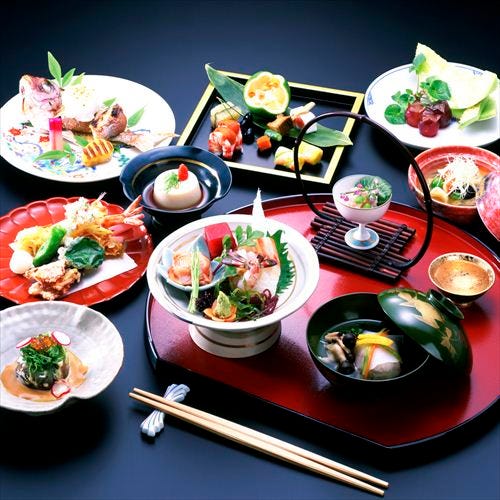
When temperatures start to drop in Japan, nabe hot pots start appearing on dinner tables. Meat, vegetables, tofu, seafood and other ingredients simmer together in a steaming pot, usually placed right in the middle of the table for everyone to share.
But for winter 2026, Japan’s nabe is getting considerably less restrained.
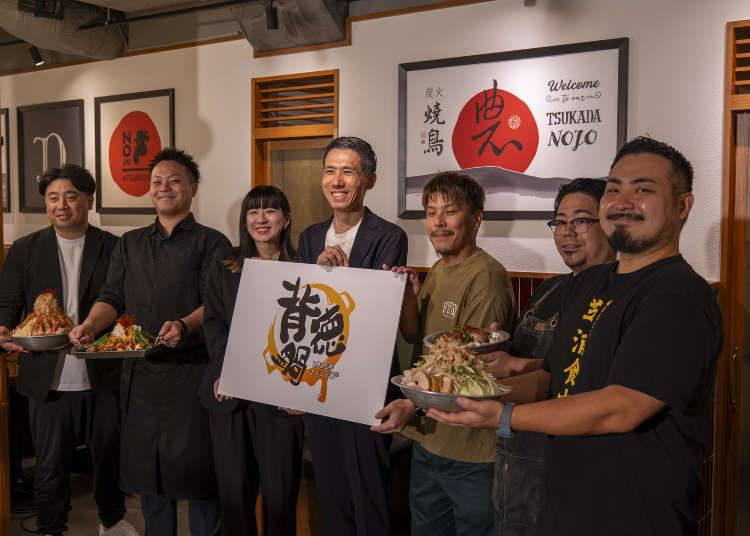
Restaurant search and reservation platform Gurunavi has named Haitoku Nabe (背徳鍋™) its 2026 “Trend Nabe,” spotlighting hot pots piled high with meat, pork back fat, garlic, cheese and other unapologetically rich ingredients. Gurunavi has announced an annual Trend Nabe since 2009, with 2026 marking its 18th selection.
“Haitoku” literally suggests doing something morally questionable or indulgent. In the world of Japanese food, however, it’s increasingly used with a wink to describe something so rich, excessive or delicious that eating it feels a little bit “wrong.” Think of guilty pleasure as the closest English equivalent.
First things first: What is nabe?
If you’ve never eaten nabe in Japan, it can be tempting to think of it simply as soup. But that doesn’t quite capture what makes it special.
Nabe is as much a way of eating as it is a type of food.
The word nabe literally means “pot,” and the dish is typically cooked in a large pot placed over a burner in the center of the table. Everyone eats from the same pot, taking meat, vegetables and other ingredients into individual bowls as they cook.
More ingredients might be added along the way, and the flavor gradually changes as meat, vegetables and seasonings enrich the broth.
That makes nabe an especially social winter meal. Rather than receiving an individual bowl from the kitchen, everyone gathers around the same simmering pot, watches it cook and eats together at their own pace, often sharing drinks and laughs along the way. For families, groups of friends and Japanese drinking parties, that communal part of the experience is half the fun.
And crucially, dinner doesn’t necessarily end when the ingredients are gone. More on that later.

Why is “Haitoku Nabe” trending in 2026?
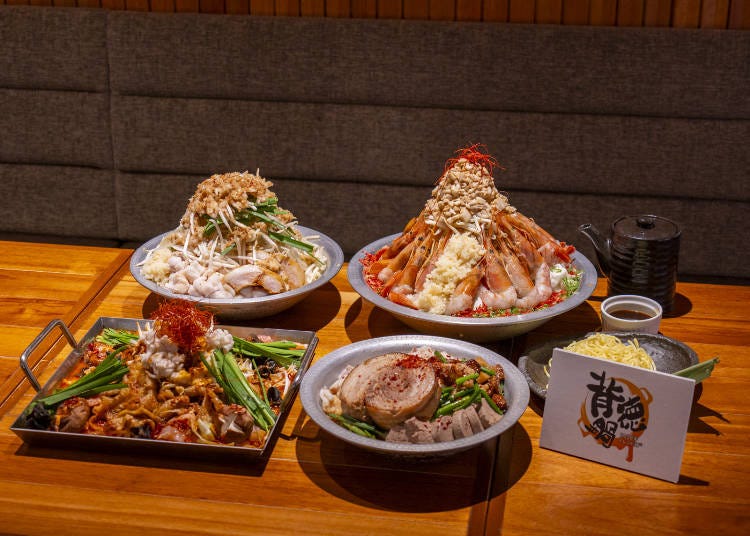
Gurunavi essentially defines Haitoku Nabe as a hot pot that temporarily throws everyday restraint out the window, packing in high-calorie ingredients such as meat and cheese, plus generous amounts of garlic without worrying too much about how you might smell the next morning. The idea is a full-on reward meal designed to recharge both body and mood.
This mindset is backed up by real consumer behavior. In a May 2026 survey of 1,300 Gurunavi members aged 20 to 60, roughly half of female respondents in their 20s, 30s, and 40s said they turn to haitoku gourmet when they want to relieve stress.
The numbers behind the buzz are equally striking. According to Gurunavi, restaurant menu items associated with haitoku have grown about eightfold over the past three years, including a 2.3-fold surge between July 2025 and July 2026 alone.
Overall, around 53% of survey respondents reported eating this kind of indulgent food either often or occasionally—up by more than 10 percentage points compared to a similar 2022 survey. Gurunavi sees the trend as a natural counter-reaction to increasingly strict, health-conscious everyday habits. Sometimes, people simply want a meal where counting calories is completely beside the point.
To show what that can look like in practice, several restaurant operators created their own interpretations of the 2026 trend.
1. Haitoku Garlic Mashimashi Motsunabe: Offal, chashu, garlic and plenty of back fat
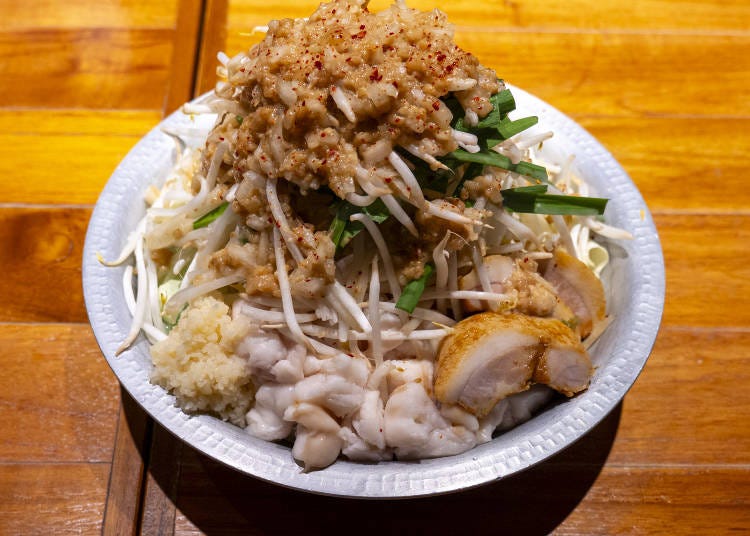
This enormous-looking pot from Shibaura Shokuniku starts with the restaurant’s plump “Otoro Horumon”, a prized cut of offal, then adds thick-cut chashu pork, plenty of garlic and pork back fat.
Mashimashi is another useful bit of Japanese food vocabulary. Meaning roughly “extra-extra,” it’s often associated with dishes where toppings such as garlic, vegetables or fat are dramatically increased.
Shibaura Shokuniku actually has some history with the idea. During the presentation, AP Holdings’ Yudai Tanaka explained that the restaurant had already created a dish using the name Haitoku Nabe back in 2019. The 2026 version brings the idea back with an even bigger visual impact and updated preparation.
“We first put out a ‘Haitoku Nabe’ in 2019. Now it feels like the times have caught up with us.” —Yudai Tanaka, AP Holdings
The result is perhaps the clearest expression of the trend: a dish built purely for maximum, uninhibited flavor.
Menu Concept & Creation:
Shibaura Shokuniku (AP Holdings Co., Ltd.)
1F Fujikyu Bldg. Higashi No. 3, 2-16-8 Minami-Ikebukuro, Toshima-ku, Tokyo
2. Extra-Thick Chashu Haitoku Spicy Nabe: Indulgence in the ingredients
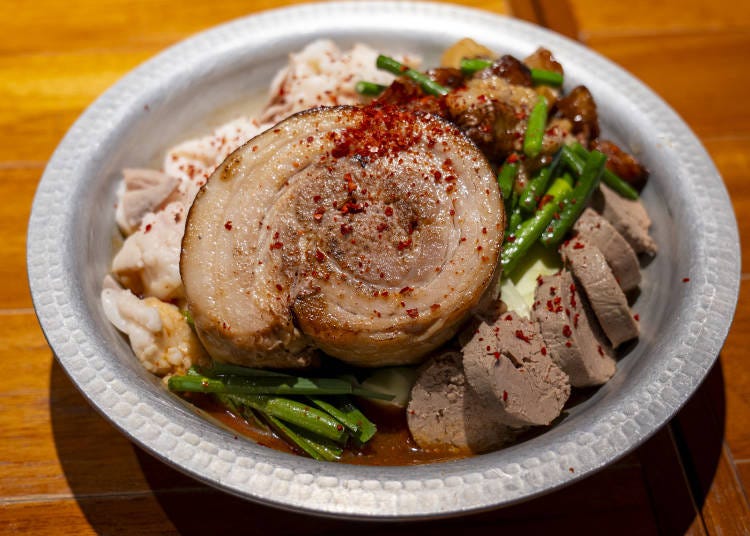
Not every Haitoku Nabe needs to arrive as a towering mountain.
Tsukada Nojo’s version takes a different approach, using individual ingredients to create that sense of excess. The spicy soy-based broth contains extra-thick chashu pork, plump horumon, rich liver and butter, with the butter melting into the soup to soften its heat and add another layer of richness.
Developer Takuya Ishihara said he deliberately moved away from simply piling ingredients as high as possible.
“Rather than just making a huge mountain of food, we wanted people to feel that indulgence through the ingredients themselves.” —Takuya Ishihara, AP Holdings
He also emphasized something important about hot pot cooking: the best version isn’t necessarily the moment it arrives at the table. The ingredients and broth need to reach their ideal balance after the pot has cooked. That changing flavor is one of the things that distinguishes nabe from simply ordering a prepared bowl of soup.
Menu Concept & Creation:
Tsukada Nojo Charcoal-Grilled Yakitori (AP Holdings Co., Ltd.)
1F Fujikyu Bldg. Higashi No. 3, 2-16-8 Minami-Ikebukuro, Toshima-ku, Tokyo
3. Haitoku Crispy Chicken Skin Mala Nabe: Spicy, numbing and seriously addictive
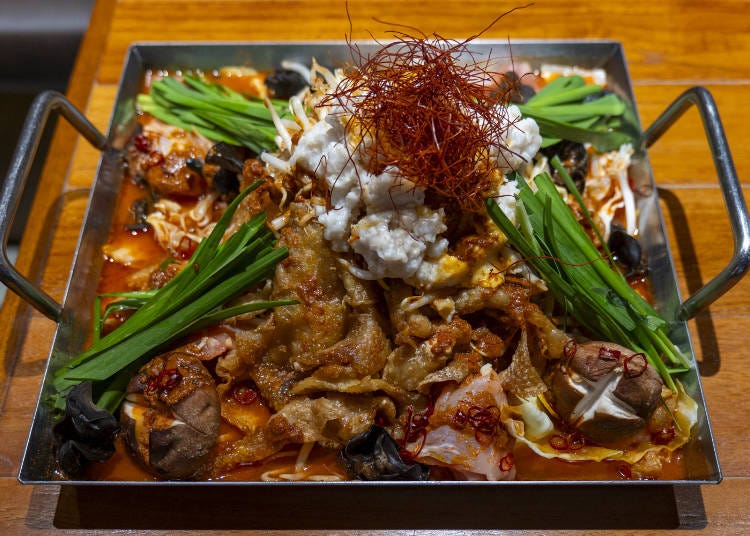
For something with a little more heat, KICHIRI & Co., Ltd. combined crispy chicken skin, plenty of pork back fat and mala, the numbing-spicy flavor associated with Sichuan pepper and chilies.
The dish brings together elements from the company’s existing Japanese izakaya and Korean restaurant concepts, resulting in a rich, spicy hot pot built around contrasting textures.
KICHIRI’s Yuto Konishi summed up the concept particularly neatly:
“We built it around three ideas: seriously delicious, seriously spicy and seriously addictive.” —Yuto Konishi, KICHIRI & Co., Ltd.
During the later discussion, Konishi also noted that a dish like this can keep changing as you eat it. Cheese or noodles, for example, can turn the final stage of the pot into something that tastes quite different from the first few bites. Which brings us to one of the most enjoyable parts of eating nabe in Japan.
Menu Concept & Creation:
KICHIRI & Co., Ltd. Co., Ltd.
Operates a diverse portfolio of restaurant brands including FUKUEI KUMIAI, “Ishigamaya Hamburg,” “KICHIRI,” and “VEGEGO.”
4. Ebi Jiro Nabe: A mountain of shrimp, garlic and vegetables
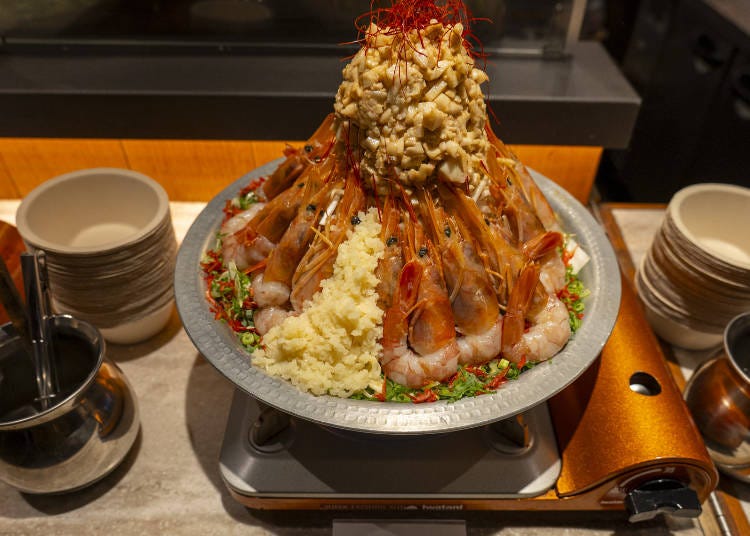
Ebi Jiro Nabe takes inspiration from the visual language of Jiro-style ramen, famous for towering portions of vegetables, garlic, and pork back fat. Here, the same philosophy is transferred to a hot pot and surrounded by shrimp.
A mound of vegetables, garlic and back fat rises through the center, while whole shrimp cover the outside. The soy-based broth is made with a concentrated stock extracted from shrimp heads and shells, so the seafood isn’t there just for the photograph.
“We wanted to express that Jiro-style appeal of boldly enjoying as much of what you like as you want.” —Ren Matsugane, Horii Food Service Co., Ltd.
Matsugane also described the dish as something designed to be enjoyed noisily and socially with a group. In that sense, despite its very modern Instagram-ready appearance, it still comes back to one of nabe’s oldest attractions: gathering around one pot together.
Menu Concept & Creation:
Horii Food Service Co., Ltd.
Operates a diverse range of original dining concepts, including private dining venue “Kakurean SHINOBUYA,” “Hitachi no Kuni Mondokoro,” and “Gyutan Umakai.”
Don’t stop at the soup: finish your nabe with “shime”
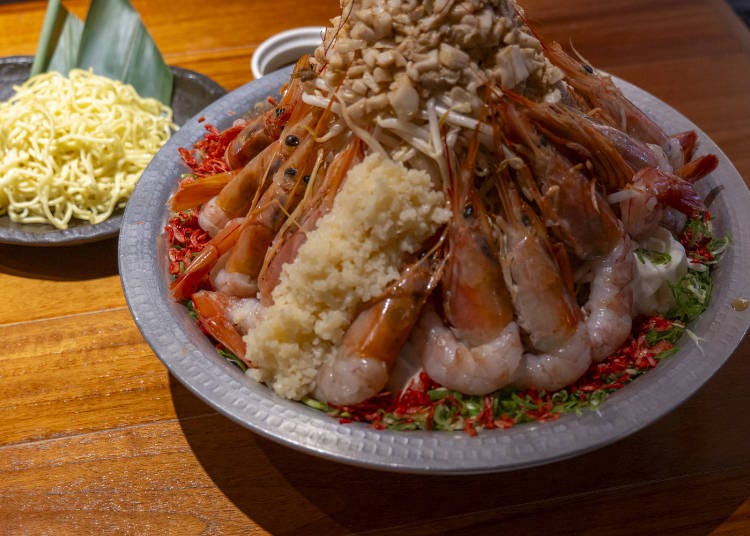
There’s one final piece of nabe culture worth knowing before your first hot-pot dinner in Japan: shime (締め).
Literally meaning something like “the finish” or “the closing,” shime is the final stage of the meal.
After most of the meat and vegetables have disappeared, you’re often left with a concentrated broth that has absorbed their fat, seasoning and umami. Rather than throwing it away, diners often add rice or noodles and turn that remaining broth into a completely new final course.
With rice, it may become a comforting porridge-like zosui. Other pots might finish with udon, ramen noodles or another noodle suited to the broth.
During the event’s panel discussion, AP Holdings’ Manabu Takahira explained that restaurants can actually think about this final stage from the beginning when developing a nabe.
“When we create a nabe, we think carefully about how to make guests want to enjoy it all the way through the shime.” —Manabu Takahira, AP Holdings
In other words, shime isn’t just a clever way of using leftovers. It can be the final act of the meal, deliberately designed to let you experience the same pot in another form. Shime is the dish that closes the night, and ordering this can indicate to others that you’re getting ready to wind things down and head out — but might as well have one last indulgence before you do.
Enjoy a unique, trendy dish on your next visit to Japan!
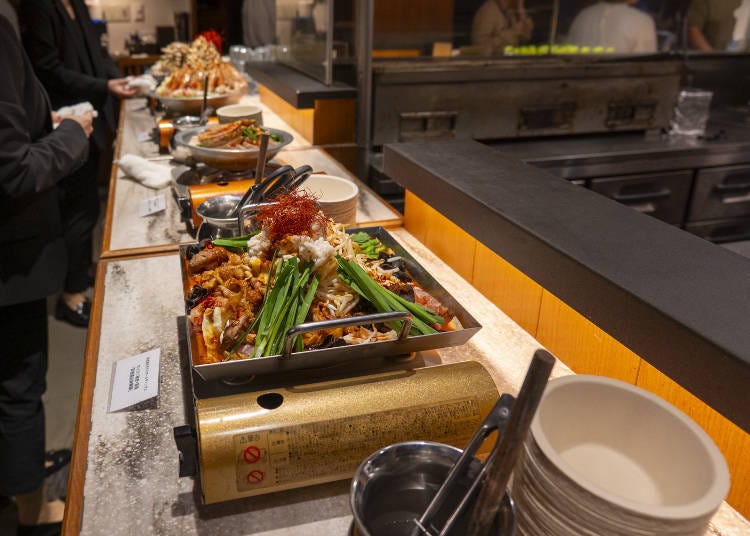
Japan has plenty of beautifully restrained cuisine, but Haitoku Nabe is emphatically not trying to be one of them. Garlic is piled on. Butter melts into spicy broth. Pork fat, chashu and shrimp are used with little concern for moderation. Because it’s still nabe, all of that excess is designed to be placed in the middle of the table and shared. And in 2026, you’re encouraged to feel just a little pleasantly guilty about your order!
The dishes above were presented as examples of Gurunavi’s 2026 Trend Nabe. Availability is at select restaurants and may vary by location, so check the restaurant’s current menu before visiting.


Chief English Editor
LIVE JAPAN
Timothy Sullivan is a senior English editor who has worked with LIVE JAPAN since 2017. Originally from New York, USA, he has over two decades of experience in Japan and more than 15 years in the digital media sphere. Timothy has played pivotal roles in assisting Japanese enterprises and regional authorities connect with international audiences. When he isn’t traveling, he is helping producing polished copy for LIVE JAPAN, one of Japan’s largest tourism platforms. He received a bachelor’s degree in Communication from the State University of New York College at Geneseo.
- Category
*Prices and options mentioned are subject to change.
*Unless stated otherwise, all prices include tax.
Popular Tours & Activities
Recommended places for you


-
Ad

Pocket WiFi Rental in Japan 2026: Complete Price Comparison & Where to Get the Best Deal
-
Ad
Do’s and Don’ts: The Complete Guide to Sento Baths! Getting the Full Experience In Ueno’s Famous Kotobuki-yu
-
Just 2 Hours from Tokyo! Escape to Yamanashi's NIPPONIA Kosuge, Where an Entire 700-Person Village Becomes Your Hotel
by: Alice Lee
-

Best Sumo Shows & Experiences in Tokyo (2026): Prices Compared
-

Seibu Group Launches New Chichibu Adventure Tourism Experience for International Travelers in 2026
by: Guest Contributor
-
Top-Booked by International Visitors: Must-Try Italian & Pizza in Tokyo for First-Time Visitors
by: Guest Contributor
-

Late Dinner in Asakusa: 3 Spots Open Late Near Sensoji Temple
-

Sendai Umino-Mori Aquarium: Inside Northeast Japan's Largest Aqua Attraction
-
Sakuramasamune Museum Sakuraen: Savor Japan's Largest Sake Producing Region!
-

Bunka Hostel Tokyo - Inside the Charming Izakaya Pub With a Quirky Twist!
-
Ishikari Nabe: Why This Japanese Dish Will Warm Your Body and Your Soul
-

Popular Food at Universal Studios Japan
by: WESTPLAN
- #best sushi japan
- #what to do in odaiba
- #what to bring to japan
- #new years in tokyo
- #best ramen japan
- #what to buy in ameyoko
- #japanese nail trends
- #things to do japan
- #onsen tattoo friendly tokyo
- #daiso
- #best coffee japan
- #best japanese soft drinks
- #best yakiniku japan
- #japanese fashion culture
- #japanese convenience store snacks