




Get from Narita Airport to Tokyo: Fastest Routes, Cheapest Options & Smart Travel Tips
- Written by: LIVE JAPAN Editor
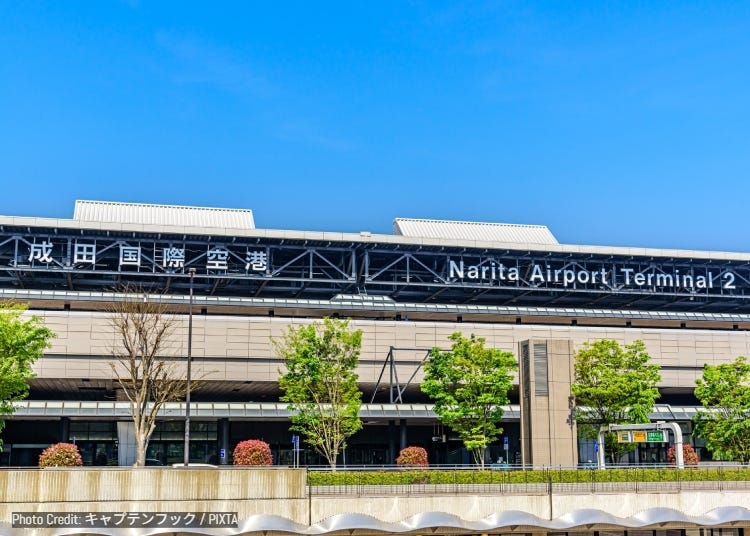
As Japan’s largest international gateway, Narita International Airport (NRT) is where many journeys begin. While the airport’s transport network is extensive and efficient, first-time visitors and even returning travelers can find it overwhelming to choose the best option among the many trains and buses. If Tokyo Station is your base, or you’re transferring there to board the Shinkansen to Kyoto or Osaka, selecting the right transport can make a big difference in how smoothly your trip starts.
Narita’s transport system has evolved significantly. The Narita Express (N’EX) now offers fully digital ticketing, the budget-friendly TYO-NRT bus operates on a convenient reservation system, and improved 5G Wi-Fi coverage throughout all terminals makes navigating after arrival even easier. With three terminals in operation, each provides clear access points for transport into central Tokyo. In this guide, we compare every major option from Narita Airport to Tokyo Station, from the fastest 50-minute limited express train to buses starting at just 1,500 yen one way, helping you choose the most comfortable route based on your budget and luggage.
(Main image: PIXTA)
(This article contains affiliate links)
- Table of Contents
-
- 1. By Train: Punctual, Comfortable & Direct to Tokyo Station
- 2. Airport Buses: The Best Value, Step-Free Ride into the City
- 3. Taxis & Private Transfers: The Ultimate Door-to-Door Convenience
- 4. Tokyo Station Survival Guide: What to Know After You Arrive
- Search for flights to Japan
- Quick Comparison Guide & Final Tips
1. By Train: Punctual, Comfortable & Direct to Tokyo Station
Rail remains the most reliable and popular way to travel from Narita Airport to Tokyo Station, especially during peak hours when highways can be congested. In recent years, railway operators have expanded digital ticketing and seat reservation services, making the purchase process faster and more convenient than ever.
1. JR Narita Express (N’EX): The Most Comfortable Direct Route to Tokyo/Shinjuku/Yokohama
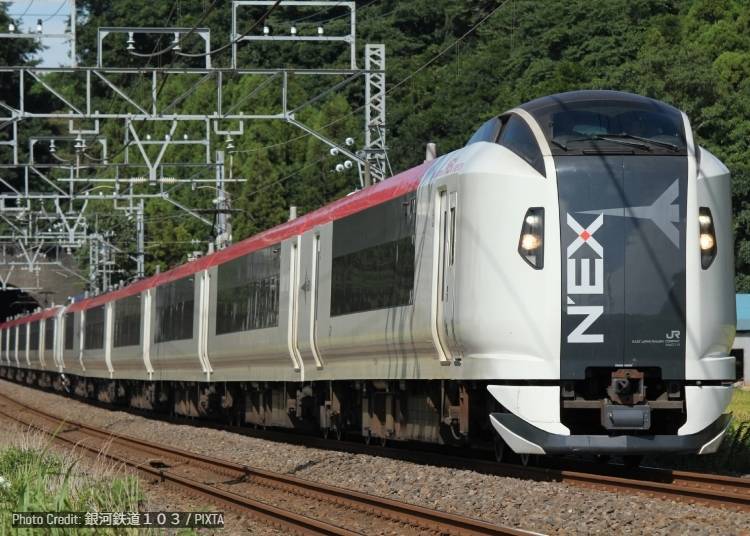
If you are looking for a no-transfer, stress-free ride, the JR Narita Express (N’EX) is the top choice. It delivers passengers directly to the underground platforms of Tokyo Station with comfort and efficiency.
Beyond Tokyo Station, N’EX also operates direct services to Shinjuku, as well as southbound toward Yokohama and Ofuna, a convenient gateway to Kamakura. This makes it a practical choice even if central Tokyo is not your final destination.
- Spacious reserved seating: All seats are assigned, with generous legroom and dedicated luggage storage areas.
- Onboard amenities: Fold-down tables and power outlets at every seat make it easy to work or charge devices.
- Multilingual support: Train information displays are available in Japanese, English, Chinese, and Korean.
- Fast journey time: Approximately 53 minutes to 1 hour to Tokyo Station.
- Covered under the Japan Rail Pass.
While N’EX is widely regarded as the fastest and most convenient option, fares are higher than other routes. Standard class costs about 3,070 yen per person including tax, with seasonal fluctuations of around 200 to 400 yen. Green Car (first class) seats are approximately 3,840 yen. Travelers holding a Japan Rail Pass or JR East rail pass can ride free of charge with advance seat reservation, which makes it especially popular among international visitors.
N’EX serves two stations at Narita Airport: Narita Airport Station (Terminal 1) and Airport Terminal 2 Station (Terminals 2 and 3). If you arrive at Terminal 3, you will need to walk or take a shuttle to Terminal 2 Station. As all seats are reserved, it is recommended to use ticket machines upon arrival to scan your QR code and secure a seat, avoiding long lines at staffed counters.
Narita Airport (Terminal 1 or Terminal 2 Station) → (JR Narita Express N’EX / Direct) → Tokyo Station
2. Keisei Skyliner: A High-Speed Hack via Nippori
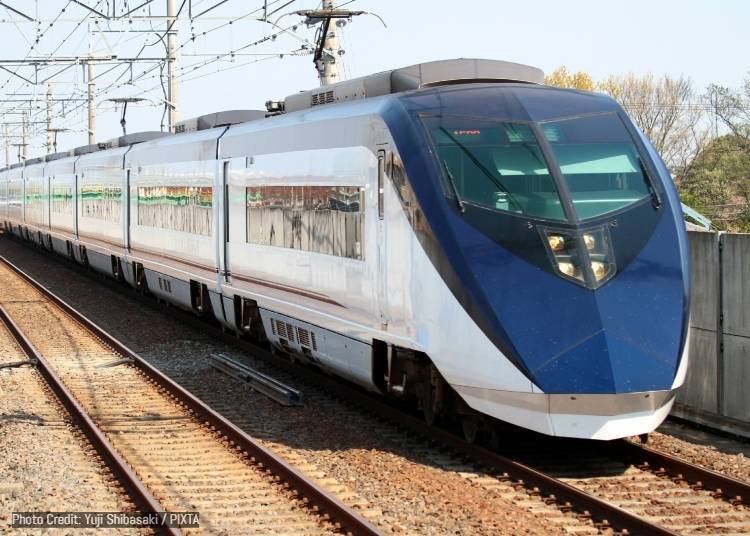
If you are watching your budget but still want a fast ride into the city, taking the Keisei Skyliner to Nippori and transferring to a JR local line for Tokyo Station is a smart and popular option. Many seasoned Japan travelers consider this the best balance of speed and cost.
- High-speed comfort: The Skyliner reaches up to 160 km/h (99 mph), covering the airport to Nippori in as little as 36 minutes.
- Better value: Including the Skyliner limited express surcharge and the JR transfer fare, the total cost is about 2,580 to 2,750 yen, depending on how you purchase your ticket, making it noticeably cheaper than the direct N’EX.
This route requires one transfer at Nippori, but Keisei and JR share the same station complex, connected by dedicated transfer gates with a straightforward layout. For first-time visitors with large luggage, navigating the busy concourse can feel a bit overwhelming, yet JR Yamanote and Keihin-Tohoku Line trains run every few minutes, so missing one is never a major issue.
Keisei also offers digital discount tickets for international travelers. If you reserve an e-ticket in advance through the official website or a travel platform, fares start at around 2,310 yen. Simply scan the QR code on arrival to redeem your ticket and skip the lines. For travelers willing to make a quick transfer and put the savings toward an extra bowl of ramen, this is one of the smartest alternatives to the higher-priced N’EX.
-
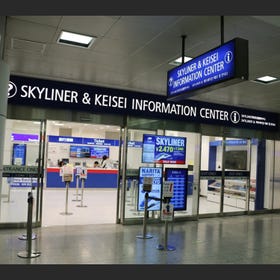

-
Address
The Airport-Terminal2 Station yard (the passenger second terminal), 1-1, Furugome, Furugome, Narita-shi, Chiba, 282-0004
View Map -
Nearest Station
Airport Terminal 2 Station (JR Narita Line / Keisei Main Line / Narita SKY ACCESS Line)
- Phone Number 0476-34-6261
-
Address
The Airport-Terminal2 Station yard (the passenger second terminal), 1-1, Furugome, Furugome, Narita-shi, Chiba, 282-0004
3. Keisei Access Express: The Sweet Spot Between Speed and Savings
If you would rather skip the added limited express surcharge but avoid a slow local train that stops at every station, the Keisei Access Express offers a well-balanced alternative. No special express ticket is required, and it runs faster than standard Keisei main line trains.
While you will not find reserved seating or large luggage storage areas like on premium limited express services, some through services stop at Nihombashi Station. From there, it is about an 8 to 10 minute walk to Tokyo Station’s Yaesu side. For travelers packing light and looking to trim transportation costs, this option is surprisingly competitive.
- Pros: Much cheaper than limited express trains, with a reasonable walking or transfer distance
- Estimated fare: Around 1,567 yen
- Travel time: About 1 hour 20 minutes
4. JR Sobu Rapid Line & Keisei Main Line: The Ultimate Budget Backup
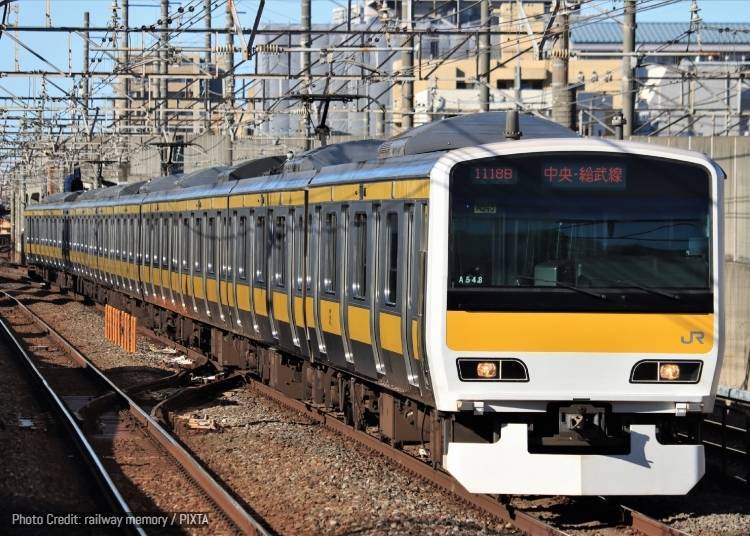
If time is not a concern and saving money is your top priority, the JR Sobu Rapid Line, which runs directly to Tokyo Station in about 90 minutes, or the Keisei Main Line, which requires a transfer at Nippori and takes around 85 minutes, are the most affordable options. One-way fares typically range from about 1,100 to 1,350 yen.
Both are standard commuter trains, so expect crowded cars during peak hours from 8 AM to 9:30 AM and 5:30 PM to 7 PM. With no dedicated luggage storage, large suitcases can feel cumbersome during busy periods.
(1) JR Sobu Rapid Line
Direct and transfer-free, this is the most straightforward budget option. The biggest advantage is staying on one train all the way to Tokyo Station. The ride takes about 90 minutes, and while the cars are designed for commuters rather than airport travelers, the fare is only around 1,350 yen. If you board at Narita Airport and secure a seat from the starting station, it can be an excellent value ride.
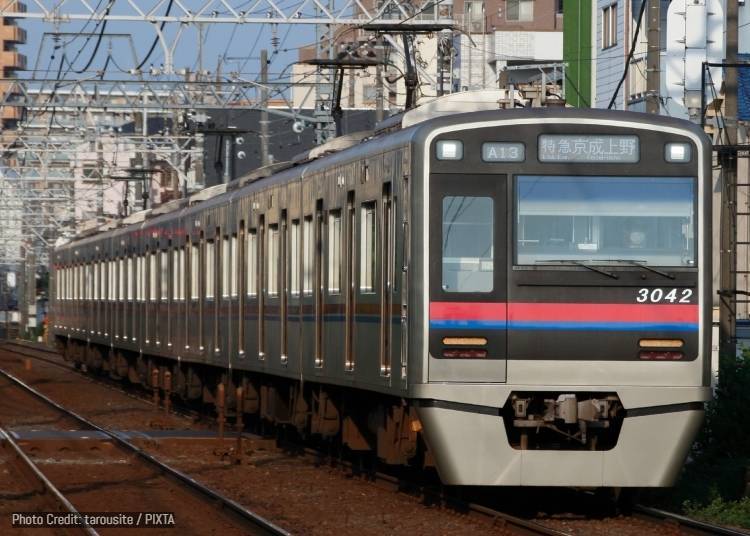
(2) Keisei Main Line Transfers
Transfer Point: Keisei Funabashi Station → JR Funabashi Station
Via Funabashi (lowest fare option)
For rock-bottom pricing, ride the Keisei Main Line Rapid to Keisei Funabashi Station. From there, exit the station and walk about 7 minutes to JR Funabashi Station to transfer to the JR Sobu Rapid Line bound for Tokyo. This route requires a bit more effort, but it offers a glimpse into everyday commuter life in Japan.
・Estimated fare: Around 1,170 yen
・Travel time: About 1 hour 40 minutes
Transfer Point: Nippori Station
Via Nippori (most popular Keisei budget route)
A smoother alternative is to take the Keisei Main Line to Nippori Station, then transfer to the JR Yamanote Line or Keihin-Tohoku Line for Tokyo Station. It still requires one transfer, but it is simpler than the Funabashi route and significantly cheaper than the Skyliner.
・Estimated fare: Around 1,220 yen
・Travel time: About 1 hour 30 minutes
5. Important: N’EX Now Fully Reserved & QR Code Ticketing Guide
Narita Airport’s ticketing area has been upgraded with smarter, more streamlined guidance systems. The Narita Express (N’EX) no longer offers non-reserved seating, meaning all passengers must hold a reserved seat ticket before boarding.
If you purchased an e-ticket through a travel platform such as Klook or KKday, you can now scan your QR code directly at a ticket machine to issue your ticket and select your seat. This significantly reduces the need to line up at staffed counters.
All Narita Airport terminals are equipped with 5G Wi-Fi, so it is a good idea to pull up your QR code while waiting for your luggage. Having it ready in advance makes the boarding process much smoother.
2. Airport Buses: The Best Value, Step-Free Ride into the City
For travelers who would rather not haul suitcases up and down station stairs, airport buses between Narita Airport and Tokyo Station offer a highly convenient alternative. You can sit back, store your luggage underneath the bus, and head straight into the city without transfers.
- No transfers required
- A comfortable ride with city and highway views along the way
- Direct access to Tokyo Station and some nearby hotels
That said, buses do have one unavoidable drawback: arrival times are not always exact. While Japan’s public transportation is famously punctual, highway traffic conditions can affect travel time. You might arrive early, or you could be delayed due to congestion or accidents. It is wise not to schedule onward plans too tightly after arrival.
Currently, there are two main bus services operating between Narita Airport and Tokyo Station.
1. Airport Bus TYO-NRT: Just 1,500 yen to Tokyo Station (Yaesu Side)
Often nicknamed the “LCC bus,” this is currently one of the most popular budget-friendly options between Narita Airport and Tokyo Station. Standard daytime fares are just 1,500 yen one way, while late-night and early-morning services cost 3,000 yen.
Tickets can be purchased at bus counters inside each Narita Airport terminal. Seating is non-reserved, but with growing demand, advance online booking is strongly recommended during peak hours.
The bus arrives at Tokyo Station’s Yaesu exit, making it especially convenient for travelers who plan to head straight into the underground shopping area or transfer to another train line right away.
2. Limousine Bus: Stress-Free Transfers, Even with Heavy Luggage
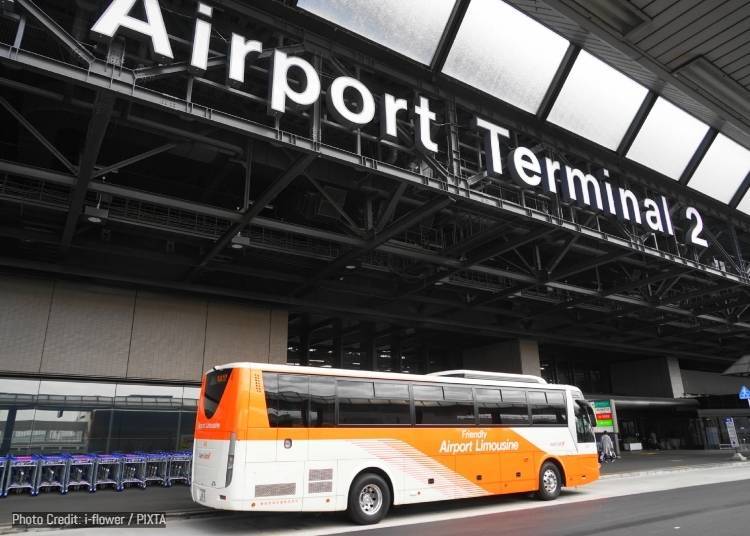
If maximum convenience is your priority, the Limousine Bus is a reliable choice. One-way fares from Narita Airport to Tokyo City Air Terminal (T-CAT) or the Tokyo Station area are typically around 3,100 yen.
The biggest advantage is door-to-door ease. Many services stop directly in front of major hotels, saving you the effort of transferring with heavy luggage. For travelers who value comfort after a long flight, this added convenience can be well worth the price.
There are also Limousine Bus routes from Narita Airport to Maihama Station, the gateway to Tokyo Disney Resort. If you plan to head straight to Disney after landing, this is one of the most popular and hassle-free options available.
3. 2026 Update: Bus Reservations & Late-Night Services
Bus services at Narita Airport have strengthened their reservation systems, and booking online through the official website about three days before departure is strongly recommended. This helps avoid long lines at the airport, especially during busy travel seasons.
For passengers arriving on red-eye flights, late-night buses to Tokyo Station currently depart around 1 AM and 2 AM. Although fares are roughly double the standard daytime price, they remain far more affordable than taking a taxi into the city, making them one of the most cost-effective ways to reach central Tokyo after midnight.
3. Taxis & Private Transfers: The Ultimate Door-to-Door Convenience
When budget is not your main concern, or you are traveling with elderly family members, young children, or more luggage than you can comfortably manage, taxis and private transfers offer unmatched ease.
The biggest advantage is true door-to-door service. From the moment you step out of the airport terminal, you can settle in and relax all the way to your hotel near Tokyo Station, without worrying about transfers, stairs, or navigating busy stations.
1. Narita Airport Flat-Fare Taxi: Rates & How to Book
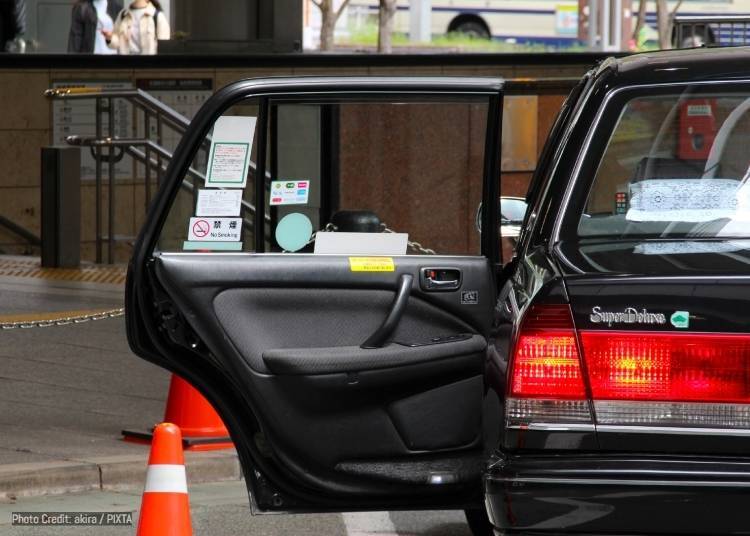
If you plan to take a taxi from Narita Airport to the Tokyo Station area, choosing a flat-fare taxi is the smartest approach. As of 2026, the daytime fixed fare to Chiyoda City, where Tokyo Station is located, is about 23,000 yen. During late-night hours from 10 PM to 5 AM, the flat fare rises to around 28,000 yen.
Keep in mind that expressway tolls are not included in the flat fare. These typically add another 2,500 to 3,000 yen, which is paid together with the base fare upon arrival.
Traditionally, reservations were required at least one hour in advance by phone. Today, most travelers book through taxi apps such as GO or S.RIDE, or simply request a flat-fare taxi at the airport taxi stand, depending on vehicle availability. In some cases, advance booking is not necessary.
This option works best for groups of one to three people with a moderate amount of luggage, or for travelers who arrive late and miss the last train into the city.
You can also reserve online in advance, so you can step off the plane and head straight to your waiting ride.
2. Private Transfers: Best Value for Groups & Heavy Luggage
For groups of four to nine people, booking a private transfer is often the smartest choice. Most services operate on a flat-rate basis, with one-way fares typically ranging from 20,000 to 30,000 yen. In many cases, this price already includes expressway tolls and parking fees, meaning the per-person cost can be surprisingly competitive, sometimes even lower than the Limousine Bus.
Beyond pricing, the upgraded service experience is a major advantage. Drivers usually wait in the arrival hall holding a name sign and assist with loading luggage into the vehicle. When booking in advance through platforms such as Klook or KKday, travelers can often request an English-speaking driver, making communication smoother.
For family trips, or for those traveling with ski equipment, golf bags, or other bulky luggage, this door-to-door solution is both practical and stress-free.
4. Tokyo Station Survival Guide: What to Know After You Arrive
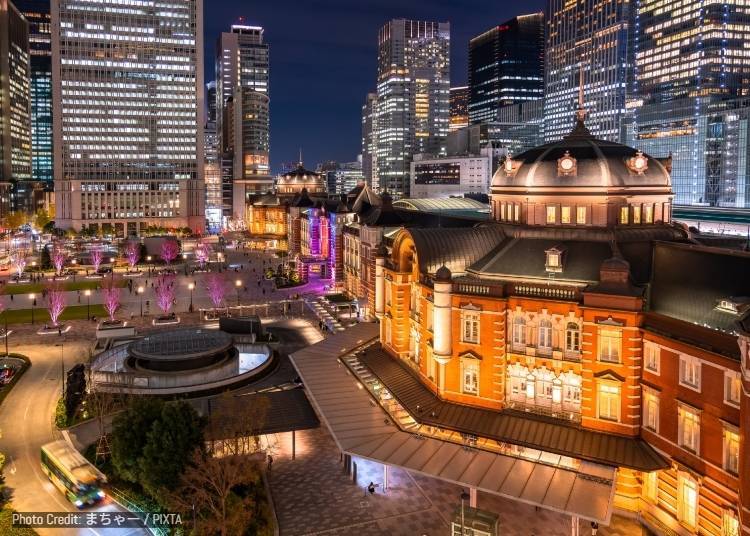
Arriving at Tokyo Station from Narita is only half the journey. As one of Japan’s largest and most complex stations, Tokyo Station can feel like a maze, and where you arrive depends heavily on which service you used. Knowing your arrival point in advance can save you a significant amount of time and backtracking.
If you take the Narita Express (N’EX) or the JR Sobu Rapid Line, you will arrive at the deep underground Sobu platforms on B5F. These platforms are located on the western, Marunouchi side of the station.
If you plan to transfer to the Tokaido Shinkansen bound for Kyoto or Osaka, or head toward the Yaesu side for shopping and hotels, expect at least 10 to 15 minutes just to ride the escalators up and walk across the station. Follow signs for the Yaesu Central Passage and make use of the underground corridors on B1F to avoid street crossings and surface-level crowds.
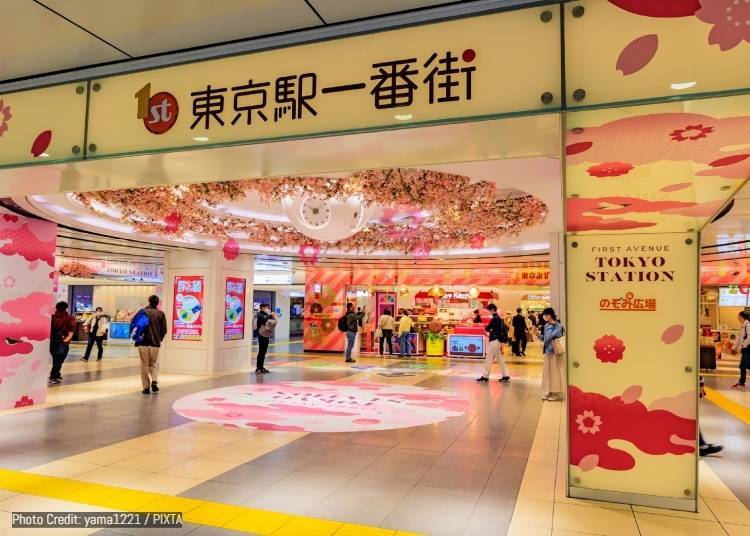
By contrast, passengers on the Airport Bus TYO-NRT are dropped off at ground level at the Yaesu South Exit. Right in front of you stands Tokyo Station’s modern glass-fronted building, and after crossing the street you can head straight into the Yaesu Underground Mall, home to Tokyo Ramen Street and Character Street.
If you plan to eat immediately after arrival or are staying around Yaesu or Nihombashi, this street-level access is one of the most convenient arrival routes.
Travelers arriving by Limousine Bus at Tokyo City Air Terminal (T-CAT) are slightly farther from Tokyo Station itself, but the terminal connects smoothly to central Tokyo via on-site taxi stands and the Tokyo Metro Hanzomon Line, making onward travel simple and efficient.
Search for flights to Japan
Quick Comparison Guide & Final Tips
To help you decide right in the arrivals hall, here is a simplified 2026 cheat sheet for getting from Narita Airport to Tokyo Station.
Maximum comfort, no transfers, JR Pass holders: JR Narita Express (N’EX)
All seats reserved, dedicated luggage space, direct to the deep underground platforms. Ideal if you want to charge devices or rest after a long flight.
Fastest ride, traveling light: Keisei Skyliner (via Nippori)
Top operating speeds among airport trains. Perfect for quickly transferring to the JR Yamanote Line and heading across Tokyo.
Skip the limited express surcharge, but still faster than local trains: Keisei Access Express
A balanced choice between speed and cost. Faster than the Keisei Main Line, with fares around 1,500 yen. Best for travelers comfortable transferring at Nippori or Shinbashi.
Lowest cost, no underground station maze: Airport Bus TYO-NRT
The most budget-friendly option at 1,500 yen. Luggage is handled for you, and you arrive at ground level near Tokyo Station’s Yaesu exit.
Traveling with seniors, kids, or lots of luggage: Limousine Bus
Hotel drop-off advantage. Skip navigating Tokyo Station with heavy bags and get off directly near your hotel entrance.
Family of three or more, seeking privacy and premium service: Private Transfer
True door-to-door service. When split among several passengers, the per-person cost can rival the Limousine Bus, with meet-and-greet service included.
Transportation from Narita Airport to Tokyo Station is now more diverse and more digital than ever. If time matters most and your budget allows, the N’EX and Skyliner remain top-tier choices. If you prefer to travel smart and save, the TYO-NRT bus or the JR Sobu Rapid Line can significantly reduce costs.
Most importantly, services in 2026 are highly digitized. Whichever option you choose, it is wise to book or reserve seats online while waiting for your luggage to avoid lines at ticket counters. With a little preparation, your Tokyo adventure can begin smoothly the moment you step out of Narita Airport.
▼ Explore More About Entry & Exit Procedures ▼
▼ Explore More About Narita Airport ▼

-
-
Address
Narita Airport, Narita-shi, Chiba, 282-0004
View Map -
Nearest Station
Narita Airport Station (JR Narita Line / Keisei Main Line / Narita SKY ACCESS Line)
-
Address
Narita Airport, Narita-shi, Chiba, 282-0004
- Area
- Category
*Prices and options mentioned are subject to change.
*Unless stated otherwise, all prices include tax.
Popular Tours & Activities
-

Top-Booked by International Visitors: Must-Try Italian & Pizza in Tokyo for First-Time Visitors
by: Guest Contributor
-
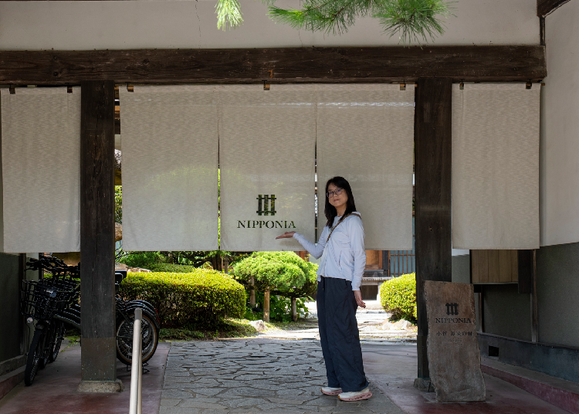
Just 2 Hours from Tokyo! Escape to Yamanashi's NIPPONIA Kosuge, Where an Entire 700-Person Village Becomes Your Hotel
by: Alice Lee
-
Ad
Pocket WiFi Rental in Japan 2026: Complete Price Comparison & Where to Get the Best Deal
-
Autumn in Japan 2026: Fall Foliage Forecast & Where to Enjoy the Colorful Leaves (+Tour Info)
-

Daikoku PA Car Meet: What Is JDM, and Why Do Enthusiasts Flock Here?
-

Haneda Airport Duty-Free Shopping Guide: What to Buy, How to Save & Where to Eat Before Your Flight
by: Guest Contributor
Inspiration for Accommodations
-

Family-Friendly Hotels with Free Shuttle to Disneyland: Convenient Access for a Magical Stay
-
Top Ranked Hakone Hotels with Mt. Fuji View: Enjoy Stunning Scenery from Your Private Space
-
Convenient Tokyo Hotels with Airport Shuttle: Ideal for Families and Heavy Luggage
-
9 Family-Friendly Hotels with Comfortable Family Rooms in Asakusa
-
10 Open-air bath Onsen Ryokans in Hakone for Ultimate Relaxation
-

6 Surprisingly Cheap Things in Japan
-
Easy Day Trip from Tokyo! Ultimate Sightseeing Guide for Hakone & Lake Ashinoko!
-
Narita Airport to Ueno: Skyliner, Keisei Line, or N'EX? Compare Travel Times, Transfers & Fares
-
Tokyo Tsukiji|Tsukiji Area Map & Sightseeing Information
-
4 Easiest Ways From Narita Airport to Shinjuku: Best Transport Options Compared
-
Japan Relaxes its Multiple-Entry Visa Requirements for Filipinos: What you need to know
- #best ramen tokyo
- #what to buy in ameyoko
- #what to bring to japan
- #new years in tokyo
- #best izakaya shinjuku
- #things to do tokyo
- #japanese nail trends
- #what to do in odaiba
- #onsen tattoo friendly tokyo
- #daiso
- #best sushi ginza
- #japanese convenience store snacks
- #best yakiniku shibuya
- #japanese fashion culture
- #best japanese soft drinks