



7-Day Japan Weather Forecast: Tokyo, Osaka, Sapporo, Sendai, Fukuoka, Naha – Plan & Pack Smart for Your Trip
- Written by: LIVE JAPAN Editor
Getting ready for a trip to Japan? Whether you’re exploring the bustling metropolis of Tokyo, the streets of Osaka, or enjoying the beaches of Naha, checking the weather in advance is key to a smooth journey. This 7-day forecast covers six major cities (Tokyo, Osaka, Sapporo, Sendai, Fukuoka, and Naha), helping you pack wisely and plan each day with confidence, no matter the season.
(Forecast data is as of September 14, 2026 at 8 AM JST)

Japan Weather Overview
Japan 7-Day Forecast (September 14-20, 2026)
We are finally starting to feel that autumn transition. Across Japan, expect mostly cloudy conditions with frequent rain for many regions, though northern areas will enjoy some beautiful, brief sunny intervals mid-week. Temperatures will range from mild in the north (like Sapporo) to warm in central Japan (Tokyo) to consistently hot down south in Naha.
Let's look at the weather patterns: From September 16th to 17th, high pressure will move from the Sea of Japan toward the Kuril Islands, while a weather front stretches along the southern coast of Honshu. From the 18th to the 20th, as the high pressure shifts further east, humid air will flow into Japan. Keep an eye out for a tropical depression moving from the south of Japan toward southern Okinawa. Around September 18th, the Ogasawara Islands could see very rough seas depending on how this tropical depression develops.
Typhoon Information
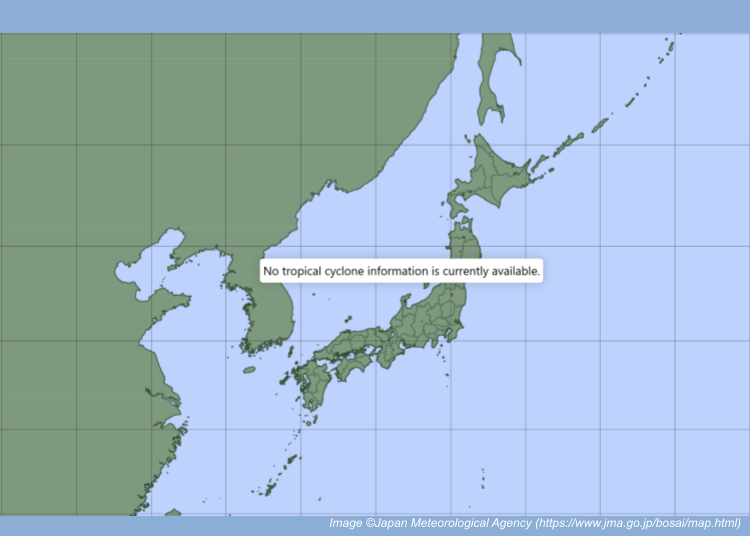
Japan’s typhoon season runs from May through October, with most activity from July to September. During a typhoon, transit delays and cancellations can be expected. Be sure to stay updated on the latest weather and flight information. For real-time updates on railways and airports, visit LIVE JAPAN's transport information page.
- NHK World
Japan's official English-language broadcaster. During earthquakes, typhoons, and other emergencies, it provides reliable real-time updates, evacuation information, and more. - Safety tips App
Official emergency alert app of the Japan Tourism Agency, designed for international visitors. Available on iOS and Android, it provides earthquake, tsunami, and severe weather warnings in 15 languages, along with evacuation guidance, useful emergency phrases, and links to official disaster information to help you stay safe during emergencies. - LIVE JAPAN Emergency portal
Multilingual safety hub for visitors in Japan. It provides quick access to disaster information, embassy contacts, emergency guides, and official transportation updates, helping travelers stay informed and navigate disruptions safely.
- Rainy Day Hotspots: Japan's Top 10 Indoor Attractions This Rainy Season
- 18 Rainy-Day Activities in Tokyo: Unique Japanese Experiences and Indoor Adventures
- What to Do In Osaka When It's Raining: 15 Fabulous Weather-Proof Tourist Hotspots
- Rainy Day In Kyoto? Here's 16 Best Ways to Enjoy Kyoto When It's Raining
What to Do in September
September marks a beautiful transition in Japan, as the intense summer heat begins to soften into the milder, refreshing breezes of early autumn. The countryside turns a stunning golden hue during the rice harvest, and locals celebrate Tsukimi (moon viewing) festivals, gathering to admire the harvest moon and enjoy traditional treats like tsukimi dango.
While the massive summer matsuri wind down, September offers its own thrilling cultural events. Tokyo hosts the highly anticipated September Grand Sumo Tournament, while Osaka comes alive with the high-speed, adrenaline-pumping Kishiwada Danjiri Matsuri. For outdoor enthusiasts, the first week of the month offers the final opportunity to catch the tail end of the Mt. Fuji climbing season before the mountain officially closes to the public.
As the month progresses, nature lovers can head north to Hokkaido or to high-elevation areas in the Japan Alps to witness the very beginning of the country’s spectacular autumn foliage (koyo) season. When it comes to seasonal eating, September is a culinary delight—be sure to savor early autumn flavors like roasted sweet potatoes, chestnuts, freshly harvested Asian pears, and grilled sanma (Pacific saury).



Tours & Activities to Try This Month
-
 (Tokyo) Hop-On Hop-Off Tokyo Bus by Skyhop Bus
Book with Klook ▶ -
 (Tokyo) SHIBUYA SKY Ticket
Book with Klook ▶ -
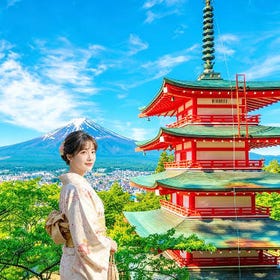 (Tokyo) One-Day Guided Tour of Mount Fuji, Pagoda, and Oshino Hakkai
Book with Klook ▶ -
 (Tokyo) teamLab Planets TOKYO Ticket
Book with Klook ▶ -
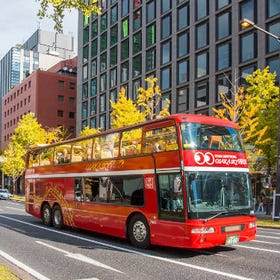 (Osaka) Osaka Sky Vista Double-Decker Open-Top Bus Tour
Book with Klook ▶ -
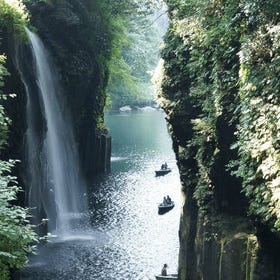 (Kumamoto) Takachiho Gorge Full-Day Tour with Gourmet Lunch
Book with Klook ▶ -
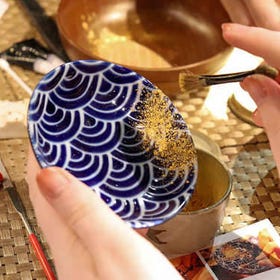 18 Best Cultural Experiences & Traditional Craft Workshops in Japan
City-Specific 7-Day Forecasts (September 14-20, 2026)
Tokyo
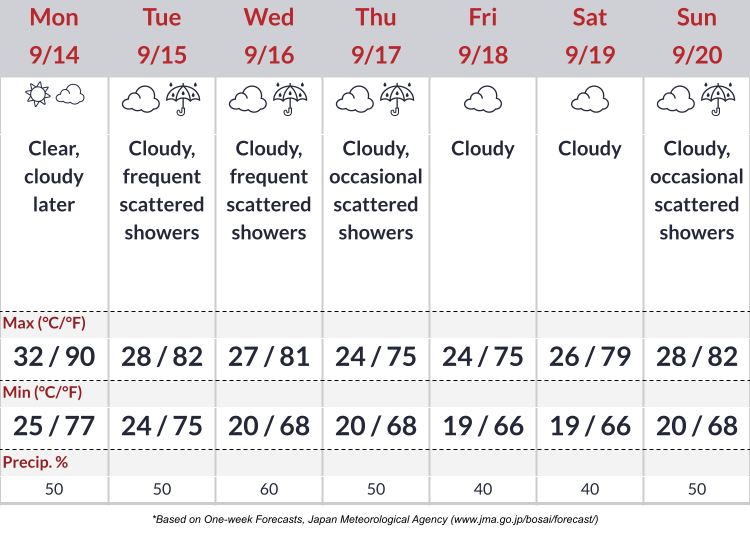
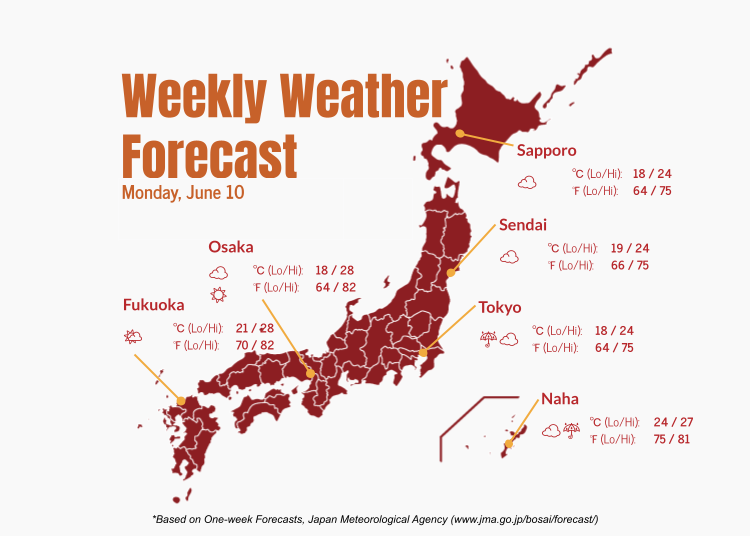
Tokyo is finally transitioning from late-summer warmth into a noticeably cooler, overcast stretch this week! You will feel the high temperatures slide from the muggy low 30s Celsius (low 90s Fahrenheit) down into the comfortable mid-20s Celsius (mid-70s Fahrenheit). Nighttime lows will also dip nicely from 25°C (77°F) to around 19°C (66°F). Cloudy skies will dominate the cityscape, frequently accompanied by light, passing rain showers.

Sapporo
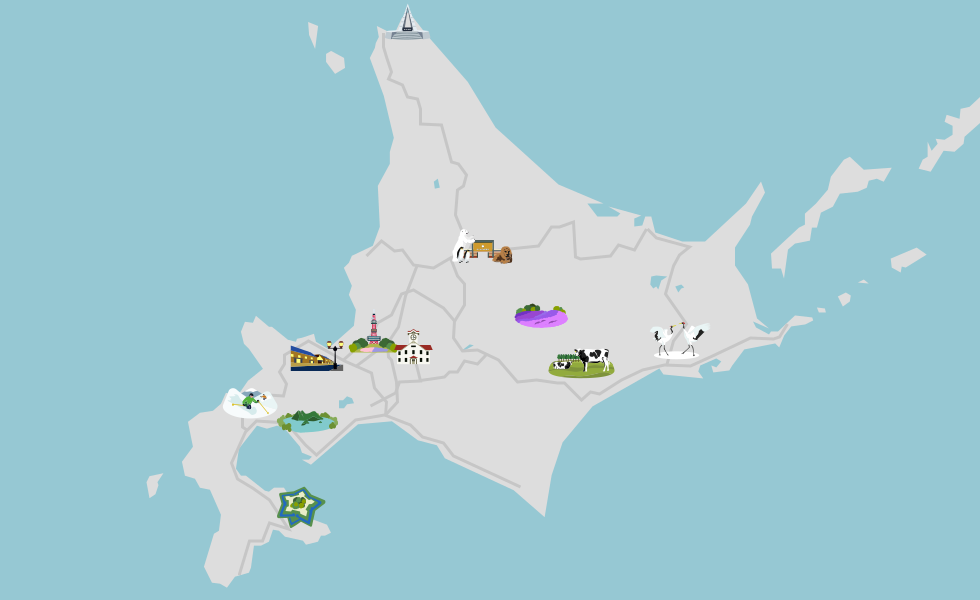
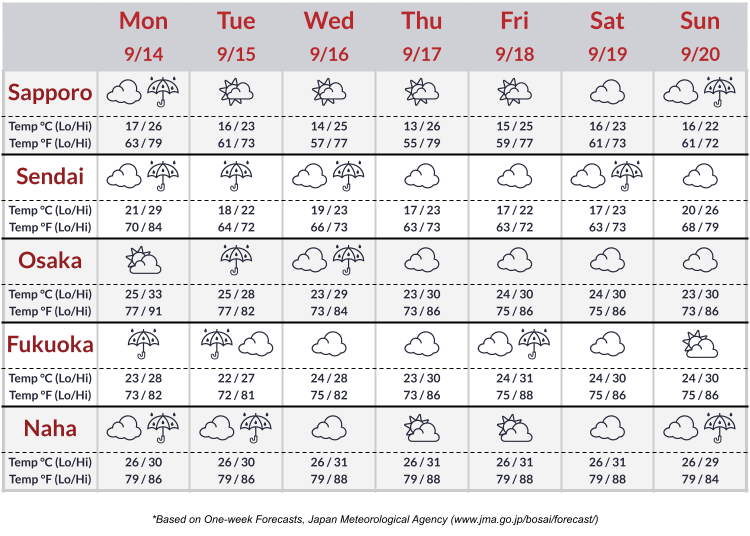
Sapporo starts the week with brief showers, but don't worry—sunny, partly cloudy skies will soon take over for a beautiful stretch before cloudier conditions and a chance of rain return toward the weekend. Afternoon highs will hover comfortably between 22°C (72°F) and 26°C (79°F), while crisp morning lows will dip into the refreshing 13°C (55°F) to 17°C (63°F) range.

Sendai
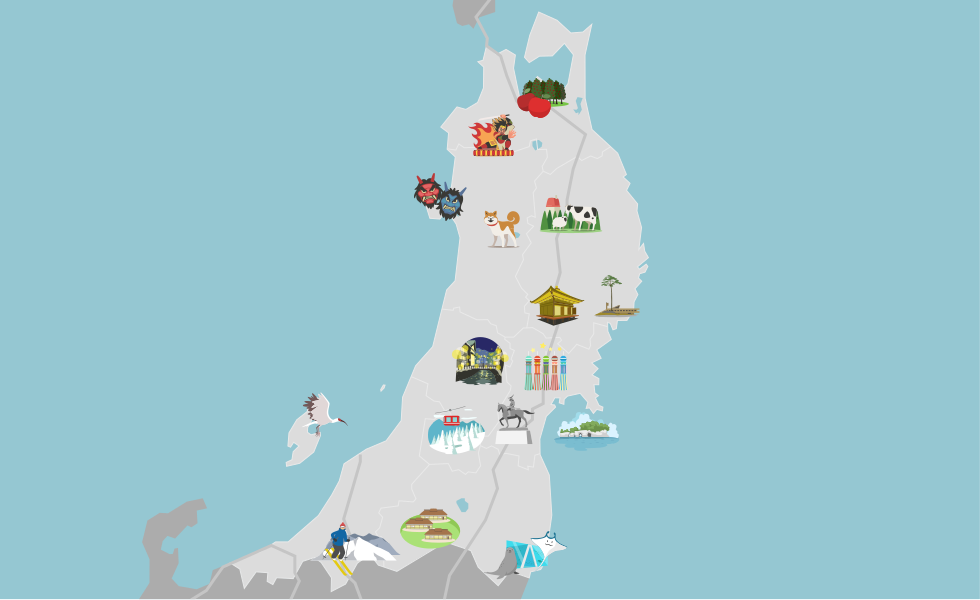
Sendai greets visitors with a noticeable shift from warm, muggy conditions to brisk autumn air! Overcast skies dominate the early part of the week, bringing steady rainfall that gradually settles into intermittent showers and cloudier, drier intervals as the days pass. Afternoon highs will take a sharp dip from a warm peak near 29°C (84°F) down to the comfortable low 20s Celsius (low 70s Fahrenheit) before climbing slightly late in the week. Overnight lows will stay cool and consistent between 17°C (63°F) and 21°C (70°F).
Osaka
Osaka starts the week with warm, sun-dappled skies before cloud cover builds and brings wet conditions mid-week, eventually settling into steady, overcast weather. High temperatures gradually ease from a hot peak of 33°C (91°F) down to a comfortable 28°C to 30°C (82°F–86°F), while overnight lows cool slightly from 25°C (77°F) to around 23°C (73°F). Rain chances spike noticeably mid-week, remaining moderate through the rest of the period.

Fukuoka
Fukuoka starts the week with wet conditions that gradually give way to persistent cloud cover and milder overcast skies, though a stray shower remains possible before occasional sunshine breaks through toward the weekend. Low temperatures hold steady in the comfortable low-to-mid 20s°C (70°F–77°F), while afternoon highs warm up from the upper 20s°C (77°F–84°F) to around 30°C (86°F).

Naha
Cloud cover dominates Naha's outlook this week, accompanied by scattered showers that are most frequent early on before tapering into brighter, partly sunny stretches mid-week, only to return toward the weekend. Warm temperatures remain steady, with pleasantly warm highs in the upper 20s°C to low 30s°C (84°F–88°F) and comfortable, mild lows in the mid-20s°C (75°F–79°F) throughout the day and night.

Seasonal Tips & Current Vibe
- Tip 1: Pack for Changing Seasons September bridges the gap between summer heat and autumn cool. While daytime in central and southern Japan stays warm and humid, evenings become noticeably milder. Bring light, breathable layers for the day, along with a light jacket or cardigan for cooler nights and air-conditioned spaces.
- Tip 2: Plan for Typhoon Season September is the peak of Japan's typhoon season, which can bring sudden heavy rains and transit delays. Build some flexibility into your itinerary, carry a compact raincoat or travel umbrella, and stay informed by checking local weather apps or English-language portals for real-time alerts.
- Tip 3: Enjoy Fewer Crowds—But Watch for Silver Week! With summer holidays over, early September offers a more relaxed travel experience with shorter lines at major attractions. However, be aware of “Silver Week” in mid-to-late September, when consecutive national holidays cause a massive surge in domestic travel. If visiting during this window, book your accommodations and bullet trains well in advance.




- NHK World
Japan's official English-language broadcaster. During earthquakes, typhoons, and other emergencies, it provides reliable real-time updates, evacuation information, and more. - Safety tips App
Official emergency alert app of the Japan Tourism Agency, designed for international visitors. Available on iOS and Android, it provides earthquake, tsunami, and severe weather warnings in 15 languages, along with evacuation guidance, useful emergency phrases, and links to official disaster information to help you stay safe during emergencies. - LIVE JAPAN Emergency portal
Multilingual safety hub for visitors in Japan. It provides quick access to disaster information, embassy contacts, emergency guides, and official transportation updates, helping travelers stay informed and navigate disruptions safely.
Source for forecast and images: Japan Meteorological Agency website (www.jma.go.jp)
Plan Your Trip With LIVE JAPAN!
Whether you're planning to be in Japan this week or later this year, check out these fun things you can add to your itinerary!


The LIVE JAPAN editorial team is a multinational group made up of native editors who have lived in Japan for over five years and Japanese editors who love to travel. Together, we share the best of Japan, offering cultural insights, historical context, event updates, and travel-friendly deals, to support your journey every step of the way.
*Prices and options mentioned are subject to change.
*Unless stated otherwise, all prices include tax.
Popular Tours & Activities
Recommended places for you
-
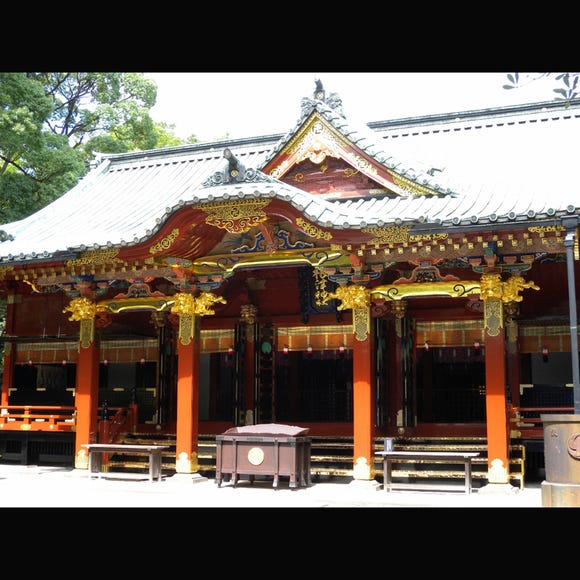
Nezu Shrine
Shrines
Ueno
-

Jukuseiniku-to Namamottsuarera Nikubaru Italian Nikutaria Sannomiya
Izakaya
Kobe, Sannomiya, Kitano
-
Appealing
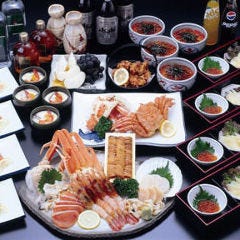
Rukku and Uohei
Izakaya
Sapporo / Chitose
-
ISHIDAYA Hanare
Yakiniku
Kobe, Sannomiya, Kitano
-
Goods
Yoshida Gennojo-Roho Kyoto Buddhist Altars
Gift Shops
Nijo Castle, Kyoto Imperial Palace
-
LakeAkan
Rivers, Lakes & Canyons
Abashiri
-
Ad
Do’s and Don’ts: The Complete Guide to Sento Baths! Getting the Full Experience In Ueno’s Famous Kotobuki-yu
-
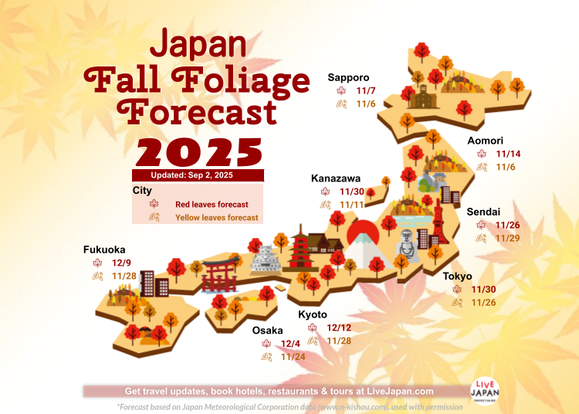
Autumn in Japan 2026: Fall Foliage Forecast & Where to Enjoy the Colorful Leaves (+Tour Info)(Updated Oct 1)
-
Cracked Phone Screen in Japan? Smahospital Repair Guide: Keep Your Data, Fixed in 15 Min, Multilingual Support | Up to 10,000 Yen Off with LIVE JAPAN Coupon
-
Ad

Pocket WiFi Rental in Japan 2026: Complete Price Comparison & Where to Get the Best Deal
-

Daikoku Car Meet Guide: How to Visit, Best Times & Rules
-

ANA’s Chiikawa Jet Is Taking Off—Here’s Everything You Need to Know About Exclusive Goods, In‑Flight Fun & Travel Tips
by: Guest Contributor
-
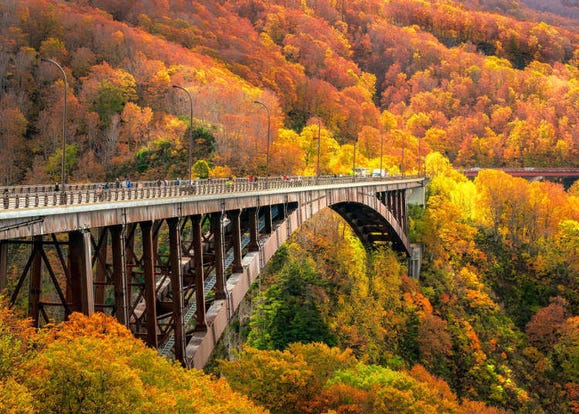
12 Must-See Autumn Foliage Spots in Aomori (2026): From Lake Towada to Oirase Stream, Enjoy Breathtaking Views
by: Guest Contributor
-

Shopping in Japan 2026: Annual Sale Calendar, Best Deals & Where to Shop
-
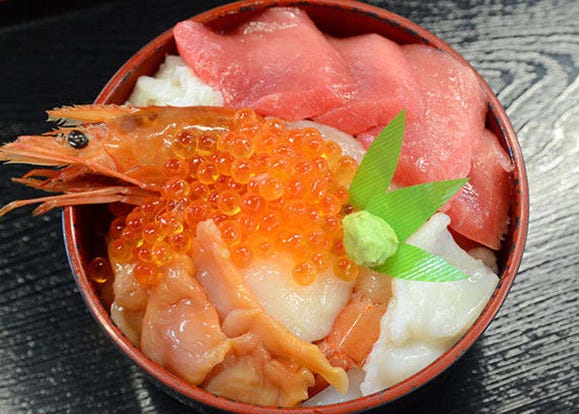
Seafood Bowls and More at the Shiogama Seafood Wholesale Market!
-

September Events in Kansai: Fun Festivals, Food, and Things to Do in Kyoto & Osaka
-

Popular Food at Universal Studios Japan
by: WESTPLAN
-
15 Best Places to See Autumn Leaves in Iwate: Gorgeous Foliage, Gorges & Mountain Drives
- #best sushi japan
- #what to do in odaiba
- #what to bring to japan
- #new years in tokyo
- #best ramen japan
- #what to buy in ameyoko
- #japanese nail trends
- #things to do japan
- #onsen tattoo friendly tokyo
- #daiso
- #best coffee japan
- #best japanese soft drinks
- #best yakiniku japan
- #japanese fashion culture
- #japanese convenience store snacks