



Japan Luggage Guide: How to Use Shinkansen Storage, Airport Delivery, and Smart Station Lockers
- Written by: LIVE JAPAN Editor
Traveling around Japan with heavy bags can wear you out fast. From packed trains to endless station staircases, bulky luggage is often the biggest obstacle to a comfortable trip. To help you travel light and stress-free, this guide breaks down every solution you should know: the essential oversized-luggage rules for the Shinkansen, fast same-day airport delivery services, and smart tips for using station lockers. Learn how to free yourself from heavy bags and enjoy Japan the easy way!
Main image: PIXTA
This article includes sponsored content

1. Taxis
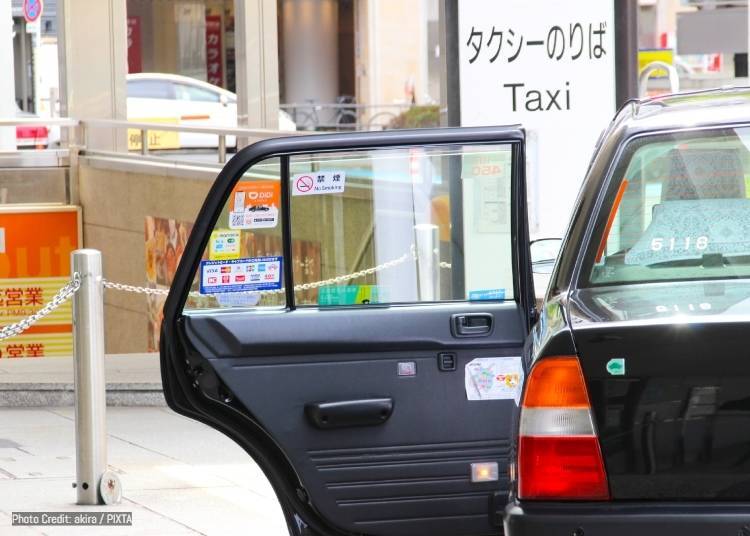
Taxis in Japan work much like those in other countries, but there are a few luggage tips that can make your ride smoother. If you’re carrying a large suitcase, the driver will usually open the trunk and load it for you, so there’s no need to handle it yourself.
Most taxis can fit two large 28-inch suitcases or about three medium ones, offering plenty of space. Also note that rear doors typically open automatically—just wait for the door, hop in, and enjoy the ride.
2. Buses
Public Buses
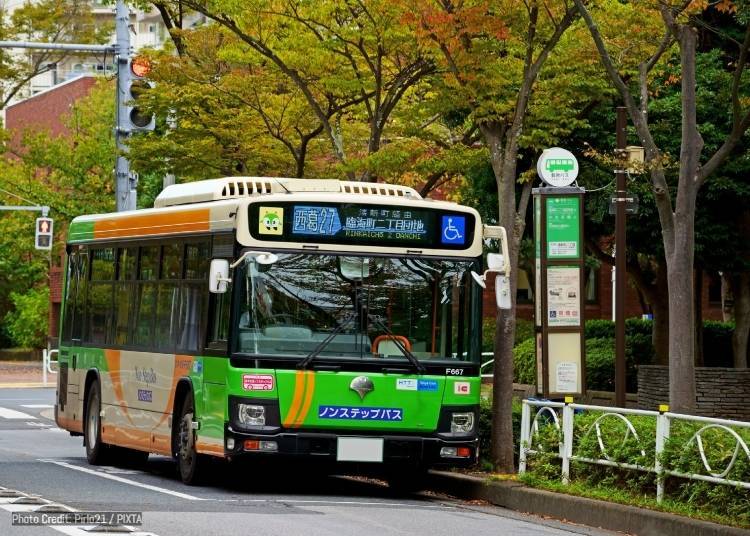
Public buses are widely used throughout Japan, but depending on the area, they can become very crowded. Because most buses do not have dedicated luggage storage space, you’ll need to keep your bags with you at all times. If your luggage is too large, the driver may ask you to consider another form of transport. For this reason, it’s best to use buses during off-peak hours or only when carrying small hand luggage.
Special Kyoto Travel Notice
If you’re visiting Kyoto, be aware that the city’s buses have particularly strict rules. Large luggage—such as standard carry-on bags over 50 cm or full-size suitcases—is strongly prohibited. This helps reduce congestion and maintain safety. If you have bulky bags, consider using the subway, a taxi, or a luggage delivery service to avoid being denied boarding.
▼ See More Luggage Tips for Kyoto ▼
Private Sightseeing Buses & Highway Buses
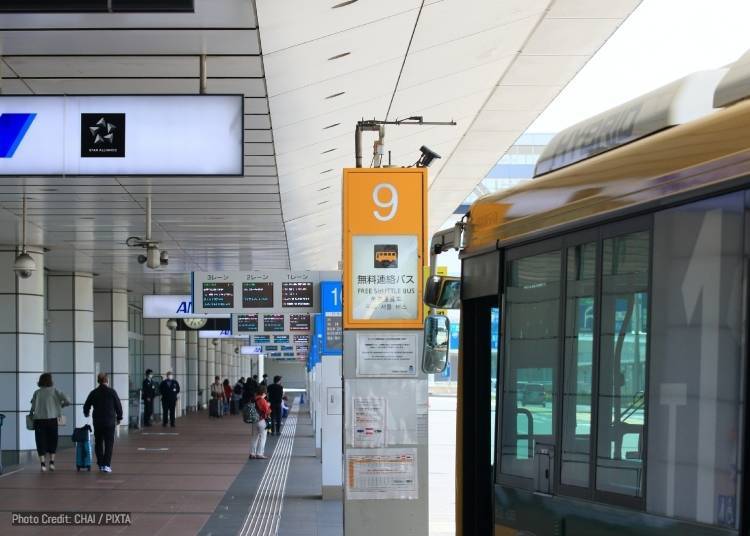
These types of buses, including airport shuttles and long-distance highway buses, generally have more flexible luggage rules. Most allow each passenger to bring up to two checked bags plus one piece of hand luggage. Your larger bags are stored in the compartment beneath the bus, allowing you to travel more comfortably and hands-free.
3. Domestic Flights in Japan
Luggage rules for domestic flights are similar to international flights, but there are major differences between low-cost carriers (LCCs) and full-service airlines, so it is important to check carefully.
Full-service airlines such as JAL and ANA generally offer more generous baggage allowances. Most passengers can check one or two bags, with a total weight allowance of around 20 kilograms, similar to international standards. One carry-on item and one personal item are also allowed.
Low-cost carriers such as Peach and Jetstar have much stricter rules. LCCs usually do not include free checked baggage, and all checked bags require an additional fee paid during booking or before departure. Buying at the airport is typically more expensive. Carry-on rules are also very strict, with a common limit of 7 kilograms in total including your small personal bag, and size requirements must be followed. If your luggage is overweight at the gate, you may be charged a high on-the-spot fee.
4. Trains
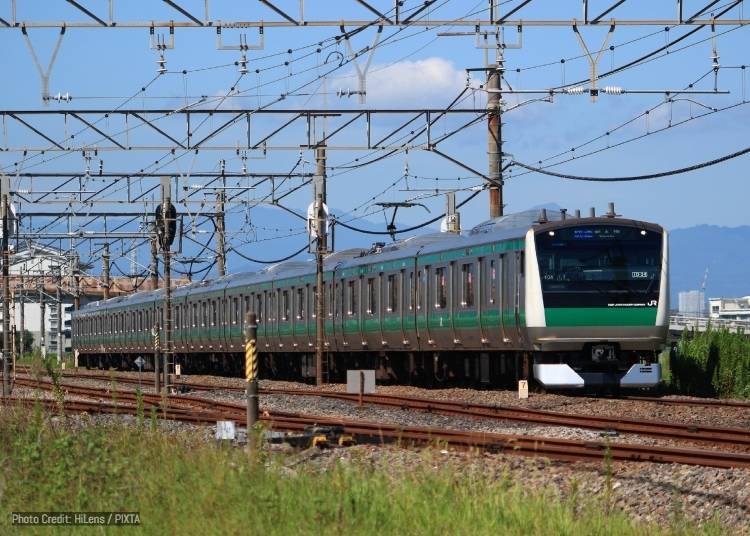
On city trains and commuter lines, luggage space is limited. Overhead racks are available for small to medium-sized bags. If you are carrying a large suitcase, you will need to place it on the floor beside you and make sure it does not block the aisle, especially during busy hours. If you have a large backpack, it is best to take it off and hold it in front of you to avoid bumping into other passengers or taking up too much space.
Shinkansen and private limited express trains are more accommodating. Most cars have designated luggage areas near the doors or at the end of the car, making it easier to store larger bags.
Important Oversized Luggage Rules for the Tokaido, Sanyo, and Kyushu Shinkansen
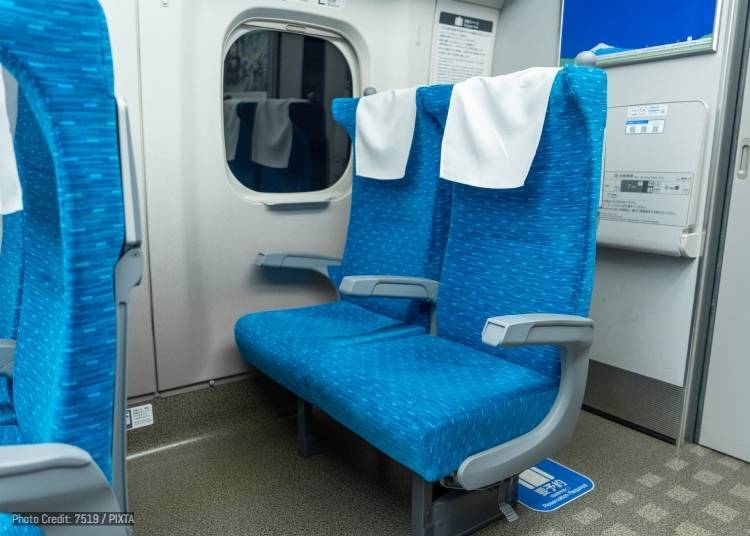
“Oversized luggage” refers to any bag with a combined length, width, and height of more than 160 centimeters and up to 250 centimeters. When traveling on the Tokaido, Sanyo, or Kyushu Shinkansen routes (Tokyo to Shin-Osaka to Hakata to Kagoshima-Chuo), you must reserve a special seat with an oversized luggage space in advance. Your bag will be stored in the dedicated area located behind that seat.
If you bring oversized luggage without a reservation, you may be asked to pay an additional handling fee, such as 1,000 yen, and the train staff may not be able to secure space for your bag. During peak travel seasons, it is best to book early to avoid any issues.
Other Lines and Important Notes:
The Tohoku and Hokkaido Shinkansen lines do not require advance reservations for oversized luggage. You can place your bags on the standard overhead racks or in the open space at the ends of the cars. Please note that Green Cars often have footrests, which means there is usually not enough room at your feet to store luggage.
Safety Tip:
Always make sure the train staff knows where your luggage is. For safety reasons, unattended bags may be removed.
▼ Read More About Shinkansen Luggage Rules ▼
5. Luggage Delivery Services: Travel Light and Enjoy Your Trip
If traveling with heavy luggage feels like a hassle, Japan’s well-developed luggage delivery services can make your journey much easier. Travelers typically use these services in three common situations.
a. Sending Your Luggage from One Hotel to Another
This is one of the most common and convenient services for travelers in Japan. Major providers include Yamato Transport (Kuroneko) and Sagawa Express. You can simply fill out a shipping slip at your hotel front desk and pay the fee there. The cost to send one standard suitcase is usually between 1,800 yen and 2,500 yen depending on the size.
Keep in mind that delivery usually takes one full day. You will need to send your luggage the night before so it arrives in time for your next hotel check-in. Be sure to inform the receiving hotel that your luggage will be delivered to avoid any issues. Prices may vary based on the hotel, the size of your luggage, and whether you choose regular or express delivery. This service is not recommended for short overnight trips.
b. Sending Your Luggage from Your Hotel to the Airport
This is one of the most popular options when leaving Japan because it allows you to travel to the airport with ease. The service is offered by major delivery companies and airport operators such as JAL ABC. The cost to send one standard suitcase is usually between 2,500 yen and 3,500 yen depending on size and delivery time.
To make sure your luggage reaches the airport before your flight, you will need to send it one to two days in advance depending on your hotel’s location and the distance to the airport. Always confirm with your hotel whether the service is available and allow enough time for delivery.
c. Sending Your Luggage from a Convenience Store to Your Hotel
If you have just arrived in Japan or suddenly find yourself needing to ship your luggage while out and about, convenience stores are a great option. Most major chains such as FamilyMart and 7-Eleven partner with Yamato Transport or Sagawa Express. Simply bring your bag to the counter and the staff will measure it, print the shipping slip, and handle the payment. The cost to send one standard suitcase is usually between 1,800 yen and 2,500 yen, similar to hotel-to-hotel delivery.
The process works much like sending from a hotel, and delivery to your destination hotel typically takes one full day.
d. Premium Service: Same-Day Delivery Between Tokyo and Kyoto with “LUGGAGE EXPRESS”
If you are traveling between Tokyo and Kyoto and want your luggage to arrive on the same day, the “LUGGAGE EXPRESS” service offered by JTB and JR Central is an excellent choice. This service uses dedicated business space on the Tokaido Shinkansen to make same-day delivery possible, allowing you to send your bags in the morning and pick them up later that same day.
Service coverage focuses on the core of Japan’s Golden Route and is available between select hotels in Tokyo and Kyoto, with service counters also located at Tokyo Station and Kyoto Station. Reservations and payment can be made easily through the multilingual website. Please note that bookings are accepted only until 8 AM on the day of delivery, and your luggage must be dropped off at your hotel front desk by 9 AM.
▼ Read More About “LUGGAGE EXPRESS” ▼
▼ You May Be Interested in Booking ▼
Traveling in Japan no longer means being weighed down by your luggage. To enjoy a smooth and stress-free trip, keep two key principles in mind. First, if you are carrying oversized bags and plan to use Shinkansen routes such as the Tokaido Line, be sure to reserve an oversized luggage space online in advance to follow current regulations. Second, take full advantage of Japan’s efficient luggage delivery services, which allow you to send your bags directly from one hotel to the next or straight to the airport. This saves you from navigating crowded trains with heavy suitcases. With a bit of smart planning and the right services, you can free up your hands and focus entirely on the experiences that make Japan unforgettable.

▼ 你有可能有興趣訂購 ▼

*Prices and options mentioned are subject to change.
*Unless stated otherwise, all prices include tax.
Popular Tours & Activitiess
Recommended places for you
-
ISHIDAYA Hanare
Yakiniku
Kobe, Sannomiya, Kitano
-
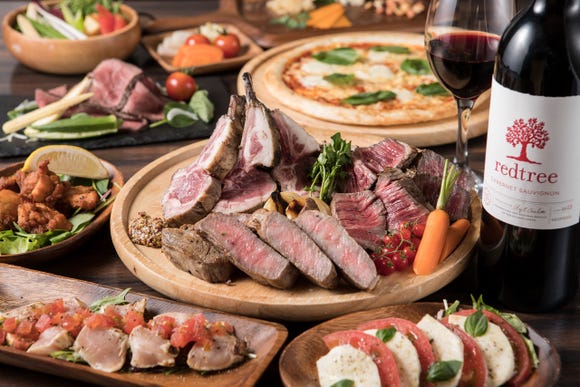
Jukuseiniku-to Namamottsuarera Nikubaru Italian Nikutaria Sannomiya
Izakaya
Kobe, Sannomiya, Kitano
-
Goods
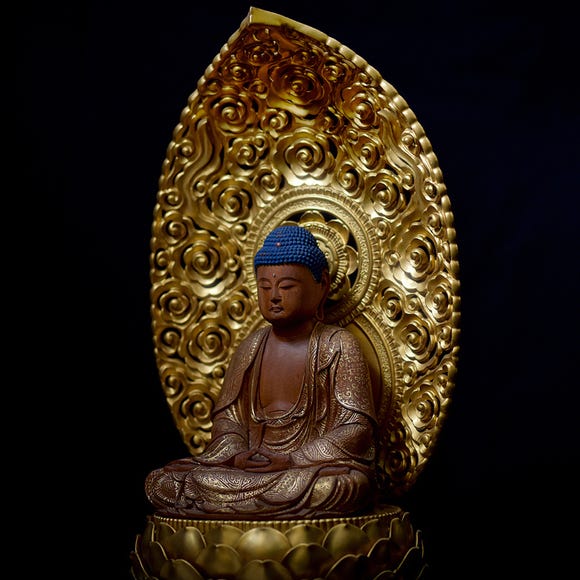
Yoshida Gennojo-Roho Kyoto Buddhist Altars
Gift Shops
Nijo Castle, Kyoto Imperial Palace
-

Kanzenkoshitsuyakinikutabehodai Gyugyu Paradise Sannomiya
Yakiniku
Kobe, Sannomiya, Kitano
-
Appealing
Rukku and Uohei
Izakaya
Sapporo / Chitose
-
Kambei Sannomiyahonten
Yakiniku
Kobe, Sannomiya, Kitano
-

[Extended Offer!](12% OFF KKday Coupon) Mt. Fuji Autumn Leaves, Powder Snow & More! 15 Best Tours to Experience Japan in Fall & Winter
-
New Seibu L00 Series Launching in 2026! What to See Along the Tokyo-Area Golden Route
by: Guest Contributor
-
Keisei × Keikyu 16-Temple Goshuin Tour: Discover Deeper Tokyo & Yokohama
by: Guest Contributor
-

Strawberries, Style, and Tokyo’s Coolest Neighborhood: Winter Afternoon Tea in Kichijoji
by: Guest Contributor
-
Ad

(Opening in Jan 2026) 'THE SUMO LIVE RESTAURANT HIRAKUZA GINZA TOKYO!' 5 Exciting Ways to Experience the World of Sumo!
-
Tokyo City Pass Upgrade: Harry Potter Studio Tour & Top Sights up to 85% Off
by: Guest Contributor
-
Osaka Travel Service Center: So Many Incredibly Convenient Services - in English!
by: WESTPLAN
-
Sapporo New Chitose Airport (CTS): Complete Guide to Restaurants, Souvenirs, Shopping & More!
-
2025 Cherry Blossoms in Kobe: 10 Best Viewing Spots & Festival Dates
by: Guest Contributor
-
10 Best Hotels Near Sendai Station: Picks Under $100
-
Where You Should Stay in Ueno: Best Areas & 16 Hotels for First-Time Visitors
-
Hokkaido Lavender Fields: 6 Best Places in Furano to See Japan's Dreamiest Purple Meadows
by: Nobuka Kawashima
- #best sushi japan
- #what to do in odaiba
- #what to bring to japan
- #new years in tokyo
- #best ramen japan
- #what to buy in ameyoko
- #japanese nail trends
- #things to do japan
- #onsen tattoo friendly tokyo
- #daiso
- #best coffee japan
- #best japanese soft drinks
- #best yakiniku japan
- #japanese fashion culture
- #japanese convenience store snacks