The oldest Buddhist temple in Tokyo best known by the Kaminarimon Gate is one of the must-visit places in Tokyo. On Nakamise Street, you can enjoy souvenir shopping and snack-joint hopping.
Shingon Sect Temple in Setagaya, Tokyo. Tamagawa 88 Sacred Sites. Kanto Sacred Site consisting of temples for 33 Bokefuji Kannon Pilgrimage.
A temple that has long protected Arima Onsen
The head temple of the Shingon Sect's Omuro School. Holding a long association with the Imperial Household, the temple is also well known for its late-blooming cherry trees called Omuro-zakura.
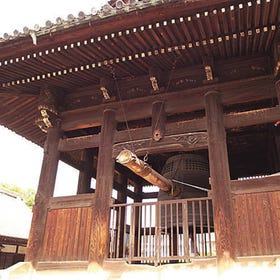
Famous for the bell that angered Ieyasu
Worshipers are charmed by the many flowers and large Kannon statue
The head temple of the Rinzai sect, known as the highest-ranked Zen temple in Japan.
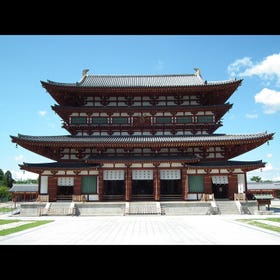
A temple built upon the request of Emperor Tenmu during the Hakuho Period. Reconstructed in recent years, the temple structures showcase beautiful, vibrant colors.
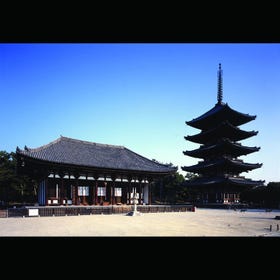
A large temple in Nara featuring many structures that illustrate the culture from the Tempyo Period. It is designated as a UNESCO World Heritage Site.
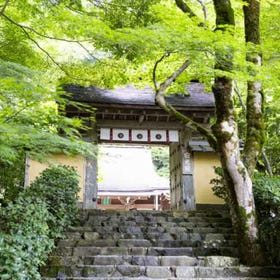
The scattered fallen leaves in autumn are beautiful
Nara's symbol, the world's largest bronze statue of Rushana Daibutsu is seated in the Great Buddha Hall located in the vast grounds. The temple has been designated as a World Heritage site.
An ancient temple supported by common people
A little-known temple hidden deep in the mountains
A Tendai sect temple with the magnificent natural monument, Yoryu no Matsu
Magnificent views await at the end of the 1,015-step climb
A famous location for autumn leaves, connected to Kukai (Kobo-daishi)
This temple is one of the Three Mountains of the Kanto region for the Chisan sect of Shingon Buddhism and is well-known as a temple to ward off evil. Enjoy the shops in the surrounding streets after attending a Goma Rite (a ceremony in which Goma wood is burned in a fireplace on the Goma platform).
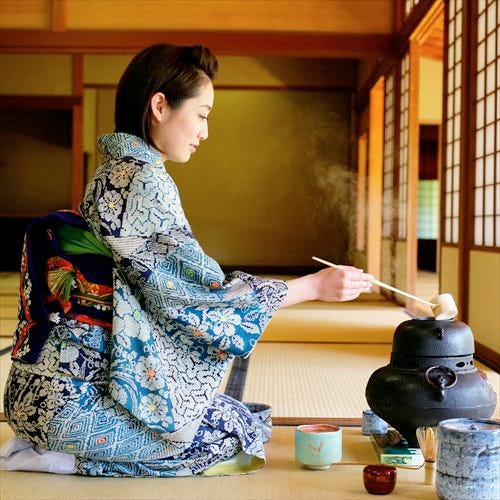
Indulge in tea while gazing at the garden
The nation’s head Koyasan Shingon-shu temple
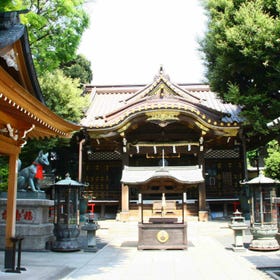
A soto-zen Buddhist temple, better known as Toyokawa Inari, which had been worshiped by both the mighty warriors of each era and common people of Edo-Tokyo. You can make a pilgrimage to the seven lucky gods and enjoy viewing lit paper lanterns.