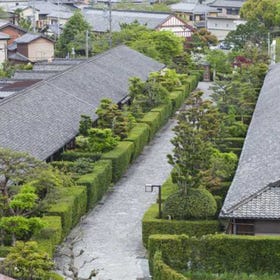
Learn about the defenses of this castle town and building fireproofing
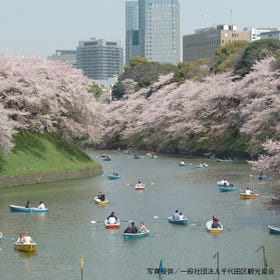
The Chidori-ga-fuchi Moat is located northwest of the Imperial Palace. The nature-rich sidewalk along the moat is called the Chidori-ga-fuchi Ryokudo (a green road), which runs for 700 meters. It is one of the most famous cherry blossom viewing sites in Japan.
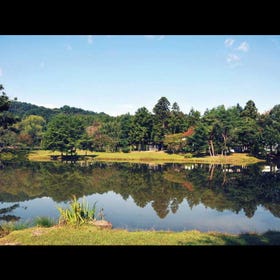
Jodo Teien that has remained almost unchanged
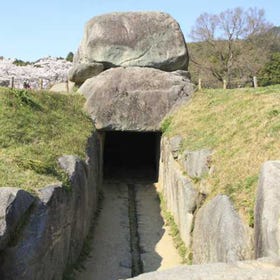
This tomb is sealed by a giant rock weighing 2,300 tons
Here at Shoren-in Temple, Emperor Kanmu prayed for peace for the capital and buried a shogun statue inside its burial mound
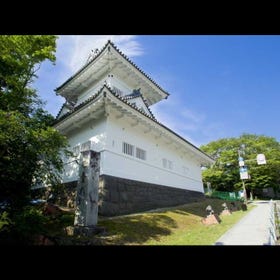
Ruins of the Sendai clan castle built by Date Masamune, who owned 620,000 koku
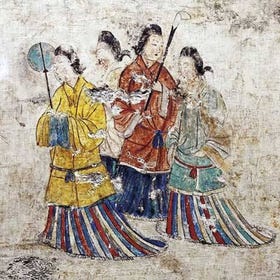
A wall painting of a beautiful woman was discovered here
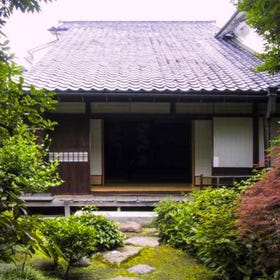
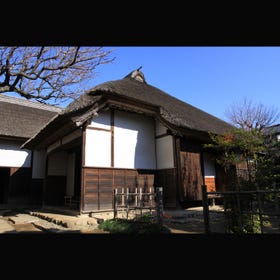
Some of the samurai houses dating back to the Edo Period (1600/1603-1868) still remain in the castle town Sakura (Chiba), a place where you can get a glimpse of the daily lives of the samurai.
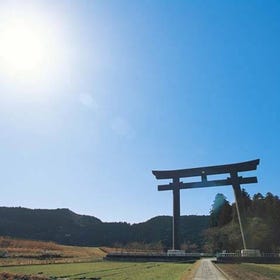
The remains of Kumano Taisha Shrine, the birthplace of the Kumano faith
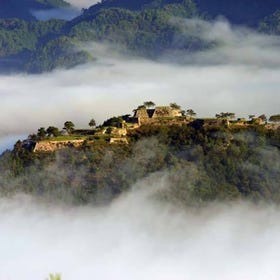
One of the most outstanding castle ruins in all of Japan
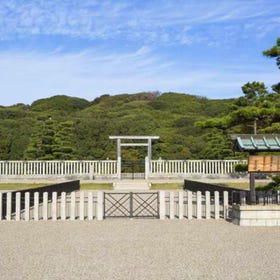
One of the world’s largest tombs built around the mid-fifth century
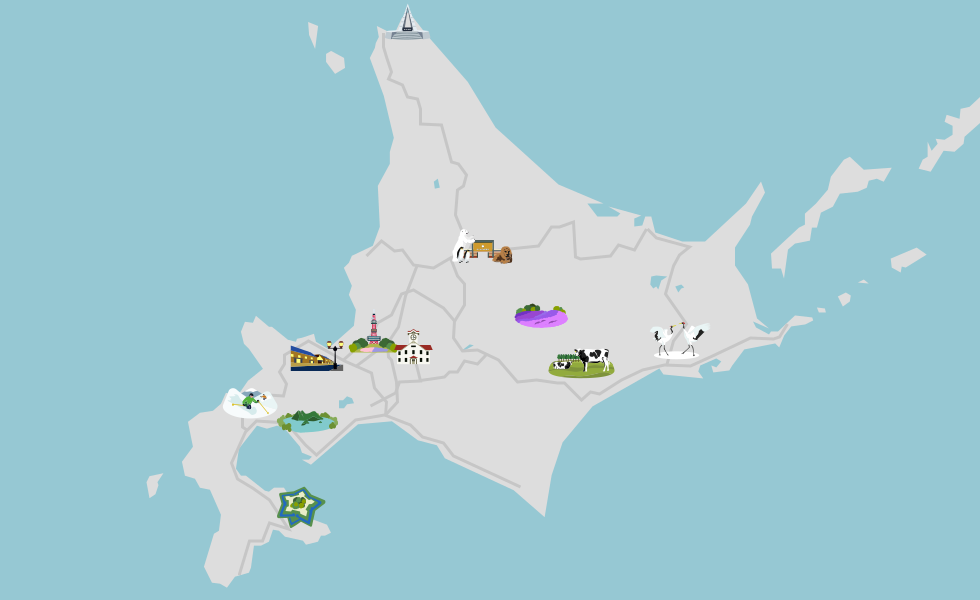
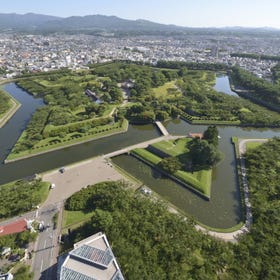
A star-shaped fort with the first French-style fortifications in Japan. The Battle of Hakodate took place here, and it's now open to the public as a park.
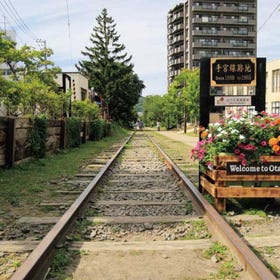
Hokkaido's oldest railway played an important role during the frontier age
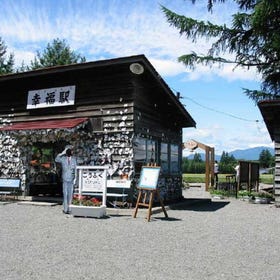
Tourists like journey here for their own ”start to happiness” (kofuku)
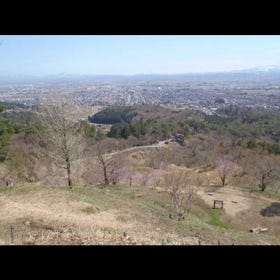
The site of the former mountain castle once considered impregnable
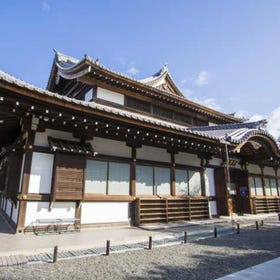
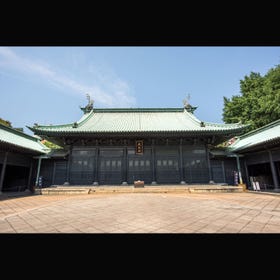
Yushima Seido is a temple whose traditions as a place of study have been handed down to posterity. It is well-known as the birthplace of modern Japanese education.
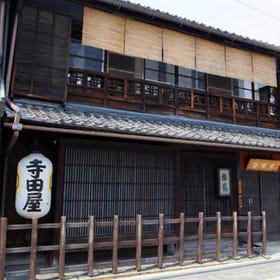
The beloved boathouse of Ryoma Sakamoto
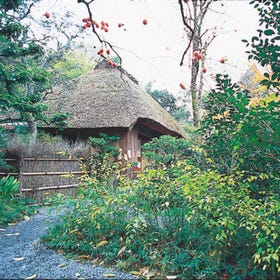
The hermitage written about in ”Saga Nikki”
It is a 106-meter-long zenpo-koen-fun that is a mound shaped like a keyhole. This tumulus is the largest in Tokyo and is said to have been built in the 5th century.
An estate where Kishu samurai resided