



18 Best Things to Do in Nagoya & Aichi: Attractions, Food, Events & Itineraries
- Written by: LIVE JAPAN Editor
Nagoya sometimes gets squeezed between Tokyo and Kyoto on first-time Japan itineraries, but give the city a day or two and you may wonder why more travelers do not stop here.
Aichi Prefecture's capital mixes samurai history, Toyota engineering, one of Japan's biggest aquariums, lively shopping districts, distinctive local food, and easy access to attractions such as Ghibli Park. Better still, many of Nagoya's highlights are relatively spread out without feeling overwhelming, making the city surprisingly comfortable to explore.
This guide covers the best things to do in Nagoya itself, worthwhile places elsewhere in Aichi Prefecture, local foods to try, seasonal events, and suggested itineraries for one to three days.
This article contains affiliate links
- Table of Contents
-
- Nagoya at a glance: What is the city famous for?
- Best things to do in Nagoya
- Best things to do around Aichi Prefecture near Nagoya
- Nagoya food: What should you eat?
- Major events and festivals in Nagoya
- How to plan sightseeing by area
- How to get to Nagoya
- Getting around Nagoya
- Where is the best area to stay in Nagoya?
- Why Nagoya deserves a place on your Japan itinerary
- Recommended Tours From Nagoya
Nagoya at a glance: What is the city famous for?
Nagoya is Japan's fourth-largest major urban center and the capital of Aichi Prefecture, roughly midway between Tokyo and Osaka along the Tokaido Shinkansen.
Historically, the region was closely connected with three of Japan's most famous samurai leaders: Oda Nobunaga, Toyotomi Hideyoshi, and Tokugawa Ieyasu. That history is still visible at Nagoya Castle, Atsuta Jingu, the Tokugawa Art Museum, and other sites around the city.
Modern Nagoya is just as strongly associated with manufacturing. Toyota grew out of Aichi, and museums devoted to automobiles, machinery, railways, and science are among the city's strongest attractions.
Then there is the food. Nagoya has developed a culinary identity distinctive enough to have its own informal category, Nagoya-meshi, covering everything from grilled eel and red-miso pork cutlets to chewy flat noodles and spicy chicken wings.
Nagoya’s location makes it one of central Japan’s most useful transport hubs. From here, travelers can continue north toward Takayama, Shirakawa-go, and the Japanese Alps, or south into Mie Prefecture for Ise Jingu, Ise-Shima, and other coastal destinations.
This also makes Nagoya a natural place to spend one or two nights between major legs of a Japan trip rather than simply passing through Nagoya Station.

How many days do you need in Nagoya?
One day is enough to cover several central attractions, particularly if you focus on Nagoya Castle, Osu, Sakae, or the Nagoya Station area.
Two days lets you add larger attractions such as the Port of Nagoya Public Aquarium, Toyota Commemorative Museum of Industry and Technology, or SCMAGLEV and Railway Park without constantly watching the clock.
This also works particularly well if you want to spend one day outside central Nagoya at Ghibli Park, Inuyama, Meiji Mura, Tokoname, or elsewhere in Aichi Prefecture.
Best things to do in Nagoya
1. See Nagoya Castle and the magnificent Hommaru Palace
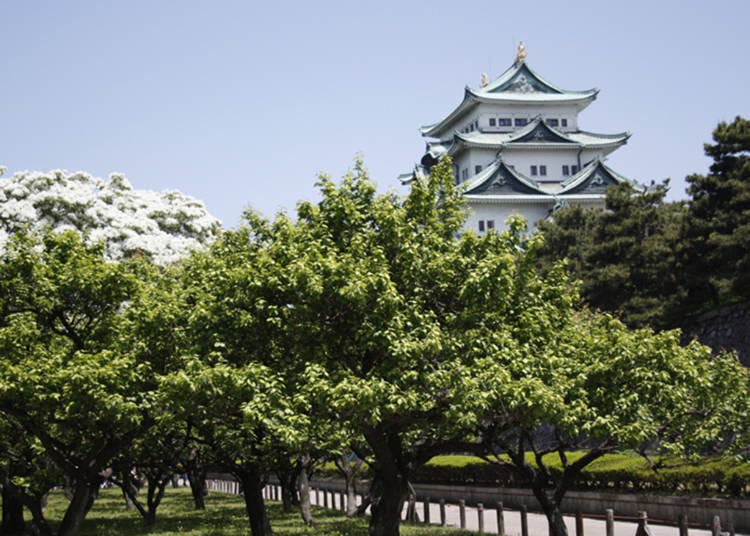
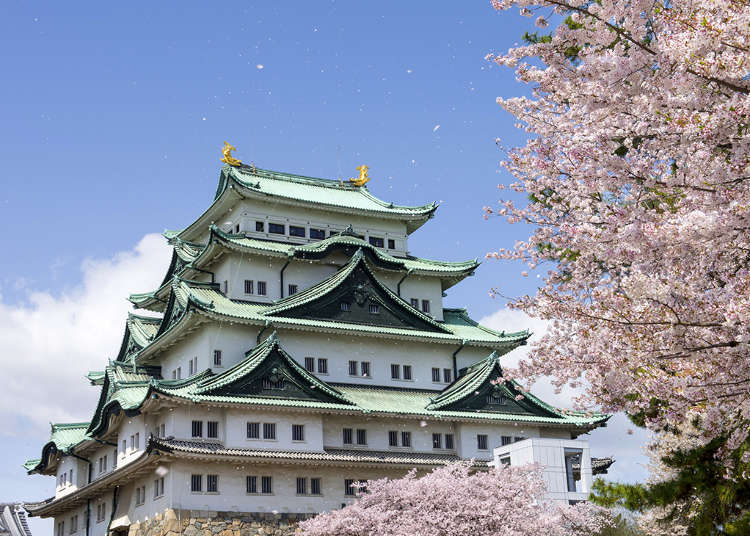
Nagoya Castle was constructed in the early 17th century under Tokugawa Ieyasu and became the seat of the Owari branch of the Tokugawa family. Its enormous stone walls, corner watchtowers, moats, and famous golden shachihoko roof ornaments still make it one of the city's defining landmarks.
Much of the original castle complex was destroyed during World War II, including the main tower and Hommaru Palace. The palace was later painstakingly reconstructed using historical documents, photographs, plans, and traditional techniques, reopening fully in 2018.
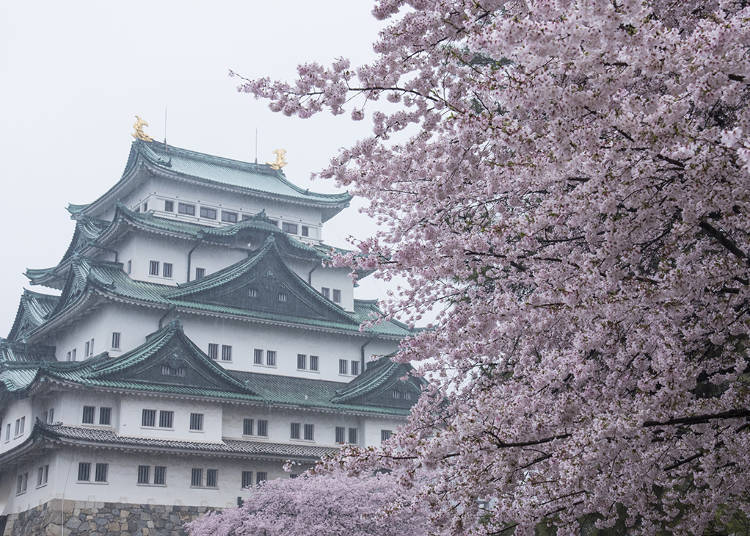
Inside, rooms decorated with brilliant gold-leaf paintings give a much clearer impression of how powerful feudal lords received important guests than the exterior alone. Note that the reconstructed main tower keep is currently closed to visitors, so the Hommaru Palace is the main interior highlight.
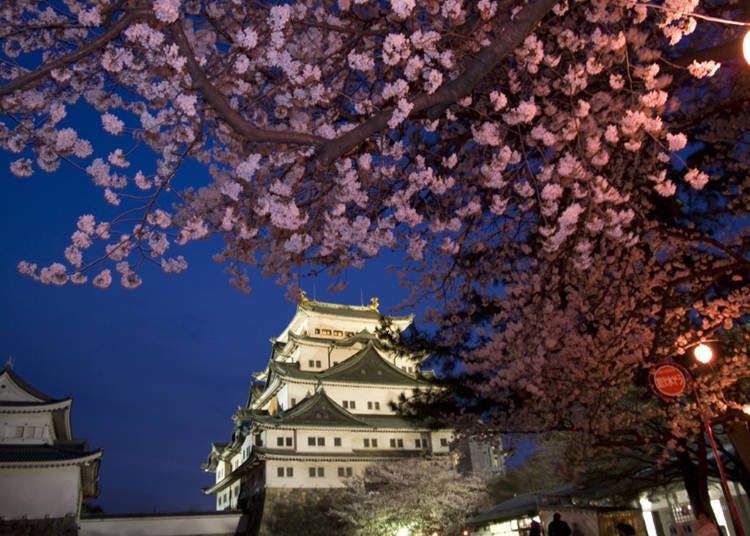
Allow time to walk the grounds as well, particularly during cherry blossom season and autumn.
Good for: History, samurai culture, architecture
-
Nagoya Castle名古屋城
-
Address
1-1 Honmaru, Naka Ward, Nagoya, Aichi 460-0031
View Map
-
Address
1-1 Honmaru, Naka Ward, Nagoya, Aichi 460-0031
2. Visit Atsuta Jingu, one of Japan's most important shrines
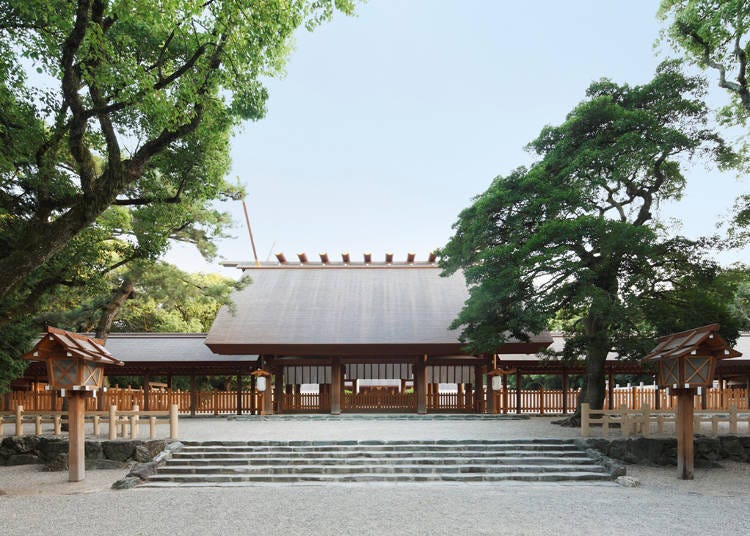
Attracting a steady flow of 7 million devotees annually, Atsuta Jingu feels surprisingly removed from the surrounding city. Paths shaded by mature trees lead through the large shrine grounds, giving the area a calm, wooded atmosphere despite its urban location.
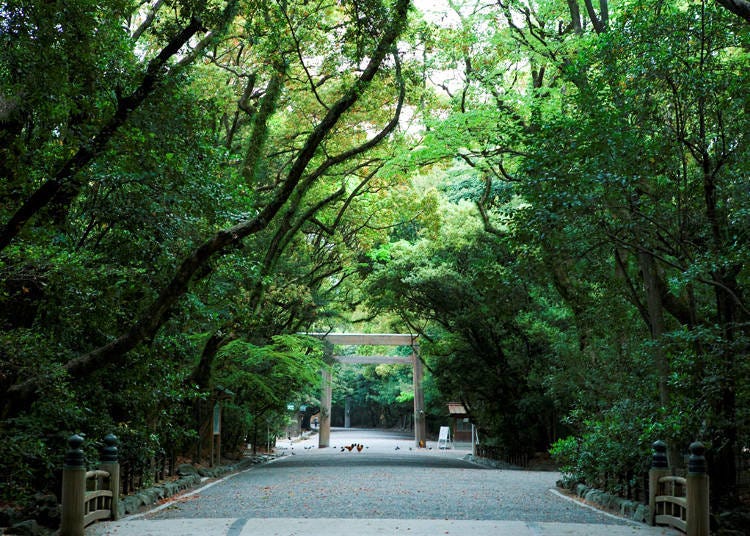
The shrine has a history extending back nearly 2,000 years and is traditionally associated with Kusanagi-no-Tsurugi, one of the Three Sacred Treasures of Japan. The sacred sword itself is not displayed to the public, but Atsuta Jingu has long held enormous religious and historical importance.
Its treasury and cultural facilities preserve swords, garments, manuscripts, masks, ceremonial objects, and other items donated to the shrine over the centuries. Another small historical curiosity is the Nobunaga Wall, said to have been donated by Oda Nobunaga following his victory at the Battle of Okehazama in 1560.
Atsuta Jingu combines easily with nearby Shirotori Garden and a hitsumabushi lunch.
Good for: Shrines, history, quiet walks
-
Atsuta Jingu熱田神宮
-
Address
1 Chome-1-1 Jingu, Atsuta Ward, Nagoya, Aichi 456-8585
View Map
-
Address
1 Chome-1-1 Jingu, Atsuta Ward, Nagoya, Aichi 456-8585
3. Discover how Toyota went from weaving looms to cars
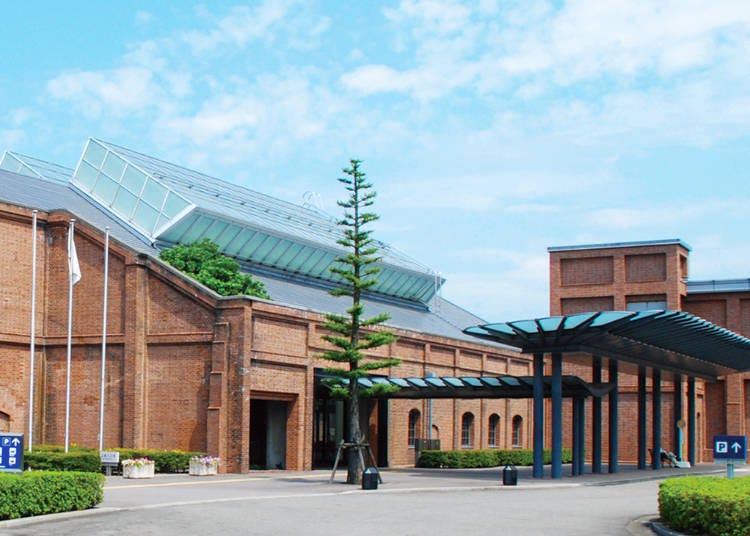
The Toyota Commemorative Museum of Industry and Technology occupies red-brick factory buildings connected with the company's early textile business.
That setting matters because Toyota did not begin as an automaker. The museum starts with spinning and weaving machinery before gradually showing how the company's engineering knowledge developed into automobile production.
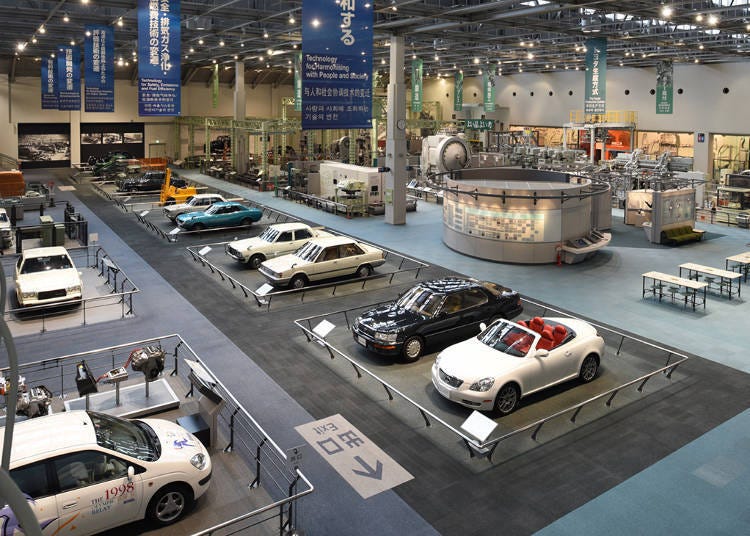
Working machinery and live demonstrations make the museum much more engaging than a simple collection of old equipment. Visitors can watch large looms operate, examine engines and manufacturing systems, and follow how Toyota refined production techniques over time.

Even travelers who have little interest in cars may find the transition from textile machinery to one of the world's best-known automobile companies unexpectedly fascinating.
Good for: Engineering, cars, industrial history, rainy days
-
Toyota Commemorative Museum of Industry and Technologyトヨタ産業技術記念館
-
Address
4 Chome-1-35 Noritakeshinmachi, Nishi Ward, Nagoya, Aichi 451-0051
View Map
-
Address
4 Chome-1-35 Noritakeshinmachi, Nishi Ward, Nagoya, Aichi 451-0051
4. Explore samurai treasures at the Tokugawa Art Museum
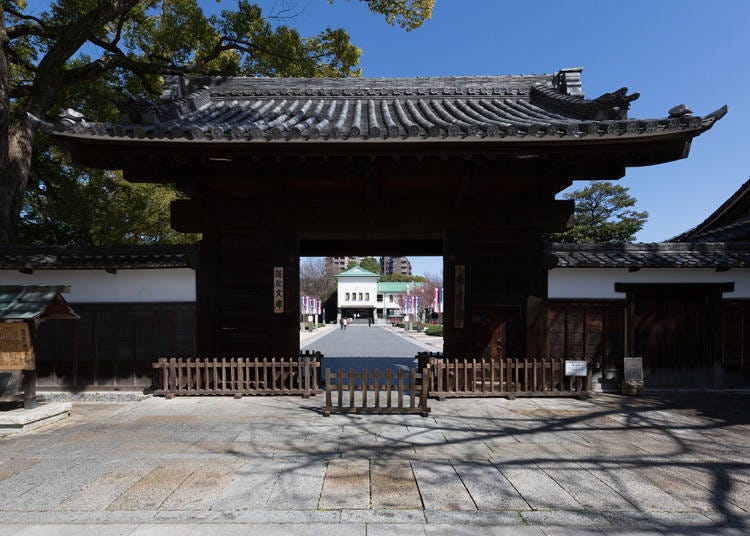
The Tokugawa Art Museum houses objects inherited by the Owari Tokugawa family, one of the most powerful branches of the Tokugawa clan.
Its collection includes samurai armor and swords, tea ceremony utensils, Noh costumes, calligraphy, furnishings, and other objects connected with elite life during the Edo period. Among its best-known holdings are sections of the illustrated Tale of Genji scrolls, designated National Treasures.
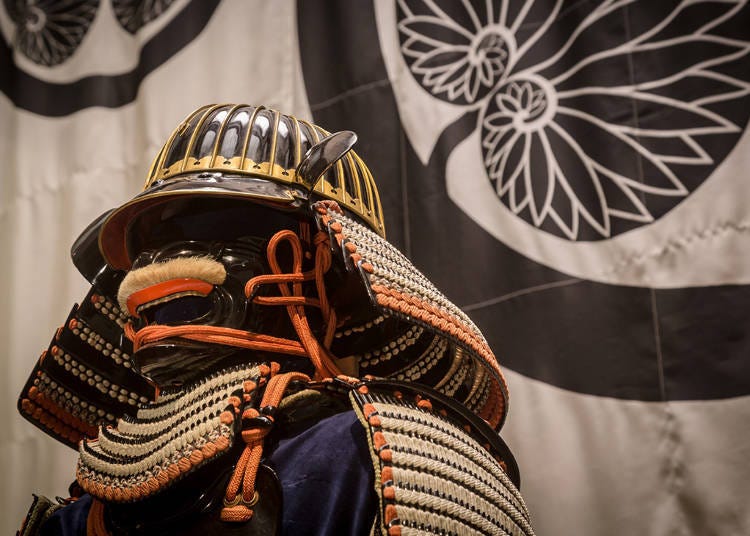
Unlike a broad history museum, this collection lets visitors see the actual objects used and treasured by one of Japan's great feudal families.
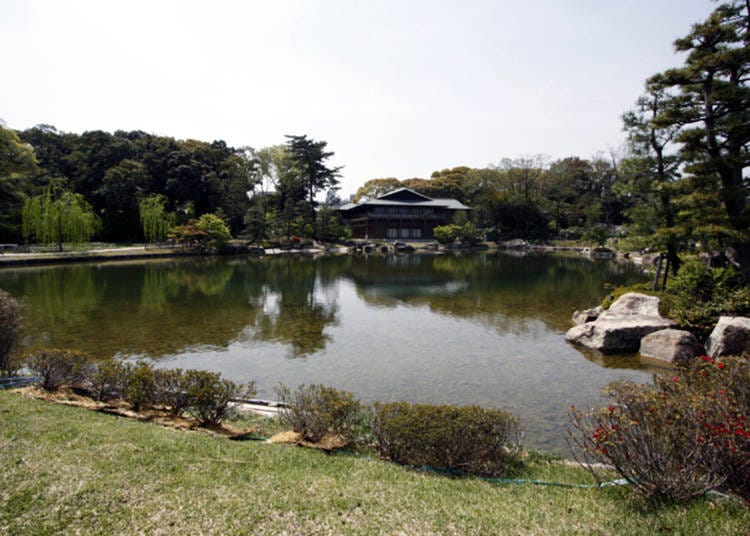
Next door, Tokugawaen offers a complete change of pace. The landscaped garden surrounds a large pond with waterfalls, bridges, seasonal plantings, and winding paths.
Visiting both together creates one of Nagoya's strongest combinations of history, art, and traditional landscape design.
Good for: Samurai history, Japanese art, gardens
-
The Tokugawa Art Museum徳川美術館
-
Address
1017 Tokugawacho, Higashi Ward, Nagoya, Aichi 461-0023
View Map
-
Address
1017 Tokugawacho, Higashi Ward, Nagoya, Aichi 461-0023
5. Eat, shop, and wander through Osu Shopping District
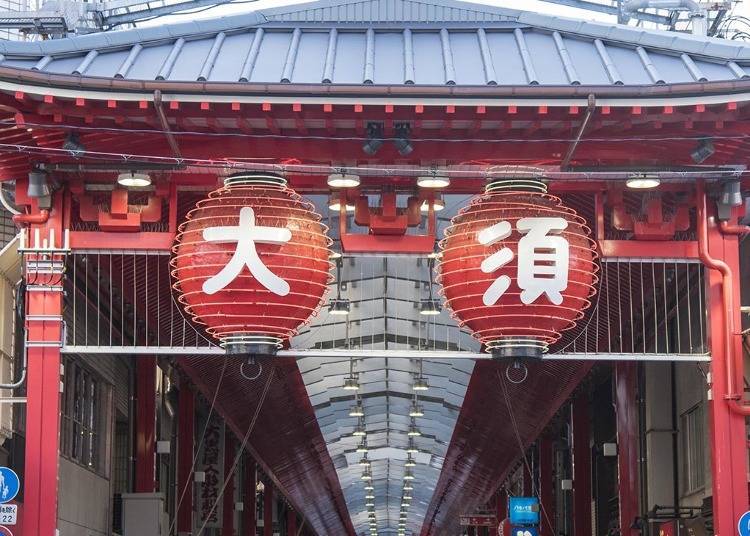
Wear comfortable shoes when you go to the Osu shopping district! Osu is one of Nagoya's best areas for aimless wandering.
Its covered shopping arcades contain an eclectic mix of around 1,200 stores including vintage clothing shops, electronics stores, street food, cafes, anime and gaming shops, religious goods, secondhand stores, and small independent businesses.
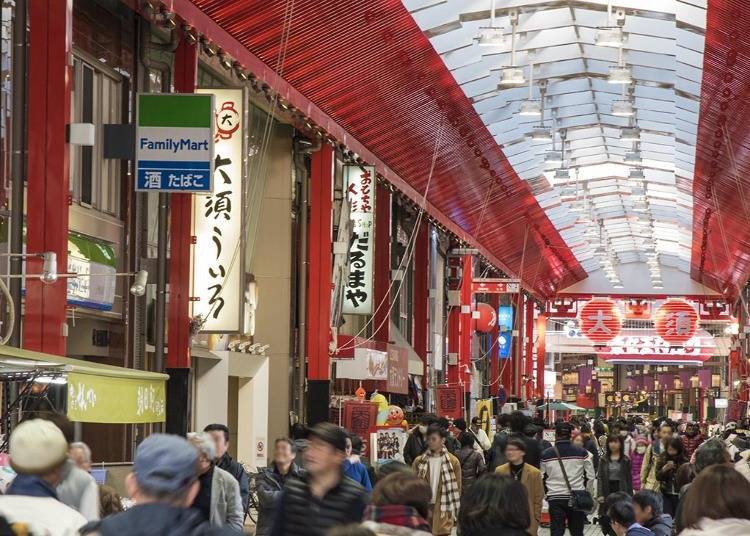
That mixture is what gives Osu much of its personality. One minute you may be standing in front of Osu Kannon temple, and a few minutes later browsing retro games or eating something on a stick.
The district also hosts some of Nagoya's liveliest events, including cosplay gatherings, summer celebrations, and the eccentric Osu Daido-chonin Festival.
Allow at least a couple of hours if you enjoy shopping. It is very easy to lose track of time here.
Good for: Street food, shopping, pop culture, people-watching
-
Osu Shopping district大須商店街
-
Address
Naka Ward, Nagoya, Aichi 460-0000
View Map
-
Address
Naka Ward, Nagoya, Aichi 460-0000
6. Walk across the glass-roofed Oasis 21
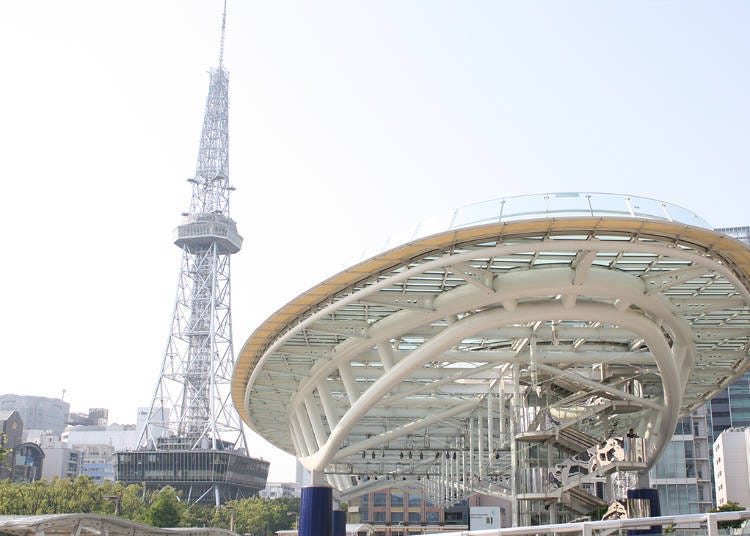
Oasis 21 is one of the most recognizable modern landmarks in central Nagoya and an easy stop while exploring Sakae.
Its defining feature is the futuristic Spaceship Aqua, a huge elevated glass roof covered with a shallow layer of water. Visitors can walk around the perimeter roughly 14 meters above ground level, looking across the surrounding city while light reflects through the water overhead.
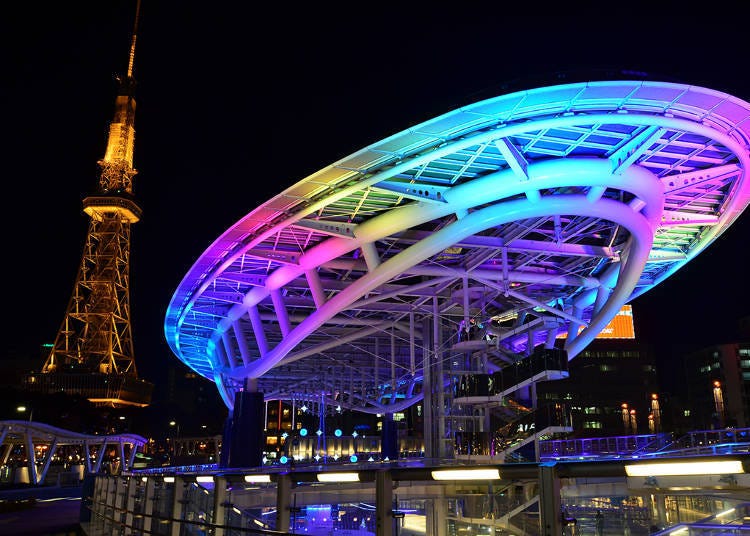
Below it is the Field of Green, while shops, restaurants, event spaces, and transport facilities occupy the lower levels.
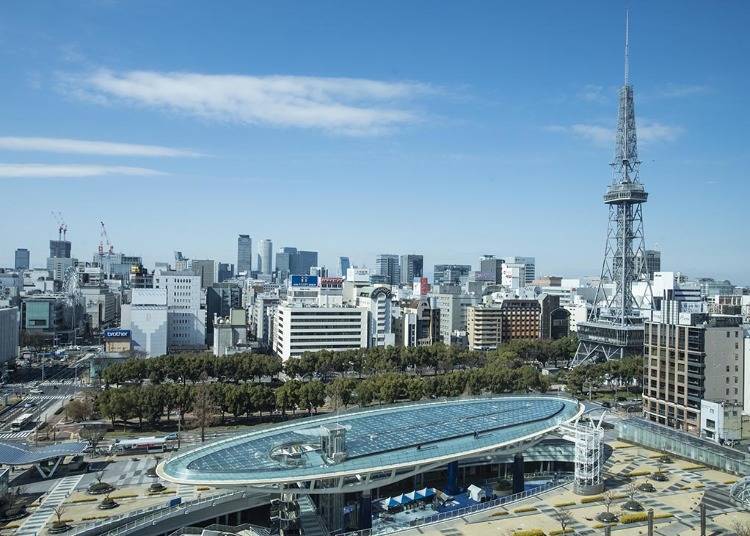
Oasis 21 is especially attractive after dark, when the roof is illuminated and the nearby MIRAI TOWER forms part of the same skyline.
Good for: Architecture, photography, evening sightseeing
-
Oasis 21オアシス21
-
Address
1 Chome-11-1 Higashisakura, Higashi Ward, Nagoya, Aichi 461-0005
View Map
-
Address
1 Chome-11-1 Higashisakura, Higashi Ward, Nagoya, Aichi 461-0005
7. See Nagoya from above at Chubu Electric Power MIRAI TOWER
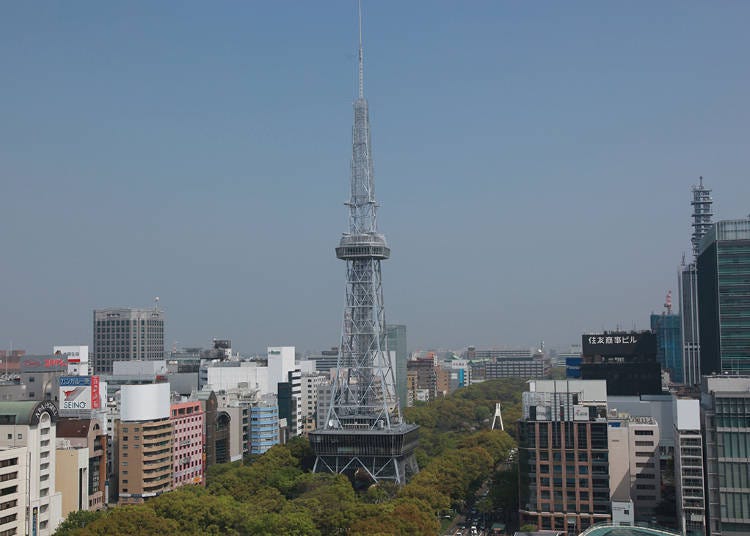
Standing immediately beside Hisaya-odori Park, Chubu Electric Power MIRAI TOWER has been part of Nagoya's skyline since 1954.
Originally known as Nagoya TV Tower, it was Japan's first consolidated radio tower and remains one of the city's most recognizable landmarks. Observation areas at approximately 90 and 100 meters provide broad views over Sakae and the surrounding city, with distant mountains visible on clear days.
The tower is particularly worthwhile around sunset, when you can watch Nagoya shift from daylight into a grid of illuminated streets.
Because Oasis 21, MIRAI TOWER, Hisaya-odori Park, department stores, restaurants, and nightlife are all close together, Sakae is one of the easiest parts of Nagoya to explore into the evening.
Good for: City views, couples, night photography
-
Nagoya TV Tower中部電力 MIRAI TOWER (名古屋テレビ塔)
-
Address
3 Chome-6-15-Saki, Nishiki, Naka Ward, Nagoya, Aichi 460-0003
View Map
-
Address
3 Chome-6-15-Saki, Nishiki, Naka Ward, Nagoya, Aichi 460-0003
8. Go inside one of the world's largest planetariums at Nagoya City Science Museum
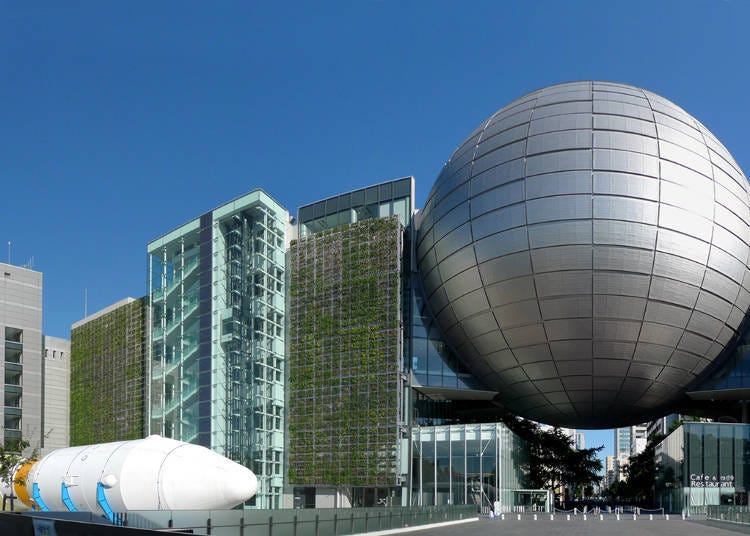
The enormous silver globe suspended above the Nagoya City Science Museum is difficult to miss. Inside is one of the world's largest planetarium domes.

The museum covers subjects including electricity, space, weather, water, physics, and the human body through hands-on exhibits designed to make science feel tangible rather than abstract.
Some of its most memorable large-scale installations demonstrate natural phenomena directly, including an artificial tornado and a room that recreates extremely cold conditions.
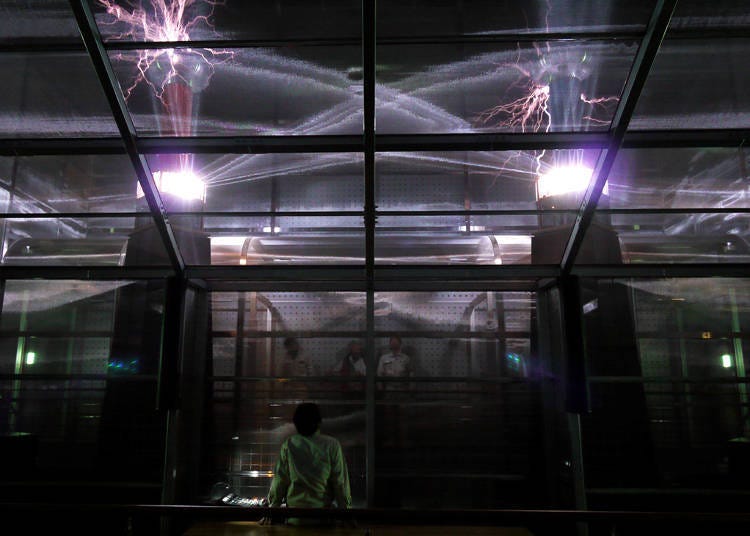
Families could comfortably spend several hours here, while the museum is also an excellent bad-weather option for adults interested in science.
Planetarium programs are especially popular, so it is worth checking ticket arrangements before visiting.
Good for: Families, science, rainy days
-
Nagoya City Science Museum名古屋市科学館
-
Address
Shirakawa Park, Forest of Art and Science, 2-17-1 Sakae, Naka-ku, Nagoya, Aichi 460-0008
View Map
-
Address
Shirakawa Park, Forest of Art and Science, 2-17-1 Sakae, Naka-ku, Nagoya, Aichi 460-0008
9. See orcas and dolphins at the Port of Nagoya Public Aquarium
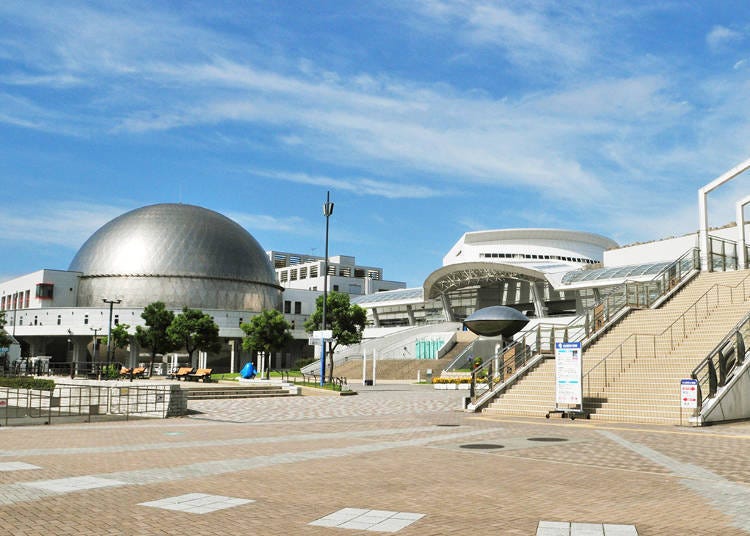
The Port of Nagoya Public Aquarium is large enough to justify a substantial portion of the day rather than being treated as a quick waterfront stop.

Its South Building follows marine environments from Japan toward Antarctica, with exhibits featuring tropical fish, coral ecosystems, deep-sea creatures, penguins, and other marine life.
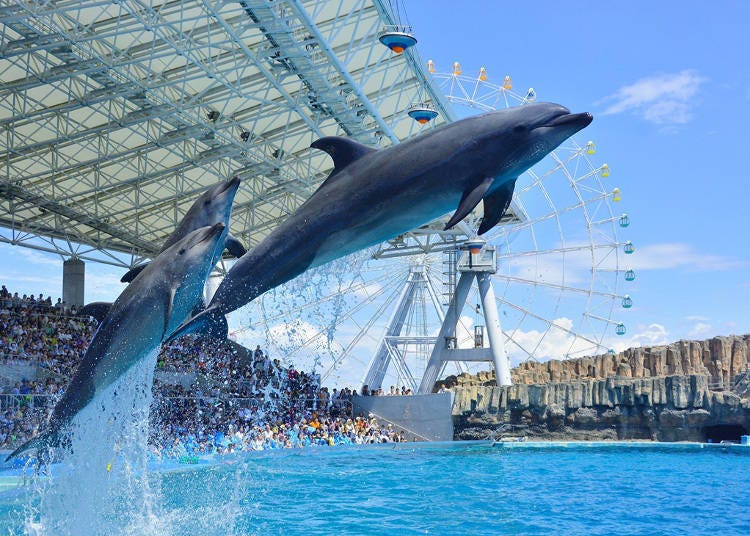
The North Building focuses heavily on large marine mammals. Dolphins, belugas, and killer whales are among its biggest draws, with enormous viewing windows and a large performance pool allowing visitors to see the animals both above and below the water.
Families should plan several hours here, particularly if they want to catch scheduled demonstrations or feeding programs.
Good for: Families, marine life, rainy days
-
Port of Nagoya Public Aquarium名古屋港水族館
-
Address
1-3 Minatomachi, Minato Ward, Nagoya, Aichi 455-0033
View Map
-
Address
1-3 Minatomachi, Minato Ward, Nagoya, Aichi 455-0033
10. Stand beside historic Shinkansen at SCMAGLEV and Railway Park
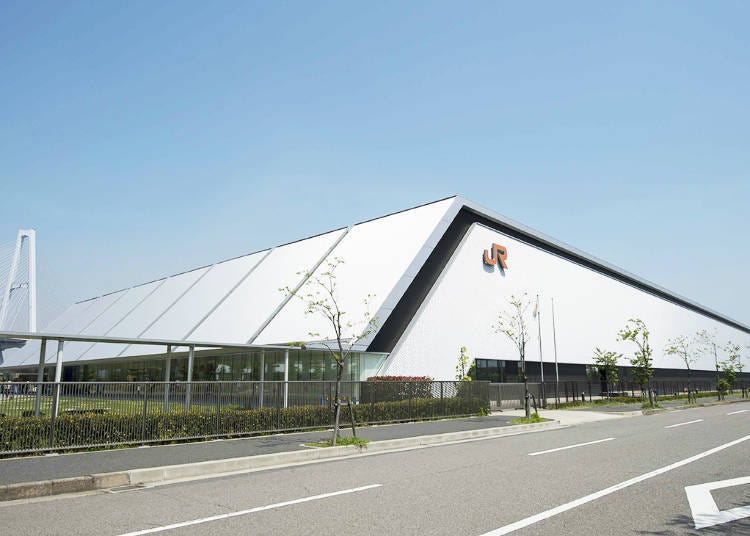
SCMAGLEV and Railway Park traces how Japanese rail travel evolved from steam locomotives to the Shinkansen and experimental superconducting maglev technology.
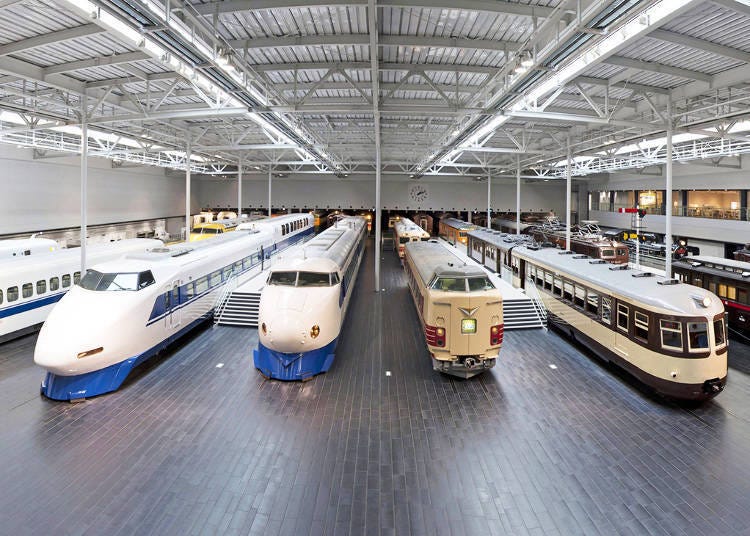
The biggest appeal is the collection of real railway vehicles. Rather than looking at trains through photographs, visitors can stand beside full-sized locomotives and Shinkansen cars from different generations.
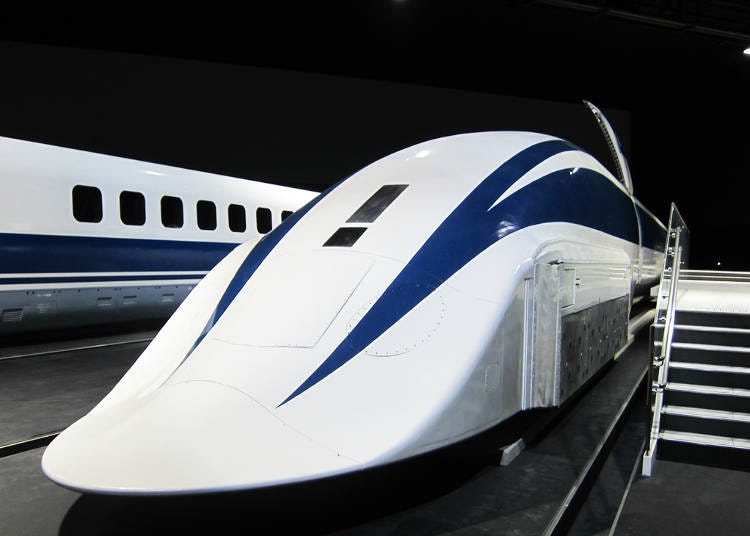
Detailed railway dioramas and driving simulators add a more interactive element, while technical exhibits explain how increasing speed, efficiency, and safety transformed rail travel in Japan.
You do not need to be a serious rail fan to enjoy the museum. Seeing early bullet trains next to later generations makes Japan's rapid technological development unusually easy to visualize.
Good for: Trains, families, technology
-
SCMaglev and Railway Parkリニア・鉄道館
-
Address
3 Chome-2-2 Kinjofuto, Minato Ward, Nagoya, Aichi 455-0848
View Map
-
Address
3 Chome-2-2 Kinjofuto, Minato Ward, Nagoya, Aichi 455-0848
11. Spend a family day at LEGOLAND Japan
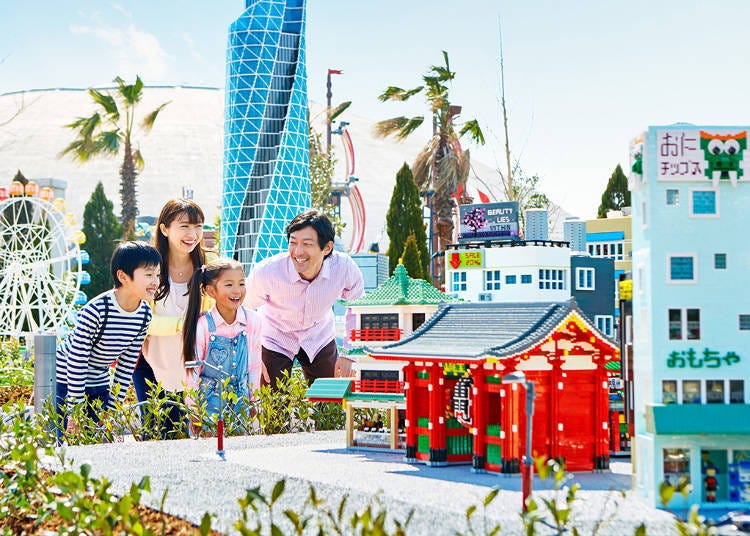
LEGOLAND Japan was designed primarily for families with younger children and is considerably easier to navigate than Japan's largest theme parks.
The park is divided into themed areas filled with LEGO models, rides, interactive attractions, play spaces, and opportunities to build.
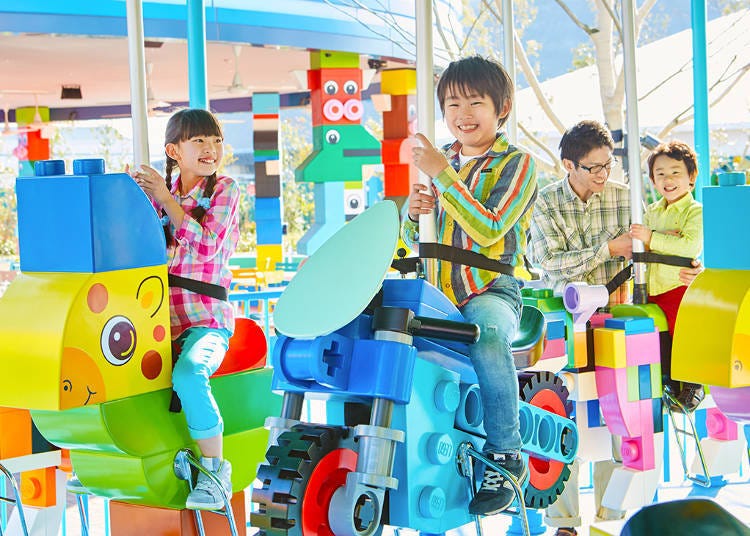
Children can drive miniature cars, explore castles, ride family-friendly attractions, and examine elaborate LEGO recreations of recognizable Japanese landmarks.
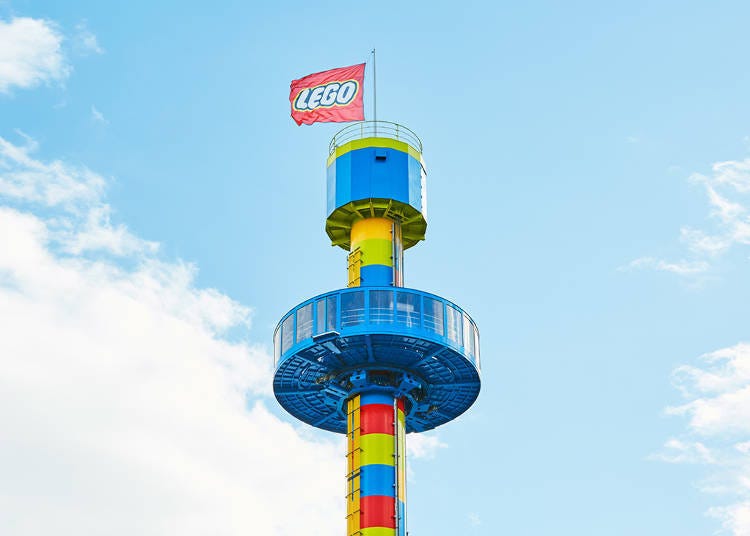
Because most attractions target elementary-school-age children and younger, families can spend a full day here without constantly dealing with rides that are too intense or unsuitable for small kids.
LEGOLAND is located at Kinjo-futo, making it convenient to combine accommodation in the area with nearby attractions such as SCMAGLEV and Railway Park.
Good for: Families, younger children, theme parks
-
LEGOLAND® JapanLEGOLAND® Japan
-
Address
LEGOLAND Japan Limited, 2-2-1 Kinjoufutou, Minato-ku Nagoya-shi, Aichi 455-8605
View Map
-
Address
LEGOLAND Japan Limited, 2-2-1 Kinjoufutou, Minato-ku Nagoya-shi, Aichi 455-8605
12. Discover Nagoya's ceramics heritage at Noritake Garden
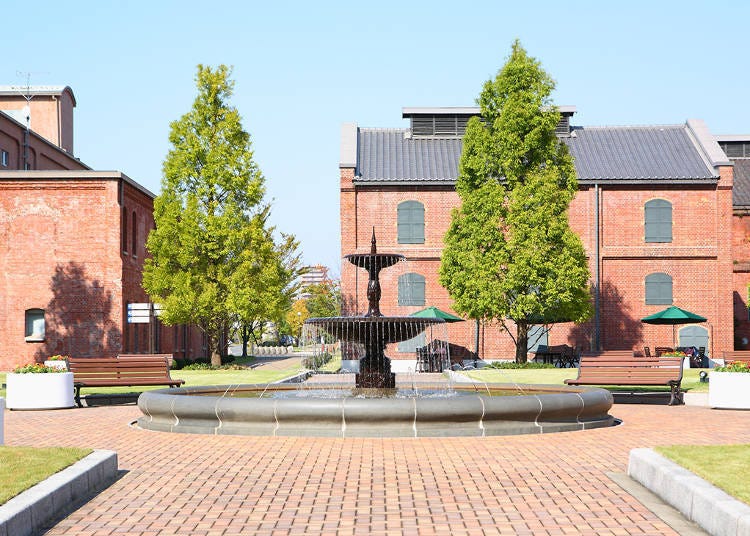
Noritake began producing Western-style tableware in Nagoya in the early 20th century and eventually became one of Japan's best-known ceramics brands.
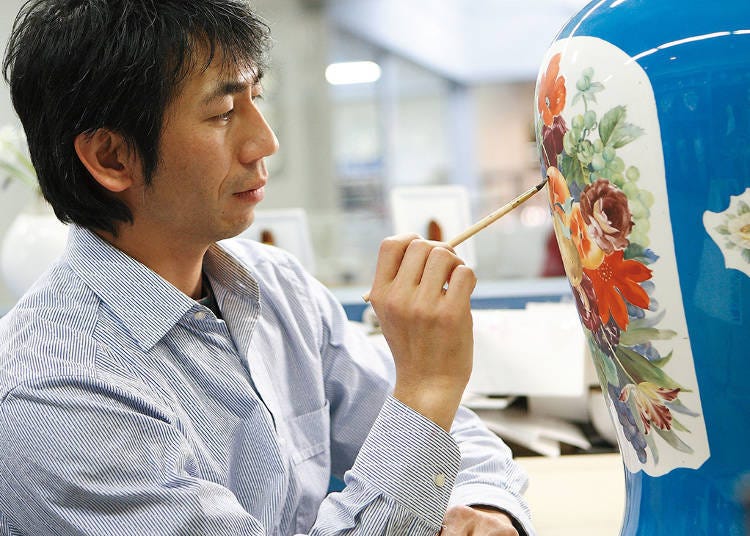
Noritake Garden preserves part of that history on a former factory site near Nagoya Station. Red-brick buildings, landscaped grounds, exhibition spaces, and workshops show how ceramics are shaped, fired, painted, and finished.
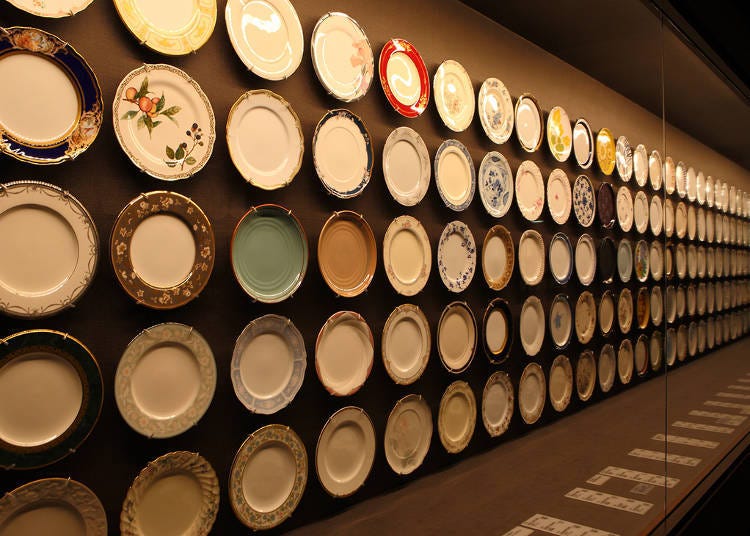
Visitors can see historic pieces alongside modern tableware, giving a sense of how both production methods and tastes have changed over more than a century.
There is also a shop for anyone tempted to take Japanese tableware home, while the surrounding garden makes this an easy, relaxed stop rather than a heavy museum visit.
Combine it with the nearby Toyota Commemorative Museum for an efficient half-day around the Nagoya Station side of the city.
Good for: Ceramics, design, crafts, shopping
-
Noritake Gardenノリタケの森
-
Address
3 Chome-1-36 Noritakeshinmachi, Nishi Ward, Nagoya, Aichi 451-8501
View Map
-
Address
3 Chome-1-36 Noritakeshinmachi, Nishi Ward, Nagoya, Aichi 451-8501
13. Slow down in Shirotori Garden
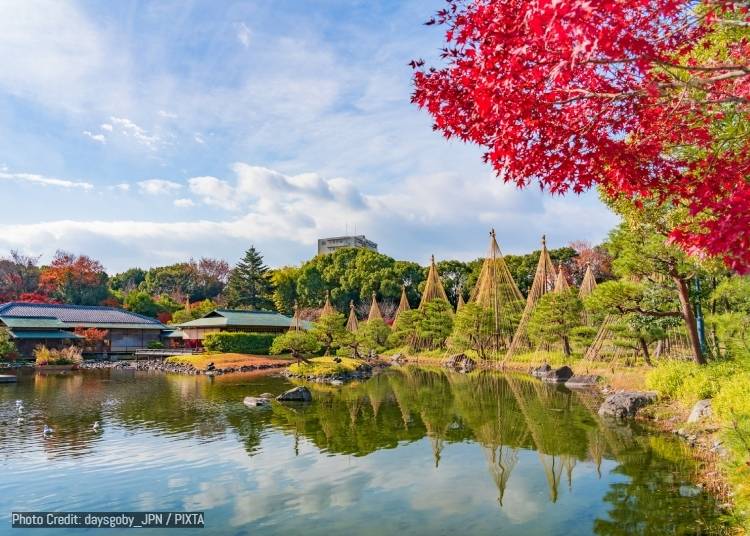
Travelers who have spent several days hopping between museums and shopping districts may appreciate Shirotori Garden precisely because very little needs to happen here.
The traditional Japanese landscape garden recreates scenery inspired by the wider Chubu region using ponds, streams, bridges, carefully arranged stones, tea houses, and seasonal plants.
Autumn is particularly attractive when maple leaves turn red and gold, while spring and early summer bring fresh greenery.
Shirotori Garden is also close enough to Atsuta Jingu to combine the two in one relaxed half-day, with a Nagoya-style eel meal in between.
Good for: Gardens, autumn leaves, quiet walks
-
Shirotori Garden白鳥庭園
-
Address
2-5 Atsuta Nishimachi, Atsuta Ward, Nagoya, Aichi 456-0036
View Map
Website: http://www.shirotori-garden.jp/
-
Address
2-5 Atsuta Nishimachi, Atsuta Ward, Nagoya, Aichi 456-0036
Best things to do around Aichi Prefecture near Nagoya
Nagoya is the easiest base for exploring Aichi, but several of the prefecture's biggest attractions lie outside Nagoya City itself.
Allow extra travel time and, in most cases, treat these as dedicated half-day or full-day excursions rather than squeezing them between central Nagoya attractions.
14. Enter the world of Studio Ghibli at Ghibli Park
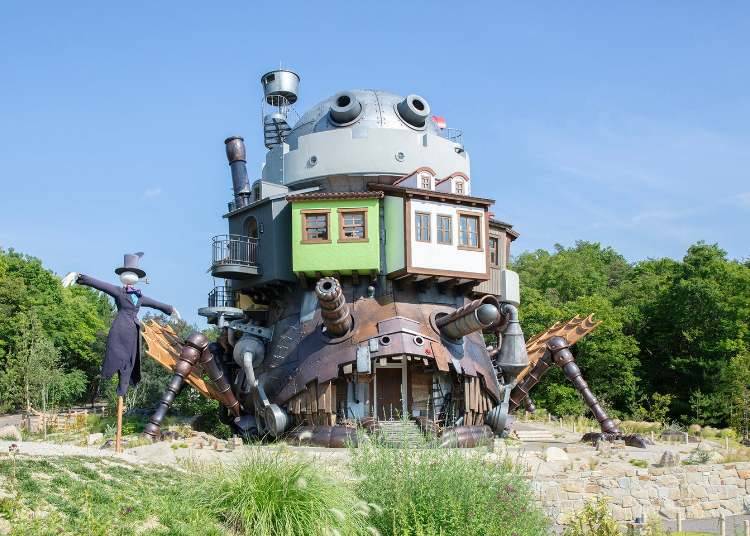
Ghibli Park is located in Nagakute, east of central Nagoya, inside Expo 2005 Aichi Commemorative Park.
Rather than following the roller-coaster-heavy model of a conventional theme park, Ghibli Park focuses on detailed environments, architecture, exhibitions, and scenes inspired by Studio Ghibli films.
Visitors can encounter everything from the world of My Neighbor Totoro to recreations and objects referencing films including Spirited Away, Castle in the Sky, and Howl's Moving Castle.
Part of the appeal is slowing down enough to notice the details. This is a park for exploring spaces, taking photographs, and recognizing visual references rather than rushing from ride to ride.
Admission is controlled through advance ticketing, and some areas or buildings require specific ticket types. Do not plan to simply arrive at the entrance and decide on the day.
Good for: Studio Ghibli fans, photography, families
-
Ghibli Parkジブリパーク
-
Address
Within Expo 2005 Aichi Commemorative Park, 1533-1 Ibaragabasama, Nagakute, Aichi
View Map
-
Address
Within Expo 2005 Aichi Commemorative Park, 1533-1 Ibaragabasama, Nagakute, Aichi

15. Visit Inuyama Castle and its old castle town
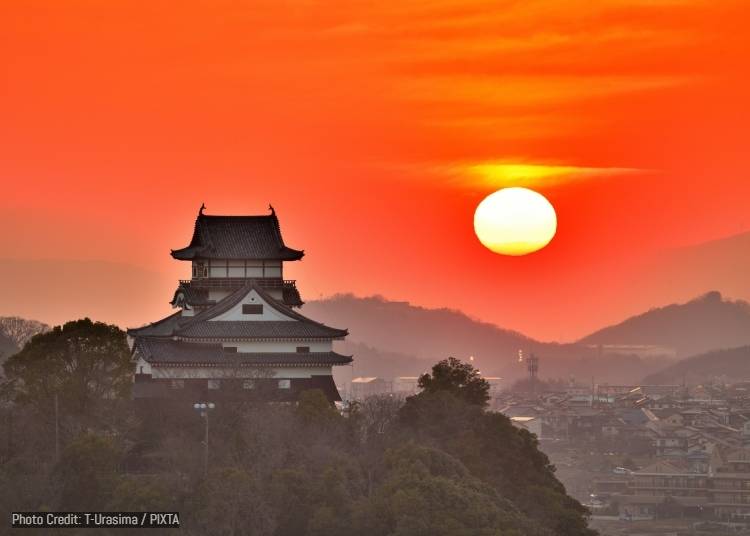
North of Nagoya, Inuyama offers a much more compact historic streetscape than you will find in central Nagoya.
Inuyama Castle stands on a hill overlooking the Kiso River and is one of Japan's small number of surviving original castle keeps. The climb inside is steep, but reaching the upper level rewards visitors with views across the river and surrounding landscape.
Below the castle, the old town is lined with cafes, snack shops, historic buildings, and stalls selling photogenic sweets and skewered foods.
It is an easy choice for travelers wanting a traditional castle-town atmosphere without traveling as far as Takayama or the Kiso Valley.
Good for: Castles, old towns, day trips
-
Inuyama Castle犬山城
-
Address
Kitakoken-65-2 Inuyama, Aichi 484-0082
View Map
-
Address
Kitakoken-65-2 Inuyama, Aichi 484-0082
16. Explore the enormous open-air museum at Meiji Mura
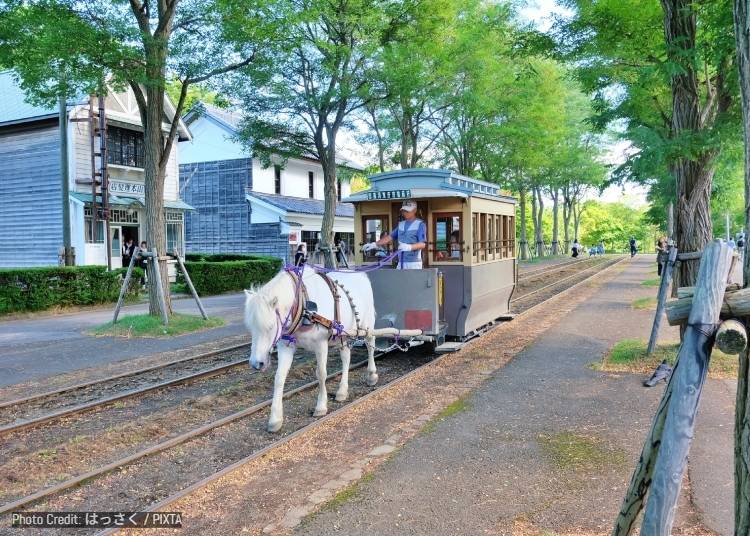
Meiji Mura is not a conventional museum contained inside a single building.
Instead, historic structures from Japan's Meiji period were relocated here from around the country, creating a vast open-air architectural museum.
Churches, schools, government buildings, homes, industrial structures, and other buildings illustrate how rapidly Japanese architecture changed as Western influence spread during the late 19th and early 20th centuries.
The grounds are extensive, so comfortable shoes and several hours are recommended.
Good for: Architecture, history, photography
-
Museum Meiji-Mura博物館 明治村
-
Address
1 Uchiyama, Inuyama, Aichi 484-0000
View Map
-
Address
1 Uchiyama, Inuyama, Aichi 484-0000
17. Wander through Tokoname, one of Japan's historic pottery towns
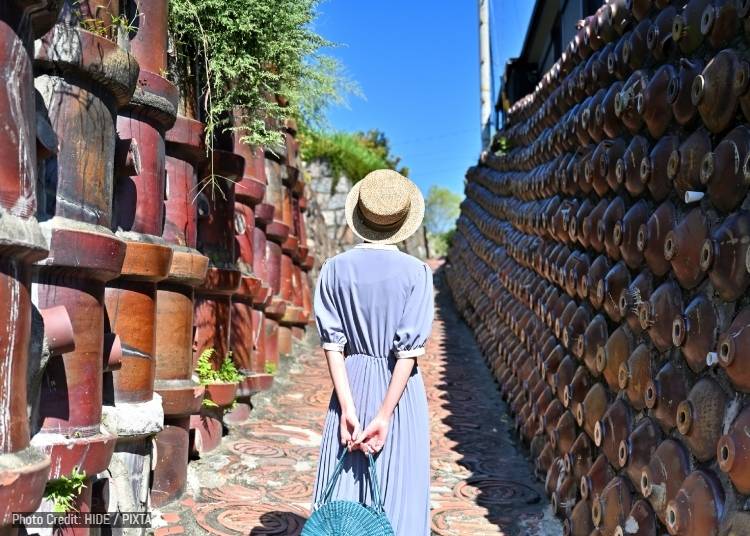
If you are flying through Chubu Centrair International Airport, Tokoname is worth knowing about.
The town has been associated with pottery for centuries and is one of Japan's traditional ceramic-producing centers. Its best-known sightseeing route winds past old kilns, pottery workshops, galleries, brick chimneys, and walls embedded with ceramic pipes and jars.
Tokoname is also famous for producing maneki-neko, the familiar beckoning cat figures found at shops and restaurants across Japan.
The town makes an appealing short stop before or after a flight, particularly for travelers interested in crafts.
Good for: Pottery, crafts, quieter towns
-
Tokoname常滑市
-
Address
Sakaemachi, Tokoname, Aichi 479-0836
View Map
-
Address
Sakaemachi, Tokoname, Aichi 479-0836
Nagoya food: What should you eat?
Nagoya has one of Japan's most recognizable regional food cultures. Collectively known as Nagoya-meshi, its specialties tend to favor bold flavors, red miso, grilled foods, noodles, and hearty casual meals.
You do not need to build your entire itinerary around restaurants, but trying several of the following dishes is a major part of visiting the city.
Hitsumabushi: Nagoya-style grilled eel
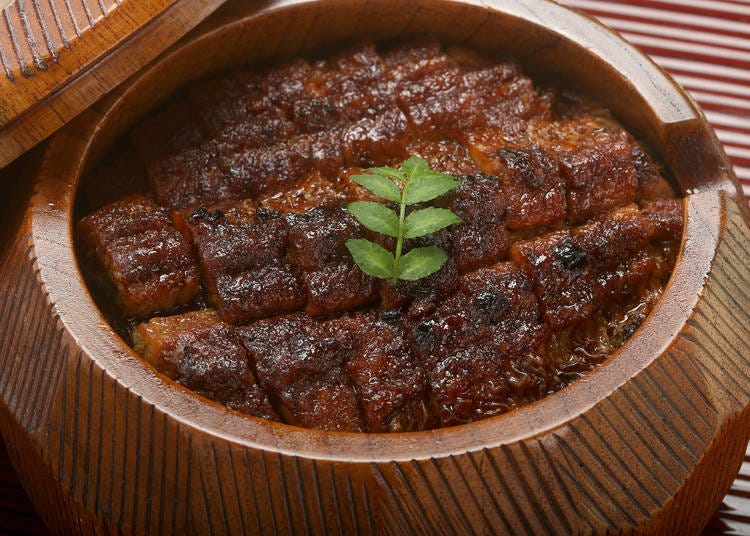
Hitsumabushi is one of Nagoya's signature dishes and turns grilled eel over rice into a meal with several stages.
Typically, the eel and rice are divided into portions. Try the first as served, then add condiments such as wasabi, green onion, or nori to the next.
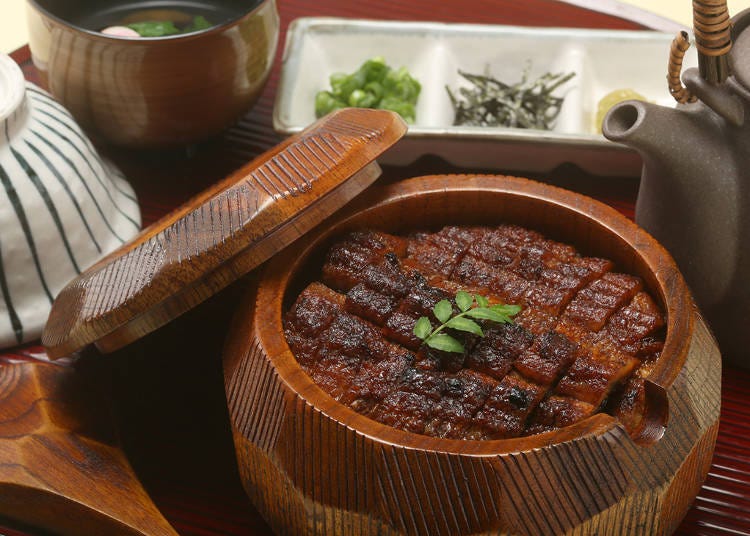
For another portion, pour dashi or tea over the eel and rice to create something closer to ochazuke. Finish the remaining portion using whichever method you liked best.
The combination of smoky grilled eel, sweet-savory sauce, condiments, and broth makes hitsumabushi particularly memorable even if you have eaten unagi elsewhere in Japan.
Miso-katsu: Pork cutlet with Nagoya's rich red miso sauce
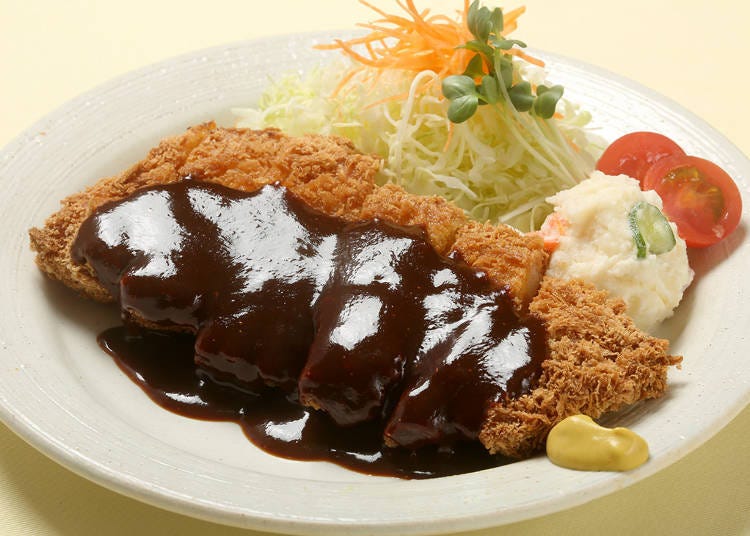
Miso-katsu takes the familiar Japanese tonkatsu pork cutlet and covers it with a thick sauce based on the dark red miso strongly associated with Aichi.
The result is richer and more intensely flavored than the sweeter brown sauces typically served with tonkatsu elsewhere in Japan.
Mustard, sesame, or shichimi chili pepper are often available for adding another layer of flavor.
It is filling, casual, and widely available, making it one of the easiest Nagoya specialties to work into a sightseeing day.
Tebasaki: Peppery Nagoya-style chicken wings
Nagoya-style tebasaki are fried chicken wings seasoned with a sweet-savory glaze, sesame, and plenty of pepper.
They are particularly popular at izakaya and casual restaurants and are generally eaten with your hands.
Tebasaki are a good choice for groups because they are easy to order alongside other dishes, and they pair predictably well with a cold drink.
Tenmusu: Shrimp tempura rice balls
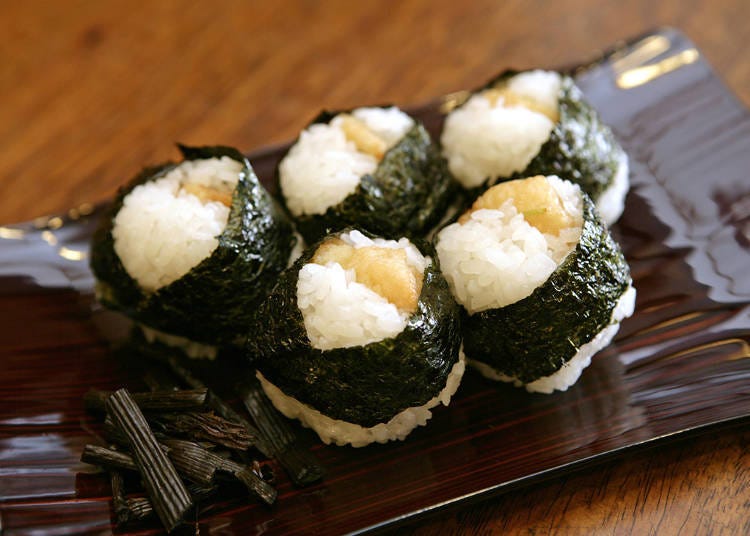
Tenmusu combines two familiar Japanese foods: tempura and onigiri.
A small piece of shrimp tempura is wrapped inside seasoned rice, creating an easy-to-carry snack that combines soft rice with the richer flavor and texture of fried shrimp.
Its compact size makes tenmusu particularly useful as takeaway food for a train ride or day trip.
Kishimen: Nagoya's distinctive flat noodles
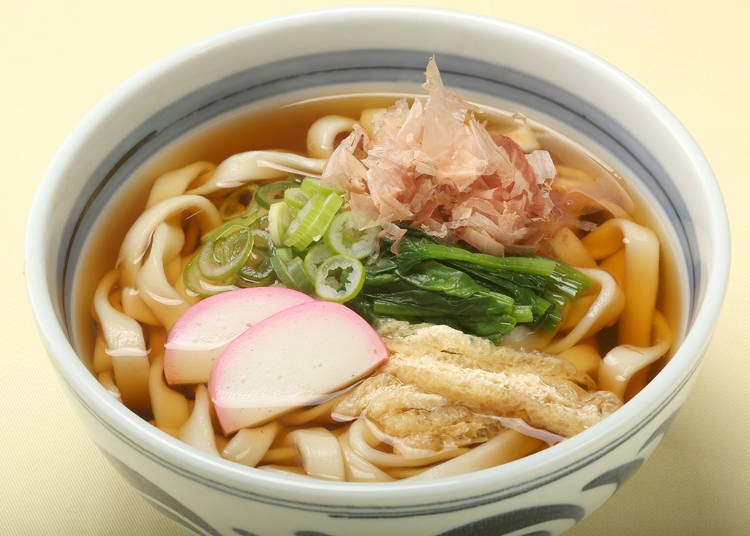
Kishimen are broad, flat noodles that look quite different from conventional udon.
They are commonly served in a light broth with toppings such as fish cake, fried tofu, green onion, spinach, and bonito flakes.
The noodles are smooth and relatively light, making kishimen a good counterpoint to Nagoya's heavier miso dishes.
You can even find popular kishimen shops around Nagoya Station, making this one of the easiest local specialties to try between trains.
Miso nikomi udon
Miso nikomi udon is one of Nagoya's most comforting cold-weather dishes.
Thick noodles are simmered directly in a strongly flavored red-miso broth, often with chicken, egg, green onion, and other ingredients, then served bubbling in an individual clay pot.
The noodles can be noticeably firmer than ordinary udon, which is part of the dish's distinctive character.
Ogura toast
Nagoya's cafe culture has given the city a much sweeter specialty.
Ogura toast usually combines thick-cut toast with butter or margarine and a generous layer of sweet red-bean paste.
The combination may sound unusual if you normally associate toast with jam, but the slightly salty butter and sweet azuki beans work remarkably well together.
Nagoya-style morning service
One of the easiest ways to experience local Nagoya culture is simply to go out for coffee in the morning.
Many cafes offer morning service, in which ordering a drink comes with toast, egg, or another simple breakfast either included in the price or available for a small additional charge.
Exactly what you receive varies from cafe to cafe, and that variation is part of the fun.
For travelers facing a full day of sightseeing, it is also a pleasantly inexpensive way to start the morning.
Major events and festivals in Nagoya
Nagoya hosts festivals throughout the year, but they work best as additions to an itinerary rather than the reason for structuring the entire guide around a particular season.
Exact dates and programs can change each year, so check official event information before traveling.
Spring: See mechanical festival floats at Wakamiya Festival (May 15-16 Every Year)
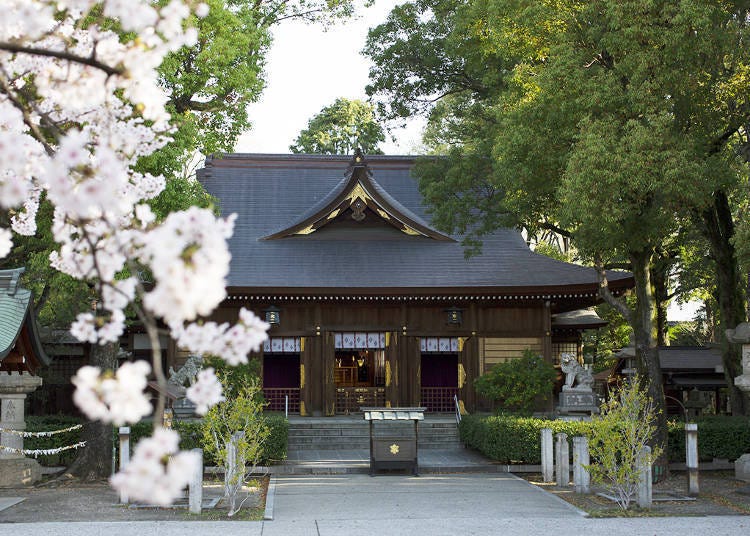
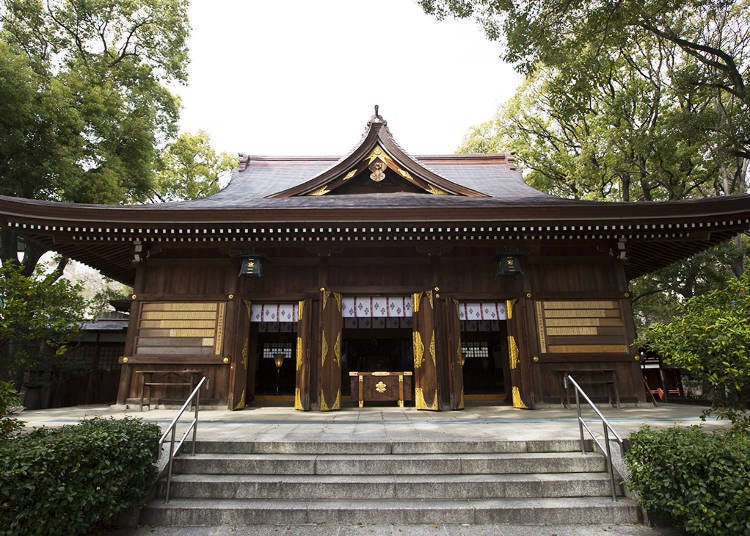
Held around Wakamiya Hachiman Shrine in May, Wakamiya Festival is one of Nagoya's major traditional festivals.
Its procession features a decorated festival float and portable shrine moving through central Nagoya, connecting the shrine area with parts of the city historically associated with the event.
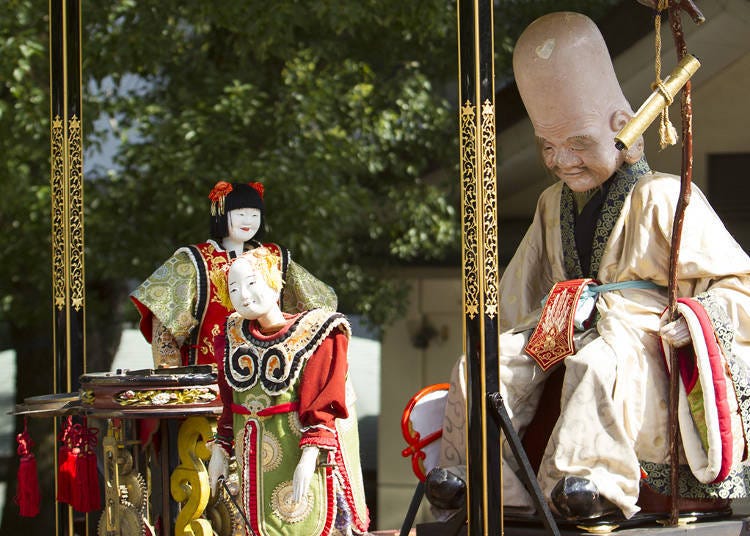
A particularly distinctive feature is the use of karakuri mechanical dolls. These elaborate puppets perform carefully engineered movements atop festival floats, combining traditional craftsmanship with a surprisingly playful form of mechanical entertainment.
For visitors interested in Nagoya's older traditions, it offers a striking contrast with the city's modern industrial image.
-
Wakamiya Hachiman Shrine名古屋総鎮守 若宮八幡社
-
Address
3 Chome-35-30 Sakae, Naka Ward, Nagoya, Aichi 460-0008
View Map
-
Address
3 Chome-35-30 Sakae, Naka Ward, Nagoya, Aichi 460-0008
Summer: Watch the Nagoya Grand Sumo Tournament (July 12–26, 2026)
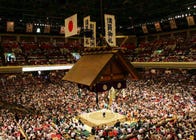
Every July, one of Japan's six annual Grand Sumo Tournaments takes place in Nagoya.
Over 15 days, wrestlers from multiple divisions compete, with the highest-ranked bouts generally taking place later in the afternoon.
The atmosphere builds gradually throughout the day, so arriving before the top division begins gives visitors a better sense of how a full tournament day unfolds.
The 2026 tournament was held from July 12–26 at IG Arena. Future dates vary, so travelers should check the Japan Sumo Association's annual schedule before planning around it.
-
IG ArenaIGアリーナ
-
Address
1 Chome-2-2 Meijo, Kita Ward, Nagoya, Aichi 462-0846
View Map
-
Address
1 Chome-2-2 Meijo, Kita Ward, Nagoya, Aichi 462-0846
Summer: World Cosplay Summit (July 31-August 8, 2027)
Nagoya becomes a global cosplay gathering point during the World Cosplay Summit, when competitors and fans from numerous countries descend on the city.
Events have traditionally centered around areas including Osu and central Nagoya. For details, check the official website.
Summer: Osu Summer Festival (August 1-2, 2026)
Osu Shopping District becomes even livelier during its annual summer celebrations, with performances and activities filling the covered shopping streets.
It is easy to combine with ordinary sightseeing around Osu Kannon.
Autumn: Nagoya Festival (Oct 17-18, 2026)
One of the city's largest annual celebrations, the Nagoya Festival typically includes parades and historical processions connected with Oda Nobunaga, Toyotomi Hideyoshi, and Tokugawa Ieyasu. See details on the official website.
Autumn: Osu Daido-chonin Festival (Oct 9-11, 2026)
Street performers take over Osu during this famously unconventional autumn festival. Expect everything from traditional street arts to decidedly eccentric performances.
Winter: Kinekosa Festival
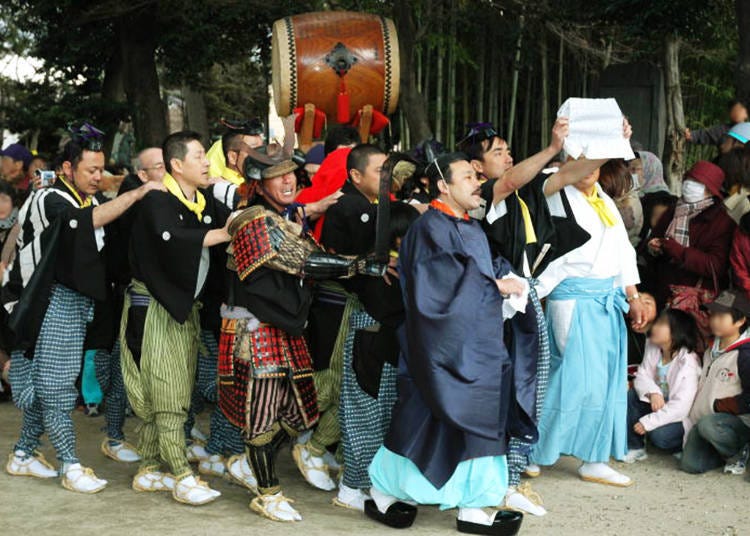
Held annually on the 17th day of the first lunar month, the Kinekosa Festival is a poignant tradition steeped in faith and hope. With hearts brimming with prayers for protection from evil, prosperity, peace, and a bountiful harvest, people congregate at the Hichishosha Shrine, the festival's spiritual epicenter since around A.D. 884.
The festival unfurls a visual narrative that is as captivating as it is symbolic. At the heart of the ceremony, men carry a piece of green bamboo to the Shonai River, where it is erected. As a man ascends this bamboo, the gathering holds its breath, for the direction in which the bamboo bends or breaks holds the whispers of the future. This pivotal moment is not just a spectacle but a divine omen, guiding the prayers of the faithful and offering a glimpse into the prospects of the upcoming harvest.
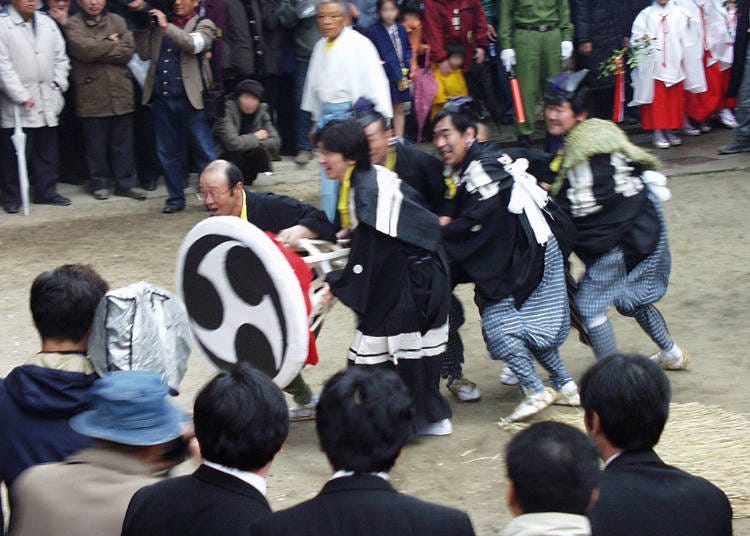
Registered as an intangible cultural asset, the Kinekosa Festival is more than an annual event; it's a living, breathing chapter of a rich cultural story that has been narrated across centuries.
How to plan sightseeing by area
One mistake visitors make in Nagoya is choosing attractions entirely from a list without considering where they are.
The city is easy to navigate by subway and train, but attractions can be widely separated. Grouping them geographically makes a substantial difference.
- Toyota Commemorative Museum of Industry and Technology
- Noritake Garden
- Nagoya Station shopping and dining
- This area works particularly well on your arrival or departure day.
- Nagoya Castle
- Hommaru Palace
- Nearby government district
- Continue south toward Sakae afterward.
- Chubu Electric Power MIRAI TOWER
- Hisaya-odori Park
- Oasis 21
- Osu Shopping District
- Osu Kannon
- This is one of the easiest areas to explore into the evening.
- Atsuta Jingu
- Shirotori Garden
- Add a hitsumabushi lunch or dinner nearby.
- Port of Nagoya Public Aquarium
- SCMAGLEV and Railway Park
- LEGOLAND Japan
How to get to Nagoya
From Tokyo
The Tokaido Shinkansen connects Tokyo Station with Nagoya Station directly, making Nagoya one of the easiest major cities to add between Tokyo and Kyoto.
For many travelers following Japan's classic Tokyo-Kyoto-Osaka route, stopping in Nagoya for one or two nights requires very little deviation.
From Kyoto or Osaka
Nagoya is also directly connected with Kyoto and Shin-Osaka by the Tokaido Shinkansen. This makes it practical either as a separate overnight destination or as the starting point for exploring Aichi Prefecture.
From Chubu Centrair International Airport
Chubu Centrair International Airport is located south of Nagoya on an artificial island beside Tokoname.
Rail services connect the airport directly with central Nagoya, making Nagoya Station the main arrival point for most visitors.
If you have several hours before a flight, Tokoname's pottery district can also make an interesting side trip close to the airport.
-
Chubu Centrair International Airport中部国際空港 セントレア
-
Address
1-1 Centrair, Tokoname-shi, Aichi
View Map
-
Address
1-1 Centrair, Tokoname-shi, Aichi
Getting around Nagoya
Nagoya's subway system covers most central sightseeing districts, supplemented by JR and Meitetsu railway services.
A prepaid IC card makes individual journeys straightforward.
For city sightseeing, think less about individual train lines and more about grouping attractions. Nagoya Castle, Sakae, Atsuta, Nagoya Port, and Kinjo-futo lie in different directions, so repeatedly crossing the city can consume more time than expected.
Ghibli Park, Inuyama, Meiji Mura, and Tokoname are outside central Nagoya and should generally be treated as separate excursions.
Where is the best area to stay in Nagoya?
Nagoya Station: Best for transportation
Stay around Nagoya Station if Nagoya is part of a larger Japan itinerary or if you plan to make several day trips. Shinkansen, JR, Meitetsu, Kintetsu, subway, and bus connections converge here, while department stores and restaurants mean you will not struggle for dinner after returning late.
Sakae: Best for nightlife and downtown atmosphere
Sakae is better for travelers who want restaurants, shopping, bars, cafes, and city life immediately outside their hotel. Oasis 21, MIRAI TOWER, and Hisaya-odori Park are all nearby.
Nagoya Port/Kinjo-futo: Best for families
Families concentrating on LEGOLAND Japan and attractions around Kinjo-futo may find accommodation near the waterfront more convenient than repeatedly traveling from central Nagoya.

Why Nagoya deserves a place on your Japan itinerary
Nagoya is not trying to be another Tokyo or Kyoto, and that is precisely why it can be rewarding.
Within a couple of days, you can move from a Tokugawa palace to a Toyota factory, eat grilled eel for lunch, browse vintage shops in Osu, watch orcas at one of Japan's largest aquariums, and finish the evening beneath the lights of MIRAI TOWER.
Add destinations around Aichi such as Ghibli Park, Inuyama, and Tokoname, and Nagoya becomes more than a convenient stop between eastern and western Japan. It becomes a surprisingly versatile base for discovering a side of central Japan many first-time visitors rush straight past.
Recommended Tours From Nagoya


- Area
- Category
*Prices and options mentioned are subject to change.
*Unless stated otherwise, all prices include tax.
Popular Tours & Activities
Recommended places for you
-

Daikoku Car Meet Guide: How to Visit, Best Times & Rules
-
Ad
Pocket WiFi Rental in Japan 2026: Complete Price Comparison & Where to Get the Best Deal
-

ANA’s Chiikawa Jet Is Taking Off—Here’s Everything You Need to Know About Exclusive Goods, In‑Flight Fun & Travel Tips
by: Guest Contributor
-
Cracked Phone Screen in Japan? Smahospital Repair Guide: Keep Your Data, Fixed in 15 Min, Multilingual Support | Up to 10,000 Yen Off with LIVE JAPAN Coupon
-
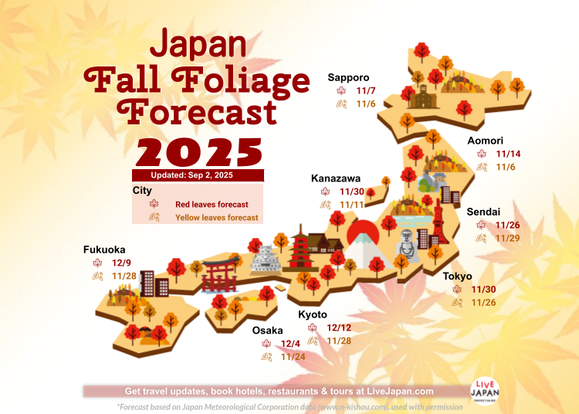
Autumn in Japan 2026: Fall Foliage Forecast & Where to Enjoy the Colorful Leaves (+Tour Info)(Updated Oct 1)
-

Best Sumo Shows & Experiences in Tokyo (2026): Prices Compared
Inspiration for Accommodations
-
Family-Friendly Hotels with Free Shuttle to Disneyland: Convenient Access for a Magical Stay
-
Top Ranked Hakone Hotels with Mt. Fuji View: Enjoy Stunning Scenery from Your Private Space
-
Convenient Tokyo Hotels with Airport Shuttle: Ideal for Families and Heavy Luggage
-
9 Family-Friendly Hotels with Comfortable Family Rooms in Asakusa
-
10 Open-air bath Onsen Ryokans in Hakone for Ultimate Relaxation
-
Exploring Tokyo Station: 11 Must-Visit Spots Around the Heart of Tokyo
-
Tokyo for First-Timers: Walking Itinerary for Ginza and Tsukiji!
-
Shibuya Crossing: Getting the Best View from the Deck at Magnet by Shibuya109!
-
35 Best Things to Do in Shibuya (2026): Crossing, Shibuya Sky, Shopping & More
-
10 Weird & Quirky Ways to Enjoy Tokyo's Shinjuku!
-

Tokyo's Top 25 Landmarks on Instagram!
by: Lucio Maurizi
- #best ramen tokyo
- #what to buy in ameyoko
- #what to bring to japan
- #new years in tokyo
- #best izakaya shinjuku
- #things to do tokyo
- #japanese nail trends
- #what to do in odaiba
- #onsen tattoo friendly tokyo
- #daiso
- #best sushi ginza
- #japanese convenience store snacks
- #best yakiniku shibuya
- #japanese fashion culture
- #best japanese soft drinks