



Niigata sits just two hours from Tokyo by bullet train, yet it feels like a different world. Despite the relatively close distance to the capital, Niigata provides a look into a different side of Japan. Niigata is known for its seafood, sake, snow, and breathtaking scenery. It's one of Japan's great rice-producing regions, home to some of the country's most respected sake breweries, and the jumping-off point for Sado Island, one of the most distinctive and undervisited destinations in all of Japan.
This guide covers how to get from Tokyo to Niigata on the Joetsu Shinkansen, what to do in and around the city, and where to go from there.
(This article contains affiliate links)
Getting from Tokyo to Niigata: The Joetsu Shinkansen

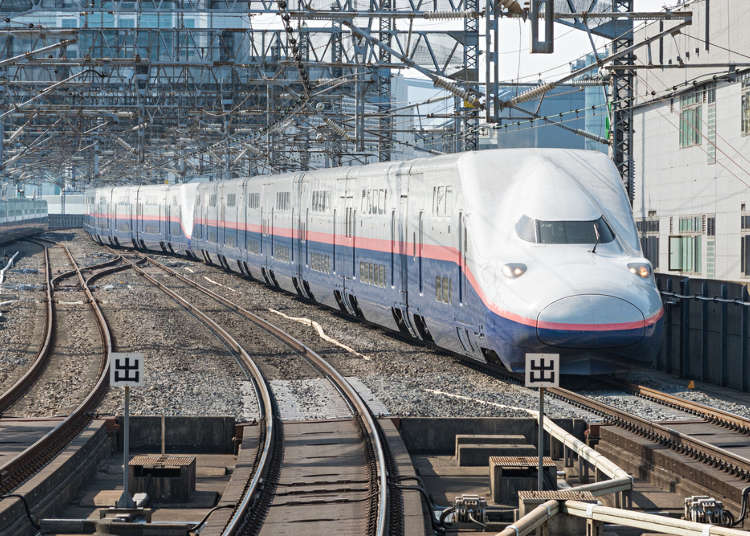
The JR Joetsu Shinkansen "Toki" line runs directly from Tokyo Station to Niigata Station, with one to two services per hour throughout the day. Journey time ranges from approximately 1 hour 35 minutes to 2 hours 25 minutes depending on the departure. As of the writing of this article, a regular reserved seat costs 10,980 yen.
The Toki also stops at Echigo-Yuzawa (approximately 50 minutes from Tokyo), a popular ski resort area in winter and highland walking destination in summer, and at Nagaoka (approximately 75 minutes), Niigata's second city with a strong historical character and one of Japan's most famous summer fireworks festivals.
Onward from Niigata Station
Niigata Station is a well-connected hub for exploring the wider prefecture. Key onward connections include:
・Nagaoka: Approximately 20 minutes by Joetsu Shinkansen. A historic city with castle ruins, samurai heritage, and the Nagaoka Festival fireworks, which are held every August 2nd and 3rd and among the largest in Japan.
・Echigo-Yuzawa: Approximately 50 minutes by Joetsu Shinkansen. The gateway to the Yuzawa and Uonuma ski resorts in winter, and a base for hiking and hot springs in the warmer months.
・Tokamachi: Accessible from Echigo-Yuzawa via the Hokuhoku Line. Known for the Matsunoyama Onsen hot spring resort and the terraced rice paddies of Hoshitoge–one of Japan's most photographed rural landscapes, especially in early autumn.
・Murakami: Approximately 50 minutes from Niigata Station on the limited express Inaho. A quiet castle town known for salmon fishing, traditional crafts, and a beautiful stretch of coastline along the Sasa River.
Rail Passes for Niigata
The Japan Rail Pass covers the Joetsu Shinkansen Toki service in full, making it a straightforward option for visitors with a multi-city itinerary. It is available in 7, 14, and 21-day options (50,000 / 80,000 / 100,000 yen ordinary class) and must be purchased before arriving in Japan.
However, the new JR East Pass, launched in March 2026, consolidates the former Tohoku Area and Nagano-Niigata Area passes into a single pass. For visitors focused on eastern Japan, this is often the better-value choice. It covers the full Joetsu Shinkansen (including Niigata, Nagaoka, and Echigo-Yuzawa), the Hokuhoku Line to Tokamachi, local JR lines across Niigata and Nagano, and the entire JR East network including Tohoku. It is available in 5-day (35,000 yen) and 10-day (50,000 yen) versions, exclusively for international visitors, and must be purchased before arriving in Japan or at major JR East stations and airports.
Niigata City: What to Do

Niigata City has flourished as a port city since the Edo period, and its waterfront character is still very much present in the food, the pace, and the city's relationship with the sea.
The Shinano River and Bandai-bashi Bridge
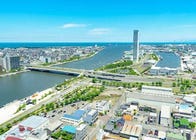
The Shinano River, the longest river in Japan, flows through the heart of Niigata City before meeting the Sea of Japan. The Bandai-bashi Bridge, built in 1929, spans the river in the city center and is one of Niigata's most recognizable landmarks. It is known for its bright, beautiful nighttime illumination. The riverside area makes for a pleasant walk, with views across to the Furumachi and Honmachi districts.
Food and Sake in Furumachi and Honmachi
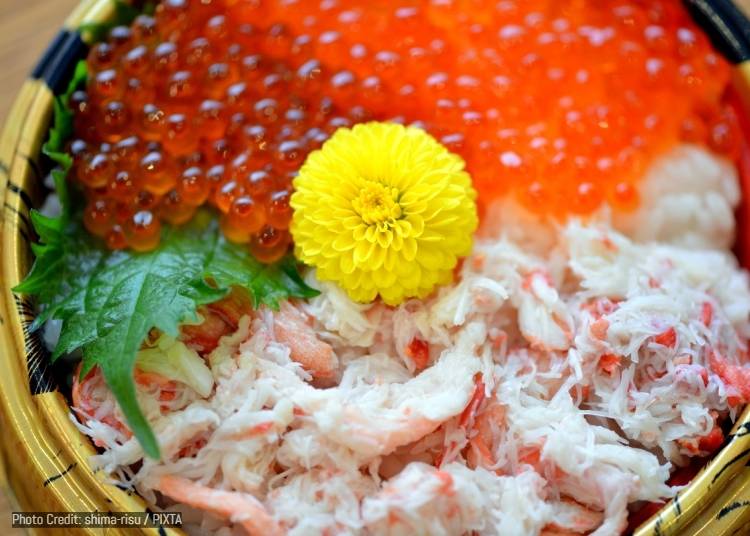
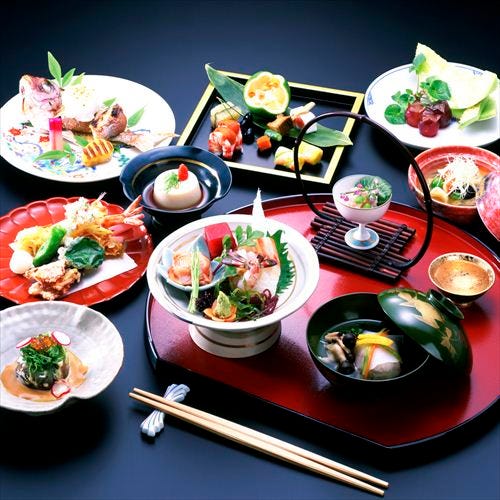
Niigata's downtown is centered on the Furumachi and Honmachi shopping and entertainment districts. Here, you can enjoy some great eats. The Sea of Japan delivers excellent seafood year-round: fresh sushi, donburi (seafood rice bowls), and crab in season are all widely available. Onigiri (rice balls) made with premium Niigata koshihikari rice are a local specialty taken seriously enough to have dedicated shops. And then there is sake: Niigata Prefecture produces some of Japan's most celebrated nihonshu, and the izakayas and sake bars of Furumachi carry deep local selections worth working through over an evening.
Sado Island: A World Apart
From Niigata Port, the Sado Kisen jetfoil reaches Ryotsu Port on Sado Island in approximately 1 hour 5 minutes. Sado is one of Japan's largest islands, roughly 1.5 times the size of the 23 wards of Tokyo, yet it receives a fraction of the visitors of comparable destinations, which is a large part of its appeal.
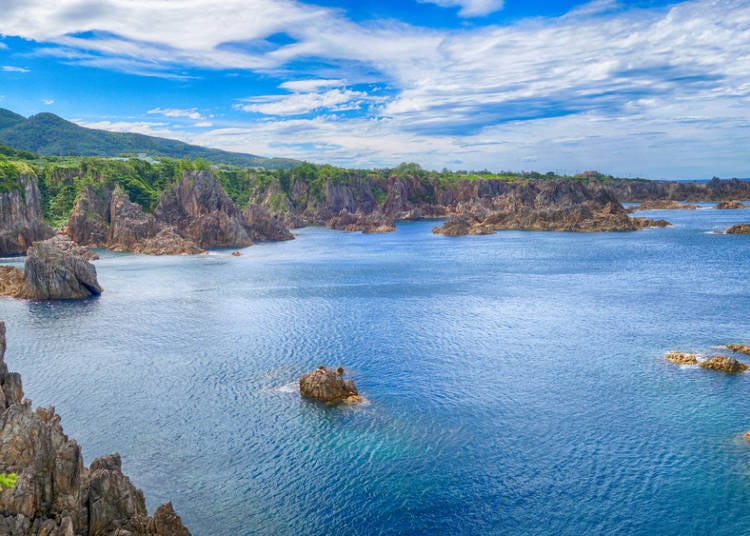
The island prospered as a gold-producing center during the Edo period, and the Sado Kinzan gold mines are now open to visitors as a UNESCO World Heritage Site, with tunnels, period exhibits, and working demonstrations. Beyond the mines, the island rewards those who explore further: the dramatic Sotokaifu cliffs on the northwest offers sea cliffs and clear water; Toki no Mori Park is dedicated to the toki (Japanese crested ibis), a critically endangered bird that Sado has become famous for protecting; and the island's food culture is distinctive and worth seeking out.
Sado is best explored by rental car or bicycle, as public transport between key sights is limited. A minimum of one overnight stay is recommended to do it justice.

Echigo-Yuzawa and the Snow Country
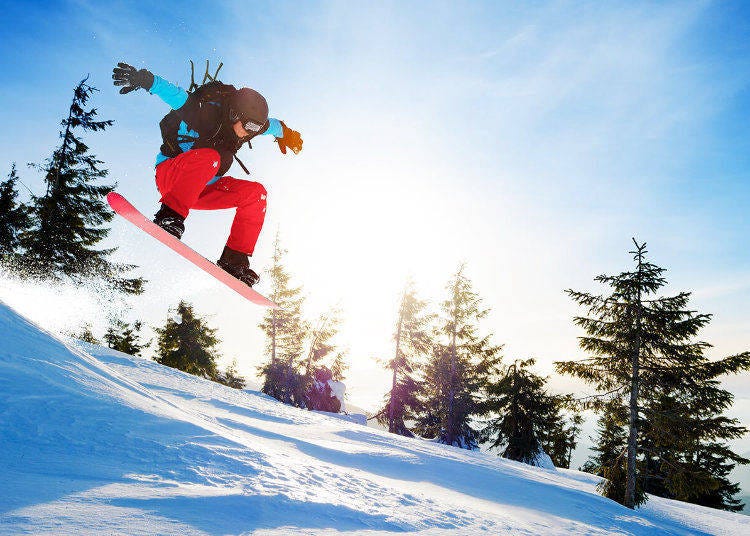
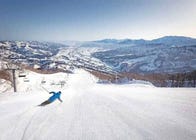
The area around Echigo-Yuzawa, just 50 minutes from Tokyo on the Joetsu Shinkansen, is one of Japan's premier winter sports destinations. The region receives heavy, consistent snowfall from November through March, and a cluster of ski resorts, including Gala Yuzawa (with a direct Shinkansen platform), Naeba, and Kagura, offer slopes for all levels. Several resorts also connect via gondola or shuttle, making multi-resort days straightforward.
In spring and summer, the same landscape transforms: the melting snow feeds lush green highlands, and the terraced rice paddies of Tokamachi and Matsunoyama become destinations in their own right. The Hoshitoge terraced rice fields, accessible from Tokamachi, are among the most photographed rural landscapes in Japan and are particularly striking at dawn in late September when the paddies glow before harvest.
To find more things to do in Niigata, check out our bucket list of the top 28 things to do in the prefecture!
Joetsu Shinkansen FAQ

Q: Do I need to reserve an “oversized luggage” seat?
A: No. On the Joetsu Shinkansen, there is currently no requirement to reserve a special seat for large luggage, unlike on the Tokaido Shinkansen.
Q: Is there space for ski or snowboard gear?
A: Yes, in most cases. Boards can usually fit on the overhead racks, but if you have bulkier gear, consider reserving an end seat (row 20) so you can use the space behind the last row. On standard cars of the Joetsu Shinkansen, many trains (with some exceptions) also have a designated luggage area in the “Seats 1C-D” section, equipped with grooves and securing belts where skis and similar gear can be stored upright.
Q: What’s the difference between Toki and Tanigawa trains?
A: The Toki is the faster service running to Niigata, while the Tanigawa is a slower, local-type service that mainly serves commuters and stops at places like Echigo-Yuzawa Station.
Q: Which platform should I use at Tokyo Station?
A: Follow signs for the JR East (green) Shinkansen gates. Be careful not to enter the Tokaido (blue) Shinkansen gates, as they serve different lines.
Q: What is the “tunnel transition”?
A: This refers to the dramatic scenery change near the Oshimizu Tunnel. About 15 to 20 minutes after departing Takasaki Station, just before reaching Echigo-Yuzawa, you’ll experience the famous “Country of Snow” moment (inspired by Yasunari Kawabata’s novel Snow Country), as the train exits a long tunnel into a completely different, often snow-covered landscape.
Q: Is the Gran Class worth it?
A: On the Joetsu Shinkansen, many travelers wonder if Gran Class (the top-tier “first class”) is worth it for what is typically a shorter journey. The general consensus is that it’s a fun splurge for the novelty and premium service, but for most travelers, the Green Car already offers more than enough comfort for the trip.
A Note on Seasons
Niigata Prefecture is one of Japan's heaviest snowfall areas, and winter brings significant accumulation. If traveling between December and March, pack accordingly and check road conditions if you plan to drive. The upside is that winter access to the ski resorts is straightforward, and Niigata City itself remains fully functional year-round. Spring (late April to May), summer, and autumn are all excellent times to visit, each offering distinct landscapes and local produce in season.
- Area
- Category
*Prices and options mentioned are subject to change.
*Unless stated otherwise, all prices include tax.
Popular Tours & Activities
Recommended places for you
-
Akiu Onsen
Hot Springs (Onsen) & Bath Houses (Sento)
Sendai And Matsushima
-
Ginzan Onsen
Hot Springs (Onsen) & Bath Houses (Sento)
Surrounding Areas Of Yamagata
-
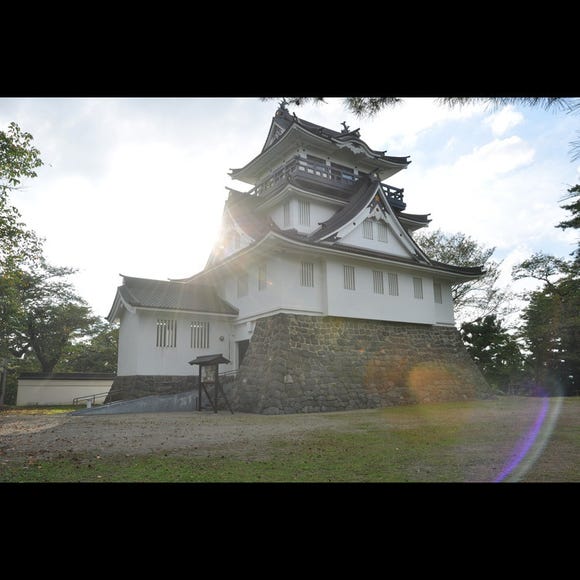
Yokote Park
Parks
Surrounding Areas Of Akita
-
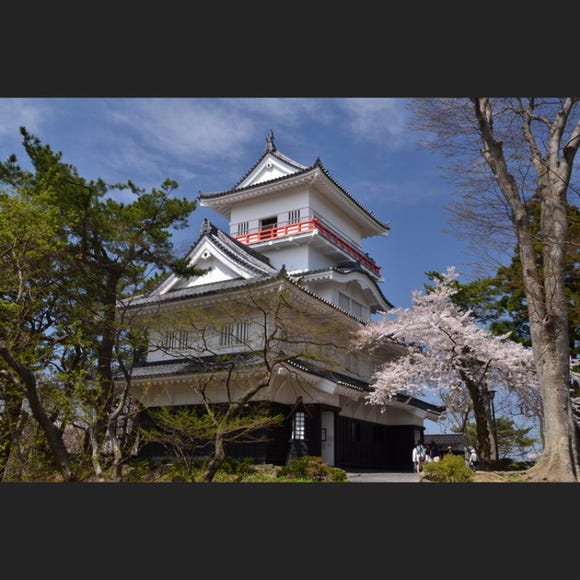
Senshu Park
Parks
Surrounding Areas Of Akita
-
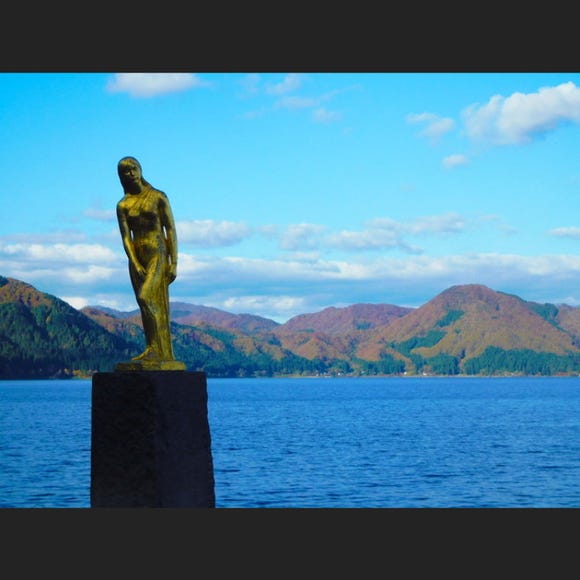
Lake Tazawa
Rivers, Lakes & Canyons
Surrounding Areas Of Akita
-
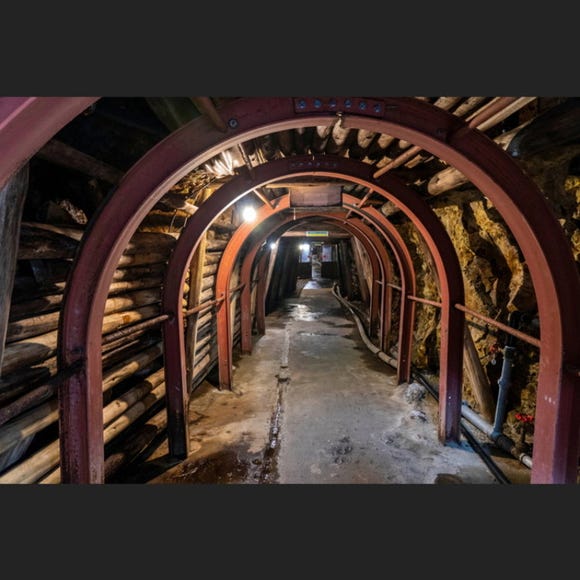
Sado Gold Mine
Winter
Niigata And Sado
-
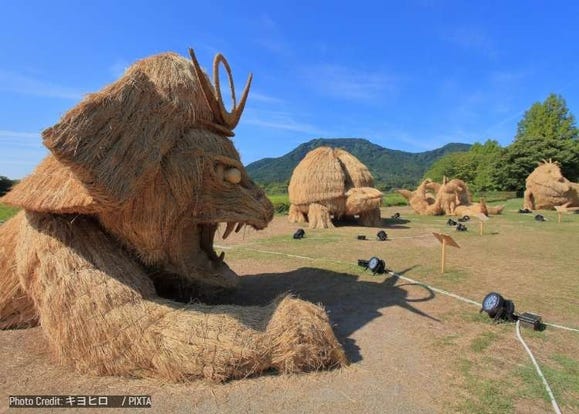
Every Fall, Giant Straw Creatures Take Over This Park in Japan
-

Hotel Mazarium: Stay In the Heart of Morioka at This Atmospheric Hotel
by: Timothy Sullivan
-
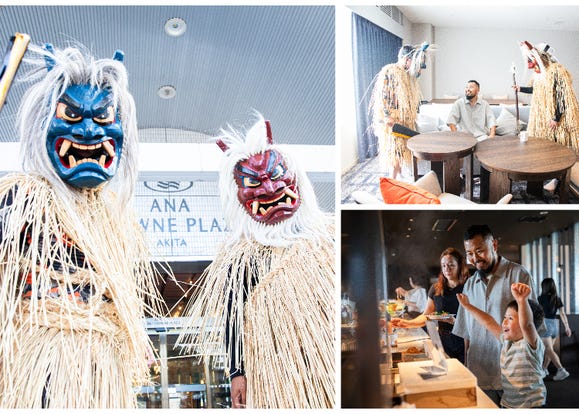
This Akita Hotel Brings a Legendary Japanese Folklore Tradition to Your Room
by: Guest Contributor
-
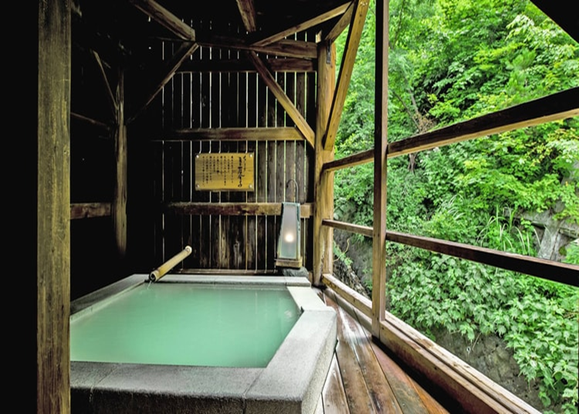
Japan's Best Premium Hot Spring Getaways: Top 10 Luxury Ryokan in Tohoku & Niigata (Perfect for Family Trips & Couples)
-

Top-Booked: Must-Try Sendai Gyutan & Yakiniku in Sendai for First-Time Visitors
by: Guest Contributor
-
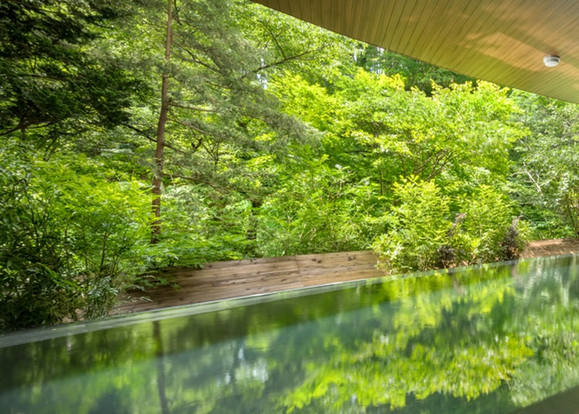
Tohoku's Best Value Onsen Ryokan: 10 Hidden Hot Spring Gems from Sendai to Aomori and Niigata
-

Visiting Japan's Miffy Cafe Will Make Your Heart Melt (Photos)
-
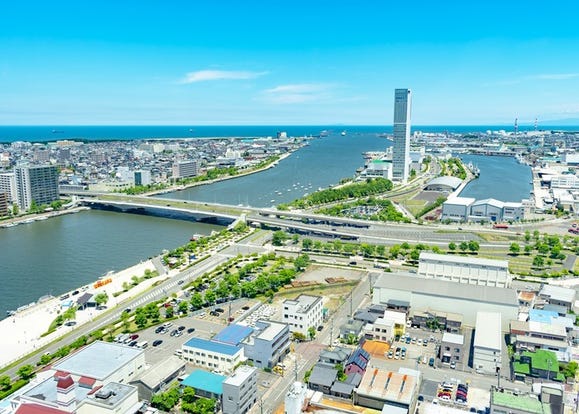
Your Trip to Niigata: The Complete Guide (Activities, Hotels, Savers & More)
-
Ad

Now in 9 Languages! 3 Reasons Why JR East's Website is Super Useful & Convenient
-
Iwate Prefecture Guide: Destinations, Activities, Travel Advice, Shopping & More
by: Hiroko Ariga
-
Aomori Bucket List: 10 Fun Things to Do in Aomori, Japan's Northern Nature Paradise
by: Guest Contributor
-
8 Unfamiliar (But Totally Normal) Customs in Japan!