Stroll along the heart-shaped pond in the garden
Autumn colors light up the moss garden in this temple's garden of enlightenment
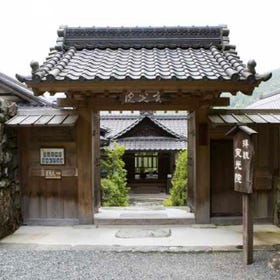
Spend your time comfortably in the visitor's lodging at a first-class ryokan
Flowers blossom throughout the seasons at this temple, also known as “The Flower Temple”
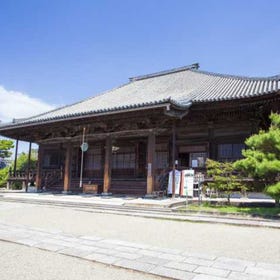
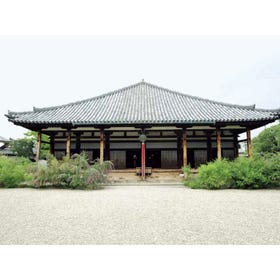
This large temple complex boasts a magnificent ancient hall
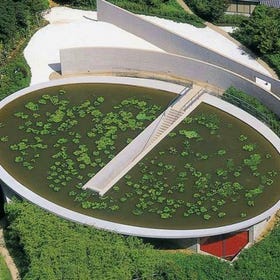
Tadao Ando designed this temple's main hall
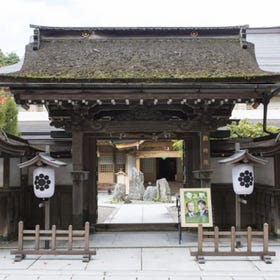
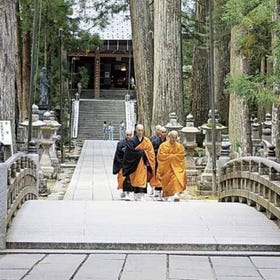
A spiritual area surrounding Kobo Daishi’s mausoleum
The mountain villa of Minamoto no Toru, the model for Hikaru Genji
Fallen leaves on the road to the temple invite you to this high-status monzeki temple
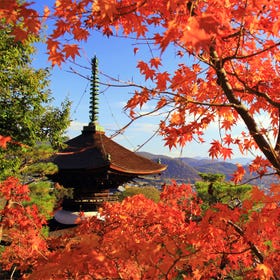
An ancient temple known as an exemplary viewing spot for autumn leaves since the Heian period.
Make your wishes at Nariai-ji Temple
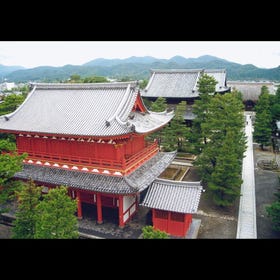
The head temple of the Myoshin-ji Temple school of the Rinzai sect. It is Japan's largest Zen temple, with 46 sub-temples.
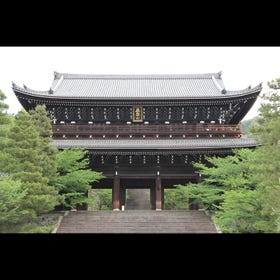
The head temple of the Jodo sect, founded at the place where Honen Shonin passed away. The magnificent monastery was built under the wing of the Tokugawa family.
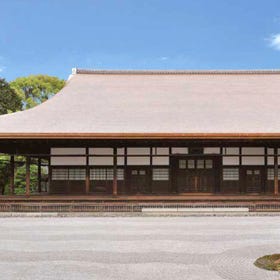
Twin Dragons created during the Heisei period watch over Kyoto’s oldest Zen temple
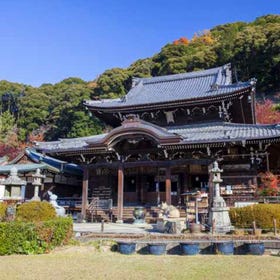
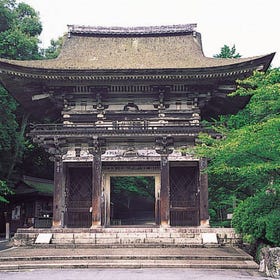
Known for “the evening bell of Mii-dera”, one of the Eight Views of Omi
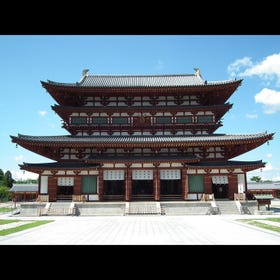
A temple built upon the request of Emperor Tenmu during the Hakuho Period. Reconstructed in recent years, the temple structures showcase beautiful, vibrant colors.
An ancient temple supported by common people
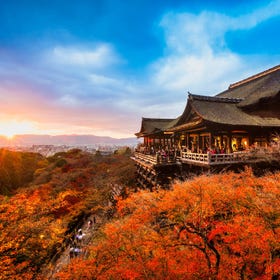
One of Kyoto's most renowned temples, located on the side of Mt. Otowa in the Higishiyama Range. It has been designated as a UNESCO World Heritage site.
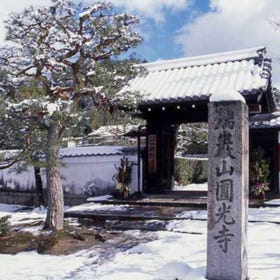
A temple of the Nichiren sect on Mt. Ogura in Sagano. It is well-known for ”Hyakunin Isshu” (a collection of 100 poems by 100 different poets). In autumn, the nearby mountains awash with brilliant red leaves.
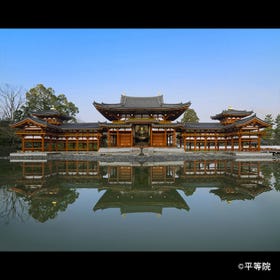
A beautiful temple like the Pure Land itself that illustrates the prosperity of the Fujiwara regency during the late Heian Period.