



Visiting Kyoto in Summer? Weather in June, July & August Plus What to Wear
- Written by: Nemi Lin
Kyoto, one of Japan’s most popular historic cities, sits in the Kansai region and is known for its preserved traditional streetscapes, iconic shrines and temples, and scenery that shifts with the seasons. Its classic atmosphere continues to attract visitors from Japan and abroad who want to experience traditional Japanese culture firsthand.
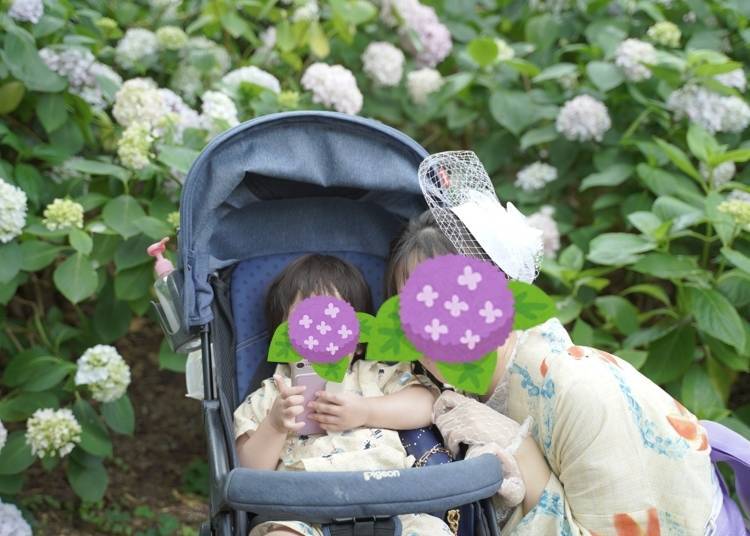
Summer in Kyoto begins with the rainy season. Sunny days are limited, but this is also when hydrangeas bloom beautifully, often appearing softly blurred after rainfall. From July, the Gion Festival, one of Japan’s three major festivals, takes over the city for a full month and is widely considered a must-see event. Because Kyoto is surrounded by mountains, summer weather is typically hot and humid, with the perceived temperature often higher than the actual reading.
If you plan to explore Kyoto during the height of summer, preparation is key. Below, our Japan-based editor has put together a simple weather overview and practical clothing tips to help you stay comfortable while enjoying Kyoto’s summer sights and festivals.
(Main image: Photo by LIVE JAPAN editor (Nemi Lin))
(This article contains affiliate links)
- Table of Contents
-
- What Is Summer Like in Kyoto (June, July, and August)?
- Kyoto Prefecture in June: Weather, What to Wear, and Seasonal Highlights
- Kyoto Prefecture in July: Weather Overview, What to Wear, and Seasonal Highlights
- Kyoto Prefecture in August: Weather Overview, What to Wear for Adults and Kids, and Seasonal Highlights
- Editor Nemi Answers: Common Questions About Visiting Kyoto in Summer

What Is Summer Like in Kyoto (June, July, and August)?
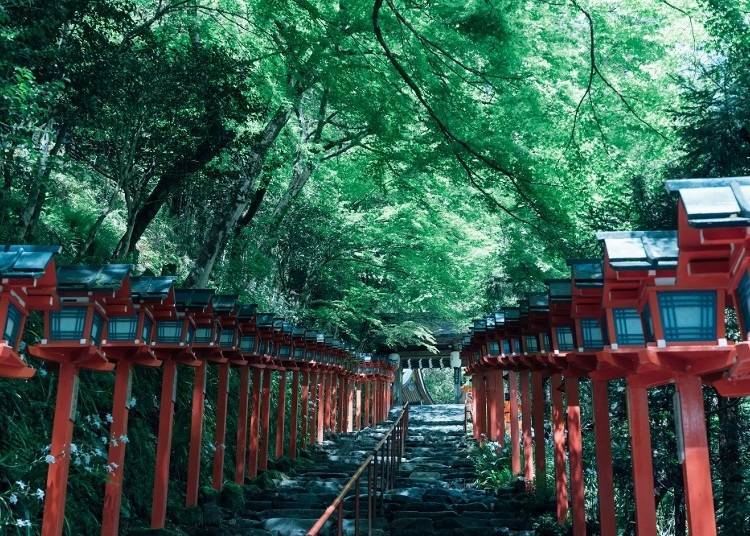
Kyoto Prefecture is located in Japan’s Kansai region. When people talk about “Kyoto,” they are usually referring to Kyoto City, but in recent years the term “Kyoto-on-the-Sea” has also become popular. This refers to the northern coastal areas of the prefecture, including Miyazu, Kyotango, and Maizuru. Because these areas face the Sea of Japan, their climate is noticeably different, with more cloudy days year-round and colder, snowier winters.
Kyoto City, by contrast, sits in a basin. Its most distinctive feature is the sharp seasonal contrast: summers are hot and humid, winters are cold, and the temperature difference between day and night can be significant. If you plan to visit Kyoto City in summer or winter, proper sun protection or cold-weather gear is essential.
While Kyoto’s summer heat can make sightseeing more challenging, it is also a rewarding time to visit. This season brings hydrangeas in full bloom, the month-long Gion Festival, one of Japan’s three major festivals, and the traditional Gozan Okuribi bonfire event. With the right clothing and a bit of preparation, it is still easy to enjoy Kyoto and experience a very different side of the city.
Up next, LIVE JAPAN’s Taiwanese editor Nemi, who has lived in Japan for seven years, shares practical summer outfit tips, including real examples and children’s outfits, to help you plan your summer trip to Kyoto.
Kyoto Prefecture in June: Weather, What to Wear, and Seasonal Highlights
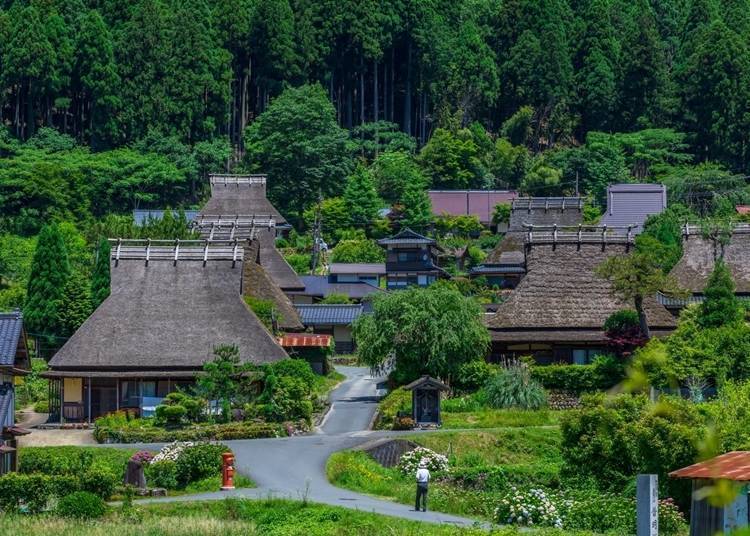
June Weather Across Kyoto Prefecture: The Start of the Rainy Season
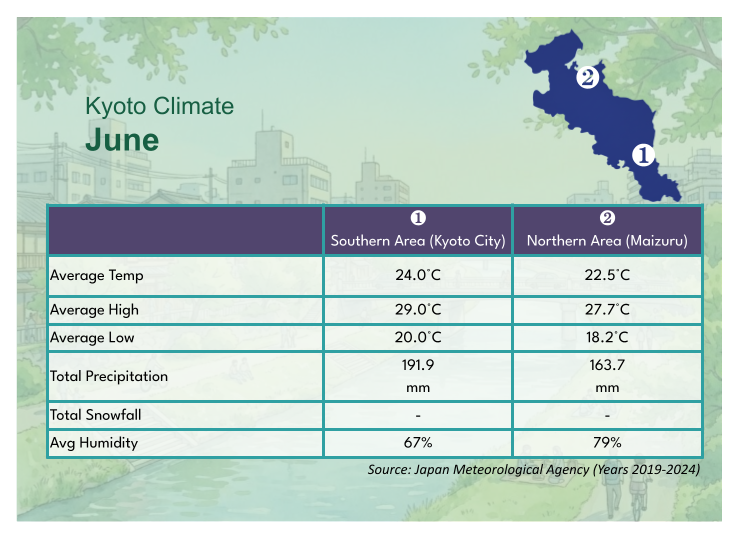
June marks the beginning of the rainy season in Kyoto Prefecture. According to Japan Meteorological Agency averages, total rainfall in June is significantly higher than in most other months, and weather conditions can change quickly throughout the day. Even if sunshine is forecast, it is wise to carry a compact umbrella at all times. While rainfall can briefly lower temperatures, clear periods afterward often bring strong UV exposure and rising heat, making sun protection and UV-care items essential.
Although the damp weather may make indoor activities tempting, June is also peak hydrangea season in Kyoto. Temples such as Mimuroto-ji and Yanagidani Kannon Yokoku-ji are especially atmospheric after rain, when the flowers are at their most vibrant. It is an ideal time to enjoy scenery that can only be seen during Kyoto’s early summer.
- Average Temperature
- 25.3°C (78°F)
- Average High
- 30.4°C (87°F)
- Average Low
- 21.1°C (70°F)
- Total Rainfall
- 295.5 mm
- Humidity
- 67%
- Average Temperature
- 22.9°C (73°F)
- Average High
- 28.2°C (83°F)
- Average Low
- 18.5°C (65°F)
- Total Rainfall
- 176.5 mm
- Humidity
- 81%
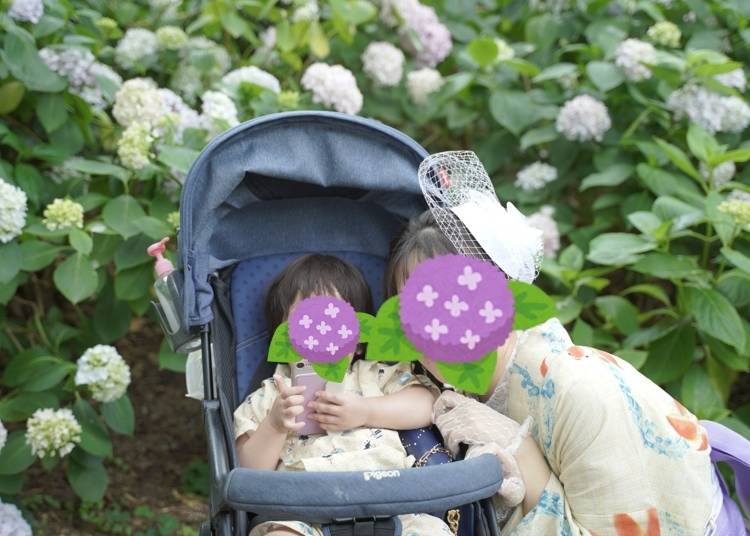
- Adults
- Light summer clothing such as short-sleeve tops, shorts, or airy long skirts works well. Bring a compact umbrella that can handle both sun and rain, as sudden showers are common.
- Children
- Short sleeves and shorts are suitable for the warm weather. Rain gear is essential, including a child-sized umbrella or raincoat, plus a rain cover for strollers.

Editor Nemi’s Top Picks: Best Things to Do and See in Kyoto in June
June brings fresh greenery to Kyoto, giving the historic city a calm, early-summer feel. Although it is the rainy season, Kyoto often looks even more atmospheric in the rain. The highlight this month is hydrangeas. Head to Mimuroto-ji in Uji or Sanzen-in, where thousands of hydrangeas bloom in soft blues, purples, and pinks. Seen through mist and light rain, the scenery feels uniquely magical and is only possible in June.
Another seasonal favorite is the opening of the Kamogawa riverside dining platforms, known as noryo-yuka, which begin operating in June. Choose a restaurant along the Kamo River, enjoy a gentle breeze on an elevated terrace, and savor Kyoto-style cuisine while watching the river flow by, an easy way to escape the summer heat.
If moving around during the rainy season feels inconvenient, a day tour can be a smart option. Guided trips that connect flower-viewing spots with places like Kibune Shrine let you enjoy Kyoto’s lush landscapes without worrying about umbrellas or transfers, making it easier to experience the romantic side of Kyoto’s early summer.

Kyoto Prefecture in July: Weather Overview, What to Wear, and Seasonal Highlights
August Weather Across Kyoto Prefecture: High Heat
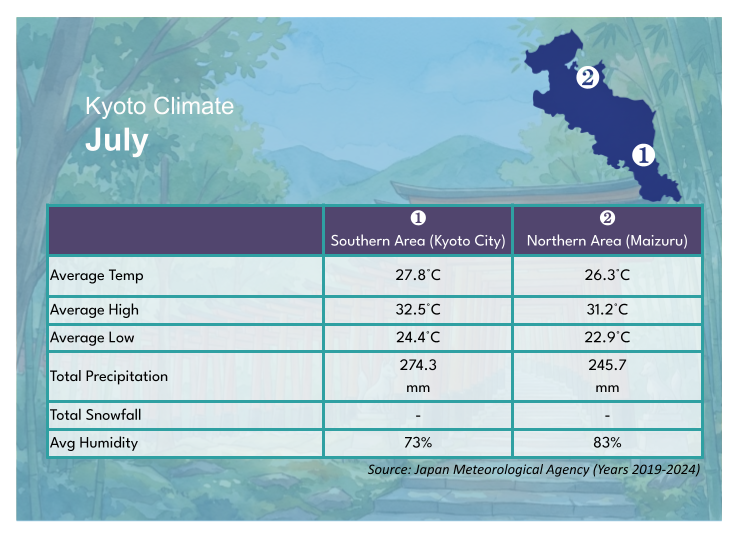
July in Kyoto is full-on summer. Average temperatures hover around 30°C (86°F), with strong sunshine similar to what travelers are used to in other Asian countries. Sun protection is essential, so be sure to pack sunscreen, a parasol, and UV-protection items. If you already have a routine for dealing with intense summer sun at home, the same approach works well in Kyoto.
Despite the heat, July is one of Kyoto’s most exciting months. The city comes alive with the month-long Gion Festival, one of Japan’s three major festivals, filling the streets with floats, events, and a festive atmosphere. Summer fireworks displays add to the seasonal charm, creating classic Japanese summer scenes after sunset. For a slower pace, nature lovers can visit places like the Kyoto Botanical Gardens, where bright sunflowers and lush greenery showcase the beauty of midsummer in Kyoto.
- Average Temperature
- 30.3°C (87°F)
- Average High
- 36.1°C (97°F)
- Average Low
- 26.2°C (79°F)
- Total Rainfall
- 180.5mm
- Humidity
- 65%
- Average Temperature
- 28.4°C (83°F)
- Average High
- 34.5°C (94°F)
- Average Low
- 23.9°C (75°F)
- Total Rainfall
- 21.0 mm
- Humidity
- 76%
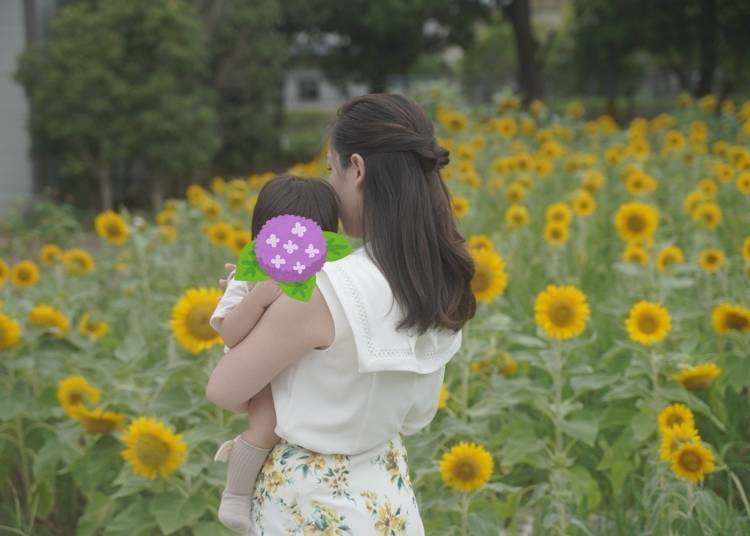
- Adults
- Summer essentials such as short-sleeve tops, shorts, and light long skirts are ideal. Add a lightweight UV jacket, a sun hat, and a compact umbrella for sudden showers. Insect repellent is also recommended to prevent mosquito bites.
- Children
- Short sleeves and shorts work well in the heat. Bring a stroller rain cover and a lightweight gauze blanket for shade, and be sure to use insect repellent to protect against mosquitoes.
Editor Nemi’s Top Picks: Best Things to Do and See in Kyoto in July
July is when Kyoto feels most alive. A must-try experience is wearing a yukata, the lightweight summer version of kimono. Breathable and easy to move in, yukata paired with an obi belt and wooden sandals are perfect for joining the citywide celebrations of the Gion Festival. Held throughout July, it is considered the most famous of Japan’s three major festivals. Highlights include the powerful Yamaboko Procession around July 17, when massive floats roll through the streets, and the lively Yoiyama evenings, where strolling food stalls in a yukata feels like peak Japanese summer.
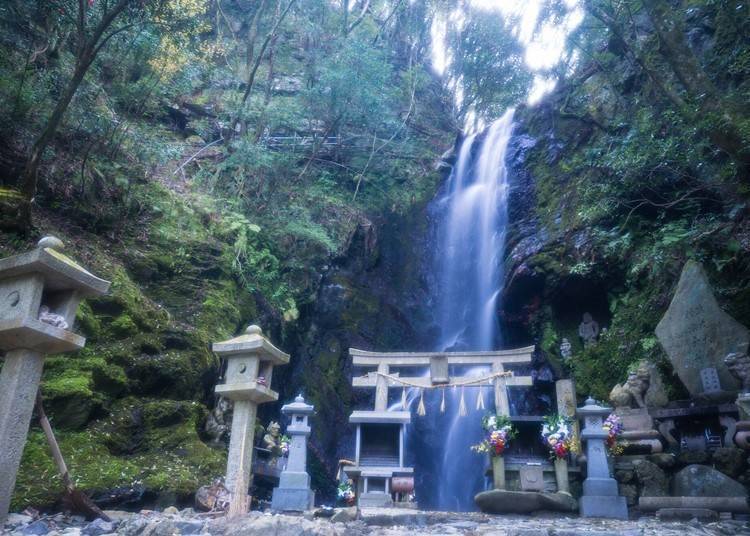
For a cooler escape, head north to Kibune Shrine. In July, the area is decorated with Tanabata bamboo ornaments, creating a dreamy setting alongside the sound of flowing water. Kibune is also famous for kawadoko dining, where meals are served on platforms built over mountain streams. Enjoying chilled noodles while feeling the cool river air is one of Kyoto’s most refreshing summer experiences.

Kyoto Prefecture in August: Weather Overview, What to Wear for Adults and Kids, and Seasonal Highlights

August Weather Across Kyoto Prefecture: High Heat and Sudden Showers
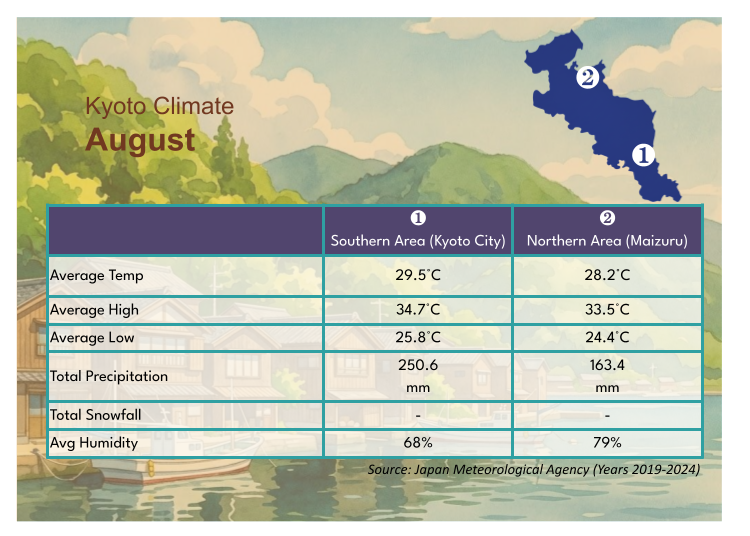
August is the hottest month of the year in Kyoto. Average temperatures reach around 30°C (86°F), with daytime highs often climbing to 35°C (95°F). Because Kyoto sits in a basin, heat tends to linger, making the humidity feel especially intense and uncomfortable at times. In addition to the high temperatures, afternoon thunderstorms are common, so rain gear and strong sun protection are essential for traveling comfortably in August.
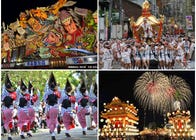
Although the Gion Festival wraps up in late July, Kyoto remains lively in August. One of the most important annual events takes place on August 16: the Gozan Okuribi bonfire ceremony. Giant bonfire characters and symbols are lit on five mountains surrounding the city, creating a powerful and solemn scene that is unique to Kyoto and deeply rooted in tradition.
- Average Temperature
- 30.2°C (86°F)
- Average High
- 35.8°C (96°F)
- Average Low
- 26.3°C (79°F)
- Total Rainfall
- 305.5 mm
- Humidity
- 67%
- Average Temperature
- 28.1°C (83°F)
- Average High
- 33.5°C (92°F)
- Average Low
- 24.5°C (76°F)
- Total Rainfall
- 109.0 mm
- Humidity
- 81%
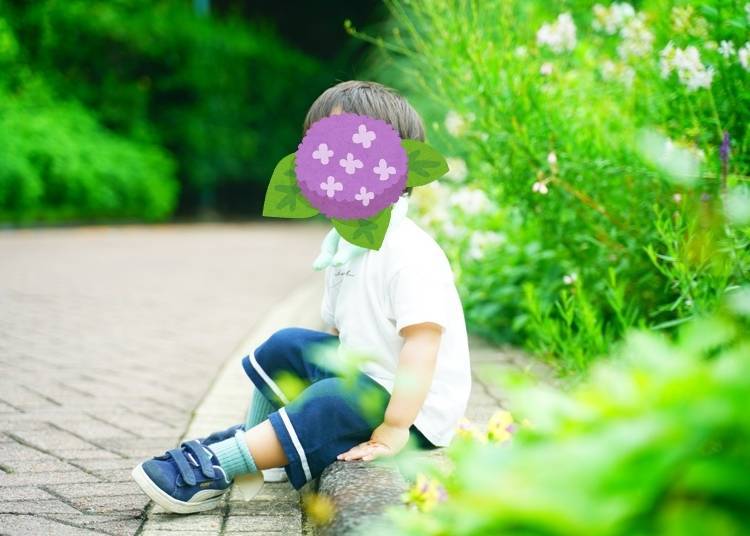
- Adults
- Light summer clothing such as short-sleeve tops, shorts, and airy long skirts is ideal. Add a UV-protection jacket and a sun hat, and make good use of cooling items like ice neck rings, cooling sheets, or handheld fans to ease the heat.
- Children
- Short sleeves and shorts are best for the intense heat. Attaching a small fan to a stroller can help keep children comfortable, and cooling neck rings are also useful for gently lowering body temperature.
Editor Nemi’s Top Picks: Best Things to Do and See in Kyoto in August
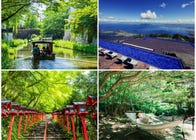
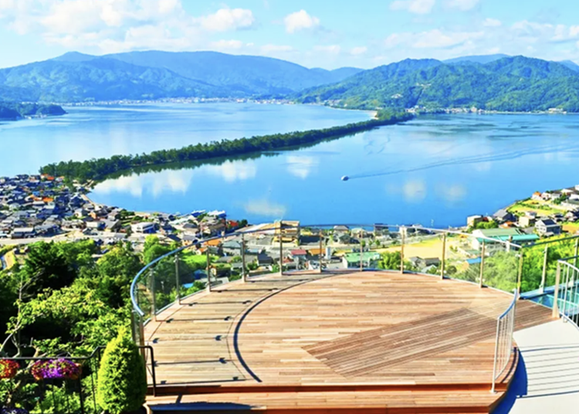
August heat settles heavily over the Kyoto Basin, making it the perfect time to head north to the coastal area known as “Kyoto-on-the-Sea.” A top escape is Amanohashidate, one of Japan’s most scenic spots. From viewpoints such as Kasamatsu Park or the Flying Dragon View, the pine-covered sandbar stretching across Miyazu Bay looks especially striking against the deep blue sea. Renting a bicycle and riding along the shaded path lined with thousands of pine trees offers a refreshing contrast to temple-filled city sightseeing.
August is also when Kyoto’s summer nights reach their most dramatic moment. On August 16, the city hosts the iconic Gozan Okuribi. As night falls, massive bonfire symbols, including the famous “Dai” character and a torii gate shape, are lit on five mountains surrounding the city. The scene is both visually powerful and deeply moving, offering a glimpse into a tradition that has been passed down for centuries.

Editor Nemi Answers: Common Questions About Visiting Kyoto in Summer
Q1: Is Kyoto really hot in summer?
Yes, very hot. The summer sun in Kyoto is just as intense as in Taiwan and other Asian countries. The upside is that clothing choices are simple. What you normally wear in summer works just as well in Kyoto. Just be mindful of airline luggage rules if you plan to bring cooling items such as ice neck rings.
Q2: When is Kyoto’s rainy season?
The rainy season usually falls in June and sometimes lasts into early July. Even after it ends, sudden showers are still common, so carrying rain gear at all times is highly recommended to avoid disrupting your plans.
Q3: What should I wear in Kyoto during summer?
Kyoto summers are hot and humid, so short sleeves and sleeveless tops are perfectly fine. If you plan to rent traditional clothing, choose a yukata rather than a full kimono to stay comfortable and avoid overheating.
Festivals and Seasonal Blooms Create Kyoto’s Most Memorable Summer
Kyoto in summer comes with strong sunshine and changeable weather, making it a physical challenge at times. That said, this season also delivers experiences you can only find in midsummer, from iconic traditional festivals to beautiful seasonal flowers. Don’t let the heat hold you back. Pack rain gear, dress light, and experience Kyoto at its most vibrant.
Travel tip: August 13–16 marks the Obon holiday period in Japan. Many shops close, and popular spots may change reservation rules due to crowds. If you plan to visit during these dates, booking and planning ahead is essential.

Nemi has been living in Japan since 2015. She attended a Japanese-Chinese translation school in Japan and volunteered as a translator at the Osaka International House Foundation for 2 years. A busy mother, she explores trendy cafes, value-for-money buffets, and captures beautiful moments of cherry blossoms, hydrangeas, and maple leaves in her free time. She often travels with her family during holidays, collecting regional snacks and sampling local puddings. Nemi regularly shares top foodie spots, the best locations for picturesque views, and family-friendly guides to Osaka on her Instagram.
- Area
- Category
*Prices and options mentioned are subject to change.
*Unless stated otherwise, all prices include tax.

Popular Tours & Activities
Recommended places for you
-
Jukuseiniku-to Namamottsuarera Nikubaru Italian Nikutaria Sannomiya
Izakaya
Kobe, Sannomiya, Kitano
-
Abeno Harukas
Landmarks
Shinsekai, Tennouji, Tsuruhashi
-
ISHIDAYA Hanare
Yakiniku
Kobe, Sannomiya, Kitano
-
Kiyomizu-dera Temple
Temples
Gion, Kawaramachi, Kiyomizu-dera Temple
-
Goods
Yoshida Gennojo-Roho Kyoto Buddhist Altars
Gift Shops
Nijo Castle, Kyoto Imperial Palace
-
Yodobashi Camera Multimedia Umeda Store
Shopping Malls
Umeda, Osaka Station, Kitashinchi
-
Kansai Hidden Gem: Step Into a Real-Life Shangri-La at MIHO MUSEUM, I.M. Pei's Stunning Mountain Masterpiece
by: Wemmy Chau
-
5 Gorgeous Limited-Edition Goshuin Coming to Kobe’s Ikuta Shrine This September 2026
by: Wemmy Chau
-
Shopping in Osaka? Tourists Can Now Get Up to 3,000 Yen Off at Namba Stores
by: Guest Contributor
-
Missed the Sumo Tournament? 5 Best Shows in Osaka & Kyoto
-
Top 3 Bus Tours to Arashiyama & Kinkaku-ji (Amanohashidate Included)
by: Hyungil Kim
-
How to Ride Trains Like a Local in Kansai: Etiquette, Railway Culture & Historic Stops
by: Guest Contributor
Inspiration for Accommodations
-
July Events in Kansai: Fun Festivals, Food, and Things to Do in Kyoto & Osaka
-
Osaka After Dark: The Ultimate Rooftop & Riverside Beer Garden Guide
by: Guest Contributor
-
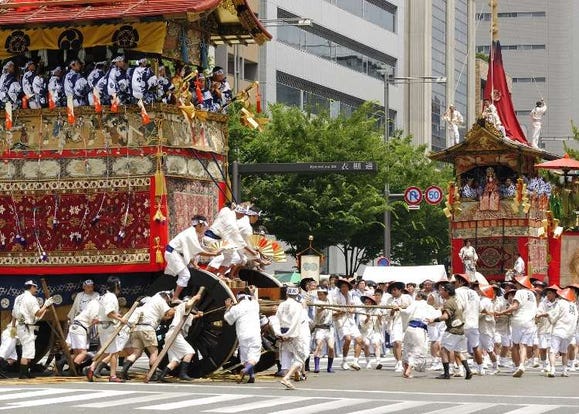
Gion Matsuri Guide (July 2026): Access and Tips on Enjoying One of Japan's Three Great Festivals in Kyoto
-
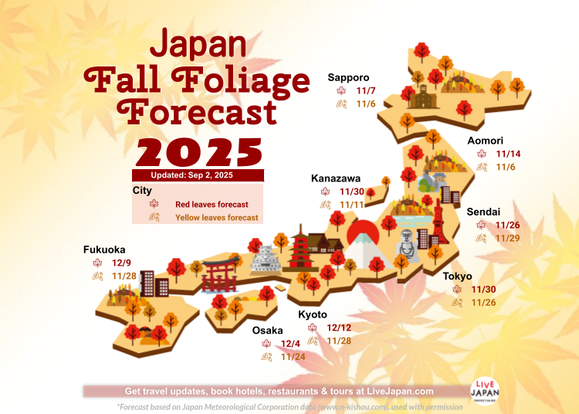
Autumn in Japan 2026: Fall Foliage Forecast & Where to Enjoy the Colorful Leaves (+Tour Info)
-
8 Things Japanese People Want You to Know About Kyoto in Summer
by: WESTPLAN
-
8 Unfamiliar (But Totally Normal) Customs in Japan!
- #best gourmet Osaka
- #things to do Osaka
- #what to do in kyoto
- #what to bring to japan
- #best gourmet Kyoto
- #new years in Osaka
- #what to buy in nanba
- #Visiting Osaka
- #onsen tattoo friendly arima
- #daiso
- #Visiting Kyoto
- #best japanese soft drinks
- #japanese fashion culture
- #japanese convenience store snacks
- #japanese nail trends