





8 Best Things to Do Near Fushimi Inari Shrine: Sake, Temples & Easy Kyoto Side Trips
- Written by: WESTPLAN
Fushimi Inari Taisha may be one of Kyoto’s most famous sights, but there is plenty more to explore once you have walked through its iconic vermilion torii gates. Nearby attractions range from Tofukuji Temple and local food streets to Fushimi’s historic sake-brewing district, all within easy reach by train or on foot.
This guide covers some of the best things to do near Fushimi Inari, including how to combine the shrine with temples, food, sake, history, and an easy half-day or full-day itinerary through southern Kyoto.
- Table of Contents
-
- How long should you spend at Fushimi Inari?
- 1. Fushimi Inari Sando Shopping Street: Try inari sushi and Kyoto street food
- 2. Tofukuji Temple: Combine Fushimi Inari with one of Kyoto's great Zen temples
- Continue south to Kyoto's Fushimi sake district
- 3. Gekkeikan Okura Sake Museum: Learn why Fushimi became a sake town
- 4. Jukkokubune Canal Cruise: See Fushimi's sake breweries from the water
- 5. Teradaya: Step into the turbulent final years of the samurai era
- 6. Kizakura Kappa Country: Try Fushimi sake and locally brewed beer
- 7. Otesuji Shopping Street: Explore everyday Fushimi between the breweries
- 8. Have more time? Detour to Daigoji Temple
- Suggested Fushimi itineraries
How long should you spend at Fushimi Inari?
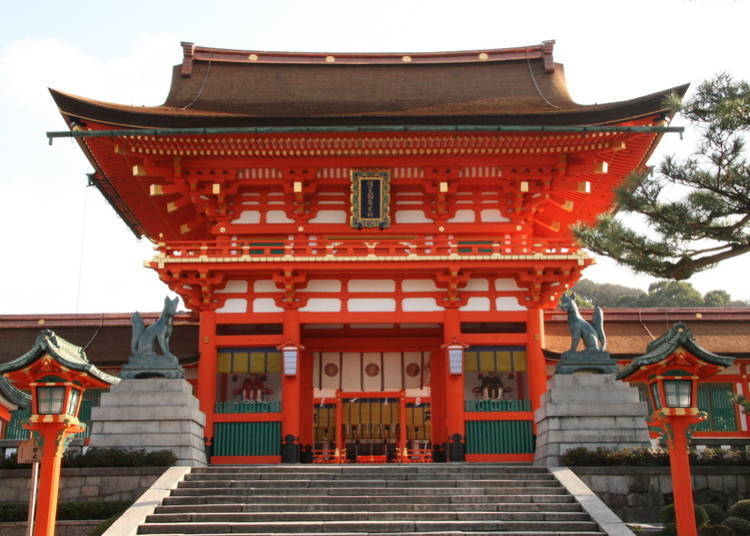

Fushimi Inari Taisha is around five minutes by train from Kyoto Station on the JR Nara Line, with the shrine entrance just outside JR Inari Station. Visitors arriving on the Keihan Line can walk from Fushimi Inari Station in around five minutes.
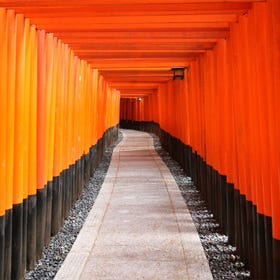
For most first-time visitors, around 1–2 hours gives you enough time to see the main shrine buildings and walk through the famous Senbon Torii gates. If you plan to continue farther up Mt. Inari or complete more of the mountain route, allow several hours.
Starting early makes it particularly easy to combine Fushimi Inari with another part of southern Kyoto. Tofukuji is the simplest nearby temple to add, while travelers interested in food, sake, and local history can continue south on the Keihan Line into Fushimi’s historic sake district.
Read our complete guide to Fushimi Inari Taisha
-

-
Address
68, Fukakusayabunouchicho, Fushimi-ku, Kyoto-shi, Kyoto, 612-0882
View Map -
Nearest Station
Inari Station (JR Nara Line)
- Phone Number 075-641-7331
-
Address
68, Fukakusayabunouchicho, Fushimi-ku, Kyoto-shi, Kyoto, 612-0882
1. Fushimi Inari Sando Shopping Street: Try inari sushi and Kyoto street food

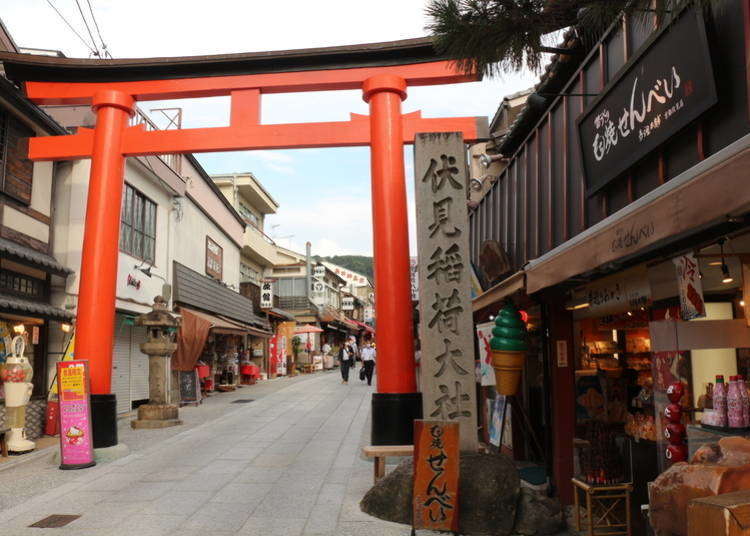
The easiest place to explore after leaving Fushimi Inari is right outside the shrine. Fushimi Inari Sando Shopping Street is lined with shops and leads from Fushimi Inari Station on the Keihan Electric Railway toward the shrine’s famous torii gates. Restaurants, snack stalls, souvenir shops, and traditional sweets line the route.
One local specialty to look for is inari sushi, made with vinegared rice wrapped in sweet fried tofu. Long ago, fried tofu was offered to Inari Okami, and foxes are said to favor it. Inari sushi is therefore sometimes described as one of the fox’s favorite foods. Many shops along the street sell different varieties, so try several kinds and compare them.

You will also find popular old-fashioned treats such as Inari senbei crackers, amazake, hiyashiame, and warabi mochi. Some shops even sell rare sparrow and quail yakitori, a distinctive local specialty.
The shopping street is particularly convenient if you want to grab lunch, a snack, or a souvenir without adding another major sightseeing stop to your day. Please note that many shops may be closed on weekdays.
-
Fushimi Inari Shrine Shopping Street伏見稲荷参道商店街
-
Address
Fukakusa Kaidocho, Fushimi-ku, Kyoto, 612-0806
View Map -
Nearest Station
Access: Immediately off Keihan Fushimi Inari Station
Phone: Varies by shop
Hours: Varies by shop -
Address
Fukakusa Kaidocho, Fushimi-ku, Kyoto, 612-0806

2. Tofukuji Temple: Combine Fushimi Inari with one of Kyoto's great Zen temples

If you want to pair Fushimi Inari with another major Kyoto temple, Tofukuji is one of the easiest choices. From JR Inari Station, it is just one stop to Tofukuji Station, followed by around a 10-minute walk.
Founded in 1236, Tofukuji is one of Kyoto’s major Zen temples. Its name was created using characters from two famous Nara temples, Todaiji and Kofukuji, reflecting the ambitions behind its construction.
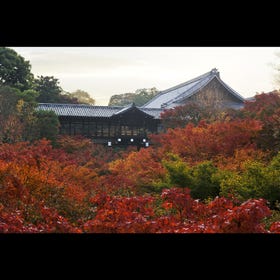
Today, Tofukuji is particularly famous for Tsutenkyo Bridge and the maple-filled valley surrounding it. Around 2,000 maple trees grow across the temple grounds, making it one of Kyoto’s best-known autumn foliage destinations.
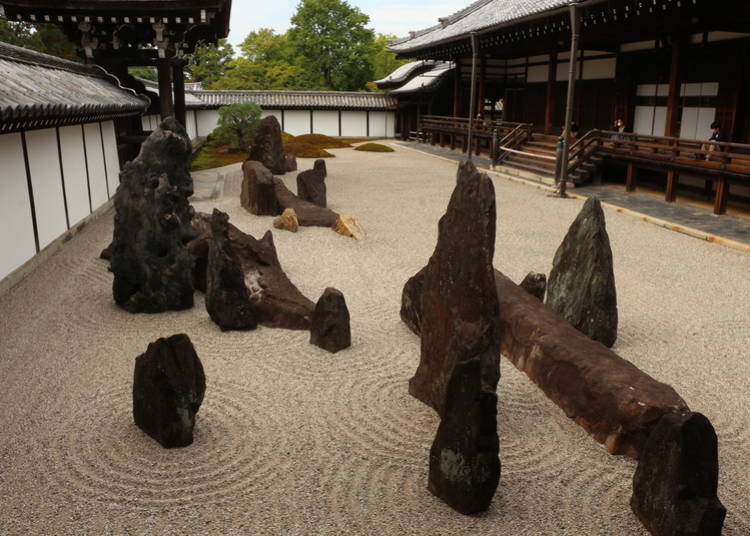
Another highlight is the garden surrounding the Hojo, designed by influential landscape architect Mirei Shigemori. Rather than a single traditional garden, the space is divided into four distinct gardens incorporating rocks, moss, sand, and geometric patterns.
Fushimi Inari and Tofukuji work especially well as a morning combination. Visit Fushimi Inari early, before crowds build, then continue one stop north to Tofukuji.
-
-
Address
15-778, Honmachi, Higashiyama-ku, Kyoto-shi, Kyoto, 605-0981
View Map -
Nearest Station
Tofukuji Station (JR Nara Line)
10 minutes on foot
- Phone Number 075-561-0087
-
Address
15-778, Honmachi, Higashiyama-ku, Kyoto-shi, Kyoto, 605-0981
Continue south to Kyoto's Fushimi sake district
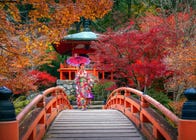
For something completely different from Kyoto’s temples and shrines, head south from Fushimi Inari on the Keihan Line.
Central Fushimi developed around high-quality groundwater and water transport, becoming one of Japan’s major sake-producing districts. More than 20 breweries remain in the area today, alongside canals, traditional brewery buildings, restaurants, shopping streets, and sites connected with the final years of the samurai era.
Chushojima and Fushimi-Momoyama stations are good starting points for exploring the district, and many major sights are within walking distance of one another.
3. Gekkeikan Okura Sake Museum: Learn why Fushimi became a sake town
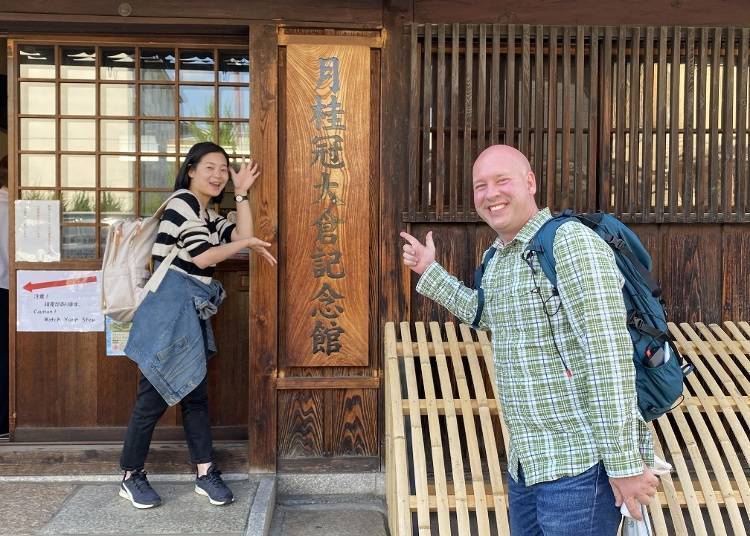
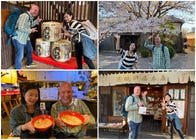
For a good introduction to Fushimi’s sake culture, start at the Gekkeikan Okura Sake Museum, around five minutes on foot from Keihan Chushojima Station.
Gekkeikan was founded in Fushimi in 1637 and grew into one of Japan’s best-known sake producers. Its museum occupies a historic sake brewery and introduces both the company’s history and the traditional techniques once used to brew sake in the district.
Displays include old brewing tools and equipment, while a well on the grounds helps explain one of the biggest reasons sake production flourished here: Fushimi’s abundant groundwater.
Visitors can also sample sake at the end of the museum experience, and the on-site shop sells bottles and other products that make easy Kyoto souvenirs.
-
Gekkeikan Okura Sake Museum月桂冠大倉記念館
-
Address
247, Minamihamacho, Fushimi-ku, Kyoto-shi, Kyoto, 612-8660
View Map
Website: https://www.gekkeikan.co.jp/enjoy/museum/
-
Address
247, Minamihamacho, Fushimi-ku, Kyoto-shi, Kyoto, 612-8660
4. Jukkokubune Canal Cruise: See Fushimi's sake breweries from the water
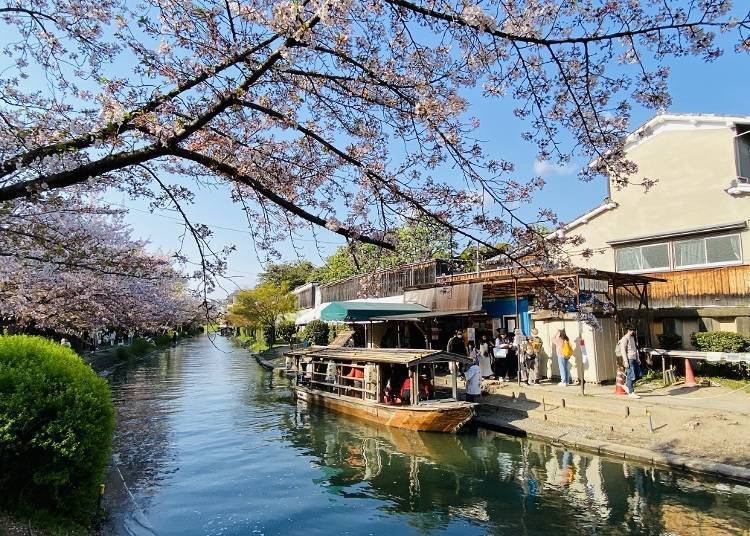
One of the most atmospheric ways to see Fushimi is from the water.
Fushimi once prospered as a river port connecting Kyoto with Osaka, and canals still run through the historic sake district today. The Jukkokubune is a sightseeing boat modeled after vessels once used to transport goods along these waterways.
The roughly 50-minute cruise passes willow trees, canals, and traditional sake brewery buildings, offering a completely different side of Kyoto from the crowded temple districts farther north.
Spring is particularly picturesque when cherry blossoms brighten the canal, but the combination of water, traditional buildings, and brewery scenery makes the cruise worth considering whenever boats are operating.
Cruises operate seasonally and may be suspended because of weather or water conditions, so check the latest schedule before visiting.
-
Jukkokubune Canal Cruise伏見十石舟
-
Address
247 Minamihyo-cho, Fushimi Ward, Kyoto 612-8043
View Map
Website: https://kyoto-fushimi.or.jp/fune/
-
Address
247 Minamihyo-cho, Fushimi Ward, Kyoto 612-8043
5. Teradaya: Step into the turbulent final years of the samurai era
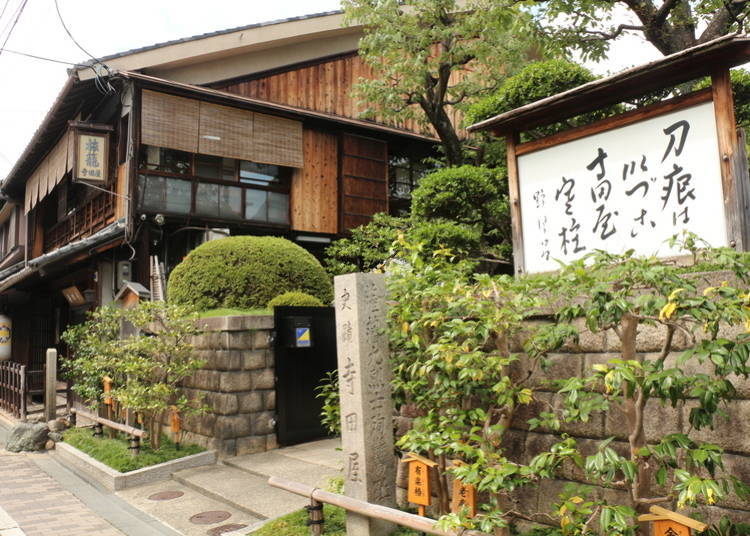
Teradaya opened as a boathouse inn in Fushimi Kyobashi in 1597. During the Edo Period, it operated ships between Fushimi and Osaka and served as a designated residence of the Satsuma clan. Today, it is both an inn and a historical museum.
To get there from Fushimi Inari Taisha, ride the Keihan Line from Fushimi Inari Station to Chushojima Station, six stations away, then walk for around 6–7 minutes. Teradaya is close to Fushimi’s historic canals and sake breweries, making it an easy stop on a walking route through the district.
The inn was the setting for two important events connected with the Meiji Restoration. In 1862, the Teradaya Incident saw nine members of the Satsuma Domain killed during an internal conflict. Then, in 1866, Sakamoto Ryoma escaped an attack while staying at Teradaya.

Teradaya is now an inn and historical museum. Visitors can see the bathroom on the first floor before climbing the stairs to the guest rooms on the second floor. In Umeno-ma, or the Plum Room, where Ryoma stayed, bullet holes remain visible in the walls. Sword marks can also be seen in the entrance pillars of Takeno-ma.
Because it is close to the canal, Gekkeikan, and Kizakura, there is little reason to visit Teradaya as a stand-alone destination. It works much better as one stop on a walking route through central Fushimi.
-
Teradaya Historic Site史蹟 寺田屋・坂本龍馬先生遭難の趾
-
Address
277 Minamihamacho, Fushimi Ward, Kyoto, 612-8045
View Map
-
Address
277 Minamihamacho, Fushimi Ward, Kyoto, 612-8045
6. Kizakura Kappa Country: Try Fushimi sake and locally brewed beer

Kizakura Brewery is located in Fushimi, a town that has prospered as a sake-brewing center since ancient times thanks to its famous “Fushimizu” water. Kizakura Kappa Country is around 6–7 minutes on foot from Chushojima Station, about six stations from Keihan Fushimi Inari Station, making it an easy stop after exploring Fushimi’s historic sake district.
This directly managed Kizakura complex brings together several attractions. At Kizakura Memorial Hall, you can learn about the history of Kizakura and the traditional sake-brewing process. Fushimigura, which opened in 2015, features various exhibits, while the Ginjo Brewery and Craft Beer Brewery offer a closer look at how Kizakura’s drinks are made.
The complex is also known for its connection with the kappa, a well-known creature from Japanese folklore. About 60 years ago, the kappa became Kizakura’s official character. At the Kappa Museum, you can see exhibits about the history and folklore of this mythological creature, which has appeared in Japanese stories since ancient times.

Kizakura Shoten sells Kizakura sake, local beers available only here, kappa-themed goods, and Kyoto souvenirs. The Kizakura Sake Bar serves lunch, along with freshly made local beers and sake, making it a convenient place to eat and drink after visiting the museum and brewery exhibits.
If you have time, why not visit them all? Kizakura Kappa Country makes an especially enjoyable stop after exploring Teradaya, Gekkeikan, and the nearby canals.
-
Kizakura Kappa Countryキザクラ カッパ カントリー
-
Address
228 Shioyamachi, Fushimi-ku, Kyoto, 612-8046
View Map -
Nearest Station
Access: 6-minute walk from Keihan Chushojima Station
- Phone Number 075-611-9919
・Hours: Kizakura Memorial Hall 10:00 AM–4:00 PM / Kizakura Shoten 10:00 AM–8:00 PM / Kizakura Bar 11:30 AM–2:30 PM (Saturdays, Sundays, public holidays open at 11:00 AM, L.O. 2:00 PM), 5:00 PM–9:30 PM (L.O. 8:50 PM)
・Admission: Free
・Closed: Tuesdays (or the following day if Tuesday is a public holiday), New Year's holidays (Dec 31, Jan 1) -
Address
228 Shioyamachi, Fushimi-ku, Kyoto, 612-8046
7. Otesuji Shopping Street: Explore everyday Fushimi between the breweries
For a look at a more local side of Fushimi, continue toward Otesuji Shopping Street and the neighboring Nayamachi and Ryomadori shopping streets.
The covered shopping area sits at the center of Fushimi’s commercial district, mixing everyday stores and restaurants with businesses specializing in local sake. It is a useful place for lunch, snacks, shopping, or simply a break between historic sights.
More importantly, it connects several of the area’s attractions naturally on foot. Rather than racing from one brewery or historical site to the next, spend some time wandering the streets and canals around Fushimi-Momoyama and Chushojima.
Travelers interested in sake can also look for shops and restaurants offering tastings from Fushimi breweries, making it easy to compare different styles before deciding what to take home.
8. Have more time? Detour to Daigoji Temple

Daigoji is located in Fushimi Ward, but it is farther from Fushimi Inari than the other places in this guide and is better treated as a separate side trip. From Fushimi Inari Shrine, take the train from JR Inari Station to Rokujizo Station, three stations away, then continue by bus for around 10 minutes.
Daigoji is the head temple of the Shingon Sect and was registered in 1994 as a UNESCO World Cultural Heritage site as part of the Historic Monuments of Ancient Kyoto. The temple grounds encompass the entire Daigosan Mountain. The lower area at the foot of the mountain is called Shimo-daigo, while the summit area is known as Kami-daigo. Reaching Kami-daigo requires a demanding mountain hike, so most visitors focus on the temple buildings and gardens in Shimo-daigo.
After passing through the Saidaimon Gate, rebuilt by Toyotomi Hideyori, you enter an area lined with important temple buildings and halls. The Kondo, or Golden Hall, is a National Treasure that was relocated from Wakayama on the orders of Toyotomi Hideyoshi. Its principal image, Yakushi Nyorai, is accompanied by statues of the Bodhisattvas Nikko and Gakko, all of which are designated Important Cultural Properties.
Daigoji’s five-story pagoda is another National Treasure and the oldest surviving wooden structure in Kyoto Prefecture. Built in honor of Emperor Daigo, it is one of the temple’s most recognizable landmarks.

Sanboin is one of Daigoji’s smaller temples and has served as its head temple since Shokaku, the 14th archbishop of Daigoji, established it in 1115. The present Sanboin was built following Daigo no Hanami, the famous cherry-blossom viewing party held by Toyotomi Hideyoshi in 1598. Hideyoshi designed the garden himself, and it is now designated both a National Historic Site and a Place of Special Scenic Beauty.
Other highlights include the Karamon Gate and Omote-shoin, both National Treasures, as well as the weeping cherry trees in front of Sanboin’s main entrance. Daigoji is especially famous for its cherry blossoms in spring and autumn foliage later in the year. If you want to visit, allow at least 1.5–2 hours for the temple grounds, and longer if you plan to hike toward Kami-daigo, rather than trying to squeeze it into a quick stop after Fushimi Inari.
-

-
Address
22, Daigohigashiojicho, Fushimi-ku, Kyoto-shi, Kyoto, 601-1325
View Map -
Nearest Station
Daigo Station (Tozai Line)
10 minutes on foot
- Phone Number 075-571-0002
-
Address
22, Daigohigashiojicho, Fushimi-ku, Kyoto-shi, Kyoto, 601-1325
Suggested Fushimi itineraries
Suggested half-day itinerary: Fushimi Inari + Tofukuji
If you only have half a day, keep things geographically simple.
Fushimi Inari Taisha → Fushimi Inari Sando → Tofukuji Temple
Start at Fushimi Inari early in the morning and spend around 1–2 hours exploring the shrine and torii gates. Pick up a snack or early lunch around the shopping street, then take the JR Nara Line one stop to Tofukuji.
This route works particularly well during autumn, when Tofukuji becomes one of Kyoto’s major foliage destinations.
Suggested full-day itinerary: Fushimi Inari + Kyoto’s sake district
If you have more time, continue south rather than returning immediately to central Kyoto. If you start early in the morning, you should be able to finish this itinerary by early afternoon.
Fushimi Inari Taisha → Fushimi Inari Sando → Chushojima → Gekkeikan Okura Sake Museum → Jukkokubune Canal Cruise → Teradaya → Kizakura Kappa Country → Otesuji Shopping Street
This route gives you two very different sides of southern Kyoto in one day: the famous torii gates of Fushimi Inari in the morning, followed by sake breweries, canals, samurai history, and local food in the afternoon.
Most of the central Fushimi stops are close enough to explore on foot once you arrive around Chushojima.

Kiko Matsuda, Keiko Kimura, Risa Tsushi, and a team of female writers familiar with Kansai. We love eating, drinking and traveling! We share fun information based on our experiences.
- Area
- Category
*Prices and options mentioned are subject to change.
*Unless stated otherwise, all prices include tax.

Popular Tours & Activities
Recommended places for you
-
Jukuseiniku-to Namamottsuarera Nikubaru Italian Nikutaria Sannomiya
Izakaya
Kobe, Sannomiya, Kitano
-
ISHIDAYA Hanare
Yakiniku
Kobe, Sannomiya, Kitano
-
Kiyomizu-dera Temple
Temples
Gion, Kawaramachi, Kiyomizu-dera Temple
-

Sunflower terminal (Osaka) Terminal 1
Other Sightseeing
USJ, Nanko Port
-
Osaka Aquarium KAIYUKAN
Zoos, Aquariums & Botanical Gardens
USJ, Nanko Port
-
Goods
Yoshida Gennojo-Roho Kyoto Buddhist Altars
Gift Shops
Nijo Castle, Kyoto Imperial Palace
-
Missed the Sumo Tournament? 5 Best Shows in Osaka & Kyoto
-
Top 3 Bus Tours to Arashiyama & Kinkaku-ji (Amanohashidate Included)
by: Hyungil Kim
-
5 Gorgeous Limited-Edition Goshuin Coming to Kobe’s Ikuta Shrine This September 2026
by: Wemmy Chau
-
Kansai Hidden Gem: Step Into a Real-Life Shangri-La at MIHO MUSEUM, I.M. Pei's Stunning Mountain Masterpiece
by: Wemmy Chau
-
Ad
New Destination! UNIQLO's New Global Flagship Store Comes to Kyoto in November 2026
-

How to Ride Trains Like a Local in Kansai: Etiquette, Railway Culture & Historic Stops
by: Guest Contributor
Inspiration for Accommodations
-
8 Unfamiliar (But Totally Normal) Customs in Japan!
-
7 Amazing Train Passes for Japan's Kansai Area: Save Huge While Exploring Kyoto, Osaka & More!
by: WESTPLAN
-
Fine Japanese Dining in Kyoto! Top 3 Japanese Restaurants in Kiyamachi and Pontocho Geisha Districts
-
Japan's Bath Culture: Tips You Should Know!
-
Osaka After Dark: 10 Spots for Dazzling Night Views
-
Osaka's Food and Fun Hub: 13 Best Things to Do in Dotonbori Recommended by Locals
- #best gourmet Osaka
- #things to do Osaka
- #what to do in kyoto
- #what to bring to japan
- #best gourmet Kyoto
- #new years in Osaka
- #what to buy in nanba
- #Visiting Osaka
- #onsen tattoo friendly arima
- #daiso
- #Visiting Kyoto
- #best japanese soft drinks
- #japanese fashion culture
- #japanese convenience store snacks
- #japanese nail trends