



Hokkaido for Travelers from India: A Complete First-Trip Guide
- Written by: Himanshi Shah
As an Indian who grew up on 80s and 90s Bollywood movies, I was sold on the idea that a perfect holiday involved sarees billowing against far-off landscapes, a steaming cup cradled in both hands, hillsides morphing from one flower to another, and snow drifting past mountain peaks in the distance.
So imagine my surprise when every item on my checklist came to life in one place. Hokkaido gave me the snow, falling in slow motion past the window over my first bowl of vegetarian soup curry. And it also gave me pink springs, purple summers, and burning red autumns.
Word has gotten out about Hokkaido’s glory, but most of the guides are aimed at someone who doesn’t need a visa, who eats anything, who pays with a tap, and has never stood in a konbini turning an onigiri over in their hands, scanning the label for signs of fish or meat.
For half a year, I called Sapporo—Hokkaido’s capital city—home. This guide is those six months compressed: packed with everything I wish I’d known the first time I came to Hokkaido from India.
So this isn’t a tourist hit-list of the same ten spots. It’s the planning context travellers from India need: the logistics, where to find veggie food, the boring-but-essential SIM situation, and an honest account of what will wow you and what might not suit explorers from India.
- Table of Contents
-
- Visa for Japan
- Getting to Hokkaido
- Travel Times to Avoid
- Getting Around in Hokkaido
- When to go to Hokkaido (with an Indian context)
- Eating Well as a Vegetarian (& other dietary restrictions) in Hokkaido
- Money, SIMs, and Connectivity in Hokkaido
- Cultural Notes for Indian Travelers
- Suggested First-Timer's Hokkaido Itinerary (7–10 Days)
- A Rough Budget
- What to Expect & What Will Blow Your Mind
Visa for Japan
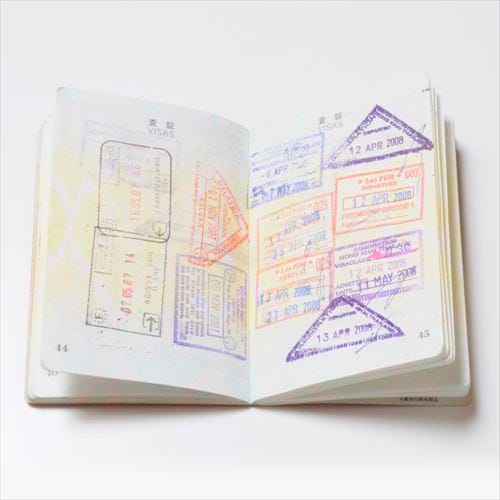
There’s no visa-on-arrival for Indian passport holders, so sort this before you fly. There’s a happy surprise, though. Japan hiked visa fees for most of the world nearly fivefold, effective July 1, 2026. Indians are exempt under a long-standing bilateral agreement. Per the Embassy of Japan in India, our fee remains at just ₹500 for both single- and multiple-entry visas, making it one of the best travel deals right now.
You have two routes. The eVisa is applied for online through a government-accredited agency (we can’t self-apply the way US or UK travellers can) and gives you a digital Visa Issuance Notice instead of a passport sticker. The traditional VFS Global route, with centres in Mumbai, Delhi, Bengaluru, Chennai, and more, gives you a physical sticker and is the one to pick for multiple entry.
You’ll need a passport valid six months out, a photo, confirmed flights and hotels, six months of bank statements, and three years of ITRs. Processing takes about two to three weeks. As a first-timer, add a short cover letter and a day-by-day itinerary even though they’re optional;
Fees and rules change from time to time, so confirm on the official sources before applying:
Getting to Hokkaido
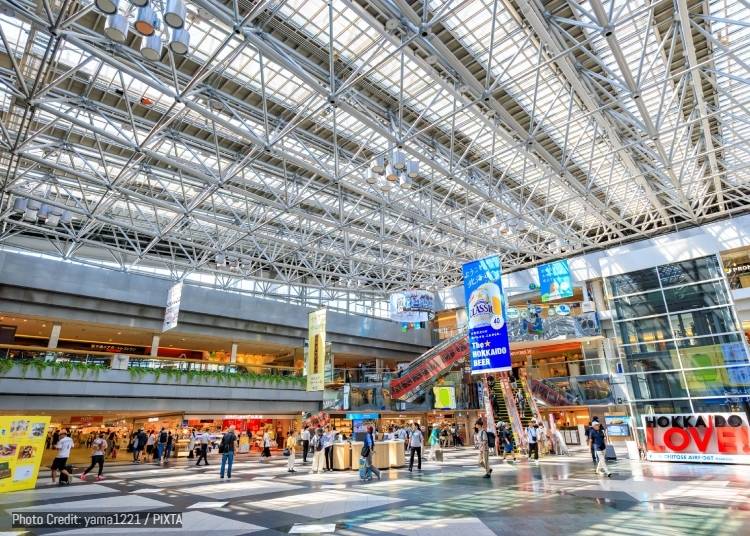
With a visa in hand, the next step is to get there.
You’ll likely fly into New Chitose Airport (CTS), just outside Sapporo, to kick off your Hokkaido adventure. There are no direct flights from India to Sapporo, so you’ll route through Tokyo (Haneda Airport/HND or Narita Airport/NRT) or Osaka first. The usual path is a direct or one-stop flight from Delhi, Mumbai, or Bengaluru to Haneda or Narita, then a short domestic hop on JAL or ANA to New Chitose. Book far enough ahead, and you might also find a cheaper deal through an Asian hub like Singapore, Bangkok, Hong Kong, or Seoul that drops you straight into Hokkaido.
In recent years, both JAL and ANA have offered discounted domestic fares for foreign visitors when bundled with an international ticket, so it’s worth checking before you book the internal leg at full price.
-

-
Address
987-22, Bibi, Chitose-shi, Hokkaido, 066-0012
View Map -
Nearest Station
New Chitose Airport Station (Chitose Line)
- Phone Number 0123-23-0111
-
Address
987-22, Bibi, Chitose-shi, Hokkaido, 066-0012
Travel Times to Avoid
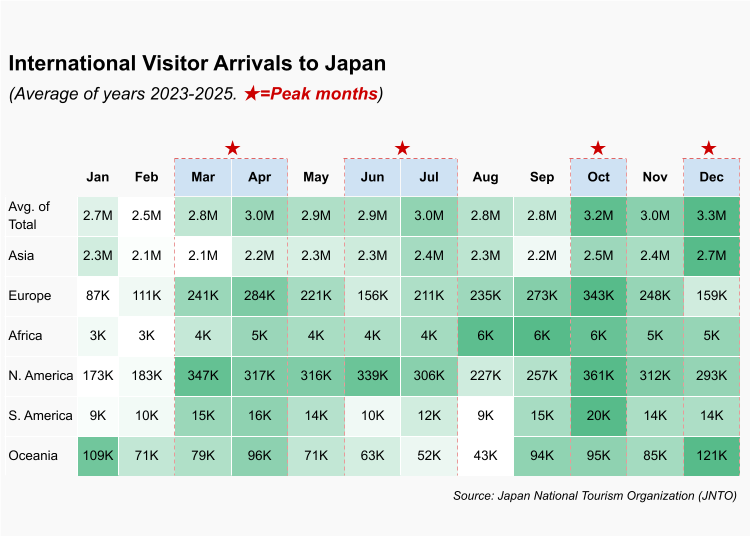
Plan your trip away from Japan’s holiday period, because that’s when prices spike like crazy. The big three to dodge are Golden Week (late April into early May), Obon (mid-August), and the Christmas and New Year stretch. The shoulder weeks on either side are drastically cheaper and far less crowded. And if you’re the type who’d rather ease in, fly into Tokyo, shake off the jet lag over a day or two, then continue north.

Getting Around in Hokkaido
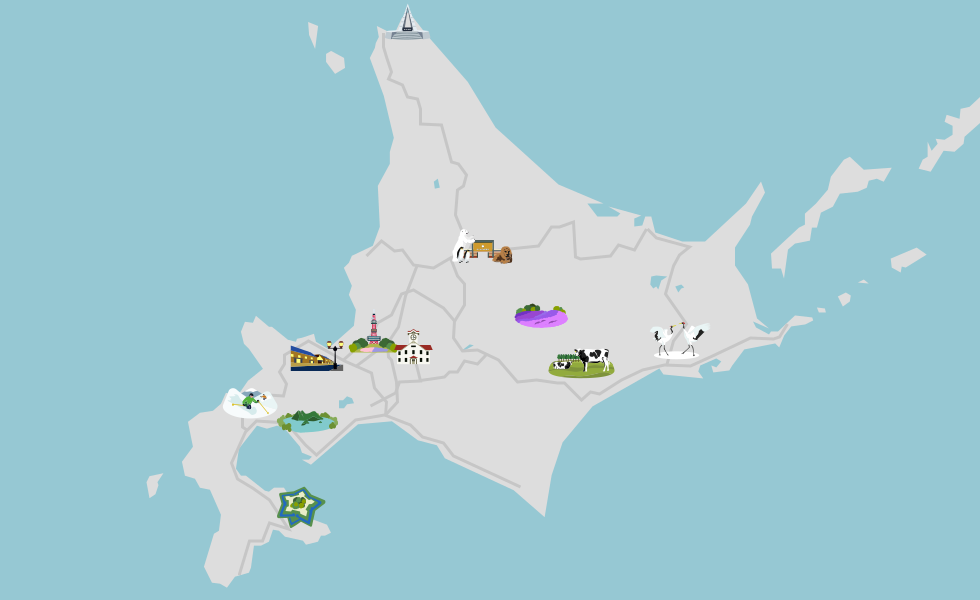
The tourist-friendly cities of Hokkaido have plenty of public transport to carry you from A to Z without breaking the bank. For getting between cities, JR Hokkaido runs the train network, and the JR Hokkaido Rail Pass gives you unlimited travel on its lines for a set number of consecutive days. Whether it pays off depends entirely on your route.
For those looping Sapporo to Hakodate to Asahikawa, it can save you a lot of yen, but if you're mostly staying put, you're better off buying tickets as you go. Rates get revised periodically, so check the current price before you commit.
Within a city, a tap-and-go IC card will cover most of your trains and buses (more on those later). But it surprised me just how enormous Hokkaido is. Every time I wanted to get out into the countryside, the train and bus connectivity got complicated.
If, like me, your heart is set on the lavender fields of Furano and Biei, or the national parks, renting a car gives you the freedom no rail pass can match. As everywhere in Japan, taxis add up quickly, so save them for when you're stuck somewhere.
Special Discount (Nippon Rent-A-Car)
Get 10% off when you book via the website below using coupon code: iUzM2RfVlJ

When to go to Hokkaido (with an Indian context)
Winter (December–February): The Snow Trip of Your Dreams
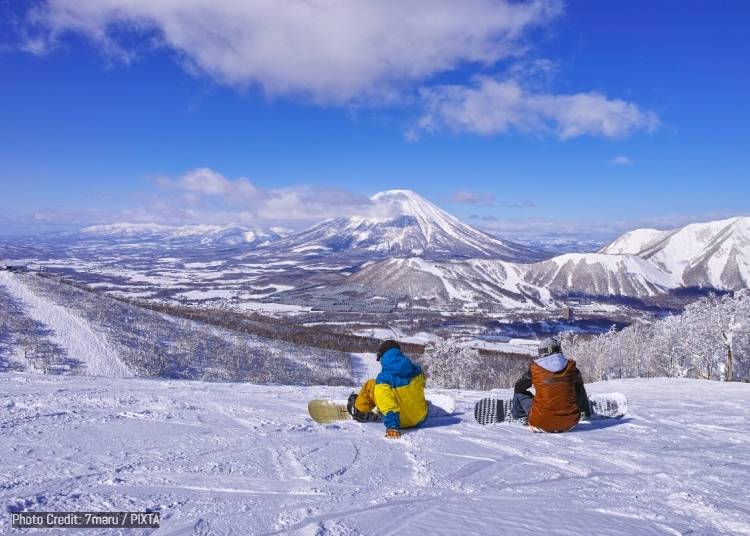
Winter in Hokkaido is the Bollywood fantasy made real. Mount Yotei, the island's answer to Mount Fuji, looms snow-capped over the horizon while Sapporo preps for the Snow Festival in early February. Otaru's canal glows under a dusting of white, Niseko's legendary powder draws snow sport enthusiasts from across the world, and Furano's slopes welcome both beginners and intermediate skiers. This is where you finally get to play out the Dilwale Dulhania Le Jayenge daydream.
I have to warn you, though, having spent my life under the Mumbai sun, I was nowhere near ready for the cold of northern Japan. This isn't Shimla-chilly. Asahikawa routinely plunges into the minus twenties, and even Sapporo sits well below freezing for weeks at a stretch. It's a dry, biting cold, the pavements turn to sheets of ice, and I've fallen in the snow more times than I can count. Layer seriously, pack snow boots with real grip, and invest in a thick puffer and a set of Uniqlo Heattech thermals.

Spring (April–May): Late-Blooming Sakura
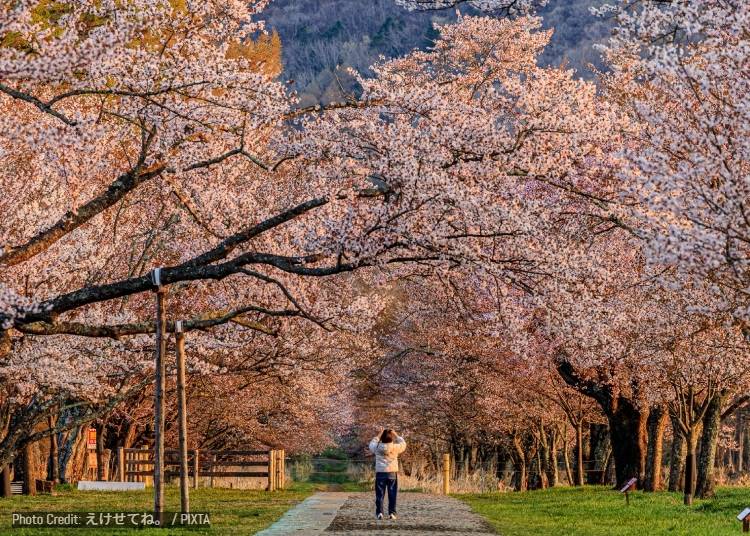
While the rest of Japan has long moved on from cherry-blossom season, the north is only just beginning, with peak bloom usually in late April and early May. Miss the sakura in Tokyo or Kyoto, and you can fly north to catch it all over again, pinker and with a fraction of the crowds. Mornings are crisp, the trails sit empty, and your camera will work overtime.
Summer (June–August): Japan's Cool Corner
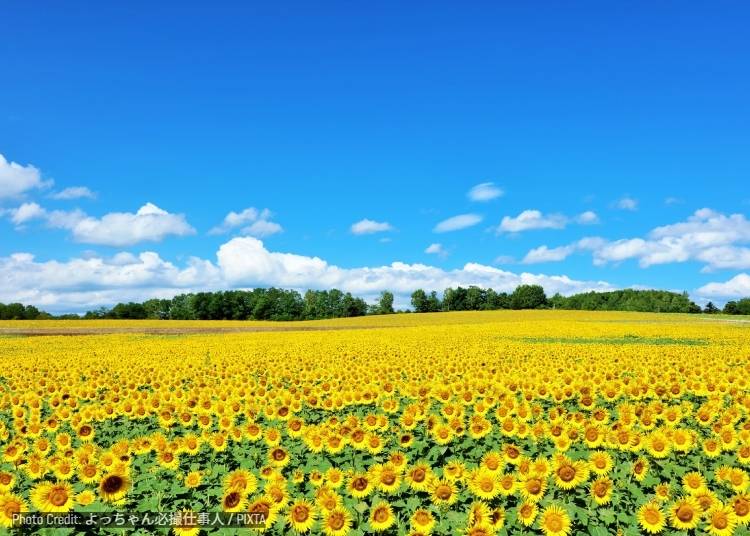
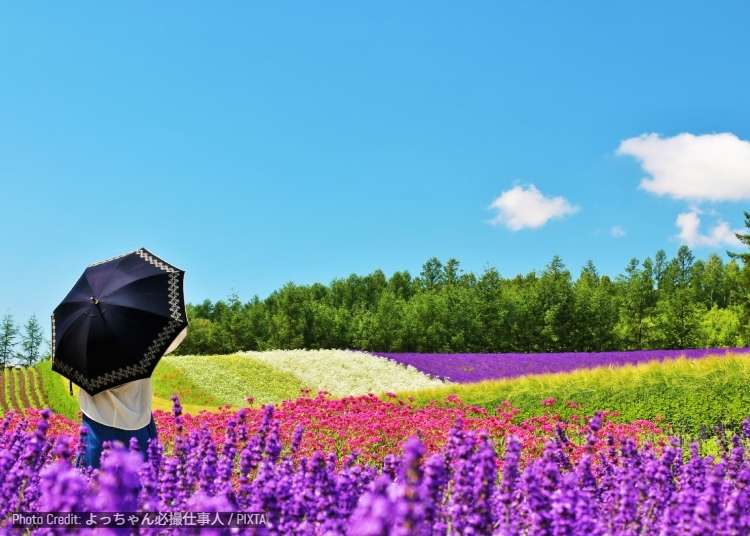
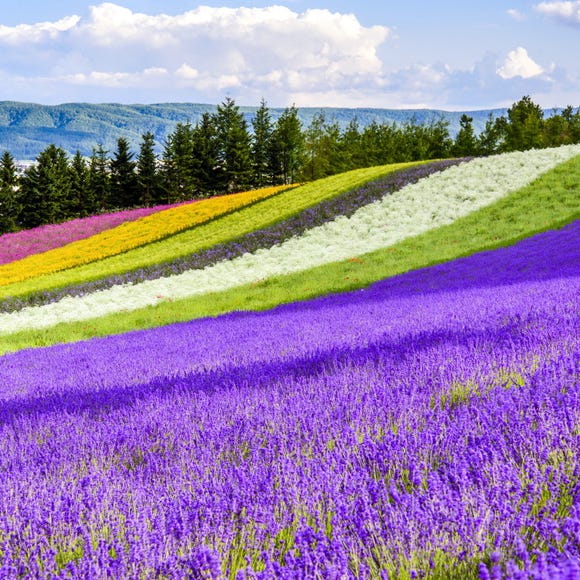
When the Indian summer turns punishing, let Hokkaido be your escape. Down south, the country dissolves into a humid steam room, but the island stays mild and green, the one slice of Japan that's still pleasant in July. It's lavender season too, and the purple swathes of Furano and Biei are every bit as dreamy as the photos promise.


Autumn (September–October): Blazing Hues
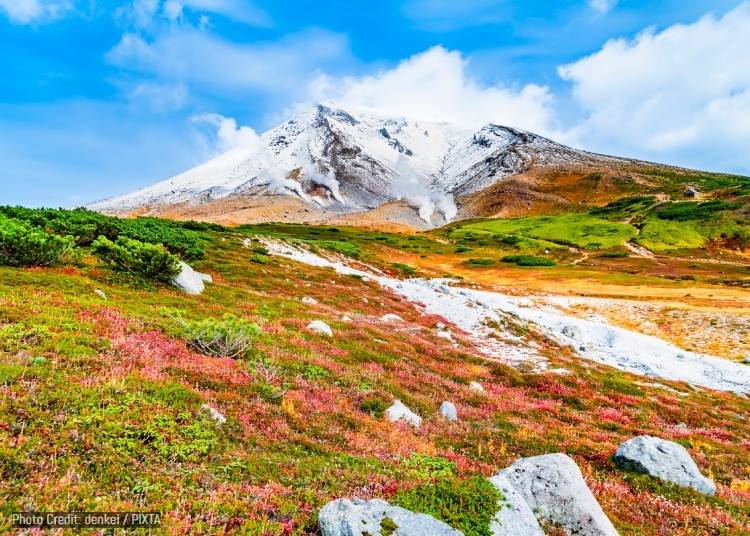
Outside our northernmost states, fall colour is something most of us in India rarely get to see, which is reason enough to time a trip around it. Autumn in Hokkaido is fleeting, and the peak shifts year to year with the weather, but catching it is worth the gamble. Hiking through Daisetsuzan National Park as the slopes turn red is surreal.
Prefer to take it slow? Jozankei Onsen makes a lovely day trip from Sapporo, with leaves turning by early October as you soak.
Autumn is also the island's finest season for eating, the menus festooned with root vegetables, wild mushrooms, and the year's best produce.
Eating Well as a Vegetarian (& other dietary restrictions) in Hokkaido
Every Indian vegetarian who travels knows the ritual. The instant-meal packs in the suitcase, the thepla wrapped in newspaper that oils through to your passport, the resignation of eating a plate of plain rice in a country that has never heard the word “Jain.”
And nowhere tests us quite like Hokkaido does. Foodies flock in droves to savour snow crab, butter-rich ramen, and Jingisukan lamb sizzling over a dome-shaped grill. For a committed vegetarian, eating here takes planning. For a Jain traveller, more still.
But navigation is not the same as deprivation, and I realised just how well the island feeds you once you know where to go and what to eat.
Tempura
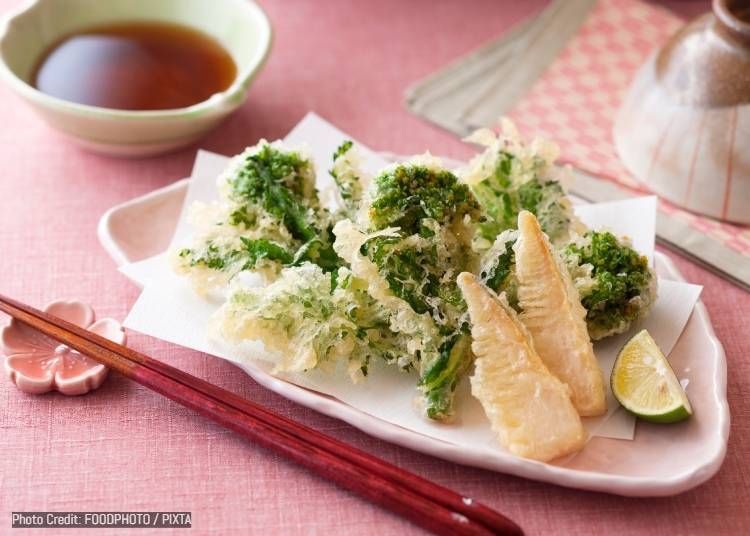
Flexibility on the egg in the batter and skipping the dashi-based tentsuyu sauce would mean you could order vegetable tempura at several eateries.
Soba & Udon
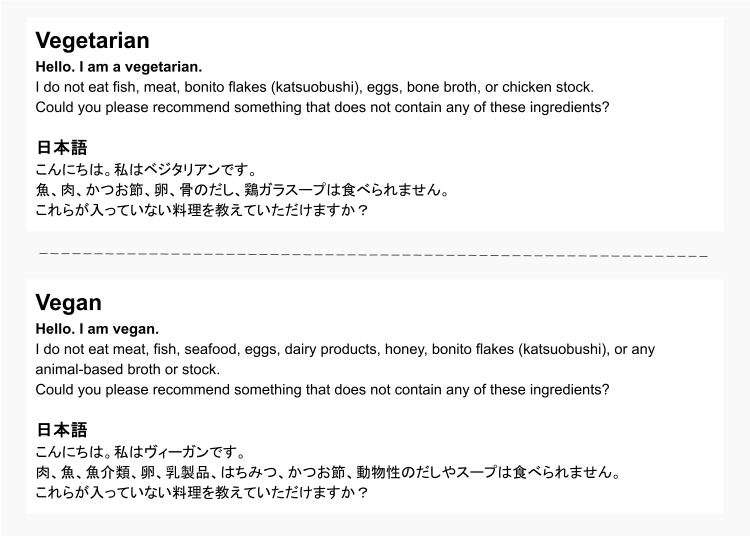
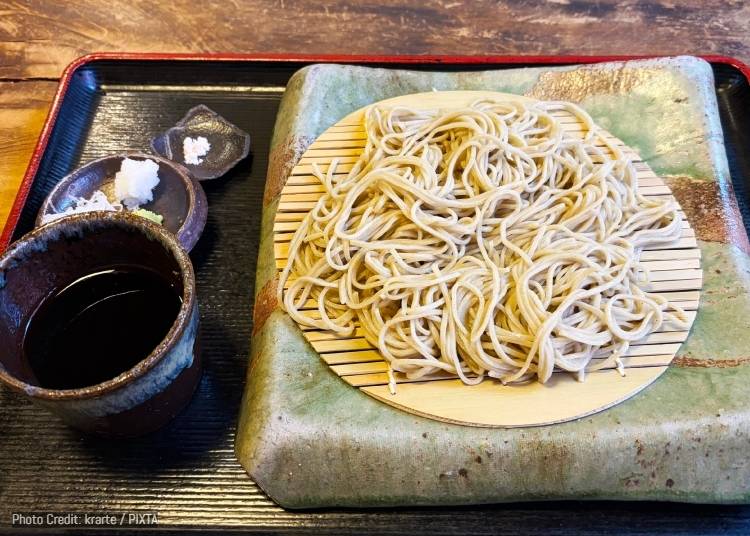
Cold soba and udon are also dependable choices, though you’ll want to ask for them without the bonito-based dashi. It underpins plenty of Japanese cooking, so screen-cap this translated dietary card and show it to your server or pull up Google Translate.
Vegetarian Ramen
Yasai ramen, piled with seasonal vegetables on a cold afternoon, is heaven in a bowl.
Indian and Nepali Restaurants
And when the craving for home becomes non-negotiable, Sapporo’s Indian restaurants will welcome you with open arms. Sapporo, being a big city, has a real cluster of them, especially around Susukino, Tanukikoji, and near Sapporo Station.
Konbini
Convenience stores in Japan have several non-meaty options, but use Google Translate’s camera to confirm the fillings; even “veg-looking” onigiri can carry bonito or fish. Plain umeboshi (pickled plum) and kombu onigiri are safe bets.
Kaiseki Meals
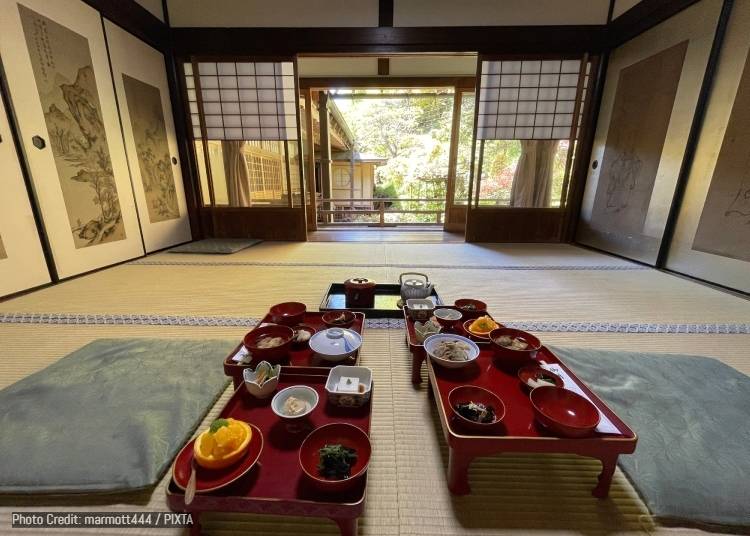
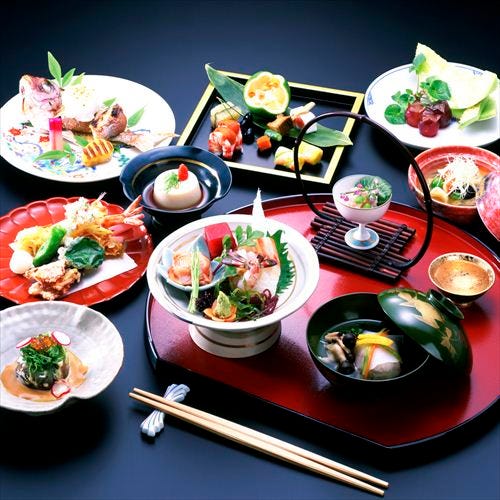
Aside from being a bucket-list Japan experience, booking a ryokan and reserving a multi-course kaiseki dinner makes for a meal you’ll remember for years. Just be sure to request the vegetarian or shojin-ryori (Buddhist temple cuisine) option well in advance, stating clearly: no meat, no fish, no fish stock. Don’t spring it on them at check-in.
There are a few places worth the reservation, too. In central Sapporo, Umenohana is a tofu and yuba specialist with a dedicated vegetarian kaiseki on the menu, and you should bring at least one dining companion, as the veg course isn’t served for solo diners. Over in the leafy Maruyama neighbourhood is my favourite spot, SALLOGA. This cosy, owner-run place, which regulars may still know as Itadakizen, does an entirely plant-based set menu with an English menu. Dinner is by reservation, so message ahead.

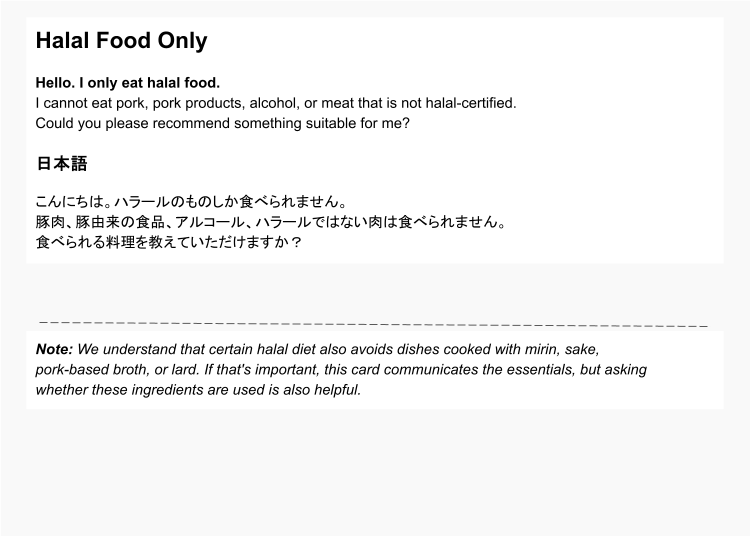
A note for Muslim travellers from India: Halal meals are a growing presence in Hokkaido, mostly in Sapporo, where you’ll find a handful of certified and Muslim-friendly restaurants. Outside the city, plan the way vegetarians do: carry a halal card written in Japanese (you can screenshot the above), and pack a few granola bars and snacks for the stretches in between.
And if all else fails, find your nearest Gyomu Super (業務スーパー) for discounted fruit, snacks, candy, and international food.
Money, SIMs, and Connectivity in Hokkaido
Credit Cards / Cash
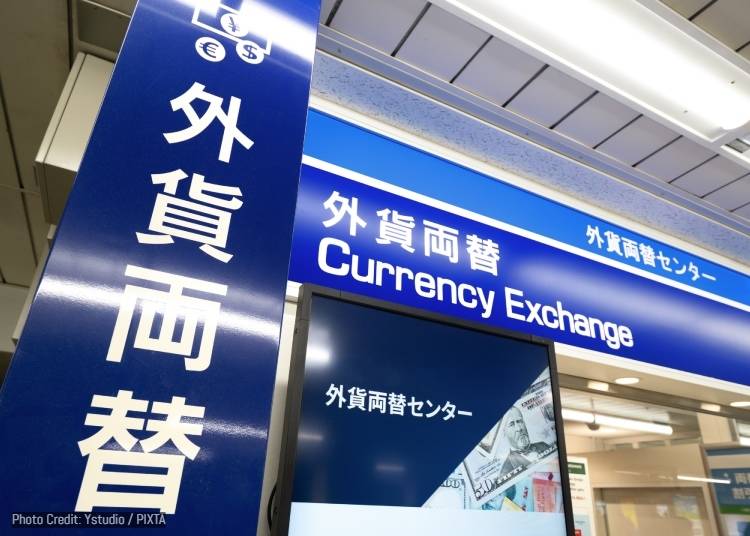
UPI in India has made it second nature for us to scan and pay with our phones alone, but Japan doesn’t work that way. Big cities like Sapporo take debit and credit cards for most things, and I had no trouble using Visa and Mastercard.
That changed the further I ventured into the countryside, where fewer and fewer places accepted them. The ojisan and obasan at the pop-up market near the lavender farm will insist on yen, so withdraw some at the 7-Eleven (7-Bank), FamilyMart, or Japan Post ATMs sprinkled across the prefecture. From my experience, declining the ATM’s own currency conversion always works out to the lowest fees.
A multi-currency forex card loaded with yen may be worth carrying too. And, grab an IC card when you land. Kitaca, Suica, and Pasmo all tap you onto trains, buses, and konbini counters across the country.
SIM cards & Pocket Wifi
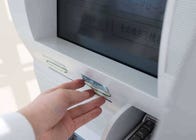
For data, skip the eye-wateringly expensive international roaming on your Indian SIM. A travel eSIM is the way to go, as long as your phone supports it. If you’re routing through Tokyo, Narita’s arrival area has a vending machine packed with eSIM cards (as of 2026) that work well, too.
For small groups or families, pre-ordering a pocket wifi is best, one device connecting several phones at once. Yes, it’s another thing to charge at the end of the day, but the unlimited data is a lifesaver when you’re uploading aesthetic Instagram stories of your tenth Hokkaido milk ice cream.
Cultural Notes for Indian Travelers
Onsen Etiquette
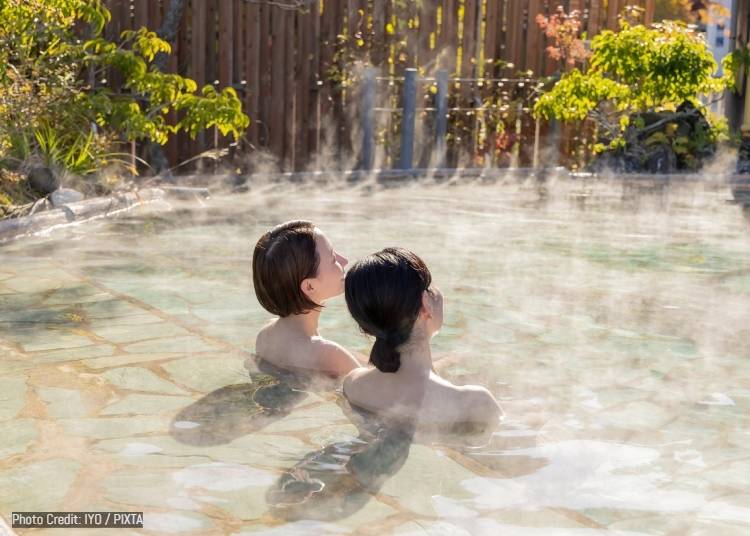
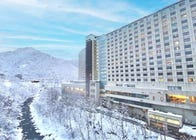
Nudity in the onsen makes most first-timers freeze, and I get it. The idea of stripping down in a shared bath is a long way from anything most of us grew up with. But the onsen is one of the greatest experiences Japan offers, and skipping it because it feels foreign would be close to tragic.
Snow settling on your shoulders in an outdoor rotenburo in the dead of a Hokkaido winter, steam rising off the surface, the rest of you warm to the bone, there’s nothing else like it!
The rules are simple. Wash thoroughly at the seated showers first, properly scrubbing yourself clean before you ever touch the bath. The little towel they hand you isn’t meant to go in the water, so rest it on your head or on the rocks, and tie up your long hair so it doesn’t dip in.
Tattooed folks, check ahead, because plenty of onsen still turn away inked guests out of an old association with the yakuza. Hokkaido tends to be more relaxed than most, and numerous spots offer private family baths, called kashikiri, that you can book by the hour.
The Smaller Courtesies
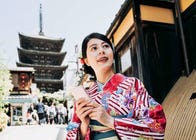
Japan doesn’t have a tipping culture, and trying to leave one will cause confusion, sometimes even a polite chase down the street to return the money you left behind. Unless there’s an explicitly marked tip jar, a clear arigatou gozaimasu will suffice.
While you’re at it, learn one more phrase: sumimasen, which does the work of “excuse me,” and “sorry,” all at once. Between that and your arigatou gozaimasu, you’ll get through nearly every interaction, and a little effort with the language goes a long way toward earning warmth and making local friends.
Step aboard a Japanese train, and the first thing you’ll notice is the silence, followed closely by the care everyone takes to give each other space, even on a packed route. Put your phone on silent, don’t take calls on board, and set aside, for a while, the gloriously noisy public life we’re used to back home. There’s no eating or drinking on short-distance trains either, though the long-distance bullet trains are a happy exception; an ekiben (station lunchbox) on your knees is part of the ride.
As for shoes, the temple is the spot you’d expect, but you'll also slip them off before stepping into a ryokan, many restaurants, and almost every home. Watch for the raised step or the row of waiting slippers, as that’s your cue.

Suggested First-Timer's Hokkaido Itinerary (7–10 Days)
Fewer crowds, less glitz and glamour, and endless countryside with nature that looks like a painting: that’s what your Hokkaido trip will be all about. For first-timers, though, a prefecture this unique can leave you unsure where to start. Here’s what I’d do with a week or so on Japan’s northern island.
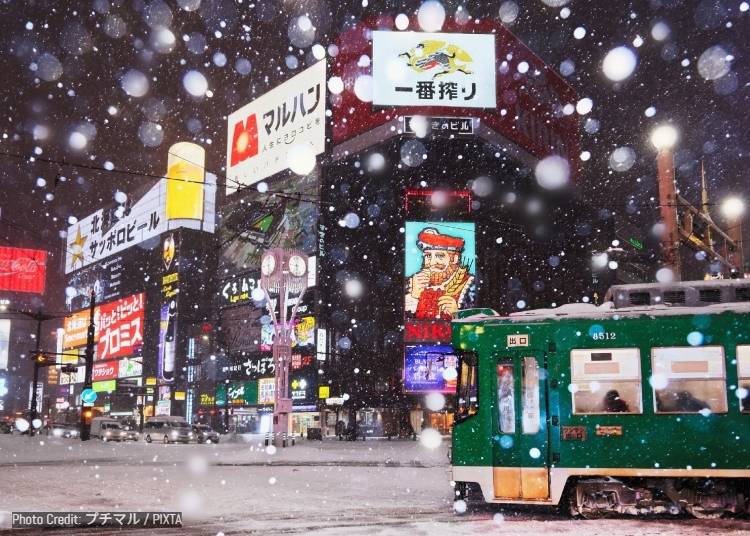
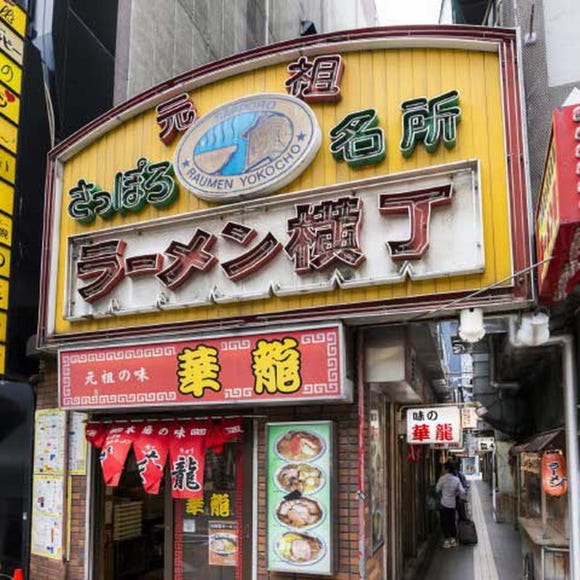
Kick things off with 2 nights in Sapporo, with a wander through Susukino, the city’s very own neon district. Eat your way through Ramen Alley, with vegetarian options in several spots if you ask.
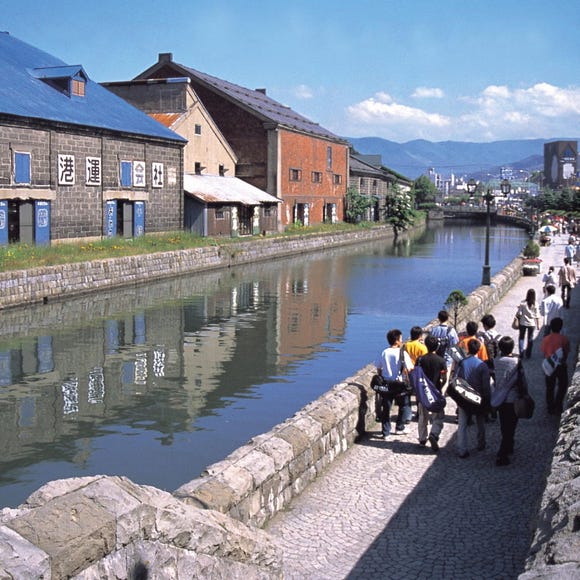
From here, make your way to Otaru and spend a night soaking up the cultural blend of Europe and Japan in this harbour town of glassblowers. Depending on the season, you'll catch the winter lantern festivals or fall under the spell of the lights twinkling on the canal water at dusk.
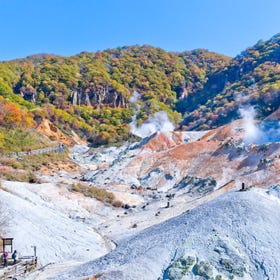
Next, head to my personal favourite, Noboribetsu, for 2 nights. With a landscape from another planet at Jigokudani, the accurately named “Hell Valley,” the ground hisses and steams, sulphur-yellow streaks run down grey rock, and milky water bubbles up to feed the town's famous hot springs below. Walk the trails by day, then sink into an onsen by night.
Finish down south in Hakodate for 2 nights. Stroll the red-brick bayside, work through the morning seafood market even if you’re just there to look, and ride the ropeway up Mount Hakodate at dusk for the night panorama that always ends up on every “best views in Japan” list for good reason.
-
Appealing
-
Address
Noboribetsuonsencho, Noboribetsu-shi, Hokkaido, 059-0551
View Map -
Nearest Station
Tomiura Station (Muroran Main Line)
- Phone Number 0143-84-3311
-
Address
Noboribetsuonsencho, Noboribetsu-shi, Hokkaido, 059-0551
For the seasons: if you’re travelling between June and August, tack on a summer extension to Furano and Biei (+2 nights) for the purple swathes of lavender. Come autumn, the hikes through Daisetsuzan are worth 2 to 3 days all on their own, just for the blazing golds and reds encircling the slopes.
A Rough Budget
Treat these as ballpark figures, since they change with the season, the exchange rate, and how you travel. Beyond flights and visa, for time on the ground, you might budget, per person, per day:
Roughly 12,000 to 18,000 yen for capsule or business hotels with the odd ryokan splurge, a mix of konbini meals and proper dinners, and IC-card travel between stops.
Push it to 30,000 yen or more for plush hotels or ryokan with private onsen, Michelin meals, and slower days.
Two costs we tend to underestimate:: Warm clothing, so budget for buying or renting proper winter gear, and intercity transport, since Hokkaido’s distances add up fast. On the days you need to claw back some yen, focus on Japan’s brilliant secondhand scene; a shop like Book Off will sort you out for layers and more at a fraction of the price.
What to Expect & What Will Blow Your Mind
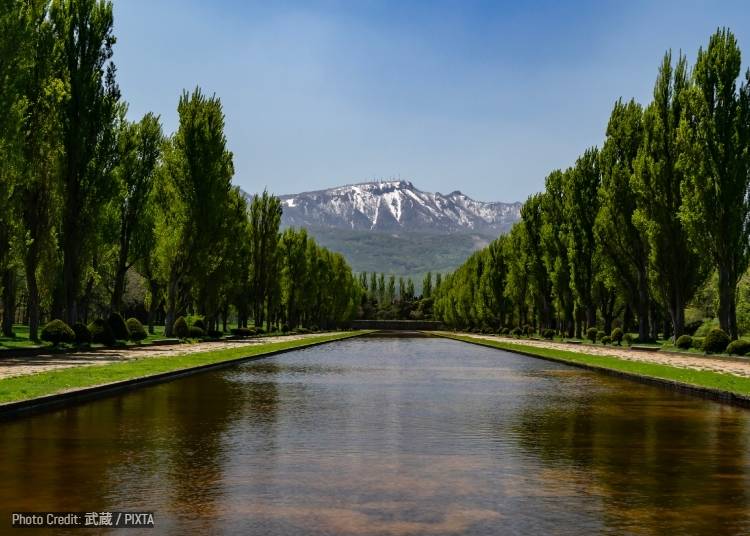
A few things to set your expectations. If you’re used to the portion sizes back home at Indian eateries, the servings here will look small. The food runs mild too, and the point is to taste every flavour, not just the heat. And outside Susukino in Sapporo, the nights are quiet. Small-town Hokkaido goes to bed early, though most towns will have an izakaya to duck into for a nightcap of shochu.
Otherwise, Hokkaido is guaranteed to blow your mind. I didn’t know falling snow had a faint sound until I heard it here, and there’s nothing like the warmth of walking into a ryokan after a snowstorm.
Hot soup and coffee from vending machines, squeaky-clean public toilets, and smiles from locals who barely speak your language but are curious about yours. It’s what will bring you back to this part of the land of the rising sun.
- The Ultimate Otaru Walking Guide: Shops, Souvenirs, and a Perfect Route Along Sakaimachi Street
- Into Hokkaido’s Untouched Wilderness: A Scenic Rail Journey on the JR Kushiro Shitsugen Norokko Train
- Fun Things to Do in Sapporo in Summer (June/July/August) - Events, Festivals & More!
- Fun Things to Do in Sapporo in Spring (March/April/May) - Events, Festivals & More

Himanshi is a seasoned travel writer, photographer, and graphic designer. After graduating from Ecole Intuit Lab in 2015, she began designing for global brands. Drawn by Japan's landscapes and culture, she traveled extensively—from Tokyo's neon-lit streets to the peaks of Hokkaido. She's also lived in the Seto Inland Sea and volunteered in Fukushima. Through her blog, Nomadic Travelscapes, Himanshi uncovers stories rooted in authenticity instead of influencer-led experiences. Her work has been exhibited at Nox Gallery, Tokyo.
- Area
- Category
*Prices and options mentioned are subject to change.
*Unless stated otherwise, all prices include tax.
Popular Tours & Activities
Recommended places for you
-
LakeAkan
Rivers, Lakes & Canyons
Abashiri
-
Farm Tomita
Other Nature
Furano / Biei / Sounkyo
-
Niseko Village Ski Resort
Skiing & Snowboarding
Niseko / Rusutsu
-
Appealing
Rukku and Uohei
Izakaya
Sapporo / Chitose
-
Appealing
Otaru Canal
Rivers, Lakes & Canyons
Otaru
-
Appealing
Sapporo Ramen Yokocho
Ramen
Sapporo / Chitose
-

Okashi Kissa Miura - The Charming Hokkaido Cafe Serves French-Inspired Sweets in the Beautiful Countryside
by: Guest Contributor
-
Obihiro's Beloved 90-Year-Old Sweet Shop and the 'Milk Road' Treat Fans Keep Coming Back For
by: Guest Contributor
-
10 Recommended Apartment Hotels in Hakodate for Families & Groups
by: Sae Haneda
-
Experience 'Ghost of Yotei' IRL! See Why Niseko is The Ultimate Summer Escape
-
Romantic Places in Hokkaido: Where to Honeymoon Across the Seasons
by: Himanshi Shah
-

Feel the Power of Giant Draft Horses Racing with Iron Sleds at Banei Tokachi (Obihiro Racecourse)
by: Guest Contributor
-

Travel Guide to Hokkaido: Popular Destinations, Activities, Hotels & More
by: Masakazu Yoshida
-
6 Most Scenic Spots Around Mount Yotei, Hokkaido: Gorgeous Sunflowers & More!
-

Yunokawa Onsen: Hakodate City's Beautiful Hot Springs Town (Access, Places to Stay, Sightseeing & More)
by: Masakazu Yoshida
-
Level Up Your Japan Trip: Now You Can Join a Real-Life 'Ghost of Yotei' Tour in Hokkaido
-
Hokkaido Travel Guide: Everything You Need to Know Before You Go (Transportation, Food, Souvenirs & Hidden Gems)
-
Hokkaido Lavender Fields: 6 Best Places in Furano to See Japan's Dreamiest Purple Meadows
by: Nobuka Kawashima
- #best sushi hokkaido
- #things to do hokkaido
- #best ramen sapporo
- #what to bring to japan
- #new years in tokyo
- #what to buy in ameyoko
- #japanese nail trends
- #what to do in odaiba
- #onsen tattoo friendly tokyo
- #daiso
- #best sweets otaru
- #japanese fashion culture
- #best nature furano
- #japanese convenience store snacks
- #best japanese soft drinks