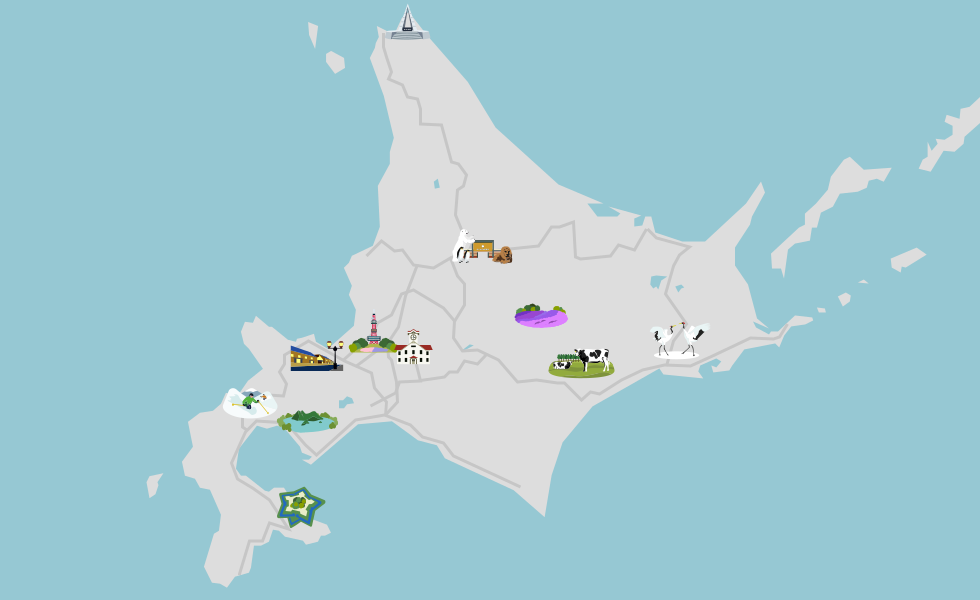





Known as Ezochi before the Meiji era, Hokkaido underwent rapid development after the Japanese government established the Kaitakushi (Hokkaido Development Commission) in 1869. Among the region's emerging cities, Asahikawa played a key role in the settlement and defense of northern Japan. Its strategic importance was so highly valued that early proposals even envisioned the city as a potential "Northern Capital" complete with an Imperial Villa.
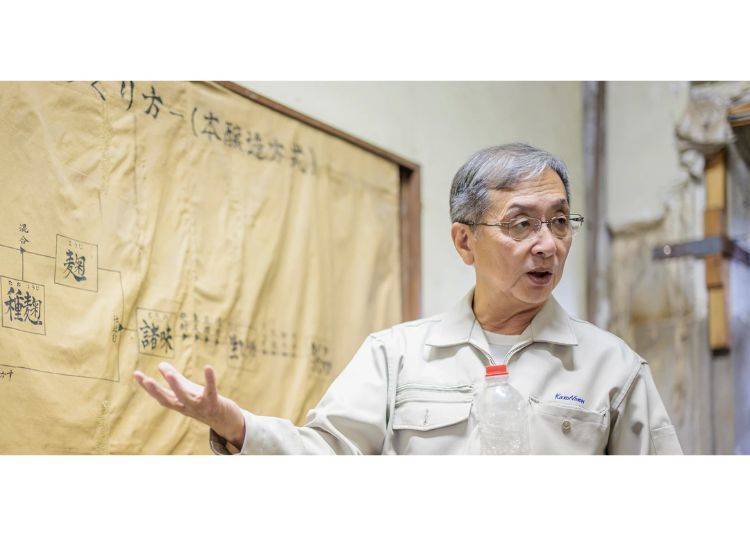
To learn more about the history of Asahikawa and the people who helped shape it, we visited Kikko Nihon (Nihon Shoyu Kogyo), the city's oldest soy sauce manufacturer. There, we spoke with President Kosuke Mogi about the company's long history and its deep connection to the development of Asahikawa itself.
*The information in this article is current as of May 2025. Please check the official website for the latest updates before your visit.
Preserving Local Flavors: Asahikawa’s Oldest Soy Sauce Brewer
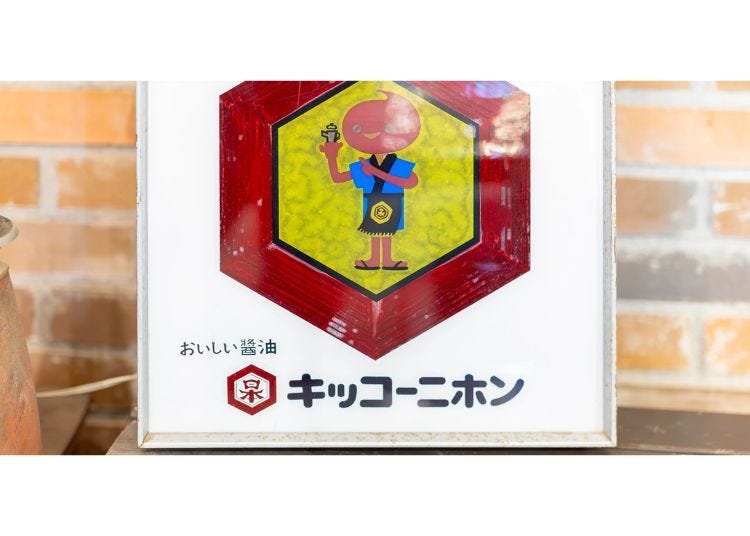
Founded in 1944, Nihon Shoyu Kogyo (Kikko Nihon) is Asahikawa's oldest soy sauce brewery. The company has long championed the idea that authentic Asahikawa shoyu ramen should be made with locally brewed soy sauce, and today its products are used by many of the city's ramen shops. For more than 80 years, Kikko Nihon has helped shape and preserve one of Asahikawa's most iconic local flavors
In 2025, the brewery's flagship soy sauce, Kikko Nihon Tokkyu (Premium Grade), received the MAFF Secretariat Award at the 52nd National Soy Sauce Competition. The company has also earned the competition's highest honor, the MAFF Minister's Award, four times, a testament to its long-standing reputation for quality.
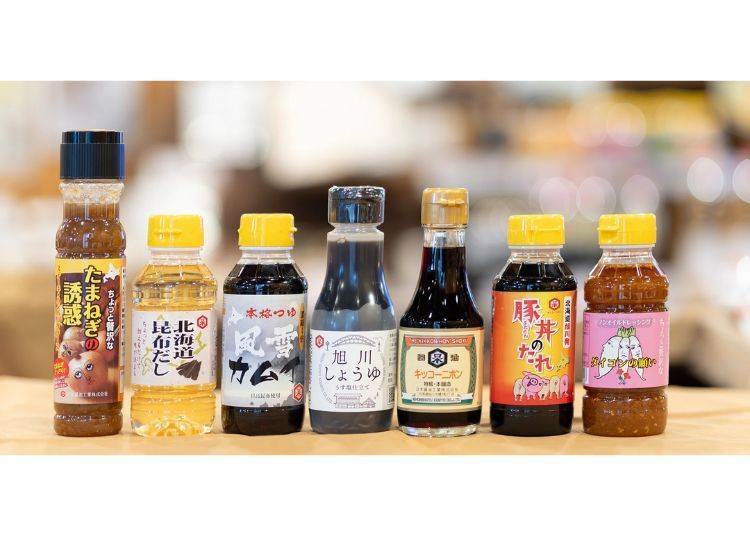
Around 2009, Kikko Nihon expanded beyond soy sauce and began developing products that showcase Hokkaido's agricultural ingredients. One of its biggest successes is Hokkaido Onion Dressing, made with sweet locally grown onions. The dressing has gained nationwide popularity, appearing on numerous television programs and becoming a favorite among food lovers across Japan.
Passing Down the Past for Asahikawa’s Future
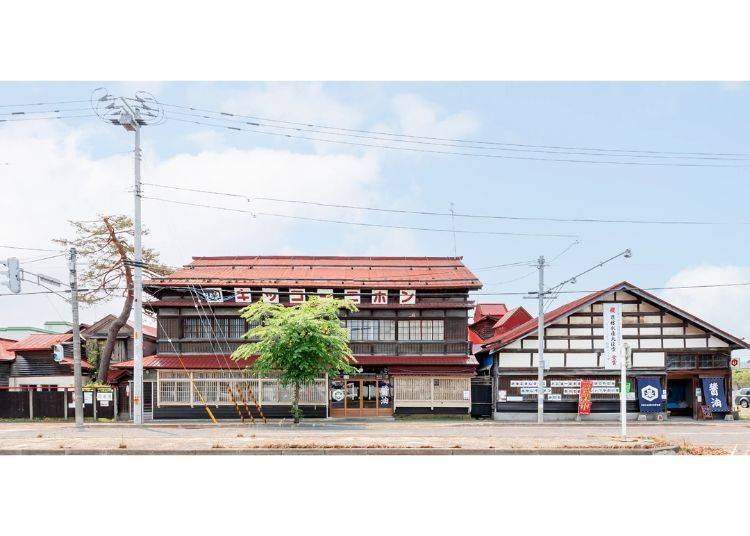
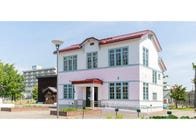
Although the soy sauce company was founded in 1944, the striking building that now serves as its headquarters dates back to the Meiji era (1868–1912). According to President Kosuke Mogi, the company's roots go back even further. "Our story actually began in 1891, when Kamezo Suzuki and his associates established a sake brewery here," he explains.
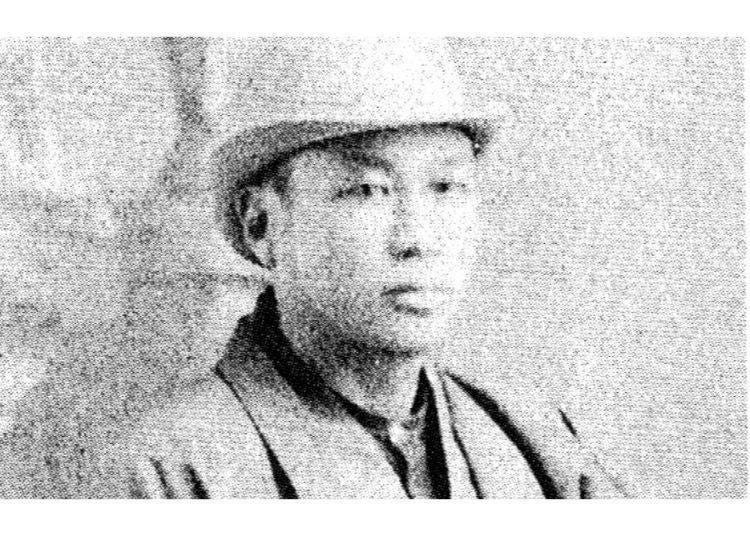
Kamezo Suzuki was one of the earliest settlers to arrive in Asahikawa in the 1870s. During the region's frontier days, he made a living trading with the Indigenous Ainu people. Known for his honesty and strong sense of fairness, Suzuki was committed to treating his trading partners as equals, earning the trust and respect of the local Ainu community.
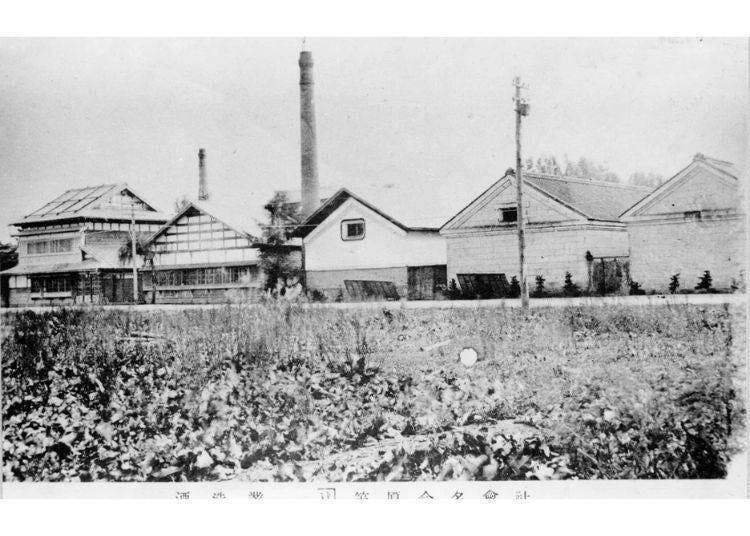
As Hokkaido's development accelerated and plans emerged to station tondenhei (soldier-settlers) in Asahikawa, Kamezo Suzuki recognized the city's potential for growth. In 1891, he and several partners established a sake brewery at what is now Akebono 1-jo 1-chome in Asahikawa.
The building constructed for that brewery still stands today and now serves as the headquarters of Nihon Shoyu Kogyo (Kikko Nihon), preserving a tangible link to the city's pioneering days.
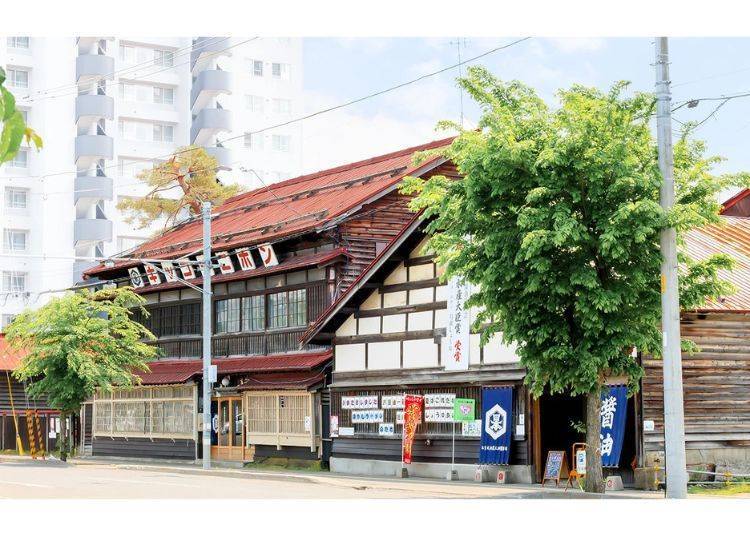
President Mogi explains:
"Before becoming a soy sauce manufacturer, we operated as a sake brewery. In 1944, wartime government policies required us to switch production to soy sauce, marking the beginning of Nihon Shoyu Kogyo as it exists today. While our history as a soy sauce brewer spans more than 80 years, our roots go back much further, to the late 1870s when Kamezo Suzuki first settled in this area.
Those beginnings predate the establishment of Asahikawa Village itself. In that sense, our history is deeply intertwined with the history of Asahikawa. By preserving these buildings and historic equipment and welcoming visitors to learn about them, we hope to share not only our company's story, but also the story of the city's earliest days."
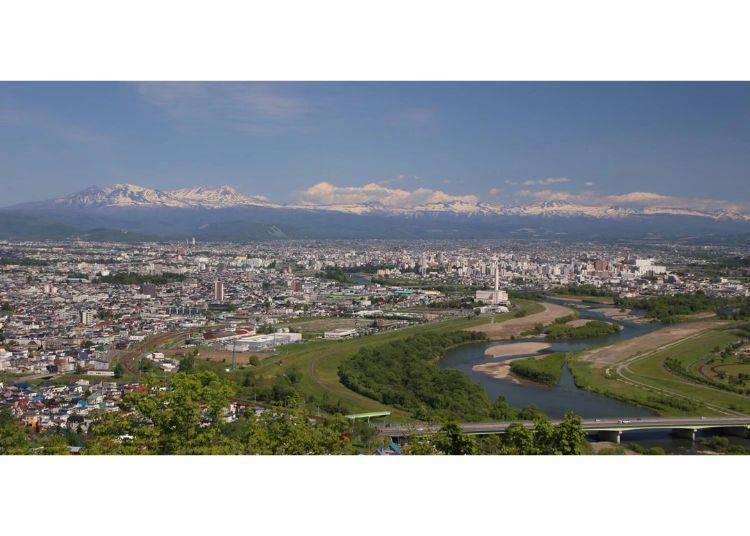
Exploring Asahikawa's history reveals a city shaped by ambition, resilience, and cultural exchange. During the Meiji era, it was considered so strategically important that it became the center of Hokkaido's inland development, with proposals even calling for the construction of an Imperial Villa. The story of Kamezo Suzuki and his respectful relationship with the Ainu people also offers a glimpse into the diverse communities that helped build the region.
Asahikawa was once known as a thriving brewing town, home to 24 sake breweries, and that tradition of fermentation and craftsmanship continues today. Above all, the city's growth into Hokkaido's second-largest urban center stands as a testament to the vision and determination of pioneers like Kamezo, whose legacy can still be felt throughout Asahikawa.
For President Mogi, sharing these stories is about more than attracting visitors or supporting the local economy. It is also about helping future generations understand and appreciate the history of their hometown. "We must never let the blood, sweat, and tears of those who built Asahikawa go to waste. Driven by that sacred mission, we are passionately expanding our industrial tourism through factory tours and championing unique 'fermentation tourism' experiences," he says.
Time-Traveling to Days Gone By with a Brewery Tour
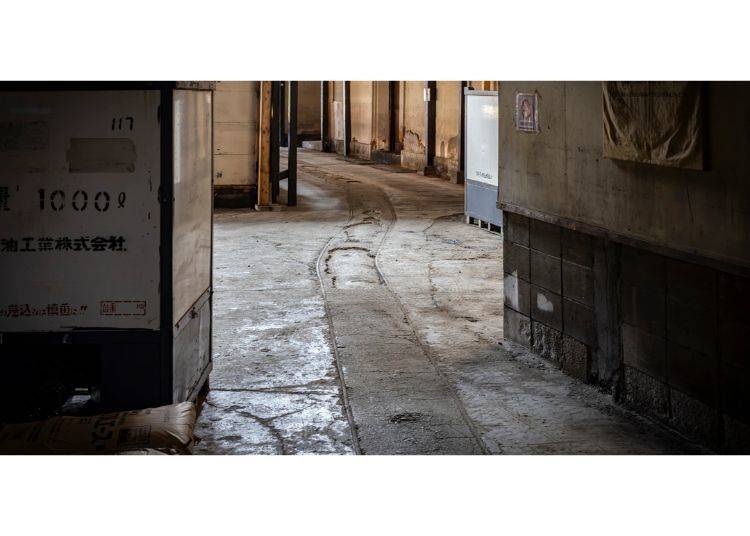
While learning about Asahikawa's history, visitors can also tour the brewery's well-preserved historic buildings and see the vintage equipment that once powered production firsthand (advance reservations required).
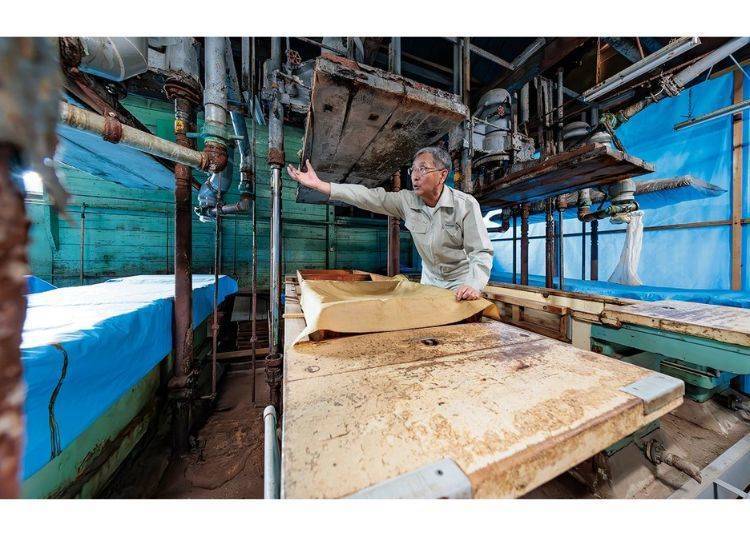
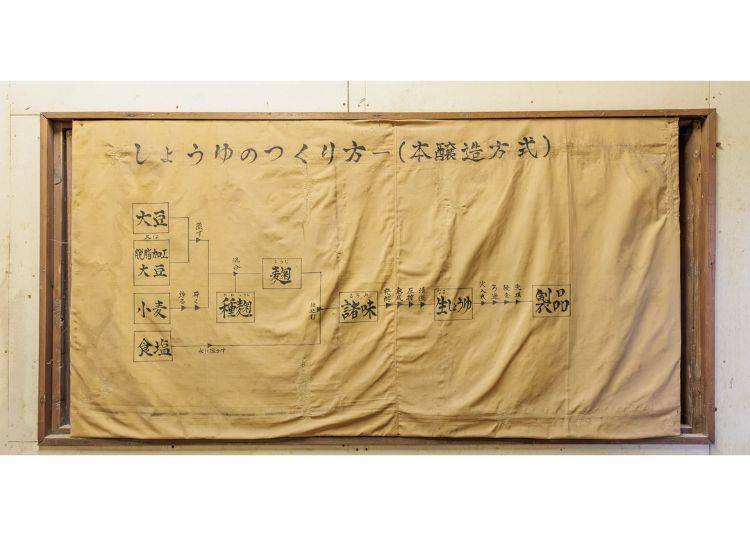
President Mogi kindly guided us through the tour himself. We began at an exhibit explaining the soy sauce brewing process and were surprised by the complexity behind such a familiar everyday seasoning. Although soy sauce is made from just a few basic ingredients—soybeans, wheat, and salt—the transformation depends on the careful work of three key microorganisms: koji mold, yeast, and lactic acid bacteria.
As we learned how these microorganisms gradually develop soy sauce's distinctive flavor and aroma, it became clear that brewing is as much about patience and nature as it is about craftsmanship.
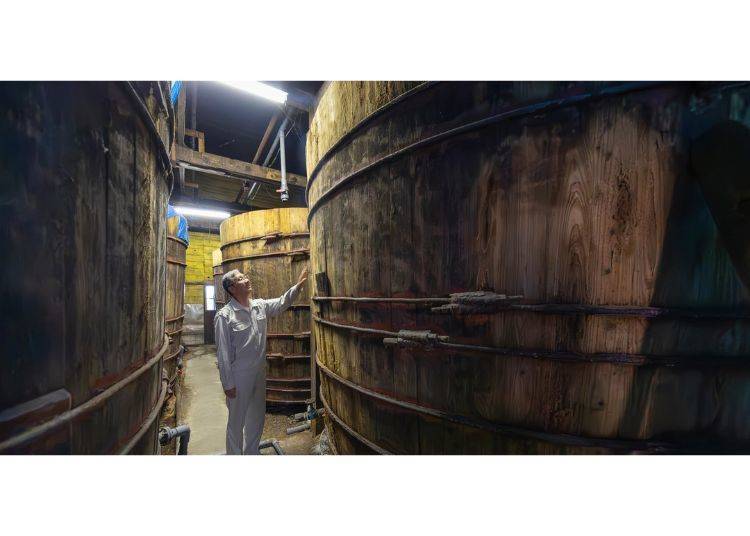
The highlight of the tour was a visit to the factory itself, where we saw the massive pressing machine used to extract soy sauce from matured moromi, the fermented mash that forms the foundation of the brewing process. The moromi is wrapped in special filtering cloths and pressed slowly over time, allowing the soy sauce to be separated naturally.
What makes the equipment especially fascinating is that, despite decades of technological advancement, the basic pressing method remains largely unchanged.
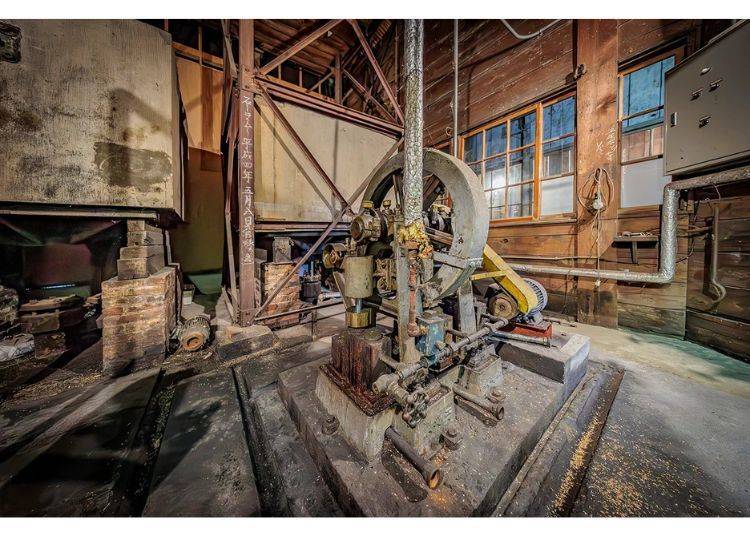
Powering the system is a rare hydraulic accumulator, which uses water pressure generated by a massive two-ton weight to operate the press. It is a remarkable piece of industrial heritage and one of the few surviving examples that visitors can still see today.
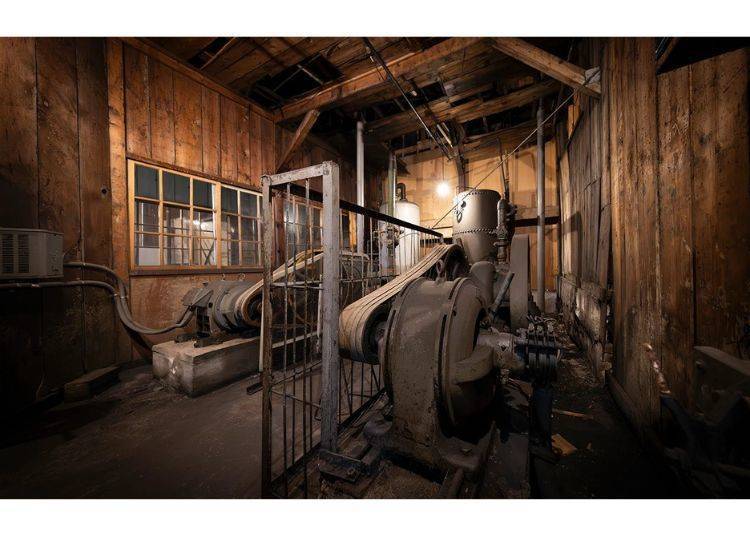
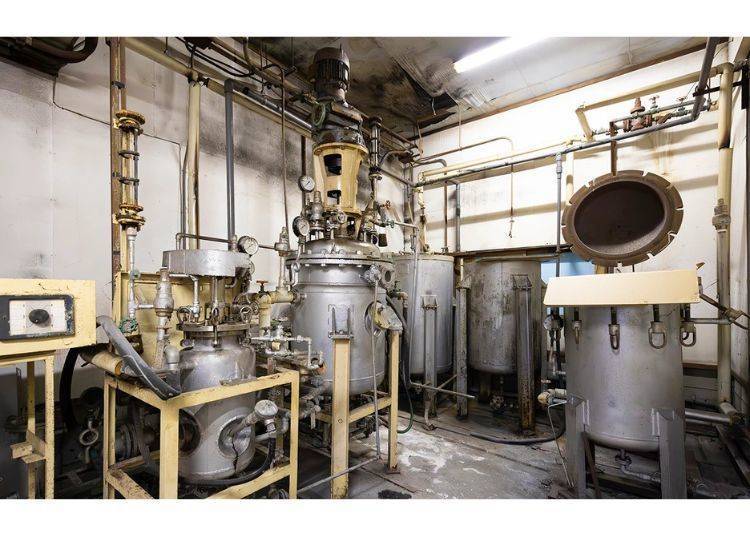
Even more impressive, some of this historic equipment remains operational today. As President Mogi guided us through the facility, his detailed explanations and lighthearted stories brought the brewery's history vividly to life.
After the tour, be sure to stop by the brewery's charming retro-style shop for a closer look at its products and local specialties.
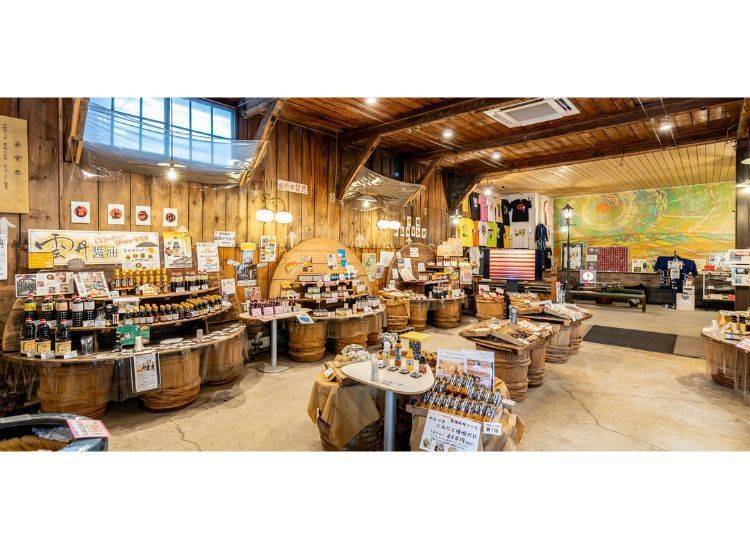
Most of the brewery's soy sauces and dressings are available for tasting, making it easy to compare flavors and find a favorite to take home. The shop also offers unique items made from upcycled rofu, the heavy cloths traditionally used during the pressing process, including card cases and tote bags that give new life to materials from the brewery. You'll also find exclusive sweets created in collaboration with local businesses, such as soy sauce-flavored yokan and crispy baked pastries. These distinctive treats make memorable souvenirs that capture a taste of Asahikawa's food culture.
-
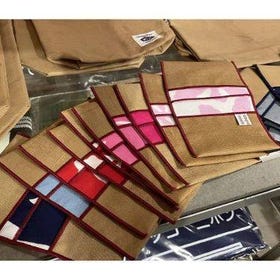 ◀Upcycled Rofu Card Cases (1,800 yen each, tax included)
 -
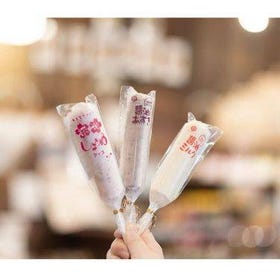 ◀From left: Seasonal Sakura Soy Sauce Ice Cream, Soy Sauce & Red Bean, and Soy Sauce Milk (170 yen each, tax included)
When your travels bring you to Hokkaido, consider adding Nihon Shoyu Kogyo (Kikko Nihon) in Asahikawa to your itinerary. A visit offers more than just a look at traditional soy sauce brewing. It is also an opportunity to explore the history of one of Hokkaido's most important cities and gain a deeper appreciation for the craftsmanship and food culture that continue to shape the region today.
-
Nihon Shoyu Kogyo (Kikko Nihon)日本醬油工業株式会社
-
Address
Akebono 1-jo 1-chome, Asahikawa City, Hokkaido
View Map
Hours: On-site shop 10 AM – 5:30 PM
Closed: Open year-round (*Except for the New Year holidays)
Official Website: https://www.kikkonihon.co.jp/ -
Address
Akebono 1-jo 1-chome, Asahikawa City, Hokkaido
*All prices listed include consumption tax.
*Factory tours require prior booking. Both free and premium paid courses are available.
*The information in this article is current as of May 2025. Please check the official website for the latest updates before traveling.
Source & Cooperation: DO tabi by AIRDO
Reprinted with permission from "DO tabi," the official travel site of AIRDO.
In Cooperation with: AIRDO Co., Ltd.
Founded to help revitalize Hokkaido’s economy, AIRDO is based in Sapporo and operates 11 routes linking Hokkaido with Honshu and Fukuoka. Guided by its vision of accessible, high-quality travel, it offers a warm, customer-focused flying experience.

"DO tabi" — A travel curation media operated by AIRDO, the Wings of Hokkaido.
DO tabi provides travel inspiration that turns "I want to go" into "I’m glad I went." It’s packed with insights for anyone planning a Hokkaido trip.

*Prices and options mentioned are subject to change.
*Unless stated otherwise, all prices include tax.
Popular Tours & Activities
Recommended places for you
-
Appealing

Asahiyama Zoo
Zoos, Aquariums & Botanical Gardens
Asahikawa
-
Niseko Village Ski Resort
Skiing & Snowboarding
Niseko / Rusutsu
-
Appealing
Mt. Hakodate Observatory
Forests & Mountains
Hakodate
-
Appealing
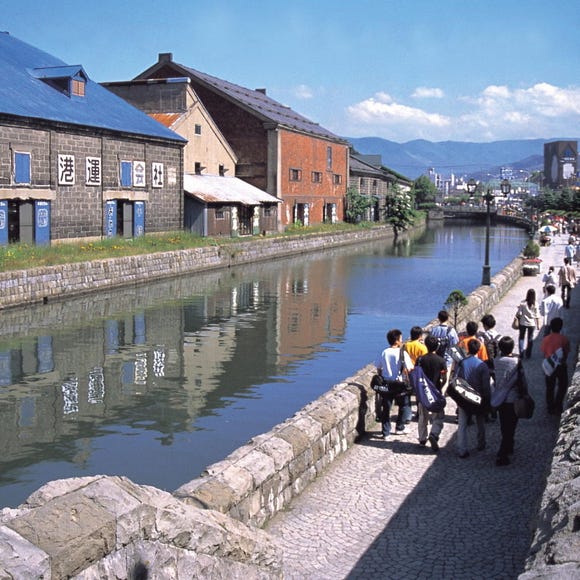
Otaru Canal
Rivers, Lakes & Canyons
Otaru
-
Appealing
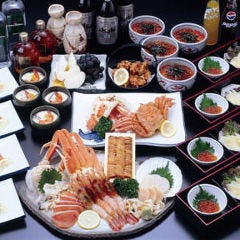
Rukku and Uohei
Izakaya
Sapporo / Chitose
-
Appealing
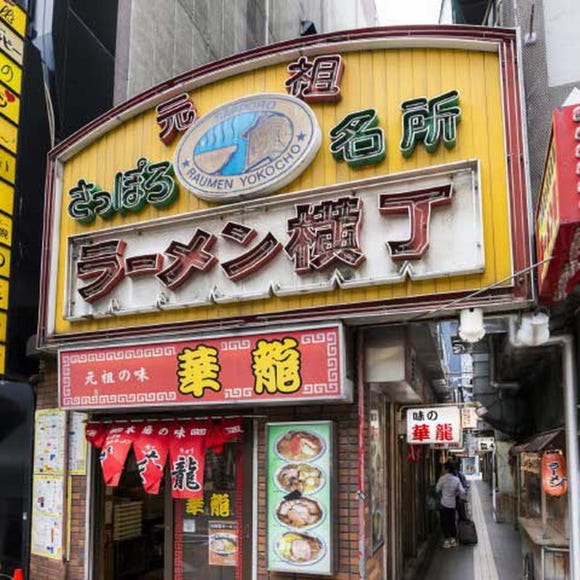
Sapporo Ramen Yokocho
Ramen
Sapporo / Chitose
-
Hokkaido for Travelers from India: A Complete First-Trip Guide
by: Himanshi Shah
-
The Best Way to Visit Jozankei and Lake Toya from Sapporo: A Private Car Day Trip for Families and Seniors
by: Robotan
-
Hokkaido Rail Travel Guide: Why an Overnight Stay in Noboribetsu or Lake Toya Onsen Makes Sense — Plus Smart Booking Tips
by: Robotan
-
Romantic Places in Hokkaido: Where to Honeymoon Across the Seasons
by: Himanshi Shah
-
【Eastern Hokkaido Gastronomy Tour】Savor the Flavors of Kushiro: Discover Brasserie Knot Craft Beer and THE AKKESHI Whisky
-
Enjoy A Private Morning Like a Movie: Exclusive Sunrise Experience at Furano's Garden of Wind
-

Experience Ainu Culture at Upopoy National Ainu Museum and Park
-
Healthcare in Japan for Tourists: What to Do When You Get Sick or Injured in Japan
-
Complete Guide to Buying Japanese Medicine in Japan: Phrases and Vocabulary You Need to Know
-
8 Unfamiliar (But Totally Normal) Customs in Japan!
-

Otaru Travel Guide: Inside Hokkaido's Leading Destination (Sightseeing, Food, and Shopping Tips)
-
Hokkaido Lavender Fields: 6 Best Places in Furano to See Japan's Dreamiest Purple Meadows
by: Nobuka Kawashima
- #best sushi hokkaido
- #things to do hokkaido
- #best ramen sapporo
- #what to bring to japan
- #new years in tokyo
- #what to buy in ameyoko
- #japanese nail trends
- #what to do in odaiba
- #onsen tattoo friendly tokyo
- #daiso
- #best sweets otaru
- #japanese fashion culture
- #best nature furano
- #japanese convenience store snacks
- #best japanese soft drinks