



Getting from Tokyo to Sapporo: Comparing Flights, Shinkansen, Ferries & Driving Times and Costs
- Written by: LIVE JAPAN Editor
The straight-line distance between Tokyo and Sapporo is about 820 kilometers. While it may seem far, these two major hubs are linked by a surprisingly wide range of well-developed transport options.
From the speed and convenience of air travel to the scenic appeal of the Hokkaido Shinkansen, as well as relaxed ferry journeys and flexible road trips, getting between the cities can be more than just transportation. It can become part of the experience itself.
Whether you are a business traveler prioritizing efficiency, a budget-conscious explorer looking to save on accommodation, or a family planning a deeper journey through Tohoku and Hokkaido, each option offers distinct advantages. Below, we break down flights, Shinkansen, ferries, and self-driving routes, comparing travel time, pricing trends, and key pros and cons to help you choose the best fit for your trip.
(Main image: PIXTA)
(This article contains affiliate links)
- Table of Contents
-
- 1. By Air: Reach Sapporo in 90 Minutes, the Most Popular Option
- 2. By Rail: Crossing Eastern Japan on the Hokkaido Shinkansen
- 3. By Ferry: A Slower, Scenic Journey Across the Sea
- 4. By Car: The Ultimate Freedom Road Trip
- 5. Tokyo to Sapporo: Quick Comparison of the Four Main Routes
- 6. Quick Picks: Which Option Fits Your Travel Style?
1. By Air: Reach Sapporo in 90 Minutes, the Most Popular Option
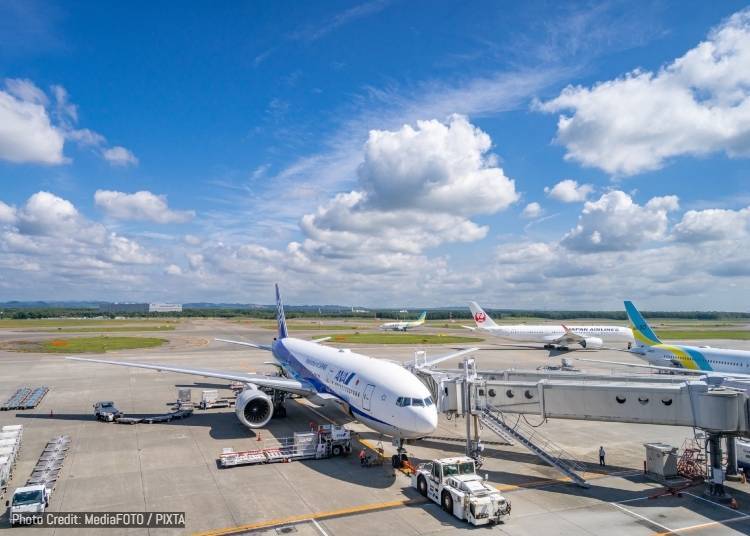
For most travelers, flying from Tokyo to Sapporo is the fastest and most efficient choice. The flight itself takes about 1 hour 30 minutes, and even with airport transfers and security procedures included, the total journey can usually be completed within 4 to 5 hours.
With widespread digital services offered by major airlines, everything from booking to boarding is now smooth and streamlined. When choosing your departure airport, you will mainly be deciding between Haneda and Narita, each offering different advantages in terms of convenience and budget.
1. Departing from Haneda (HND): Premium Convenience and Exclusive Deals
Located close to central Tokyo, Haneda Airport is the top choice for business travelers and those who prefer full-service carriers such as Japan Airlines and All Nippon Airways. With travel times of around 30 minutes from central Tokyo, its location is exceptionally convenient.
One of the key advantages of flying from Haneda is the high frequency of departures, with multiple flights per hour to New Chitose Airport. Checked baggage is typically included in the fare. For international visitors, both airlines continue to offer special discounted fares in 2026 when booked in advance through their official websites, often providing competitive prices that include luggage, making this a strong option for travelers seeking both comfort and efficiency.
2. Departing from Narita (NRT): The Budget Airline Strategy
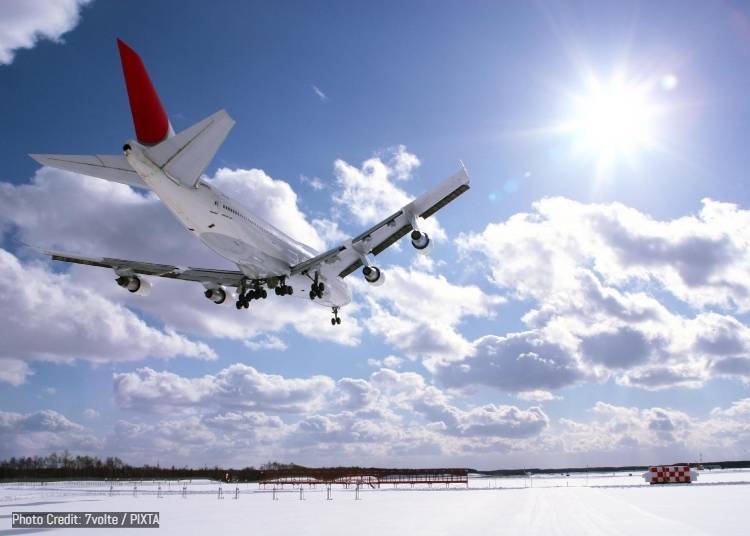
For budget-conscious travelers, flying from Narita Airport with low-cost carriers such as Peach or Jetstar can significantly reduce transportation expenses. Although Narita is located farther from central Tokyo, requiring over an hour for airport access, promotional fares from LCCs are often even cheaper than the Shinkansen.
Keep in mind that budget airlines strictly enforce baggage size and weight limits. It is wise to purchase sufficient checked baggage allowance when booking, especially if you plan to shop, to avoid expensive excess fees at the airport. Narita’s Terminal 3 is modern and efficient, but walking distances can be long, so be sure to allow extra time before departure.
3. Transfer Guide: Getting from New Chitose Airport to Central Sapporo
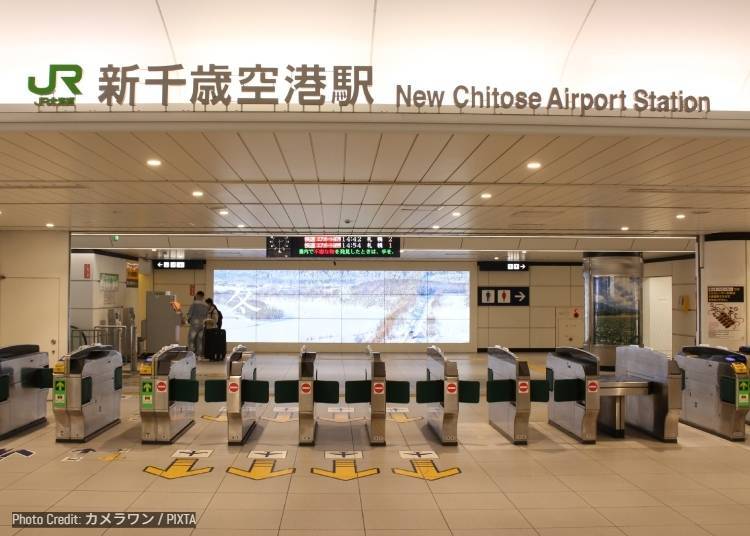
After arriving at New Chitose Airport, the fastest and most reliable way into Sapporo is the JR Hokkaido Rapid Airport train. Service frequency has increased, with up to six departures per hour during peak times, meaning minimal waiting and a travel time of about 33 to 40 minutes to Sapporo Station.
If you are traveling with large luggage and prefer a direct drop-off, airport buses are another convenient option. Many routes stop directly in front of major hotels in central Sapporo, saving you the hassle of navigating stations and transferring to the subway with heavy bags.
2. By Rail: Crossing Eastern Japan on the Hokkaido Shinkansen
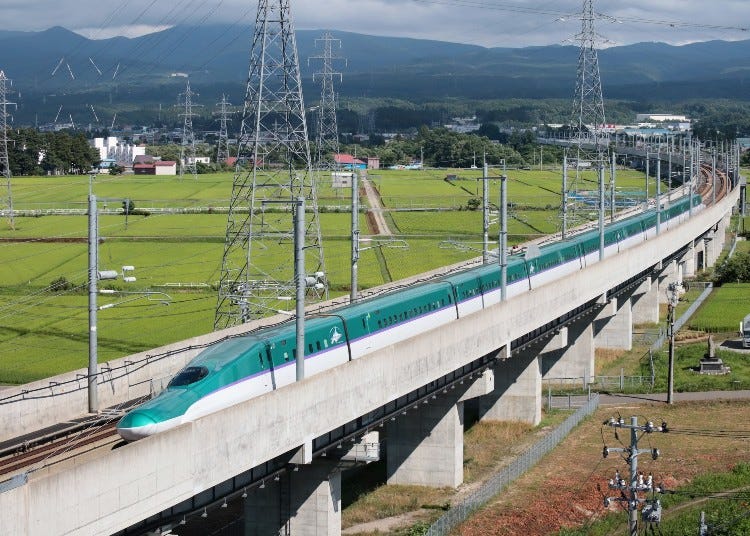
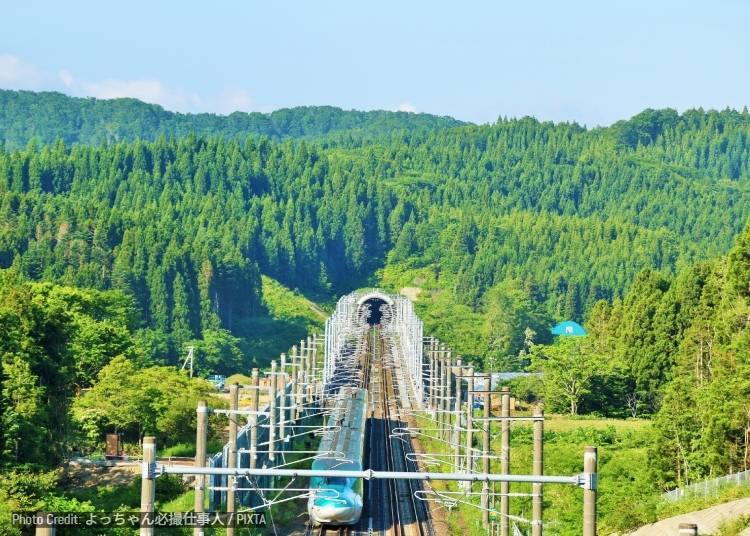
If you love train travel or plan to explore Tohoku along the way, such as Sendai or Aomori, taking the Hokkaido Shinkansen offers a memorable journey north. Departing from Tokyo Station on the fastest Hayabusa service, the scenery shifts from the wide Kanto plains to the forests of Tohoku before the train passes through the Seikan Tunnel, which runs 240 meters beneath the seabed into Hokkaido.
The full overland trip to Sapporo, including transfers, takes around 8 hours. While longer than flying, it is ideal for travelers who prefer not to board a plane or who want to experience Japan’s premier rail service on a sweeping cross-country adventure.
1. Hokkaido Shinkansen Hayabusa: A Dramatic Ride Through the Seikan Tunnel
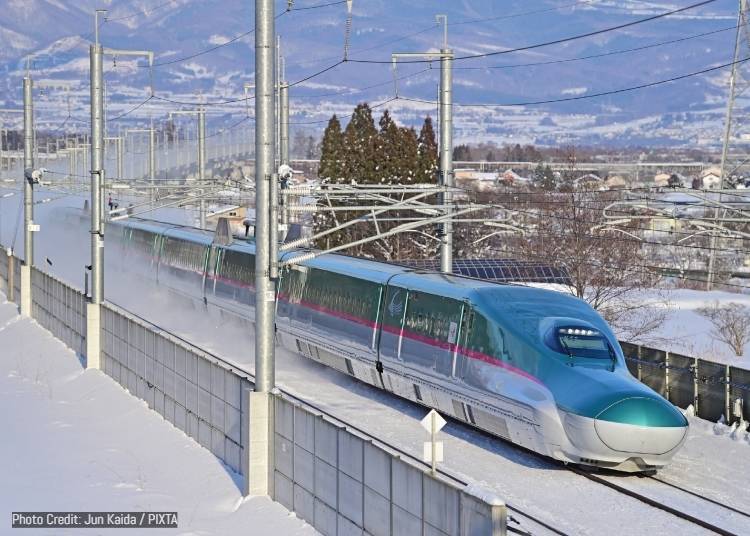
Traveling from Tokyo Station to the current Shinkansen terminus at Shin-Hakodate-Hokuto takes about 4 hours. The highlight of the journey is passing through the Seikan Tunnel, the undersea link connecting Honshu and Hokkaido.
As of 2026, onboard services are increasingly digital, with stable Wi-Fi throughout the train and power outlets at each seat, making it easy to stay productive or entertained during the long ride. Note that the Hayabusa service operates with all reserved seating and no non-reserved cars, so it is wise to secure your seat in advance through ticket machines or the official JR website, especially during peak travel periods.
2. Transferring at Shin-Hakodate-Hokuto: Connecting to the Limited Express Hokuto
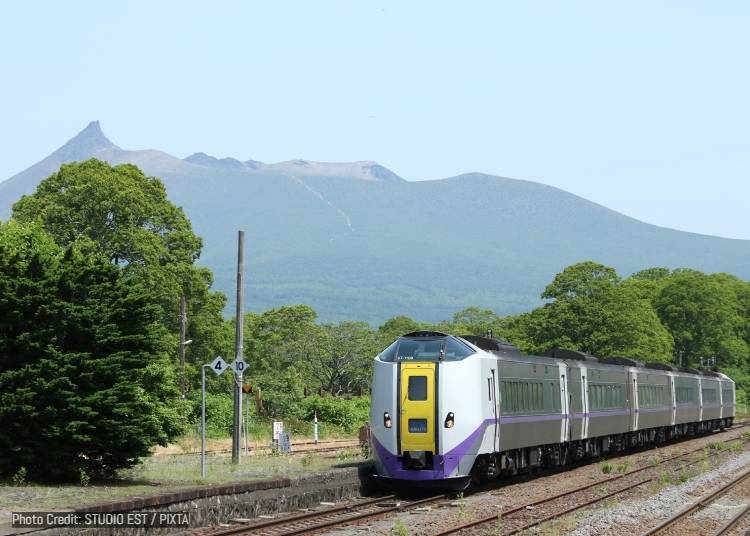
As the Hokkaido Shinkansen does not yet extend to Sapporo, travelers must transfer at Shin-Hakodate-Hokuto Station to the Limited Express Hokuto to continue north. The transfer is designed to be smooth, with only a short walk of a few minutes between platforms.
The Hokuto takes about 3 hours 30 minutes to reach Sapporo Station, passing scenic highlights such as Onuma Park and the coastline of Uchiura Bay. JR Hokkaido has also improved luggage storage areas on these trains, making transfers easier for passengers with large suitcases.
3. Fare Comparison: JR Pass vs Individual Tickets After the Price Increase
With recent fare revisions, taking the Shinkansen to Sapporo now requires more careful budgeting. A one-way ticket from Tokyo to Sapporo typically costs around 27,000 to 30,000 yen, while the JR East–South Hokkaido Rail Pass is priced at approximately 35,370 yen for 6 consecutive days.
If you plan to travel from Tokyo through Tohoku and onward to Sapporo within a 6-day window, the regional pass can offer strong value, especially with multiple stopovers along the way. However, if time and budget are your top priorities, even after discounts, Shinkansen fares are often higher than advance-purchase flight deals, an important factor to weigh during trip planning.
3. By Ferry: A Slower, Scenic Journey Across the Sea
If you are in no rush and prefer a different travel rhythm, taking a ferry to Hokkaido offers one of the most atmospheric ways to journey north. More than simple transportation, it feels like a slow-paced getaway at sea.
Routes departing from the greater Tokyo area to Hokkaido let you spend unhurried hours on the open Pacific, far removed from crowded airports and the rush of city travel. It is an appealing option for those who see the journey itself as part of the adventure.
1. From Near Tokyo: An Overnight Ferry That Feels Like a Floating Hotel
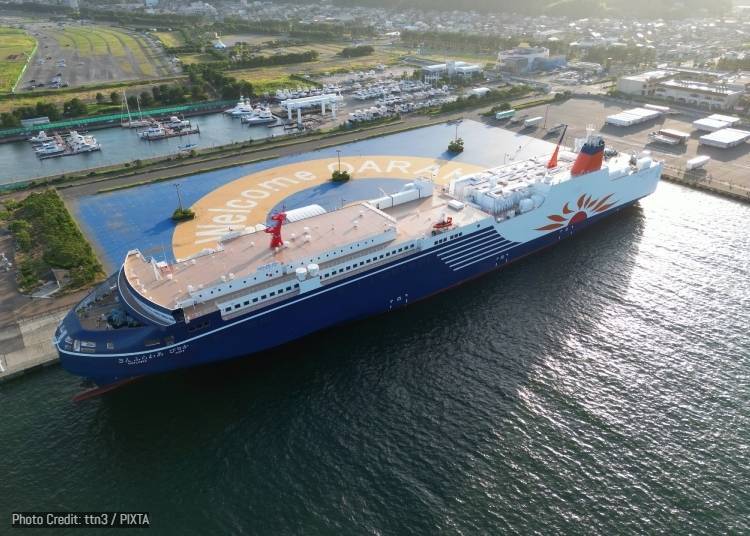
One of the most popular ferry routes from the Tokyo area to Hokkaido departs from Oarai Port in Ibaraki and arrives at Tomakomai Port. The journey takes about 18 hours, typically leaving in the evening and arriving around midday the following day.
Modern vessels have been significantly upgraded, offering private cabins comparable to hotel rooms, large public baths with ocean views, buffet-style dining, and open observation decks. Soaking in a hot bath while watching the sun sink into the horizon is an experience that planes and bullet trains simply cannot replicate.
2. Why Choose the Ferry: Space, Comfort, and Fewer Luggage Limits
A key advantage of ferry travel is its flexibility and comfort. Compared to strict airline baggage limits or the relatively compact luggage areas on Shinkansen trains, ferries allow far more freedom with large suitcases, outdoor gear, or even relocation-level baggage.
Public spaces onboard are spacious, and newer ships are equipped with enhanced satellite Wi-Fi and entertainment facilities, allowing you to stay connected while crossing the sea. After arriving at Tomakomai Port, it takes roughly one hour by bus or JR train to reach Sapporo Station, making this a relaxed and lesser-known route favored by travelers who value a slower, more restorative journey.
4. By Car: The Ultimate Freedom Road Trip
For drivers who crave adventure, heading from Tokyo to Sapporo by car is the ultimate long-distance challenge. Covering more than 800 kilometers, the journey rewards you with changing scenery across Tohoku, including Fukushima, Sendai, Morioka, and Aomori.
1. Driving Through Tohoku: A Long-Haul Route from Tokyo

The greatest advantage of driving is flexibility. You can stop at roadside stations to browse local specialties or make spontaneous detours to famous hot spring towns along the way. From Tokyo, the main route follows the Tohoku Expressway toward Aomori Port, taking roughly 8 to 10 hours.
Japan’s expressway network now supports ETC 2.0, offering real-time traffic and weather updates, which are especially important when crossing colder northern regions. While fuel, tolls, and ferry costs add up, splitting expenses among three or four friends can turn this into a high-value and memorable road trip.
2. Car Ferry Guide: Crossing the Tsugaru Strait with Your Vehicle
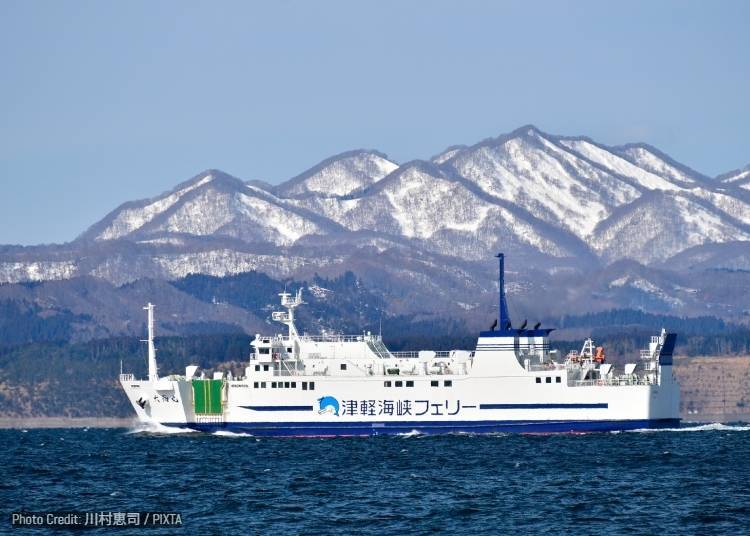
Upon reaching Aomori Port or Oma Port at the northern tip of Honshu, you will need to board a car ferry to reach Hakodate in Hokkaido. The crossing takes approximately 1.5 to 4 hours. After driving your vehicle onto the ferry deck, you can relax inside, enjoy a meal, or even take a short nap.
From Hakodate, the drive to Sapporo takes about 4 hours. Bringing your own car saves the hassle of renting again in Hokkaido and allows for a seamless continuation of your journey. Ferry booking systems are now fully digital, making it easy to check vehicle space availability and complete reservations via smartphone.
5. Tokyo to Sapporo: Quick Comparison of the Four Main Routes
Before choosing how to travel, here is a simplified comparison of cost and travel time. Note that flight and ferry prices vary by season, and the figures below reflect average off-peak fares.
1. Flight (JAL / ANA / LCC)
・Travel Time: About 4.5 to 5 hours (including airport transfers and security).
・Cost: Approximately 5,000 to 20,000 yen one way.
・Best For: Short trips, maximum efficiency, or travelers focused mainly on Sapporo city.
2. Hokkaido Shinkansen (Hayabusa)
・Travel Time: About 8 hours (including transfer at Shin-Hakodate-Hokuto).
・Cost: Around 30,000 yen one way or covered by certain JR passes.
・Best For: Rail enthusiasts, those wanting to experience the Seikan Tunnel, or travelers planning multiple Tohoku stops.
3. Ferry
・Travel Time: Around 20 hours including transfers.
・Cost: Approximately 11,000 to 45,000 yen one way depending on cabin type, including one night onboard.
・Best For: Slow travel fans, those with heavy luggage, or travelers looking to combine transport with accommodation.
4. Self-Drive
・Travel Time: 15 hours or more depending on stops and conditions.
・Cost: Tens of thousands of yen including fuel, tolls, and car ferry fees.
・Best For: Groups of 3 to 4 friends who value flexibility and want to explore rural Tohoku.
6. Quick Picks: Which Option Fits Your Travel Style?
If you are still undecided, here is a simple breakdown based on common travel scenarios.
1. Limited time and want to focus on Sapporo: Choose a flight
In 2026, flying remains the most time-efficient option. Full-service airlines from Haneda offer frequent departures and often include checked baggage for international visitors, while LCCs from Narita can significantly reduce costs if booked early.
2. Comfortable budget and love scenic journeys: Choose the Shinkansen
For JR Pass holders or travelers stopping in Sendai and Aomori, the Shinkansen delivers comfort and sweeping views. Stable onboard connectivity allows you to work or relax while traveling beneath the sea through the Seikan Tunnel.
3. Long-term travel with heavy luggage: Choose the ferry
Ferry travel blends accommodation and transport into one experience. With large baths and ocean-view decks, it is especially suitable for travelers carrying bulky suitcases or winter sports equipment.
4. Craving a spontaneous road adventure: Choose self-driving
Driving to Sapporo works best with several friends sharing driving duties and costs. Although it requires a car ferry crossing, the freedom to stop at roadside stations and reach destinations directly is an unmatched experience.
From Tokyo to Sapporo, this 800-kilometer journey can unfold in four completely different ways. With Japan’s transportation system now highly digitalized, it is wise to secure tickets or reservations online in advance, no matter which option you choose, to ensure a smooth trip.
Selecting the right mode of travel does more than manage your budget. It can transform the journey itself into one of the most memorable chapters of your time in Japan.


The LIVE JAPAN editorial team is a multinational group made up of native editors who have lived in Japan for over five years and Japanese editors who love to travel. Together, we share the best of Japan, offering cultural insights, historical context, event updates, and travel-friendly deals, to support your journey every step of the way.
- Area
- Category
*Prices and options mentioned are subject to change.
*Unless stated otherwise, all prices include tax.
Popular Tours & Activitiess
Recommended places for you
-
Appealing
Rukku and Uohei
Izakaya
Sapporo / Chitose
-
Appealing
Odori Park
Parks
Sapporo / Chitose
-
Appealing
Asahiyama Zoo
Zoos, Aquariums & Botanical Gardens
Asahikawa
-
Former Hokkaido Government Office Building (Red Brick Office)
Other Historic Sites
Sapporo / Chitose
-
Appealing
Sapporo Ramen Yokocho
Ramen
Sapporo / Chitose
-
Appealing
Shirogane Blue Pond (Aoiike)
Rivers, Lakes & Canyons
Furano / Biei / Sounkyo
-
Ad
Smart Ways to Avoid Crowds and Enjoy a Safe, Comfortable Trip to Otaru.
-
Ad
Explore Eastern Hokkaido from Tancho Kushiro Airport: Your Gateway to Grand Nature
-

Jozankei Onsen: 10 Luxurious Hotels with Private Hot Springs & Stunning Views Near Sapporo
by: Robotan
-
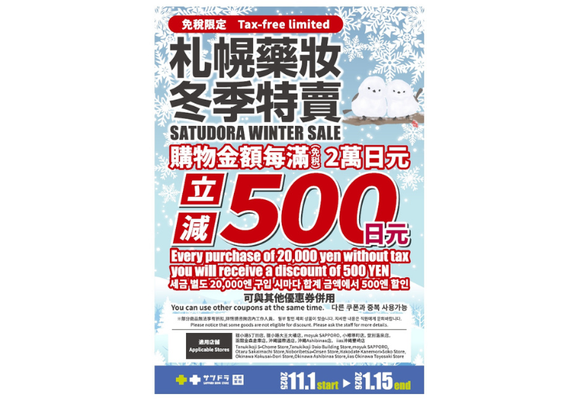
BIGGEST SALE ALERT! SATUDORA Tax-Free Winter Sale: Stack Coupons for Massive Savings!
by: Guest Contributor
-
Expert-Recommended: 9 Hakodate Hotels Serving Up the Best Breakfasts in Town
by: Nobuka Kawashima
-
Explore Japan in 7 Days: The Ultimate Local Rail Adventure with the Hokkaido & East Japan Pass
by: Guest Contributor
-
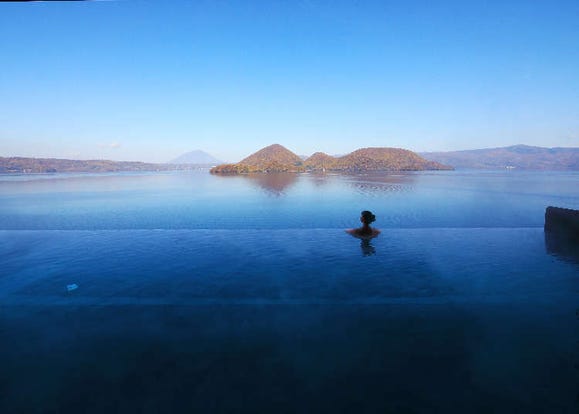
Toyako Onsen: Complete Guide to Hokkaido's Breathtaking Hot Springs (Access, Where to Stay, Events & More)
-
Ad
Welcome to Sapporo! Here’s How to Expore the Ciy Like a Local
-
Ad
1-Day Winter Adventure in Sapporo (Hokkaido): Enjoy Snow by Day, Food by Night!
-
Complete Guide to Buying Japanese Medicine in Japan: Phrases and Vocabulary You Need to Know
-
(Video) Walking Tour along Narita Omotesando - Quaint Historical Village near Narita Airport!
by: Victor Gonzalez
-
Ultimate Tokyo Transit Guide: JR, Subways, and Private Railways Explained, Plus Suica/PASMO and Money-Saving Passes
- #best sushi hokkaido
- #things to do hokkaido
- #best ramen sapporo
- #what to bring to japan
- #new years in tokyo
- #what to buy in ameyoko
- #japanese nail trends
- #what to do in odaiba
- #onsen tattoo friendly tokyo
- #daiso
- #best sweets otaru
- #japanese fashion culture
- #best nature furano
- #japanese convenience store snacks
- #best japanese soft drinks