





Kansai Railway Pass Complete Guide: Prices, Coverage & Money-Saving Tips
- Written by: James Davies
The Kansai region is one of Japan’s most beloved travel destinations, home to historic cities like Kyoto and Nara as well as the lively food culture and modern energy of Osaka and Kobe. Each city has its own distinct character, making it easy to build a varied itinerary within a relatively compact area.
However, Kansai’s extensive network of private railways can be confusing for first-time visitors. Choosing the most efficient and cost-effective way to travel between cities is often a challenge.
This guide takes an in-depth look at the Kansai Railway Pass, a transit pass designed exclusively for foreign visitors. Whether you’re planning a visit to the sacred area of Koyasan or traveling between Kyoto, Osaka, and Kobe, the pass offers convenient and flexible transportation.
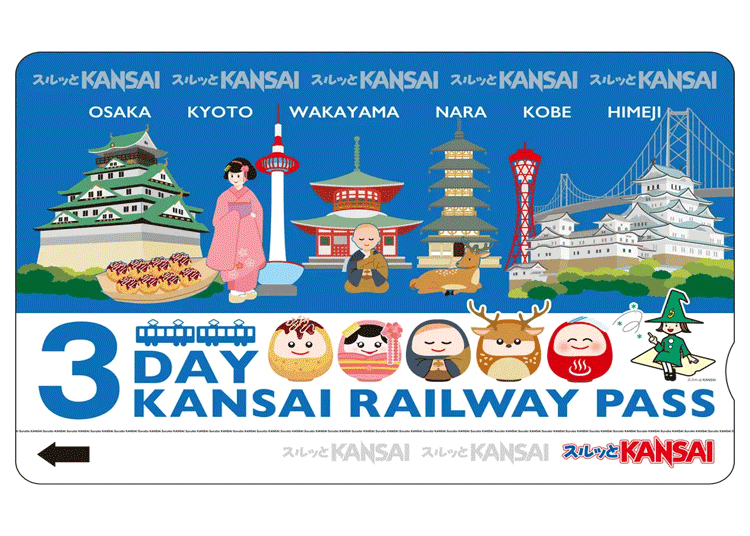
(Image source: Klook)
(This article contains affiliate links)
- Table of Contents
-
- 1. Types of Kansai Railway Pass & Latest Prices
- 2. Key Benefits & Things to Know Before You Buy
- 3. Routes & Attractions: Explore Kansai's Must-See Destinations with One Pass
- 4. Essential Information About the Kansai Railway Pass
- 5. Alternative Pass Options to the Kansai Railway Pass
- 6. Summary: How to Save Time & Money with the Kansai Railway Pass
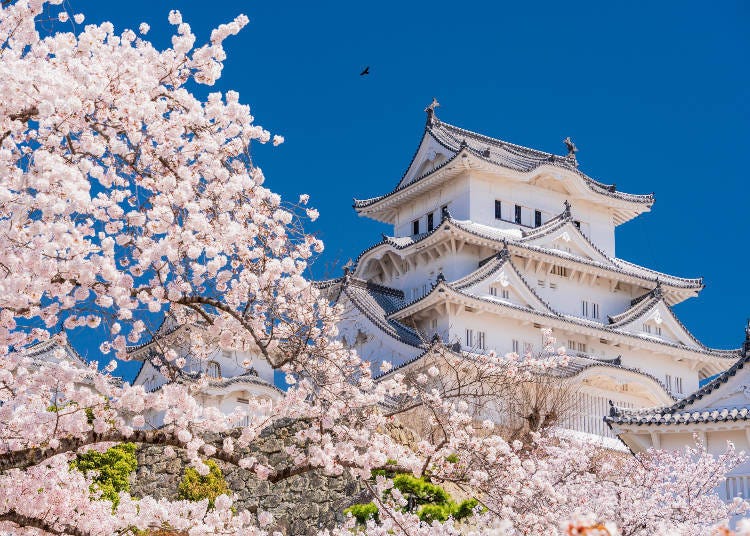
The Kansai region includes several major travel destinations, including Kyoto, Osaka, Nara, and Hyogo. Visitors can explore historic sites such as Himeji Castle, walk through Nara Park where deer roam freely, or visit mountain areas and pilgrimage routes that reflect the region’s long cultural history.
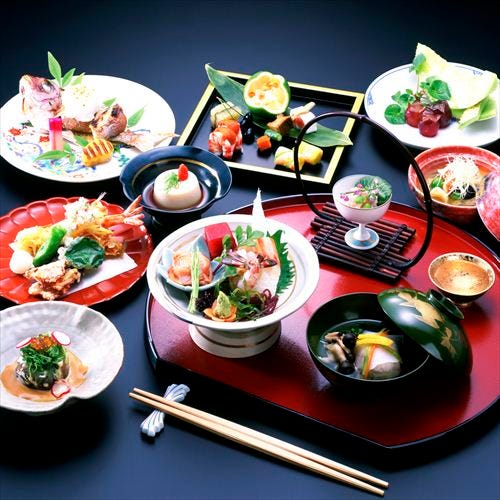
Kansai is also known for its regional food culture. Osaka is often referred to as “Japan’s Kitchen,” while Kyoto is associated with traditional kaiseki cuisine. The region is also known for specialties such as Kobe beef and fresh seafood from nearby coastal areas.
To travel between these destinations, many visitors use the Kansai Railway Pass, a transportation pass available to foreign tourists. The pass allows unlimited rides on participating private railway lines across the six prefectures of Kansai, making it easier to move between major cities and sightseeing areas.
1. Types of Kansai Railway Pass & Latest Prices
The Kansai Railway Pass is available in two options: a 2-Day Pass and a 3-Day Pass. It provides access to approximately 20 participating private railway lines across the Kansai region, making it a practical option for traveling between major cities and attractions.
Covered Railway Lines
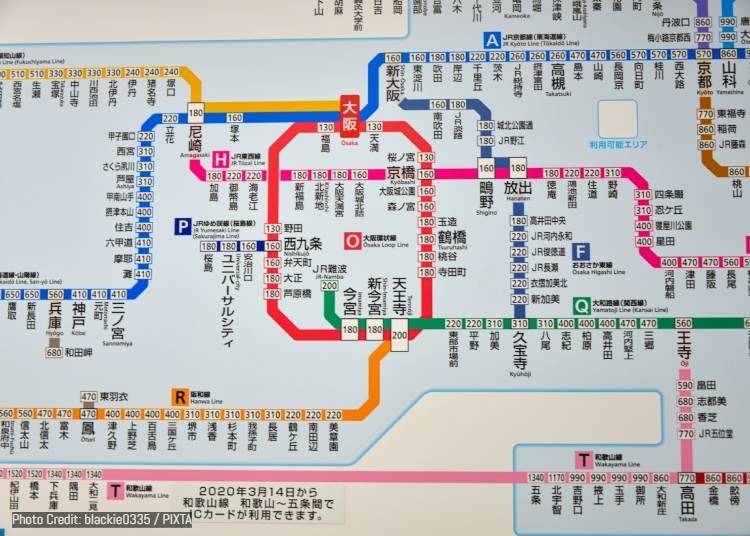
With this pass, you can ride the following participating lines and services:
・Eizan Electric Railway
・Hankai Tramway
・Hankyu Railway
・Hanshin Electric Railway
・Hieizan Sakamoto Ropeway
・Keihan Electric Railway
・Kintetsu Railway
・Kita-Osaka Kyuko Railway
・Kobe Electric Railway
・Kobe Rapid Transit Railway
・Kobe Municipal Subway
・Kyoto Municipal Subway
・Namba Railways
・Osaka Metro
・Osaka Monorail
・Semboku Rapid Railway
・Shin-Keihan Railway
・Watanabe Bus (limited routes)
・Willer Express (limited routes)
・Yokkaichi Asunarou Railway
Pricing: 2-Day Pass vs. 3-Day Pass Comparison
- 2-Day Pass
- ・Adult: 5,600 yen
・Child: 2,800 yen
- 3-Day Pass
- ・Adult: 7,000 yen
・Child: 3,500 yen
Who Is This Pass Best Suited For?
The Kansai Railway Pass is suitable for travelers who plan to visit multiple destinations in the Kansai region. It can be particularly useful for trips that involve frequent travel between cities such as Osaka, Kyoto, Kobe, and Nara over several days.
It may also help reduce transportation costs when visiting destinations served primarily by private railways, such as Koyasan.
How to Purchase & Pick Up Your Pass
You can purchase the pass through travel platforms such as Klook or KKday. After completing your reservation, a QR code voucher will be sent to your email.
After arriving in Japan, present the QR code to exchange it for the physical pass at designated counters, including the following locations:
・Kansai International Airport
・Kyoto Tourist Information Center (Kansai)
・Osaka Metro stations such as Umeda and Tennoji
For the latest information on exchange locations and operating hours, check the official website.
2. Key Benefits & Things to Know Before You Buy
Core Advantages That Make This Pass Worth It
The Kansai Railway Pass allows unlimited rides on participating railways during the valid period. It can be used to travel between major cities such as Kyoto, Osaka, and Kobe, as well as to destinations served by private railways in surrounding areas, including parts of Shiga and Wakayama.
Save Money and Precious Time
The pass may help reduce transportation costs when making multiple train trips over several days. Instead of purchasing individual tickets for each ride, you can use the pass to enter the ticket gate directly, which can simplify travel between destinations.
Exclusive Discounts on Attractions and Shopping
Pass holders may also receive small discounts at selected attractions and stores in the region. Participating locations include places such as Umeda Sky Building Floating Garden Observatory, BicCamera, and Don Quijote. Availability and conditions may vary by location.
Limitations & Drawbacks to Know Before You Go
No JR Trains Included
JR-operated lines are not covered by this pass. This includes the Shinkansen, JR local lines in the Kansai area, and JR limited express trains. If your itinerary relies on JR services, those fares must be paid separately.
Bus Services Not Included
This pass was introduced in 2024 as a replacement for the former Kansai Thru Pass. Unlike the previous pass, bus services are not included, and the pass now covers only trains and subways. This is particularly important to consider when traveling within Kyoto, where buses are commonly used.
Limited Validity for Longer Stays
The pass is available only as a 2-Day or 3-Day option. For travelers staying in the region for a week or longer, this may cover only part of the trip. Additional passes can be purchased if needed after the first pass expires.
Some Routes May Take Longer by Private Railway
On some routes, private railways take longer than JR services. For example, travel between Kyoto and Osaka on Keihan or Hankyu lines takes about 55 minutes. However, these lines often provide convenient access to areas such as Gion and Arashiyama and may still be useful depending on your itinerary.
3. Routes & Attractions: Explore Kansai's Must-See Destinations with One Pass
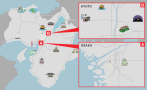
The Kansai Railway Pass covers railways serving several major cities in the Kansai region. This makes it possible to visit a range of cultural and historical destinations using a single pass. Below are several cities and areas commonly included in itineraries using this pass:
Kyoto: Step into the Heart of an Ancient Capital
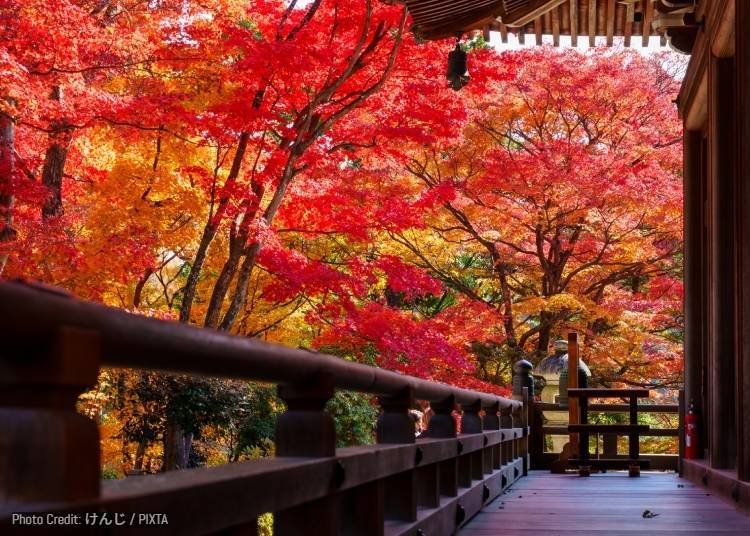
By using the Kansai Railway Pass on the Kyoto Municipal Subway and private railways such as Keihan and Hankyu, you can travel between many of Kyoto’s major sightseeing areas.
These include districts and landmarks such as Gion, Kiyomizudera Temple, Fushimi Inari Taisha, Nijo Castle, and the bamboo groves of Arashiyama.
Osaka: Experience the Energy of Japan's Kitchen
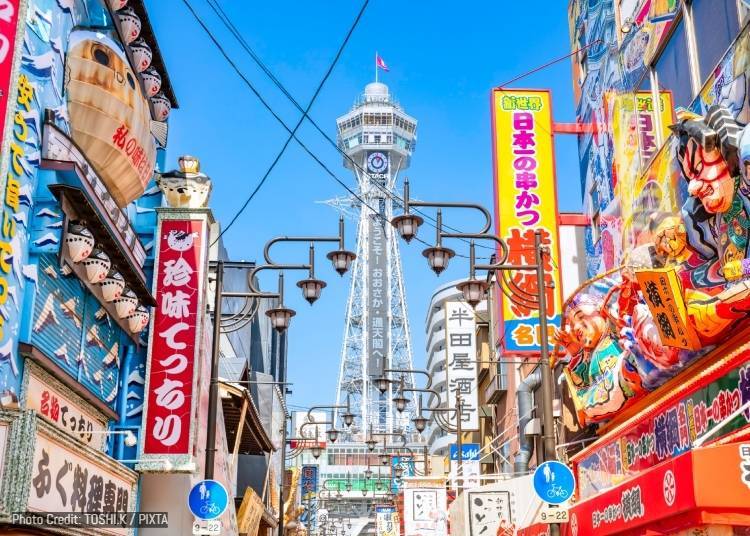
With the pass, you can use Osaka Metro and several private railway lines to reach many of Osaka’s main attractions.
These include Osaka Castle, Tsutenkaku Tower in the Shinsekai area, Kuromon Ichiba Market, Osaka Aquarium Kaiyukan, and the Dotonbori entertainment district.
Kobe: A Port City Feast for the Senses
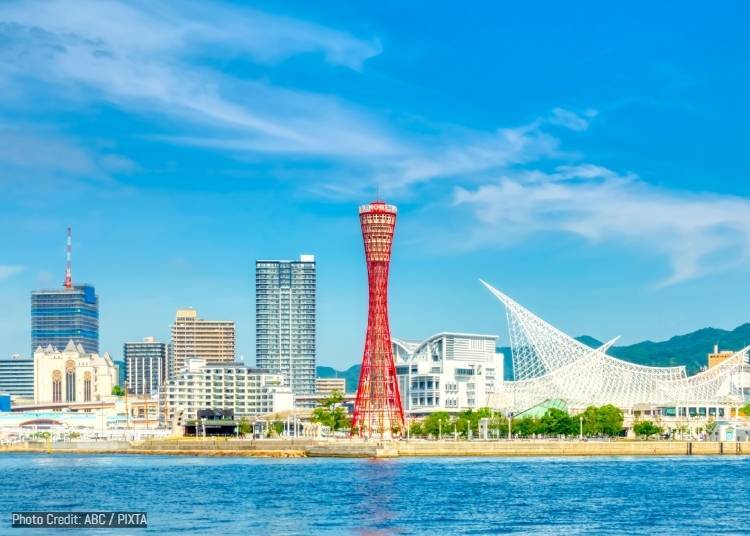
Using the Hankyu or Hanshin railways, you can travel from Osaka to Kobe and visit several of the city’s main attractions.
These include Kobe Port Tower, the Nunobiki Herb Garden ropeway, the historic Kitano Ijinkan district, Nankinmachi (Chinatown), and the traditional Sorakuen Garden. Kobe is also known for its Kobe beef restaurants.
Uji: A City Steeped in Tea and Artistic Heritage
Known as one of Japan’s leading tea-producing areas, Uji is a well-known destination for matcha. Located about 30 minutes by train from Nara, the area along the Uji River is lined with long-established teahouses and historic sites.
Visitors can explore the UNESCO World Heritage sites of Byodoin Temple and Ujigami Shrine. The area has also gained additional attention with the opening of the Nintendo Museum, which showcases the history and products of the Kyoto-based game company.
Nara: A Meeting with the Gentle Messengers of the Forest

Nara is a popular day-trip destination from Osaka and Kyoto. One of its most well-known sights is Nara Park, where around 1,200 deer roam freely.
As one of Japan’s former capitals, the city is also home to major historic sites such as Todaiji Temple, Horyuji Temple, Kasuga Taisha Shrine, and the Nara National Museum.
Himeji: Behold the UNESCO-Listed "White Heron Castle"
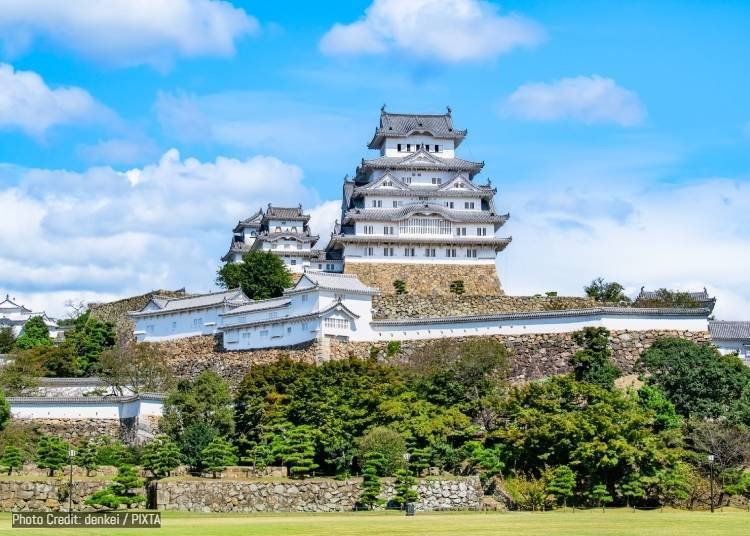
Himeji Castle is the city's most iconic landmark and one of the best-preserved castles in Japan. This UNESCO World Heritage Site, with its history dating back to the 17th century, is an elegant and awe-inspiring masterpiece of Japanese castle architecture.
Wakayama: Where Ancient Castles Meet Modern Art
Wakayama City is about one hour south of Osaka by train. The city is centered around the reconstructed Wakayama Castle, which is surrounded by Momijidani Garden.
Other attractions include the Wakayama Prefectural Museum of Modern Art, which exhibits works by both Japanese and international artists.
Koyasan: A Sacred Buddhist Retreat for the Soul
Located in the mountains of Wakayama Prefecture, Koyasan is the center of Shingon Buddhism and an important stop along routes connected to the Kumano Kodo pilgrimage network. The area is known for sites such as Okunoin Cemetery and its many historic temples.
Visitors can also stay overnight in a temple lodging (shukubo), where guests can experience aspects of temple life such as vegetarian Buddhist cuisine and morning prayers.
Helpful Tip
The Kansai Railway Pass can be used for travel to and from Kansai International Airport, as well as for trips between major cities such as Kyoto, Osaka, Kobe, and Himeji, where Shinkansen connections are available. Using the pass toward the end of your trip may help simplify travel to the airport or to a Shinkansen station for onward journeys.
4. Essential Information About the Kansai Railway Pass
Before setting off for Kansai, make sure you're familiar with the following important details about purchasing and using the pass.
Who Is Eligible to Purchase the Kansai Railway Pass?
This pass is available only to certain categories of international visitors. Eligible purchasers include the following:
・Foreign nationals visiting Japan with Temporary Visitor status (short-term tourist visa)
・Japanese citizens living overseas who hold permanent residency in another country
・Travel companions of the above eligible travelers (must purchase at the same time as an eligible person)
Validity Period & Sale Dates
The Kansai Railway Pass operates on an annual sale cycle. Based on current plans, the pass's valid usage period typically extends through the end of May of the given year. As this pass is extremely popular, we recommend checking the official website for the latest sale dates and valid periods when planning your trip.
How to Activate & Use Your Pass
The Kansai Railway Pass is issued as a physical magnetic ticket and can be used in the following ways:
・Entering and Exiting Stations: Insert the pass into the automatic ticket gate when entering and leaving the station.
・Remote Stations: At smaller stations without automatic gates, show the date printed on the back of the pass to station staff.
・Activation: The first time the pass is inserted into a ticket gate, the date will be printed on the back of the card. From that point, the pass can be used for unlimited rides during that day’s operating hours.
Biggest Advantage: Non-Consecutive Day Usage
One advantage of the Kansai Railway Pass is that the usage days do not need to be consecutive. This allows travelers to choose which days to use the pass based on their itinerary.
For example, during a one-week stay in Kansai, the pass could be used on different days for trips to Kyoto, Kobe, or Koyasan. Only the days when the pass is used are counted.
This flexibility makes it possible to include rest days or local sightseeing days between travel days.
5. Alternative Pass Options to the Kansai Railway Pass
If your itinerary relies mainly on JR lines or includes travel outside the Kansai region, other rail passes may be more suitable. Two commonly considered alternatives are listed below.
JR West Kansai Area Pass
This pass is designed for travelers who plan to use JR trains as their main transportation within the Kansai region. It is available in 1- to 4-day options and allows unlimited rides on JR trains and JR buses within the designated area.
The pass does not include the Shinkansen, but it can be used on the HARUKA limited express between Kansai International Airport and major cities such as Osaka and Kyoto. It also covers limited sections of the Kyoto Municipal Subway, Keihan Railway, and Hankyu Railway.
JR Kansai WIDE Area Pass
This 5-day pass is designed for travelers planning longer trips beyond the Kyoto–Osaka–Kobe–Nara area. It allows unlimited rides on JR trains across a wider region, with coverage extending to destinations such as Tottori, Okayama, and Takamatsu in Shikoku.
It can be useful for itineraries that include longer-distance trips, such as visiting Kinosaki Onsen or the Kurashiki Bikan Historical Quarter.
6. Summary: How to Save Time & Money with the Kansai Railway Pass
The Kansai Railway Pass can be a useful option for travelers who plan to visit multiple cities in the Kansai region using private railways and subways.
One key feature is that the usage days do not need to be consecutive. This allows travelers to use the pass on days with longer-distance trips between cities, while spending other days exploring a single area without activating the pass.
Because the pass covers many private railway and subway lines, it also simplifies travel by reducing the need to purchase individual tickets for each ride. Purchasing the pass in advance through platforms such as Klook or KKday can make it easier to plan transportation for trips that include destinations such as Koyasan, Kobe, or Himeji.
▼Explore More Articles on Osaka Transportation Deals ▼

Originally from Cardiff in the UK, James has been working as a freelance writer since moving to Japan in 2020. Having first visited Japan in 2013, James has been to each of the country’s 47 prefectures. A lover of sushi, sumo and sake, when not writing, he is either exploring Tokyo or planning a trip to a new corner of Japan.
*Prices and options mentioned are subject to change.
*Unless stated otherwise, all prices include tax.

Popular Tours & Activitiess
Recommended places for you
-

Jukuseiniku-to Namamottsuarera Nikubaru Italian Nikutaria Sannomiya
Izakaya
Kobe, Sannomiya, Kitano
-
Kambei Sannomiyahonten
Yakiniku
Kobe, Sannomiya, Kitano
-
Goods
Yoshida Gennojo-Roho Kyoto Buddhist Altars
Gift Shops
Nijo Castle, Kyoto Imperial Palace
-

Kanzenkoshitsuyakinikutabehodai Gyugyu Paradise Sannomiya
Yakiniku
Kobe, Sannomiya, Kitano
-
ISHIDAYA Hanare
Yakiniku
Kobe, Sannomiya, Kitano
-
Kasuga-taisha Shrine
Shrines
Nara, Ikoma, Tenri
-
This Spring, Enjoy Magical Night Sakura Reflections Along Nara's Uda River (Local Hidden Gem!)
-
Koyasan's Sacred Silence Gets a Futuristic Upgrade: Electric Buses Arrive with GRAN TENKU in 2026
by: Guest Contributor
-
[2026] Don Quijote Opens New Store on Shijo-dori, Kyoto! Experience Exclusive "Fruit Skewers" at Kansai's First Inbound-Focused Store
-
One of Western Japan's Largest Character Hubs Is Coming to Osaka Station in 2026
by: Guest Contributor
-
Ad

Prepare Japanese Food at a Factory in Kyoto and Sapporo, and Become the Star of the Show
-

Osaka's New Must-Have: Eki-Inki Station Stamps
by: Guest Contributor
-
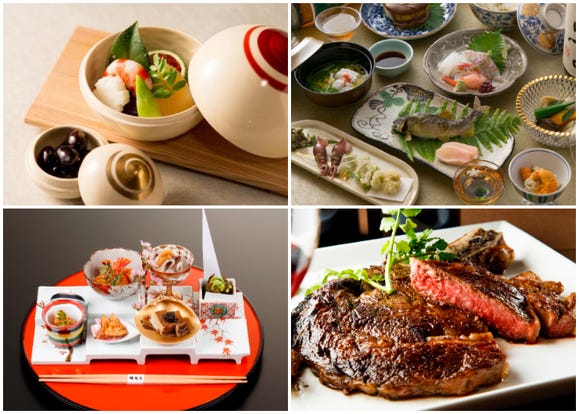
Dining in Kyoto: Best Restaurants for Kaiseki, Sushi, Cafes & More
-

Expo 2025 Osaka-Kansai: My Journey Inside the Signature Pavilions
by: Timothy Sullivan
-
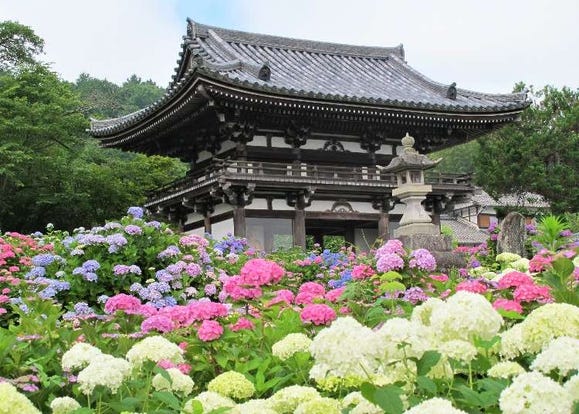
10 Dreamy Hydrangea Gardens Near Kyoto and Osaka For Flower Lovers
by: WESTPLAN
-
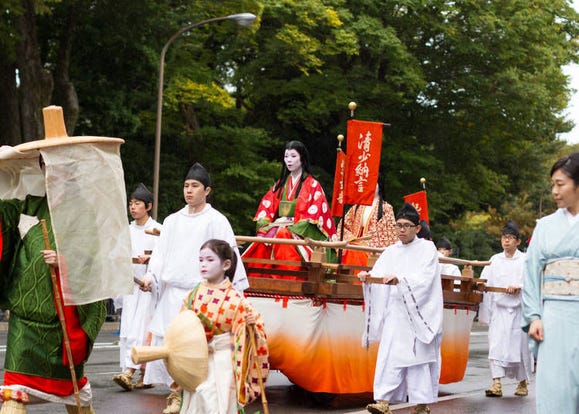
5 Amazing Kyoto Festivals You’ll Want to Experience During Your Next Trip
-
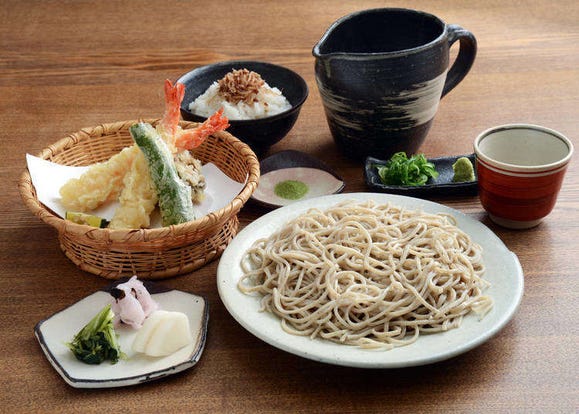
10 Best Places for Lunch Near Kiyomizu Temple: Enjoy Traditional Yudofu, Yuba & Tsukemono!
-
Dotonbori Konamon Museum: Revealing the Sensation of World-Famous Takoyaki in Osaka!
- #best gourmet Osaka
- #things to do Osaka
- #what to do in kyoto
- #what to bring to japan
- #best gourmet Kyoto
- #new years in Osaka
- #what to buy in nanba
- #Visiting Osaka
- #onsen tattoo friendly arima
- #daiso
- #Visiting Kyoto
- #best japanese soft drinks
- #japanese fashion culture
- #japanese convenience store snacks
- #japanese nail trends