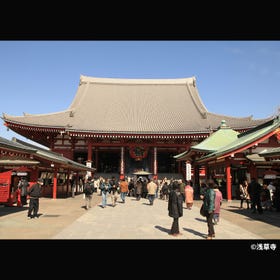
The oldest Buddhist temple in Tokyo best known by the Kaminarimon Gate is one of the must-visit places in Tokyo. On Nakamise Street, you can enjoy souvenir shopping and snack-joint hopping.
Shingon Sect Temple in Setagaya, Tokyo. Tamagawa 88 Sacred Sites. Kanto Sacred Site consisting of temples for 33 Bokefuji Kannon Pilgrimage.
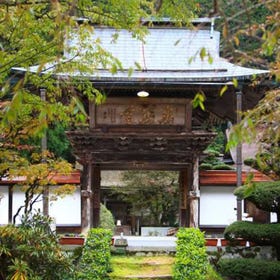
A massive triple gate welcomes you to the head temple for the Obaku sect of Zen Buddhism
This Buddhist school was established by the Chinese monk Jianzhen
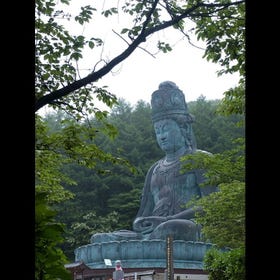
A little-known temple hidden deep in the mountains
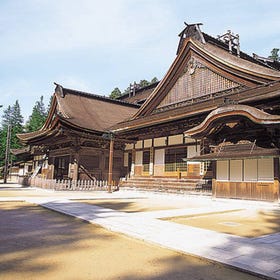
The nation’s head Koyasan Shingon-shu temple
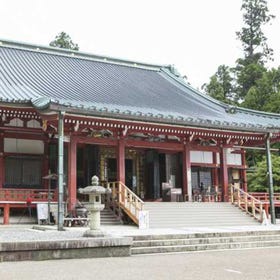
Several hundred structures are scattered across Mt. Hiei
Take a stroll through the forest-enveloped grounds
This temple guesthouse is home to national treasures
The abbot’s chambers are surrounded by four gardens
Check out the ”Sento Kuyo” ceremony on summer nights
A grand temple complex established on Mount Koya some 900 years ago
A temple that has existed since the Warring States period and is connected to Nobunaga
A mortuary temple for the imperial household
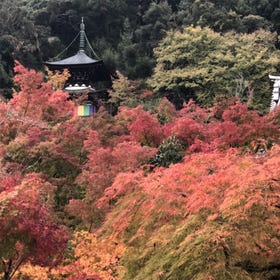
An ancient temple known as an exemplary viewing spot for autumn leaves since the Heian period.
Famous for its beautiful cherry blossoms and autumn leaves
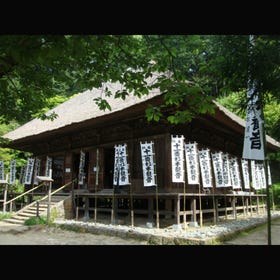
The temple is the oldest one in Kamakura, founded by a high priest called Gyoki. Its principal image of worship is the three figures of eleven-faced Kan'non, and the temple ground is covered with various flowers throughout the seasons.
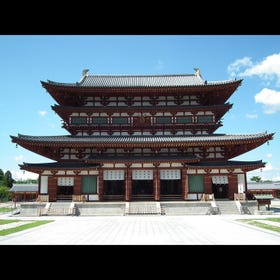
A temple built upon the request of Emperor Tenmu during the Hakuho Period. Reconstructed in recent years, the temple structures showcase beautiful, vibrant colors.
Stroll along the heart-shaped pond in the garden
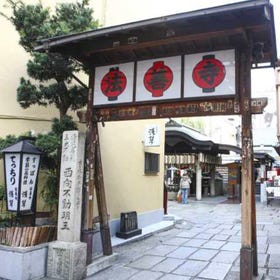
The historic, symbolic spot of Namba. Always popular with tourists