



Having distinct seasons, first-time visitors to Japan may wonder a lot about Japan's climate. Stretching from the north to south and influenced in part by the surrounding ocean, the country has various climate divisions. Here, we will introduce the natural phenomena and the climate indigenous to Japan!
1. Why does Japan have distinct seasons?
Since Japan is surrounded by ocean, the subtropical westerlies affected by the ocean current in the wintertime and the southeast winds and the monsoons blowing in summertime play a role in creating Japan's distinct four seasons. Distinct seasons can be seen in the mid-latitude regions where air masses largely shift.
2. What is Japan's unique forecast - the "Cherry Blossom Front" - all about?
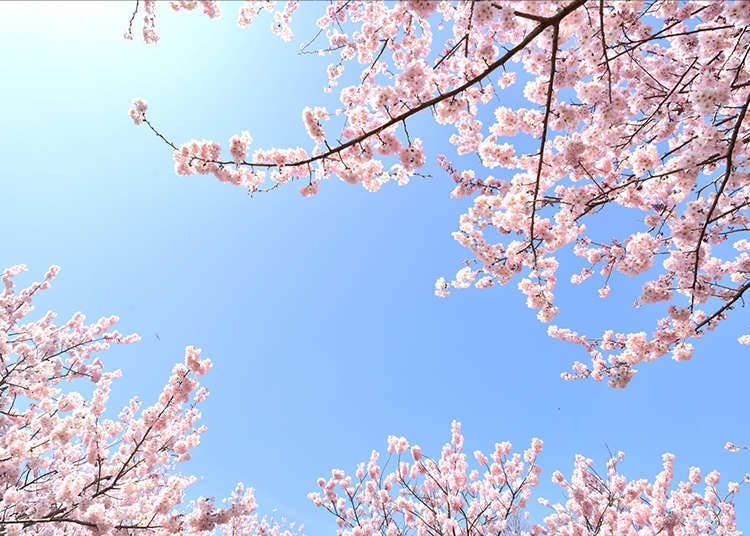
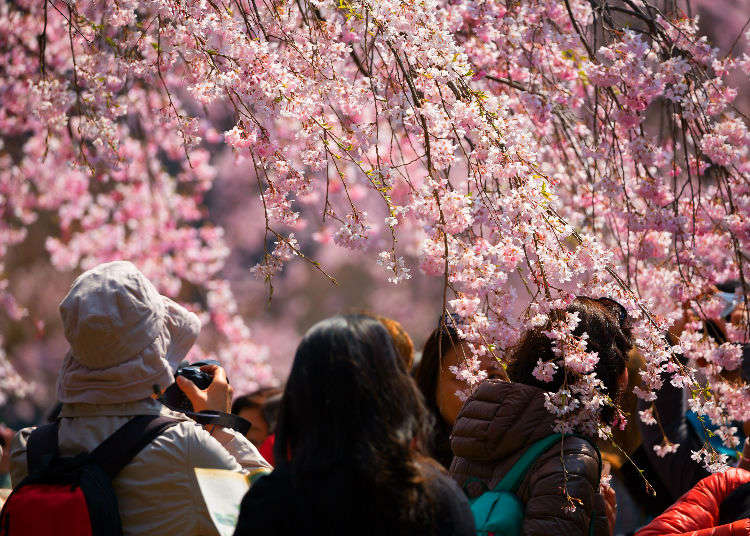
Japanese people are deeply attached to cherry blossoms. In Japan, there is the custom to forecast the day cherry blossoms start blooming. The areas and spots of the same bloom date is connected with a line on a map and is called the "cherry blossom front" from its resemblance of the fronts on a weather map.
3. Not many have hay fever in Okinawa!?
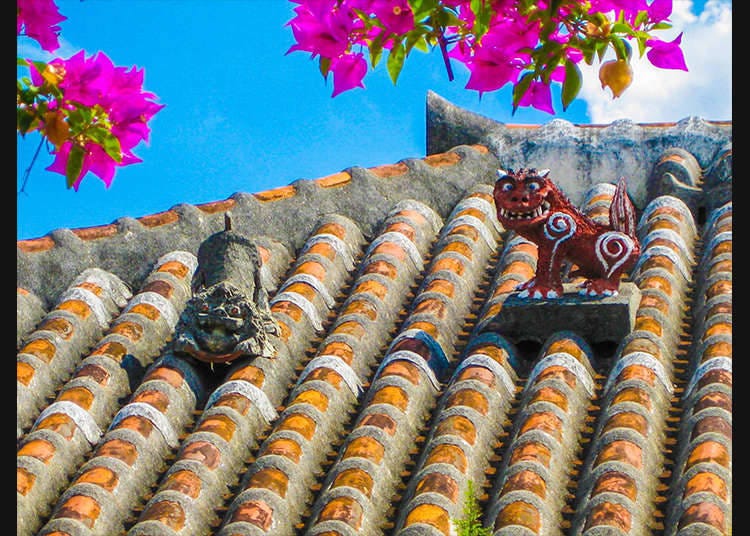
Pollen from cedar troubles many people in Japan with hay fever during the springtime. However, it is said that people in Okinawa do not suffer from pollen as much. This is because cedar does not grow in Okinawa's year-round mild climate.
4. What and when is "Tsuyu" - Japan's rainy season?
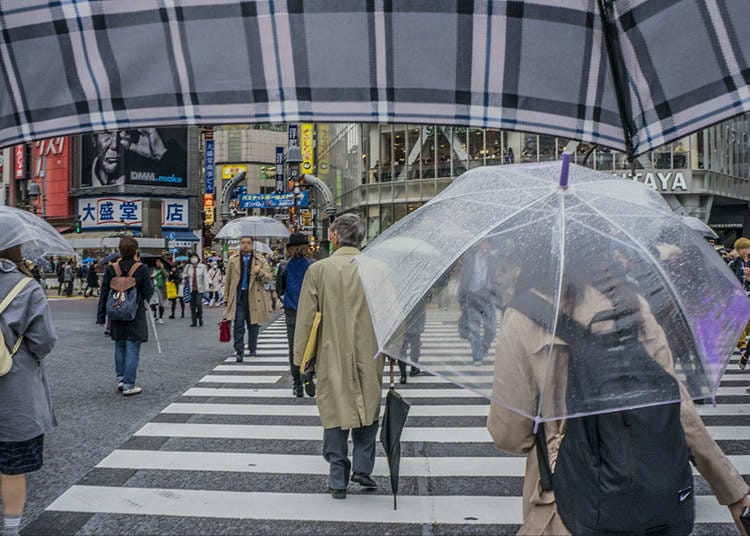
Some people are surprised at the humidity, related to "Tsuyu" or the rainy season, when they visit Japan from May to July. This humidity is related to the rainy season, a seasonal phenomenon that brings more rain and less sun as the seasons transit from spring to summer. The "beginning of the rainy seasons" starts at a transition period of an average of 5 days. The "beginning of the rainy season" is declared from the weather up until that time and the one-week forecast to see how many rainy and cloudy days there are. The "end of the rainy season" is announced when the rainy season front moves away from Japan and changes to summer weather. Hot and humid weather specific to the rainy season mainly occurs in June and July.
5. But there's no rainy season in Hokkaido?
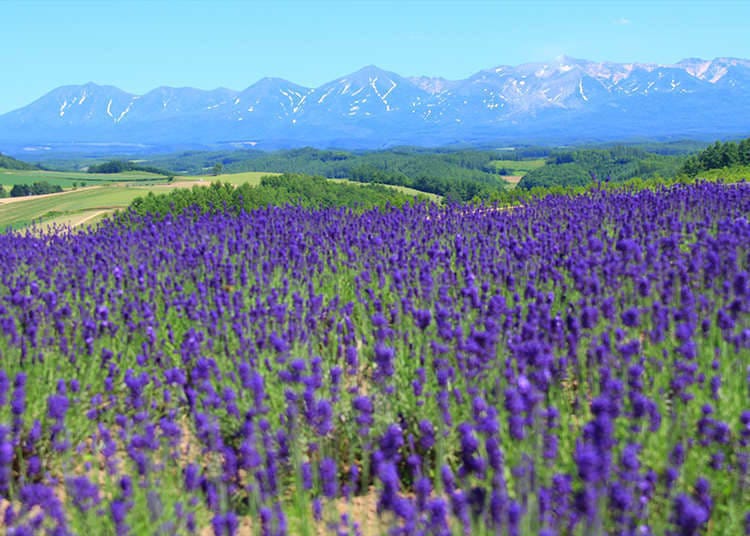
Hokkaido does not observe the rainy season. The rainy front has the characteristic to move to the north or to the south, depending on the strength of the two high pressure systems. It does move to the north from Okinawa but by the time it reaches Hokkaido, the Pacific high gathers strength and causes the rainy front to disappear.
6. Why is Japan's summer so humid?

Summer is humid in Japan, which may make many travelers uncomfortably sweaty. This humidity is due to the "Pacific high". The high pressure forms over the Pacific Ocean so it contains a lot of water vapor. When summer arrives, it moves to the north and covers the Japanese islands. The southerly winds then carries the hot and humid air from the Pacific Ocean to Japan, making it humid.
7. When and where does it snow in Japan?
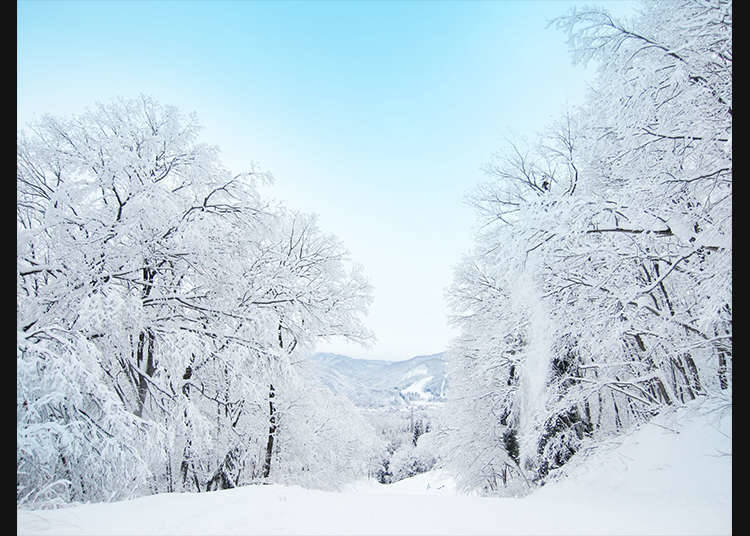
Let’s take a quick look at the climate of Japan between December and February. A cold northwest wind is the standard, and when this northwest wind blows over the Sea of Japan from the North, the water vapor in the wind turns into snow. This is why West Japan experiences quite a lot of snowfall. This northwest wind then blows over the mountains of Honshu, the biggest of Japan’s main islands, and dries in the process before reaching Tokyo and the other regions on the Pacific side. Thus, Tokyo’s winter air is rather dry and there’s hardly any snowfall – this is a dangerous combination for dry skin and chapped lips, however, so take precautions.
8. Mt. Fuji can forecast the weather?
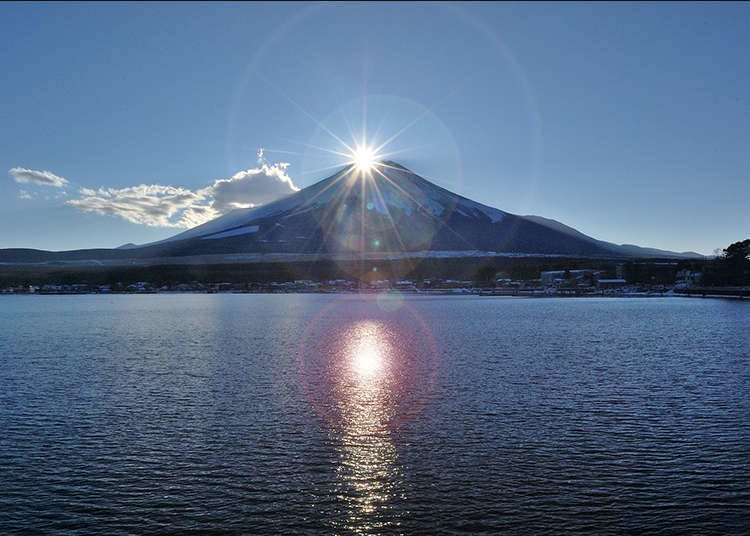
From the old times, it has been said that people living around Mt. Fuji could predict the weather from watching the clouds over the mountain. For example, if umbrella-shaped clouds form at the top of the mountain, people would predict rain the next day. If clouds form at the foot of the mountain, they predicted it would be sunny the next day. People in old times watched Mt. Fuji to predict the weather when no technology was available to predict weather.
9. Are the names of typhoons different from country to country?
In the past, the U.S. gave hurricanes female names. This is said to have been because these weather systems were observed by naval and air forces and people named them for fun. They gave typhoons the names of their wives and girlfriends in an affectionate way, which is said to be the start of naming typhoons.
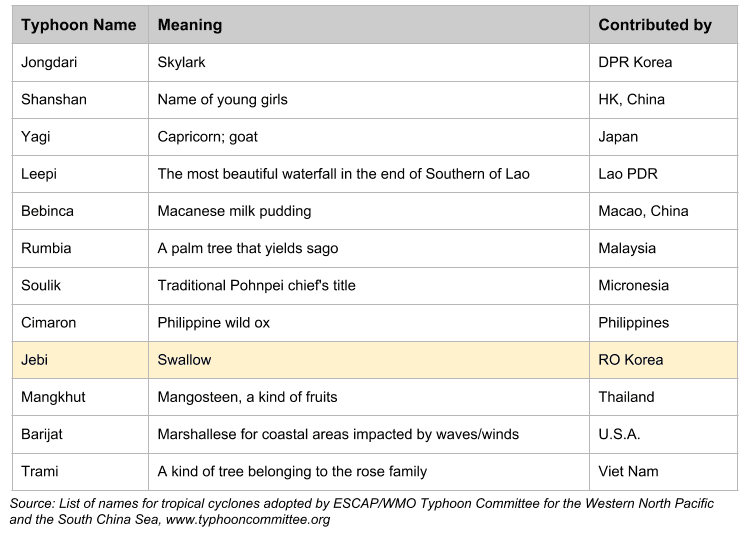
In 1998, the ESCAP/WMO Typhoon Committee, an international organization with 14 member countries, created five lists of names, with each member submitting 10 names. These names are used sequentially without regard to year - a partial list of these is reproduced below.
In Japan however, typhoons conventionally do not receive names. Instead, after January 1st of every year in Japan, the first typhoon that occurs is named the 1st typhoon and the following typhoons are allotted the number in its developed order!
Recent typhoon names
- Area
- Category
*Prices and options mentioned are subject to change.
*Unless stated otherwise, all prices include tax.
Popular Tours & Activities
Recommended places for you

-
Top 10 Premium Hot Spring Resorts Near Tokyo: Luxury Ryokan & Ocean-View Stays from 30,000 Yen
-
Ad

Stay on time with the power of light. Celebrate 50 years of history with the Limited Edition CITIZEN Eco-Drive and other must-have models
-
Eat Like Goro! "Taya" in Jujo, Tokyo (Solitary Gourmet Season 2, Epsode 10)
by: Shingo Teraoka
-
Tokyo Tower's Milky Way Illumination 2026 Returns! See 30,000 Lights Transform Tokyo's Skyline This Summer
by: Guest Contributor
-
Avoid the Crush! New Metro CrowdNavi Makes Your Tokyo Trip 10x Easier, Comfier
by: Guest Contributor
-
Stay Connected at the Summit! "Fujisan Wi-Fi" & Latest 5G SA for a Safe and Comfortable Climb
by: Guest Contributor
Inspiration for Accommodations
-

Family-Friendly Hotels with Free Shuttle to Disneyland: Convenient Access for a Magical Stay
-
Top Ranked Hakone Hotels with Mt. Fuji View: Enjoy Stunning Scenery from Your Private Space
-
Convenient Tokyo Hotels with Airport Shuttle: Ideal for Families and Heavy Luggage
-
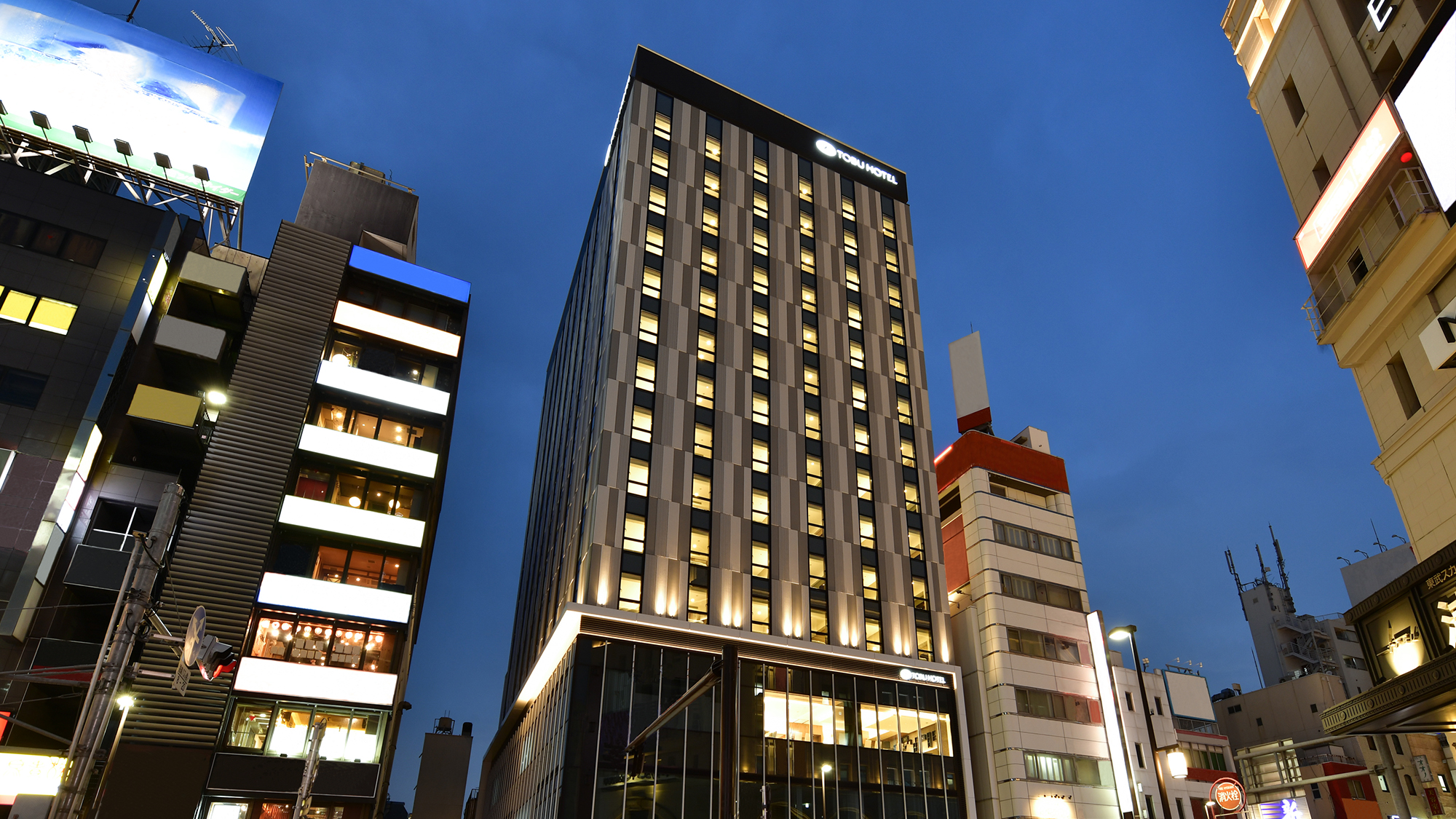
9 Family-Friendly Hotels with Comfortable Family Rooms in Asakusa
-
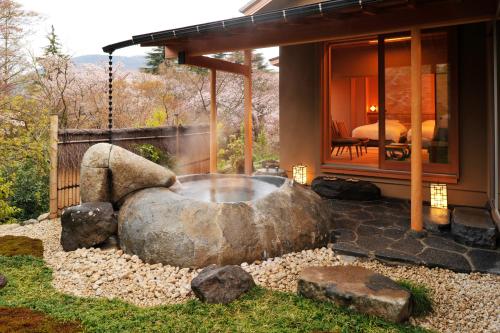
10 Open-air bath Onsen Ryokans in Hakone for Ultimate Relaxation
-
Their First Kimono Experience in Asakusa: A Kimono Transformation in Only 20 Minutes!
-
(Video) Walking Tour along Narita Omotesando - Quaint Historical Village near Narita Airport!
by: Victor Gonzalez
-
Healthcare in Japan for Tourists: What to Do When You Get Sick or Injured in Japan
-

Tokyo’s Secret Coin Locker Spots: Big Enough for Suitcases!
-
Iconic Neighborhoods and More: Inside Tokyo's Top 10 Shopping Streets
-
10 Important Japanese Phrases to Know Before You Enter a Japanese Convenience Store
by: Teni Wada
- #best ramen tokyo
- #what to buy in ameyoko
- #what to bring to japan
- #new years in tokyo
- #best izakaya shinjuku
- #things to do tokyo
- #japanese nail trends
- #what to do in odaiba
- #onsen tattoo friendly tokyo
- #daiso
- #best sushi ginza
- #japanese convenience store snacks
- #best yakiniku shibuya
- #japanese fashion culture
- #best japanese soft drinks