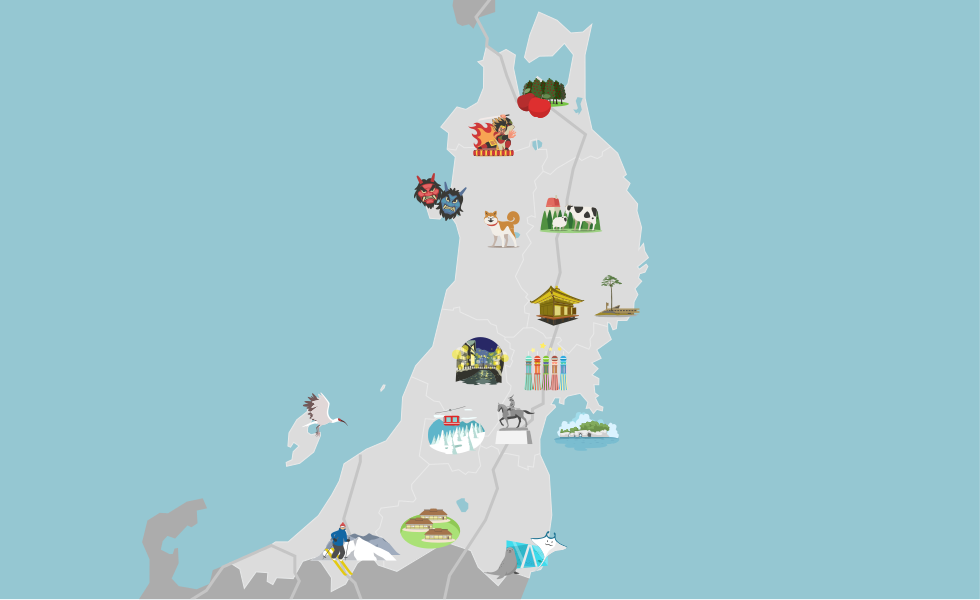





The Shinkansen to Tohoku is fast and convenient, but it comes at a price. For travelers without a Japan Rail Pass, the cost of a return trip to Tohoku can add up quickly. Highway buses offer a compelling alternative: significantly cheaper fares, direct routes to destinations across all six Tohoku prefectures, and overnight services that let you sleep through the journey and arrive fresh in the morning. The trade-off is time, but for budget-conscious travelers with a flexible schedule, the savings are hard to argue with.
This guide covers highway bus routes from Tokyo to every major destination in Tohoku, with travel times, fare ranges, booking options, and tips for making the most of the journey.
(This article contains affiliate links)
Inside the Night Bus: Kokusai Kogyo Bus on Why It Works

To understand what sets the highway bus experience apart, we spoke with Mr. Murai of the Transport Business Department at Kokusai Kogyo Bus, one of the main operators of high-speed and overnight services from Tokyo to Tohoku.
Mr. Murai makes the case for night buses on practical grounds first. Because overnight services depart Tokyo in the evening and arrive at their destination early the next morning, travelers effectively gain a full extra day of sightseeing. Even the first train of the day from Tokyo doesn't reach somewhere like the Shonai area of Yamagata, Kamaishi and Otsuchi on the Iwate coast, or the Shimokita Peninsula in Aomori until late morning at the earliest. The overnight bus gets you there before regular facilities open, which means more time on the ground.

The best part is the low price. To get to Sendai, for example, you can take the Shinkansen for about 10,000 yen (one-way), or you can take the bus starting at 2,000 yen! Prices will, of course, change depending on the size of the seats, other perks and comforts, time, and so on. Regardless, the price difference will be very noticeable compared to the Shinkansen.

For foreign visitors in particular, Mr. Murai highlights two additional advantages. First, the buses are point-to-point: no transfers at unfamiliar stations, no risk of boarding the wrong line. You board in Tokyo and step off at your destination.
Second, the onboard experience is designed with comfort in mind. Kokusai Kogyo's overnight coaches use three-row independent seat configurations, which are wider and more private than the standard four-across layout, with leg rests, footrests, blankets, slippers, and curtains for privacy.
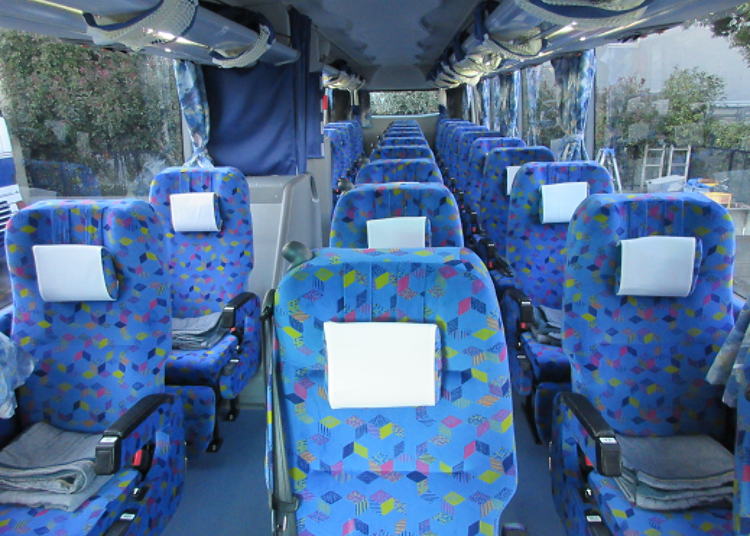
Safety information is provided in Japanese, English, Chinese (simplified and traditional), and Korean, and free Wi-Fi is available on all vehicles, including any additional services added during peak seasons. Seats can be booked via the multilingual Kokusai Kogyo reservation site, at convenience stores, or by phone.
Mr. Murai's tip for the journey itself: don't forget a neck pillow.
You can book your seats online, or at the nearby convenience stores, or by phone. For more details, check the official website.

Why Take the Bus to Tohoku?
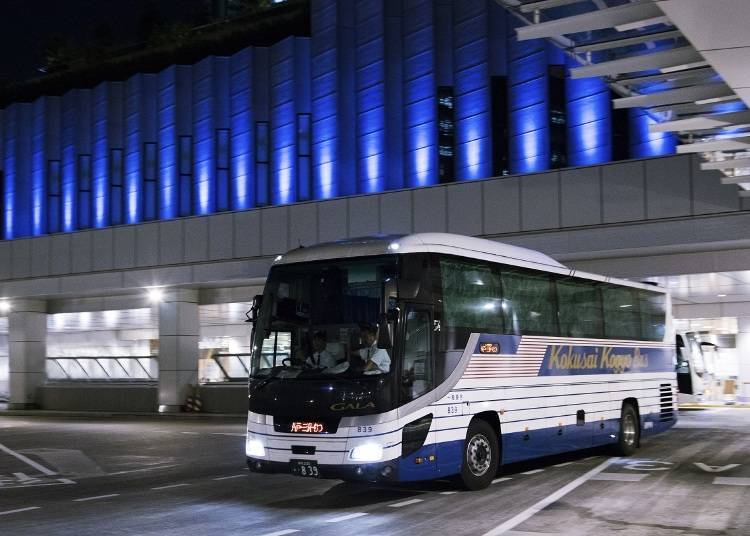
The core appeal is price. While prices have risen in recent years, generally, the bus tickets are less expensive than the shinkansen. On a multi-destination Tohoku trip, the savings can be substantial.
Beyond cost, two practical advantages are worth highlighting:
Night buses save you a hotel night.
Most long-distance services to Aomori, Akita, and Iwate run overnight, departing Tokyo in the evening and arriving at their destination early the next morning. This converts your travel time into sleeping time and saves the cost of a night's accommodation.
Direct routes to tourist areas.
Several bus services stop directly at sightseeing destinations, smaller stations, and regional hubs that aren't served by the Shinkansen. For destinations in rural Iwate, the Shonai area of Yamagata, or coastal Aomori, the bus may actually be the more convenient option even before price is considered.
Tokyo departure points vary by operator but typically include Tokyo Station (Yaesu South Exit), Shinjuku (Busta Shinjuku), and Ikebukuro Station. Always confirm your departure point when booking.
Route Guide: Tokyo to Each Tohoku Prefecture
Tokyo Bus to Miyagi (Sendai)

Sendai is the closest major Tohoku destination from Tokyo by bus and the most frequently served. It's also the main hub for onward connections to other parts of Tohoku, making it a natural first stop for multi-prefecture itineraries.
・Key stops: Sendai Station East Exit, JR Nagamachi Station East Exit, Furukawa Station, Izumichuo Station
・Travel time: Approximately 5 hours 30 minutes (Tokyo to Sendai Station East Exit)
・Estimated fare: Approximately 4,000 - 5,000 yen
・Operators with multilingual booking: JR Bus Tohoku; bookable via Expressway Bus Net, JAPAN BUS LINES, JAPAN BUS ONLINE, Kosokubus.com
Tokyo Bus to Aomori

Aomori is the furthest of Tohoku's prefectural capitals from Tokyo, and the overnight bus is the natural way to make the journey. Services typically depart Tokyo in the early evening and arrive in Aomori City the following morning, with a stop at Hirosaki Bus Terminal along the way.
・Key stops: Aomori Station, Hirosaki Bus Terminal, Goshogawara Station, Hachinohe Station East Exit
・Travel time: Approximately 10 hours (Tokyo to Aomori Station)
・Estimated fare: Around 4,500 - 9,000 yen (prices are much cheaper on weekdays)
・Operators with multilingual booking: Kokusai Kogyo Bus, JR Bus Tohoku; bookable via JAPAN BUS LINES, JAPAN BUS ONLINE, Kosokubus.com
Tokyo Bus to Iwate (Morioka and beyond)

Iwate is the second-largest prefecture in Japan by area (after Hokkaido), so travel times and fares vary considerably depending on your destination within the prefecture. Morioka is the main hub; buses also serve coastal destinations like Kamaishi and Kuji, which are otherwise time-consuming to reach by rail.
・Key stops: Morioka Station West Exit, Morioka Station East Exit, Kuji Station, Ichinoseki Station East Exit, Hanamaki Station, Kamaishi Station
・Travel time: Approximately 7 hours 30 minutes (Tokyo to Morioka Station West Exit)
・Estimated fare: About 4,000 - 8,000 yen (prices are much cheaper on weekdays)
・Operators with multilingual booking: Kokusai Kogyo Bus, JR Bus Tohoku; bookable via JAPAN BUS LINES, JAPAN BUS ONLINE, Kosokubus.com
Tokyo Bus to Akita
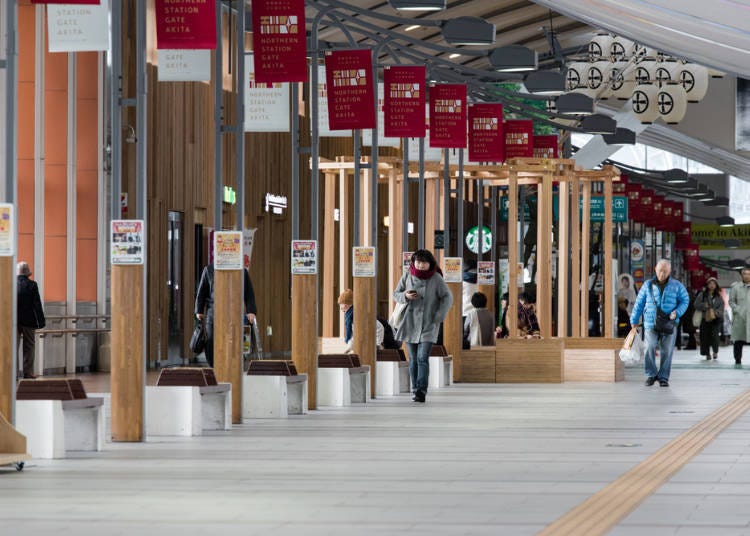
Buses to Akita serve Akita City as well as stops at Tazawako Station (for Lake Tazawa and Nyuto Onsenkyo) and Kakunodate — one of Japan's best-preserved samurai districts and a major cherry blossom destination in spring. If you're visiting Kakunodate during cherry blossom season, book well in advance.
・Key stops: Akita Station East Exit, Omagari Station East Exit, Tazawako Station, Kakunodate, Noshiro Bus Station, Noshiro Sales Office
・Travel time: Approximately 10 hours (Tokyo to Akita Station East Exit)
・Estimated fare: Around 6,800 - 10,500 yen (prices are much cheaper on weekdays)
・Operators with multilingual booking: JR Bus Tohoku; bookable via JAPAN BUS LINES, JAPAN BUS ONLINE, Kosokubus.com
Tokyo Bus to Yamagata

Yamagata has good bus coverage across the prefecture, with services reaching not just Yamagata City but also Tsuruoka, Yonezawa, and Obanazawa (nearest town to Ginzan Onsen). Some Yonezawa-bound buses also stop in Fukushima, making them convenient for travelers planning to visit both prefectures on the same trip.
・Key stops: Yamagata Station West Exit, Yonezawa Station East Exit, Sakata Shoko BT, Tsuruoka Esu Mall
・Travel time: Approximately 6 hours (Tokyo to Yamagata Station West Exit)
・Estimated fare: About 4,000 - 9,800 yen (prices are much cheaper on weekdays)
・Operators with multilingual booking: Kokusai Kogyo Bus, JR Bus Tohoku; bookable via Expressway Bus Net, JAPAN BUS LINES, JAPAN BUS ONLINE, Kosokubus.com
Tokyo Bus to Fukushima

Fukushima is the closest Tohoku prefecture to Tokyo and has the shortest bus journey of any destination in this guide. Services cover Fukushima City, Koriyama, and Aizu-Wakamatsu — making the bus a practical option for reaching Aizu's historic castle town without going via Sendai.
・Key stops: Fukushima Station West Exit, Koriyama Station East Exit, Aizu-Wakamatsu Station Square, Inawashiro Station
・Travel time: Approximately 5 hours (Tokyo to Fukushima Station West Exit)
・Estimated fare: About 2,800 - 5,000 yen (prices are much cheaper on weekdays)
・Operators with multilingual booking: JR Bus Tohoku; bookable via Expressway Bus Net, JAPAN BUS LINES, JAPAN BUS ONLINE, Kosokubus.com
Traveling Around Tohoku by Bus: The Tohoku Highway Bus Ticket
Once you're in Tohoku, the Tohoku Highway Bus Ticket is worth considering if you plan to travel between multiple destinations within the region. The pass covers unlimited rides on expressway buses within Tohoku, including airport access lines, for a fixed period.
There are three version of the pass: a Northern Tohoku plus Miyagi pass (2 days, 9,000 yen or 3 days 11,000 yen), a Southern Tohoku Pass (2 days, 7,000 yen or 3 days, 9,000 yen), and an All Tohoku Ticket (2 days, 11,000 yen, or 3 days, 14,000 yen.)
The pass is particularly useful for itineraries that combine multiple prefectures where buying individual bus tickets for each leg would add up quickly.
Practical Tips
Book early for the best fares. Early reservation discounts are available on most routes and can make a significant difference on longer journeys. Booking two to four weeks in advance is generally sufficient outside peak periods; during Golden Week, Obon, and the New Year holiday, book as early as possible. For example, prices are nearly doubling from March to April, when the cherry blossoms will bloom in Tohoku.
Bring a neck pillow for overnight routes. Even with independent seats and footrests, a neck pillow makes a noticeable difference on journeys of 8–10 hours. Most operators provide blankets and slippers; confirm what's included when booking.
Night buses to remote areas arrive early. On routes to the Shonai area of Yamagata, Kamaishi/Otsuchi in Iwate, or Misawa and the Shimokita Peninsula in Aomori, overnight buses often arrive before regular sightseeing facilities open. Have a plan for the early morning hours — a convenience store breakfast, a walk, or checking into accommodation early if possible.
Check the departure point carefully. Major Tokyo bus terminals include Shinjuku Bus Terminal (‘Busta Shinjuku’) (at the Shinjuku Station New South Exit), Tokyo Station (Yaesu South Exit Bus Terminal), and Ikebukuro Station. Some operators depart from multiple points; confirm yours when booking.
See other ways of getting to Tohoku
*Prices and options mentioned are subject to change.
*Unless stated otherwise, all prices include tax.
Popular Tours & Activities
Recommended places for you
-

Sendai Tanabata Festival
Japanese Festivals (Matsuri)
Sendai And Matsushima
-
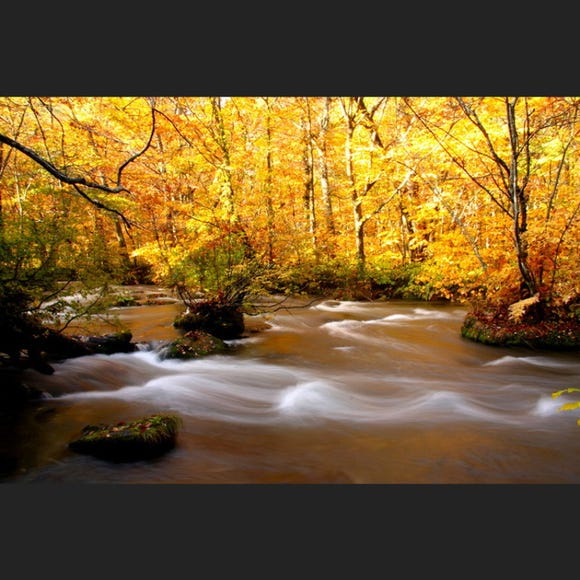
Oirase River
Rivers, Lakes & Canyons
Other Surrounding Areas Of Aomori
-
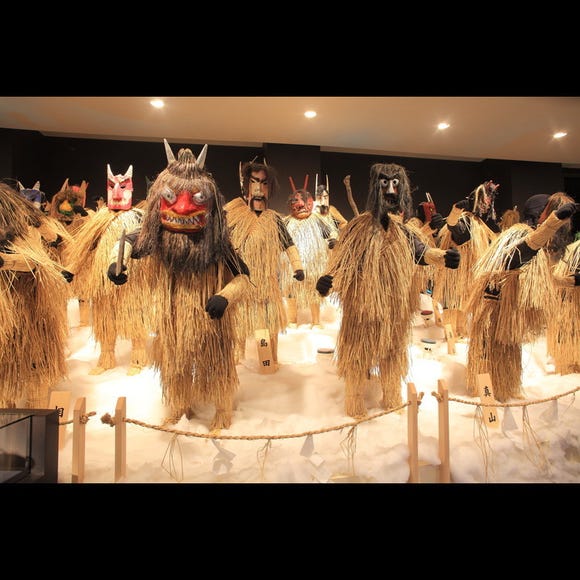
Namahage Museum
Other Museums
Surrounding Areas Of Akita
-
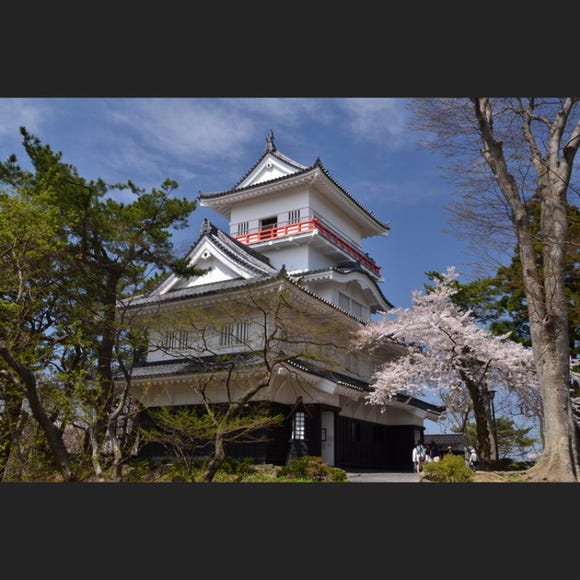
Senshu Park
Parks
Surrounding Areas Of Akita
-
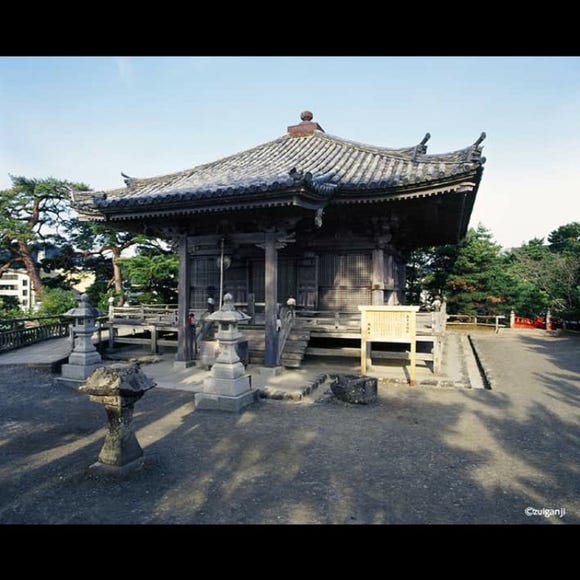
Zuiganji Temple
Temples
Sendai And Matsushima
-
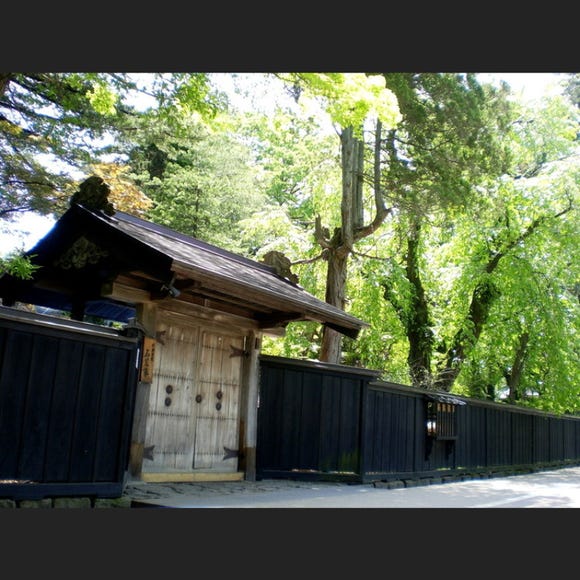
Ishiguro Samurai House
Historical Places
Surrounding Areas Of Akita
-
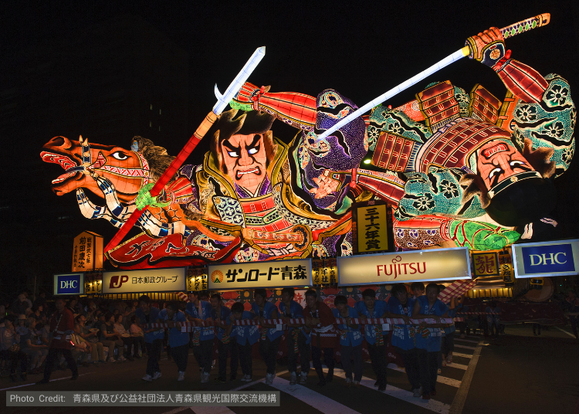
Summer 2026 in Tohoku: The Smart Traveler's Guide to Beating Crowds and Securing Hotels
by: Sae Haneda
-
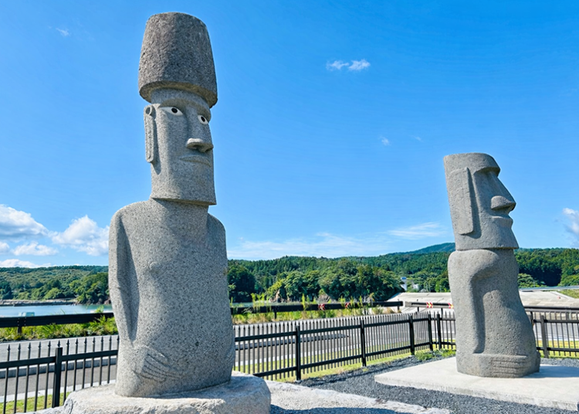
Why Is There a Giant Moai Statue in Japan? A Powerful Story Awaits in Minamisanriku
by: Timothy Sullivan
-

6 Morioka Souvenirs Worth Buying near the Station: An Editor's Picks from Iwate
by: Yukiko Honda
-
Ad
Scandinavian Brands Meet Harajuku: Inside Japan's Only Flagship Stores for Haglöfs and D_b_
-
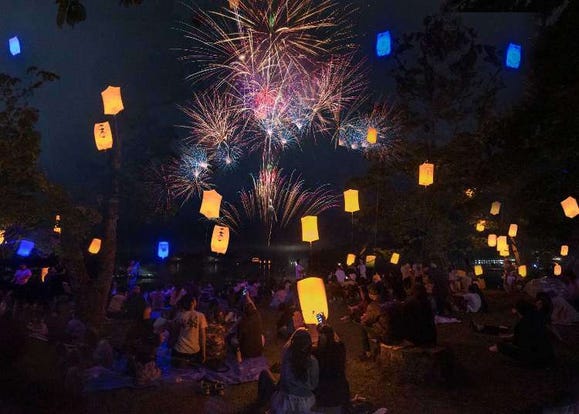
Lake Towada Festival Returns for Its 61st Year - Fireworks, Water, and Sound in Japan's North
-
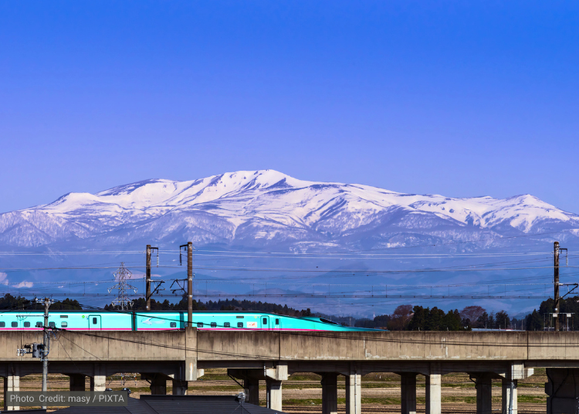
Travel Tohoku for Less in 2026: Why the JR EAST PASS Is a Game Changer
by: Sae Haneda
-
These 7 Immersive Videos Show Us All Why Tohoku Will Be the Next Big Destination in Asia
-
Your Trip to Sendai: The Complete Guide (Activities, Hotels, Savers & More)
-
18 Travel Secrets of Aomori Japan: Guide for Sightseeing, Shopping, and More
by: Guest Contributor
-
Aomori Bucket List: 10 Fun Things to Do in Aomori, Japan's Northern Nature Paradise
by: Guest Contributor
-
Seafood Bowls and More at the Shiogama Seafood Wholesale Market!
-
Takahan Ryokan: Enjoy Spectacular Hot Spring Views at Yuzawa's Premier Traditional Inn!