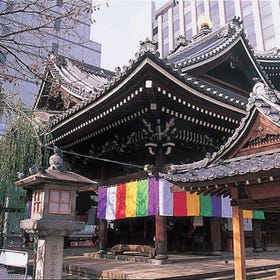
Tie your prayers under the branches of the willow trees
Known for its god that brings economic blessings
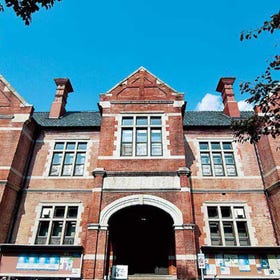
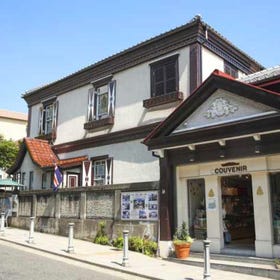
The school Yae Niijima’s husband Joseph dreamed of opening
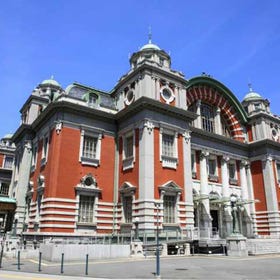
The magnificent appearance of this building is the symbol of Nakanoshima
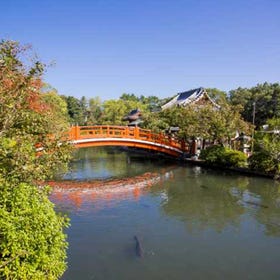
Where the emperors and nobles enjoyed themselves
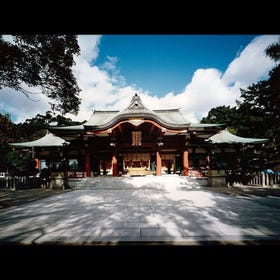
Worshipped as the deity of good fortune, this is the head shrine of all the Ebisu-jinja shrines in Japan that enshrine Ebisu, the god of business success. During the period from January 9 to 11 called Toka Ebisu, the shrine bustles with as many as one million visitors every year. A particularly famous event at this time is the Shinto ritual called Fukuotoko Erabi (choosing a lucky man), which takes place early in the morning of January 10. It is also well known that Hanshin Tigers players come here in spring to pray for victory before the official professional baseball season begins. The 247-meter Oneribei, which was constructed in the Muromachi Period, and the Omote-Daimon gate, which was built in 1604 using funds donated by Hideyori Toyotomi, are both designated as national Important Cultural Properties.
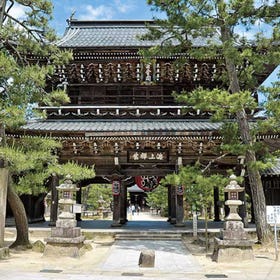
Blessed with knowledge by Monju
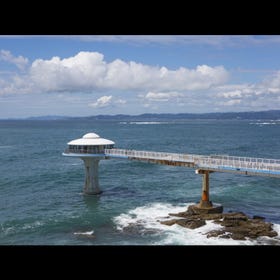
View the world six meters below the water surface
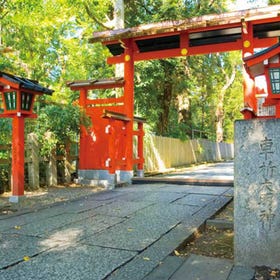
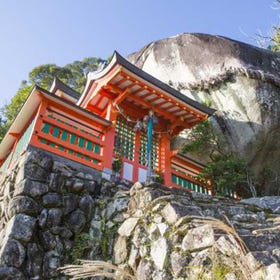
Formerly Kumano Hayatama Taisha Shrine, this shrine is located on the grounds where Kumano’s three deities descended
Occasionally open seasonally for cherry blossom, azalea, and fall leaves viewing
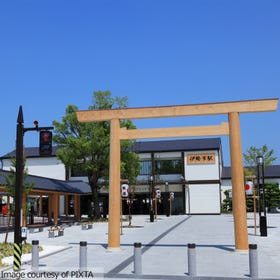
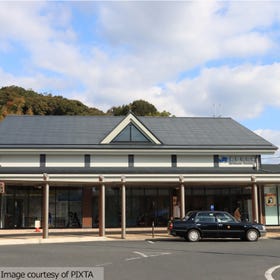
Your journey begins at this convenient and reliable access station. Travel to Ise Shrine, a sacred site in Japan.
The animal taxidermy will surprise you
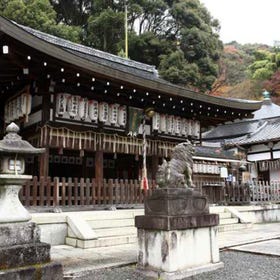
Famous for its cherry blossoms and being one of Kyoto’s three Kumano Shrines
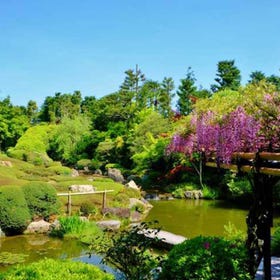
Featuring a garden created by Motonobu Kano
An ancient temple with a beautiful garden, connected to Murasaki Shibibu
The starting point for the World Heritage Kumano Kodo, offering services that help visitors travel with confidence.
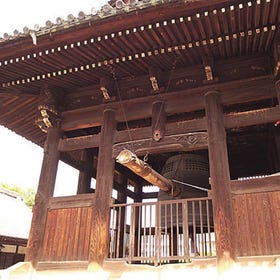
Famous for the bell that angered Ieyasu
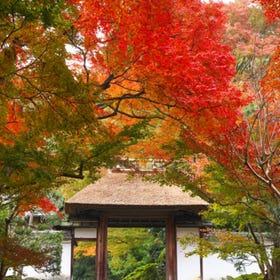
Autumn colors light up the moss garden in this temple's garden of enlightenment
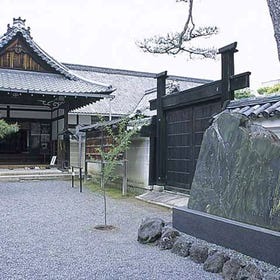
This ancient temple contains the history of the Southern Dynasty
An old shrine that has continued to protect the northeast entry to Kyoto