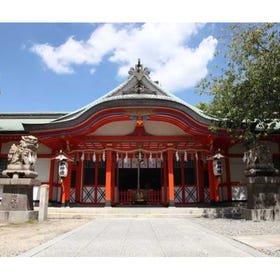
The head temple of the Shinshu Otani sect of Buddhism is located within walking distance from Kyoto Station. The local residents refer to it affectionately as ”Ohigashi-san.”
Located just north of Hokke-do in the Todai-ji Temple complex, Nigatsu-do is known as a place where Shuni-e (Omizu-tori or Sacred Water-drawing Festival) takes place every March. Nigatsu-do was named so since Shuni-e was held in February (nigatsu in Japanese) in the old calendar. Fire destroyed it in 1667, but two years later the current building was reconstructed exactly as it was before the fire. The building's design features a cascading style of architecture, and provides a commanding view of the roof of the Great Buddha Hall and Nara city. The principal image is the Juichimen Kannon, which is never shown to the public.
This attraction features a half-size replica of a Viking ship and exhibits related to the children's book author Hans Christian Andersen. Delightful goods made in Denmark are also for sale.
During the Nara Period, the guardian deity of the hiike (pond where ice used in the Imperial court was made) and the himuro (storeroom for ice), which were built in the Kasugano field beside Yoshiki-gawa River, was enshrined in the shrine. It was later moved to the current location. On May 1 every year, a festival called Kenpyosai takes place in which workers at companies that make and sell ice pray for success in business. The current shrine pavilion is said to have been reconstructed in the Edo Period. Also, the weeping cherry trees in the shrine grounds are very beautiful.
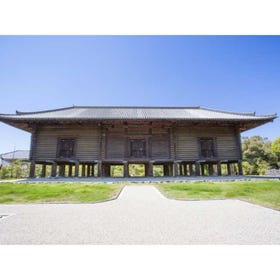
A vault of many national cultural artifacts from the Nara period
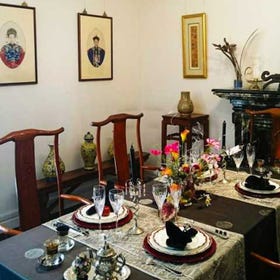
Strong Chinese influence, rare in Kitano
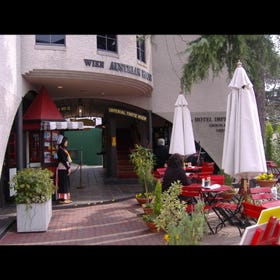
This attraction introduces the culture and history of Austria, with a central emphasis on Mozart. You'll see valuable items on display, such as a replica of the piano that Mozart used for composing, and a music score written in his original handwriting. On the terrace you can enjoy the imperial torte set (1,350 JPY), which is imported directly from Vienna, as well as Austrian beer and wine.
This shrine is mentioned in the ancient book Nihongi
A three-tiered pagoda and world heritage site, 1200 years old
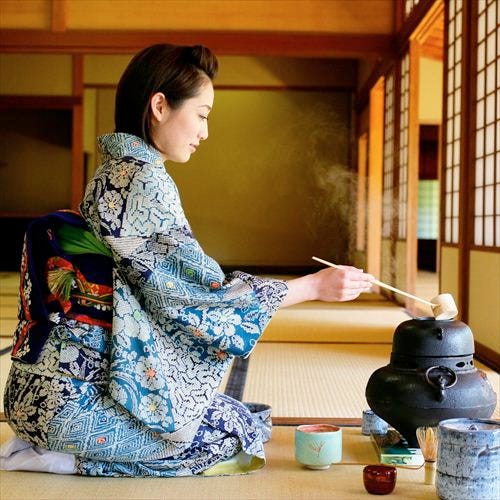
A temple with a living, breathing aesthetic sense of the tea ceremony
The only existing merchant house in Kobe Former Foreign Settlement
See “Thunder of the Dragon” during special viewings
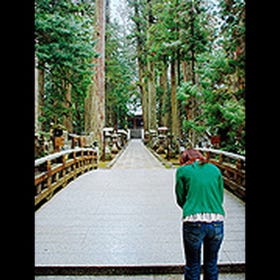
Mt. Koya is a sacred mountaintop site founded by Kobo-Daishi Kukai in 816, and Okuno-in, which holds the Gobyo (mausoleum) of Kukai is the holiest place on the mountain. Surrounded by thick cedar trees, the approach stretches about two kilometers from Ichinohashi (Obashi) to Torodo and Gobyo, lined with about 200,000 graves and memorial towers including those of historical figures such as Sengoku Daimyo (feudal lords). Crossing Gobyobashi Bridge over the Tama-gawa River leads to the Gobyo of Kukai, who died in 835, and Torodo. In Torodo, you'll encounter a sacred lantern called Hinnyo no Itto or Choja no Mando (Shirakawatou) as well as another 20,000 votive lanterns glowing together to create a fantastic spectacle.
Japan's oldest convent was a gift from Prince Shotoku to his mother
A tea ceremony sanctuary that started as a gathering of artists
The head temple of Jodo Shinshu Hongan-ji School and affectionately referred to as ”Onishi-san” in the Shichijo Horikawa district.
Famous for its national treasure, a statue of Miroku Bosatsu
See the brave figures of twelve protective deities
With ancient living and meditation quarters
One of Japan's famous ancient temples, quietly nestled in Ikaruga