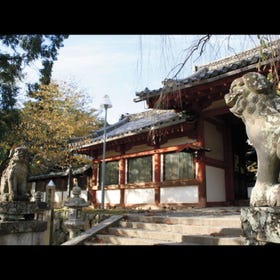
During the Nara Period, the guardian deity of the hiike (pond where ice used in the Imperial court was made) and the himuro (storeroom for ice), which were built in the Kasugano field beside Yoshiki-gawa River, was enshrined in the shrine. It was later moved to the current location. On May 1 every year, a festival called Kenpyosai takes place in which workers at companies that make and sell ice pray for success in business. The current shrine pavilion is said to have been reconstructed in the Edo Period. Also, the weeping cherry trees in the shrine grounds are very beautiful.
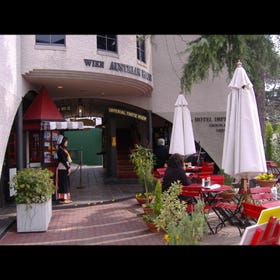
This attraction introduces the culture and history of Austria, with a central emphasis on Mozart. You'll see valuable items on display, such as a replica of the piano that Mozart used for composing, and a music score written in his original handwriting. On the terrace you can enjoy the imperial torte set (1,350 JPY), which is imported directly from Vienna, as well as Austrian beer and wine.
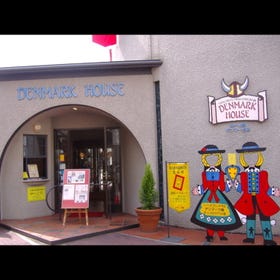
This attraction features a half-size replica of a Viking ship and exhibits related to the children's book author Hans Christian Andersen. Delightful goods made in Denmark are also for sale.
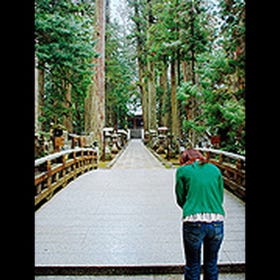
Mt. Koya is a sacred mountaintop site founded by Kobo-Daishi Kukai in 816, and Okuno-in, which holds the Gobyo (mausoleum) of Kukai is the holiest place on the mountain. Surrounded by thick cedar trees, the approach stretches about two kilometers from Ichinohashi (Obashi) to Torodo and Gobyo, lined with about 200,000 graves and memorial towers including those of historical figures such as Sengoku Daimyo (feudal lords). Crossing Gobyobashi Bridge over the Tama-gawa River leads to the Gobyo of Kukai, who died in 835, and Torodo. In Torodo, you'll encounter a sacred lantern called Hinnyo no Itto or Choja no Mando (Shirakawatou) as well as another 20,000 votive lanterns glowing together to create a fantastic spectacle.