




When people think of sightseeing in Kyoto, they often picture the city’s temples, shrines, and historic districts located within the urban area. However, the surrounding region also offers many destinations that can be visited on a day trip from Kyoto. These areas feature a mix of natural landscapes, historic towns, and cultural sites.
This article introduces several places that can be reached from Kyoto City by public transportation. Although they require a longer trip from the city center, each destination is accessible by train and can be visited in a single day. If you want to explore beyond central Kyoto, these locations are practical options to add to your itinerary.
(This article contains affiliate links)
- Table of Contents
-
- 1. Kibune Shrine: Kyoto’s Mountain Retreat
- Amanohashidate: One of Japan’s Three Scenic Views
- Ine Funaya: A Historic Coastal Village
- Sanzen-in Temple: A Tranquil Moss Garden in Ohara
- Wazuka Town: Rolling Tea Fields in the Heart of Uji Tea Country
- Rurikei Nature Park: A Valley of Clear Streams and Forest Trails
- Yunohana Onsen: A Day-Trip Hot Spring Retreat
- Miyama Kayabuki no Sato: A Traditional Thatched-Roof Village in Kyoto
- Take no Komichi: A Quiet Bamboo Path in Muko City
1. Kibune Shrine: Kyoto’s Mountain Retreat
About one hour from JR Kyoto Station by subway and bus, the Kurama and Kibune area sits in the mountains north of Kyoto. Known for its cool climate and forested landscape, the area has long been a retreat from the city and is home to several historic temples and shrines.
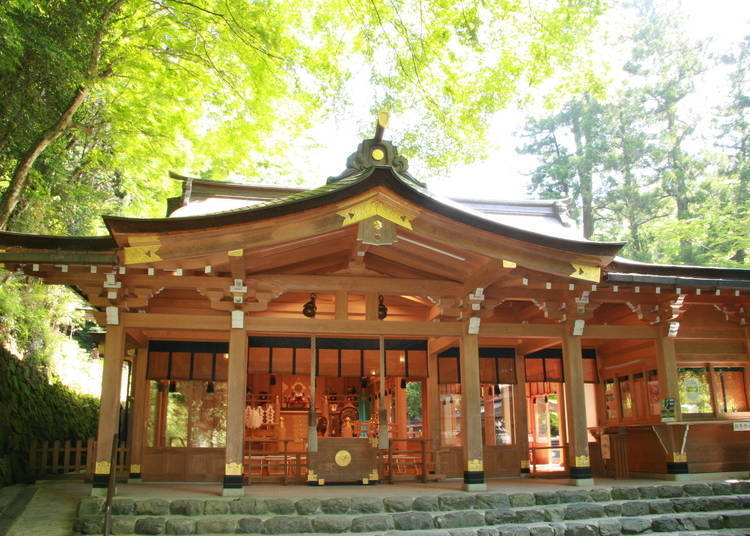
Kibune Shrine is the most prominent site here. It is traditionally associated with prayers for prosperity, the fulfillment of wishes, and matchmaking, and has long attracted visitors seeking these blessings.
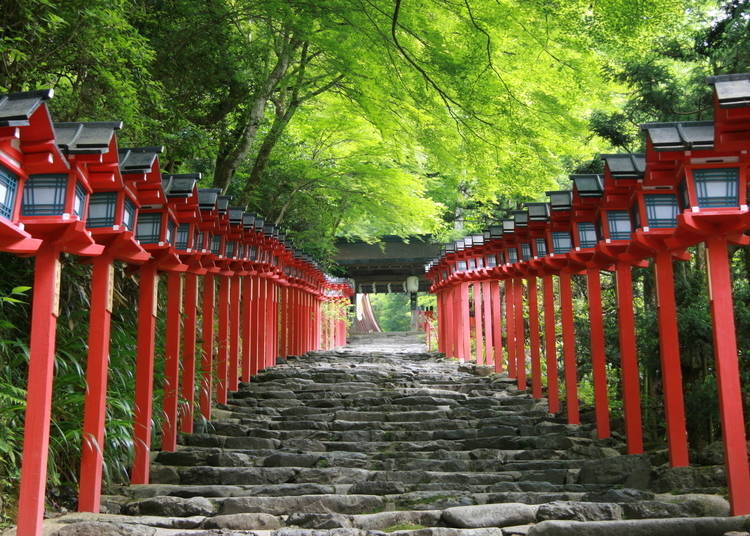
The shrine grounds extend along a mountain valley and include several distinct worship areas. Visitors first pass along a lantern-lined sando (approach path) that reflects a classic Kyoto shrine landscape.
Within the grounds are the Hongu main hall, the Okunomiya inner shrine set among dense forest, and Yui-no-yashiro, which is associated with prayers for matchmaking. Each area has its own history and significance within the shrine complex.
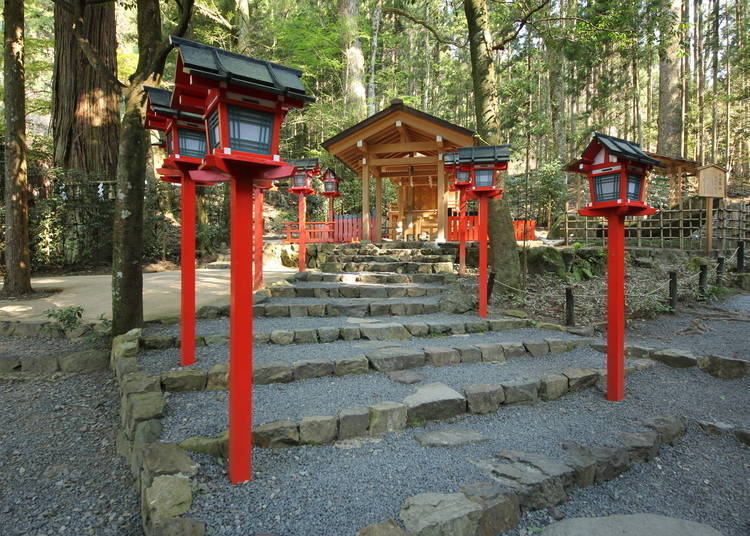
Beyond the well-known row of red lanterns along the shrine’s sando, one of Kibune Shrine’s most distinctive experiences is the “water fortune” (mizu uranai). Visitors place a blank fortune slip into the shrine’s spring water, where the text gradually appears on the paper.
The nearby mountain town of Kurama is located on the other side of the ridge and is associated with legends of tengu. Visitors can walk the forest trail connecting Kibune and Kurama, or explore the small streets around Kurama Station. The area offers different scenery throughout the year, including fresh greenery in early summer, autumn foliage, and occasional winter snow.
Practical Travel Tips
Admission: Kibune Shrine admission is free; water fortune slips cost 200 yen; Kurama-dera Temple charges a 500 yen mountain entry fee (aizanhi).
Getting There: From Demachiyanagi Station, take the Eizan Electric Railway to Kibuneguchi Station (about 430 yen one way). The Eizan Railway 1-Day Pass may be useful if you plan multiple rides.
Seasonal Notes: Riverside kawadoko dining is available from May to September and is popular during summer. In winter, the shrine occasionally hosts special snow illumination events; check the official website for current details.
-

-
Address
180, Kuramakibunecho, Sakyo-ku, Kyoto-shi, Kyoto, 601-1112
View Map -
Nearest Station
Kibuneguchi Station (Eizan Dentetsu-kurama Line)
30 minutes on foot
- Phone Number 075-741-2016
-
Address
180, Kuramakibunecho, Sakyo-ku, Kyoto-shi, Kyoto, 601-1112
Amanohashidate: One of Japan’s Three Scenic Views
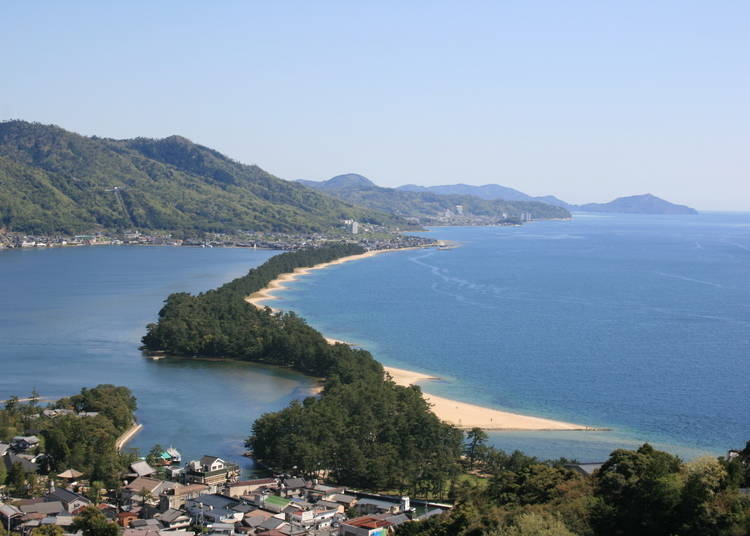
Amanohashidate is located in northern Kyoto Prefecture. From Kyoto Station, it can be reached in about two hours by direct highway bus or by the JR limited express Hashidate. In recent years the Hashidate limited express has become fully reserved-seat only, so tickets should be booked in advance. One-way fares are typically around 4,800 to 5,200 yen.
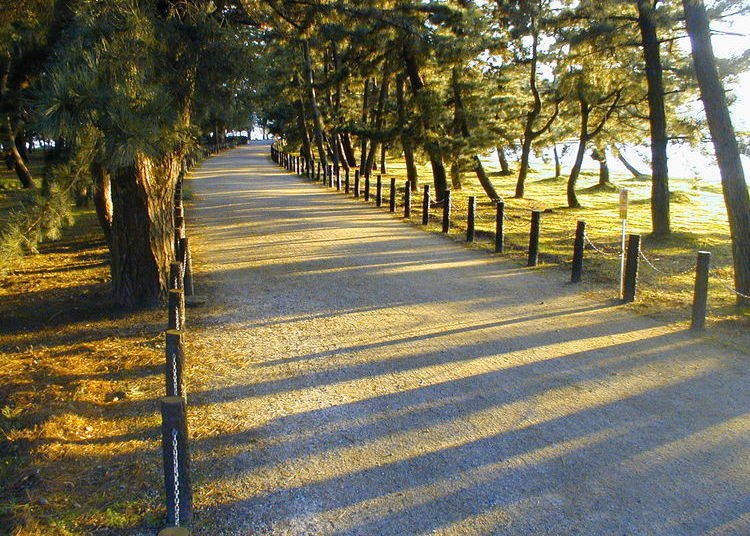
Amanohashidate is considered one of Japan’s Three Scenic Views, together with Matsushima in Miyagi Prefecture and Miyajima in Hiroshima Prefecture. The site is a sandbar about 3.6 kilometers long lined with approximately 5,000 pine trees. Its shape, stretching across Miyazu Bay, resembles a bridge connecting the sky and sea, which is reflected in the name Amanohashidate, meaning “Bridge in Heaven.”
For a panoramic view of the sandbar, several observation areas are located on the surrounding hills. In addition to the well-known viewpoint at Kasamatsu Park, visitors can take a cable car or chairlift to Amanohashidate View Land.
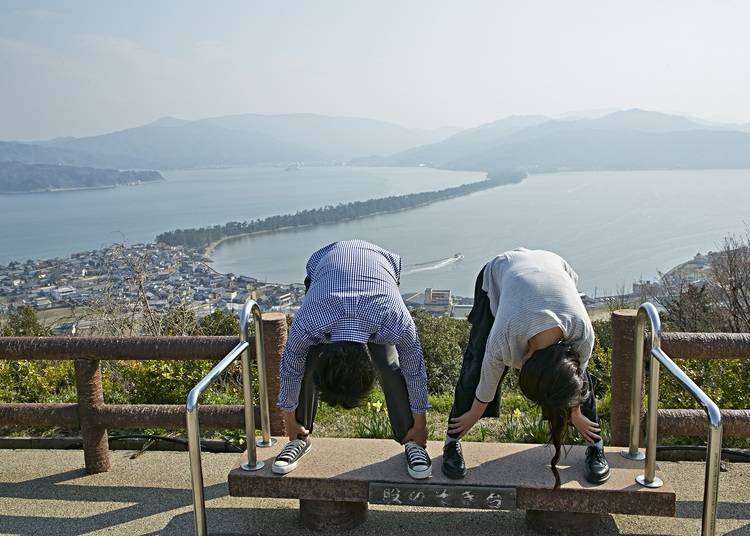
One of the most famous viewing styles here is called “matanozoki,” where visitors bend forward and look at the scenery from between their legs. From this perspective, the sandbar is said to resemble a dragon rising toward the sky. The observation deck sits at about 130 meters above sea level and can be reached easily by cable car or chairlift. English-language pamphlets are also available on-site.
Practical Travel Tips
Ticket Update: The cable car and chairlift at Amanohashidate View Land cost 900 yen for adults.
Transportation Note: Travelers using the JR Kansai Wide Area Pass can ride the limited express Hashidate without additional fare, but a reserved seat ticket must still be obtained in advance at a ticket counter or vending machine.
Cycling Tip: In addition to viewing the scenery from the observation decks, renting a bicycle and riding across the pine-lined sandbar is a common way to explore Amanohashidate at ground level.
-
-
Address
Monju, Miyazu-shi, Kyoto, 626-0001
View Map -
Nearest Station
Amanohashidate Station (Tantetsu Miyatoyo Line)
7 minutes on foot
- Phone Number 0772-22-8030
-
Address
Monju, Miyazu-shi, Kyoto, 626-0001
Ine Funaya: A Historic Coastal Village
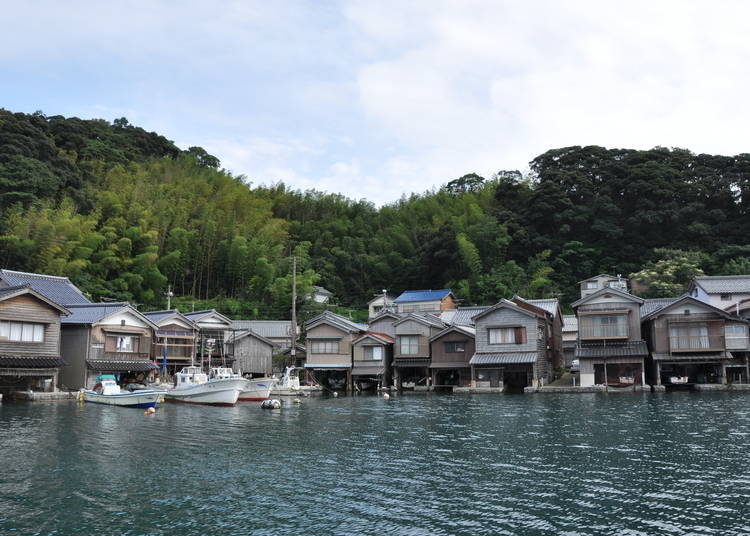
About three hours from Kyoto Station by limited express train and bus, the coastal town of Ine in Yosa District is known for its distinctive funaya boathouses. These traditional wooden buildings line the shoreline of Ine Bay.
Each structure typically has a boat garage on the ground floor facing the sea, with living space on the upper floor. Because they are built directly along the waterfront, the houses appear to sit almost on the surface of the water when viewed from across the bay.
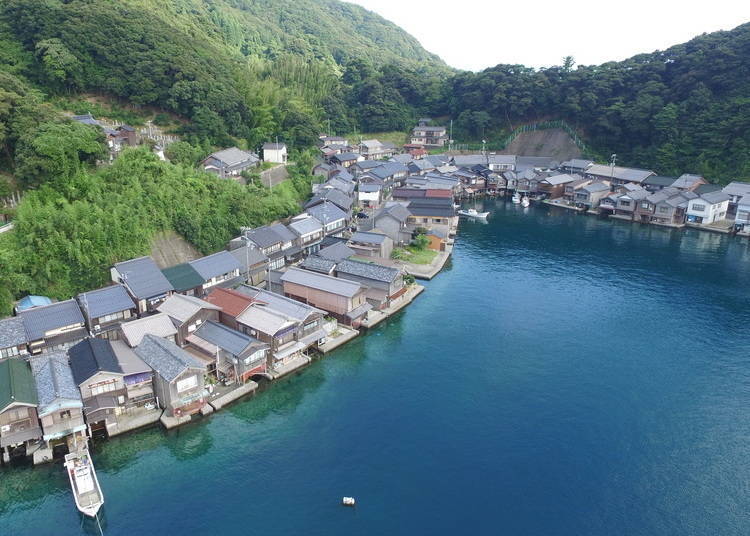
The view of around 230 funaya boathouses lining Ine Bay has led to the area being designated as an Important Preservation District for Groups of Traditional Buildings in Japan. The wooden boathouses form a continuous waterfront landscape that reflects the town’s long fishing heritage.
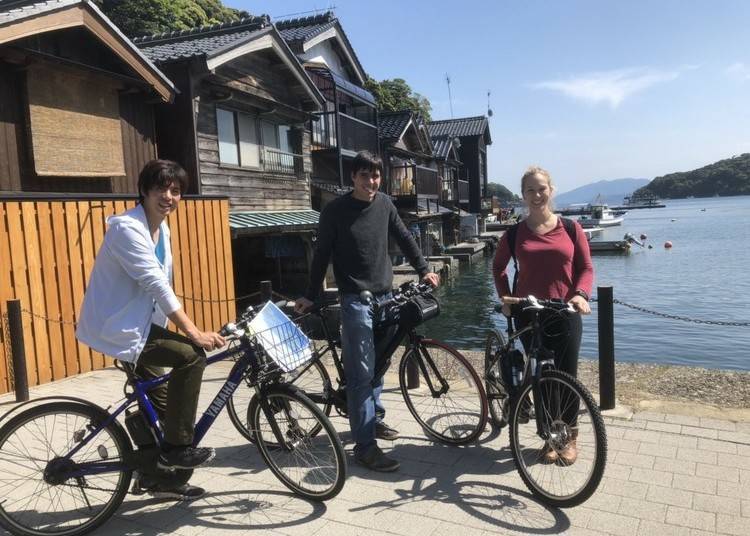
To explore the area, visitors can rent electric bicycles or use free public bicycles available at several locations near the harbor. These bicycles operate on a first-come, first-served basis and support one-way drop-off, making it easy to travel along the waterfront streets.
Practical Travel Tips
Sea Cruise: The Ine Bay Sightseeing Boat offers a 25-minute cruise around the bay, providing views of the funaya from the water. Adult tickets cost 1,200 yen.
Getting There: From JR Amanohashidate Station, take a Tankai Bus to Ine (about 1 hour). Bus service is limited, so it is advisable to check return schedules in advance.
Travel Etiquette: The upper floors of many funaya are private homes. Visitors should observe and take photos only from designated public areas and respect the privacy of residents.
-
Ine Funaya伊根の舟屋
- Address 459 Kamejima, Ine-cho, Yosa-gun, Kyoto Prefecture
・Phone: 0772-32-0277 (Ine Town Tourism Association, 9 AM–5 PM)
・Admission: Free (open access)
Sanzen-in Temple: A Tranquil Moss Garden in Ohara
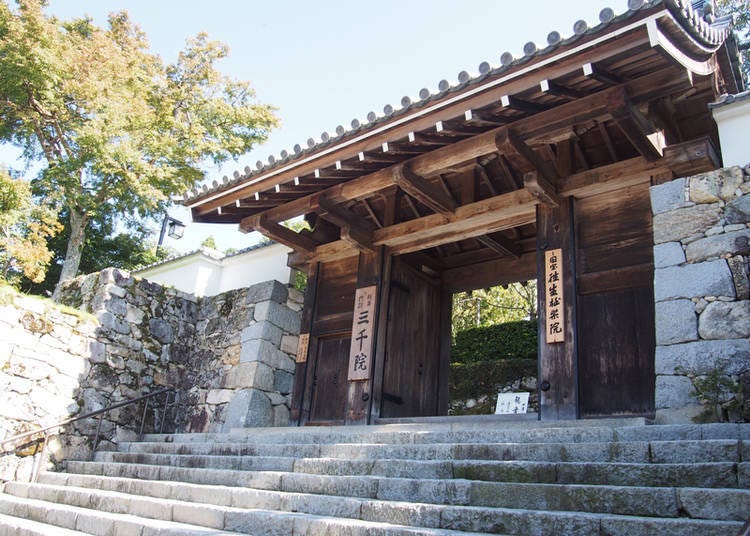
If you are looking for a quiet retreat from central Kyoto, the village of Ohara in northern Sakyo Ward is a popular destination. It can be reached in about one hour from Kyoto Station by subway and bus.
Ohara is known for its natural scenery and traditional rural atmosphere. The area is also associated with shibazuke, one of Kyoto’s well-known varieties of pickled vegetables.
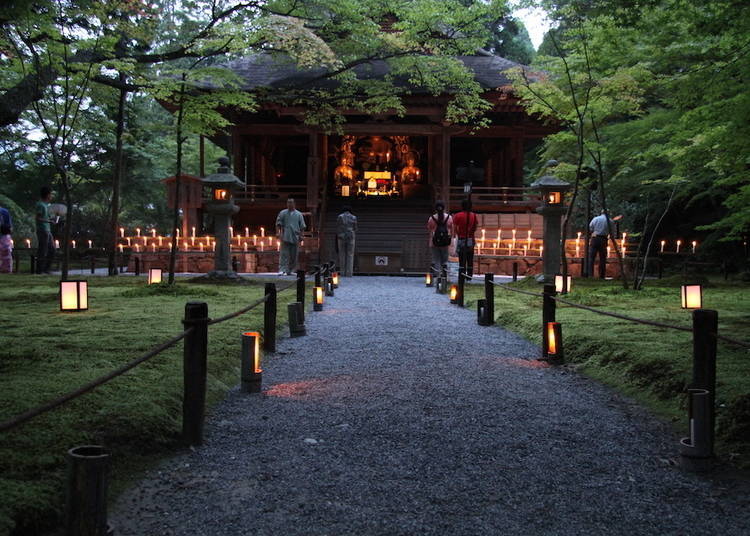
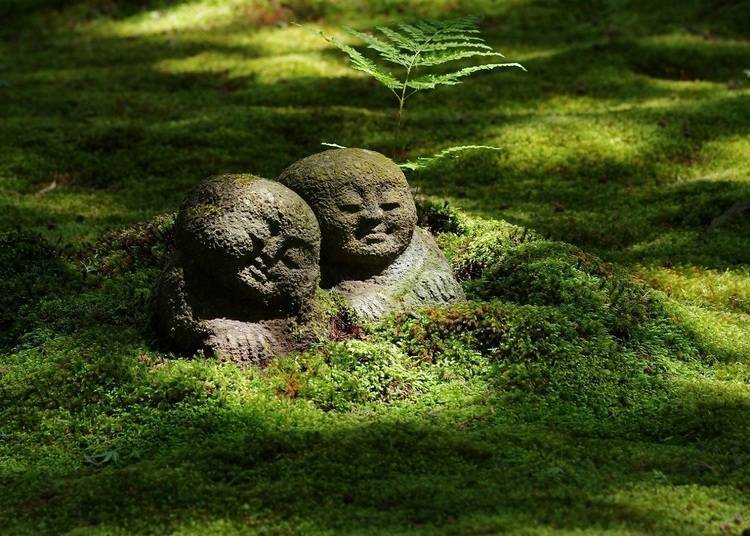
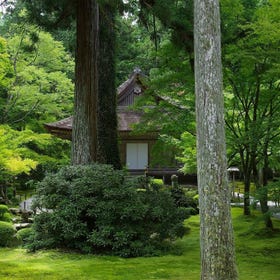
Sanzen-in Temple is the best-known temple in Ohara and is one of the Tendai sect’s five monzeki temples historically associated with the imperial family. The temple grounds are known for their moss-covered gardens as well as seasonal scenery, including cherry blossoms in spring and autumn foliage.
Two notable garden areas are Shuheki-en, which highlights the relationship between architecture and garden design, and Yusei-en, known for its quiet atmosphere. Other features include the Ojo Gokurakuin hall and small Jizo statues placed around Benten Pond. The Ohara area also has other historic temples such as Jakko-in and Hosen-in, making it possible to spend several hours exploring the area.
Practical Travel Tips
Admission: Adult admission to Sanzen-in is currently 700 yen. Nearby Hosen-in Temple, which includes a matcha and wagashi set, costs about 900 yen.
Getting There: From Kyoto Station, take Kyoto City Bus No. 17 to Ohara (about 610 yen one way). This route is covered by the Subway & Bus 1-Day Pass.
Best Seasons: Autumn foliage from mid to late November is a popular time to visit, though it can be crowded. Spring cherry blossoms and the bright green moss of early summer are also notable seasonal highlights.
-
-
Address
540, Ohararaikouincho, Sakyo-ku, Kyoto-shi, Kyoto, 601-1242
View Map -
Nearest Station
Kokusaikaikan Station (Karasuma Line)
22 minutes by bus
- Phone Number 075-744-2531
-
Address
540, Ohararaikouincho, Sakyo-ku, Kyoto-shi, Kyoto, 601-1242
Wazuka Town: Rolling Tea Fields in the Heart of Uji Tea Country
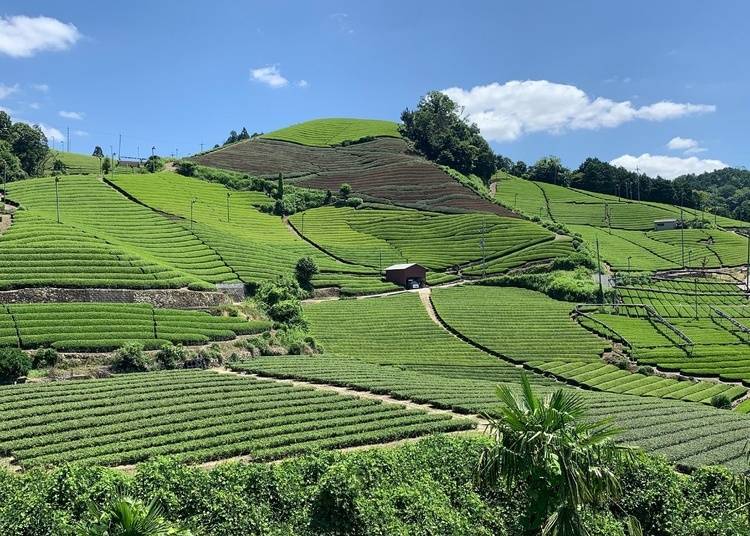
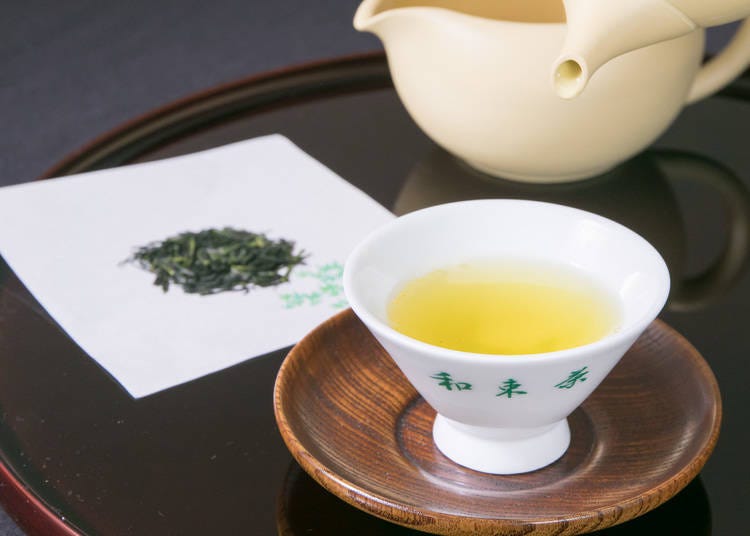
About 1.5 hours from Kyoto Station by train and bus, Wazuka Town is known as one of the main production areas for Uji tea. Tea fields cover the surrounding hillsides, forming a characteristic rural landscape of carefully cultivated terraces.
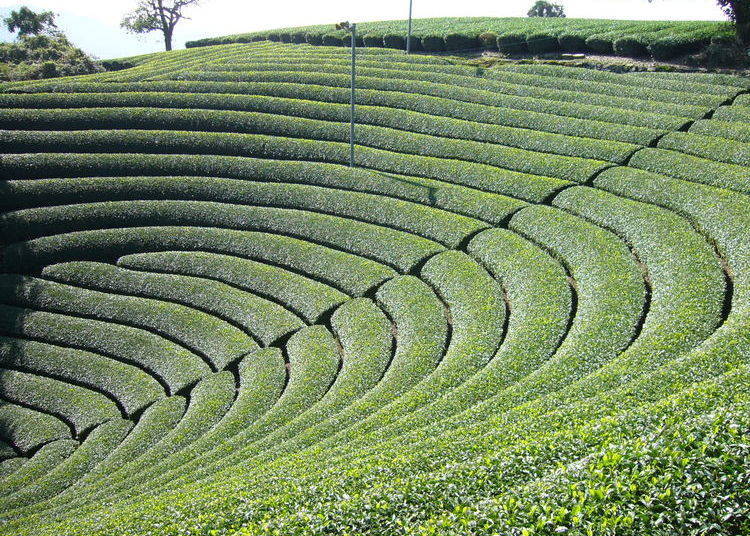
One of the most well-known locations is the Ishidera tea fields. The wide, gently curved rows of tea plants create a distinctive green pattern across the hills, making the area a popular spot for photography and media filming.
In addition to walking through the tea fields, many visitors stop at Wazukacha Cafe (和束茶カフェ). The café sells locally produced Wazuka tea in a range of grades and also serves desserts made with tea.
Another popular spot is the reservation-only Sky Cafe (天空のカフェ). After registering at Wazukacha Cafe, visitors head to a hilltop location overlooking the surrounding tea fields. From here, you can enjoy tea and light refreshments while looking out across the landscape of tea plantations.
Practical Travel Tips
Sky Cafe Reservations: Reservations are made in person or by phone. Each group is typically given about 60 minutes. Fees usually range from 500 to 1,000 yen per person and include tea equipment rental, depending on the plan selected on the day.
Getting There: From JR Kamo Station, take a Nara Kotsu bus toward Wazuka and get off at Wazuka Takahashi or Wazuka Yamanouye. Buses run about one to two times per hour, so it is advisable to check return schedules in advance.
Sightseeing Tip: Because the tea fields are spread across hillsides, renting an electric bicycle at Wazukacha Cafe is a convenient way to travel between viewpoints and tea-growing areas.
-
Wazukacha Cafe和束茶カフェ
- Address 35 Shirasu Ohasama, Wazuka-cho, Soraku-gun, Kyoto Prefecture
- Phone Number 0774-78-4180
・Hours: 10 AM–5 PM (Last order 4:30 PM; Sundays from 9 AM)
・Sky Cafe Fee: 500 yen (reservation required)
・Closed: Year-end and New Year holidays
Rurikei Nature Park: A Valley of Clear Streams and Forest Trails
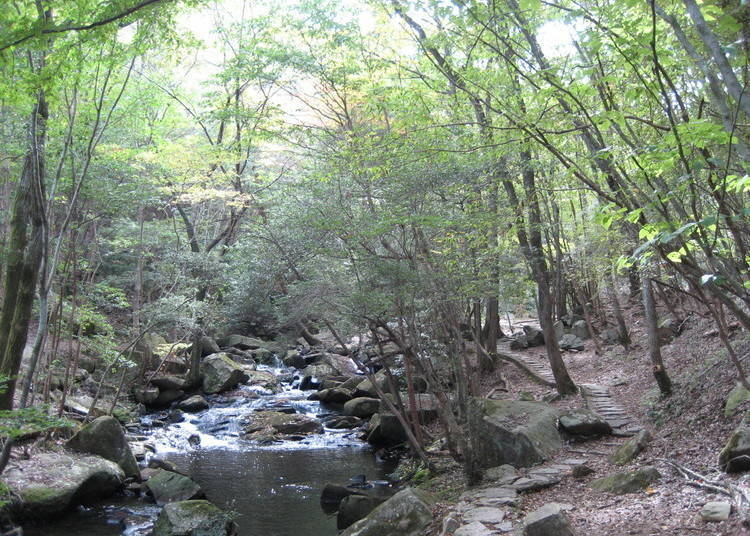
About 1.5 hours from Kyoto Station by JR train and bus, Kyoto Prefectural Rurikei Nature Park sits at an elevation of around 500 meters and is known for its clear streams and forested valley landscape.
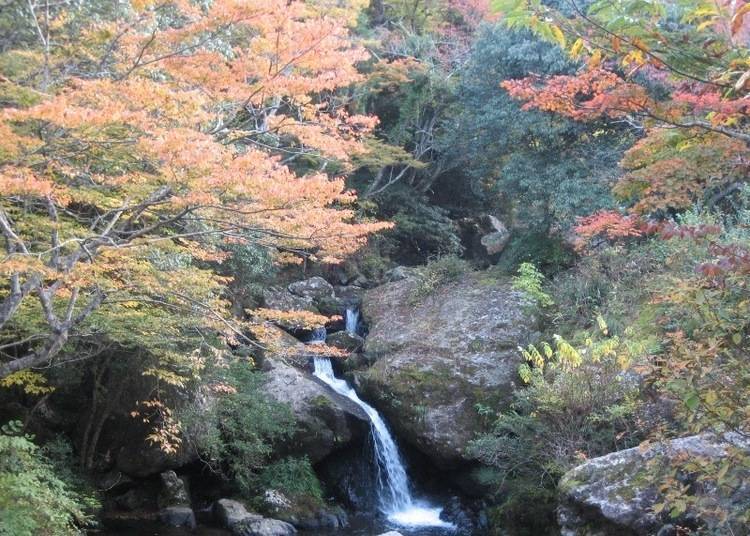
The park covers about 36.3 hectares and features a hiking trail of roughly 4 kilometers that follows the river through the valley. Visitors can experience different scenery throughout the year, including fresh greenery in spring, shaded trails in summer, autumn foliage, and occasional winter snow.
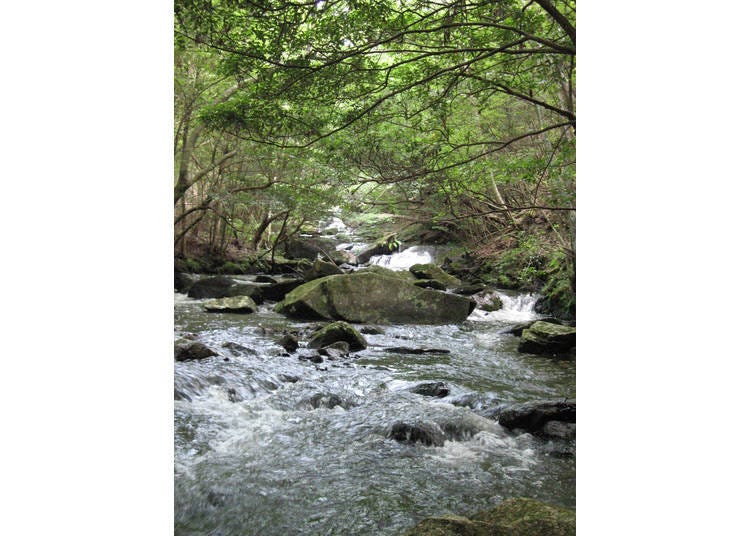
The clear waters of Rurikei provide habitat for the Japanese giant salamander, a species designated as a Special Natural Monument of Japan. The main section of the valley was recognized as a National Place of Scenic Beauty in 1932.
The area’s gentle terrain makes it suitable for relaxed outdoor activities. Visitors can walk along the forest paths beside the stream or spend time by the water along the riverbanks.
Practical Travel Tips
Getting There: One common route is to take the JR Sagano Line to Sonobe Station or the Nose Electric Railway to Nissei Chuo Station, then transfer to a free shuttle bus. The shuttle is operated by the nearby Kyoto Rurikei Onsen for REST RESORT and is available to the public.
Activities & Facilities: Near the park, the Rurikei Onsen complex includes outdoor thermal pools where swimsuits are required, indoor baths, and glamping accommodations. In the evening, the area also hosts the large-scale illumination event Kyoto Illumiere.
What to Wear: The riverside trail is mostly gentle, but some sections may be slippery. Shoes with good traction are recommended.
-
Kyoto Prefectural Rurikei Nature Park京都府立るり渓自然公園
- Address Okochi, Sonobe-cho, Nantan City, Kyoto Prefecture
・Phone: 0771-68-0050 (Nantan City Agriculture, Forestry & Commerce Dept., Tourism Exchange Section)
・Admission: Free (open access)
Yunohana Onsen: A Day-Trip Hot Spring Retreat
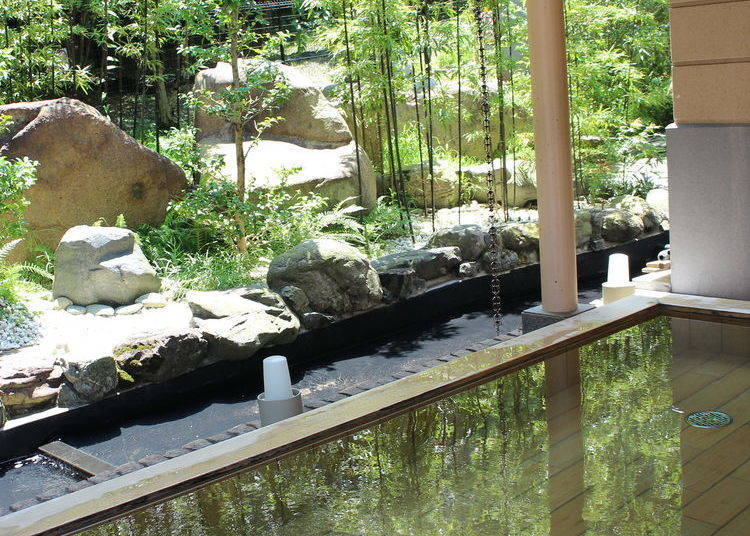
After a day of sightseeing in Kyoto, Yunohana Onsen offers a quiet place to relax in a hot spring. From JR Kyoto Station, take the JR Sagano Line to Kameoka Station and transfer to a shuttle bus. The trip takes about 40 minutes in total.
Located in the mountains near Kameoka, Yunohana Onsen has a long history and is said to have been used by samurai during the Sengoku period. The spring water is classified as a natural radium hot spring and is commonly associated with relief from fatigue and muscle stiffness.
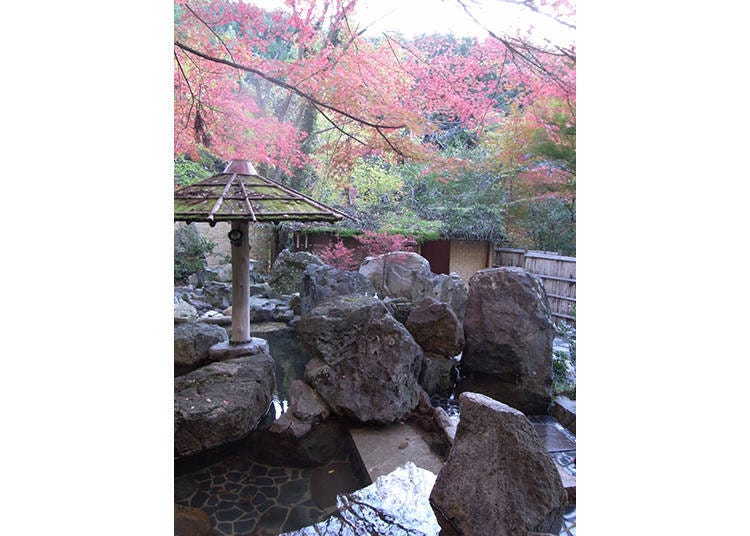
Several ryokan operate in the Yunohana Onsen area. One well-known example is Keizankaku, which offers a “day-use onsen” plan. This allows visitors who are not staying overnight to use the hot spring baths and enjoy a meal at the ryokan.
The quiet mountain setting and open-air baths provide a relaxing break from sightseeing, making it a convenient stop during a day trip from Kyoto.
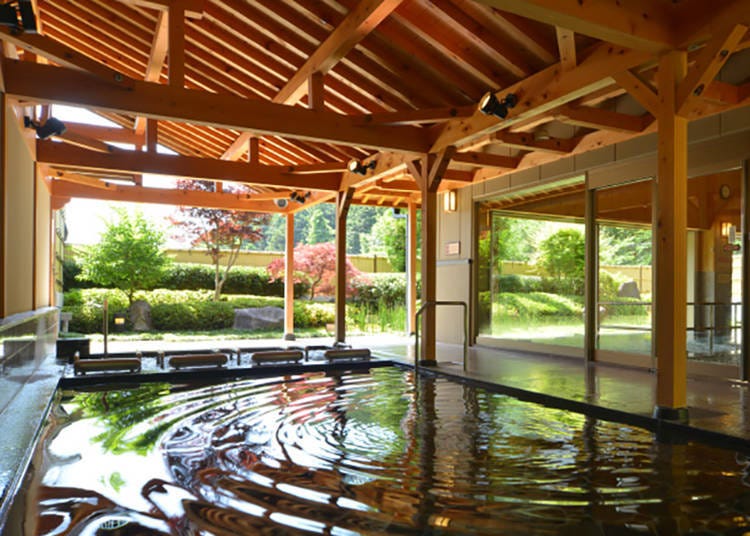
Practical Travel Tips
Day-Trip Onsen Fees: A bath-only visit at Keizankaku costs about 1,100 to 1,500 yen, depending on the day of the week. Plans that include lunch typically start from around 5,500 yen.
Getting There: Several ryokan, including Keizankaku, provide free shuttle service from Kameoka Station. Checking the shuttle schedule in advance is recommended, as it is often more convenient than the local bus.
Itinerary Tip: Yunohana Onsen can be combined with nearby attractions such as the Hozugawa River boat ride or the Sagano Romantic Train for a full-day trip in the Kameoka area.
-
Yunohana Onsen Keizankaku湯の花温泉 渓山閣
- Address 20-6 Saeki Shimotoge, Hiyoda-cho, Kameoka City, Kyoto Prefecture
- Phone Number 0120-417-004
・Hours: 11 AM–8 PM (day-trip onsen)
・Saturdays & Sundays: 11 AM–3 PM and 6 PM–8 PM (hours may vary during Obon and other consecutive holidays)
Miyama Kayabuki no Sato: A Traditional Thatched-Roof Village in Kyoto
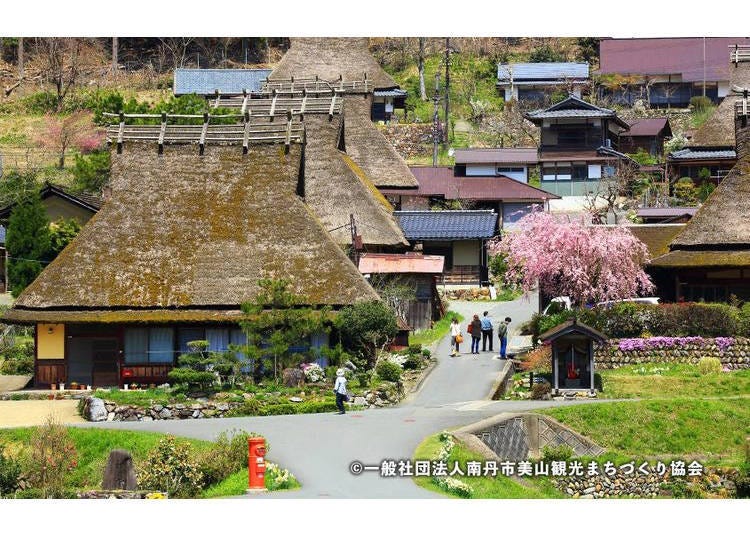
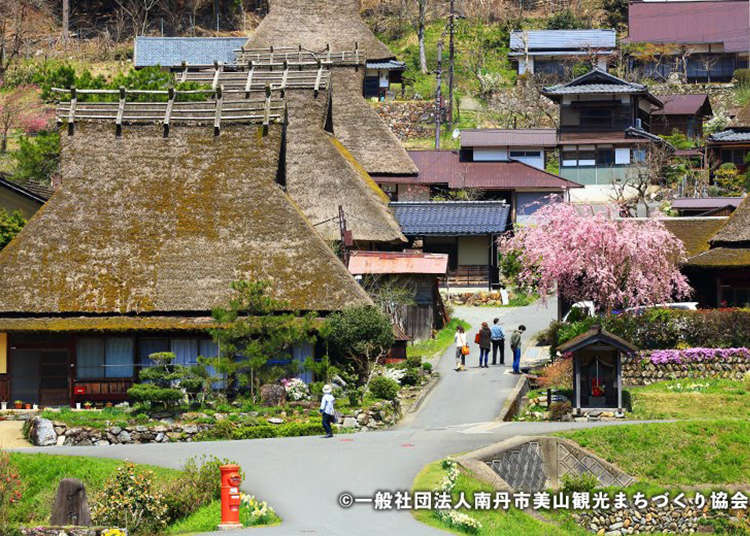
For a look at traditional rural architecture, Miyama Kayabuki no Sato in Nantan City is a well-known destination. About 100 minutes from Kyoto Station by direct sightseeing bus, the Kitamura hamlet preserves 39 thatched-roof farmhouses built in the traditional irimoya-zukuri style. Many of these buildings date back around 150 to 200 years.
Surrounded by rice fields and forested mountains, the village landscape has been designated an Important Preservation District for Groups of Traditional Buildings.
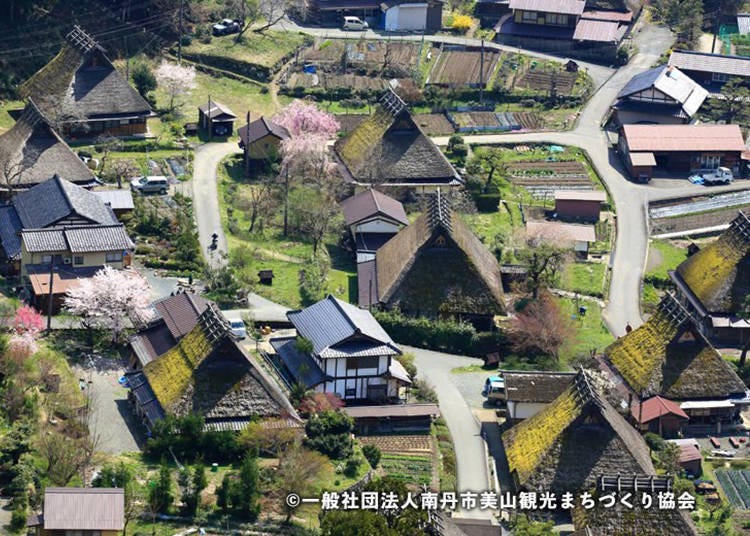
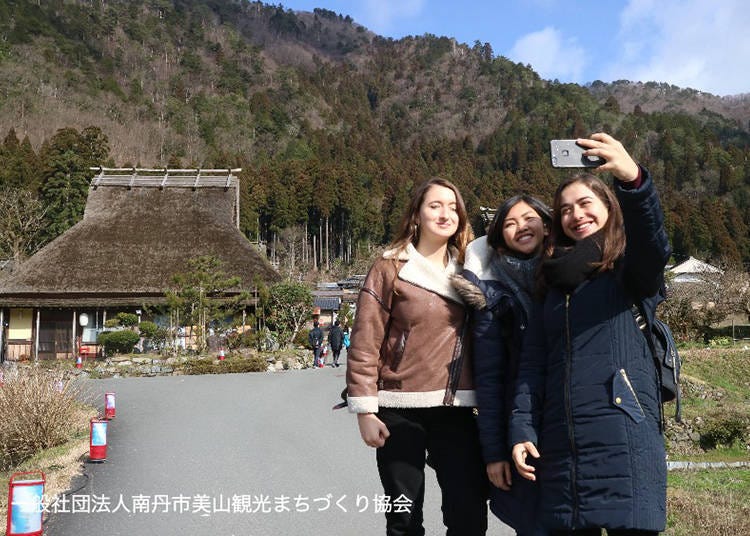
Unlike a museum-style attraction, many of the thatched-roof houses in Miyama are still used as private residences. Visitors can walk through the village and observe the traditional landscape while respecting the daily life of local residents.
The area also includes small cafés and shops, as well as the Miyama Folk Museum, where visitors can learn about traditional farming life and architecture in the region.
Practical Travel Tips
Transportation (Very Important): The Miyama Sightseeing Bus (operated by Keihan Kyoto Kotsu) connecting Kyoto Station and Miyama is extremely popular and runs by advance reservation only. Book at least one week in advance through the official website, as walk-up passengers are generally not permitted to board.
Admission: The Miyama Folk Museum charges about 300 yen per person.
Seasonal Events: Well-known local events include the winter Yuki-Toro snow lantern festival and seasonal water release events used for firefighting drills. If visiting during these periods, reserving transportation and accommodations well in advance is recommended.
-

-
Address
Miyamachokita, Nantan-shi, Kyoto, 601-0712
View Map -
Nearest Station
Wachi Station (JR San-in Line)
33 minutes by bus
- Phone Number 0771-77-0660
-
Address
Miyamachokita, Nantan-shi, Kyoto, 601-0712
Take no Komichi: A Quiet Bamboo Path in Muko City
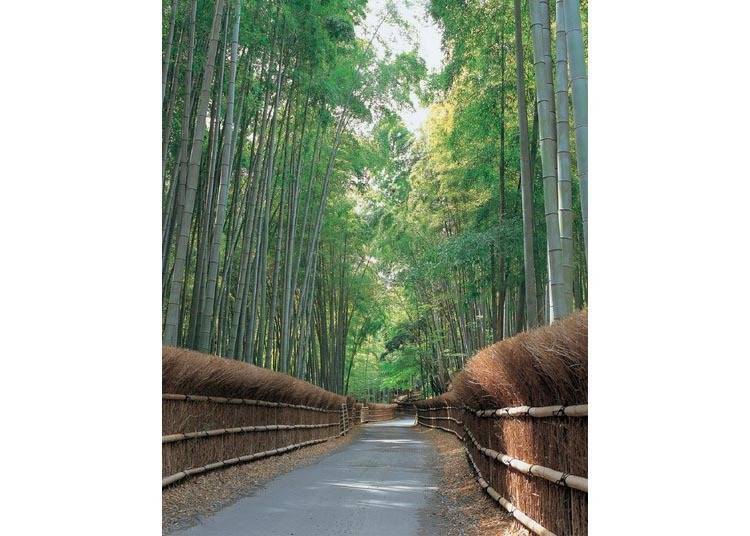
Many visitors associate Kyoto with the well-known bamboo grove in Arashiyama, but another bamboo landscape can be found nearby in Muko City. About 30 minutes from JR Kyoto Station, take the JR Kyoto Line to Mukomachi Station and walk or cycle for around 20 minutes to reach Take no Komichi.
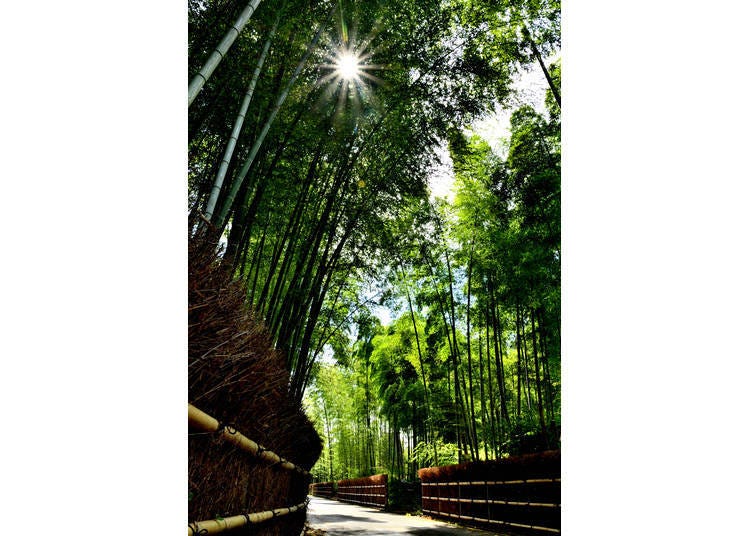
The path is located in the Muko Hills area, which is known for producing high-quality bamboo shoots. Take no Komichi stretches for about 1.8 kilometers and is lined with dense bamboo groves along the trail.
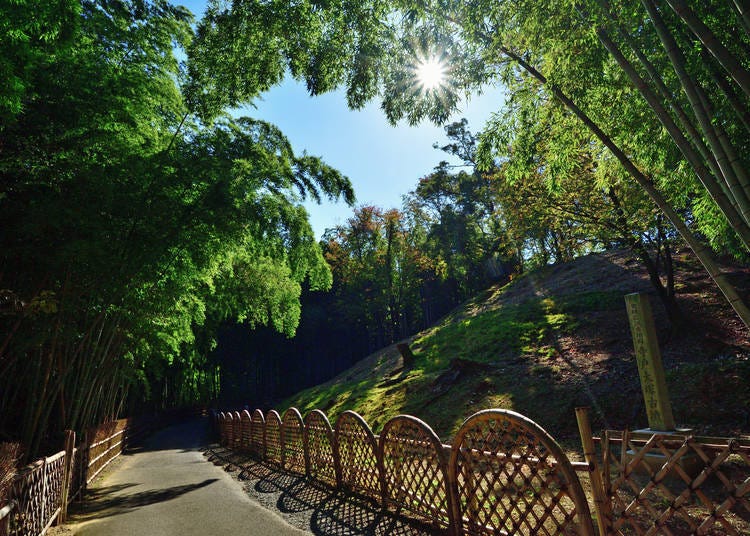
While the bamboo path in Arashiyama is about 400 meters long, Take no Komichi in Muko City stretches for roughly 1.8 kilometers. Along the route, visitors can see eight different styles of traditional bamboo fencing, including the Takenohogaki and the Kofun-gaki.
Surrounded by tall bamboo groves, the path forms a quiet green corridor. Because the area is less crowded than Arashiyama, it offers a calm setting for walking and enjoying the sound of wind moving through the bamboo leaves.
Practical Travel Tips
Getting There: In addition to walking from JR Mukomachi Station, visitors can also access the area from Hankyu Railway stations such as Higashi-Muko Station or Rakusaiguchi Station. Shared bicycles from Hello Cycling are available near the stations and can make it easier to travel along the 1.8-kilometer path.
Admission: The path is open to the public and free to enter.
Nearby Highlight: Muko City is known for its “Gekikara” (very spicy) themed shopping street near the station area, where several restaurants serve spicy dishes.
-
Muko City Take no Komichi向日市 竹の径
- Address Shibayama, Teratocho, Muko City, Kyoto Prefecture to Nagano, Monotsumecho, and other areas
・Phone: 075-963-6504 (Muko City Tourism Association)
・Free admission (open access)
Kyoto’s appeal extends beyond the temples and historic districts in the city center. The destinations introduced here offer a different perspective on the region, from coastal villages and tea-growing landscapes to quiet mountain temples and hot spring areas.
Each location can be reached from Kyoto by public transportation, making them practical options for a day trip. If you have extra time in your itinerary, visiting one or two of these nearby destinations can provide a broader view of the landscapes and culture surrounding Kyoto.
Written by: DALI CORPORATION, Inc. Kotake Nagata
Updated by: LIVE JAPAN Editorial Team
▼ More Articles About Kyoto ▼

- Area
- Category
*Prices and options mentioned are subject to change.
*Unless stated otherwise, all prices include tax.

Popular Tours & Activitiess
Recommended places for you
-
Kambei Sannomiyahonten
Yakiniku
Kobe, Sannomiya, Kitano
-
Sunflower terminal (Osaka) Terminal 1
Other Sightseeing
USJ, Nanko Port
-
ISHIDAYA Hanare
Yakiniku
Kobe, Sannomiya, Kitano
-
Kanzenkoshitsuyakinikutabehodai Gyugyu Paradise Sannomiya
Yakiniku
Kobe, Sannomiya, Kitano
-

Jukuseiniku-to Namamottsuarera Nikubaru Italian Nikutaria Sannomiya
Izakaya
Kobe, Sannomiya, Kitano
-
Goods
Yoshida Gennojo-Roho Kyoto Buddhist Altars
Gift Shops
Nijo Castle, Kyoto Imperial Palace
-

Vintage Watch Hunting in Osaka (Umeda & Shinsaibashi): Rolex, Seiko, and Rare Finds
-
This Spring, Enjoy Magical Night Sakura Reflections Along Nara's Uda River (Local Hidden Gem!)
-
Koyasan's Sacred Silence Gets a Futuristic Upgrade: Electric Buses Arrive with GRAN TENKU in 2026
by: Guest Contributor
-
[2026] Don Quijote Opens New Store on Shijo-dori, Kyoto! Experience Exclusive "Fruit Skewers" at Kansai's First Inbound-Focused Store
-

Osaka's New Must-Have: Eki-Inki Station Stamps
by: Guest Contributor
-

Smart Buyer's Guide to Luxury Brand Resale in Osaka (Shinsaibashi & Namba)
-
Top 10 Fun Things to Do in Umeda Osaka - Recommended by Osaka Locals!
-
Sightseeing Along the Hankyu Railway: Perfect Train For Sightseeing From Osaka to Kyoto
-

5 Best Hotels Near Universal Studios Japan (Osaka): Top-Rated Places to Stay
by: WESTPLAN
-

Secrets to Shopping in Japan: Guide to Annual Sales in Japan & Where to Shop
by: Miyu Shimada
-

3 Best Izakaya In Osaka Where You Can Enjoy Drinks and Local Dishes, Recommended by Locals
-

Caught a Cold in Japan? What to Do When You're Sick or Hurt in the Kansai/Osaka Area
by: Guest Contributor
- #best gourmet Osaka
- #things to do Osaka
- #what to do in kyoto
- #what to bring to japan
- #best gourmet Kyoto
- #new years in Osaka
- #what to buy in nanba
- #Visiting Osaka
- #onsen tattoo friendly arima
- #daiso
- #Visiting Kyoto
- #best japanese soft drinks
- #japanese fashion culture
- #japanese convenience store snacks
- #japanese nail trends