






Big Survey Results: Japan's Summer 2026 Food Cravings Are Surprisingly Specific
- Written by: LIVE JAPAN Editor
When summer hits Japan, appetites change fast. Heavy meals suddenly feel like a challenge, convenience store chilled noodles start looking irresistible, and anything with a squeeze of lemon feels like the correct life choice.
If you’re visiting from abroad, some of these seasonal cravings might feel a little unexpected. In Japan, summer food isn’t just about lighter portions—it’s about specific flavors and textures designed to help you cope with intense heat and humidity.
So what are people in Japan actually craving when the temperature rises? Leading restaurant search site Gurunavi recently conducted a nationwide web survey asking 1,233 men and women aged 20 to 69 what flavors, textures, and dishes they want most during Japan’s hot season. The results are surprisingly specific—and very revealing: alongside classic summer staples, bold and restorative profiles like sour, spicy, and aromatic flavors dominate the cravings.
Lemon Is Basically the Flavor of Japanese Summer
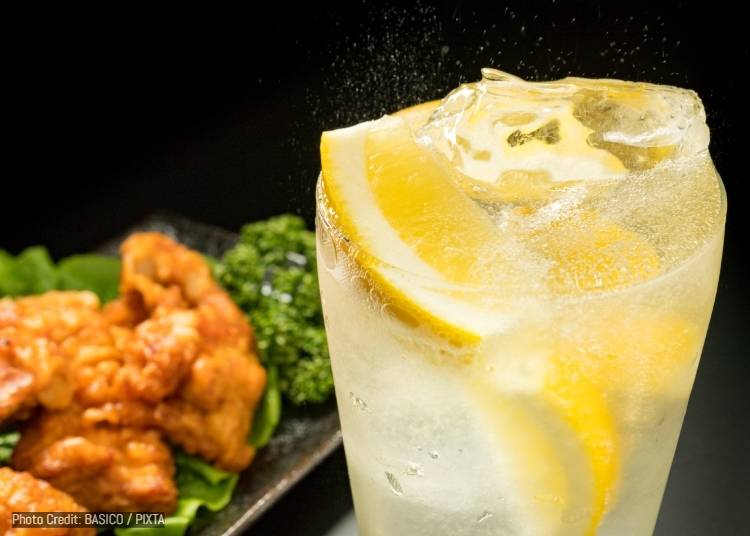
One of the biggest takeaways? Japan is in its lemon season.
When asked what flavors people crave in early summer or when the weather suddenly gets hot, lemon flavor came out on top at 42.6%. In Japan, this doesn’t just mean desserts: lemon is often paired with savory dishes. You’ll find karaage (Japanese fried chicken) served with lemon wedges, thinly sliced fish or meat in lemon carpaccio, and refreshing lemon sour cocktails (a popular alcoholic drink made with shochu and soda water).
Other sour or aromatic flavors also ranked high, including yuzu (a fragrant Japanese citrus) at 34.1%, plum at 33.1%, shiso (a herb with a minty, basil-like flavor) at 32.6%, and sour or tangy flavors in general at 31.8%.
Even in the peak of midsummer, when the heat becomes more intense, lemon still stayed in first place at 40.1%. Sour and tangy flavors followed at 32.9%, with plum close behind at 32.4%.
In short, when Japan gets hot, people want food that feels bright, sharp, and refreshing—something that wakes up the appetite.
The Most Wanted Texture? Cold, Smooth, and Easy to Eat
Flavor is only part of the story. Texture matters just as much in summer, especially when the humidity makes eating feel like an effort.
According to the survey, the top textures people want in summer are “pleasantly chilled” and “smooth/slippery,” both at 52.8%. Close behind was “easy to swallow” at 52%.
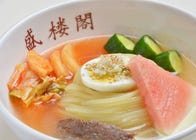
This might sound unusual if you’re not familiar with Japanese cuisine, but it’s a key part of summer eating culture. Foods that are silky, light, and easy to eat, like chilled tofu, jelly-like desserts, sashimi, noodles, and reimen, a cold noodle dish often enjoyed with a refreshing sweet-sour broth (see the article below), are especially appealing when it’s hot.
Cold Noodles Are the True Stars of Summer
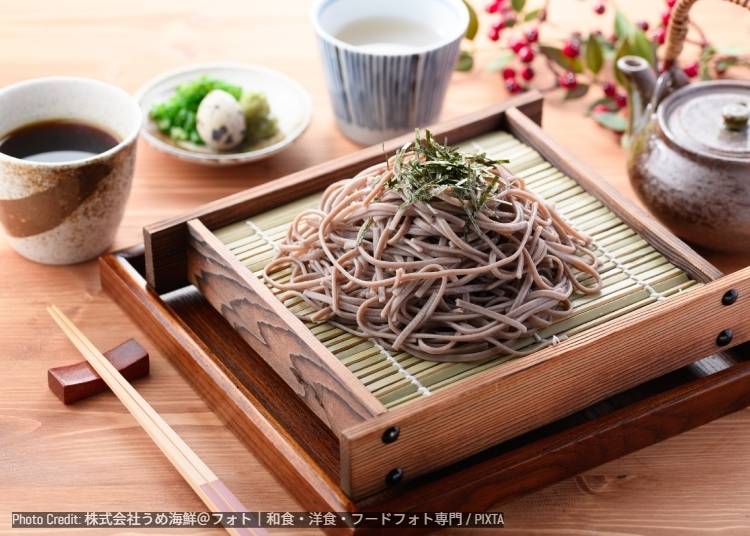
Perhaps unsurprisingly, cold noodle dishes dominated the ranking for light and refreshing summer meals.
Cold soba and udon came out on top at 61.2%. These are wheat or buckwheat noodles served chilled, often with a dipping sauce (called tsuyu) and simple toppings like green onions or seaweed. Close behind were somen and hiyamugi at 60.8%—very thin noodles typically served ice-cold, sometimes even flowing down bamboo flumes in a fun summer activity called “nagashi somen.”
Hiyashi chuka, a colorful cold ramen-style dish, also ranked high at 57.1%. This dish is topped with ingredients like sliced ham, egg, cucumber, tomato, and sometimes seafood, all arranged neatly over chilled noodles with a tangy soy or sesame-based sauce.
For many visitors, these dishes might be unfamiliar at first—but they’re a staple of Japanese summers. Rather than heavy or spicy meals, people often turn to simple bowls of chilled noodles that are easy to eat and deeply refreshing.
If you’re traveling in Japan in July or August, spotting “cold (冷) noodles” on a menu is usually a good sign you’re about to get something perfectly suited to the weather.

Plum Is Having a Quiet Summer Moment Too
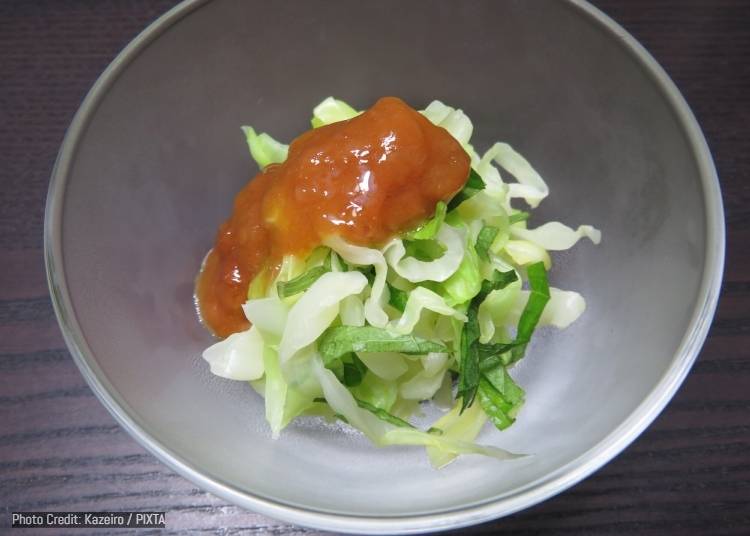
Lemon may have taken first place, but plum (ume) also ranked highly as a flavor people crave in hot weather.
In Japan, plum usually refers to umeboshi—salted, pickled plums with a strong sour and slightly salty taste. It’s a classic summer ingredient believed to help stimulate appetite and combat fatigue.
When Gurunavi asked which plum-flavored restaurant dishes people would like to eat in summer, the top choice was salad with plum dressing at 29%. This was followed by plum rice balls (onigiri) or rolled sushi at 26.2%, shabu-shabu (thinly sliced meat briefly cooked in hot broth) with plum sauce at 25.8%, and plum juice at 25.6%.
Plum’s sharp flavor pairs especially well with lighter dishes, making it a natural addition to salads, rice, noodles, and even drinks.
Ginger Still Has Strong Summer Appeal
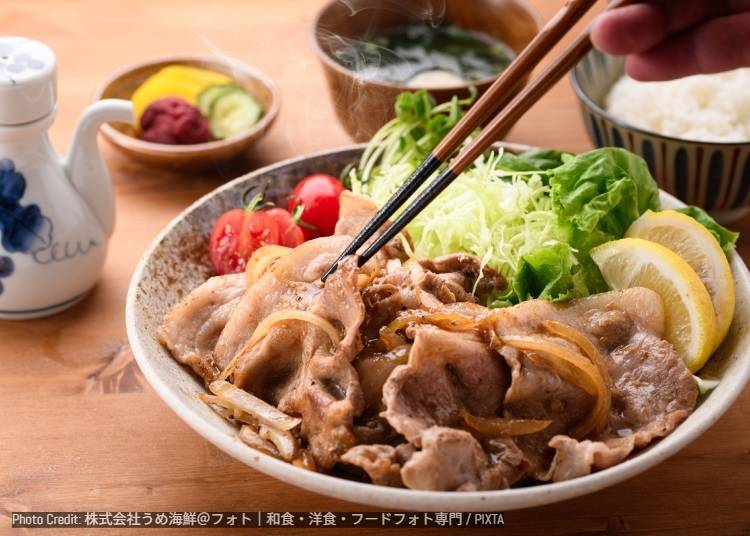
Ginger also showed strong results, especially in dishes and drinks that feel both familiar and energizing.
The most popular ginger-based dish was pork ginger, or “shogayaki,” at 38.8%. This is a classic Japanese home-style dish of thinly sliced pork cooked in a savory-sweet soy sauce and ginger mixture, often served with rice and shredded cabbage.
For drinks, ginger ale ranked high at 34.5%, reflecting a preference for refreshing, slightly spicy beverages.
This is an interesting contrast to the cold noodle trend. Even in summer, people are not only looking for chilled foods—they also want flavors that feel sharp, stimulating, and appetite-boosting without being too heavy.

What This Means for Travelers Eating in Japan This Summer
In a separate survey conducted by Gurunavi in April 2026 among approximately 300 member restaurants, respondents were asked to select just one menu theme they expected to be the biggest trend this summer. The top response, chosen by 26.3%, was “stimulating appetite with sour, spicy, and aromatic flavors.”
Why might that be the case? According to registered dietitian and culinary expert Yoshie Itagaki, “sour” ingredients such as vinegar and umeboshi (pickled plums) stimulate the secretion of digestive fluids, naturally helping to restore appetite while being gentle on a tired stomach.
“Spicy” ingredients such as chili peppers and ginger provide a pleasant kick that boosts appetite, while perspiration helps cool the body through evaporative heat loss.
“Aromatic” ingredients such as citrus and herbs use their refreshing scents to stimulate the appetite through the sense of smell, while also helping ease the discomfort of summer heat.
So, what kinds of dishes might you see this summer, based on these trends? Tasked with a “Sour, Spicy, and Aromatic Gourmet” theme, rising young chefs from CLUB RED—a distinguished network of next-generation talent under 35 years old from Japan’s premier RED U-35 culinary competition (co-organized by Gurunavi)—crafted a series of highly original menus.
Sour: Sweet-and-Sour Pork with Black Vinegar and Tomato
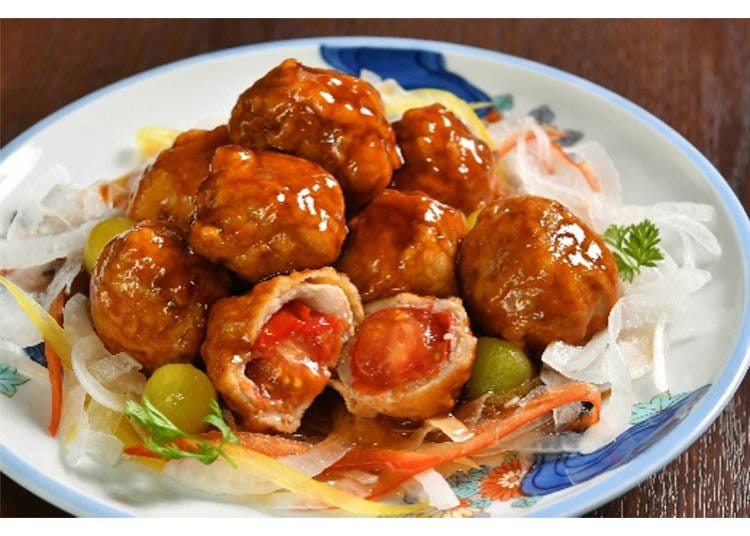
・Menu created by: Daisuke Hiraga (Owner-chef at ON the TABLE CHINESE in Tokyo)
This refreshing take on sweet-and-sour pork features a sauce made with black vinegar and pure rice vinegar, paired with the natural sweetness of mini tomatoes to help stimulate the appetite. Served with sliced onions and other light accompaniments, it offers the satisfying richness of meat while still feeling crisp and refreshing. It’s a new kind of sweet-and-sour pork perfect for Japan’s intense summer heat.
Spicy: Spicy Gamjatang Noodles with Bone-In Pork
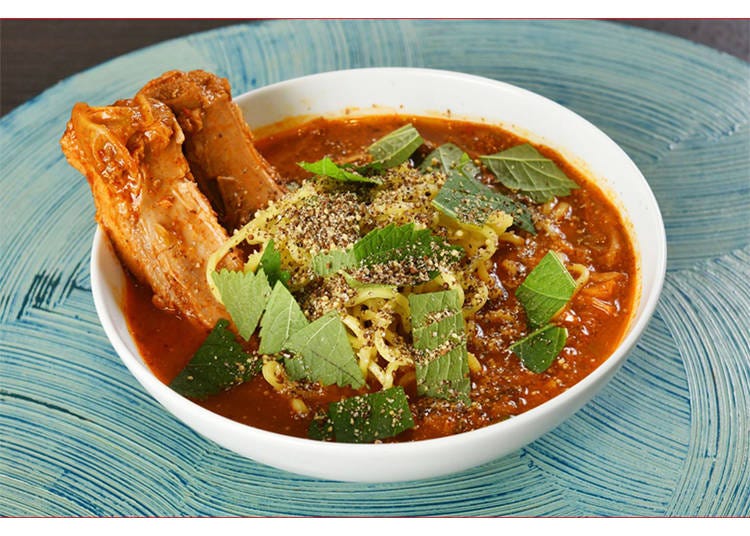
・Menu created by: Lee Jeongjun (Owner-chef at HASUO in Tokyo)
Inspired by the Korean dish gamjatang, this noodle dish balances heat with deep umami and rich flavor. Tender bone-in pork, slowly simmered for maximum flavor, is served generously on top, paired with noodles that soak up the spicy, savory soup. It’s a dish made to be enjoyed while working up a sweat in summer.
Aromatic: Clay Pot Rice with Hachijojima Lemon and Charcoal-Grilled Scallops
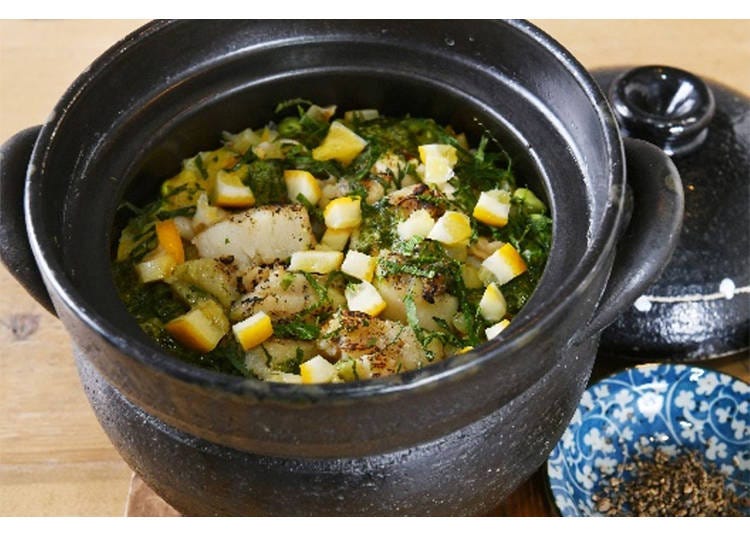
・Menu created by: Yuto Nakamura (Chef at IGOR COSY Shibuya Main Branch in Tokyo)
A refreshing clay pot rice dish designed as the perfect summer finale. Hachijojima lemons, grown in a naturally rich environment with sea breezes, can be enjoyed whole, including the peel. When heated, their sweetness and aroma become even more pronounced, making this a fragrant dish well worth trying.
In summer, menus often shift toward dishes that are cold, citrusy, sour, smooth, or easy to eat. You might notice more lemon-based dishes, plum sauces, chilled noodles, and refreshing drinks appearing in restaurants, convenience stores, and even vending machines.
So if you see lemon-flavored karaage, plum dressing, cold soba, somen, hiyashi chuka, or ginger pork on the menu, it’s not just a random choice—it’s exactly what many people in Japan are craving right now.
And after a long day of sightseeing in the heat and humidity, you may find yourself craving the same thing too.


- Category
*Prices and options mentioned are subject to change.
*Unless stated otherwise, all prices include tax.
Popular Tours & Activities
Recommended places for you
-
ISHIDAYA Hanare
Yakiniku
Kobe, Sannomiya, Kitano
-

TOKYO SKYTREE®
Landmarks
Ryogoku / TOKYO SKYTREE(R)
-
Senso-ji Temple
Temples
Asakusa
-
Jukuseiniku-to Namamottsuarera Nikubaru Italian Nikutaria Sannomiya
Izakaya
Kobe, Sannomiya, Kitano
-
Appealing
Rukku and Uohei
Izakaya
Sapporo / Chitose
-
Goods

Yoshida Gennojo-Roho Kyoto Buddhist Altars
Gift Shops
Nijo Castle, Kyoto Imperial Palace
-
Just 2 Hours from Tokyo! Escape to Yamanashi's NIPPONIA Kosuge, Where an Entire 700-Person Village Becomes Your Hotel
by: Alice Lee
-
Autumn in Japan 2026: Fall Foliage Forecast & Where to Enjoy the Colorful Leaves (+Tour Info)(Updated Oct 1)
-

ANA’s Chiikawa Jet Is Taking Off—Here’s Everything You Need to Know About Exclusive Goods, In‑Flight Fun & Travel Tips
by: Guest Contributor
-
Cracked Phone Screen in Japan? Smahospital Repair Guide: Keep Your Data, Fixed in 15 Min, Multilingual Support | Up to 10,000 Yen Off with LIVE JAPAN Coupon
-

Daikoku Car Meet Guide: How to Visit, Best Times & Rules
-
Ad
Do’s and Don’ts: The Complete Guide to Sento Baths! Getting the Full Experience In Ueno’s Famous Kotobuki-yu
-
Sapporo New Chitose Airport (CTS): Complete Guide to Restaurants, Souvenirs, Shopping & More!
-
Seafood Bowls and More at the Shiogama Seafood Wholesale Market!
-

Shopping in Japan 2026: Annual Sale Calendar, Best Deals & Where to Shop
-

July Events in Kanto: Fun Festivals, Food, and Things to Do
-
Tanabata Festival: Experience the Magic of Japan's Star-Crossed Lovers
-

Visiting Osaka in Summer (June/July/August): Weather, What to Wear & Must-Visit Attractions for Adults & Kids
by: WESTPLAN
- #best sushi japan
- #what to do in odaiba
- #what to bring to japan
- #new years in tokyo
- #best ramen japan
- #what to buy in ameyoko
- #japanese nail trends
- #things to do japan
- #onsen tattoo friendly tokyo
- #daiso
- #best coffee japan
- #best japanese soft drinks
- #best yakiniku japan
- #japanese fashion culture
- #japanese convenience store snacks