





Sukiyaki: How to Eat & Recommended Restaurants for Japan's Famous Meat Dish
- Written by: Dave Conklin
Long before non-Japanese people outside of Japan were eating sushi, back in the 1930s, there was another Japanese food that was popular, at least in some regions of America: Sukiyaki.

Unlike raw sushi and sashimi, or even cooked eels, sukiyaki was something fairly familiar, a dish of cooked meat and vegetables, prepared in a way that was different enough from everyday cooking to be somewhat exotic but still something diners could relate to, although maybe not the tōfu in the dish. Sukiyaki became even more well known in the 1960s when a Japanese song retitled as Sukiyaki hit number one on the US charts.
What exactly is Sukiyaki?

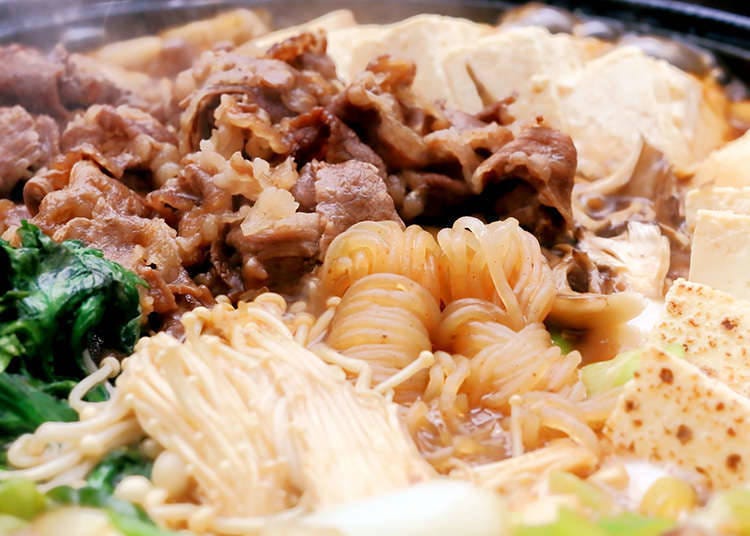
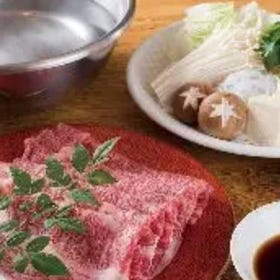
Sukiyaki is a type of nabemono hot-pot dish where thin slices of fat-marbled beef are cooked in a shallow, cast-iron pan along with vegetables, including long negi onions, shiitake or other mushrooms, hakusai (Chinese cabbage), and shungiku (edible chrysanthemum leaves) as well as tōfu and shirataki (konnyaku noodles).
These ingredients are all cooked in warishita, a sweet, shōyu-based sauce, and when done, dipped into a bowl with a raw egg.
Mochi rice cakes or udon noodles are often added at the end to sop up the remaining liquid. The dish is cooked at your table over a small gas burner, with diners taking the food directly from the pot.
Sukiyaki can also be made with chicken as the main ingredient. It is a style of cooking well suited for Japanese wagyu beef with its marbled making it easy to practically melt.
A brief history of Sukiyaki

The exact origin of the dish known as sukiyaki is unknown, but it was first served soon after the arrival of westerners to Japan when the Japanese began eating beef, something previously only rarely consumed (as medicine!) due to the importance of cattle in agriculture.
Beef eating became immensely popular practically overnight after the Meiji Emperor was shown eating meat in January of 1872. Back then, sukiyaki was generally called gyu-nabe, or beef hot-pot; there is one such restaurant in existence today that opened even earlier, Iseju, which opened in 1869.
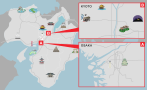
After the Great Kantō Earthquake of 1923, slightly different sukiyaki recipes developed in the Kantō (Tokyo) region and Kansai (Osaka), mainly in the style of sauce used.
The origins of the name sukiyaki are somewhat murky. During the Edo period some people—mostly farmers—were known to grill meat (but not beef) or fish on spades, “suki” being the Japanese word for spade, “yaki” meaning grilled.
Warishita - the sukiyaki dipping sauce
As with many things, there are differences in how people in the Kantō (Tokyo) region and Kansai (Osaka) region do things, and cooking sukiyaki is no different.
The main ingredients are pretty much all the same, but there is a difference in how sukiyaki is cooked, a difference related to warishita. The warishita used in the Kantō area is made of dashi, shōyu, mirin, cooking sake, and sugar, and is added to the cooking pot first and heated before any other ingredients are put in.
In Kansai, the warishita, a mix of shōyu, sake and sugar, is added when the meat is almost cooked, before adding the vegetables and tōfu. It is the warishita that distinguishes one sukiyaki restaurant from another, and so very important.
How to eat sukiyaki
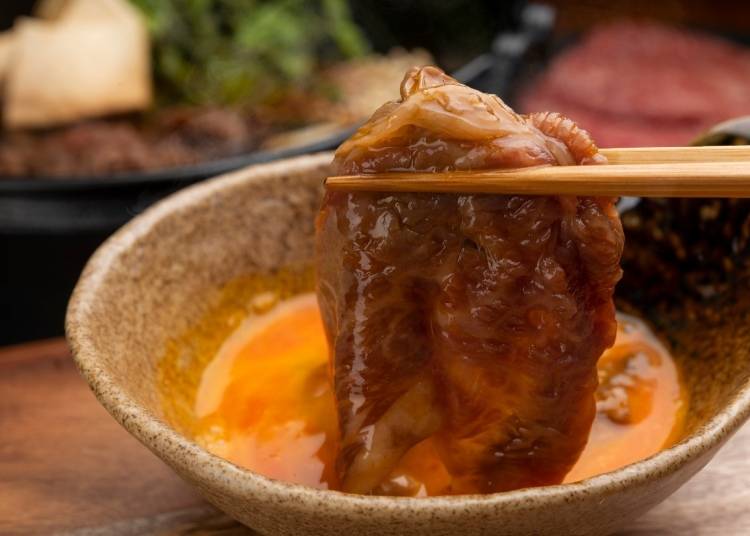
Once the ingredients have been cooked in the warishita, they are usually dipped in raw egg yolk before eating. The egg imparts a mellow flavor.
Recommended sukiyaki restaurants in Japan

Originally from Portland, Oregon, Dave Conklin has lived in Ningyōchō where he researches and writes about food and food culture. He has an MA in Japanese History, his thesis being on the history of Japanese food in pre-WWII America. A published author, his book, 'Mr. Conklin Eats His Way Around Tokyo' is available at bookstores in Japan. You can find some of his other work at www.foodadventuresjapan.com.
- Category
*Prices and options mentioned are subject to change.
*Unless stated otherwise, all prices include tax.
Popular Tours & Activities
Recommended places for you
-
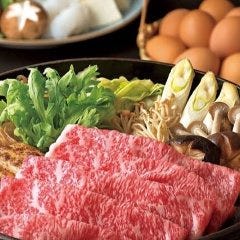
Kuroge Wagyu Sukiyaki Haruna Honmachi
Sukiyaki
Namba, Dotonbori, Shinsaibashi
-
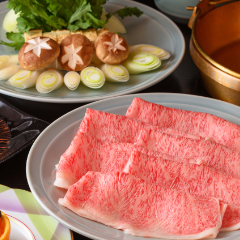
Ginza Sun-mi Sukiyaki Shabu-shabu Kagawa
Sukiyaki
Ginza
-
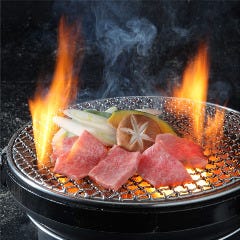
Bakuroichidai
Sukiyaki
Ginza
-
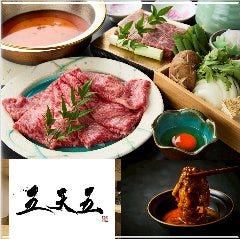
Wagyu Sukiyaki Kyotogotengo Karasuma
Sukiyaki
Gion, Kawaramachi, Kiyomizu-dera Temple
-
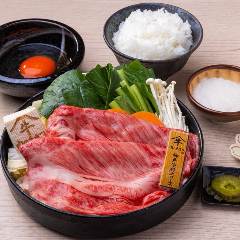
Wagyu Sukiyaki Niku-no Asatsu
Sukiyaki
Nara, Ikoma, Tenri
-
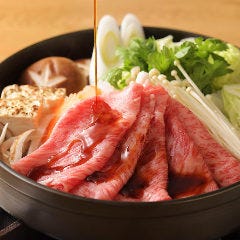
Katou
Sukiyaki
Sendai And Matsushima
-
Ad
Do’s and Don’ts: The Complete Guide to Sento Baths! Getting the Full Experience In Ueno’s Famous Kotobuki-yu
-
Just 2 Hours from Tokyo! Escape to Yamanashi's NIPPONIA Kosuge, Where an Entire 700-Person Village Becomes Your Hotel
by: Alice Lee
-
28 Best Things to Do in Odaiba (2026 Updated): Tokyo's Entertainment Island
-

Seibu Group Launches New Chichibu Adventure Tourism Experience for International Travelers in 2026
by: Guest Contributor
-
Ad
Pocket WiFi Rental in Japan 2026: Complete Price Comparison & Where to Get the Best Deal
-
Cracked Phone Screen in Japan? Smahospital Repair Guide: Keep Your Data, Fixed in 15 Min, Multilingual Support | Up to 10,000 Yen Off with LIVE JAPAN Coupon
-
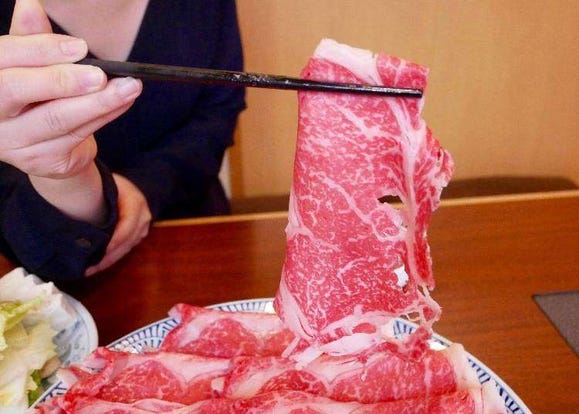
Wagyu Sukiyaki in Ueno Tokyo: Get Your Fill of Japanese Beef in Ameyoko!
-
3 Famous Ramen Shops in Yamagata - Japan's "Ramen Prefecture"!
-

What Does a 100-Year-Old Restaurant Taste Like? Try These 5 in Tokyo
by: Guest Contributor
-
Kichijoji – Explore Tokyo’s Top-Rated Stylish Suburb in Half a Day!
-
Top 4 Places for Lunch in Shinjuku: Beefsteak, Bibimbap, Sukiyaki, and Roast Beef Bowl from just 500 yen!
-
5 Popular Shops and Gift Ideas Along Arashiyama Shopping Street
- #best sushi japan
- #what to do in odaiba
- #what to bring to japan
- #new years in tokyo
- #best ramen japan
- #what to buy in ameyoko
- #japanese nail trends
- #things to do japan
- #onsen tattoo friendly tokyo
- #daiso
- #best coffee japan
- #best japanese soft drinks
- #best yakiniku japan
- #japanese fashion culture
- #japanese convenience store snacks