



'Wait...Is This Normal?' 5 Tohoku Onsen Hot Springs That Totally Surprised Foreign Visitors
- Written by: Masakazu Yoshida
Japan’s Tohoku region is home to an incredible range of hot springs, from well-known resort towns to remote baths hidden deep in the mountains.
While soaking in an onsen is often imagined as a relaxing, predictable experience, some hot springs in Tohoku challenge those expectations entirely. Their customs, settings, and atmosphere can feel surprising, confusing, or even unforgettable for visitors experiencing Japanese onsen culture for the first time.
In this article, we introduce five unique Tohoku hot springs that left a strong impression on foreign visitors. The reactions shared here are based on personal interviews and reflect individual experiences, but together they offer a fascinating look at just how diverse and unexpected onsen culture in Tohoku can be.
1. Iizaka Onsen (Fukushima Prefecture): "Unbelievable! The Water is Crazy Hot!"
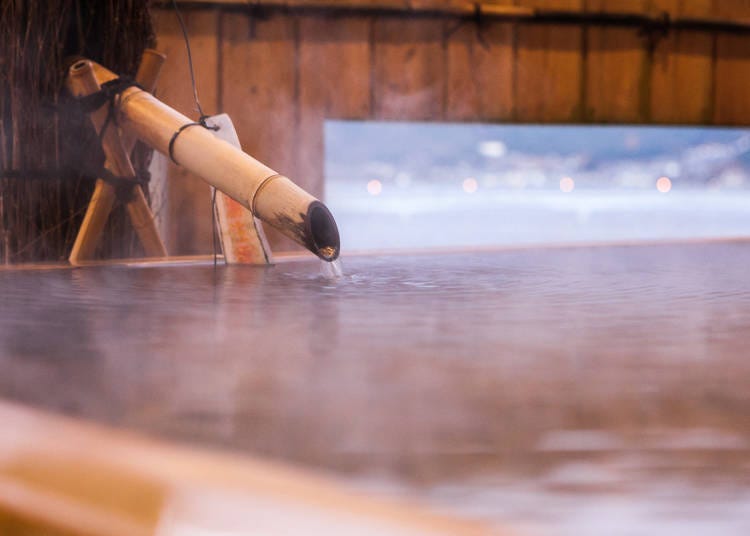
“Iizaka Onsen in Fukushima was insanely hot. I couldn’t stay in for more than five seconds. The locals told me it’s not satisfying unless it’s hot, and they really didn’t like adding cold water. It felt less like relaxing and more like endurance training. Almost like a punishment!” (Malaysia / Male)
Iizaka Onsen is one of Tohoku’s oldest and most storied hot spring towns, often mentioned in regional folklore. The area is packed with ryokan, hotels, and public bathhouses, many of which draw water that’s around 50°C. That is hot enough that even many Japanese bathers can only soak for a few seconds at a time.
What surprises visitors most is the local mindset. Even when the water feels scalding, longtime bathers will casually say, “It’s not hot,” and adding cold water is often discouraged. For first-time visitors, this unspoken rule can be confusing, and a little intimidating. But for locals, enduring the heat is part of what makes Iizaka Onsen feel authentic.
-
Iizaka Onsen飯坂温泉
- Address Yuzawa Iizaka, Fukushima, 960-0201
・Telephone: 024-542-4241 (Iizaka Onsen Kyokai & Iizaka Onsen Ryokan Kyodokumiai)
・Hours: Communal baths 6 AM–10 PM (for day-trip baths, please check with individual lodging facilities)
・Admission: Adults from 200 yen; Day-trip baths from 300 yen
・Closed: Unscheduled
2. Sukayu Onsen (Aomori Prefecture): "I Thought it Was a Pool! But...Mixed Bathing?!"
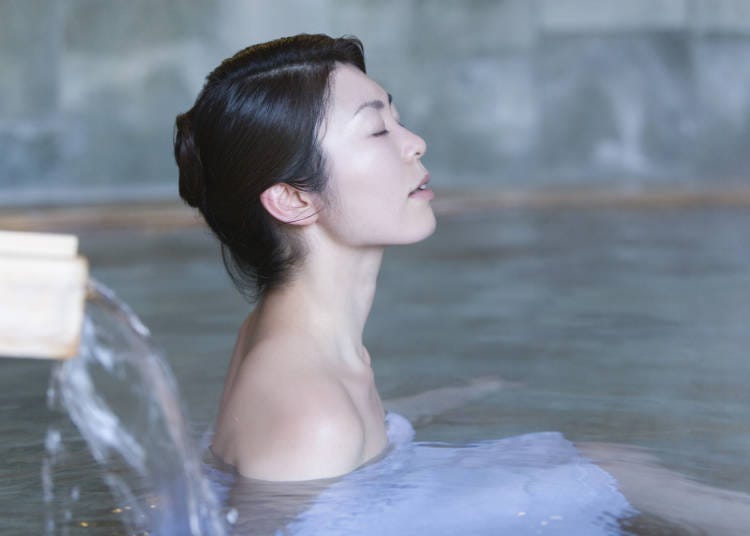
“You can really feel Japan’s history at Sukayu Onsen in Aomori Prefecture. There’s an old wooden inn deep in the mountains, and the bath is so huge it looks like a swimming pool. Normally it’s mixed bathing, which made us a bit uncomfortable, so we decided to go during the ‘ladies-only’ time.” (Russia / Female)
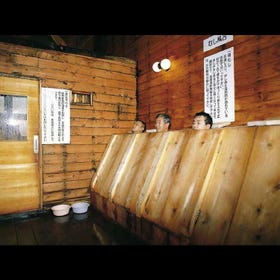
Sukayu Onsen’s famous Hiba Sennin Furo is enormous, covering about 364 square meters. The bath is made entirely from Aomori hiba wood, which gives the water a gentle, fresh forest scent that instantly sets it apart from modern spa facilities.
The bath is usually mixed-gender, something that often surprises first-time visitors. To make it more accessible, the onsen offers a women-only hour from 8 AM to 9 AM each morning. For those who still feel hesitant, bathing garments called yuami-gi are also available for purchase. With a bath this large and atmospheric, Sukayu Onsen offers a rare chance to experience an onsen that feels straight out of another era.
-
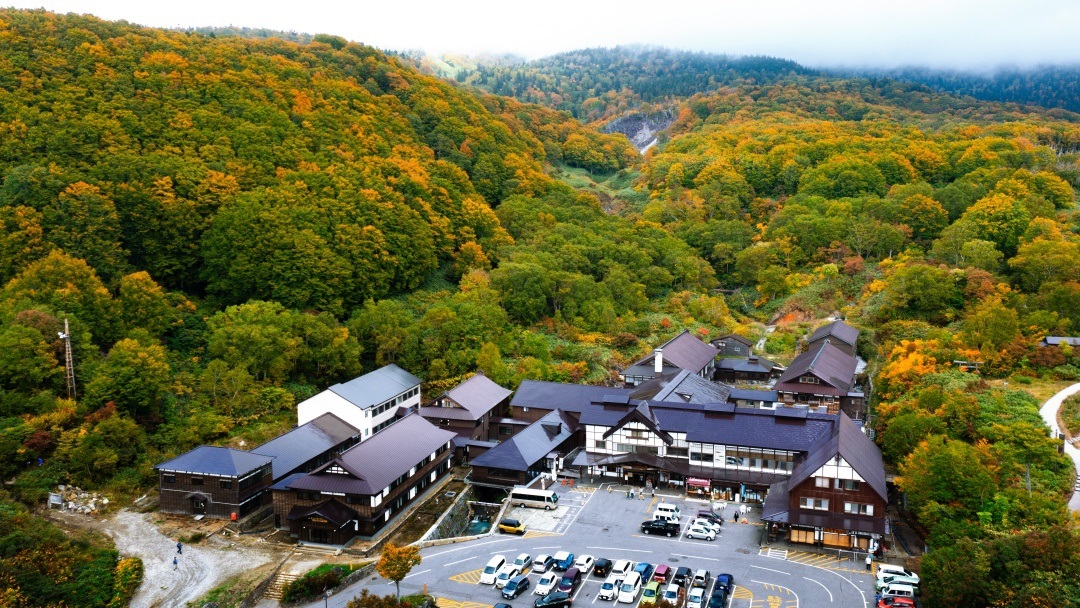 Sukayu Onsen Ryokan酸ヶ湯温泉旅館
- Address 50 Arakawa, Aomori-shi, Aomori View Map
- Original source: Rakuten Travel
Vacancy search, reservation
-
from 37,620JPY 1room, 2adults
Check with our partner site as the latest rates, rate details, and guest room requirements may vary.
3. Goshogake Onsen (Akita Prefecture): "What is that Smell!? My Body Smells Like Matches"
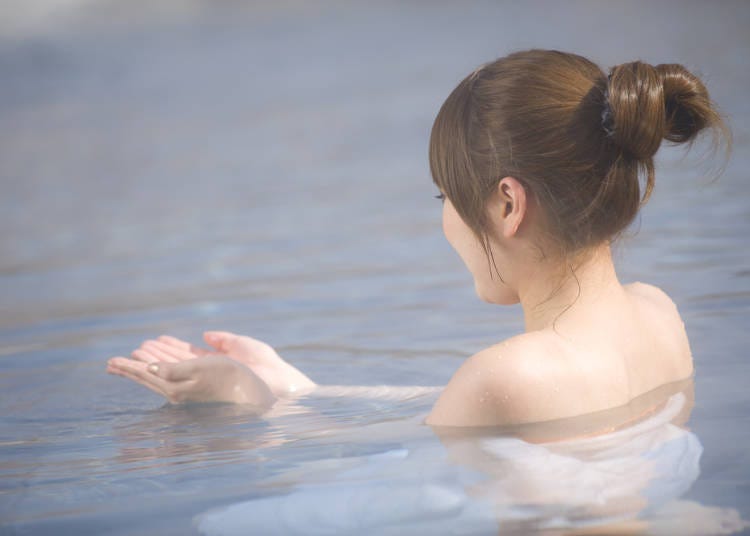
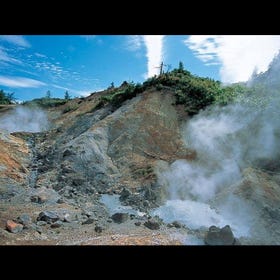
“Goshogake Onsen is near the summit of Hachimantai. It’s a wild-looking inn where steam drifts through the air, creating a fantasy-like scene. But the sulfur smell is intense. I must not have washed properly because my shirt smelled like sulfur afterward. My wife said it felt like she was standing next to a box of matches the whole time. There were clear baths and cloudy baths, and each one felt different on the body. I had no idea hot springs could be this interesting.” (Indonesia / Male)
Goshogake Onsen opened roughly 300 years ago as a therapeutic hot spring facility. In Japan, this style of long-term healing stay is known as Toji, where guests cook for themselves and soak repeatedly over several days to help treat physical ailments.
The sulfur-rich spring water here has long been associated with relief for issues such as digestive problems, neuralgia, joint pain, rheumatism, and asthma. Today, Goshogake Onsen welcomes both overnight guests and day-trip visitors, making it accessible even if you are short on time.
One thing to be prepared for is the smell. This is a strong sulfur spring, and the scent tends to cling to clothing. If it gets on fabric, it may take several washes to fully fade. Take it as a badge of honor, but maybe leave your favorite outfit at the hotel.
-

-
Address
Kumazawa, Hachimantai, Kazuno-shi, Akita, 018-5141
View Map -
Nearest Station
Tazawako Station (Tazawako Line)
115 minutes by bus
- Phone Number 0186-31-2221
Vacancy search, reservation
-
Please enquire directly about rates.
Check with our partner site as the latest rates, rate details, and guest room requirements may vary.
-
Address
Kumazawa, Hachimantai, Kazuno-shi, Akita, 018-5141
-
-
Address
Kumazawakokuyurin, Hachimantai, Kazuno-shi, Akita, 018-5141
View Map -
Nearest Station
Tazawako Station (Tazawako Line)
115 minutes by bus
- Phone Number 0186-31-2221
-
Address
Kumazawakokuyurin, Hachimantai, Kazuno-shi, Akita, 018-5141
4. Furofushi Onsen (Aomori Prefecture): "Amazing! The open-air bath is by the beach!"
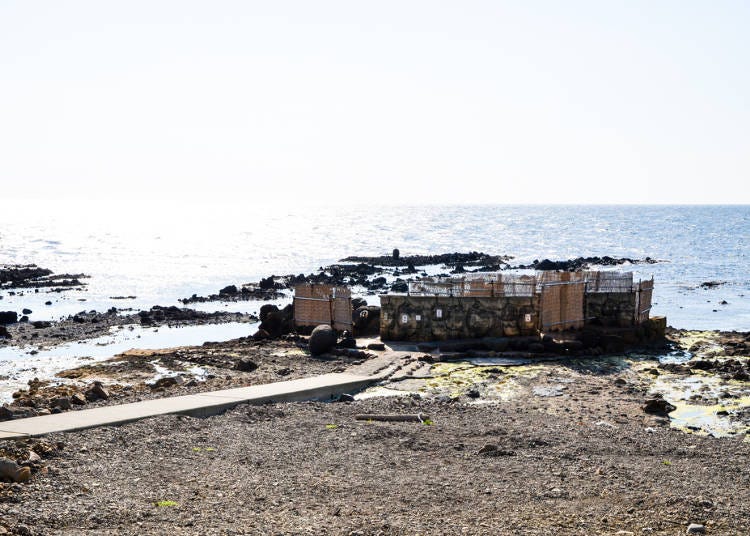
“My recent favorite Tohoku onsen is Furofushi Onsen in Aomori Prefecture. The open-air bath is right by the beach, and the sense of openness is incredible. I never imagined Japanese hot springs could be in a location like this.
When there were fewer international visitors, people used to stare, which made me uncomfortable at first. But after living in Japan for a long time, it doesn’t bother me anymore. On the other hand, my Peruvian friend, who has also lived here for years, still says, ‘I don’t want to bathe with other people,’ and has never tried an onsen.” (Chile / Female)
Furofushi Onsen is one of Tohoku’s most iconic hot springs, famous for its dramatic open-air bath that extends right out toward the Sea of Japan. With waves crashing nearby and nothing but ocean stretching out in front of you, it feels worlds away from a typical indoor bath.
Sunset is especially magical here, when the sky and sea glow in warm colors as you soak. The onsen offers both mixed bathing and a separate women-only area, so visitors can choose the option that feels most comfortable. It’s a striking example of how onsen culture blends breathtaking scenery with deeply rooted tradition.
-
Furofushi Onsen不老ふ死温泉
- Address Shimokiyotaki-15 Henashi Ukaura, Nishitsugaru-gun, Aomori 038-2327
- Phone Number 0173-74-3500
・Hours: Day-trip open-air bath by the beachside 8 AM–4 PM (reception until 3:30 PM); Ogon no Yu 8 AM–8 PM (reception until 7:30 PM)
・Admission: Adults 600 yen; Children 300 yen
・Closed: Unscheduled
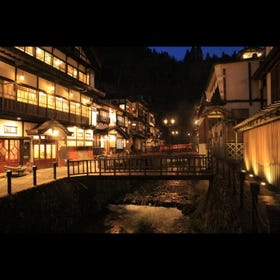
5. Ginzan Onsen (Yamagata Prefecture): "A Tohoku onsen that feels like you went back in time"
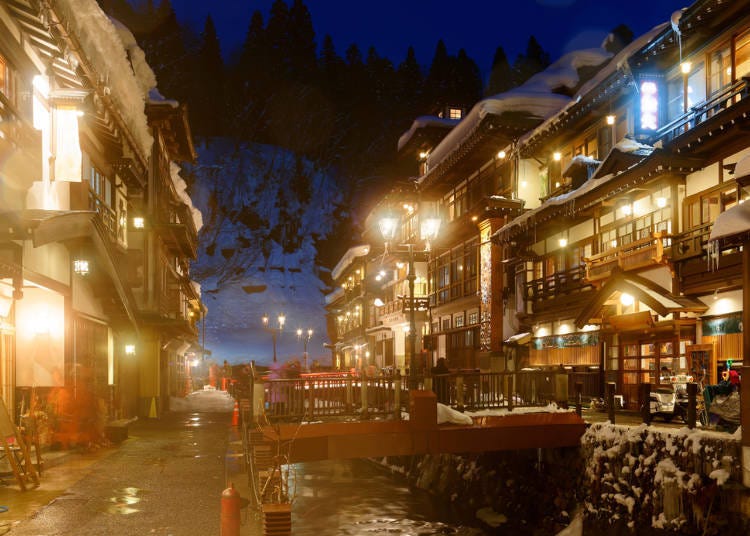
“Ginzan Onsen feels like stepping back in time, but at the same time everything is easy to understand. The hotels had information in English and Chinese, and there were QR codes for audio guides. I really appreciated how much effort they’ve made so foreign visitors can enjoy the town without trouble.
I usually travel with a friend who isn’t fluent in Japanese, and she often looks bored when I’m talking with locals. But in Ginzan, there were people who could speak English at the hotels and around town, so she looked genuinely happy because she could communicate.” (Indonesia / Female)
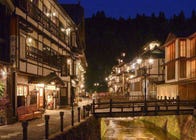
Many of the ryokan inns at Ginzan Onsen feature Western-style, multi-story wooden exteriors, while their guest rooms are finished with traditional tatami flooring. This mix creates a distinctive atmosphere known as Taisho Roman, a style that blends Japanese and Western influences from the Taisho era.
After visitor numbers declined in the wake of the 2011 Tohoku earthquake, Ginzan Onsen made a conscious effort to become more welcoming to international travelers. Today, it has become one of Tohoku’s most popular hot spring towns, loved by both locals and overseas visitors for its nostalgic scenery and traveler-friendly approach.
-
-
Address
Yamagata Prefecture Obanazawa City Yamagata Large Ginzan Shinhata, 999-4333
View Map -
Nearest Station
Oishida Station (Ou Line / Yamagata Shinkansen)
- Phone Number 0237-28-3933
-
Address
Yamagata Prefecture Obanazawa City Yamagata Large Ginzan Shinhata, 999-4333
Curious Surprises at Tohoku Onsen
Japanese hot springs have gradually become more welcoming to international visitors, but hesitation still remains. Some people worry about the basics, saying things like, “I don’t want to take off my clothes in a public place” (Pakistan / Male), or “It looks nice, but I just can’t bring myself to do it because it feels embarrassing” (Italy / Male).
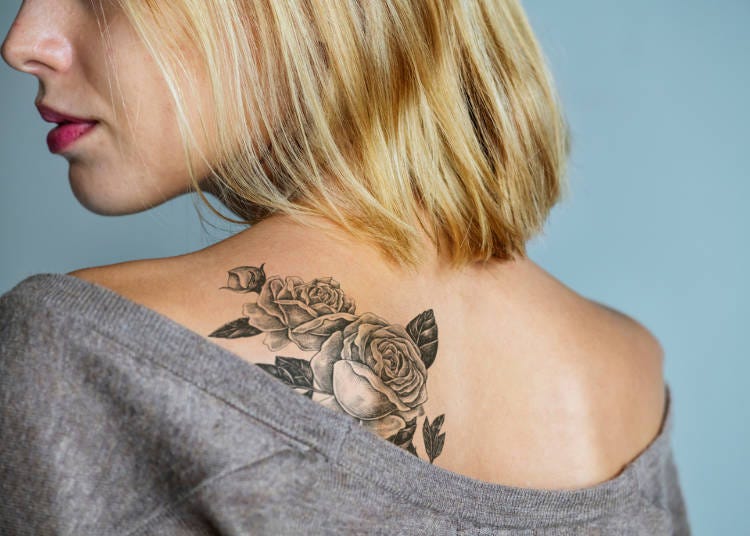
Another common concern is tattoos. Several interviewees, including one from Poland, said, “I have a tattoo, so I assumed I couldn’t enter a hot spring.” While this has long been a barrier, attitudes toward tattoos in Japan are slowly changing. More and more onsen, including some in Tohoku, are beginning to relax their rules or offer tattoo-friendly options.
Onsen culture may still feel intimidating at first, but as these stories show, it’s also evolving. With a little research and an open mind, visitors can find hot springs that suit their comfort level, and maybe even discover an experience they never expected to enjoy.

Residing in Sapporo, Masakazu has built his career in various private enterprises and government positions in Hokkaido. In April 2016, he transitioned from being a company employee to a freelance writer. Currently, Masakazu works as a freelance writer alongside other occupations, primarily focusing on showcasing the charm of Hokkaido through web media platforms.
*Prices and options mentioned are subject to change.
*Unless stated otherwise, all prices include tax.
Popular Tours & Activitiess
Recommended places for you
-
Senshu Park
Parks
Surrounding Areas Of Akita
-
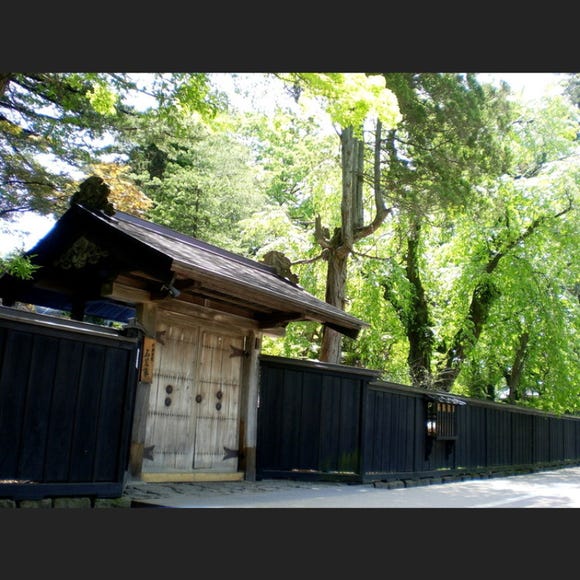
Ishiguro Samurai House
Historical Places
Surrounding Areas Of Akita
-
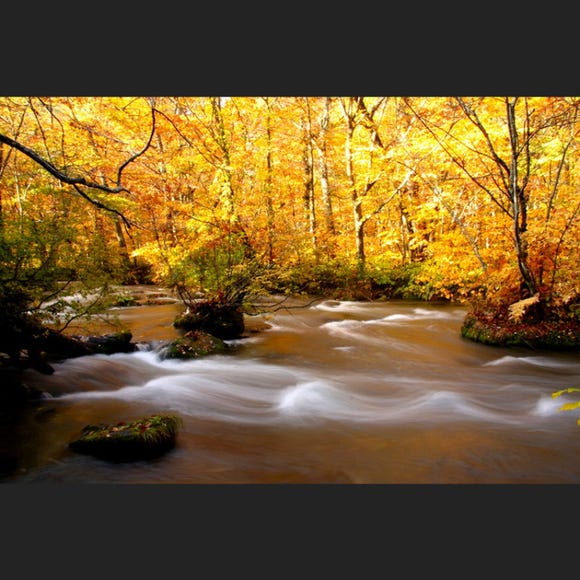
Oirase River
Rivers, Lakes & Canyons
Other Surrounding Areas Of Aomori
-
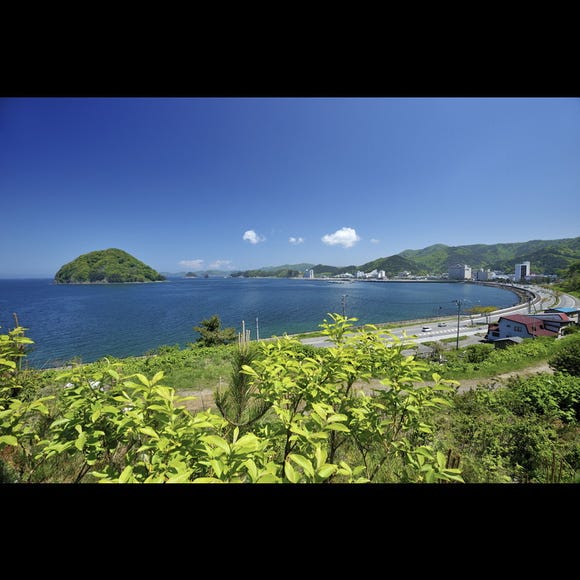
Asamushi Onsen
Hot Springs (Onsen) & Bath Houses (Sento)
Aomori, Hirosaki And Hachinohe
-
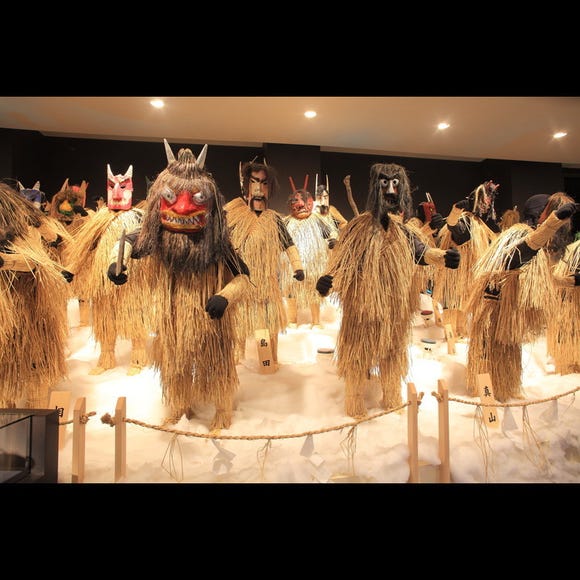
Namahage Museum
Other Museums
Surrounding Areas Of Akita
-

Sendai Tanabata Festival
Japanese Festivals (Matsuri)
Sendai And Matsushima
-
8 Luxury Tohoku Ryokans: Private Onsen, Gourmet Wagyu, and Winter Views
by: Sae Haneda
-
Ad
Discover Kanazawa: History, Culture, and How to Get Around with Ease
-
Aomori's Quiet Side in Autumn: 5 Scenic Spots in Hachinohe According to a Local
by: Marco Blasco
-
Ad

Explore Samurai City Aizu-Wakamatsu: Your Full Guide to History, Nature, and Culture
-
Niigata Sake no Jin 2026: Guide to Japan's Most Legendary Sake Weekend
-
Ad
Explore Snow Country from Echigo-Yuzawa Station: A Year-Round Guide to Ski Resorts, Art, and Regional Travel
-
10 Must-Visit Places for Autumn Leaves in Tohoku: Naruko Gorge, Geibikei Gorge & More (2025)
by: Guest Contributor
-
Iizaka Onsen Guide: Japan's Gorgeous Hidden Hot Springs Town! (Access, Things to Do, Ryokan)
-

5 Ryokan in Akiu Onsen You'll Want to Bookmark for a Tohoku Trip
by: Guest Contributor
-
Onsen in Yamagata: 5 Dreamy Hot Spring Towns to Visit
by: Sarah Dean
-
Plan Your Visit to Zao Onsen (Yamagata) - A Comprehensive Guide
-
Complete Guide to Buying Japanese Medicine in Japan: Phrases and Vocabulary You Need to Know