



The chonmage, that distinctive topknot hairstyle of Japanese samurai, is one of Japan’s most iconic styles. To modern eyes, it might look unusual, but the chonmage has deep cultural roots and significance. So, where did this hairstyle come from, and why was it so popular among samurai? Let’s explore the fascinating origins of the chonmage!
The Origin of the Chonmage
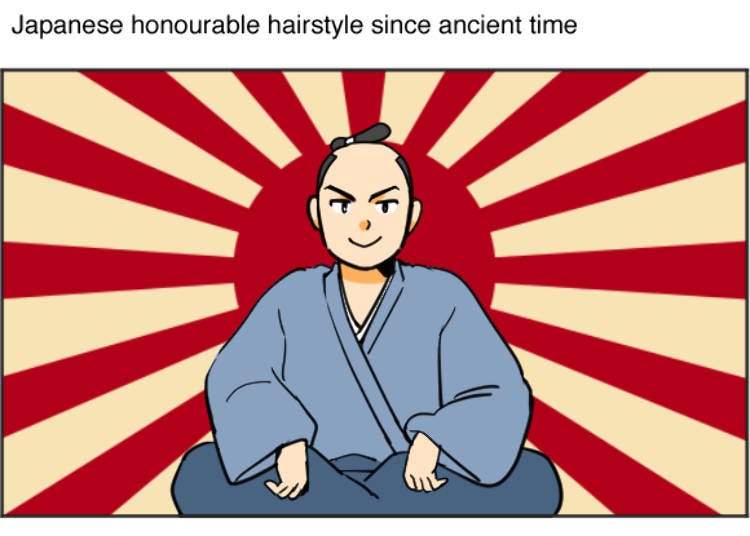
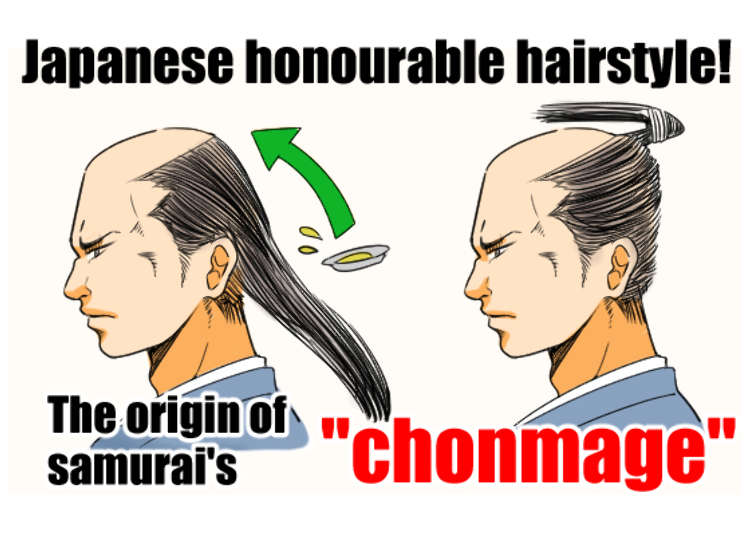
The chonmage has roots in Japanese history dating back to around the year 600, when nobles began wearing hair in buns called “mage.” By the Kamakura and Muromachi Periods, around 1200, men started shaving the tops of their heads and styling the remaining hair into a topknot—creating the chonmage look we now recognize.
The Sakoku Period and Foreign Reactions
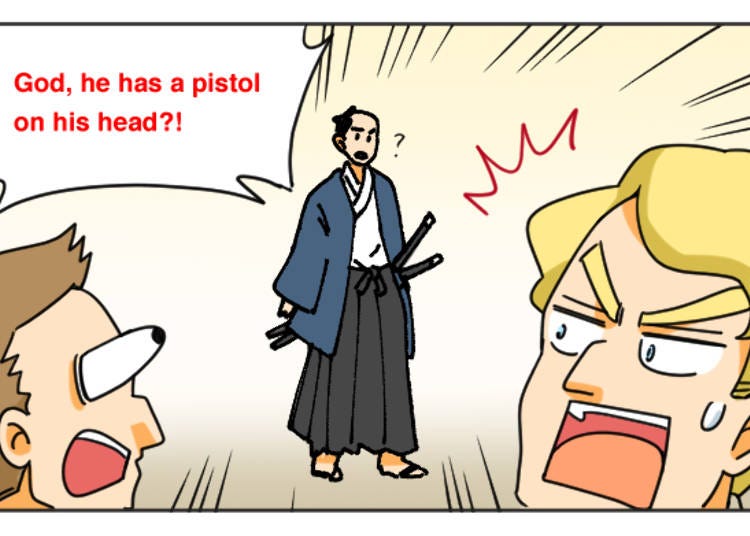
Japan went through a period of isolation known as sakoku, during which the country closed off diplomatic relations with other nations. But at the end of this period, when Japan finally opened its doors, foreign visitors were shocked by the chonmage hairstyle of the samurai. This unique look became an unforgettable symbol of Japanese culture for those encountering it for the first time.
Function Meets Fashion
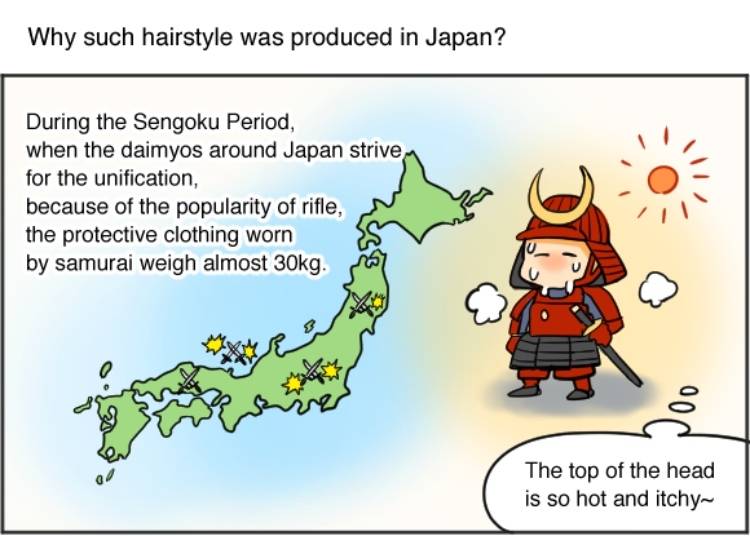
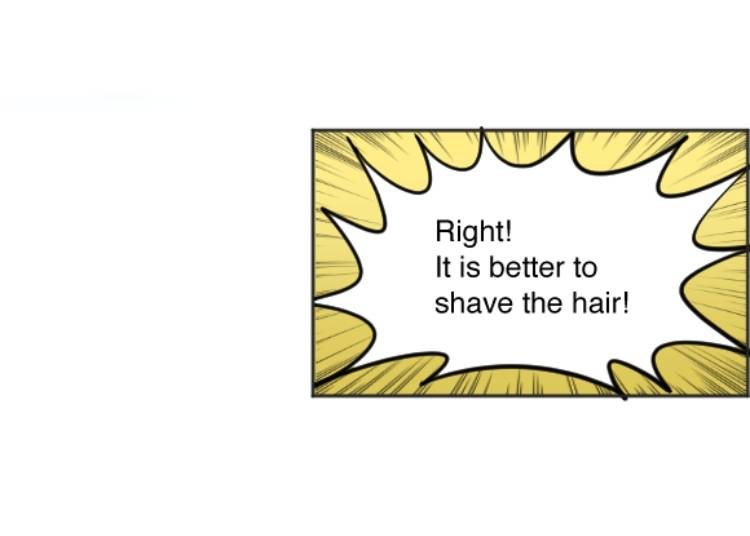
The shaved top had a practical purpose: samurai shaved the tops of their heads to stay cool while wearing heavy helmets in battle, reducing the discomfort caused by trapped heat.

The remaining hair was tied up and secured with vegetable oil, originally with tweezers and later, in the Edo Period, with razors.
A Symbol of Honor
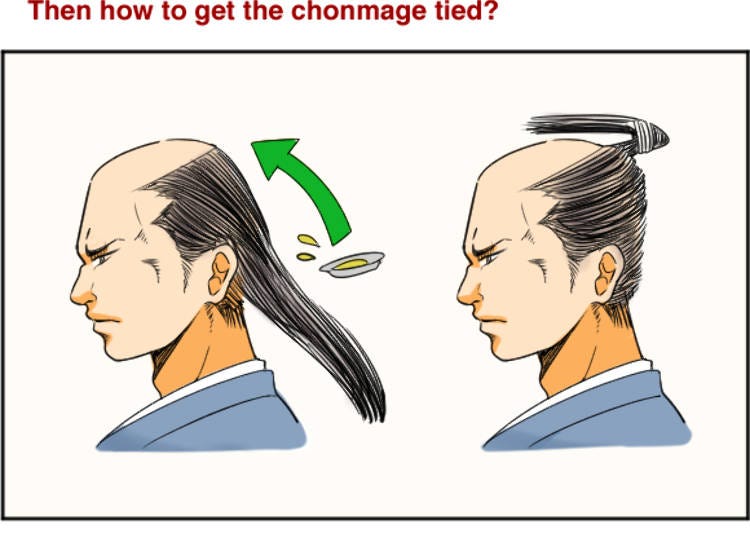
Over time, the chonmage evolved beyond practicality. It became a proud symbol of the samurai’s dedication and loyalty to their rulers.
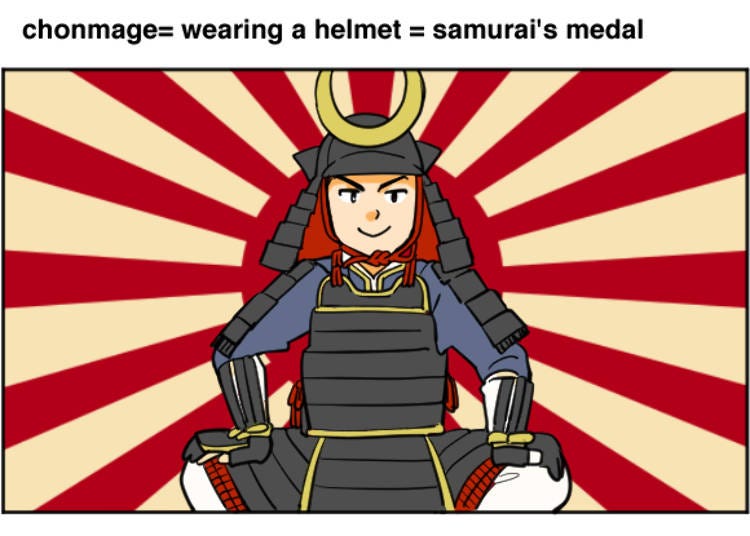
Wearing a chonmage represented a commitment to their role as warriors, and soon, the style spread beyond the samurai class, becoming popular among ordinary citizens as well.
The Chonmage in Modern Times
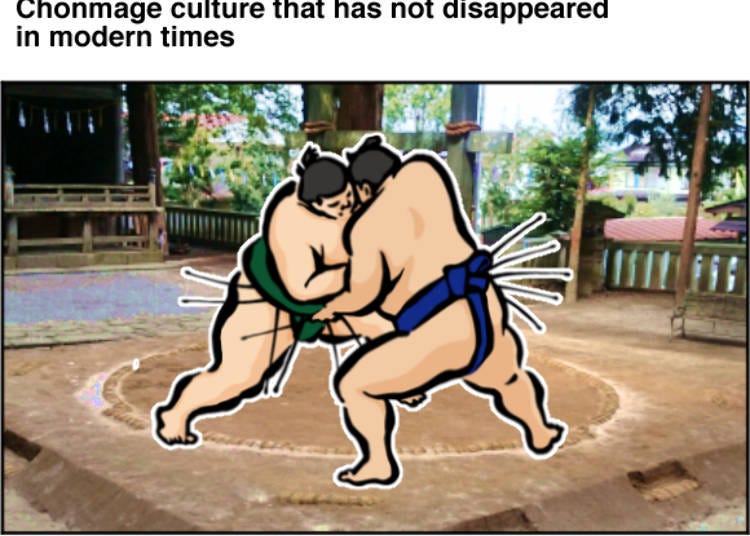
Even today, the spirit of the chonmage lives on in Japanese sumo wrestling. Sumo wrestlers, known as rikishi, still wear a form of this hairstyle to honor the samurai tradition. For the samurai, the chonmage was more than just a hairstyle—it was a proud emblem of honor and dedication to their role.
So, the chonmage isn’t just a quirky hairstyle; it’s a historical icon that represents the honor, pride, and uniqueness of Japan’s samurai culture.
Illustrations courtesy of Manga de Japan
*Prices and options mentioned are subject to change.
*Unless stated otherwise, all prices include tax.
Popular Tours & Activities
Recommended places for you
-
ISHIDAYA Hanare
Yakiniku
Kobe, Sannomiya, Kitano
-
Shinjuku Gyoen National Garden
Gardens
Shinjuku
-
Goods
Yoshida Gennojo-Roho Kyoto Buddhist Altars
Gift Shops
Nijo Castle, Kyoto Imperial Palace
-
Appealing
Rukku and Uohei
Izakaya
Sapporo / Chitose
-
Jukuseiniku-to Namamottsuarera Nikubaru Italian Nikutaria Sannomiya
Izakaya
Kobe, Sannomiya, Kitano
-
Shibuya Crossing
Downtown
Shibuya
-
30 Best Places to See Autumn Leaves in Japan in 2026 (+Peak Times & Map)
by: Nao
-

Haneda Airport Duty-Free Shopping Guide: What to Buy, How to Save & Where to Eat Before Your Flight
by: Guest Contributor
-
Top-Booked by International Visitors: Must-Try Italian & Pizza in Tokyo for First-Time Visitors
by: Guest Contributor
-

ANA’s Chiikawa Jet Is Taking Off—Here’s Everything You Need to Know About Exclusive Goods, In‑Flight Fun & Travel Tips
by: Guest Contributor
-

The Best Sumo Experiences in Tokyo: Morning Practices vs. Sumo Shows
-
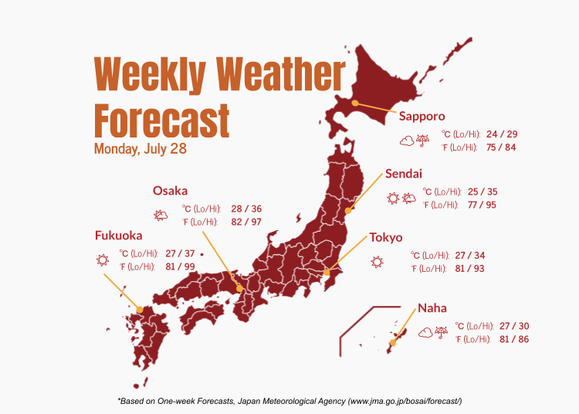
7-Day Japan Weather Forecast: Tokyo, Osaka, Sapporo, Sendai, Fukuoka, Naha – Plan & Pack Smart for Your Trip
-
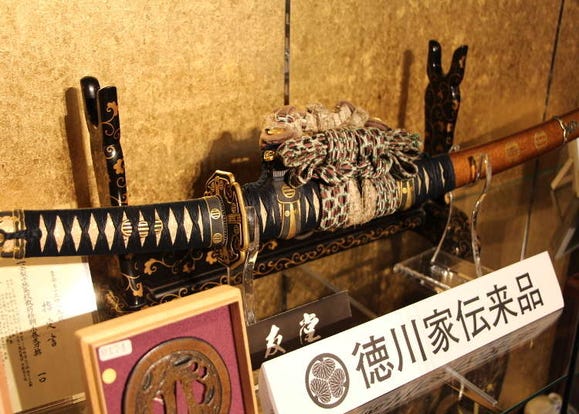
Seiyudo Katanas: Japanese Sword Heaven in the Heart of Tokyo (Video)
-
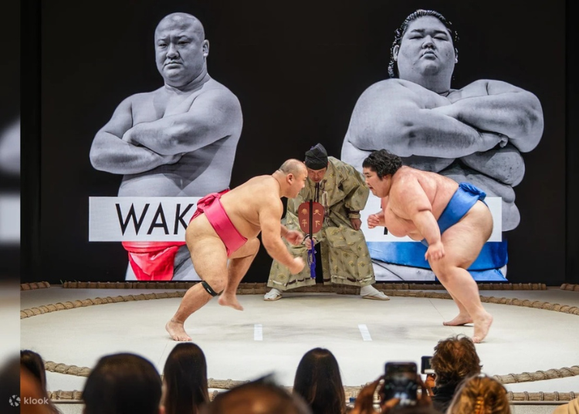
Missed the Sumo Tournament? 5 Best Shows in Osaka & Kyoto
-
All About Kimono: Designs, Patterns, Where (and How) To Buy!
-
Ikebukuro Station Area Guide: Top 15 Spots When You Escape the Station's Maze!
-

Top 5 Things to Do in Hokkaido's Biei and Furano Area: Shirogane Blue Pond, Lavender Fields, And More!
-

Geisha in Kyoto Struggle to Protect Traditions in Face of Coronavirus
by: Cassandra Lord
- #best sushi japan
- #what to do in odaiba
- #what to bring to japan
- #new years in tokyo
- #best ramen japan
- #what to buy in ameyoko
- #japanese nail trends
- #things to do japan
- #onsen tattoo friendly tokyo
- #daiso
- #best coffee japan
- #best japanese soft drinks
- #best yakiniku japan
- #japanese fashion culture
- #japanese convenience store snacks